- 01
- May
Shebag handmade Hermes bag leather thickness test (May 2026 updated)
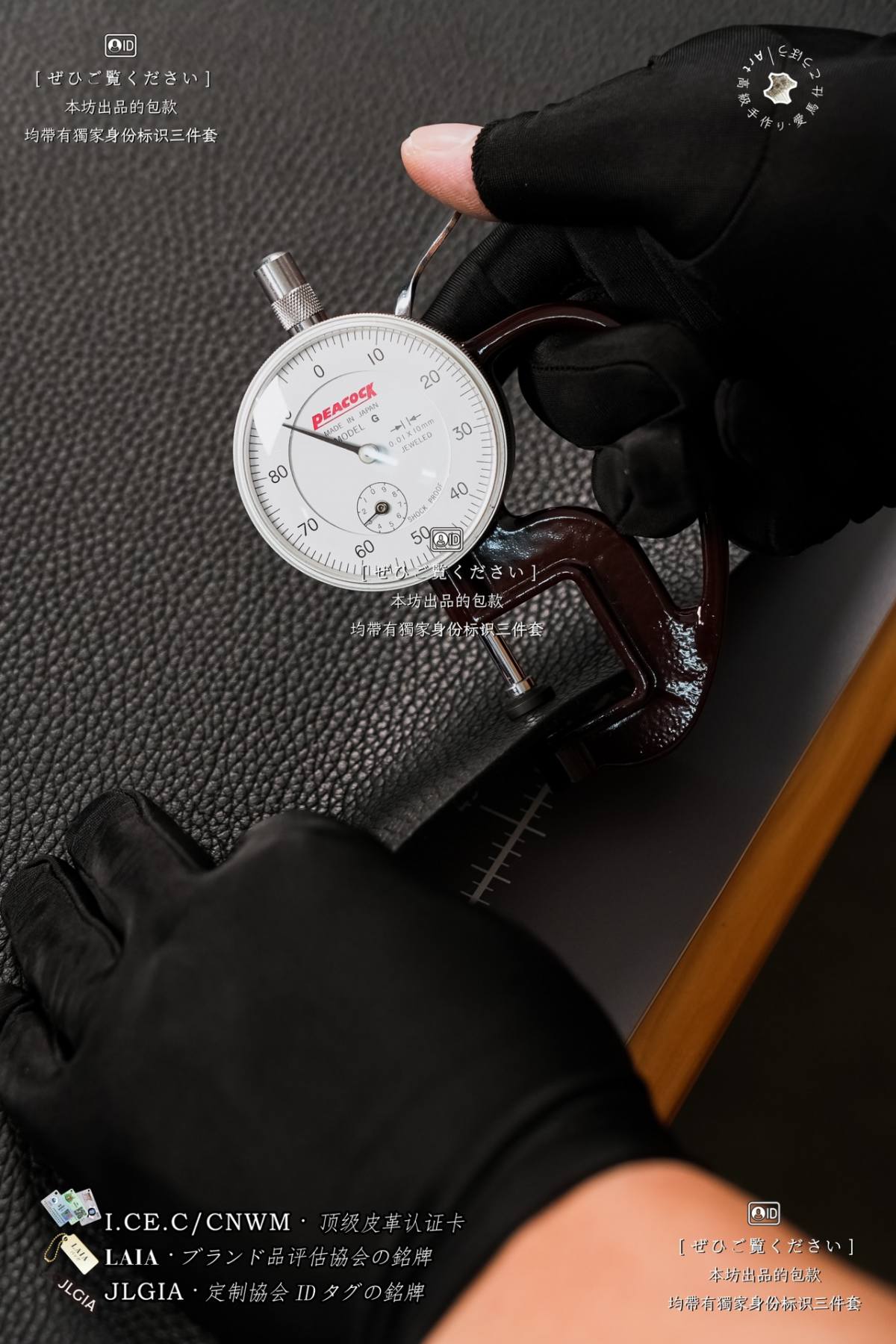
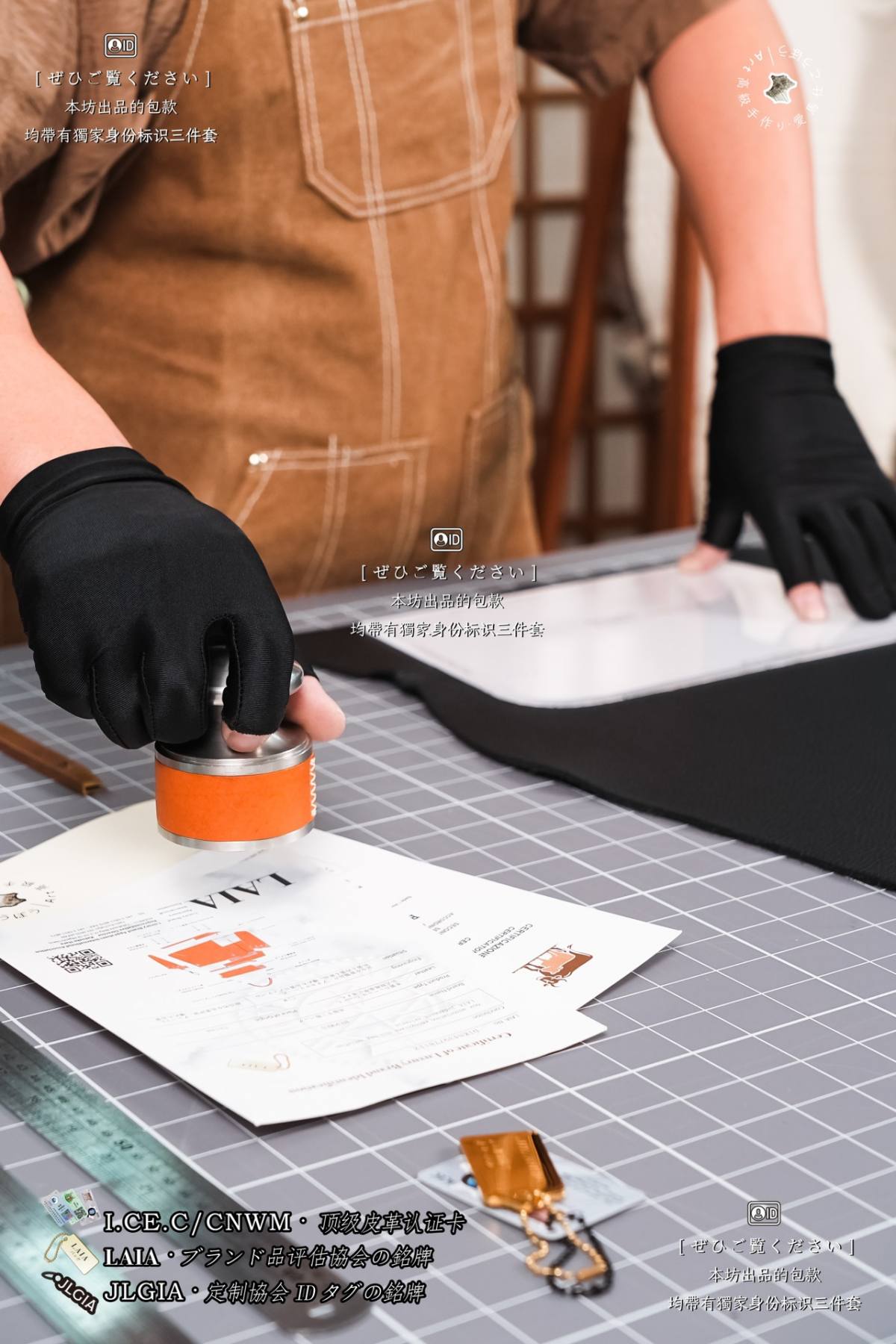
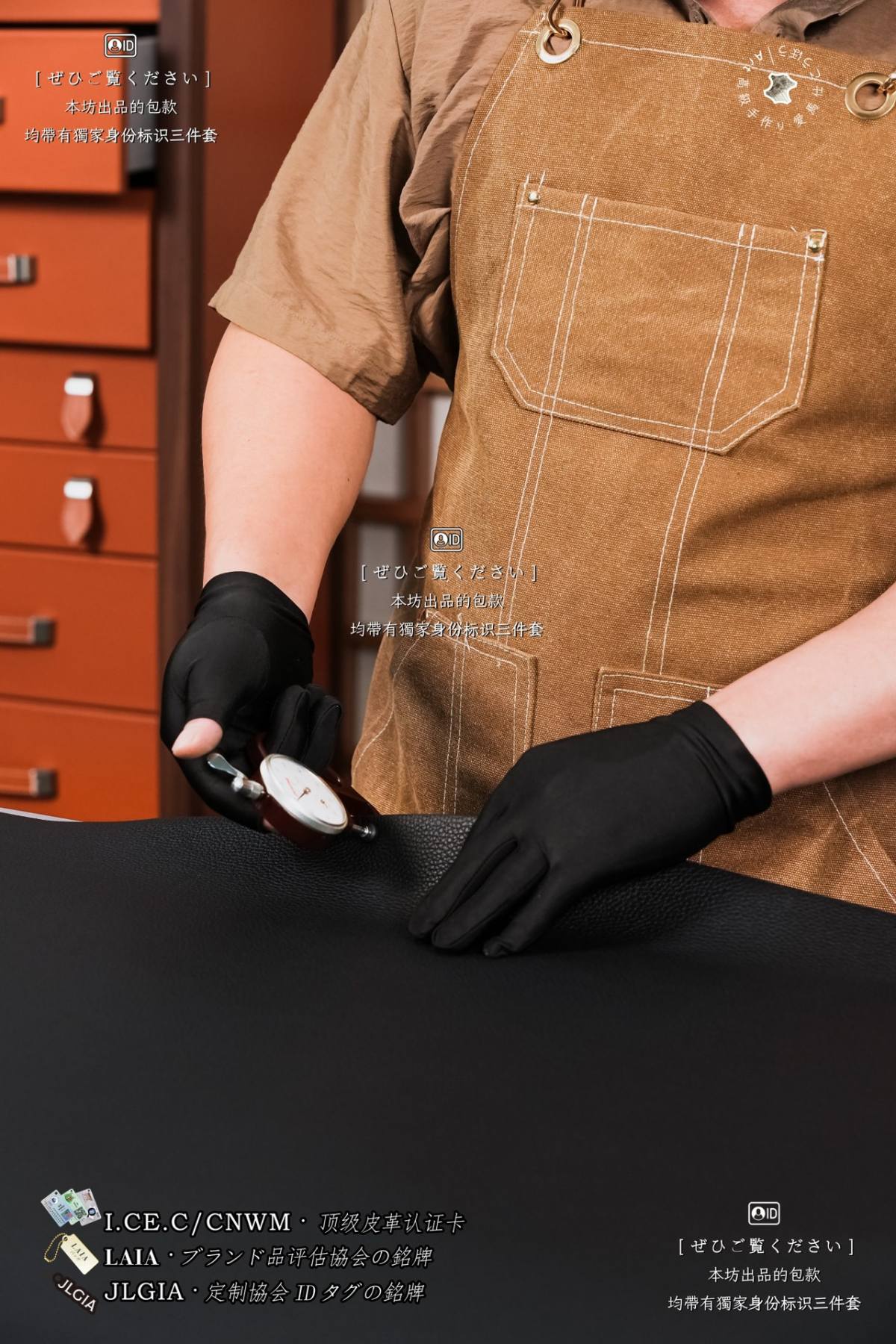
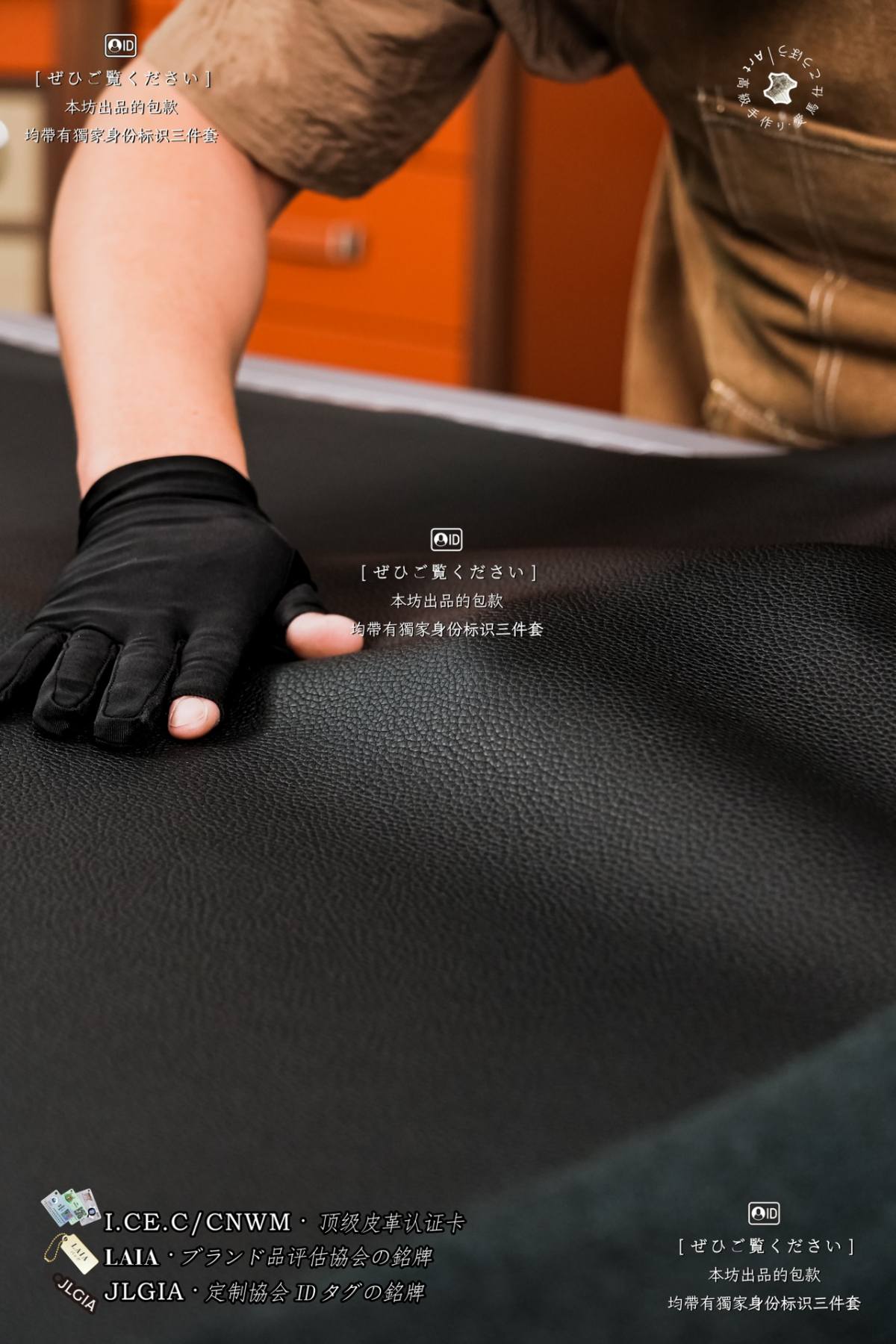
For Hermès-grade handmade leather goods, precise leather thickness control stands as a fundamental manufacturing benchmark. Although Shebag produces replica leather goods, it adheres entirely to the original craftsmanship and thickness specifications adopted by authentic Hermès productions. Throughout the full production workflow covering leather sourcing, pattern cutting, skiving and hand stitching, Shebag implements rigorous thickness inspection with a precision thickness gauge calibrated to an accuracy of ±0.01mm. This standardized thickness management underpins structural shaping, consistent stitching uniformity, unified tactile texture, long-term durability and overall aesthetic presentation, all of which are indispensable prerequisites for high-standard bag making.
Different leather materials are configured with stringent calibrated thickness ranges to match their structural application scenarios. Epsom calf leather is set at 1.0–1.2mm, featuring firm texture and excellent moulding performance ideal for crafting Birkin and Kelly styled silhouettes. Togo grained leather maintains a thickness of 1.2–1.4mm, balancing softness and toughness to deliver natural draping effects. Swift smooth calf leather is controlled within 0.8–1.0mm, characterised by an ultra-thin and delicate texture suitable for inner pocket and flap construction. Clemence heavy grained leather ranges from 1.4–1.6mm, offering substantial thickness and abrasion resistance to enhance the structural rigidity of bag bodies. Lining materials including lambskin and suede are regulated to 0.5–0.7mm, ensuring soft and lightweight fitting without creating bulky inner layers.
Mandatory thickness measurement is rooted in five core craftsmanship logics. Leather thickness defines the fundamental silhouette shaping capability of the finished piece. Leather exceeding 1.6mm will result in overly rigid bag structures, bulging edge corners and poorly fitted flaps accompanied by corner collapse tendency, while material thinner than 0.8mm leads to insufficient structural support, susceptibility to stress deformation, long-term sagging and edge abrasion. Following Hermès benchmark standards, the thickness deviation between symmetrical cutting panels of a single bag is controlled within 0.1mm, with non-compliant components directly discarded to maintain consistency.
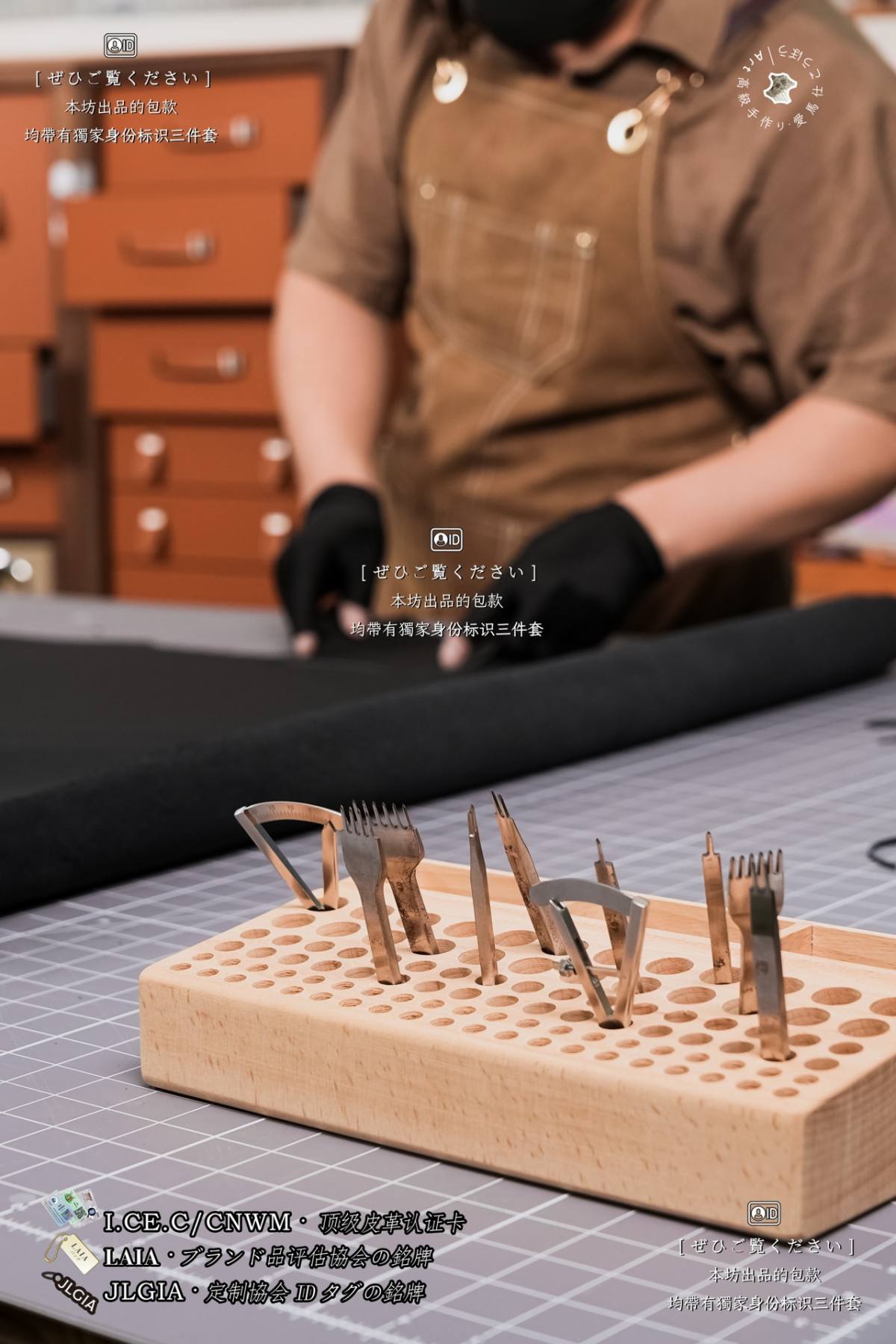
Leather thickness also governs the matching specification of needle models, thread diameters and stitch spacing to secure stitching stability and structural fastness. For leather of 1.0mm thickness, production adopts size 7 needles paired with 0.6mm waxed thread at a stitch spacing of 2.5mm, whereas 1.4mm leather requires size 9 needles, 0.8mm waxed thread and a stitch spacing of 3.0mm. Inconsistent material thickness causes uneven stitch tension, leading to distorted stitching traces, seam cracking and surface wrinkling. Key stress-bearing positions including top handles, shoulder straps and bag openings are configured with a thickness increment of 0.2–0.3mm compared with regular panels to effectively prevent structural fracture.
Precision thickness calibration is also critical to the Parage skiving process pioneered by Hermès, where the flesh side of leather is pared down to 0.4–0.6mm to facilitate edge folding and seamless panel splicing. For edge folding on bag openings and flap perimeters, the combined thickness of two layered materials is limited to 1.2mm to achieve smooth rounded edges without bulging. Side panel and base splicing requires flat joint integration without protrusion for streamlined tactile feedback, while three-layer reinforced inner lining laminating is capped at 1.8mm to avoid redundant bulkiness and maintain permanent shaping. Any skiving deviation exceeding 0.1mm will trigger edge cracking, splicing bulges and inner lining wrinkling that compromise finished quality.
Uniform leather thickness directly determines the premium tactile experience and overall aesthetic grade of the finished product. Consistent thickness across identical leather panels delivers balanced softness and rigidity with natural draping performance, whereas uneven thickness distribution creates fragmented tactile perception with alternating hard and soft areas, resulting in a downgraded visual and textured presentation. Aligning with Hermès quality protocols, the thickness deviation of all external leather surfaces of a completed bag is restricted within 0.2mm to unify hand-held tactile feeling and visual sophistication.
Thickness standardisation further serves as the underlying guarantee for long-term durability and systematic quality control. Insufficient material thickness leads to inadequate tensile and tear resistance, triggering prolonged usage issues such as surface cracking, peeling and permanent deformation. Every batch of raw leather undergoes sampling inspection in accordance with the ISO 2589 standard, with entire batches eliminated if failing to meet thickness compliance requirements.
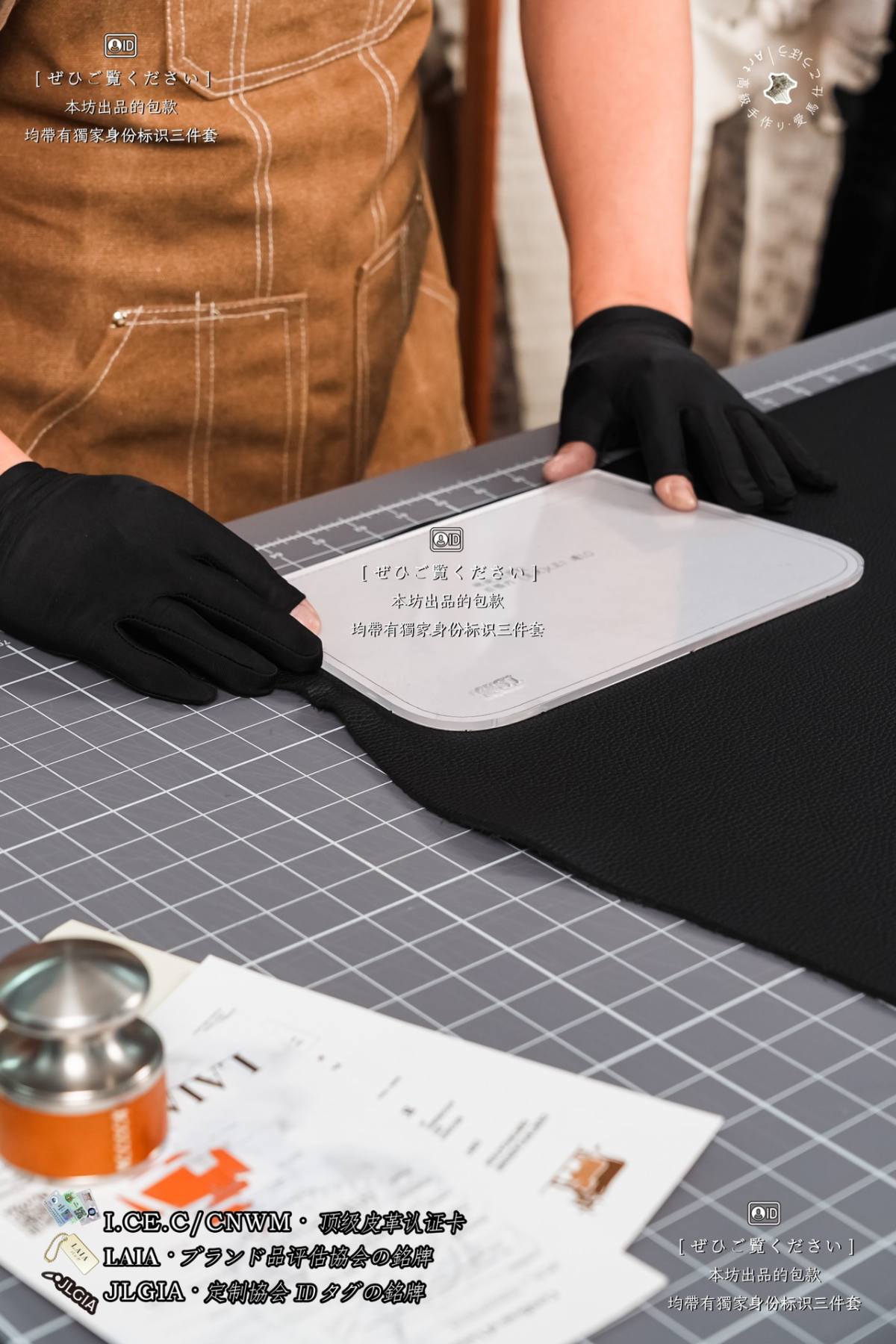
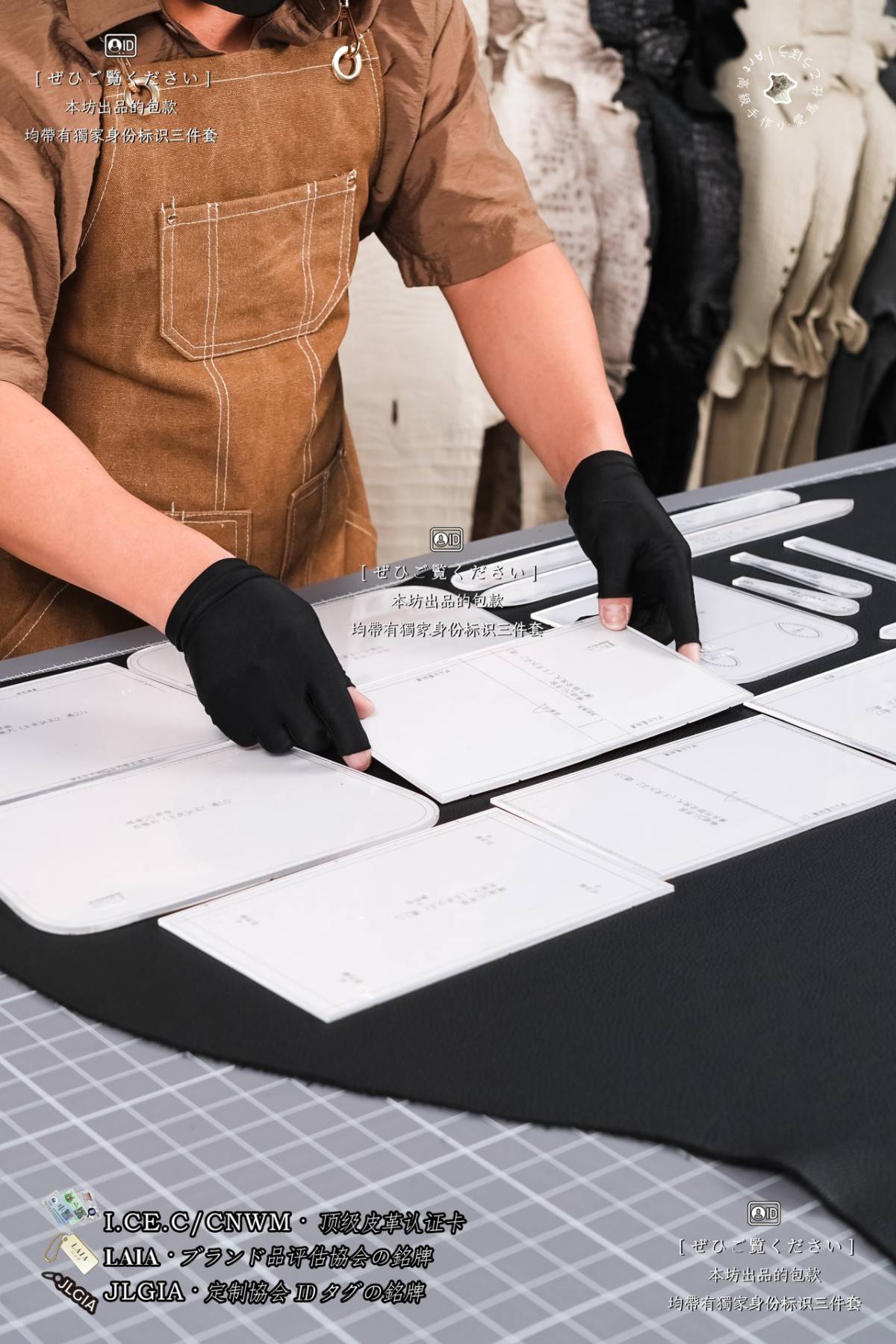
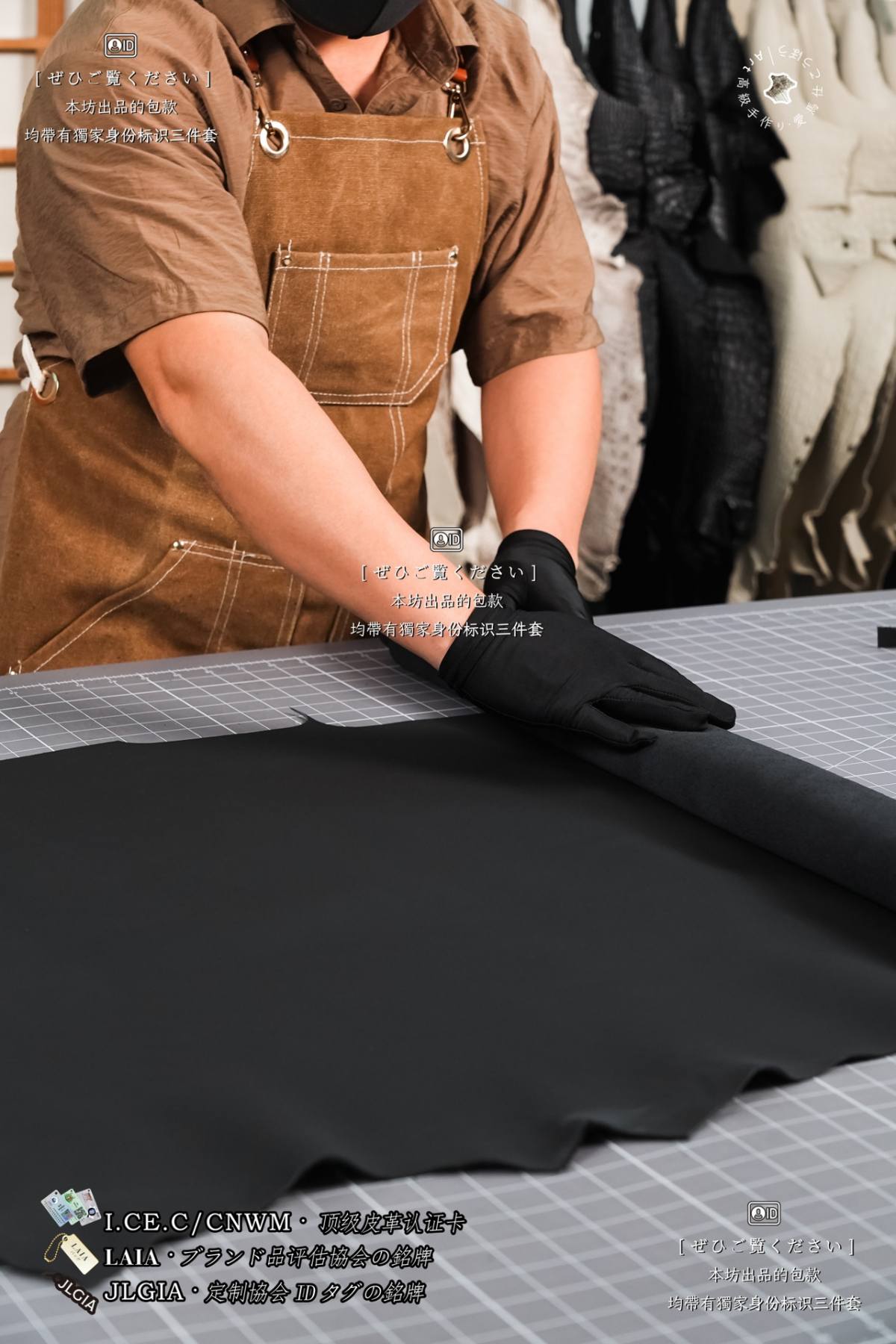
In practical quality control implementation, thickness verification is conducted at three pivotal production stages. During leather sourcing, nine-point thickness detection covering four corners, four mid-edges and the central area of the whole hide is performed, with materials presenting a thickness deviation over 0.3mm rejected upfront. After pattern cutting, each individual panel undergoes three-point thickness testing, and symmetrical panels can only proceed to the stitching phase when their thickness deviation is controlled within 0.1mm. Post skiving, two-point inspection is implemented on edge folding and splicing sections to ensure the pared thickness strictly falls within the calibrated 0.4–0.6mm range.