- 03
- May
Shebag handmade Hermes Lindy 26 bag leather pieces craftmanship review(May 2026 updated)
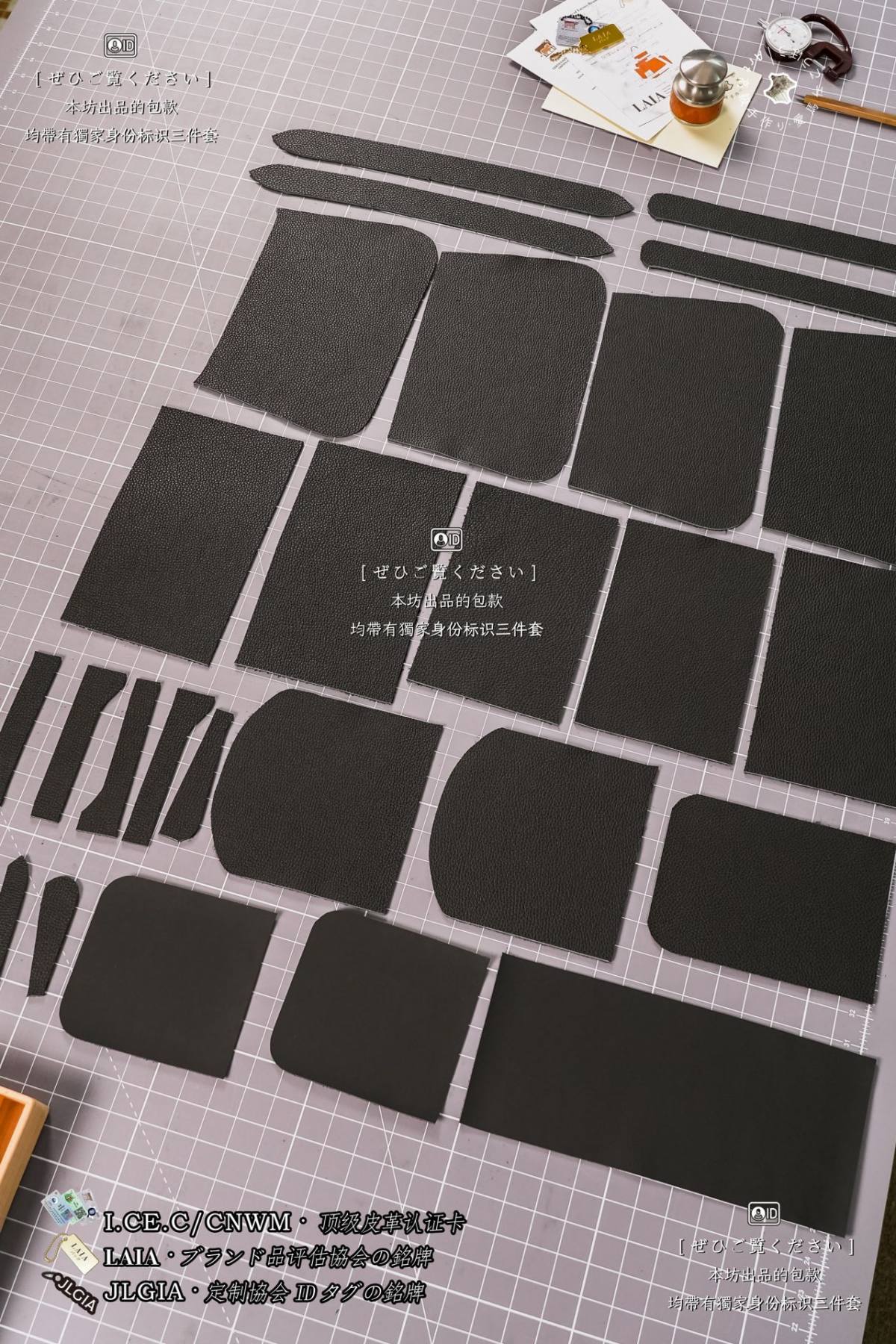
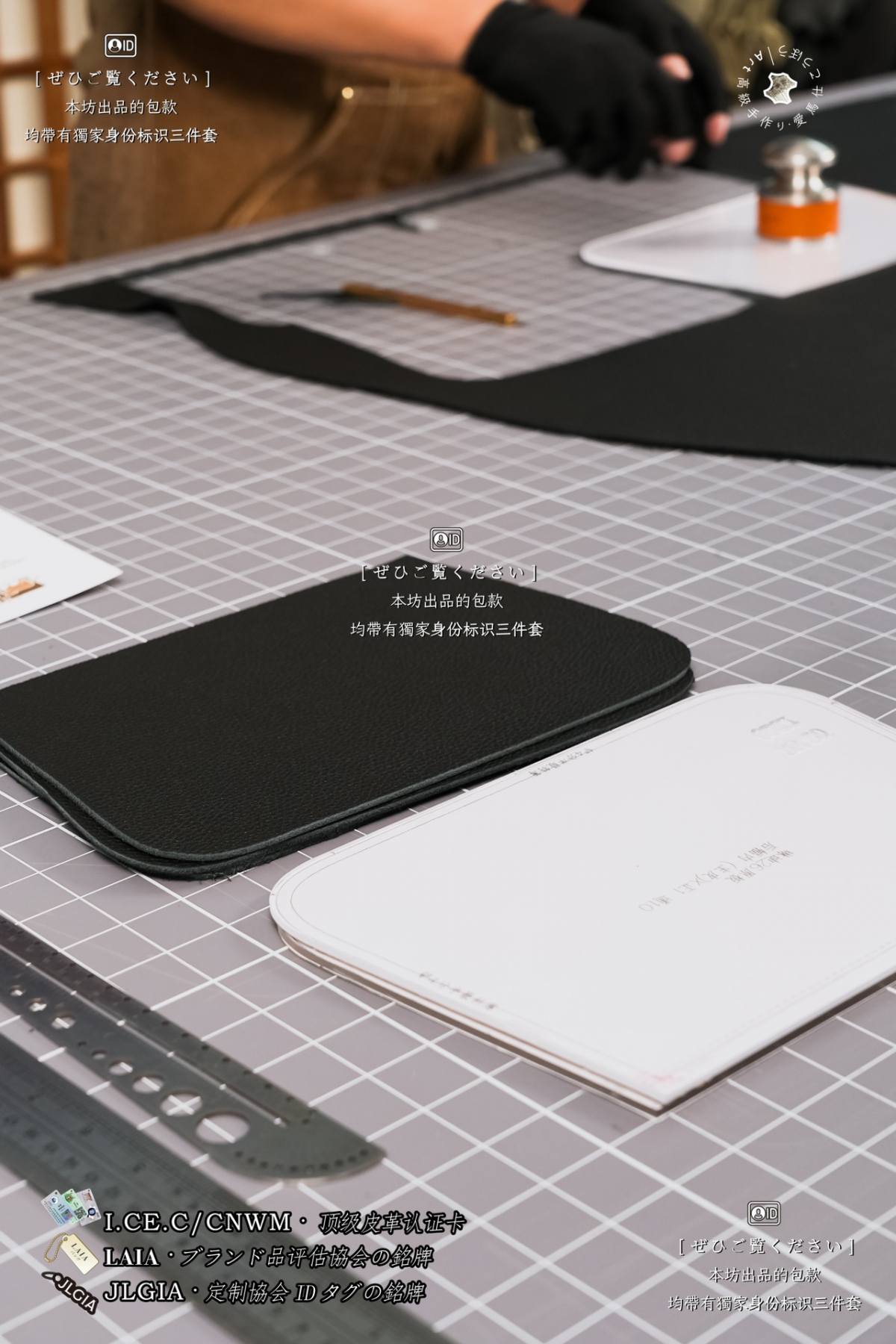
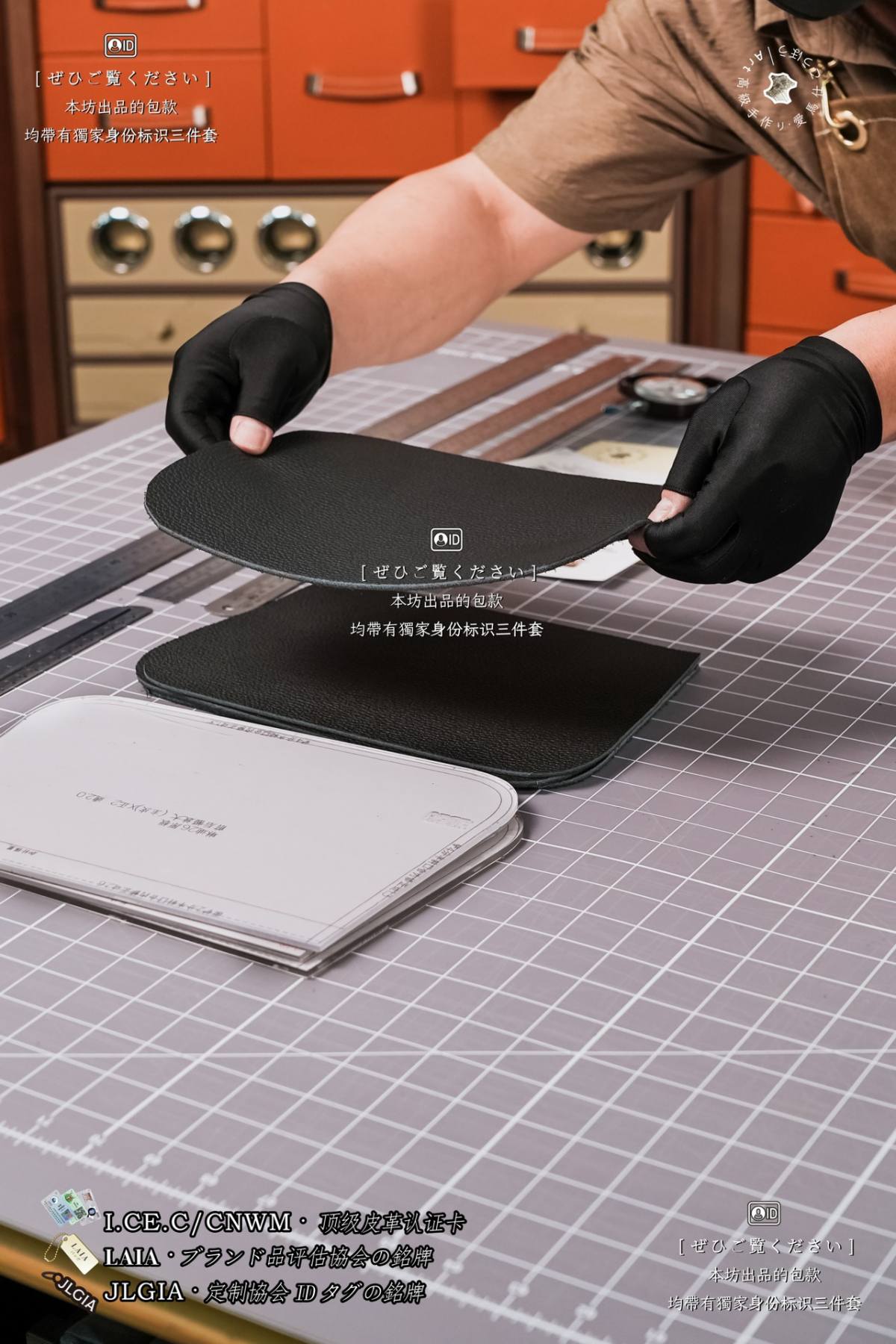
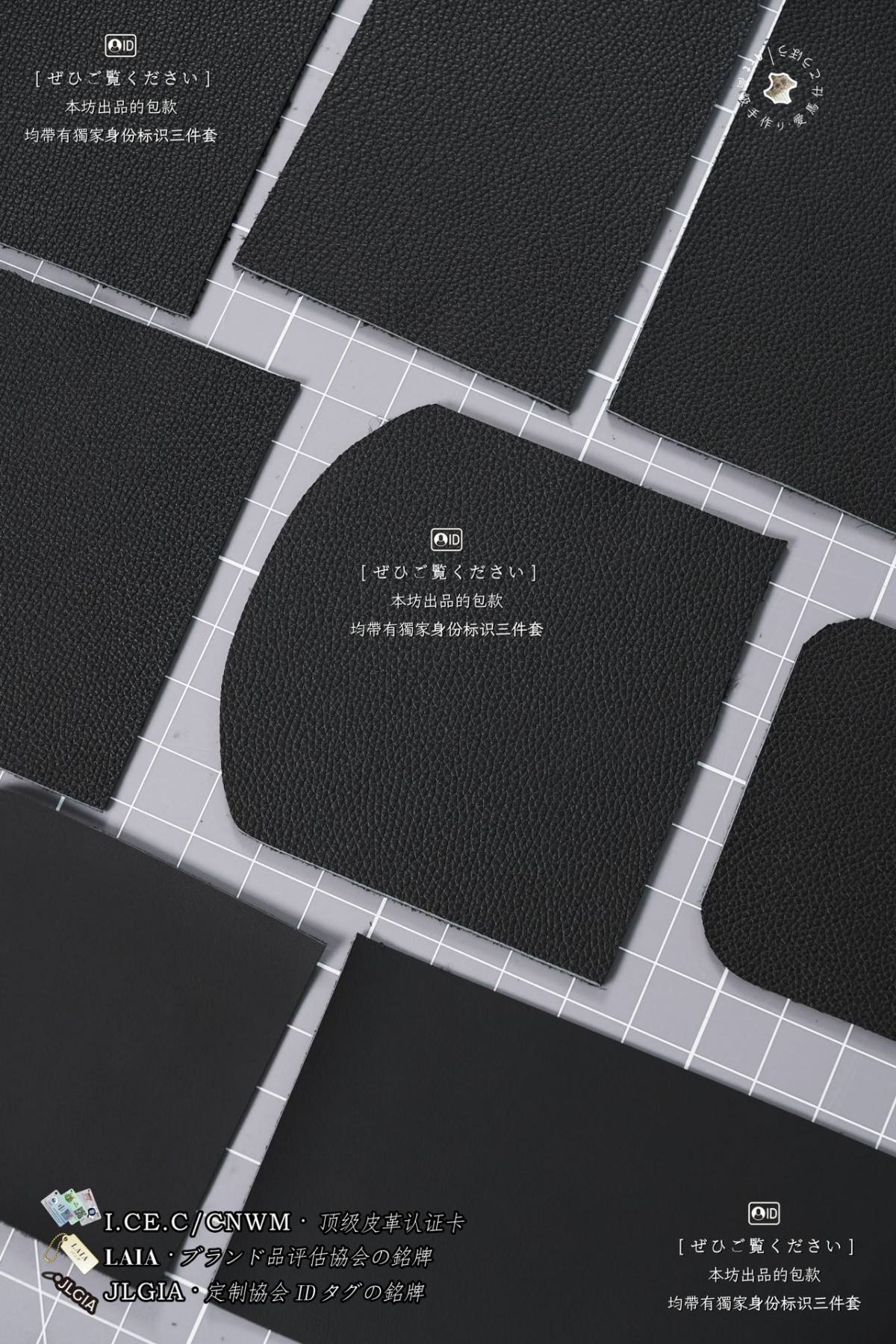
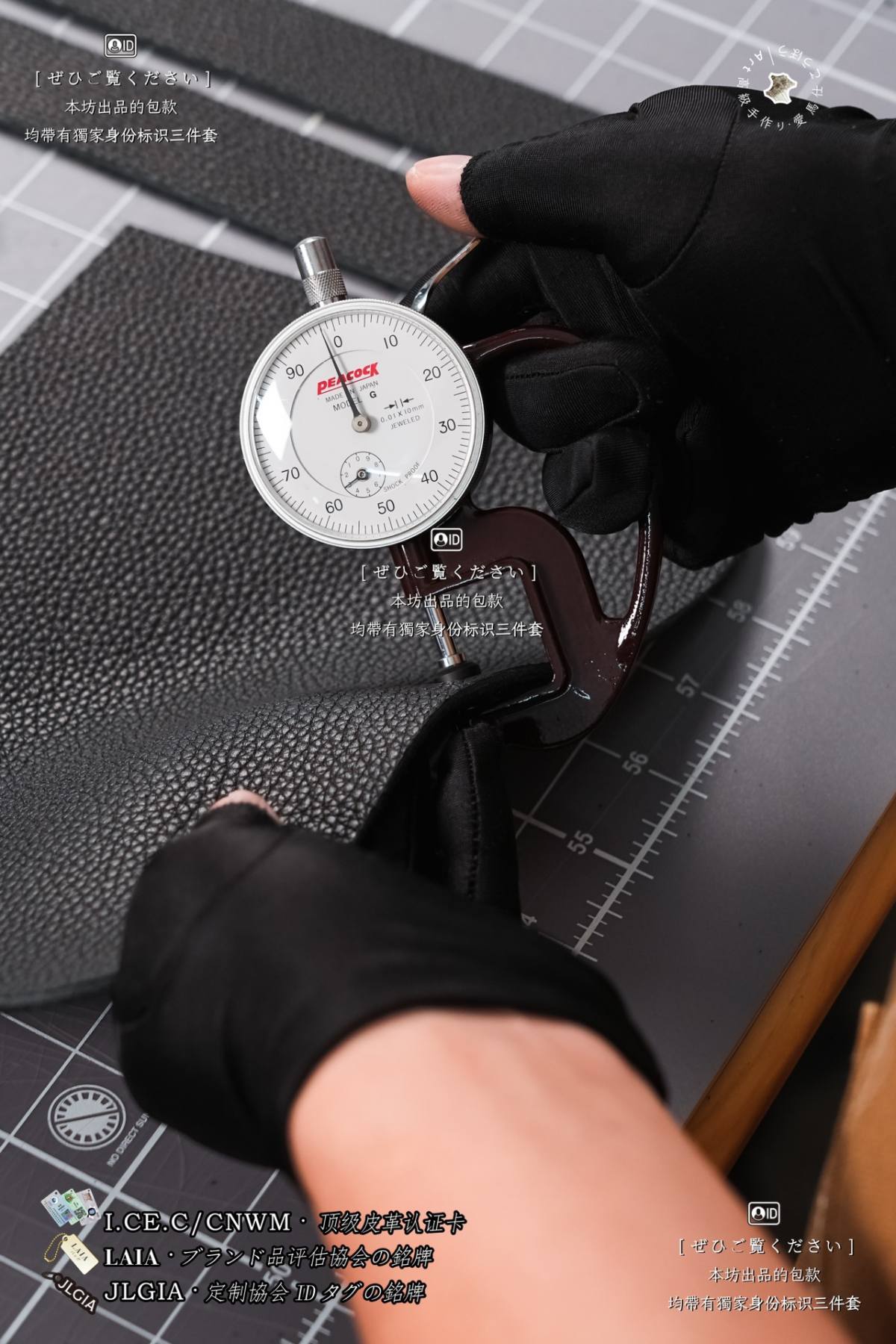
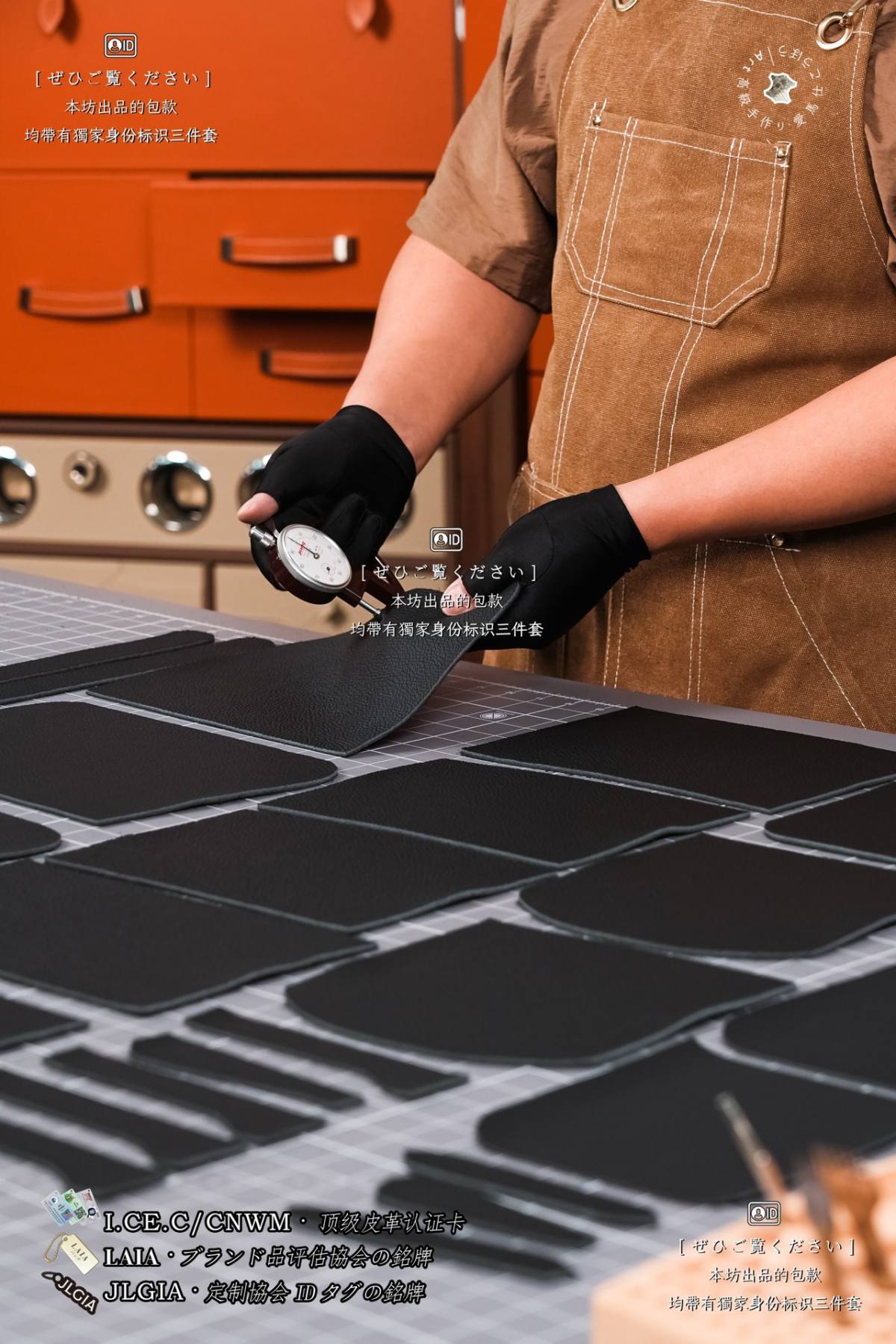
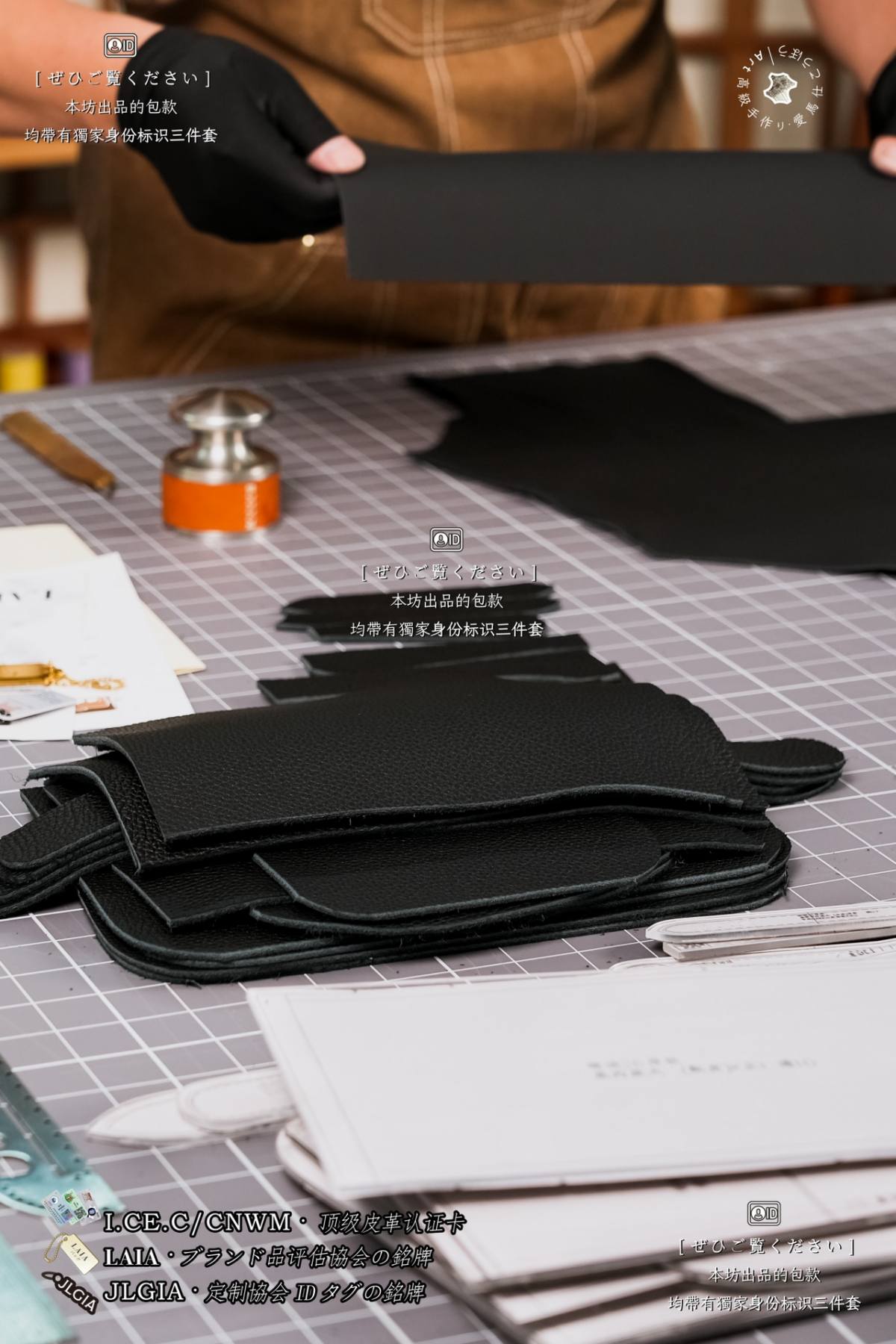
Once the cutting process for Hermès leather components is completed, each leather piece undergoes thickness measurement, followed by targeted thinning treatment tailored to different structural areas, before stitching holes are precisely punched out. Fully adhering to the authentic craftsmanship standards of genuine Hermès pieces, Shebag strictly implements the full artisanal production workflow step by step, achieving a precise one-to-one replication in every technical methodology and procedural detail.
Baseline thickness standards are established for raw leather materials, with specifications calibrated referencing Togo and Epsom leather types. Outer leather maintains a thickness range of 1.8 to 2.2 millimeters, adjusted accordingly where softer Togo leather adopts a dimension of 2.0 to 2.2 millimeters and structured Epsom leather follows 1.8 to 2.0 millimeters. Lining and inner leather are set at 1.2 to 1.4 millimeters, while handle leather ranges from 2.5 to 3.0 millimeters, with further thickness increase observed after multi-layer lamination. Professional measuring instruments deployed include digital thickness gauges with a precision of 0.01 millimeters and lever-type thickness testers. Measurement protocols adopt a five-point inspection method covering four corners and the center of each piece to record maximum, minimum and average thickness values, with intensified sampling within a 10-millimeter margin along edges to inspect uneven thickness deviations. The quality benchmark stipulates the thickness variance of a single piece shall not exceed 0.15 millimeters, with fine skiving adjustments mandatory for any non-compliant materials. Such systematic measurement procedures serve to define targeted thinning standards for individual components, regulate the overall thickness of laminated multi-layer structures to avoid bulging or indentation at stitching joints, and sustain consistent hand feel and structural rigidity across batch leather materials.
Regional targeted thinning, recognised as parage in traditional Hermès craftsmanship, represents a core manufacturing procedure accomplished through combined application of professional skiving machines from Nippon of Japan and Günter of Germany, supplemented by manual precision trimming. The methodology prioritises gradient transition and zone-specific thickness control under standardized principles: stitching edges adopt gradual thinning while retaining structural strength at the central area to prevent cracking and facilitate smooth sewing; laminated bonding sections are halved in thickness to ensure the overall dimension of stacked layers approximates that of a single original leather sheet; stress-bearing components including handles, bag openings and bottom corners preserve original thickness with localized reinforcement. Standard thickness conversion benchmarks are implemented across all key components. For front and rear main body panels, the 8 to 10 millimeter edge stitching zone is reduced from 2.0 millimeters to 0.6 to 0.8 millimeters via oblique gradient skiving with the edge maintaining the thinnest dimension, the central structural area retained at 1.4 to 1.6 millimeters for rigidity, and the bottom triangular section adjusted to 1.0 to 1.2 millimeters to enable natural folding and prevent rigid creases after stitching. Side gusset panels see their 8-millimeter bilateral stitching edges trimmed from 1.8 millimeters to 0.5 to 0.7 millimeters, the middle bending section maintained at 1.0 to 1.2 millimeters to withstand repeated flexion without over-thinning, and upper and lower joint areas calibrated to 0.8 millimeters, ensuring the combined thickness of two bonded panels stabilizes at approximately 1.6 millimeters. For bag openings and flap sections, the outer edge designated for edge painting is refined from 2.0 millimeters to 0.4 to 0.6 millimeters, delivering soft texture and resistance to edge paint cracking, hardware lock aperture areas retained at 1.2 to 1.4 millimeters to avoid edge collapse post-punching, and flap fold lines adjusted to 0.8 to 1.0 millimeters for seamless folding without bulging. Four-layer laminated handle components have each edge section within a 10-millimeter width thinned from 2.5 millimeters to 1.0 millimeter and the central part kept at 1.8 millimeters, resulting in an overall laminated thickness of 3.6 to 4.0 millimeters with compact texture and resilient flexibility. Inner lining materials undergo uniform overall thinning from 1.4 millimeters to 0.8 to 1.0 millimeters to attain softness, lightweight property and perfect adhesion, with further micro-trimming of edge stitching zones down to 0.6 millimeters.
The thinning process integrates mechanical rough skiving and manual precision finishing. Mechanical operation regulates blade clearance according to targeted thickness, executing thinning in two to three progressive passes from thick to thin to prevent fiber tearing caused by one-time excessive trimming. The blade shaft is positioned at a 20 to 30-degree angle relative to the leather surface, creating a 45-degree inclined gradient on the edge. Materials are fed at a steady pace with reduced speed at edges and moderate velocity in the central area to ensure seamless gradient transition, reserving a 0.1 to 0.2 millimeter margin for subsequent manual refinement. Manual supplementary skiving constitutes a pivotal procedure in authentic Hermès craftsmanship, utilising curved skiving knives and 400/800 grit abrasive boards. Craftsmen polish inclined edge surfaces manually to eliminate tool marks and maintain stepless gradient transition, create subtle indentations within a 1-centimeter radius around aperture positions to allow natural sinking of stitching lines for enhanced flatness, and polish bending zones gently with abrasive boards to soften leather fibers and improve fracture resistance under repeated flexion. Strict quality control standards mandate consistent 8 to 10 millimeter gradient surface width without irregular deviations, smooth thickness transition free of rigid edges, step marks and localized over-thinning, intact leather surfaces devoid of tool scratches and fiber fuzzing with tightly structured edge fibers, and balanced lamination where the combined thickness of two bonded panels matches the dimension of the original single leather sheet.
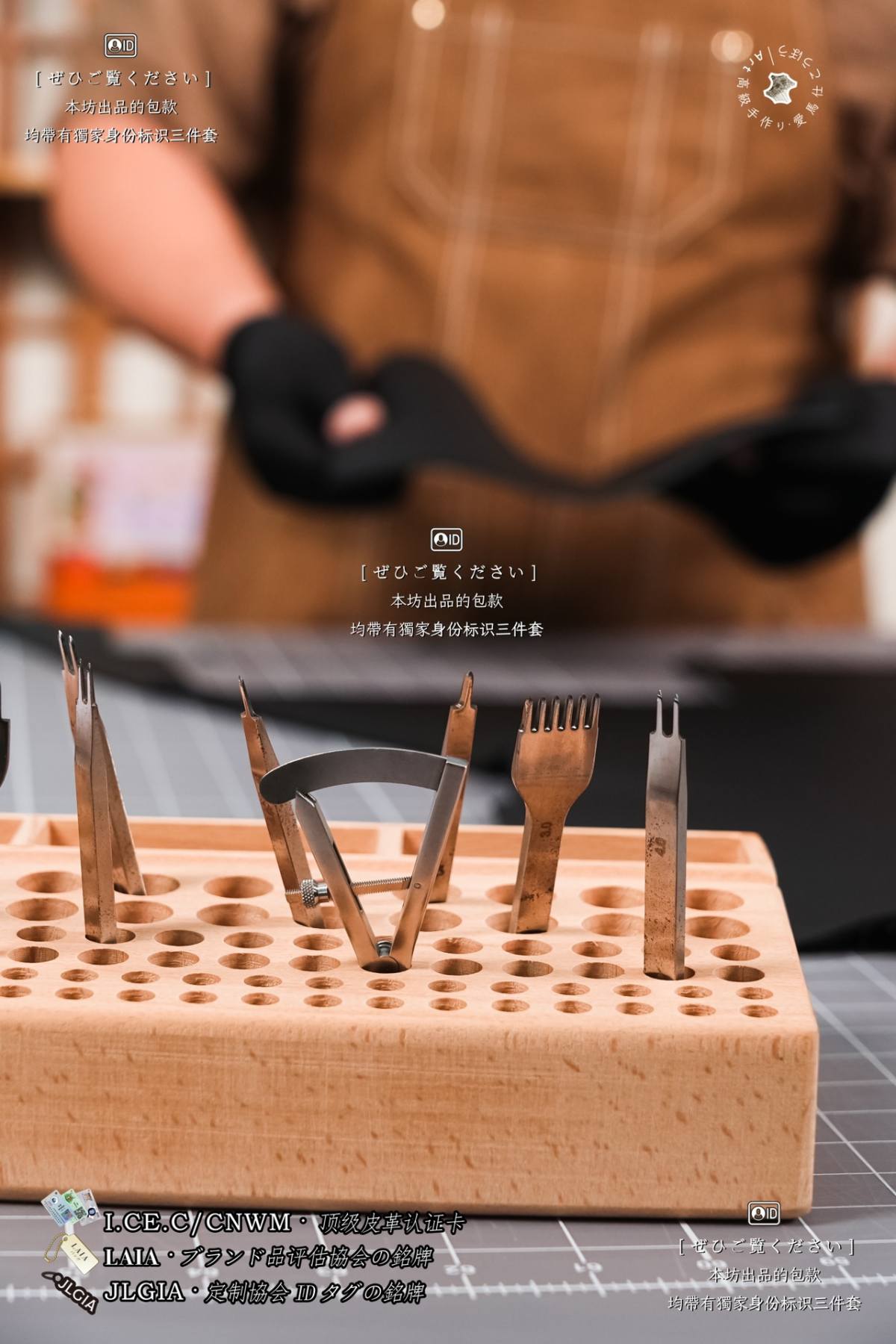
Stitching hole punching, referred to as piquage in Hermès artisanal terminology, follows the thinning process through a standard workflow of line marking, positioning and perforation adopting the classic Blanchard pricking method, characterised by strict vertical alignment, equidistant spacing, standardized hole geometry and full penetration on both leather sides. The tool suite comprises spacing gauges to set the margin between stitching lines and edges within 3.5 to 4.0 millimeters with a standard calibrated dimension of 3.85 millimeters, No.8 pricking irons delivering 3.85 millimeter spacing configured with combinations of ten-tooth and two-tooth specifications, soft-faced wooden mallets crafted from maple and beech wood to prevent edge chipping during light tapping, and work pads made of hard rubber or marble to ensure flat and neat rear surfaces after perforation. During line marking and positioning, the spacing gauge is calibrated to 3.85 millimeters to imprint shallow guide grooves along leather edges with smooth linear and arc transitions throughout the layout. Round compasses are applied at corner sections to create curved transitions and eliminate sharp angles. For multi-layer lamination sections, marking is completed prior to adhesion and punching to guarantee precise alignment of aperture positions across stacked layers.
The punching procedure adheres to rigorous technical specifications in spacing control and hole configuration. Standard spacing is fixed at 3.85 millimeters via No.8 pricking irons with permissible dimensional error limited to 0.1 millimeters. A diamond-shaped hole profile with wider upper opening of approximately 1.2 millimeters and narrower lower opening of 0.8 millimeters is implemented, achieving full bilateral penetration without burr formation. Aperture arrangement maintains uniform distribution along linear and curved paths with subtle spacing adjustment at corners to preserve visual consistency. Standard punching techniques demand absolute 90-degree vertical alignment of pricking teeth along marked guide grooves without angular deviation, as tilted apertures inevitably lead to skewed stitching lines and compromised structural neatness. Craftsmen apply uniform vertical tapping with wooden mallets, delivering one precise strike per aperture without repeated hitting or continuous pounding, and conduct penetration inspection to ensure neat rear hole edges free of cracking and fiber lifting. Punching sequence follows a middle-to-end layout to avoid cumulative dimensional errors, with long stitching sections divided into segments of ten to fifteen apertures for precise alignment between sections. Customised treatment protocols are applied to special structural areas. Ultra-thin edge zones of 0.4 to 0.6 millimeters require shallow perforation without full penetration, reserving a 0.1-millimeter base layer to prevent edge tearing. Thick sections including handles and bag openings with thickness ranging from 3.0 to 4.0 millimeters adopt two-stage punching with initial positioning indentation followed by deep penetration to avoid aperture collapse. Corner and curved sections utilise two-tooth pricking irons for individual aperture fine-tuning to sustain smooth arc curvature and consistent spacing. Two to four-layer laminated structures are perforated in a single pass with strict aperture alignment to eliminate positional dislocation that would hinder sewing operations and disrupt line uniformity. Comprehensive quality verification enforces the guide line maintains a consistent 3.85-millimeter margin parallel to edges without offset deviation, aperture spacing remains stable at 3.85 millimeters within 0.1-millimeter tolerance, all perforations maintain perfect verticality without tilting and deformation, diamond-shaped holes feature standardized geometry with full bilateral penetration and no burrs or edge chipping, and overall arrangement delivers straight linear paths, smooth arc transitions and natural corner contours free of irregular aperture distribution and positional misalignment.