- 04
- May
Shebag handmade Hermes bag stitching craftmanship review(May 2026 updated)
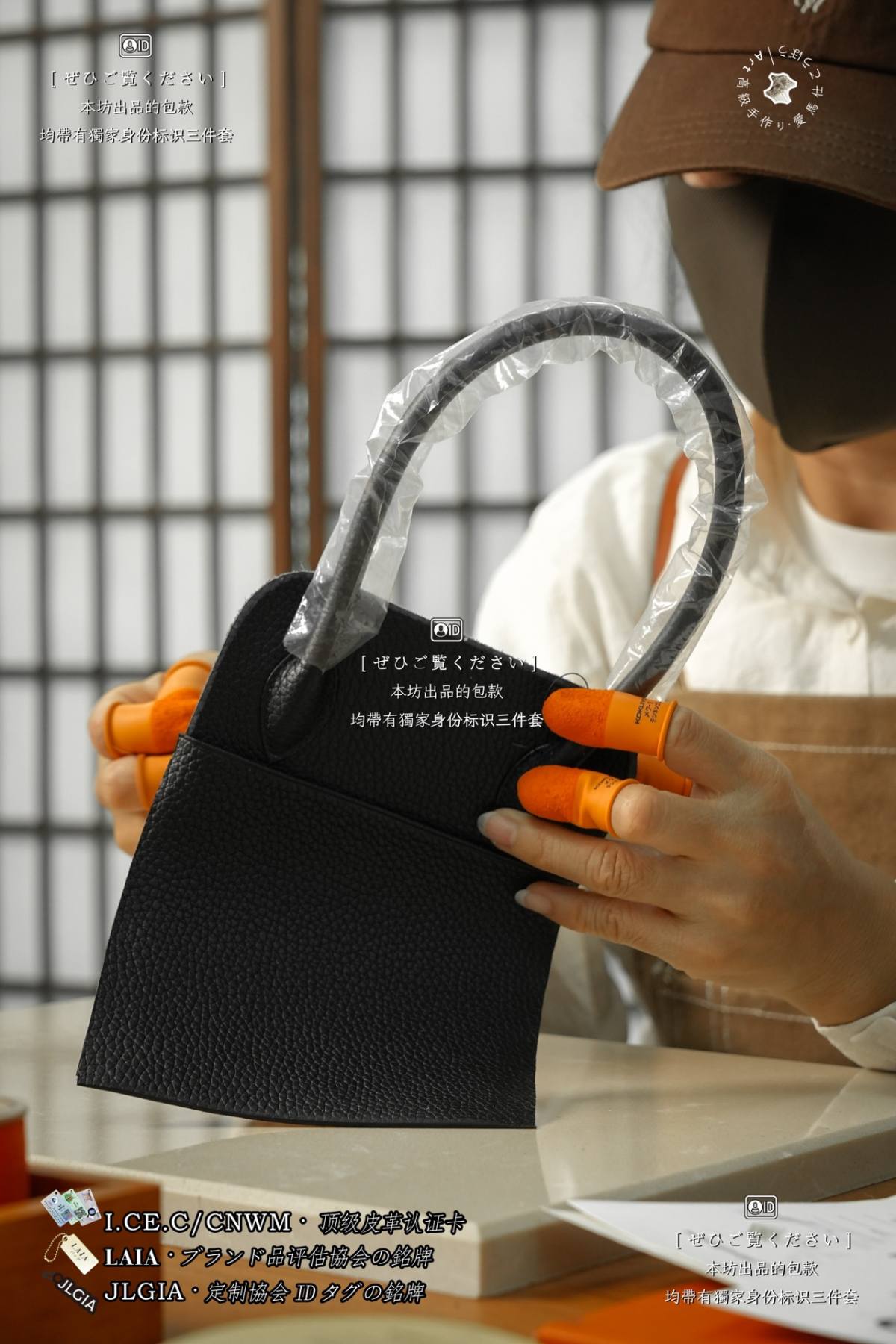
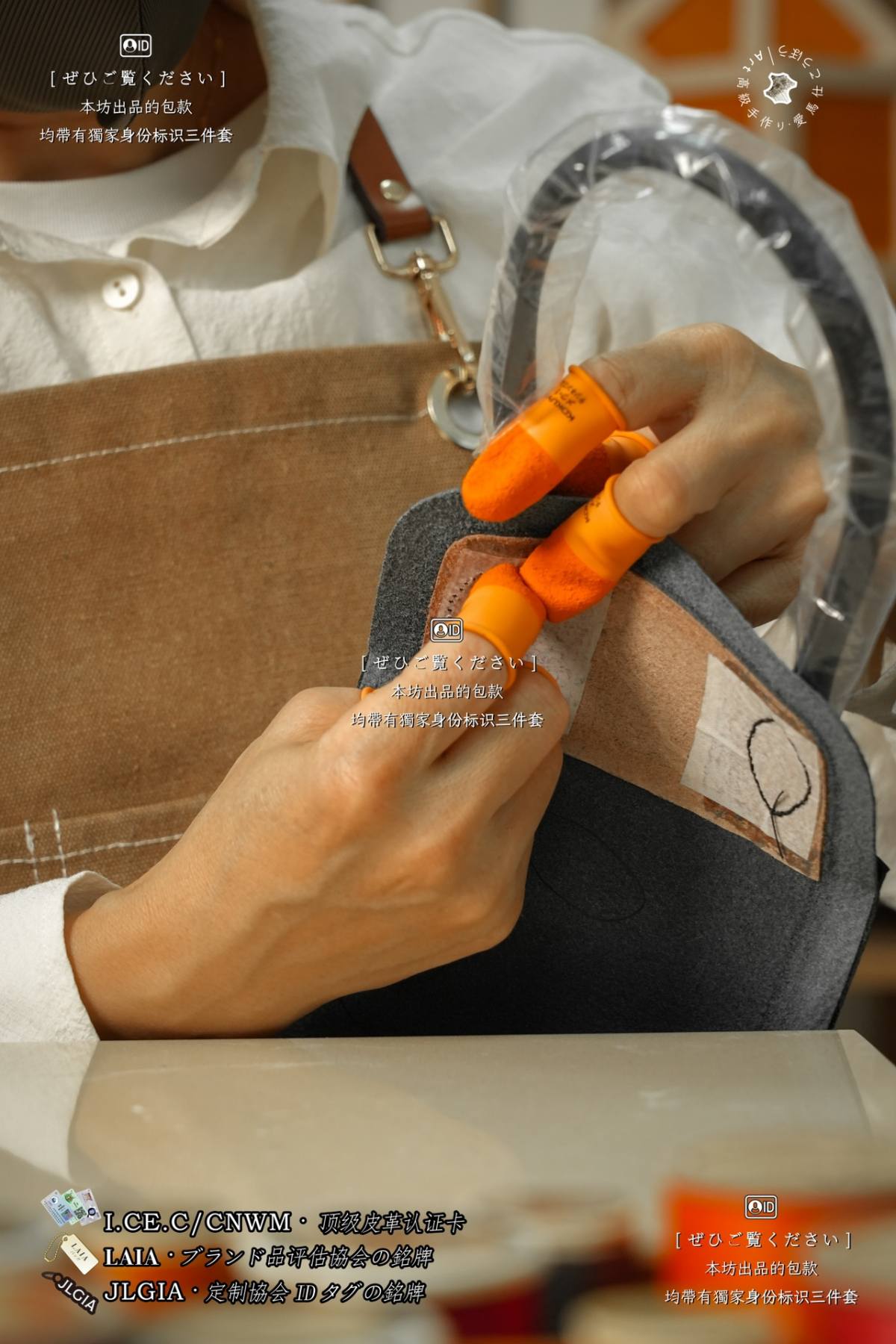
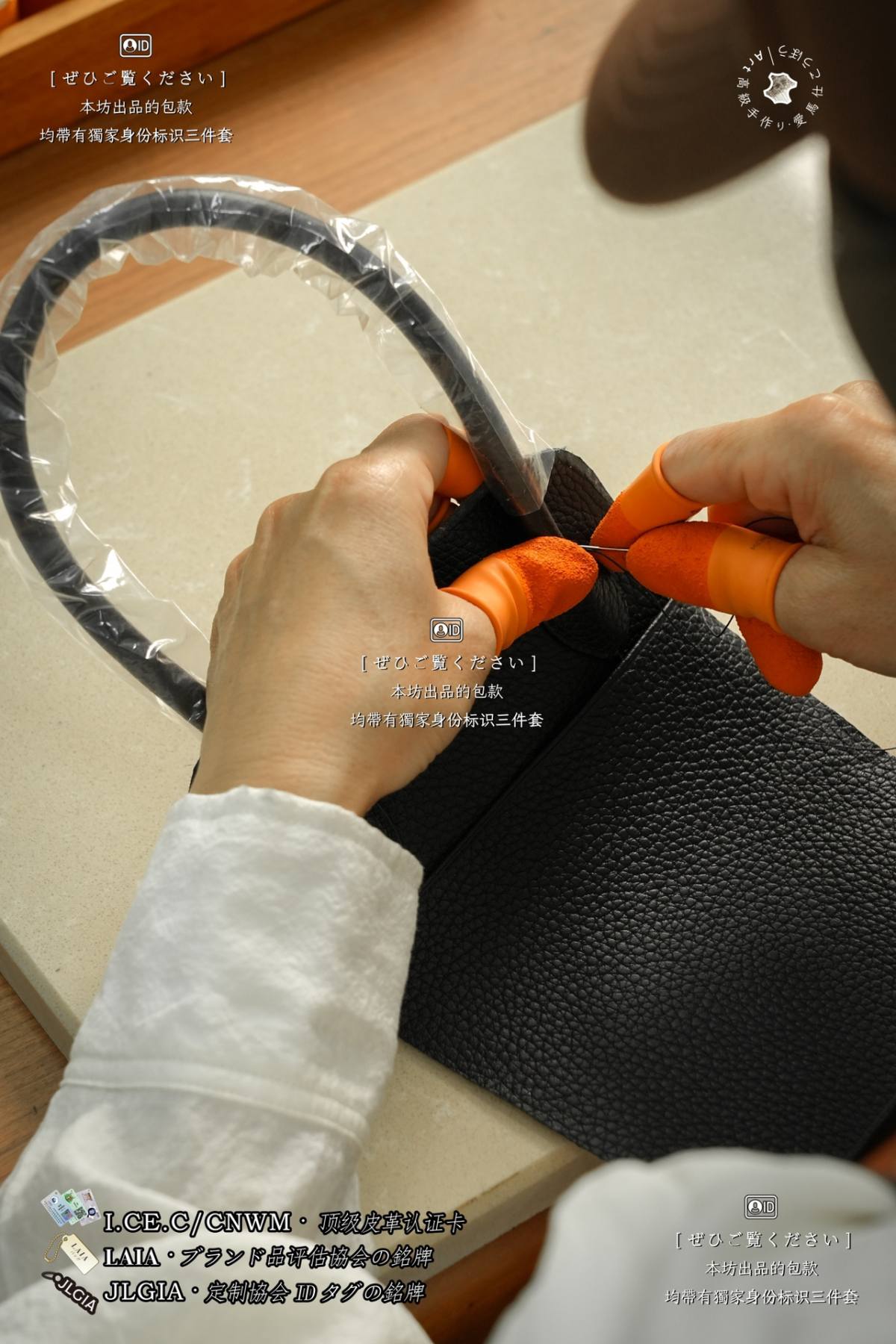
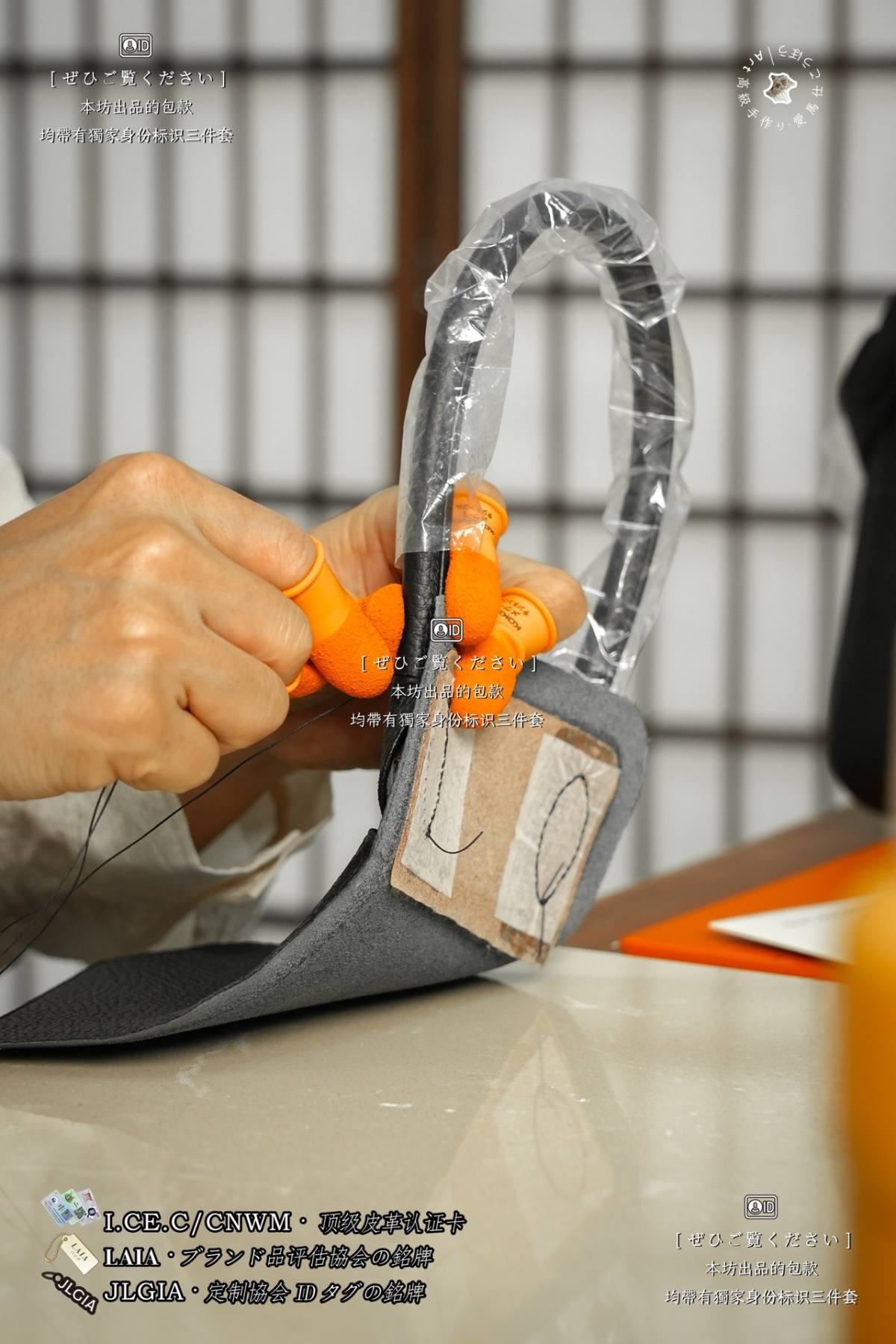
Today marks an in-depth dissection of Shebag’s stitching craftsmanship, delivering another round of rigorous technical analysis. As a brand grounded in artisanal expertise rather than conventional marketing rhetoric, Shebag’s core competency lies in the meticulous technical nuances of luxury bag making.
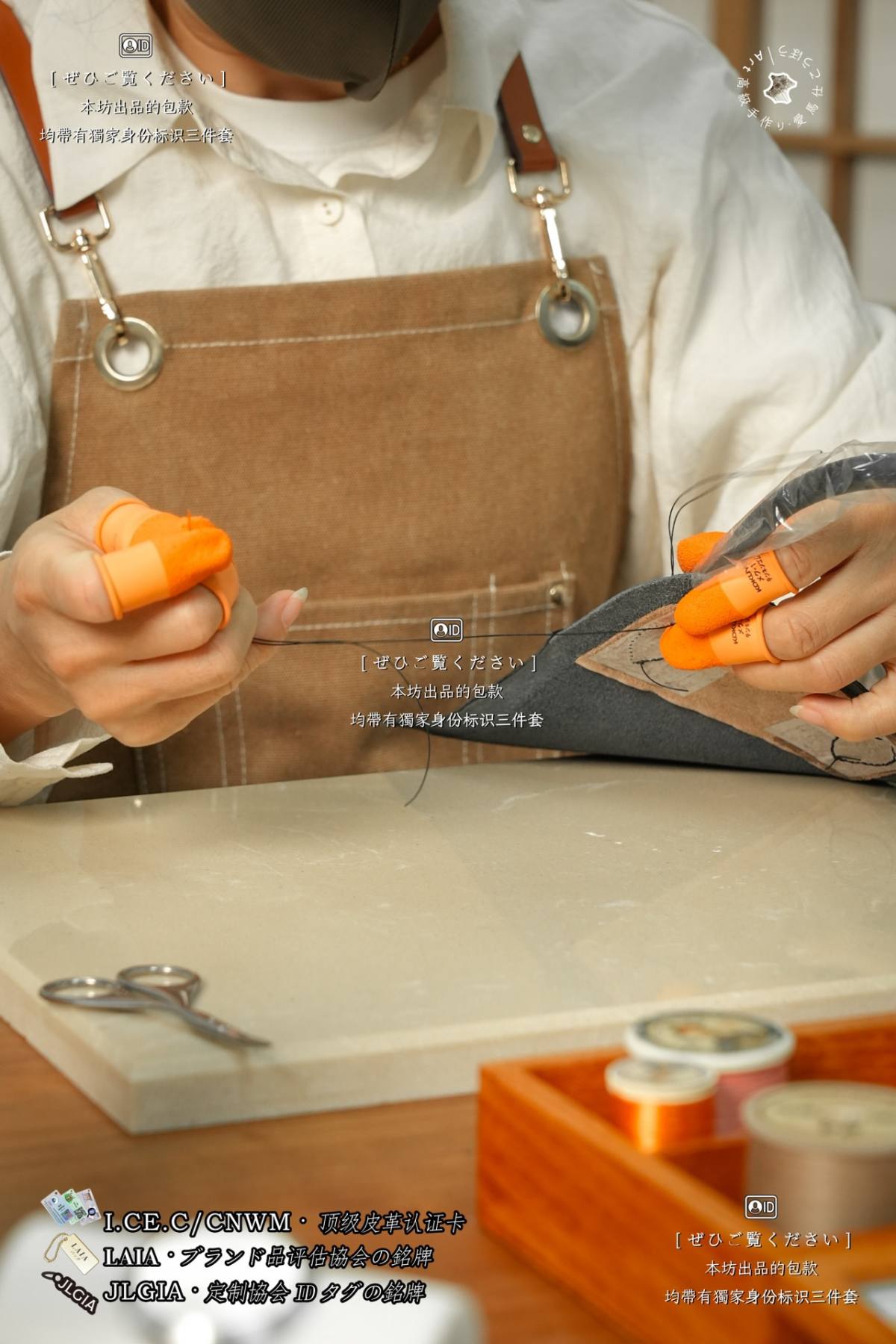
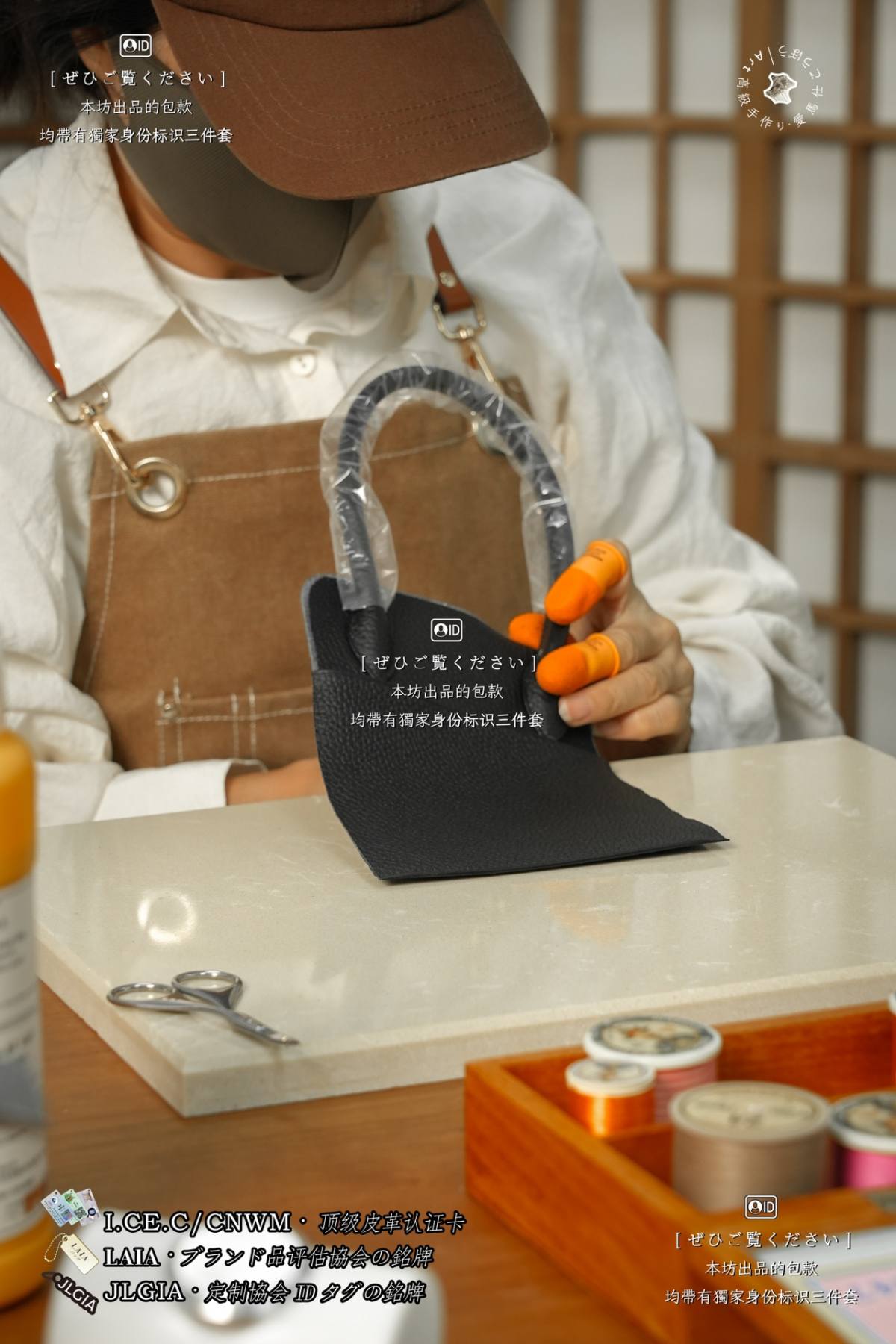
The stitching craftsmanship that defines Hermès handbags centers on the saddle stitch methodology, underpinned by three foundational benchmarks: wax-impregnated linen thread, a consistent 45-degree needle entry angle, and a density of fourteen stitches per inch, all engineered to achieve exceptional durability and authentic artisanal texture.
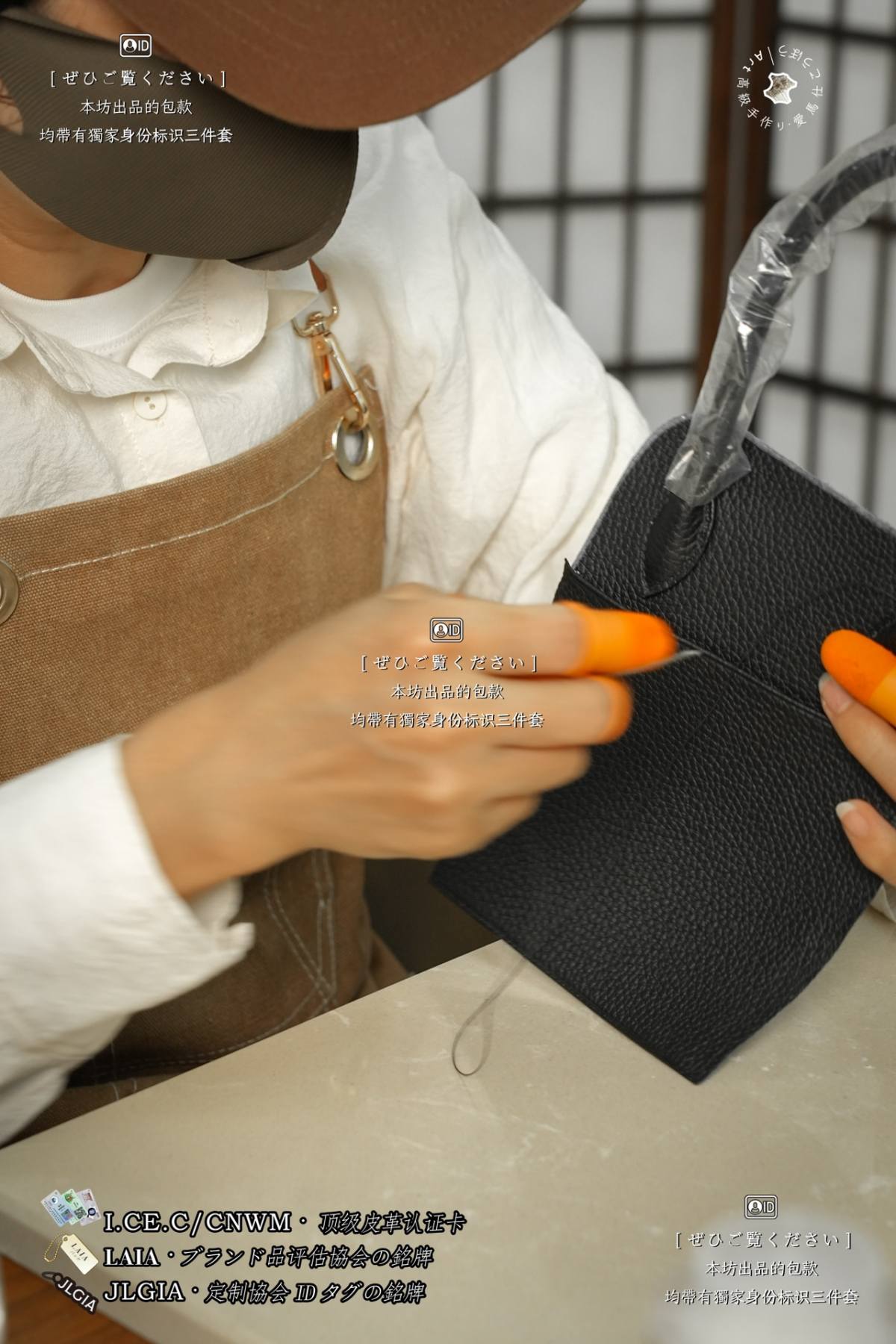
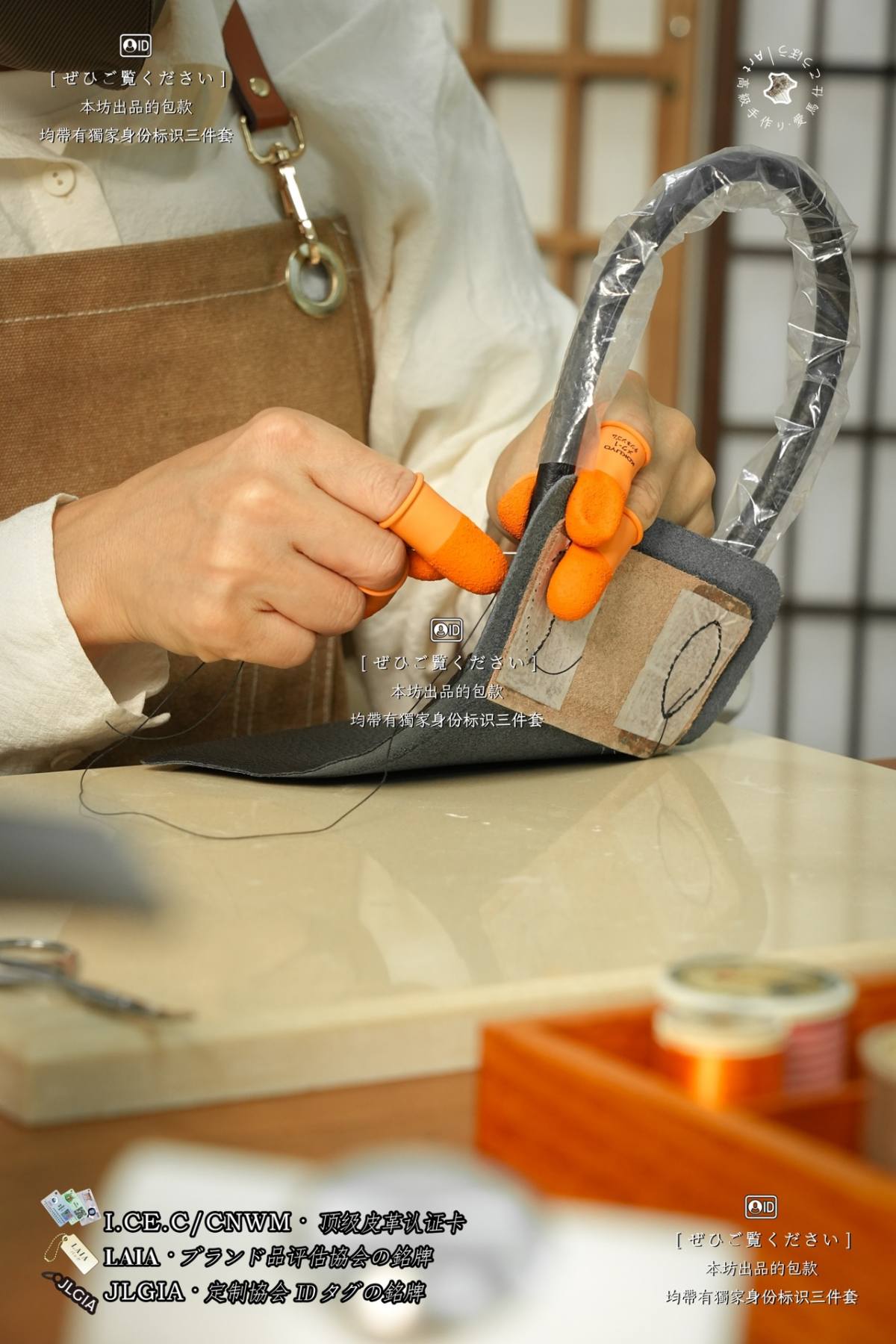
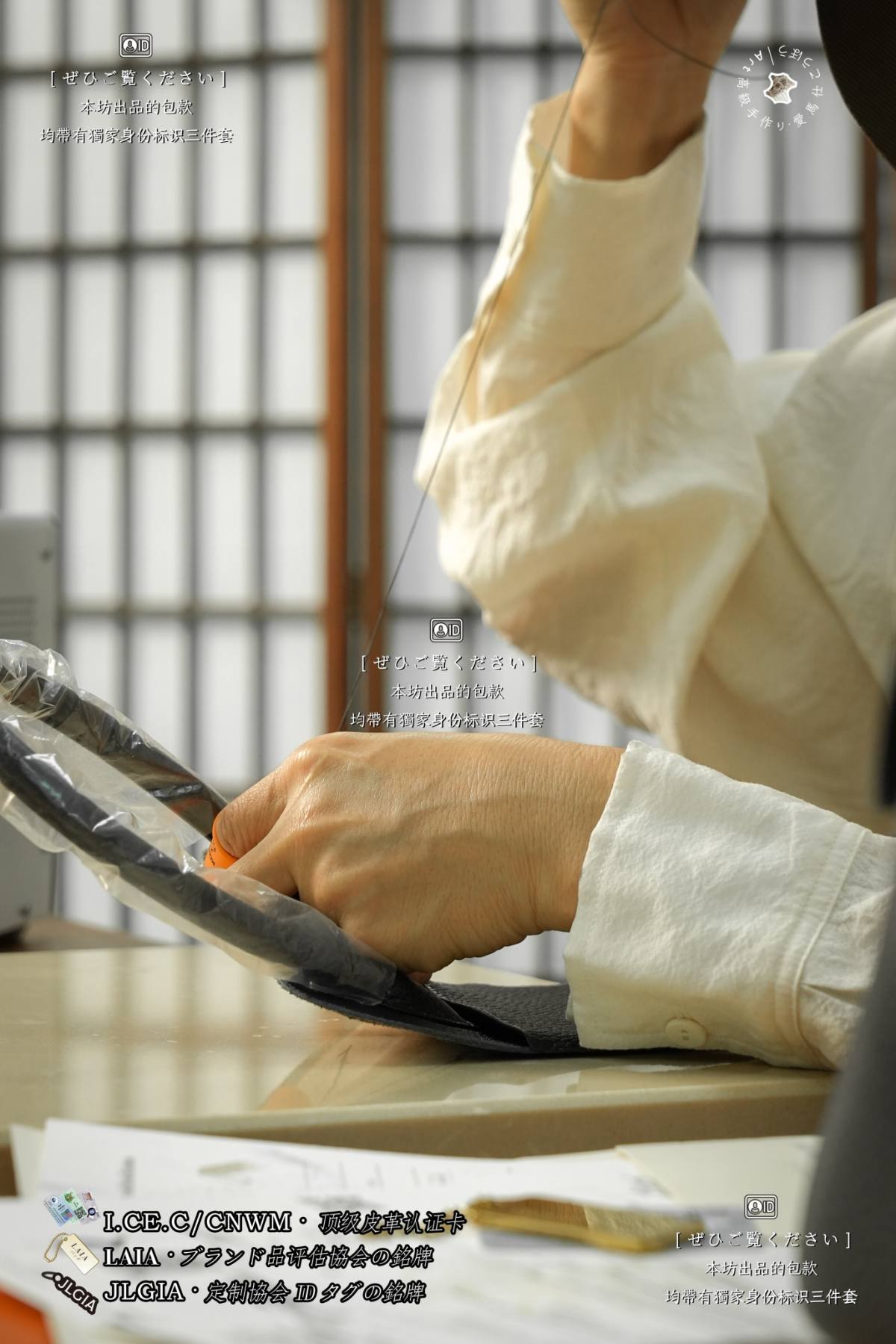
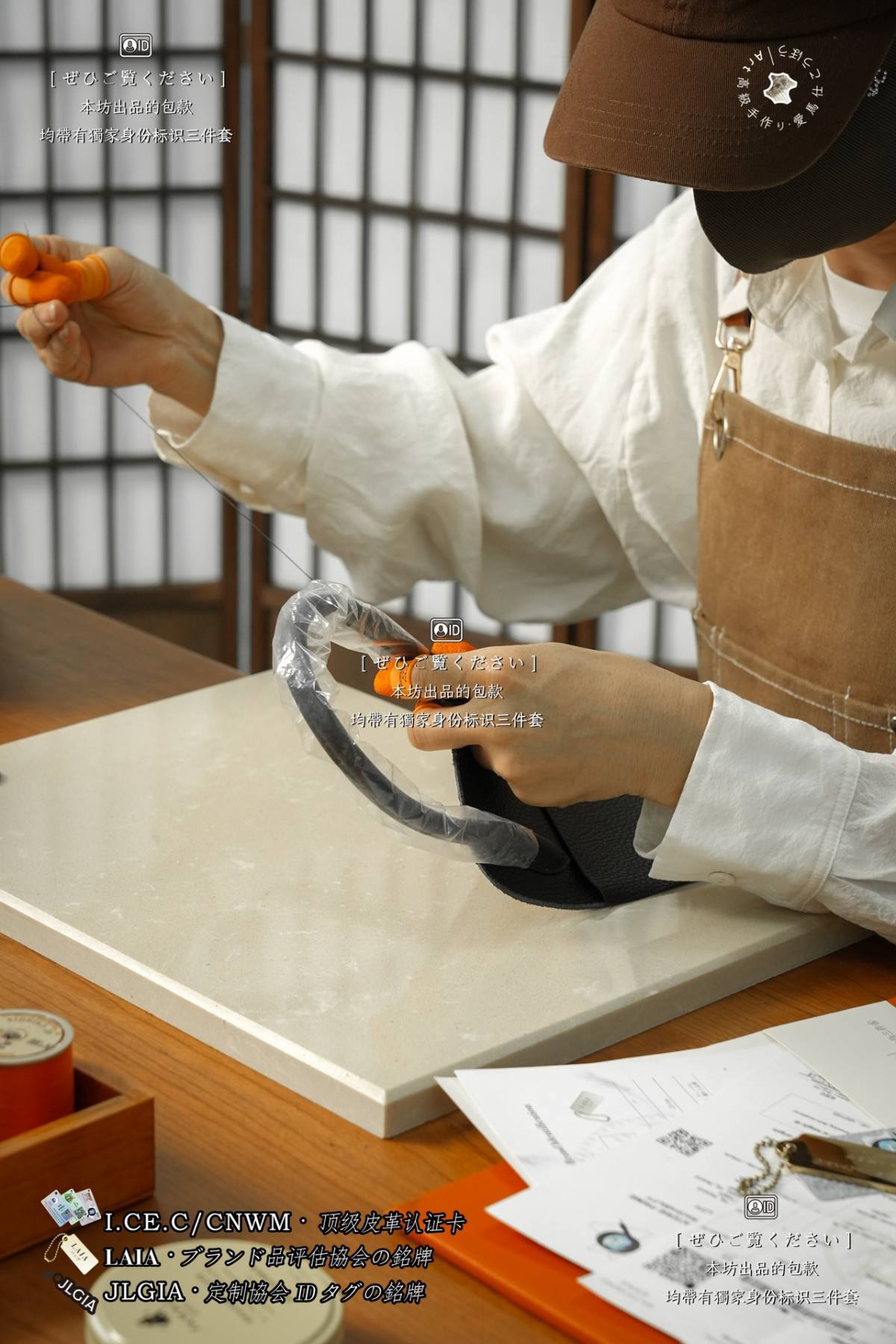
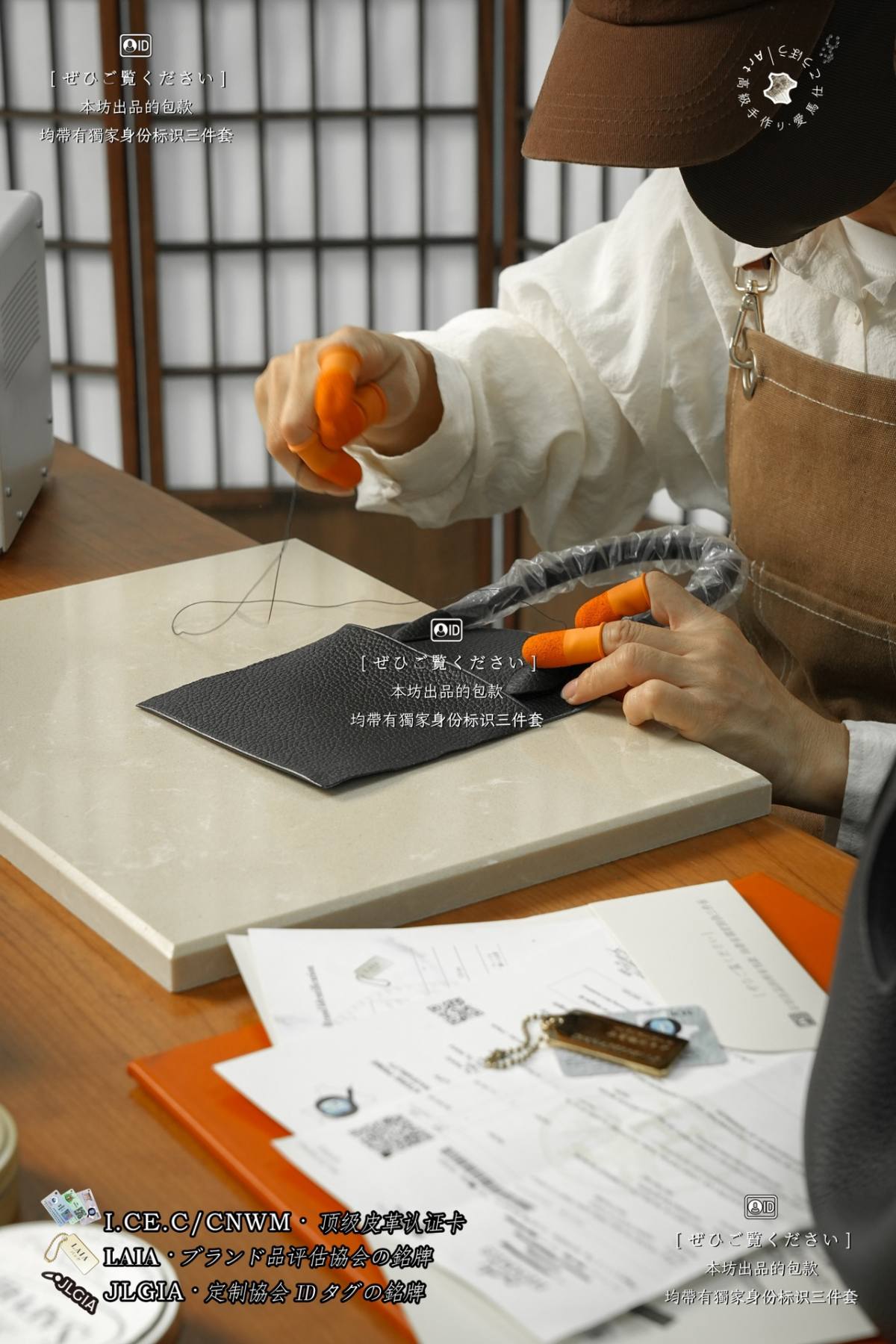
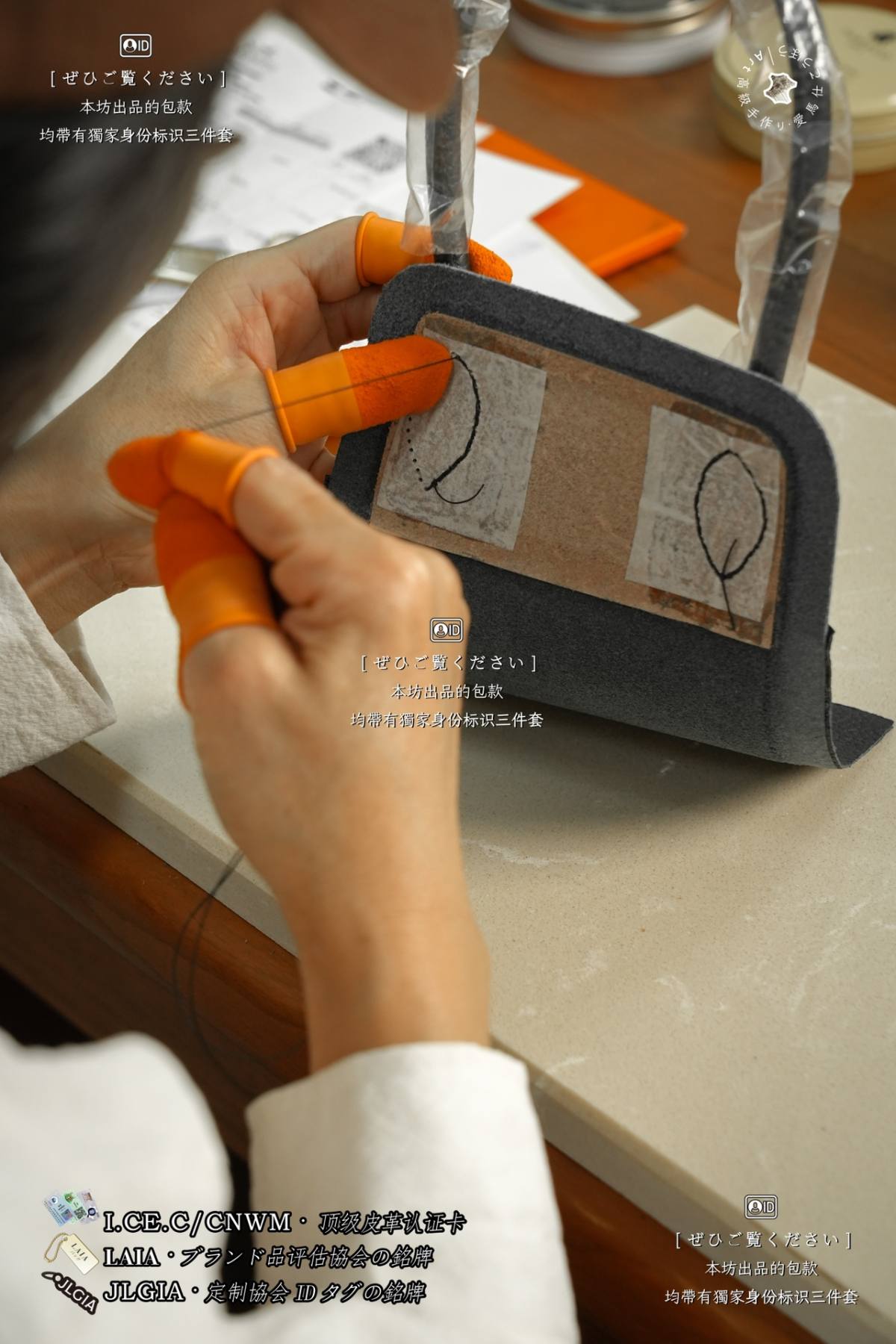
The signature saddle stitch adopts a configuration where a single waxed linen thread is threaded with needles at both ends, interlocking through identical perforations from opposite sides of the leather. Each stitch bears independent tension load, preventing progressive unraveling even if a single thread snaps, delivering far superior longevity compared to machine stitching. The front side presents a consistent 45-degree diagonal grain running from top-left to bottom-right, while the reverse side features mirrored diagonal lines, collectively forming a distinctive dual-wave tactile profile.
The craftsmanship exclusively adopts French beeswax-infused linen thread, crafted from high-twist long-staple linen fiber that boasts robust tensile strength and outstanding aging resistance with a muted non-reflective finish. Undergoing three rounds of natural beeswax saturation, the thread gains abrasion resistance, water repellency and lint-proof properties, developing a mellow patina with prolonged use. Custom color matching is available in tone-on-tone or contrasting hues, seamlessly blending with leather surfaces or serving as subtle visual accents.
Regarded as the golden industry standard, the stitch density is strictly calibrated at fourteen stitches within one inch, with a permissible dimensional error not exceeding 0.5 millimeters. Exceeding fourteen stitches per inch risks damaging the leather structure and triggering cracking, while fewer stitches result in loose, aesthetically compromised seam lines. Curved sections maintain a strict 45-degree angled needle entry, ensuring fluid stitching lines without overlapping traces or leather wrinkling.
Pre-stitching perforations are manually created with a pricking iron, delivering precise hole spacing and clean-cut edges with no machine perforation involved throughout the process. The needle entry angle remains fixed at 45 degrees across all sections, with consistent pulling tension that leaves stitches slightly raised with a natural rounded contour instead of lying flat against the leather. Seam termination is completed with two to three reverse reinforcement stitches, with thread ends tucked discreetly into the leather layer and secured by interlacing rather than conventional knotting.
The full stitching process for a single handbag takes between eighteen to twenty-five hours, undertaken entirely by one dedicated artisan whose maker’s mark is engraved internally. Comprehensive quality inspection covers stitch spacing, thread tension, angular consistency and wax luster retention; minor irregularities inherent to handcrafting are recognized as authentic hallmarks of genuine production.
In terms of operational execution standards, tension control is balanced to be firm yet flexible, with seams embedded gently into the leather surface without indentation while retaining structural elasticity. The 45-degree stitching angle is maintained uniformly across straight and curved segments, with no angular deviation or skipped stitches at turning points. Individual thread segments are limited to a maximum length of sixty centimeters, as excessive thread length tends to cause uneven tension and slack stitching lines.
For authenticity verification, core identifiers include consistent 45-degree diagonal alignment, fourteen stitches per inch, and naturally raised tactile stitches devoid of rigid machine-made flatness. Authentic thread features a matte fibrous texture with natural wax patina, distinct from glossy nylon thread or lint-prone cotton alternatives. Subtle irregularities in stitch spacing and slight natural fluctuations in angular alignment are inherent to handcrafting; perfectly uniform stitching is indicative of machine-made replicas. Reverse seam lines showcase symmetrical diagonal patterning with no visible knots, with thread ends concealed only at termination points.
Daily maintenance protocols are critical to extending stitching lifespan. Exposure to rainwater, perfume and hand cream should be avoided, as waxed thread is prone to softening and color bleeding upon contact with oil-based substances. Surface cleaning is limited to gentle wiping with a dry soft cloth, with alcohol and chemical solvents strictly prohibited to prevent wax stripping and thread brittleness. Storage is recommended in flat placement or suspended hanging positions, avoiding compressive deformation that could distort seam lines and cause perforation cracking.
Several prevalent industry misconceptions require clarification. The notion that perfectly uniform stitches equate to genuine products is misleading, as subtle irregularities are inherent to hand craftsmanship while absolute uniformity typically signifies machine-produced replicas. The belief that tighter stitching delivers better quality overlooks the risk of leather damage and thread breakage from excessive tension, with slightly raised elastic stitching being the authentic benchmark. Concerns over color bleeding from waxed threads are unfounded for genuine craftsmanship, as professional beeswax infusion combined with color fixation treatment prevents dye transfer under regular usage conditions.