- 12
- May
Shebag Hermes handmade bag oil edge polish craftmanship review(May 2026 updated)
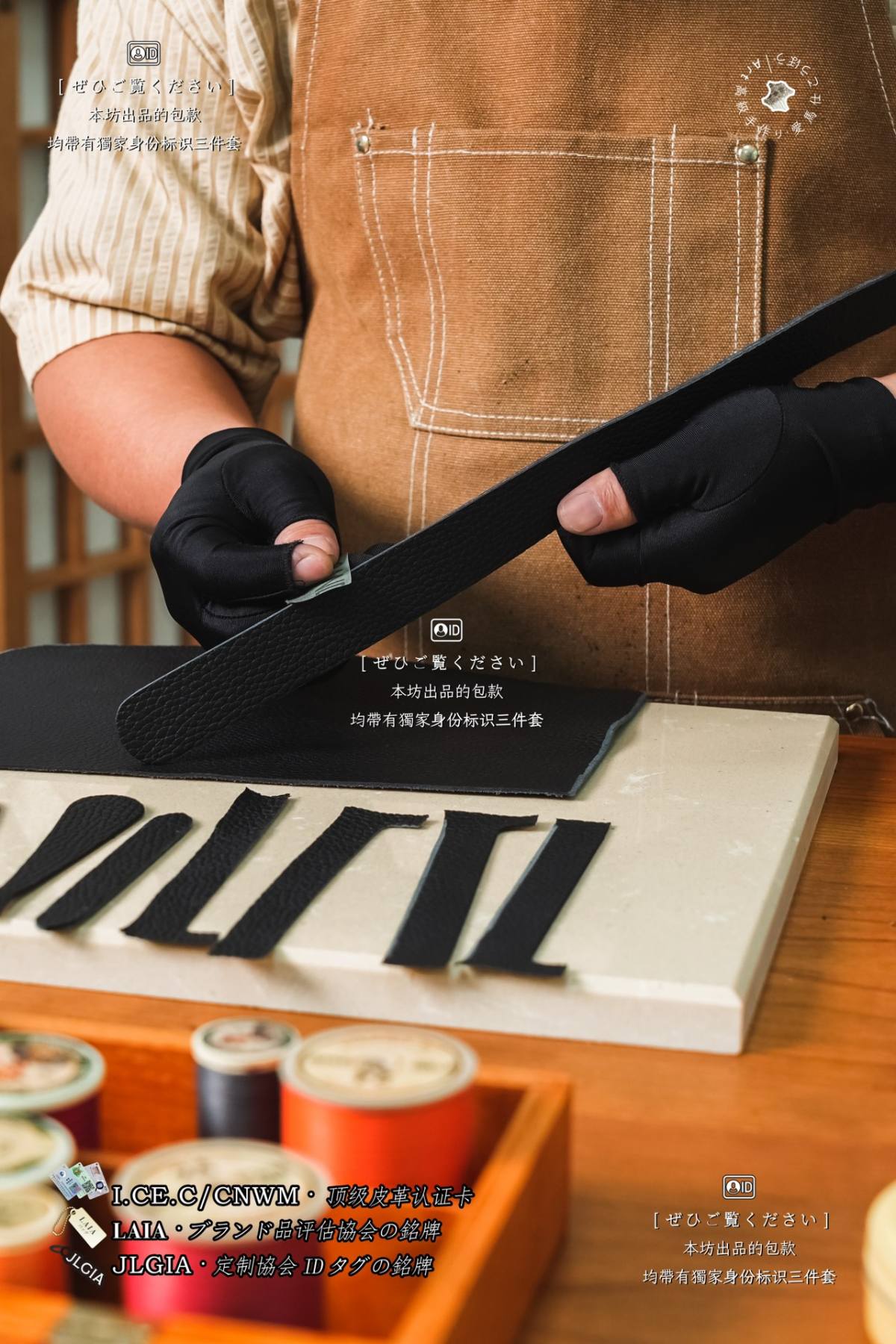
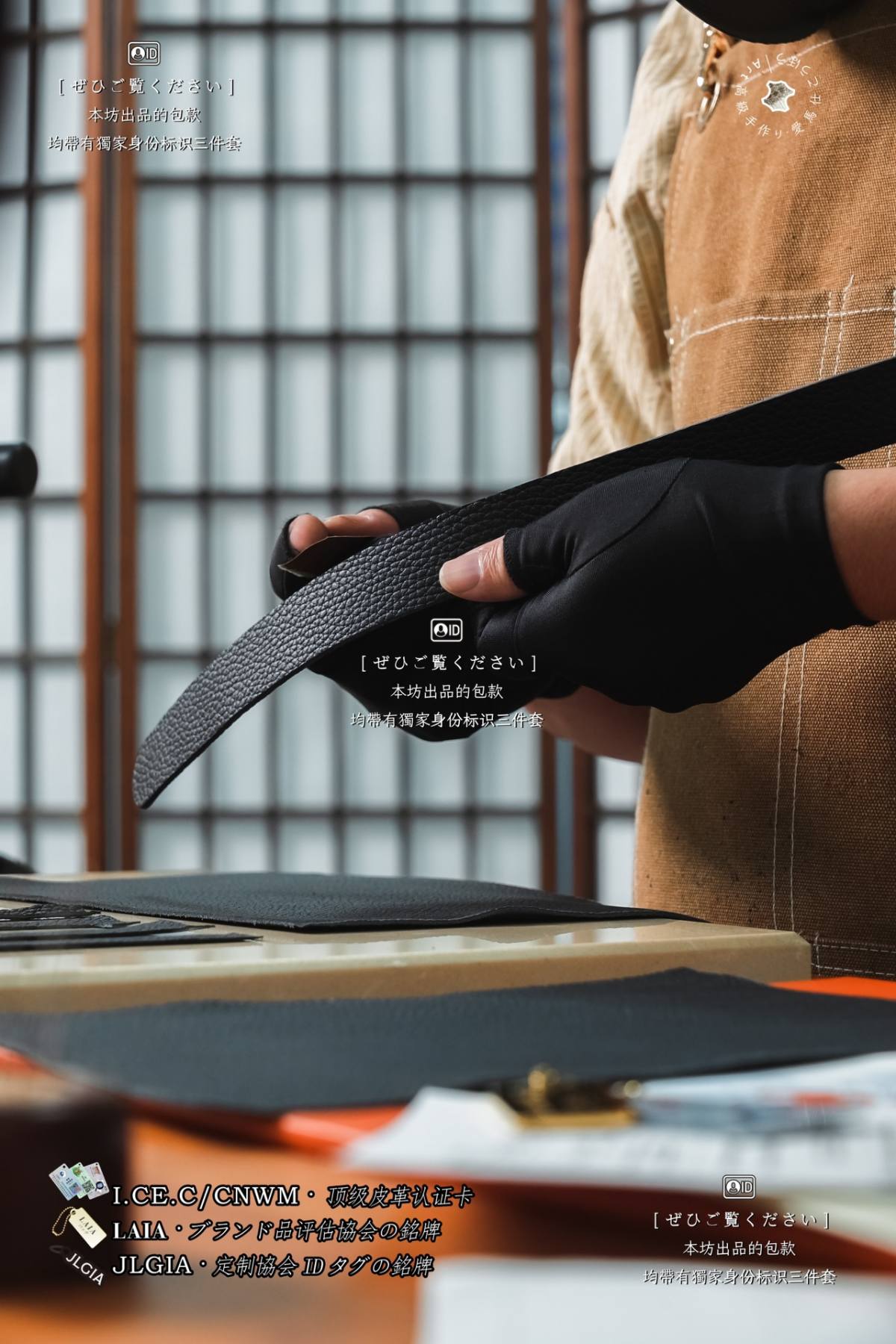
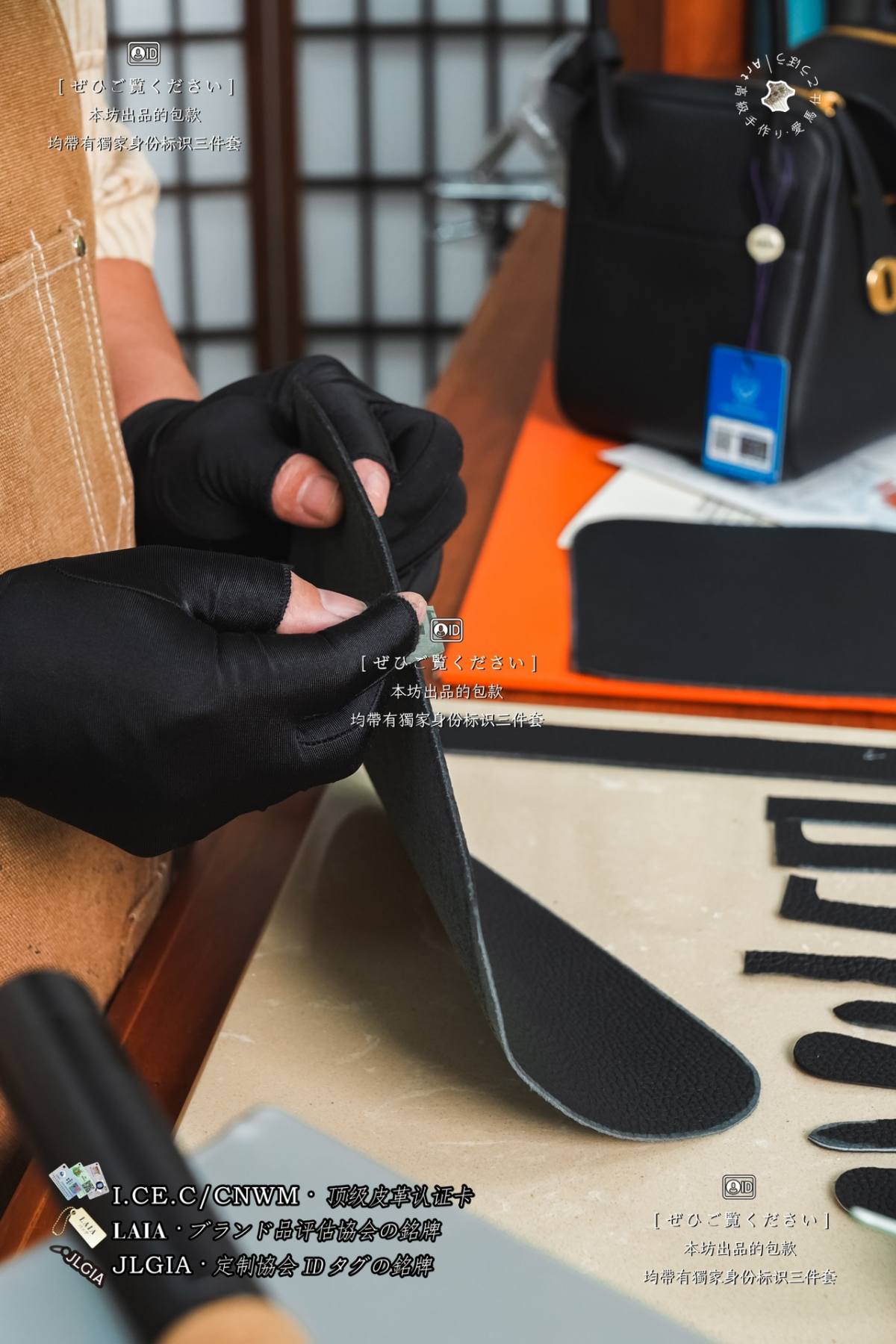
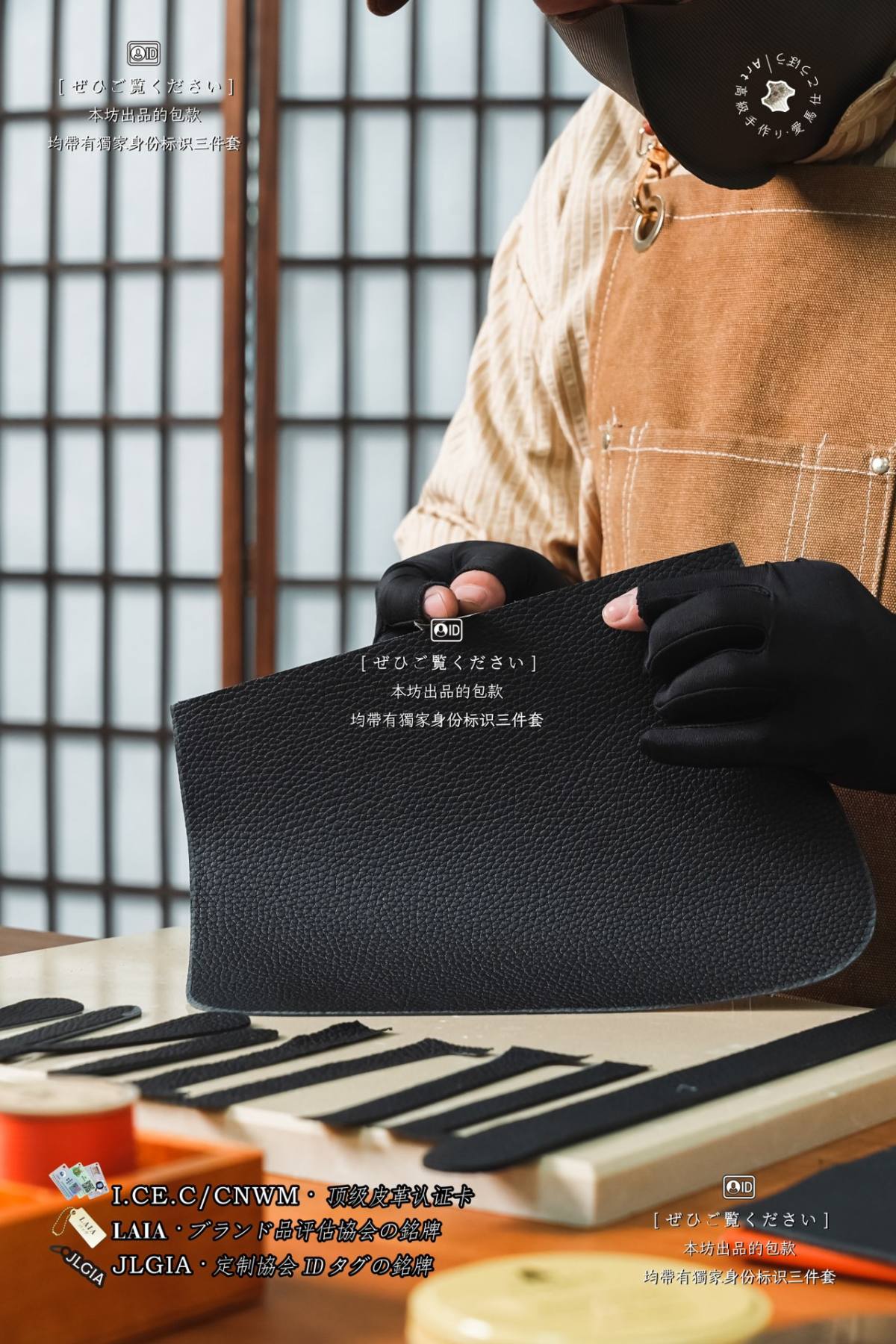
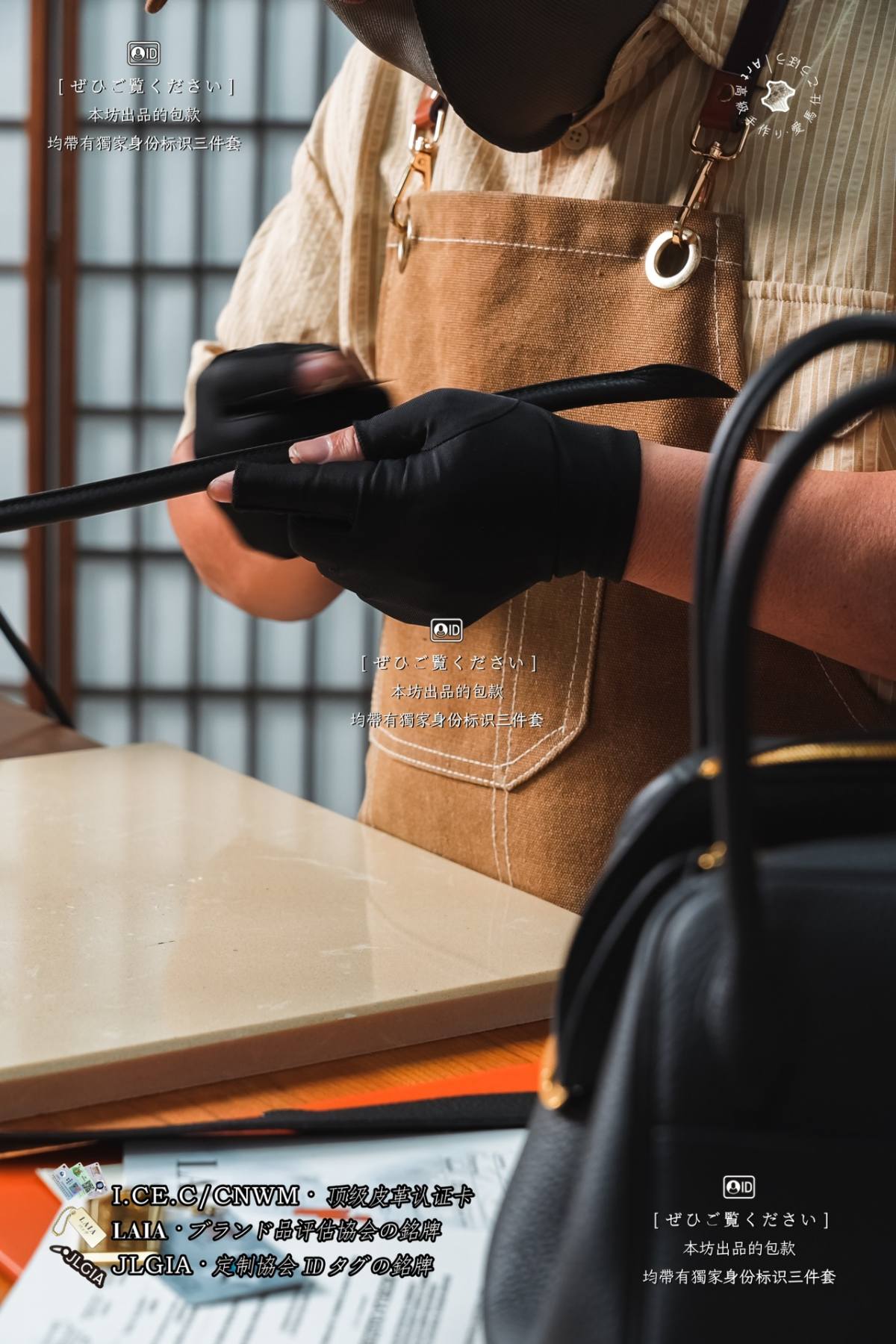
The edge painting and polishing process for Hermès handmade bags is extremely time-intensive and executed with meticulous attention to detail. Shebag places rigorous focus on such craft nuances, fully adopting the operational standards of Hermès ateliers. The brand first aligns technical procedures, followed by raw material standardisation, then calibration of tools and workshop environments, and finally validation of skilled artisan proficiency before commencing bag production.
The core methodology of Hermès edge finishing consists of four layered thin coatings paired with precise temperature control, progressive polishing, and heat pressing for final shaping. The entire process is completed manually, adhering to benchmarks of thinness, transparency, uniformity and structural durability, delivering a finish free of air bubbles and cracks with a refined matte tactile quality.
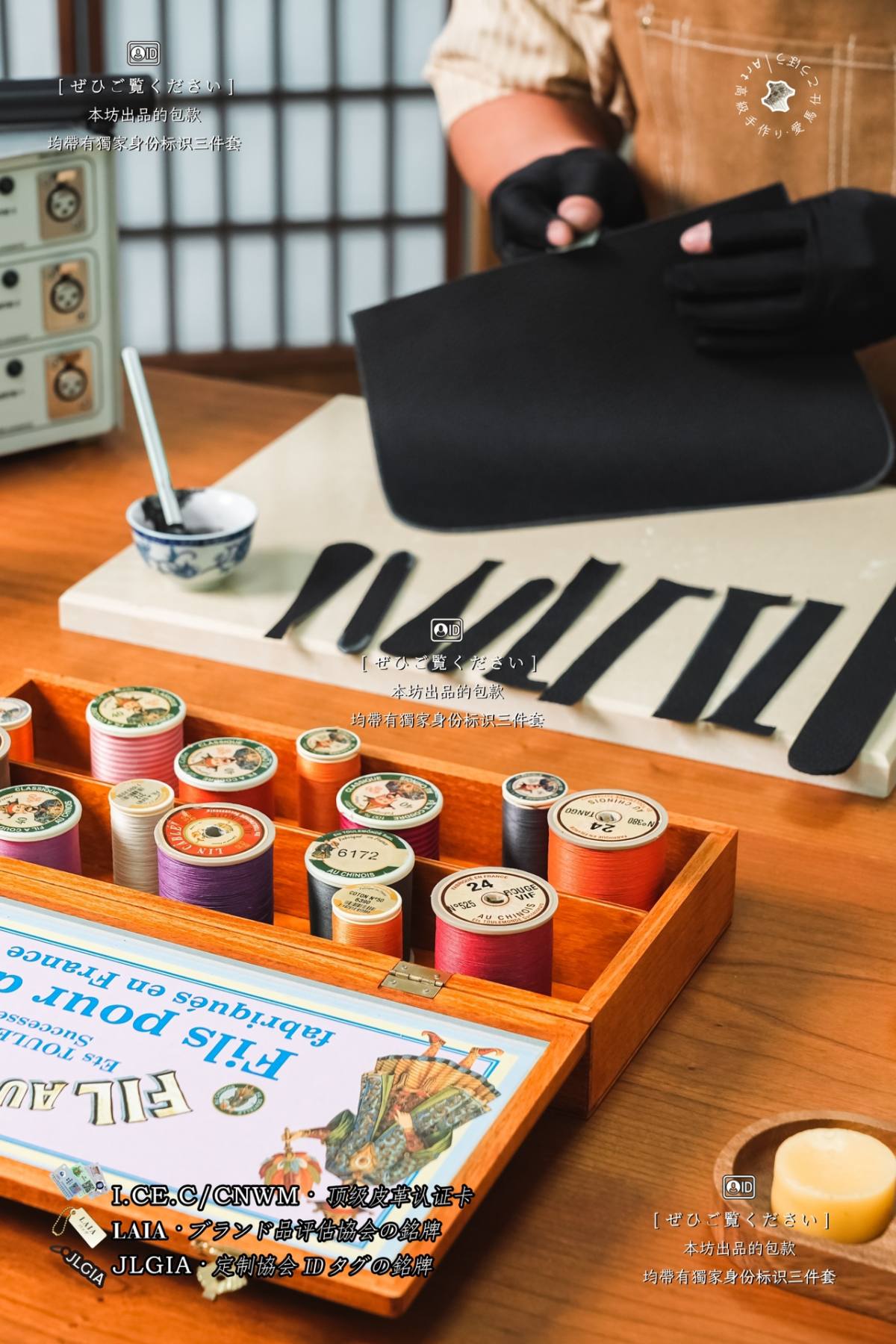
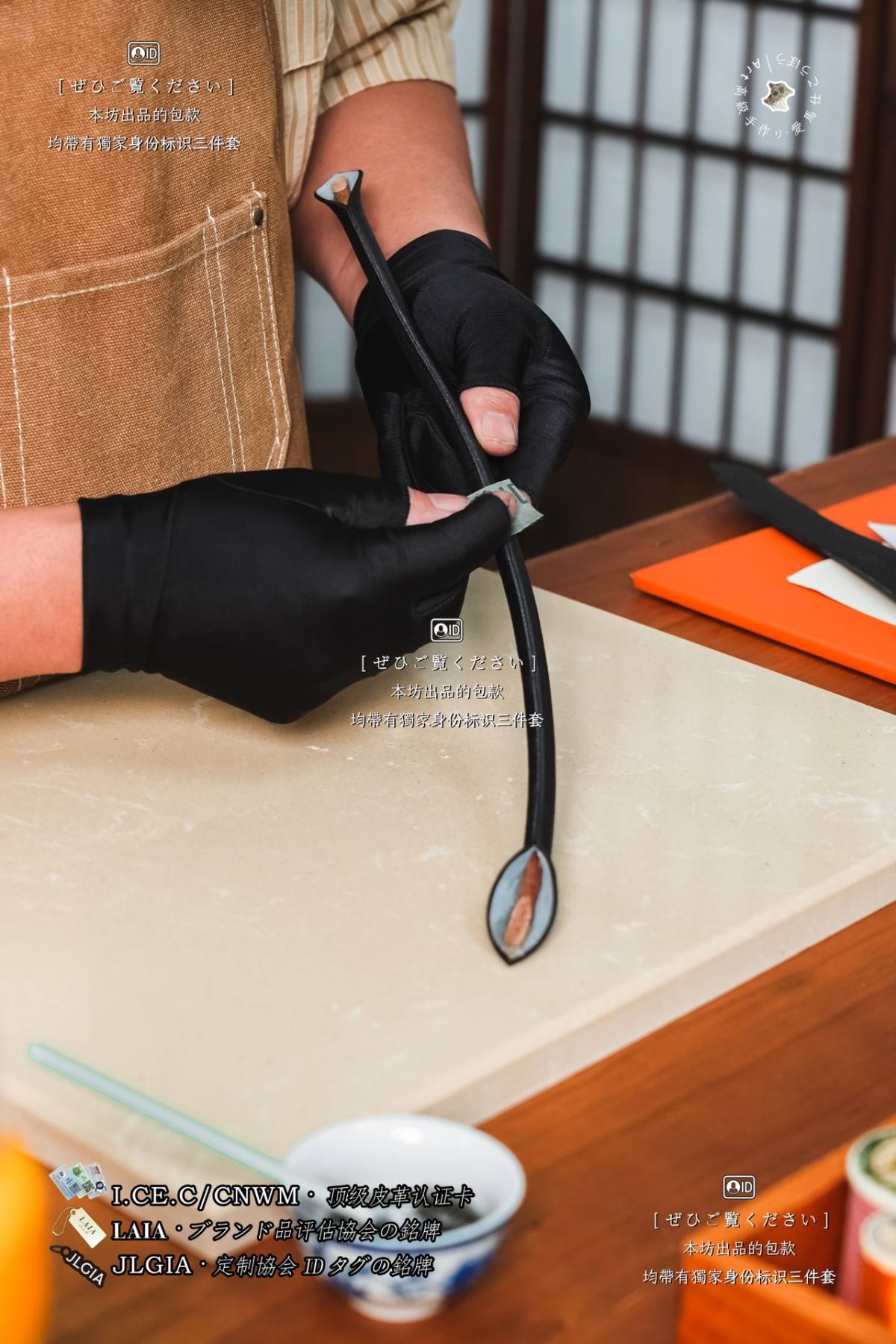
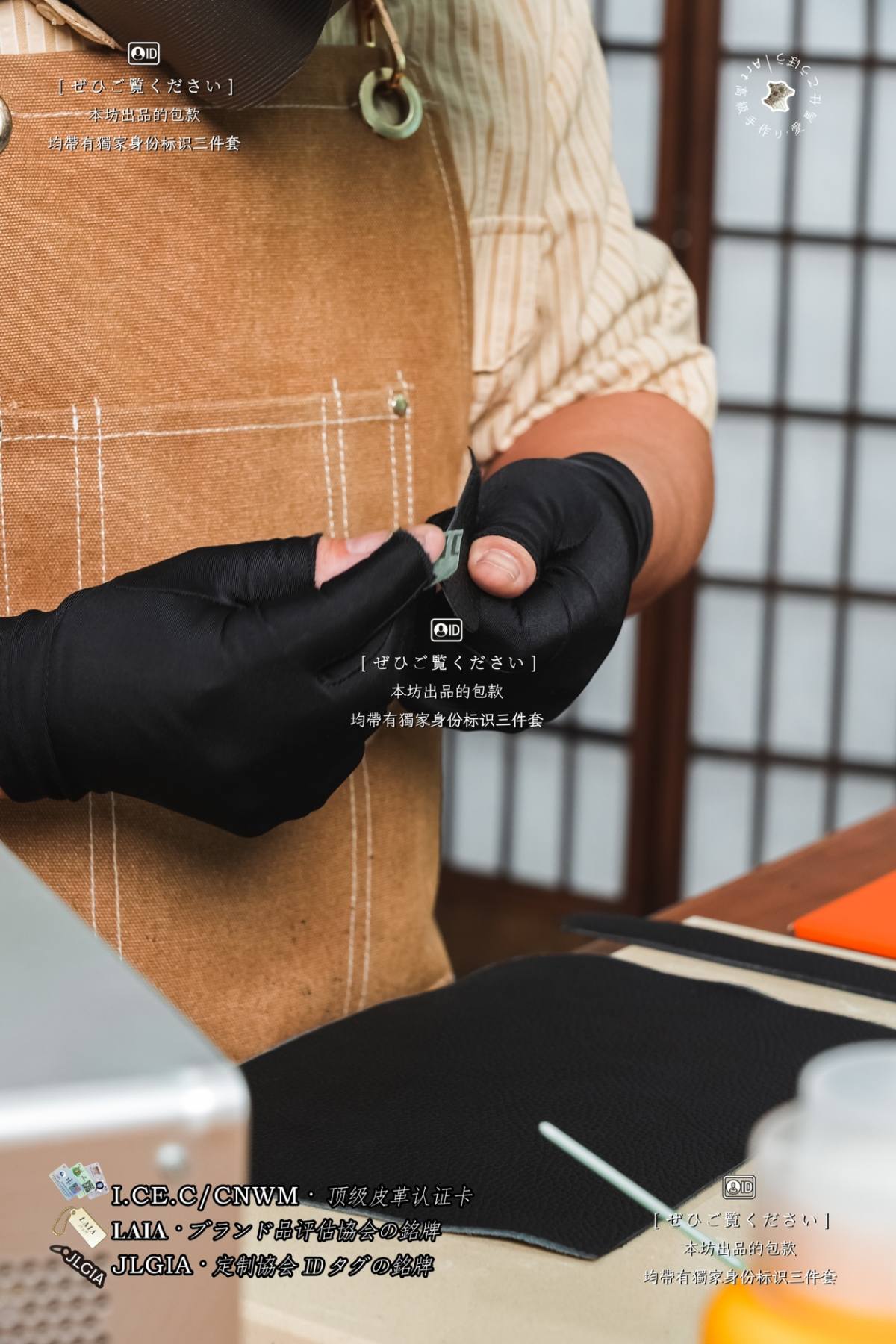
Raw materials utilise plant-resin based edge compound sourced from France’s Mandala, formulated with ethylene components and featuring a dedicated grade for black finishes; viscosity is categorised into dense, medium and dilute variants, proportioned specifically according to leather characteristics. Pre-treatment of leather edges maintains a cutting tolerance within 0.1 millimetres, with edges bevelled into subtle rounded corners ranging from R0.5 to R0.8, entirely free of burrs and surface height discrepancies. Essential workshop equipment includes 180#, 320# and 800# grit sandpaper, temperature-regulated edge iron machines operating between 60℃ and 220℃, bone folders, pure cotton cloth, wax strips and specialised edge coating pens.
Base layer treatment serves as the foundational sealing process to prevent subsequent cracking. Initial rough grinding is performed transversely with 180# dry sandpaper to level leather edges, eliminating uneven steps and burrs while forming soft rounded contours. Surfaces are then cleansed thoroughly with alcohol-dampened lint-free cloths to remove all dust and oil residues, followed by a light beeswax application along edges to control excess compound overflow and simplify post-process cleaning. The first coat of diluted edge compound is prepared by heating the material to 60℃ before cooling to 45℃, the optimal temperature for material penetration. Coating is applied thinly and evenly with an edge pen to achieve full coverage without leather exposure or material accumulation, with excess residue promptly removed by hand. The piece is left to air dry at a room temperature of 20℃ for thirty to forty minutes until surface drying is achieved. Initial polishing follows using 320# grit sandpaper with longitudinal light grinding, refining the surface to a subtly exposed leather base with a seamless even profile, before comprehensive dust removal.
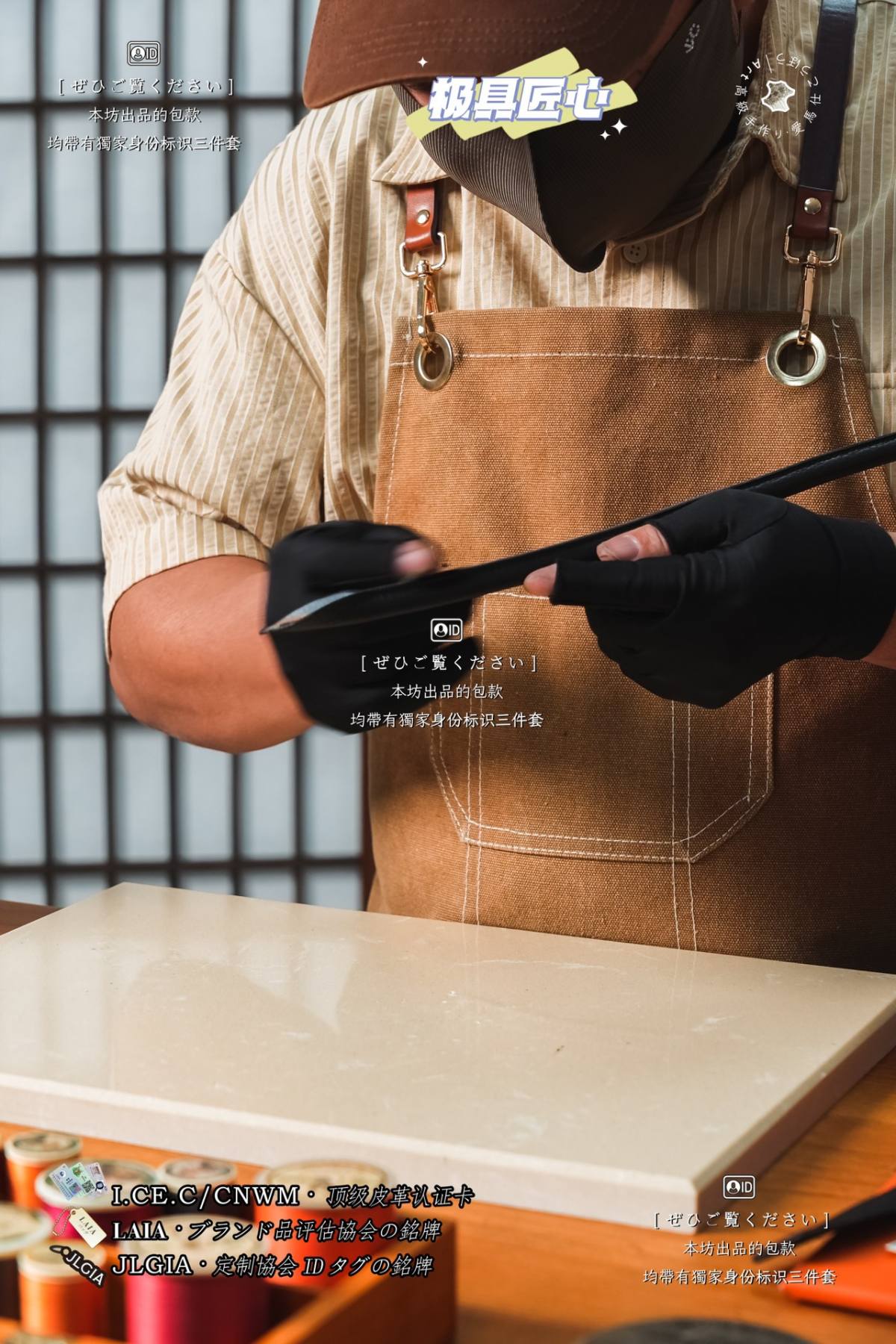
The middle layer stage focuses on material build-up and surface levelling. A second coat of medium-viscosity edge compound is applied in a thin uniform layer free of air bubbles, then left to cure for forty to fifty minutes. Heat pressing and contour shaping are conducted with an edge iron set between 180℃ and 200℃, applying gentle pressure for two to three seconds to induce controlled melting and flow of the edge compound, allowing seamless fusion with the leather and forming a natural curved profile. Secondary polishing involves fine longitudinal sanding with 320# grit followed by wet polishing with 800# grit, yielding a scratch-free refined surface with a smooth tactile finish.
The surface layer phase defines final texture and matte aesthetics. A third coat of moderately diluted edge compound is applied in an ultra-thin uniform layer, maintaining individual coating thickness under 0.2 millimetres, and allowed to cure for fifty to sixty minutes. Precision heat pressing at 160℃ to 180℃ is applied for one to two seconds to erase polishing marks and establish a consistent sophisticated matte finish. Tertiary refinement combines dry sanding with 800# grit and manual buffing with cotton fabric, resulting in a surface entirely free of particles and brush streaks under natural light.
A protective top coat enhances colour fastness and long-term durability through an application of specially diluted edge compound for sealing, improving adhesive strength and crack resistance with a sixty-minute curing cycle. Final low-temperature heat setting is carried out at 120℃ to 140℃ to stabilise structural integrity and boost wear resistance. Finished pieces are placed in a controlled 20℃ environment for a twenty-four hour cooling and full curing period prior to quality inspection procedures.
Process success hinges on adherence to layered thin-coating principles, with each individual layer capped at 0.2 millimetres and total four-layer thickness maintained between 0.6 and 0.8 millimetres; excessive coating thickness inevitably leads to cracking and compromised texture consistency. Strict temperature calibration is enforced across all stages, with coating application optimised at 45℃, heat pressing segmented into 180℃ to 220℃ for flow levelling, 160℃ to 180℃ for matte finishing, and 120℃ to 140℃ for structural setting. Polishing direction follows a standard of transverse rough grinding and longitudinal fine grinding to avoid leather edge fraying and structural deformation. Environmental parameters are tightly controlled at an ambient temperature of 20℃ to 25℃ and relative humidity of 50% to 60%, within a dust-free draft-free workspace to mitigate defects such as air bubble formation and particle contamination.
Common operational defects and mitigation protocols are standardised across production. Air bubble formation arises from excessively rapid coating application or overheating, resolved by adopting slower thin-coating techniques, maintaining a 45℃ application temperature and allowing static settling for defoaming. Cracking occurs due to excessive layer thickness, insufficient curing time or abrupt temperature fluctuations, managed through strict single-layer thickness control, full curing validation between successive coats, and avoidance of extreme temperature shifts. Surface whitening stems from over-polishing or incompatible edge compound grading, rectified by light refinement with 800# grit sandpaper, supplementary thin coating and low-temperature heat restoration. Compound overflow is attributed to inadequate edge wax sealing or over-application, prevented via pre-emptive wax barrier treatment and immediate removal of excess coating material after application. Substandard tactile quality results from incomplete polishing or insufficient buffing, addressed by progressive grading up to 800# grit finishing followed by manual cotton buffing to attain the signature refined matte finish.
Full rigorous quality inspection adheres to unified evaluation benchmarks covering multiple dimensions. Visual assessment requires perfect colour consistency with the leather substrate presenting uniform saturated tone, alongside a smooth flawless surface free of bubbles, cracks, brush marks and particulate impurities. Edges must exhibit consistent thin translucent layering with natural curved geometry, completely devoid of burrs and uncovered leather sections. Tactile evaluation mandates a refined matte texture with a smooth non-stick premium hand feel and absence of coarse irregularities. Adhesion performance is verified through light nail scratch testing, requiring no powdering, peeling or base leather exposure, alongside a durability bend test involving ten repeated 90-degree flex cycles with zero cracking or delamination. Total edge thickness is regulated between 0.6 and 0.8 millimetres with uniform distribution across the entire perimeter. Wear resilience is validated through fifty cycles of simulated daily friction, with no visible abrasion or colour fading permitted.
Hermès edge finishing embodies the ultimate balance of manual craftsmanship and thermal regulation. The integrated system of four thin coated layers, calibrated temperature control, progressive abrasive refinement and low-temperature structural setting delivers a premium finish defined by exceptional thinness, translucency, uniformity, durability and sophisticated matte refinement, standing as one of the most definitive technical benchmarks distinguishing authentic luxury craftsmanship from conventional replica production.