- 22
- Jun
Shebag Hermes handmade hardware installation craftmanship review(June 2026 updated)
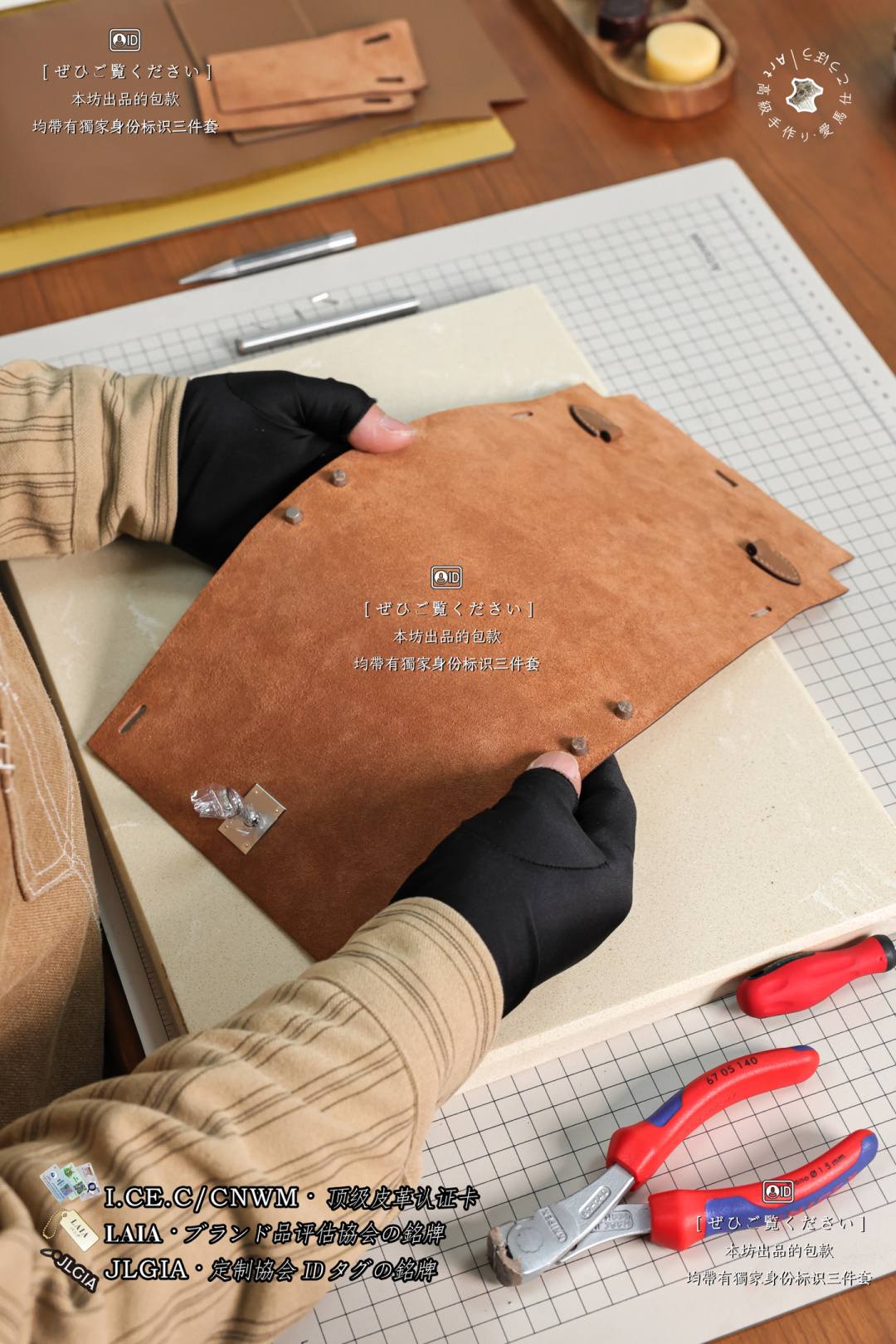
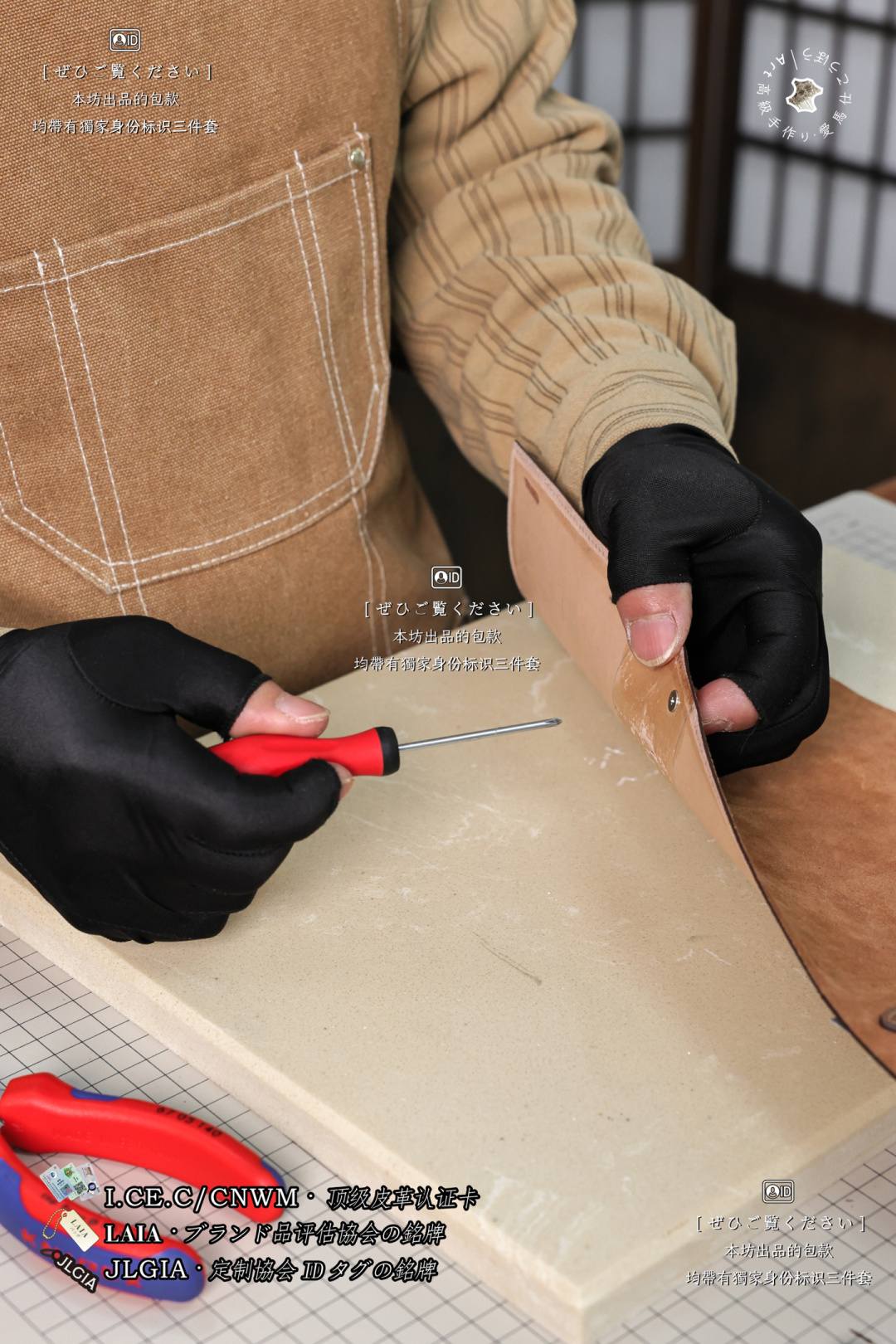
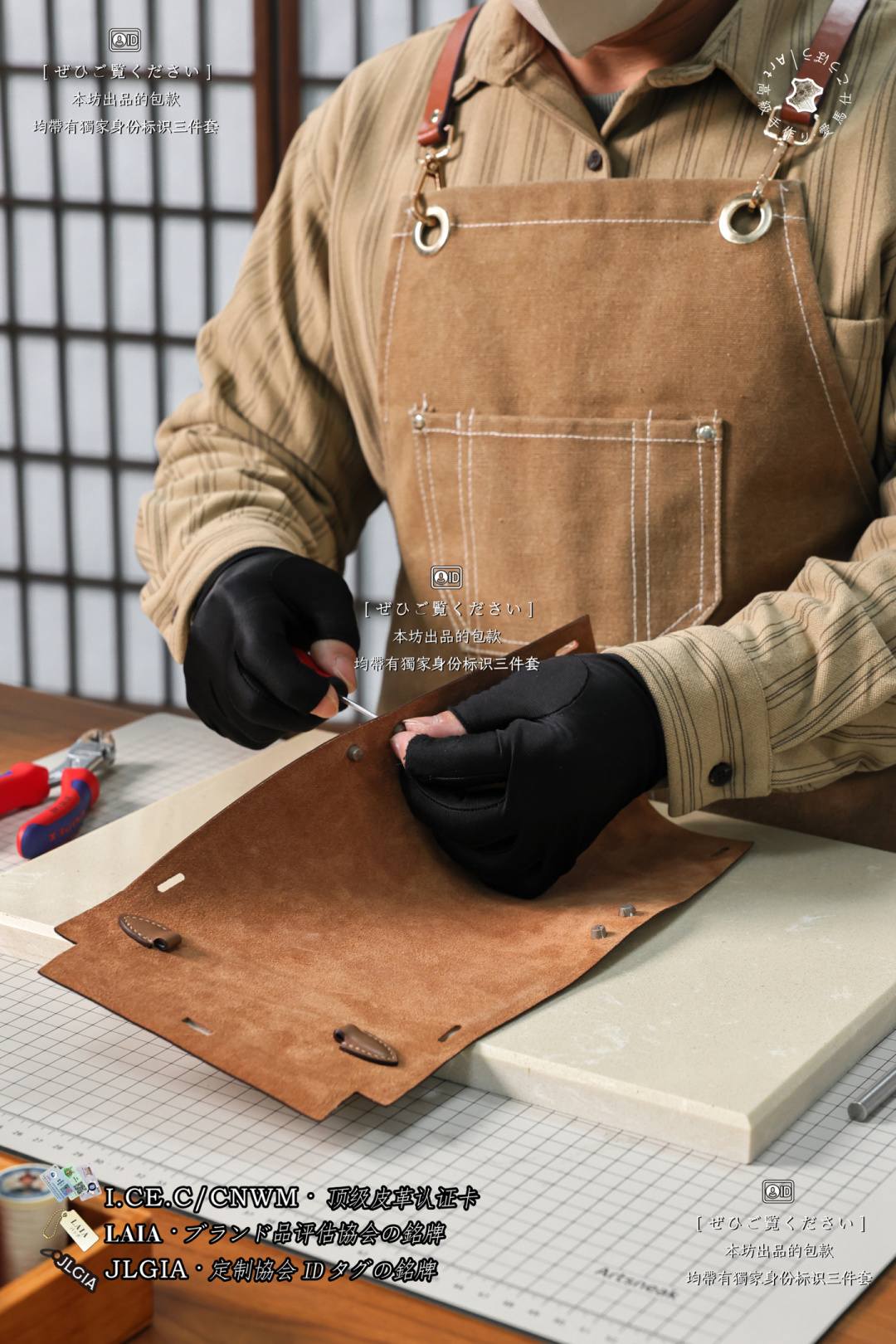
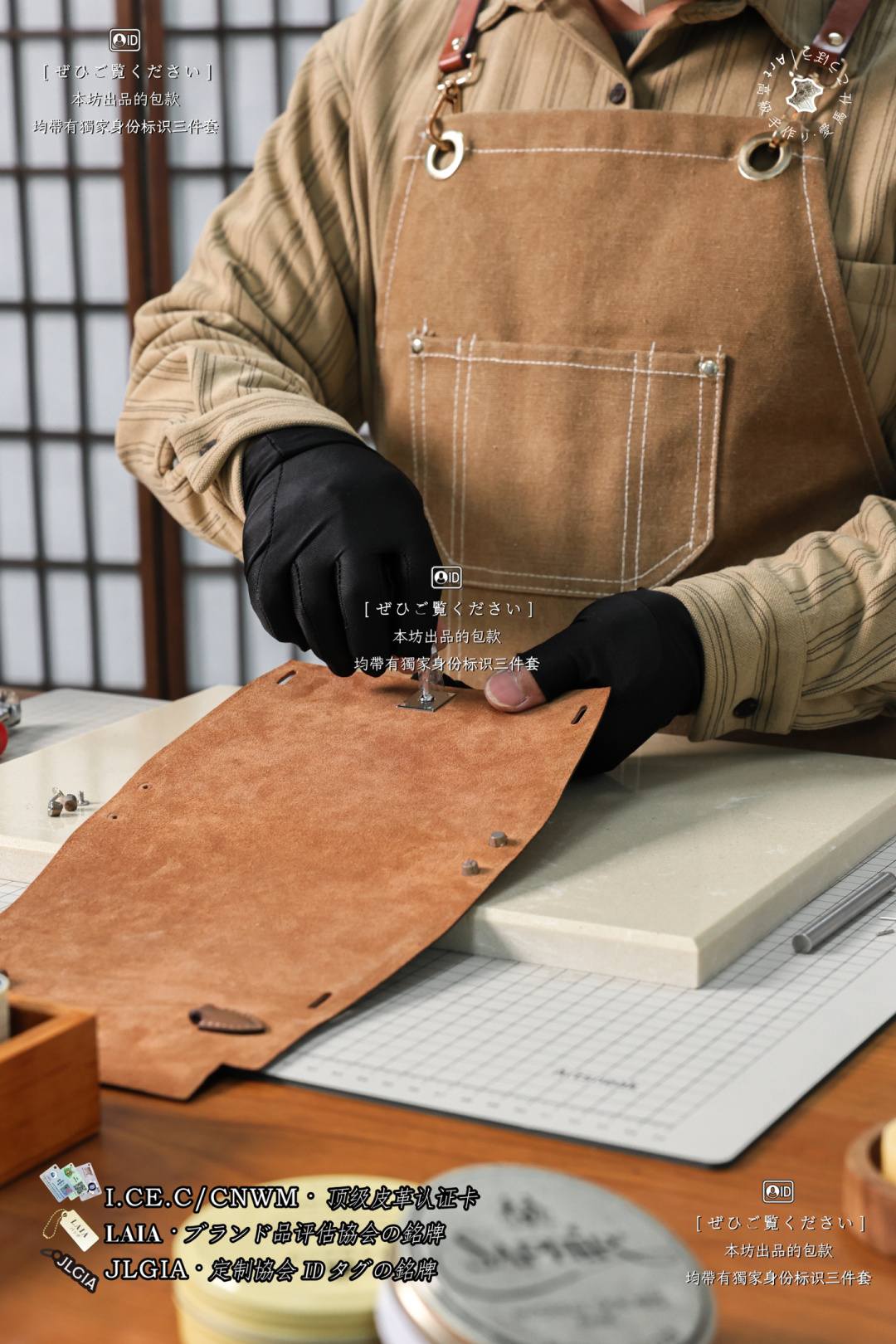
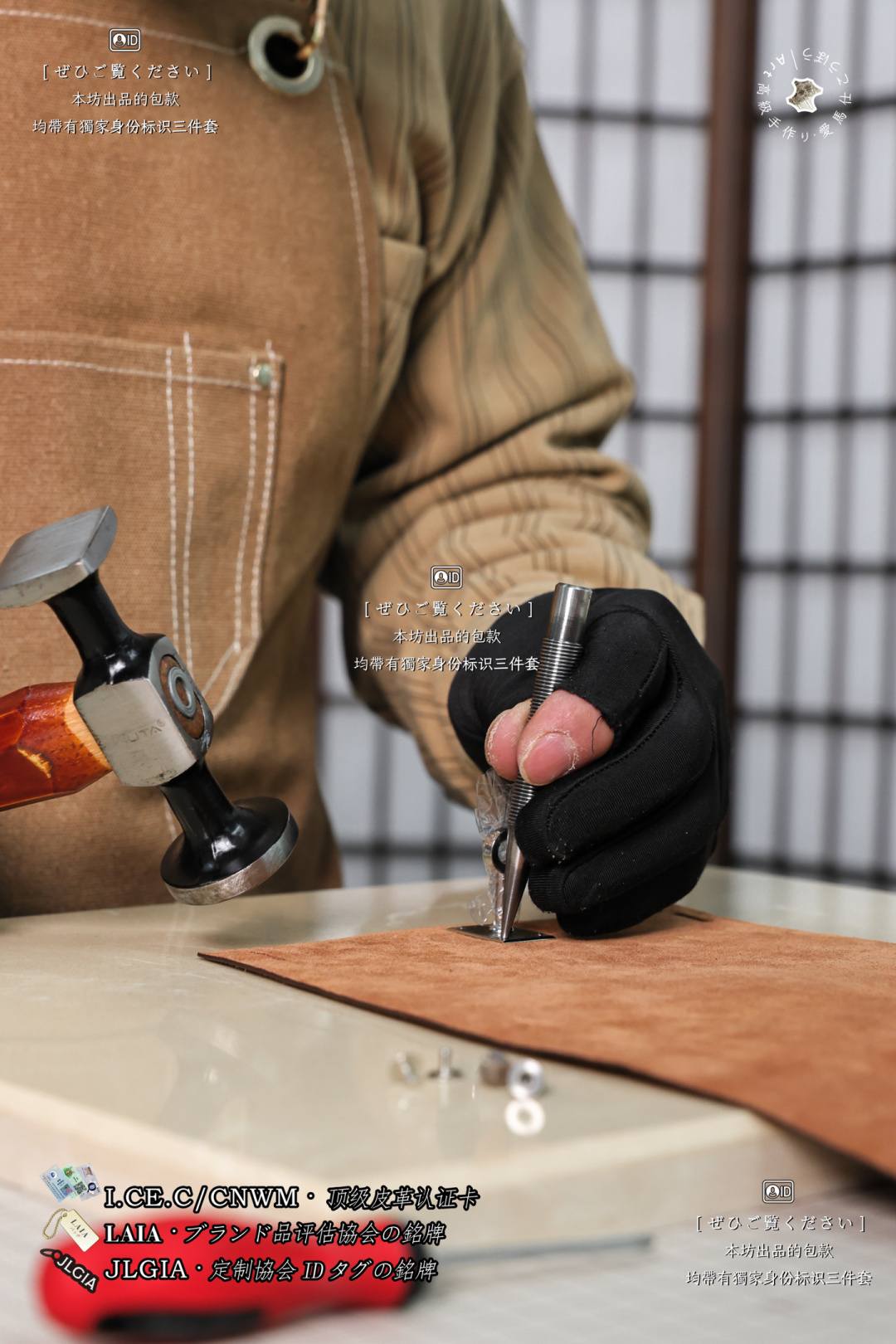
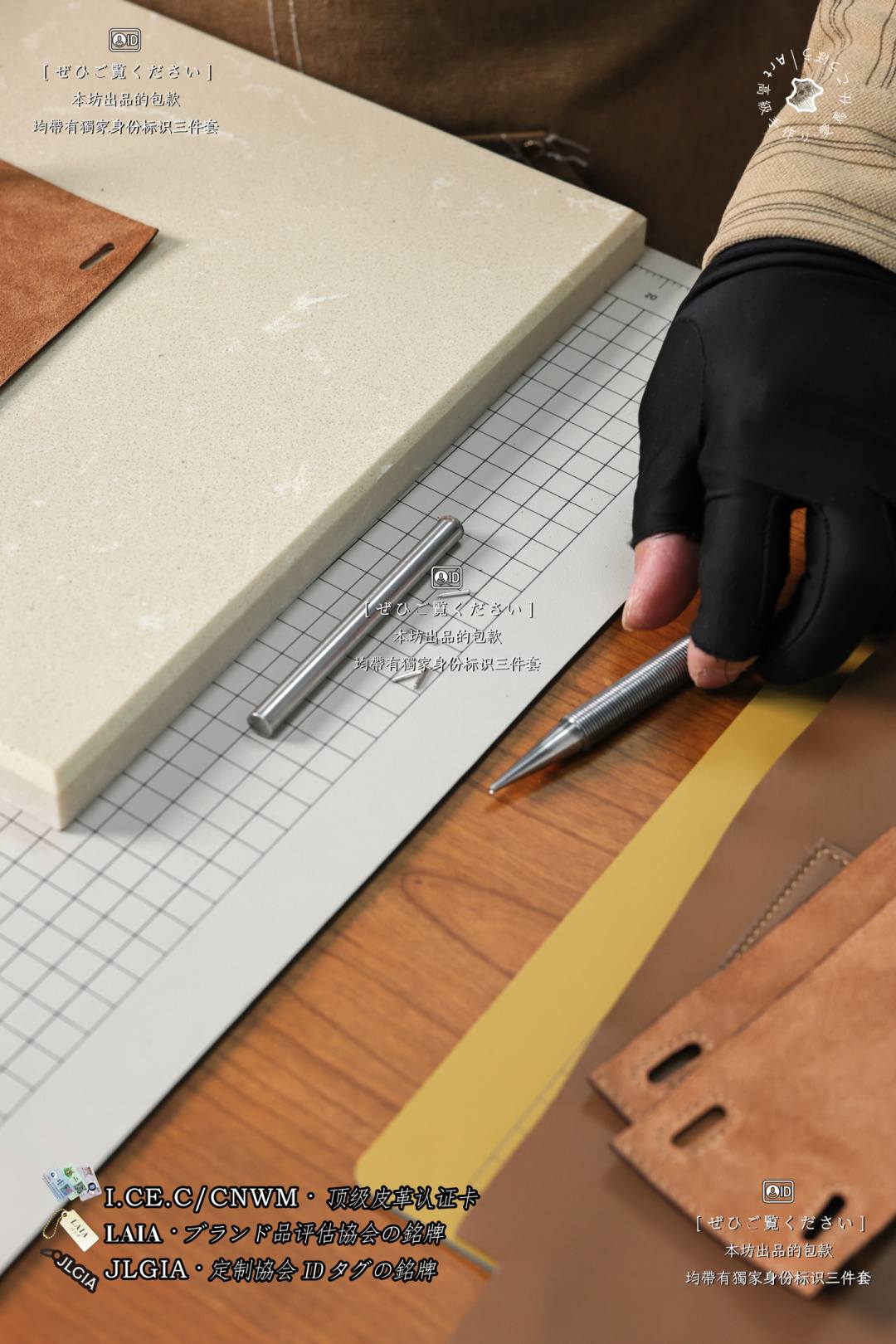
The Mini Kelly 2 features a compact silhouette with densely arranged, symmetric hardware placements. Positioning serves as the primary benchmark for all hardware installation with absolutely no room for mistakes; even the tiniest misalignment will ruin the bag’s proportional balance and smooth opening and closing feel. The full set of hardware is divided into four positioning modules: the clasp assembly, handle tabs, bottom feet, and side shoulder strap rings, each processed in separate stages with rigorous precision control.
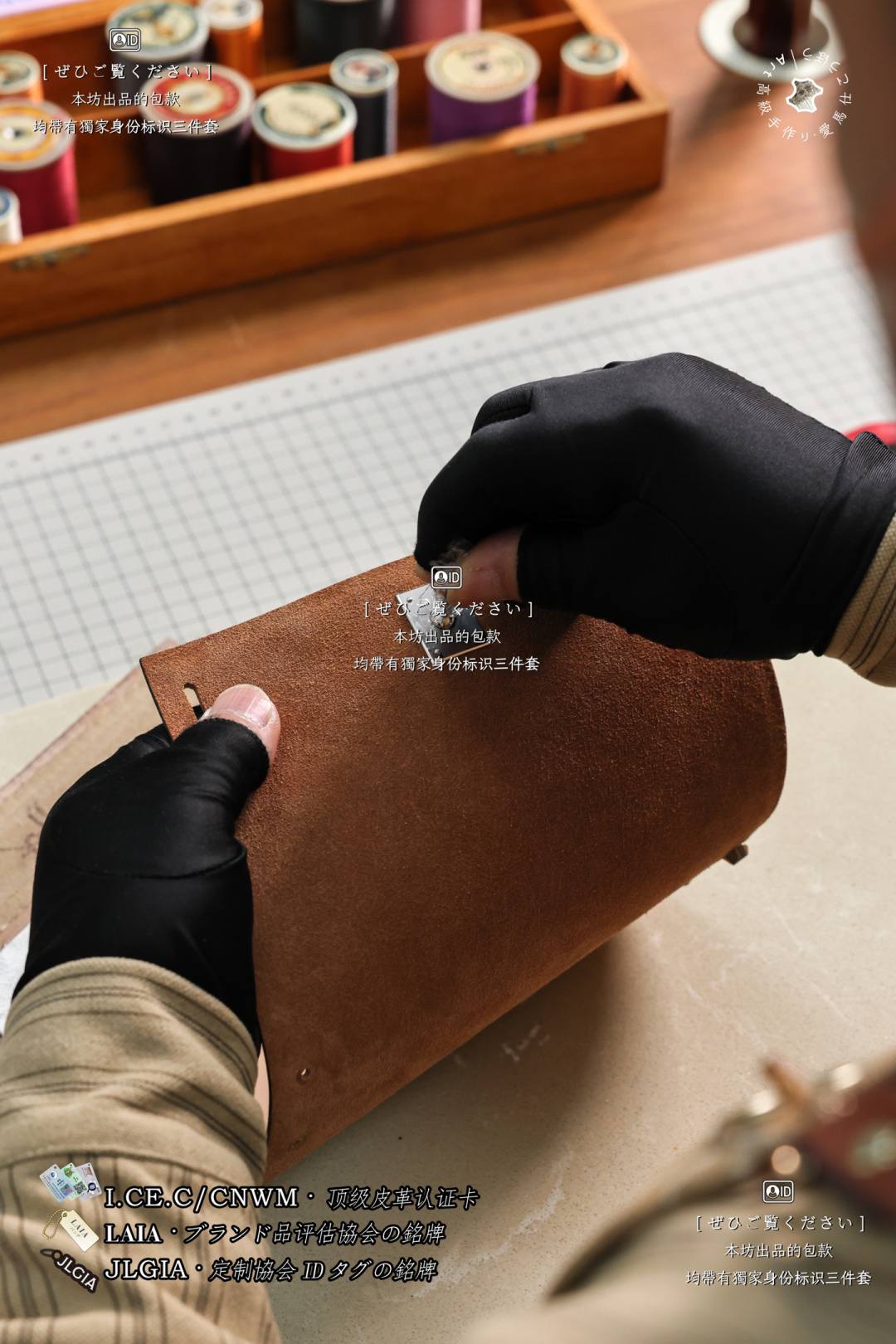
The upper and lower locking straps on the flap are constructed from double-layer bonded leather, which requires layered replication of reference marks. The top leather layer is positioned first, and its indentations are transferred to the underlying layer to avoid misalignment between the two layers. The four rivet holes on the clasp base must maintain identical border clearance on all four sides, with a permissible error margin of no more than 0.03 millimeters.
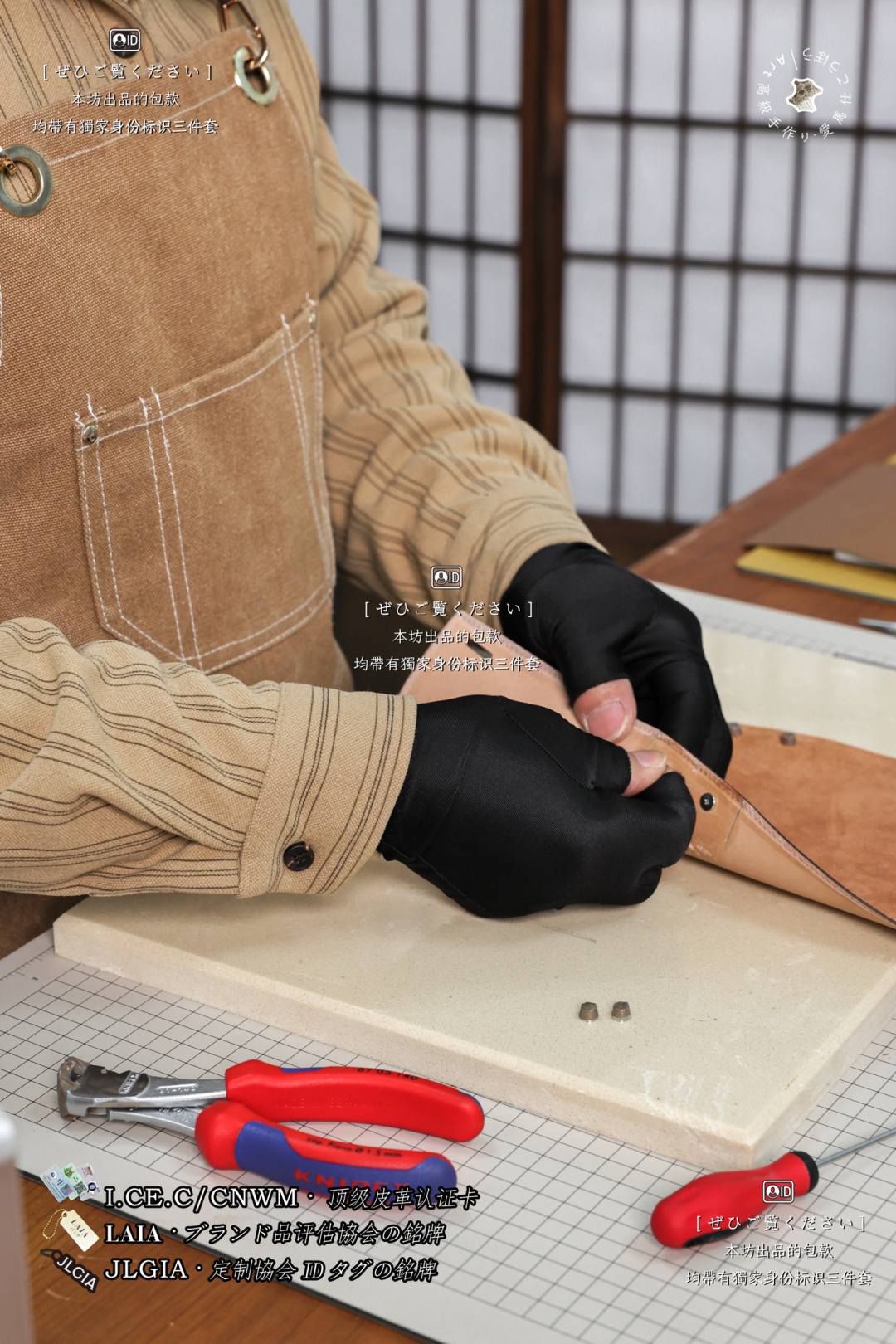
Both tabs are curved leather pieces calibrated with curved positioning jigs to match their natural arc. Two reference points secure the base of each tab’s metal ring. The height and forward protrusion of the left and right rings are kept perfectly uniform; any shift in positioning will result in crooked handles and stiff, obstructed opening motion after assembly.
- Front flap clasp assembly (strictest tolerance requirements)
The four permanent solid rivets on the clasp base are finished with handcrafted Perlage detailing, forming a perfect rectangle with equal border spacing on all sides.
A dual crosshair positioning system locks the central axis of the clasp base. When viewed head-on, the clasp must align perfectly with the flap’s central line, with uniform gaps on both sides.
Consequences of positioning misalignment include crooked clasps, misfitting latches, stiff closure, and fraying of the locking strap leather from prolonged uneven tension.
- Four bottom feet (load-bearing points that determine the bag’s upright silhouette)
The four corner feet at the bag base bear the bag’s weight and form a precise rectangular layout.
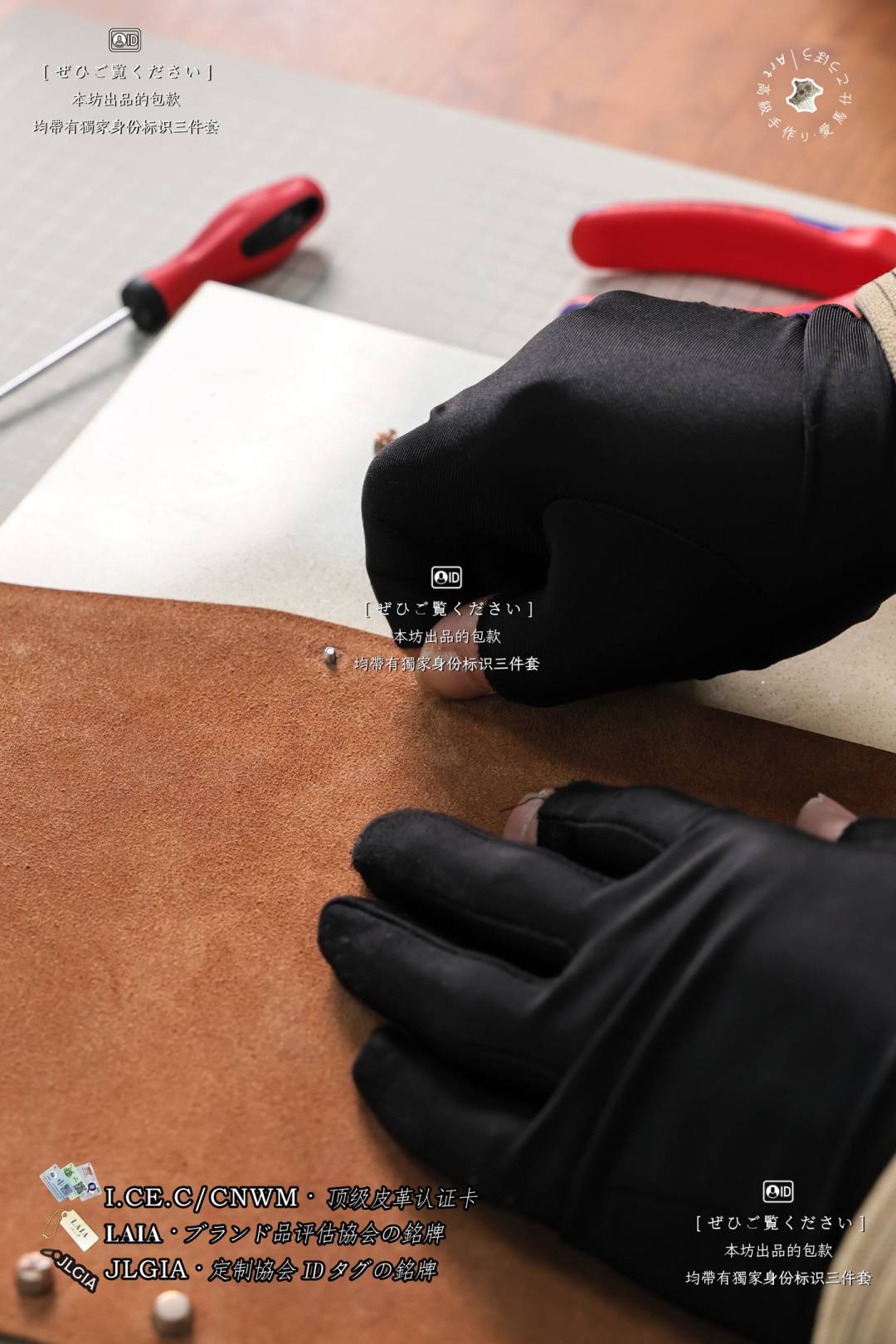
Holes are punched layer by layer through the multi-layer base leather. Misplaced rivet holes cause the bag to tilt when set down, with certain bottom feet lifted off flat surfaces and unstable placement.
- Rear side shoulder strap rings
The vertical height and front-to-back depth of both side rings are mirrored identically. Positioning is cross-referenced against the handle tabs on both sides to prevent uneven shoulder strap length and one-sided tension that warps the bag body after fitting.
Curved hardware pieces including handle rings and side strap rings are remeasured with arc rulers to correct any curved-surface positioning deviations.
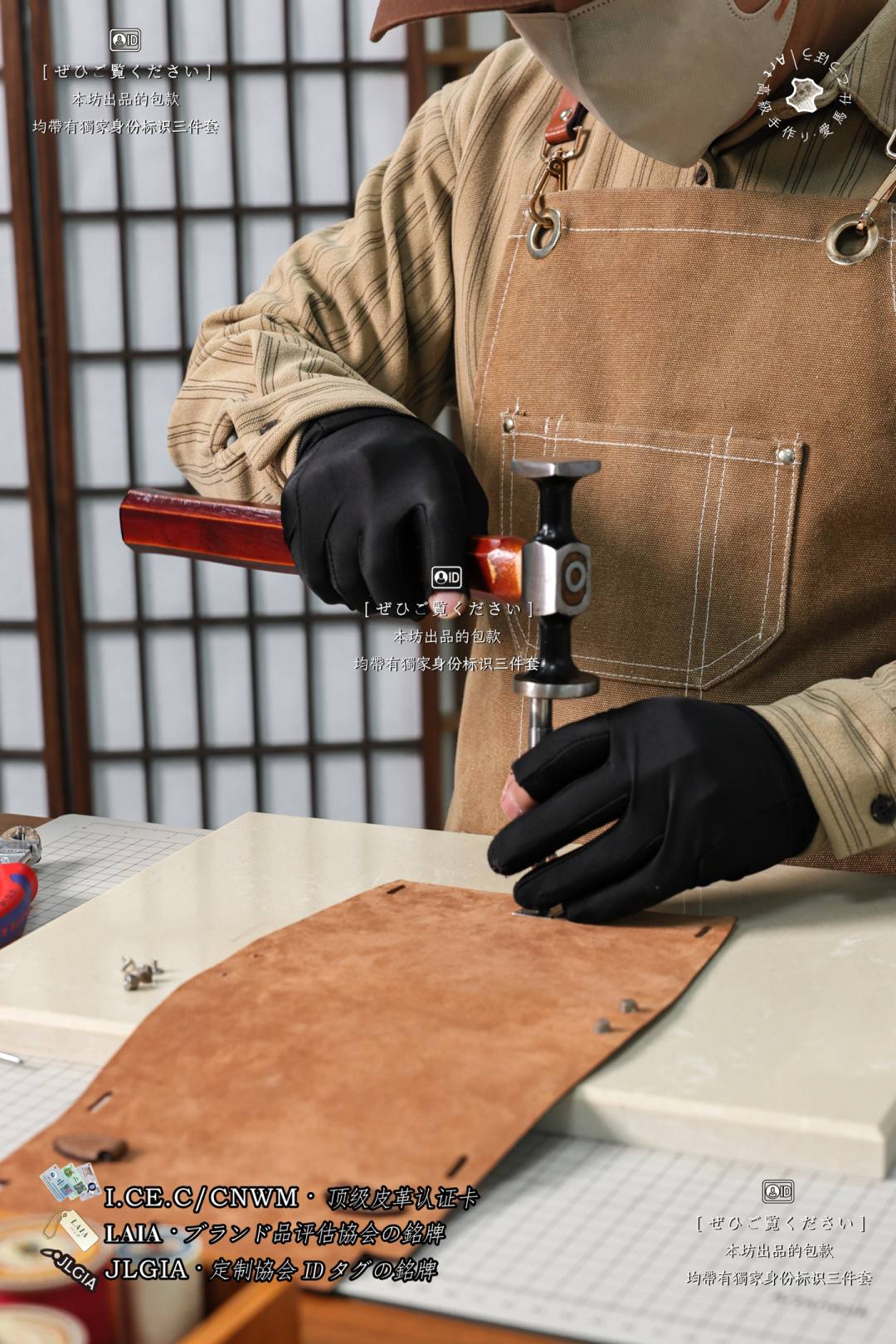
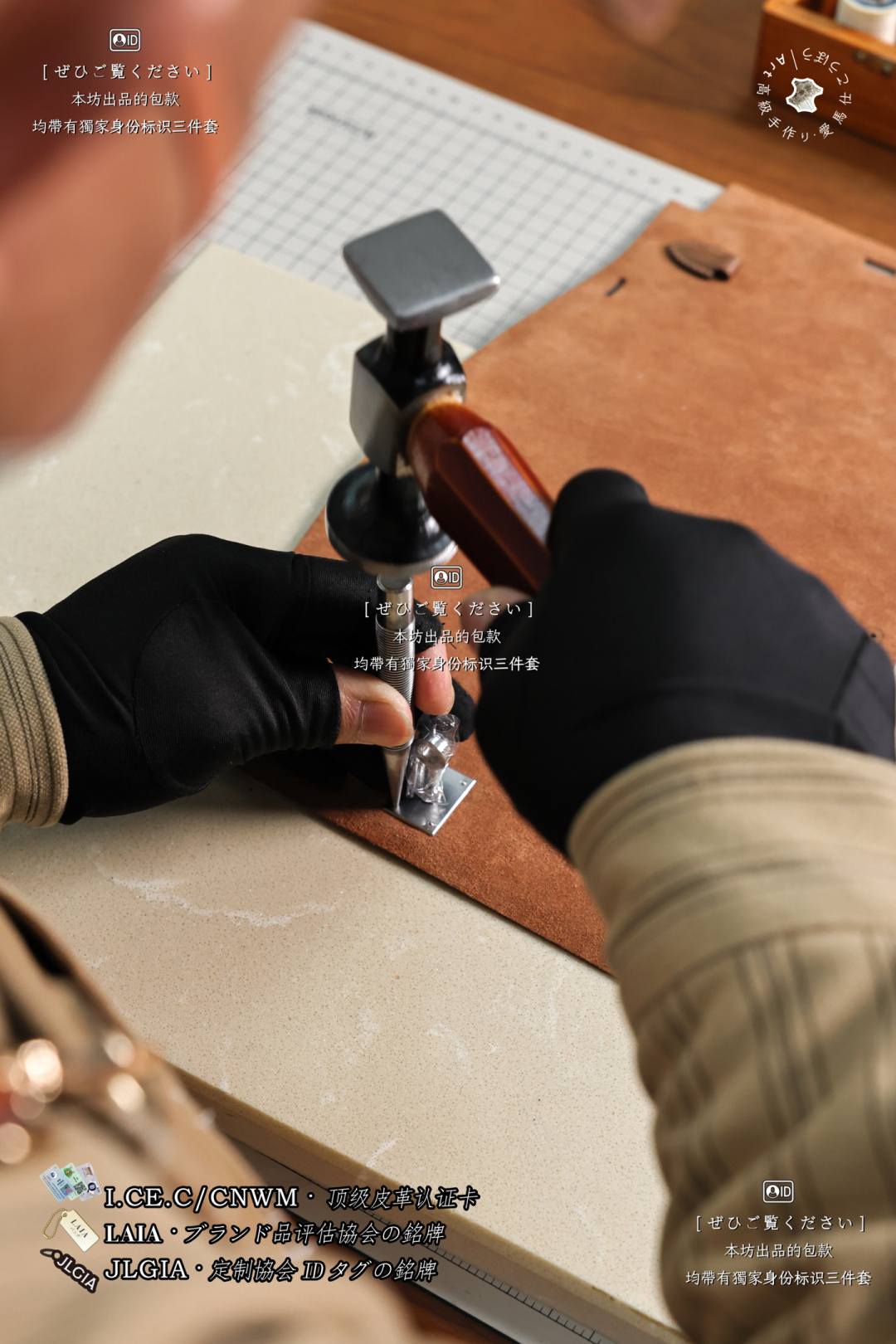
Hardware is temporarily secured with glue-free positioning clips rather than pre-applied adhesive, allowing minor fine-tuning if slight misalignment is detected. Only after full alignment is confirmed do craftsmen hand-hammer the permanent solid copper rivets, finished with evenly smooth Perlage rivet tails.
Structural damage occurs when offset rivet holes tear the fiber of Epsom or Box leather, leading to surface cracking and loose, dislodged rivets after repeated opening and closing.
Functional failures range from difficult closure due to misaligned latches, unbalanced carrying weight from tilted handles, and warped upright posture when bottom feet do not rest evenly on surfaces.
No seamless repair exists once permanent rivets are hammered into place; repositioning is impossible without visible damage, meaning the entire leather panel must be discarded.