- 24
- Jun
Shebag handmade Hermes Mini Kelly 2 bag stitching review(June 2026 updated)
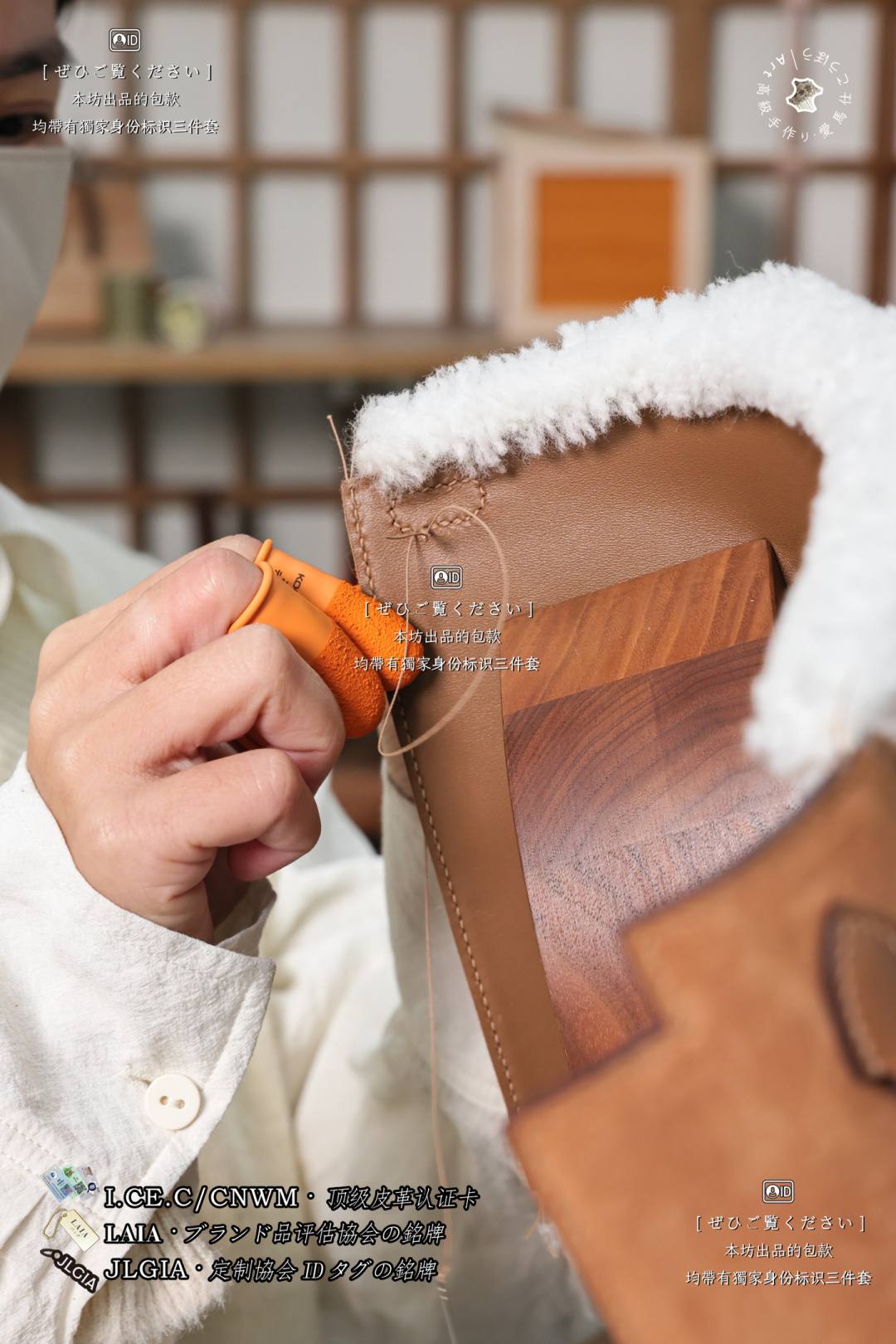
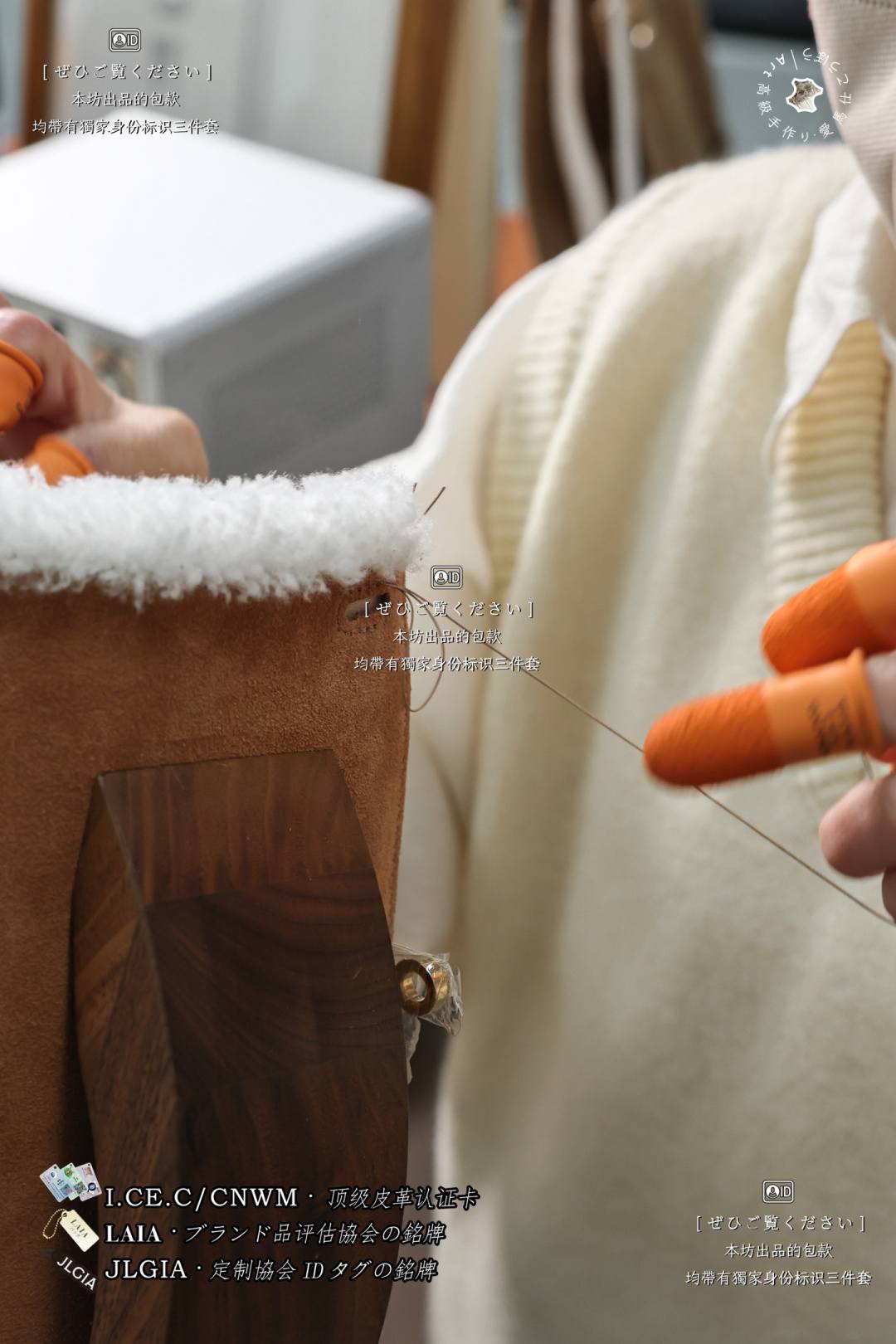
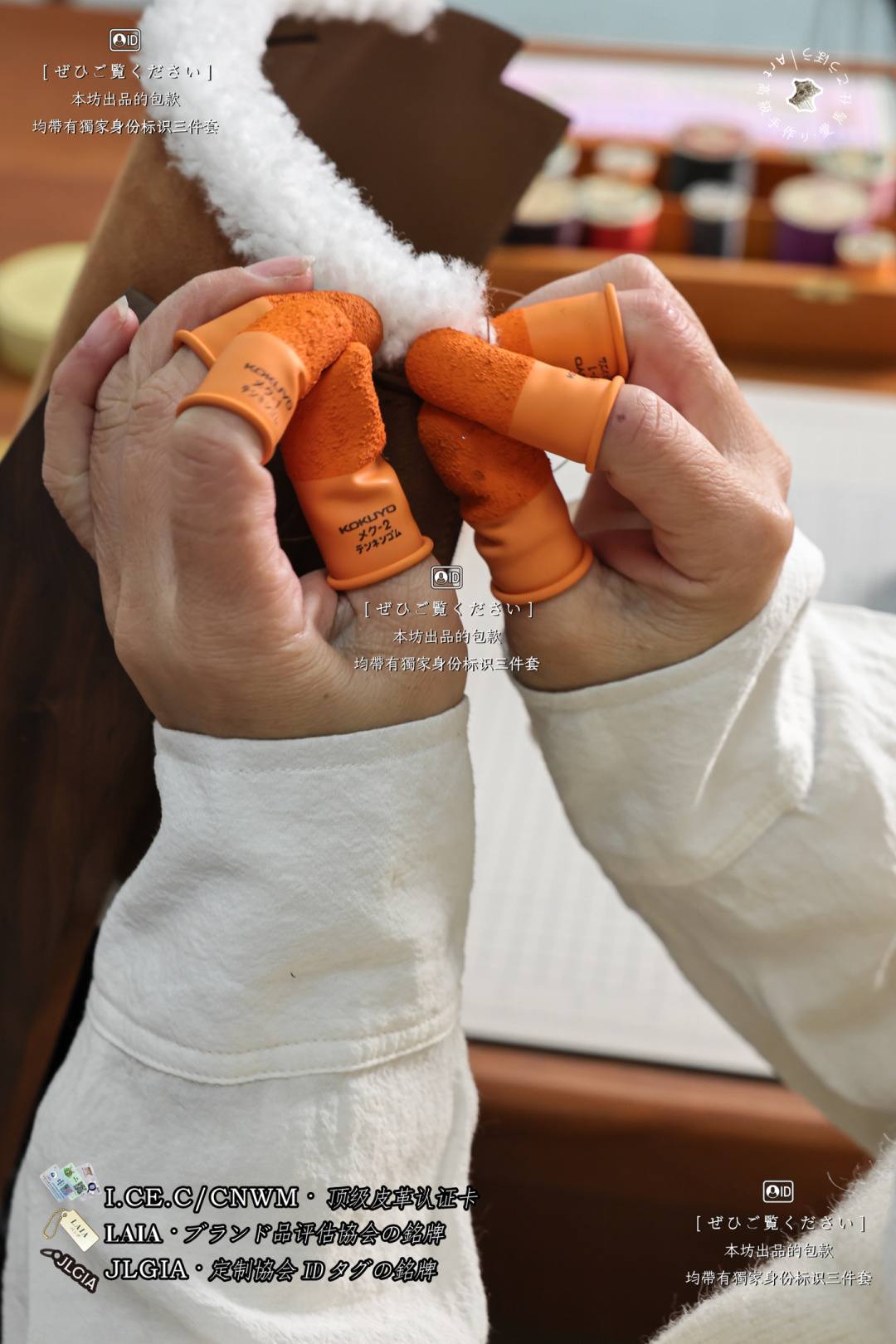
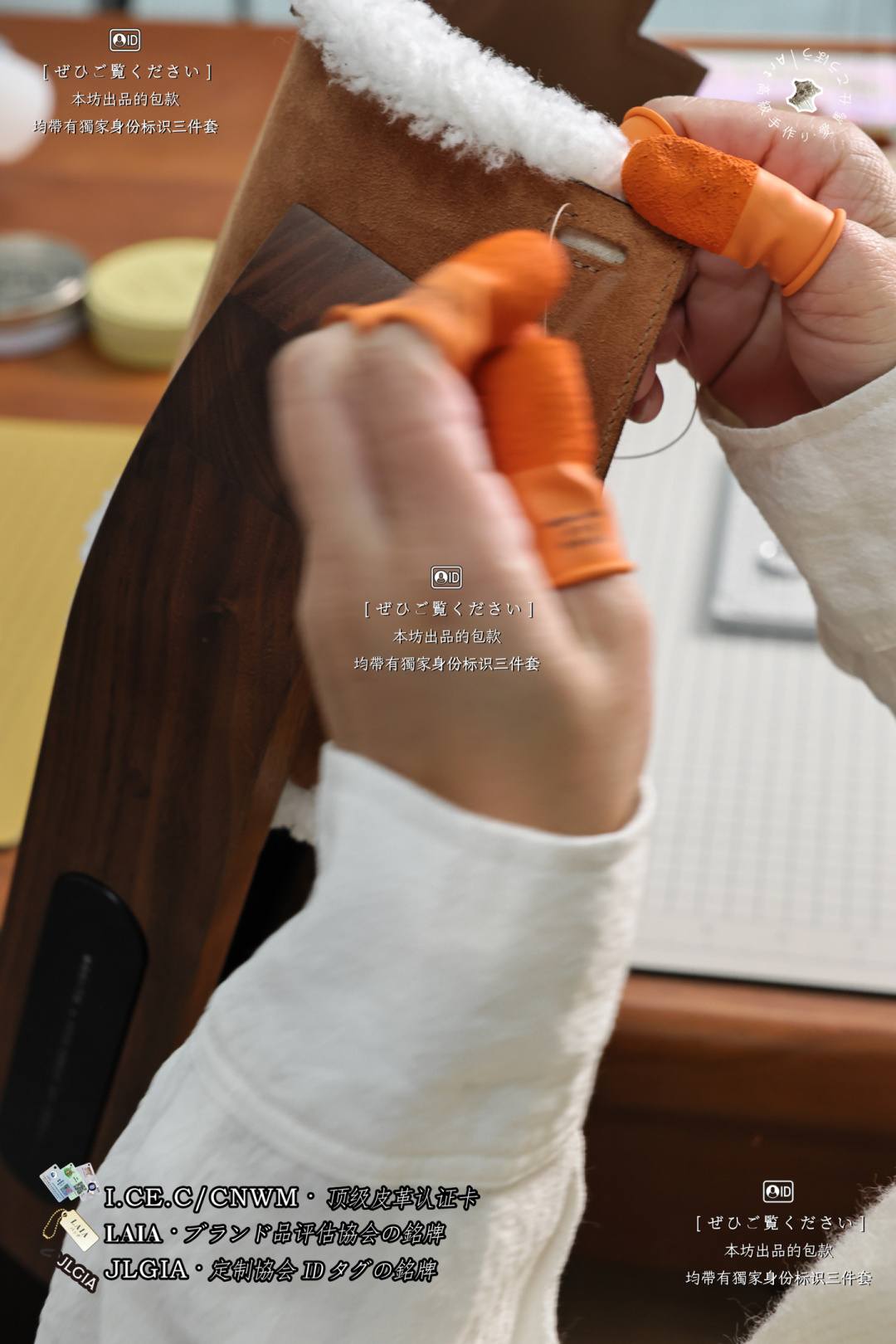
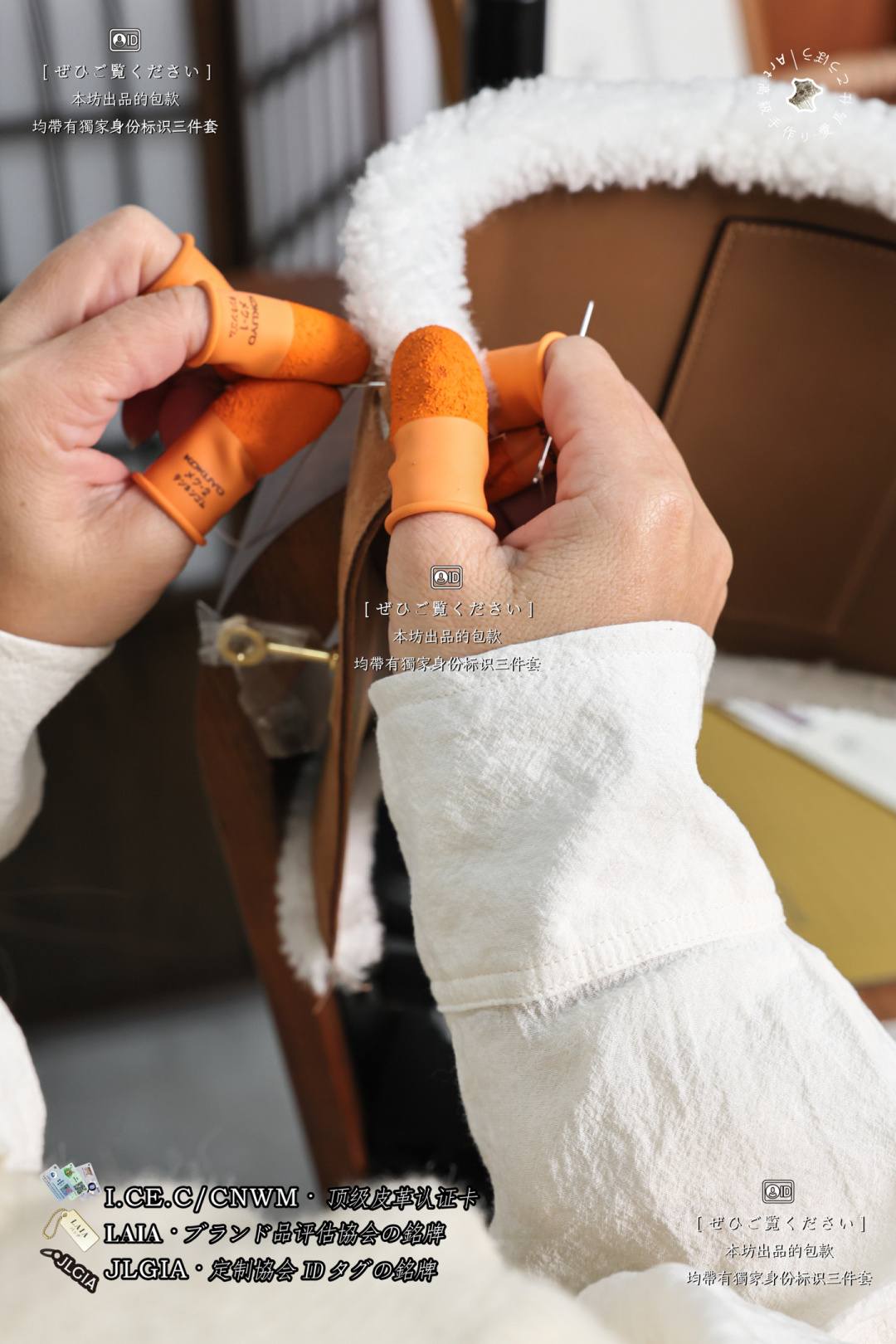
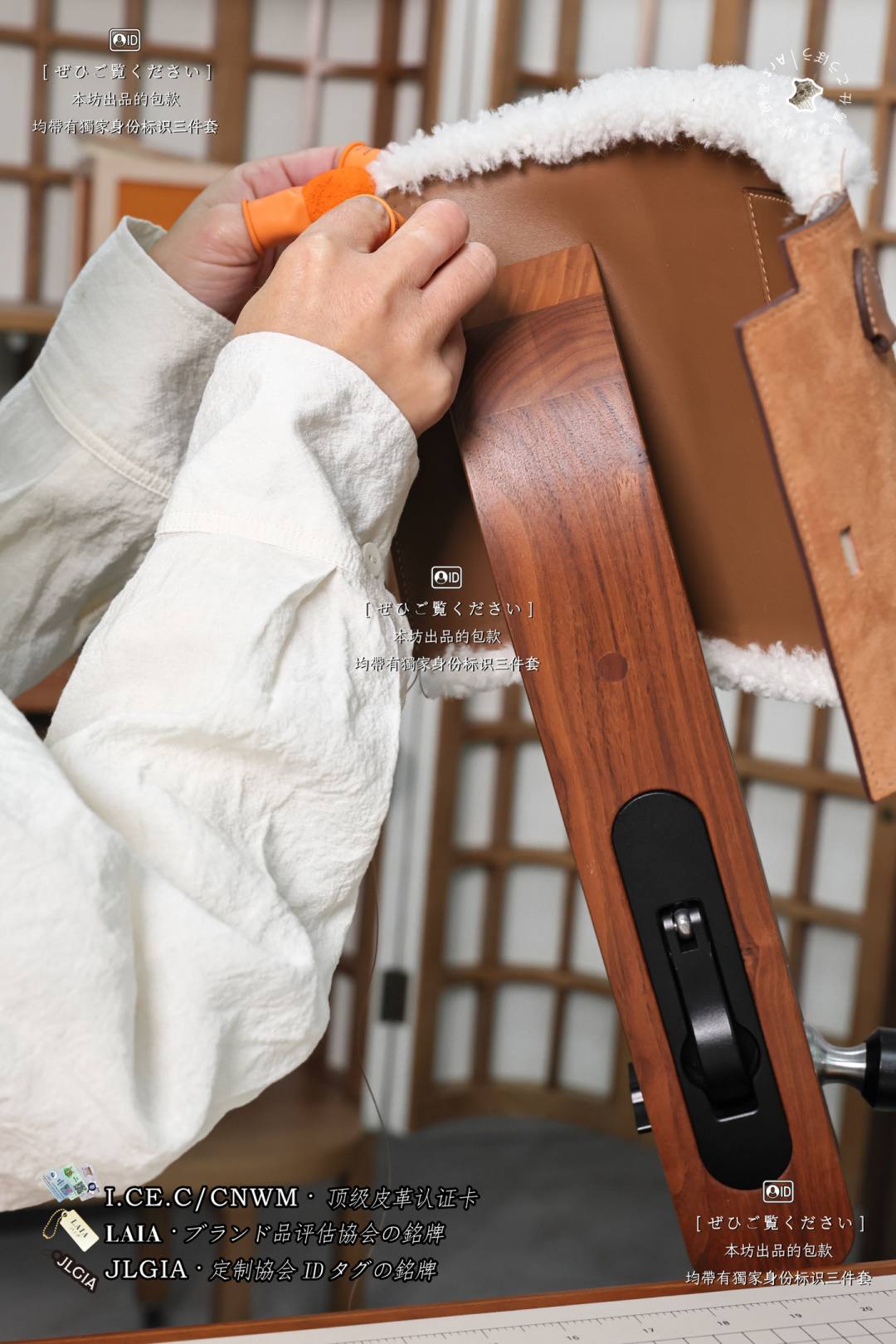
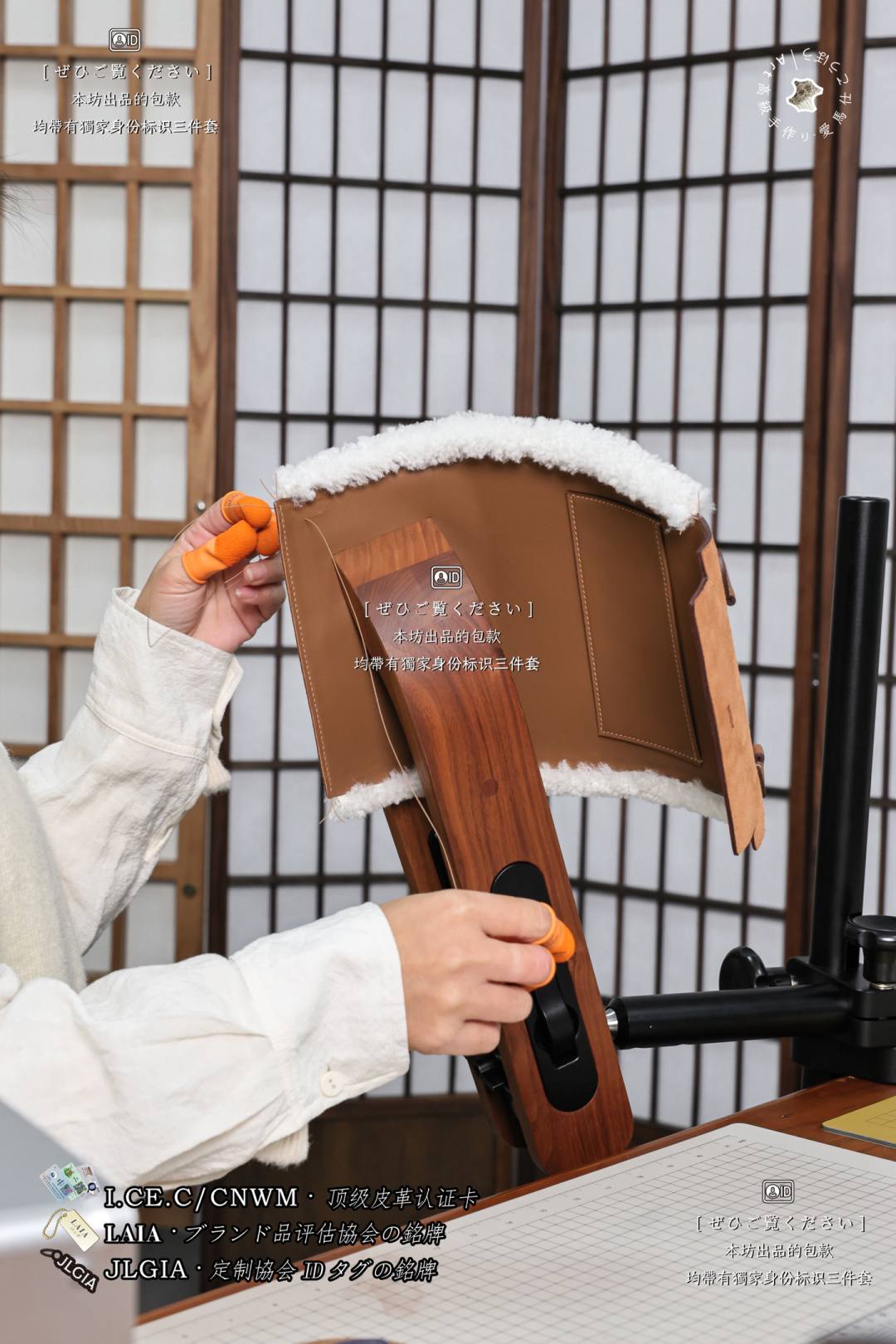
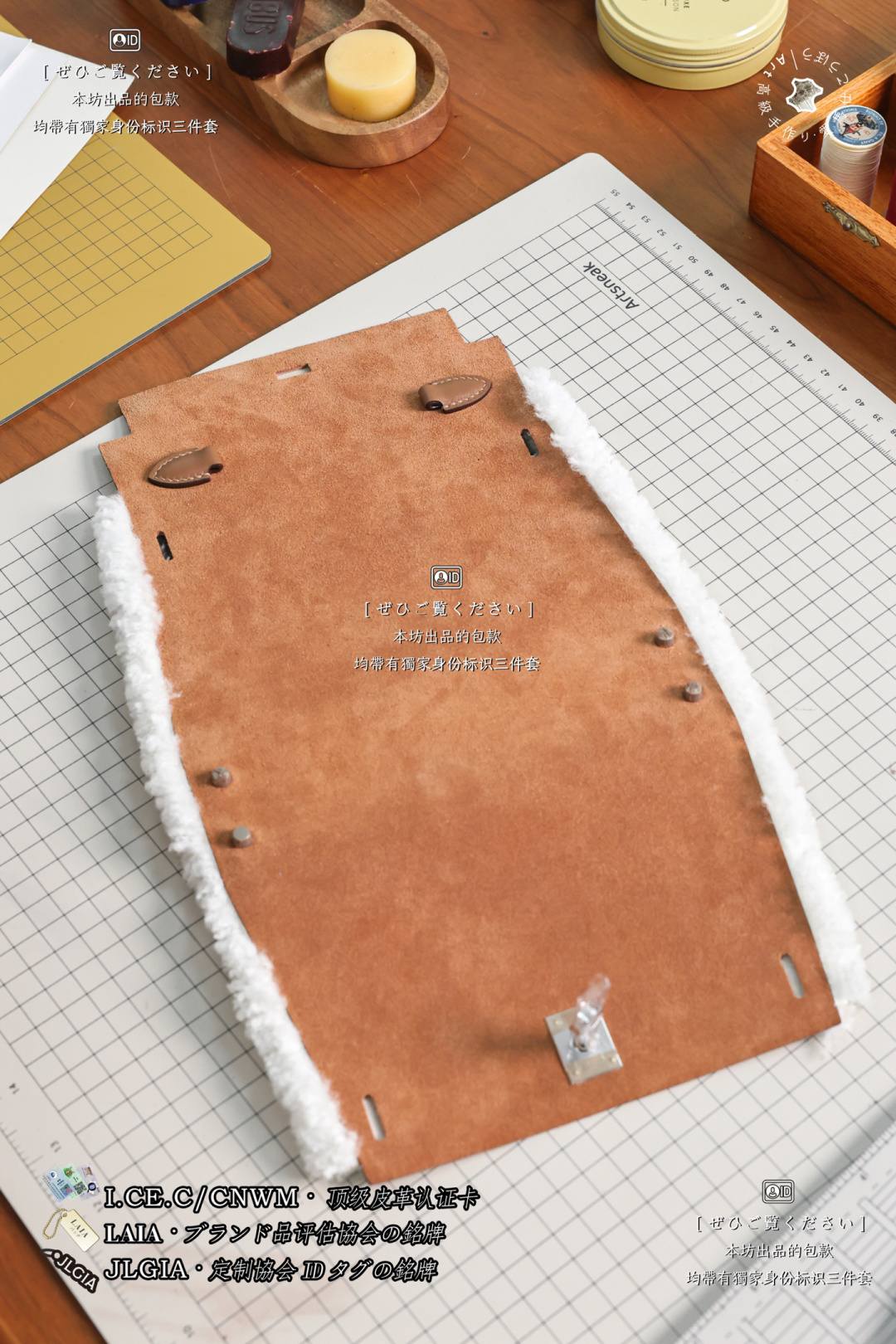
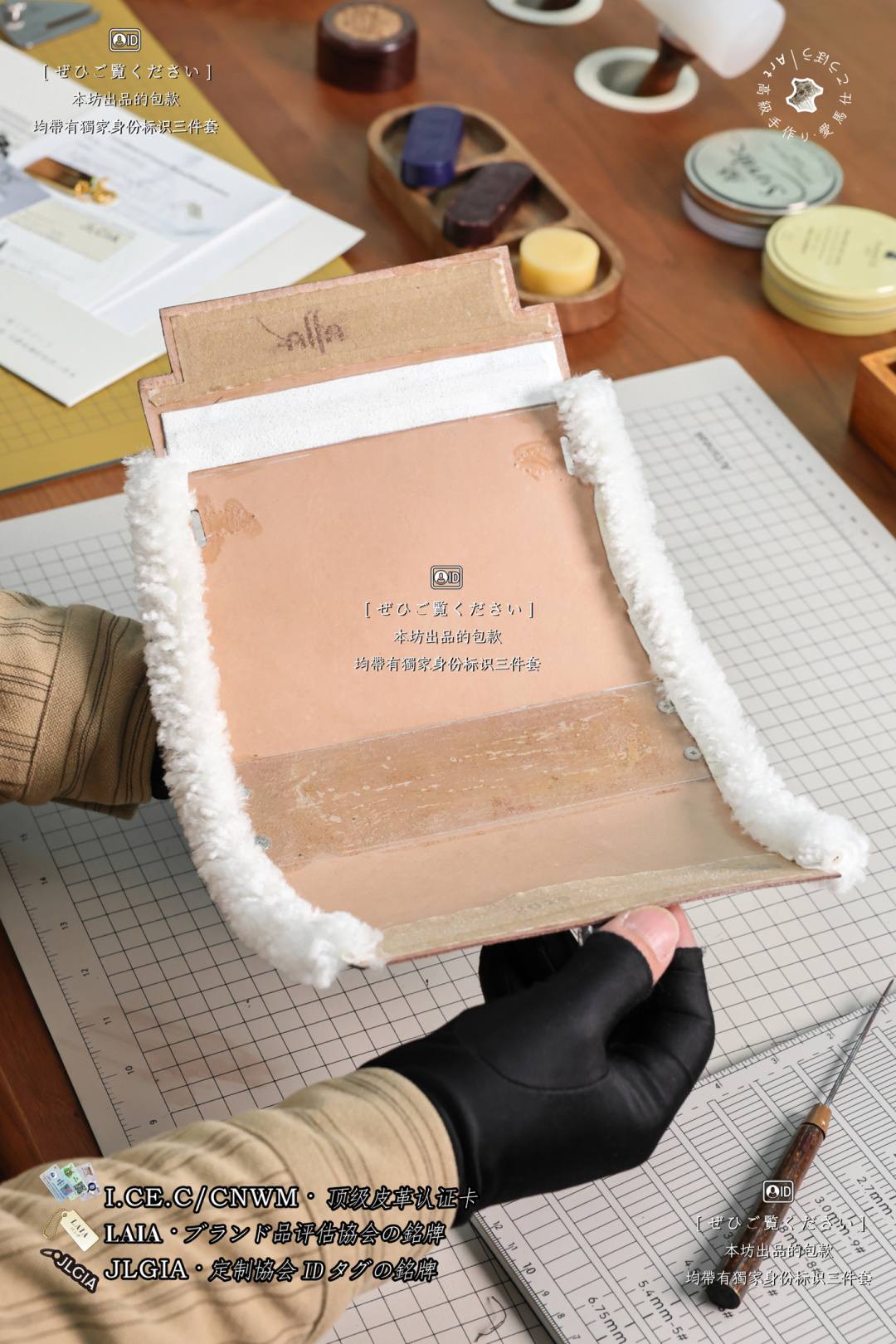
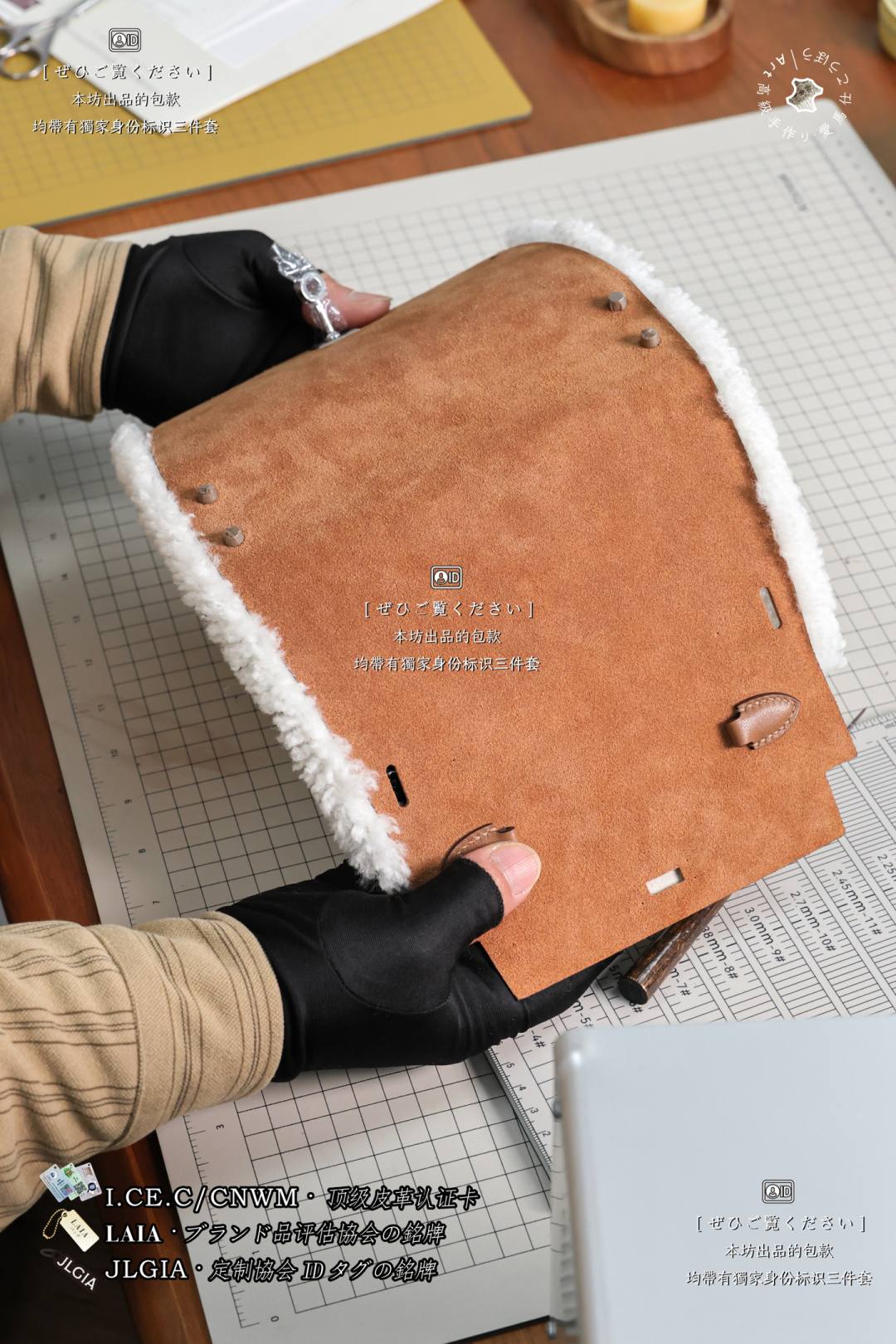
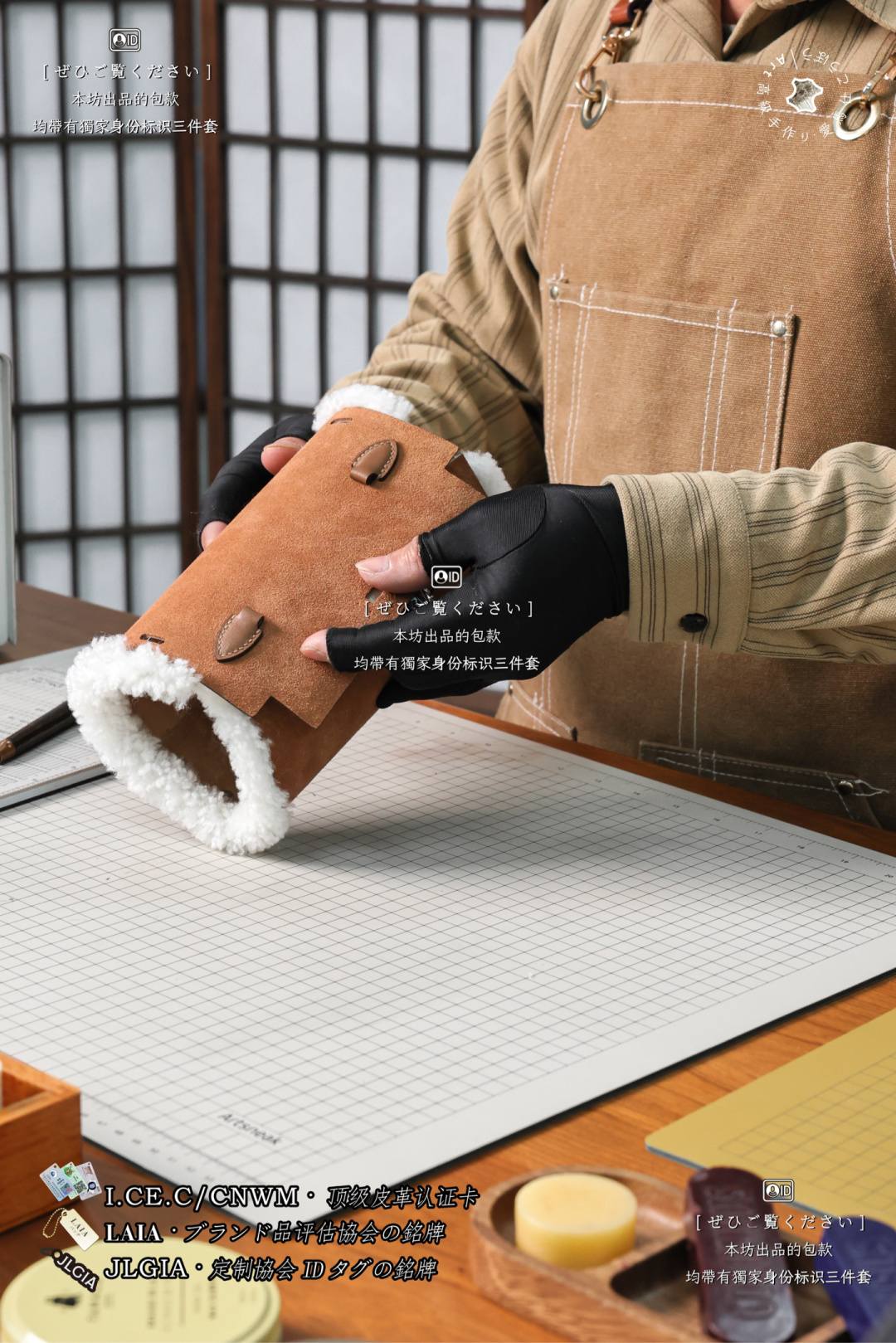
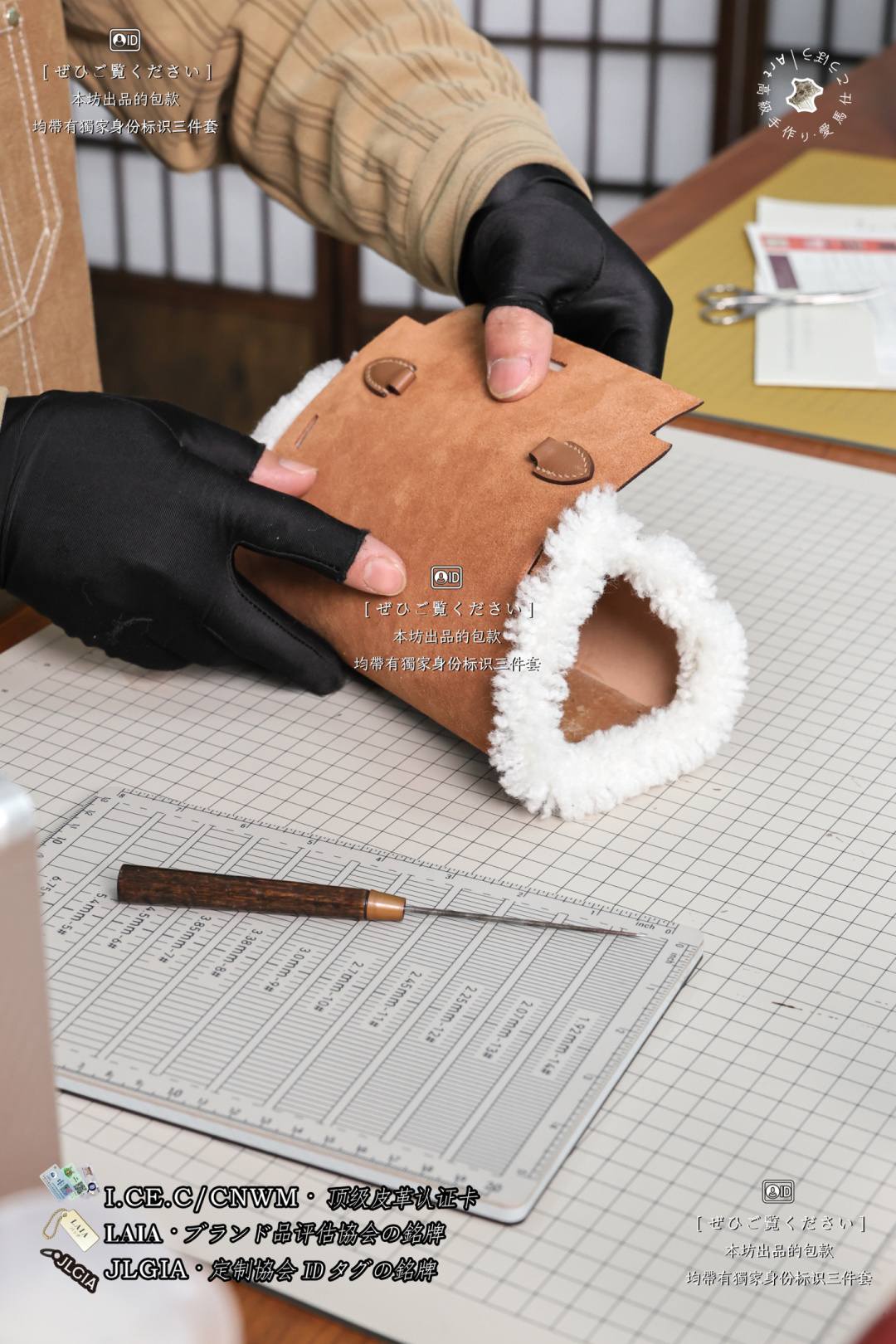
Today we showcase the hand stitching craft of bags from Shebag, featuring the authentic double-needle saddle stitch technique adopted by Hermès. Shebag has mastered this stitching method since it started crafting bags fifteen years ago. This handwork demands extremely high craftsmanship with consistent thread tension, delivering far finer detailing than machine-sewn bags. Naturally, it comes with substantially higher production costs and cannot be mass-produced.
The core fundamental principle sets hand saddle stitching fundamentally apart from machine lock stitching. The structure relies on a single length of waxed linen thread threaded with one hand-sewing needle at each end. The two needles pass through the same diamond-punched hole from opposite sides of the leather, interlocking inside the hide to form a figure-eight lock at every stitch. Machine lock stitching uses two separate threads, a top thread and a bobbin thread, interlaced with each other; if one section snaps, the entire line of stitches unravels like a zipper. In contrast, a single broken stitch in saddle stitching only affects that individual hole without splitting the whole seam, making it several times more durable. Both sides of the leather display uniform diagonal wavy stitching rather than straight lines on just one surface. The pulling angle is strictly maintained at an 18-degree slant, a signature visual hallmark of Hermès craftsmanship.
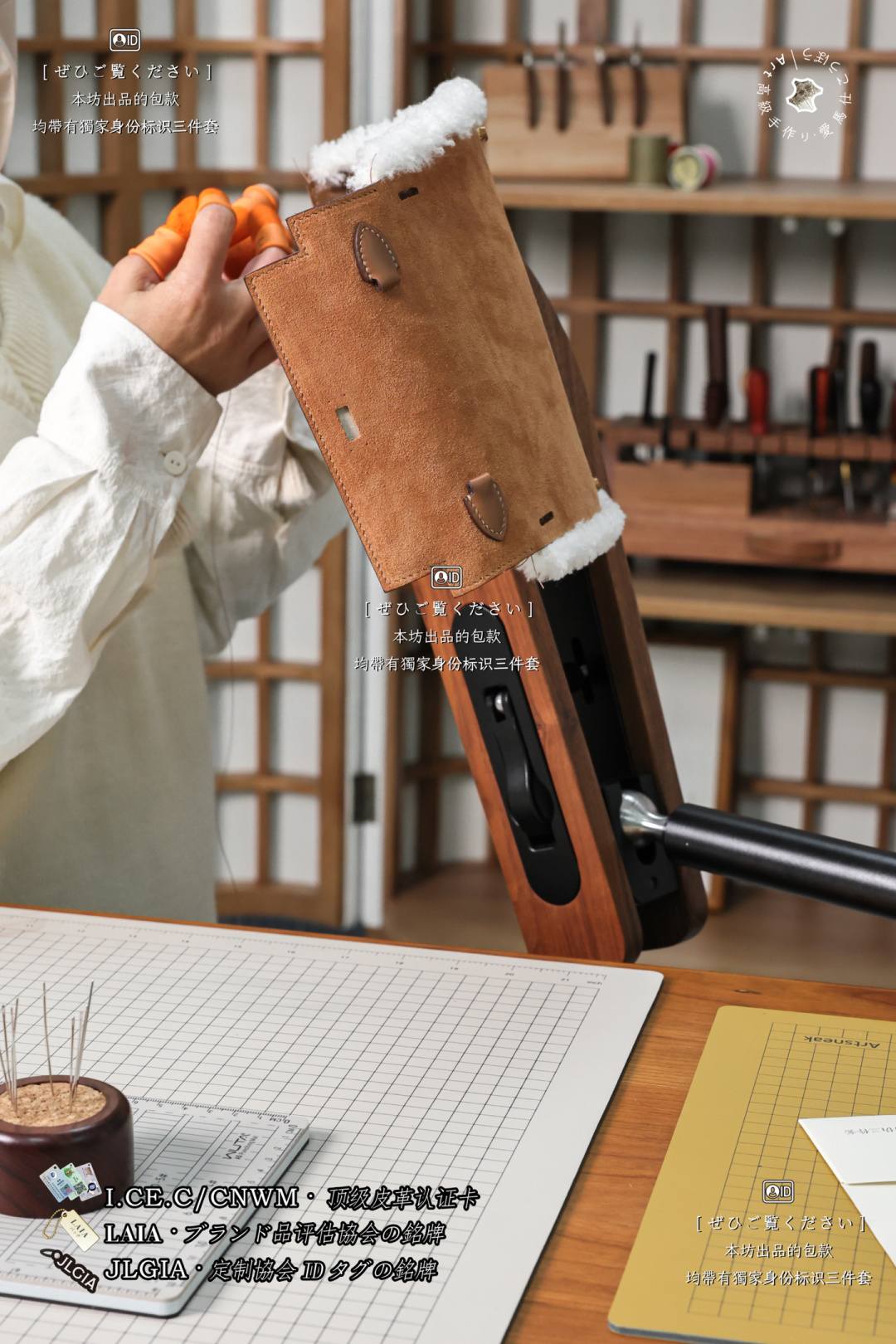
A full set of specialized tools adheres to the specifications used in official Hermès workshops. The diamond chisel is an indispensable tool, distinct from round hole punches. It creates angled oval holes through manual pre-punching, while sewing machines pierce leather directly, leaving rough, irregular hole edges. Standardized chisel tooth spacing is enforced: the main seams on Birkin and Kelly bags feature seven to eight stitches per inch. High-stress areas including handle bases and flap edges are tightened to nine to ten stitches per inch, with softer leather and interior linings relaxed to six to seven stitches per inch. French Losangique diamond-tipped hand sewing needles feature faceted diamond points that pierce leather without slicing its fibers, unlike rounded machine needles which leave fuzzy, uneven hole channels. The thread used is French Fil au Chinois waxed linen thread, the designated thread of Hermès for over a century, made of pure linen fibers infused with multiple layers of natural beeswax. It boasts a matte texture free from shiny synthetic gloss, the beeswax lubricates stitching while resisting water and moisture to prevent leather corrosion from sweat, and its strong friction ensures stitches stay taut without slipping or loosening. Thread length must measure four to six times the length of the seam to avoid mid-seam joins that ruin seamless stitching lines. Supplementary tools include solid wood sewing clamps to secure leather panels, cowhide mallets to flatten punched holes, natural beeswax blocks to re-coat thread, and polishing awls to tuck loose thread ends out of sight.
There is a complete standardized sewing workflow followed in professional leather workshops. Preprocessing consists of thinning leather edges, creating recessed stitching grooves, and punching holes with the diamond chisel. The joining edges of leather panels are bevelled at a 45-degree angle for seamless lamination; shallow recessed grooves are pressed along the stitching path so threads sit flush against the leather surface instead of protruding and wearing down over time. The diamond chisel is struck vertically to produce evenly spaced angled holes with smooth, sanded inner walls free of burrs. Next comes threading and securing the needles. Each end of one waxed thread is fitted with a needle, and thread tails are wrapped three times around the needle eyes to lock them firmly so threads do not slip out during pulling, before the entire thread is coated once more with beeswax. The seam is anchored at the starting point by passing both needles through the first hole and backstitching twice on both sides, hiding thread tails between two leather layers with no exposed knots or adhesive visible on the exterior. The core stitching motion directly determines uniform thread tension. First, the front needle passes through the diamond hole while the back needle exits from the opposite side of the same hole. Second, the front thread is wrapped once around the body of the back needle before pulling the needle backward. Third, both hands apply synchronized diagonal tension from upper, lower, forward and backward directions, sustaining a consistent 18-degree pulling angle throughout. Fourth, tension remains steady at all times; excessive tension crumples the leather, while insufficient tension creates sagging stitches, all controlled solely by the craftsman’s trained muscle memory. Every stitch repeats this wrapping and interlocking motion to form symmetrical wavy patterns on both sides. Skipping the wrapping step only yields a single-sided wave pattern, which counts as substandard craftsmanship. To finish the seam, reverse backstitching three times reinforces the end of the seam. Thread tails are tucked between leather layers and trimmed short, then compacted with an awl so no loose threads or knots appear on the bag surface.
Distinct visual details visible to the naked eye serve as core authentication markers. All stitches maintain a uniform 18-degree diagonal slant with consistent tilt direction, whereas machine-sewn diagonal lines feature erratic angles and flat, ripple-free lines. Diamond chisels produce smooth-edged angled oval holes, while machine sewing leaves round holes with frayed, whitened leather around the edges. Proper saddle stitching lies flat against the hide without floating above or sinking into the leather, maintaining consistent tension along the full length of every seam. Machine stitching fluctuates between tight and loose sections, accumulating wrinkling at curved corners. The wavy stitch arcs mirror each other perfectly on the front and reverse of hand-sewn leather, while imitation saddle stitch machines leave flat, ripple-free reverse sides. Authentic thread exhibits a matte linen texture with subtle natural grain, while cheap counterfeits use shiny nylon thread prone to whitening and abrasion. Double parallel saddle stitching is applied as double-layer reinforcement at high-stress zones such as handle roots, flap folds and clasp bases, a detail rarely replicated by machine sewing.
This craft faces significant technical hurdles, carries high costs and limits mass production, all points aligned with Shebag’s fifteen years of bag-making experience. Mastering saddle stitching demands an extremely high skill threshold. Hermès apprentices undergo one to two years of dedicated practice on this stitch before they are qualified to sew full bag bodies. Tension control, pulling angles and rhythm rely entirely on tactile intuition that cannot be standardized or replicated by machinery. A skilled craftsman requires fifteen to twenty minutes to complete a thirty-centimeter seam, while an assembly line machine finishes the same length in merely one minute. Mass production is impossible under this process. Every stitch is completed fully by hand, and a single artisan can only finish a small number of leather cut pieces each workday. Large-batch reproduction requires imitation saddle stitch sewing machines, which fail to recreate the precise 18-degree angle, dual-sided wavy pattern and perfectly consistent thread tension. Costs accumulate from imported waxed linen thread, consumable diamond chisels and substantial artisan labor fees. Hand saddle stitching costs three to five times more than machine sewing for identical bag silhouettes, forming the primary price gap between premium handcrafted leather goods and mass-market generic bags.
Shebag’s replication standards align closely with official Hermès craftsmanship benchmarks. The workshop exclusively uses Fil au Chinois beeswax linen thread to recreate its original matte wax texture. A fixed 18-degree pulling angle is maintained, alongside a strict seven to eight stitches per inch standard, with tighter stitching implemented on all high-stress zones. The full double-needle wrapping stitch process is followed to deliver matching symmetrical wavy patterns on both leather sides, rejecting simplified single-sided stitching shortcuts. All holes are pre-punched with diamond chisels, recessed grooves hold threads flush to the leather, and final backstitching tucks thread tails between layers with zero exposed exterior knots. Years of hands-on training enable Shebag craftsmen to sustain uniform thread tension across every seam, resulting in smooth, natural stitching free of rigid unevenness or inconsistent tension breaks.