- 27
- Jun
Shebag Hermes Peaux Précieuses Vierges leather cutting craftmanship review(June 2026 updated)
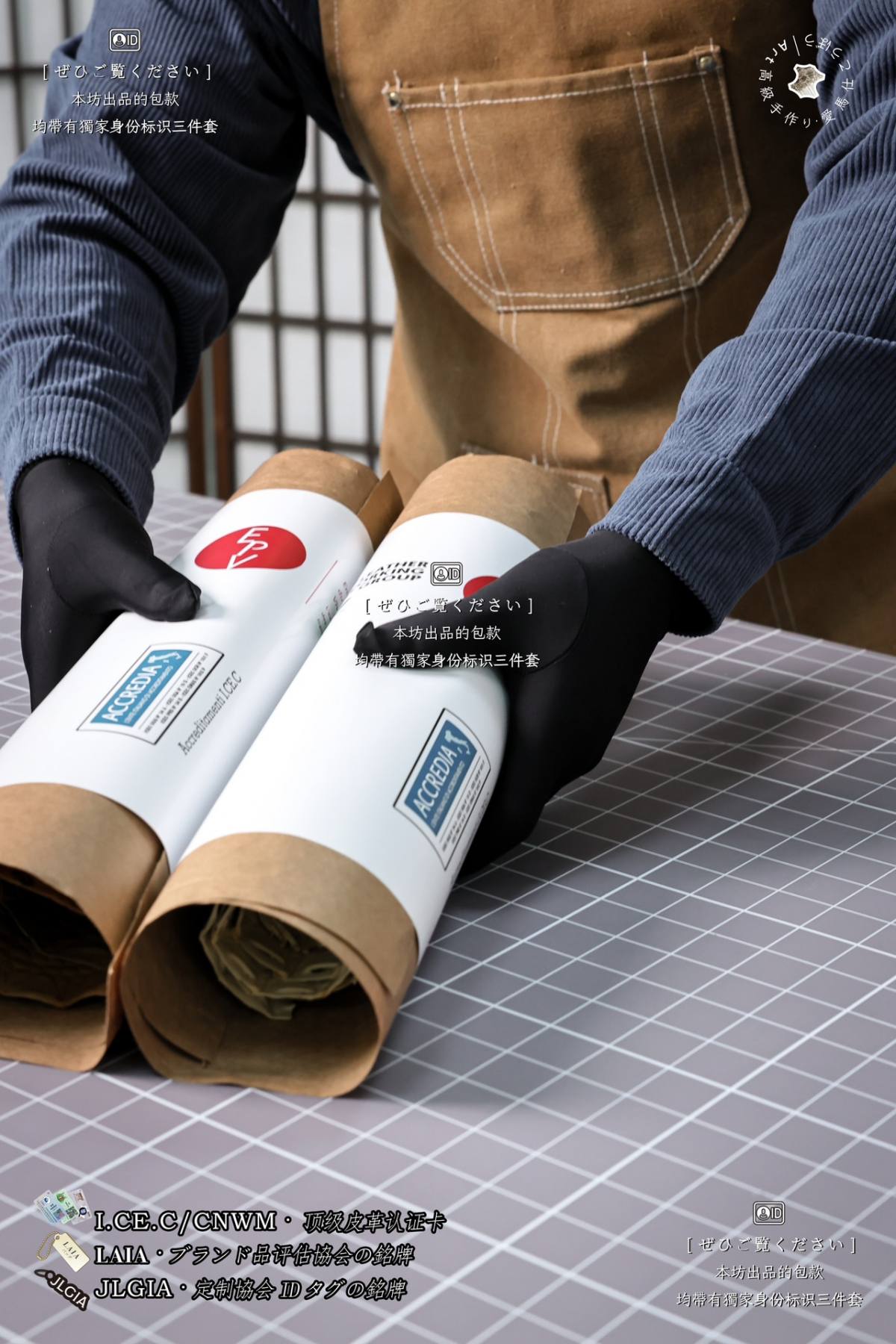
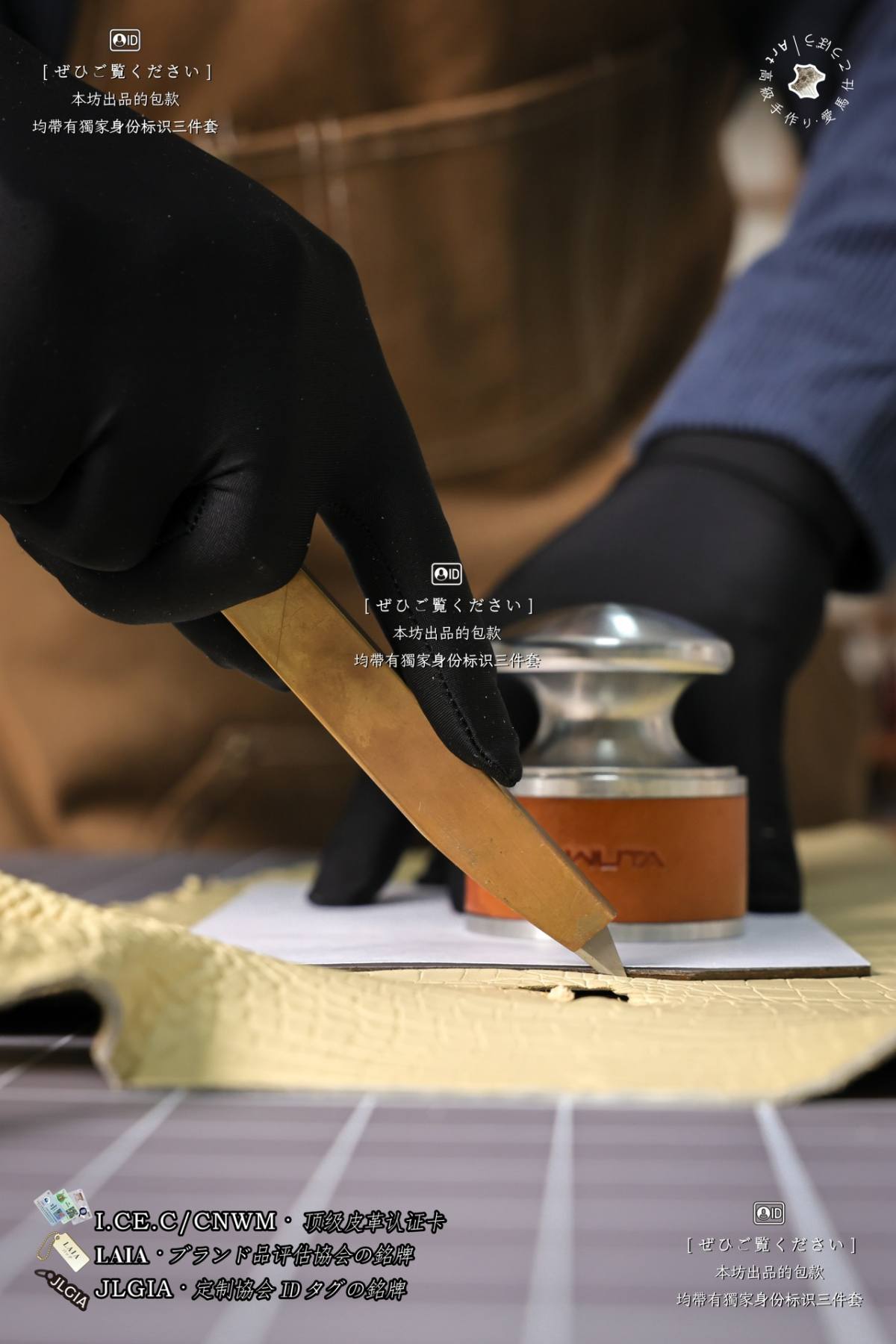
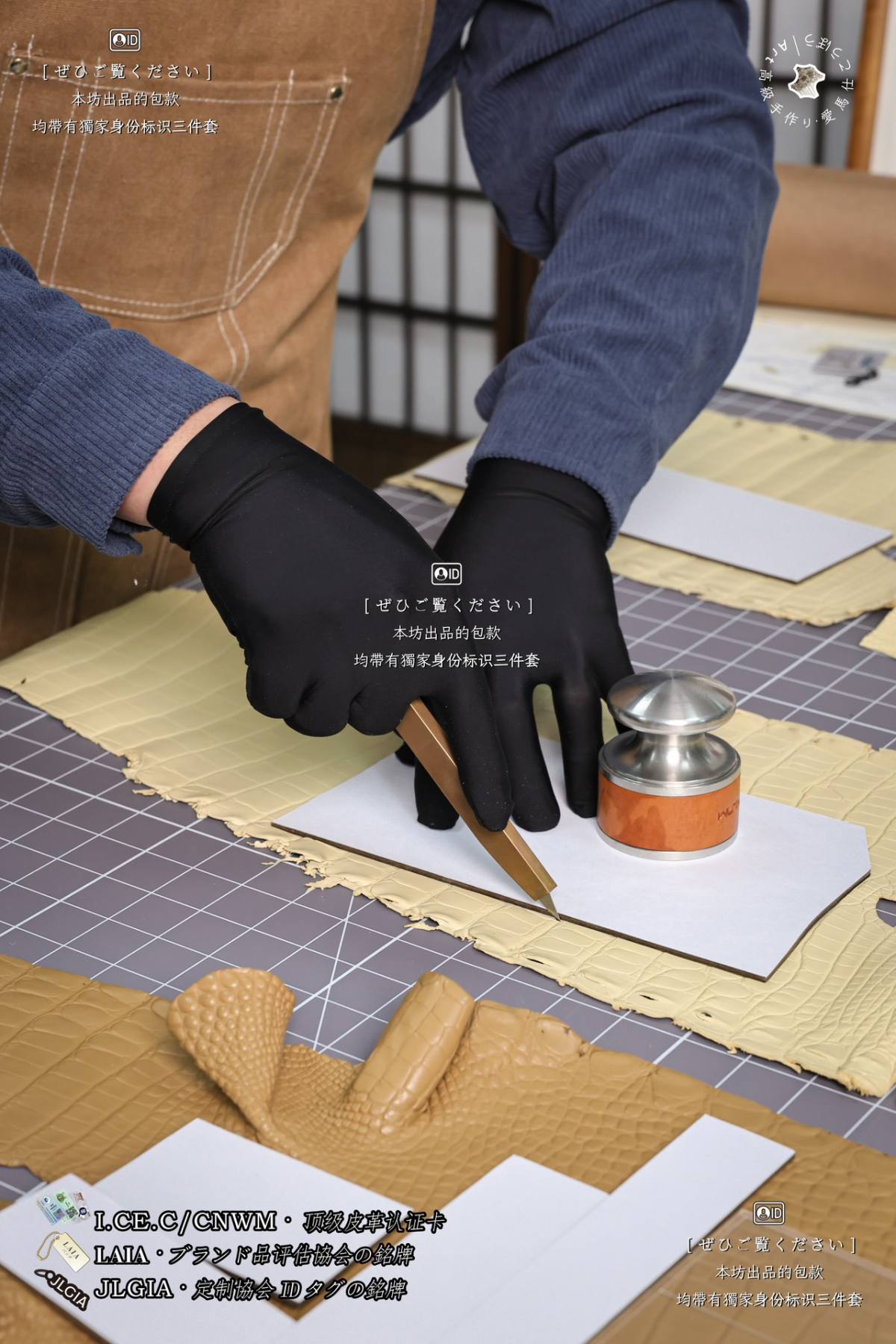
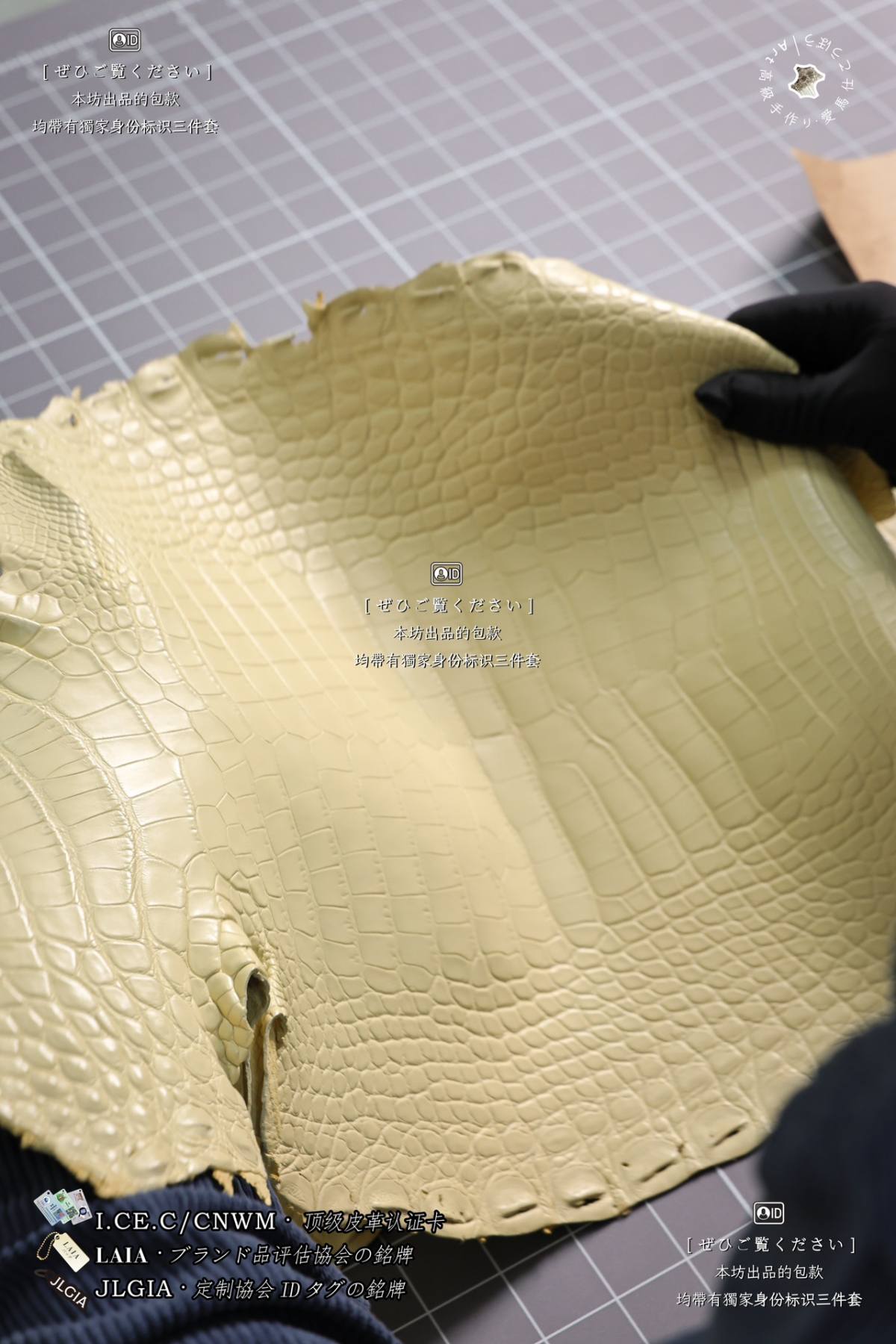
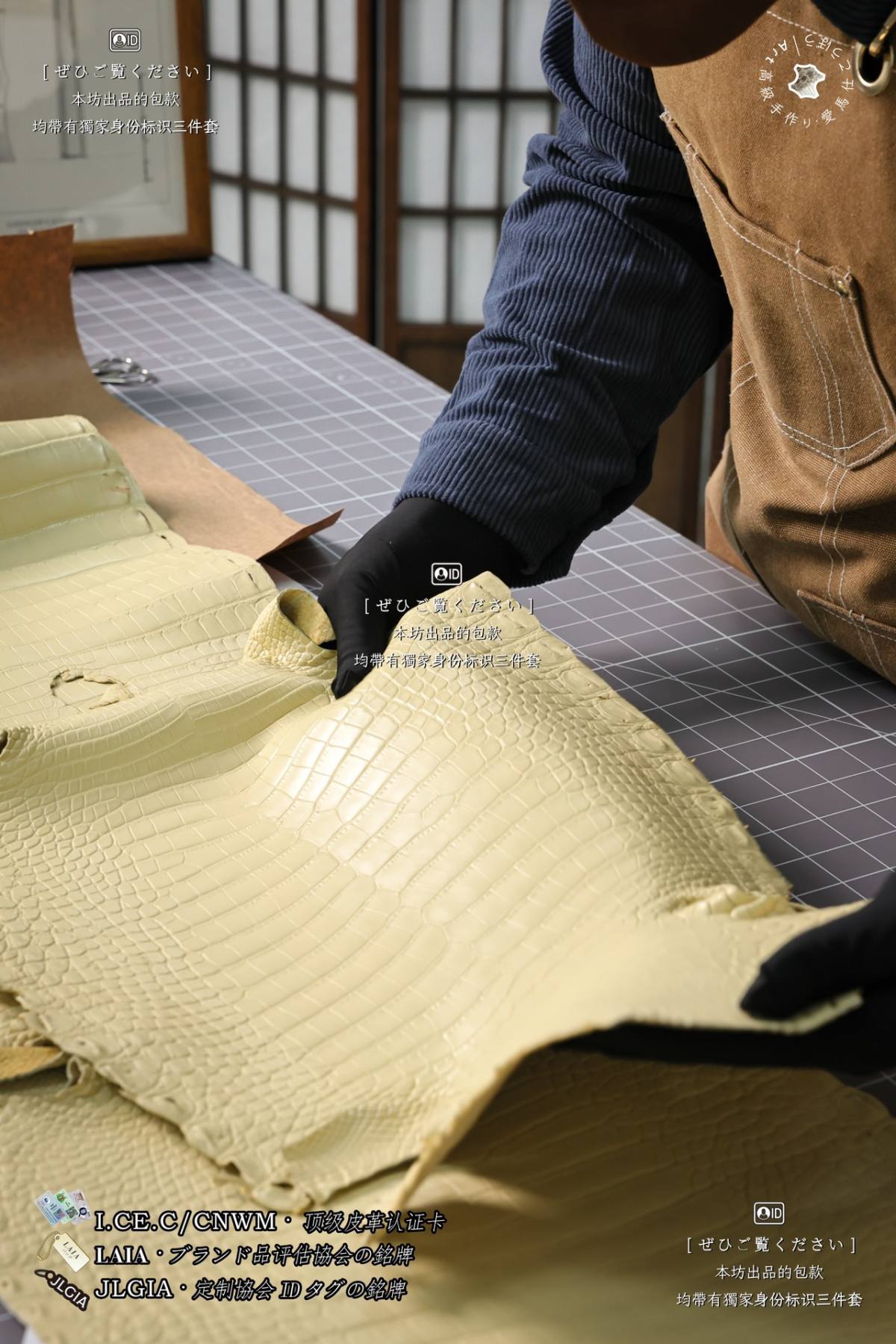
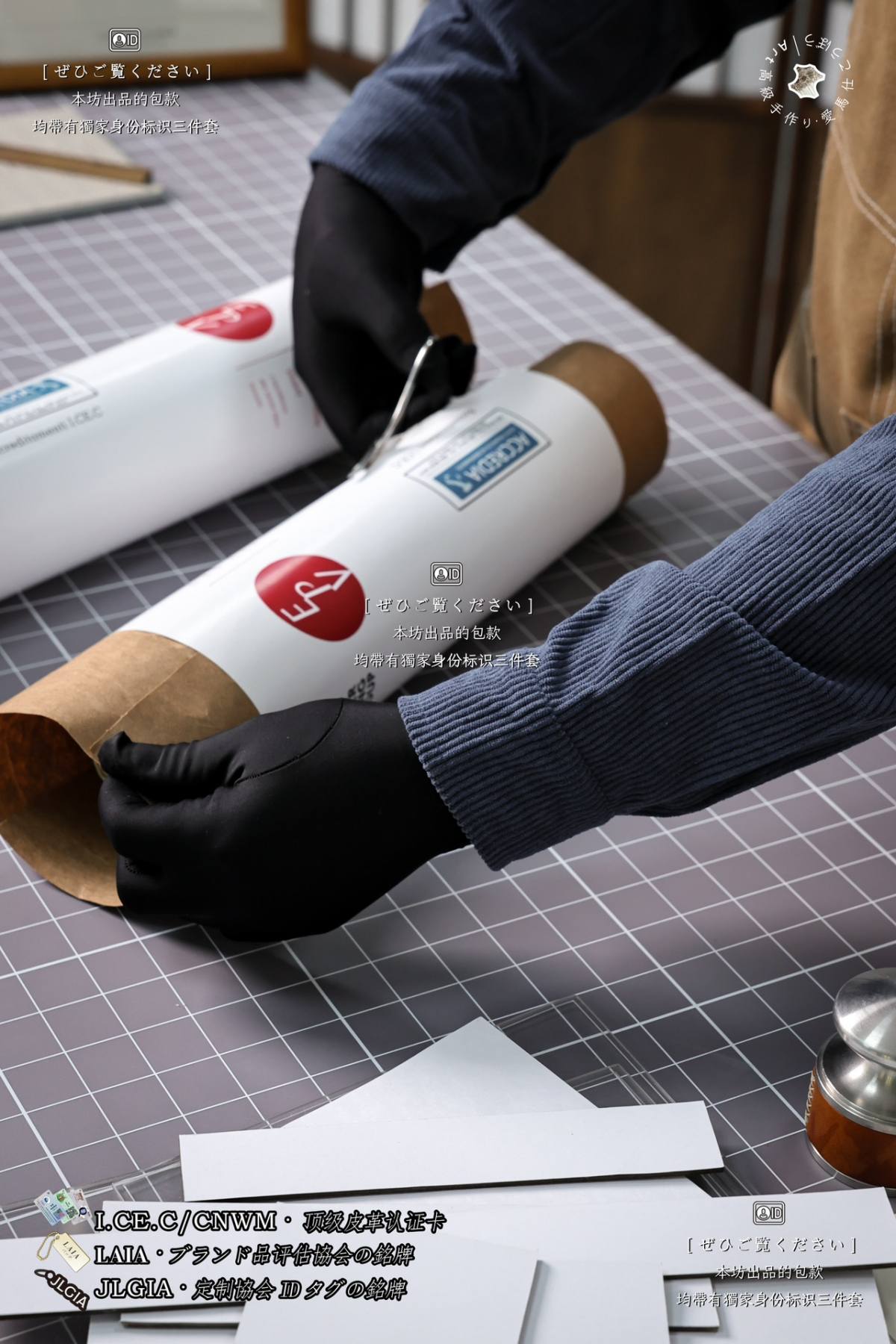
Only farmed crocodile belly skins that pass Hermès’ rigorous in-house quality inspection, completely free of scars, insect bites and creases, with highly symmetrical scales across the entire belly panel, can be classified as EPV. These hides are uniformly processed into continuous long leather rolls, the “rolls” you mentioned, and supplied exclusively to certified workshops.
Porosus crocodile, marked with a caret symbol ^, sits at the very top of the EPV hierarchy. It features tiny, neatly squared scales with natural pores on each scale plate, making it a collector-grade material with the highest price per roll.
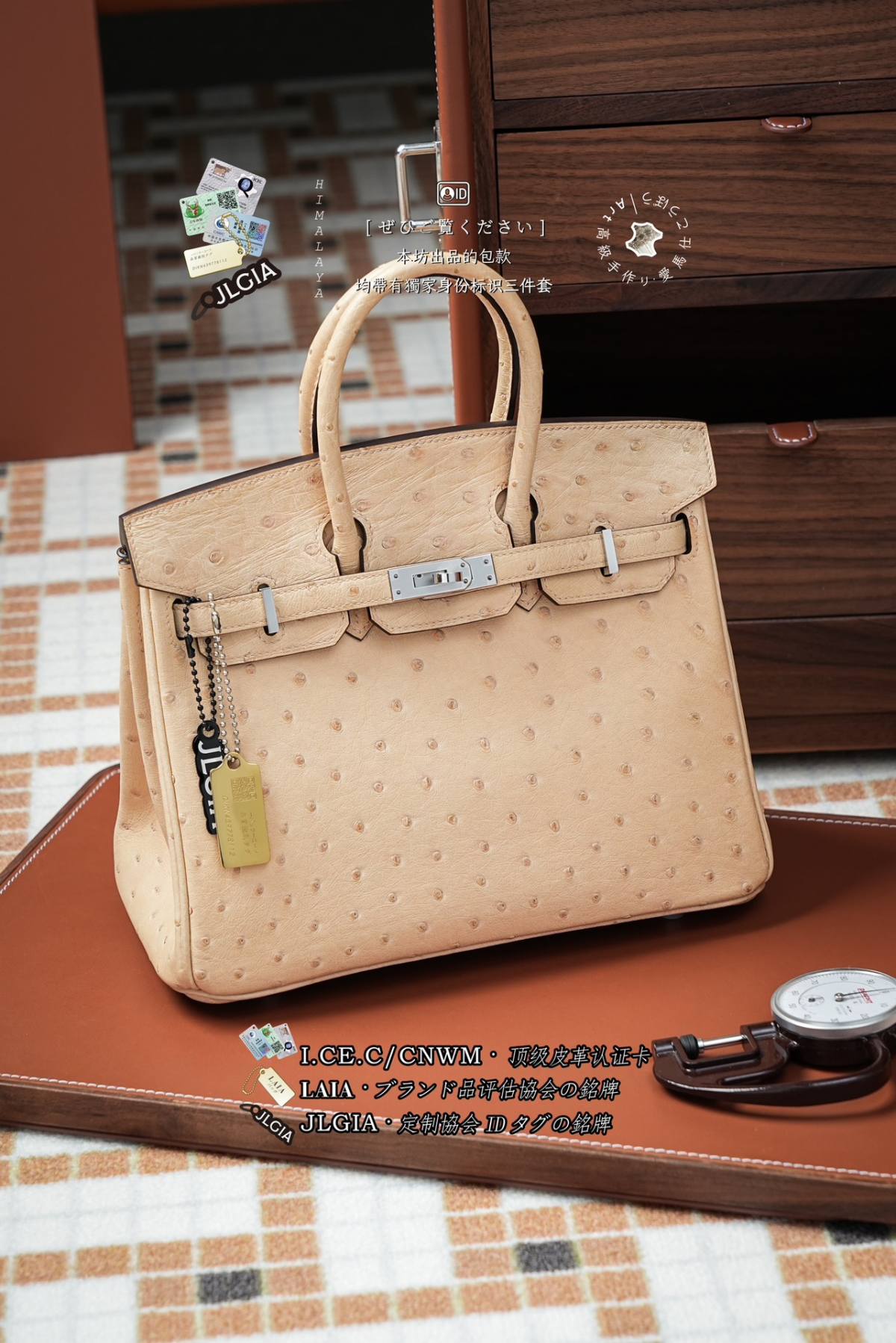
Niloticus crocodile, marked with two dots ··, is the mainstream EPV material. It boasts larger scales with consistent colour absorption and serves as the base hide specially reserved for Himalaya handbags.
Alligator mississippiensis, marked with a square symbol □, is the entry tier of EPV leather. It has no pores and an exceptionally soft texture, widely used for Mini Kelly bags, wallets and watch straps.
Grade 1 EPV skins have zero imperfections across all four sections of the full belly panel, free of scratches, bite marks, umbilical scars and colour variations, with perfectly matched symmetrical scales. This is the sole material used for authentic Hermès boutique handbags.
Grade 2 and Grade 3 hides bear minor blemishes, are not distributed through official Hermès channels, and are frequently adopted for replica and alternative handbags.
Grades 4 and 5 are defective offcuts only suitable for small accessories and bag linings, and will never carry the EPV designation.
Ordinary low-grade crocodile skins are supplied as separate single panels, with one crocodile yielding only one disjointed belly piece.
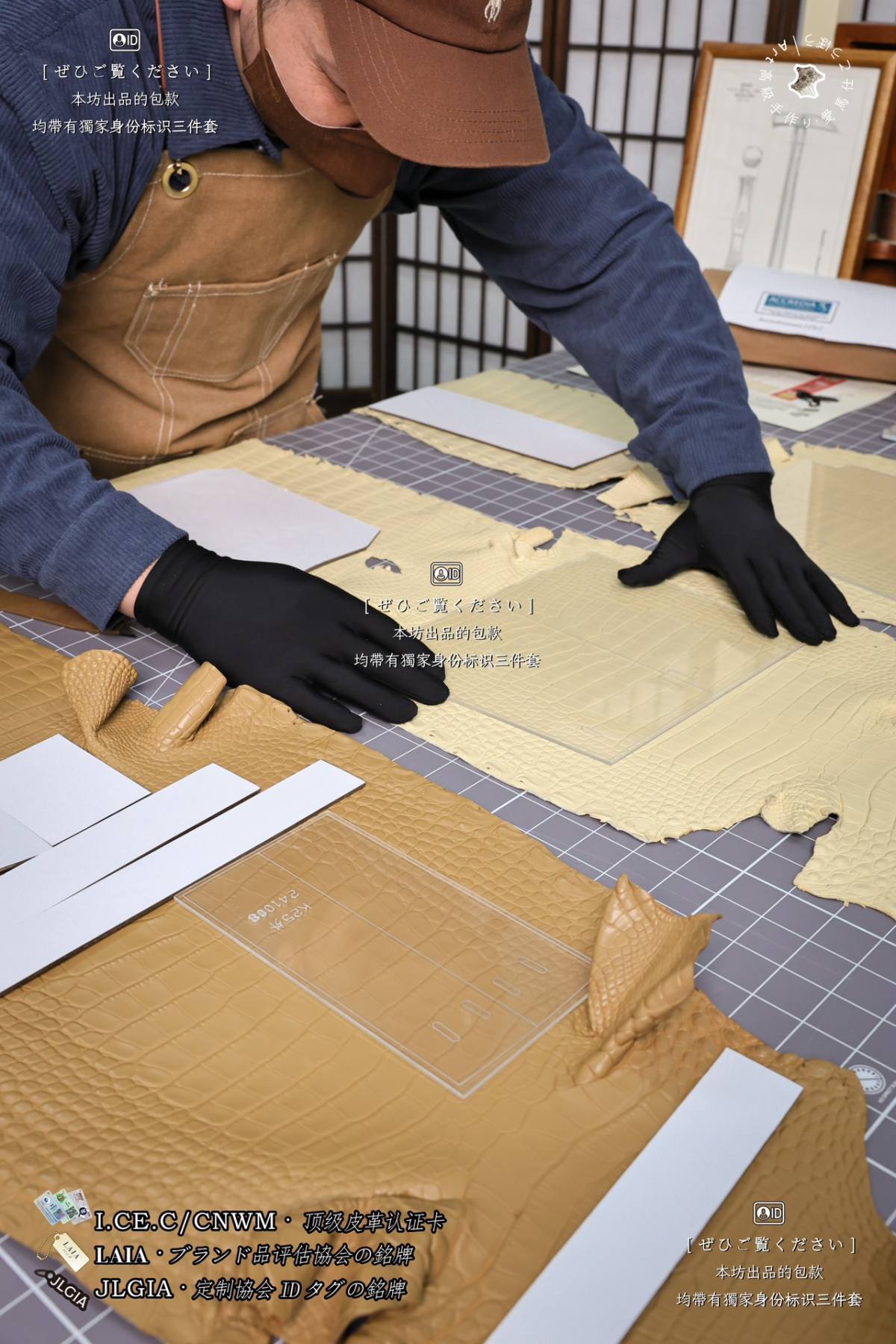
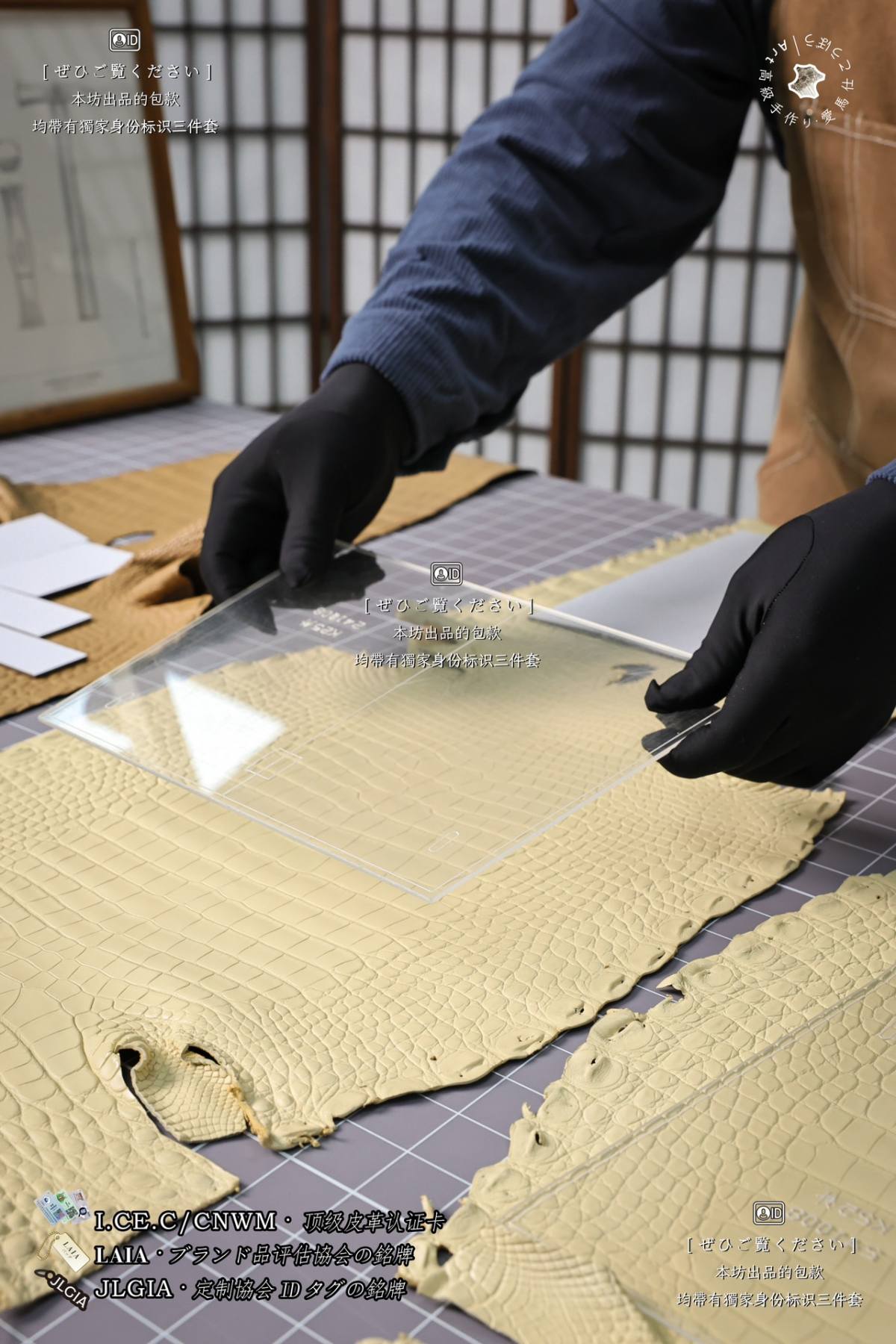
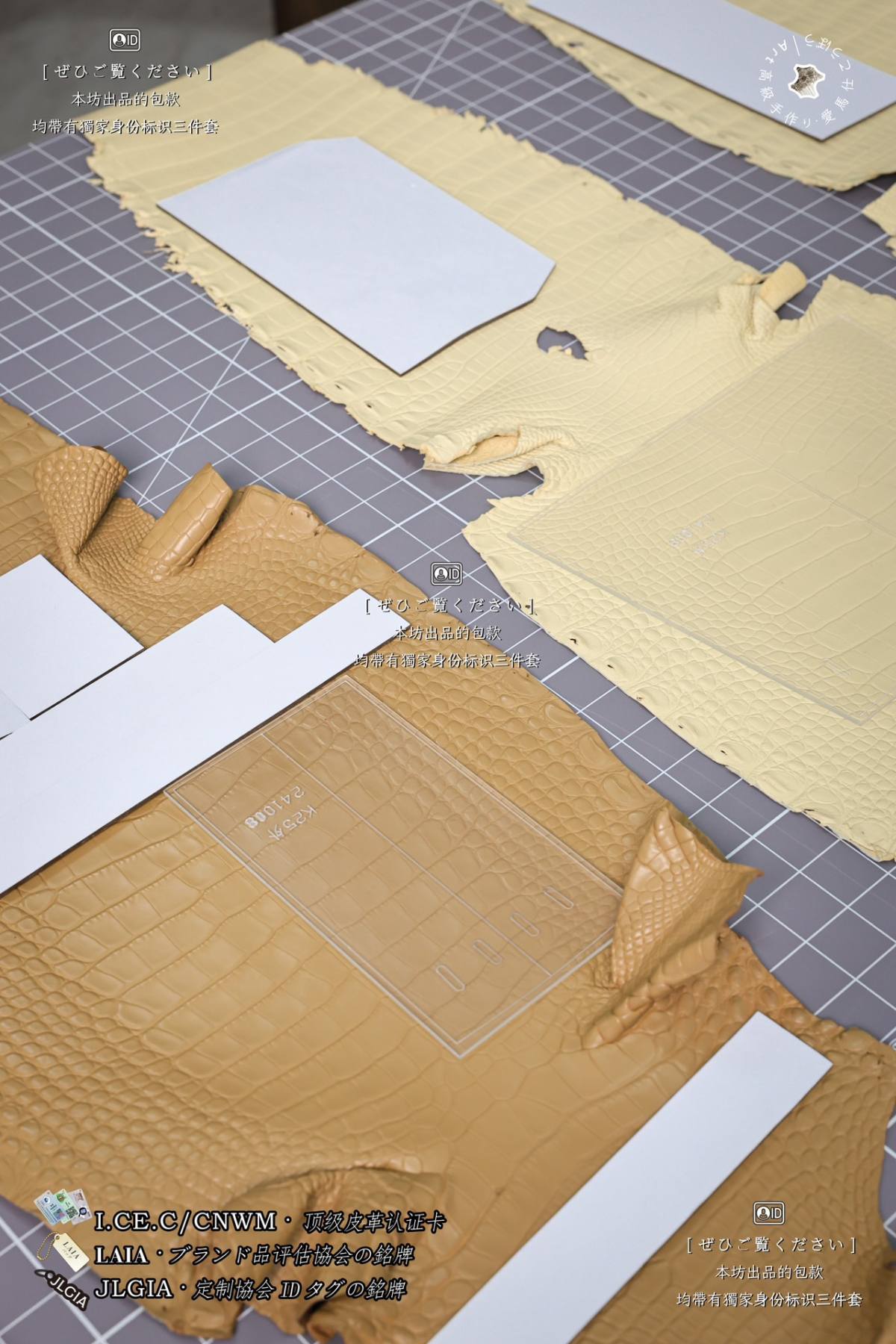
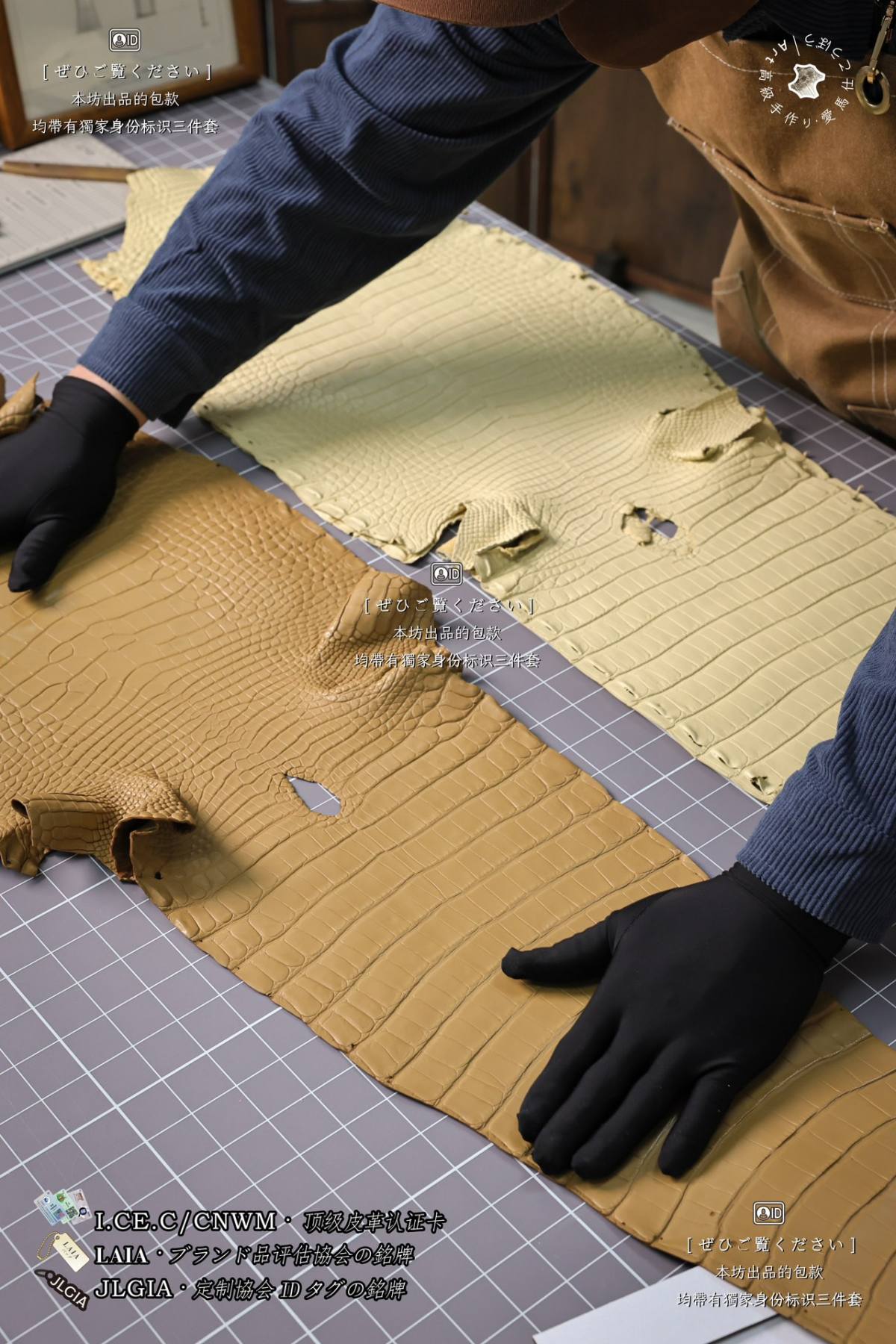
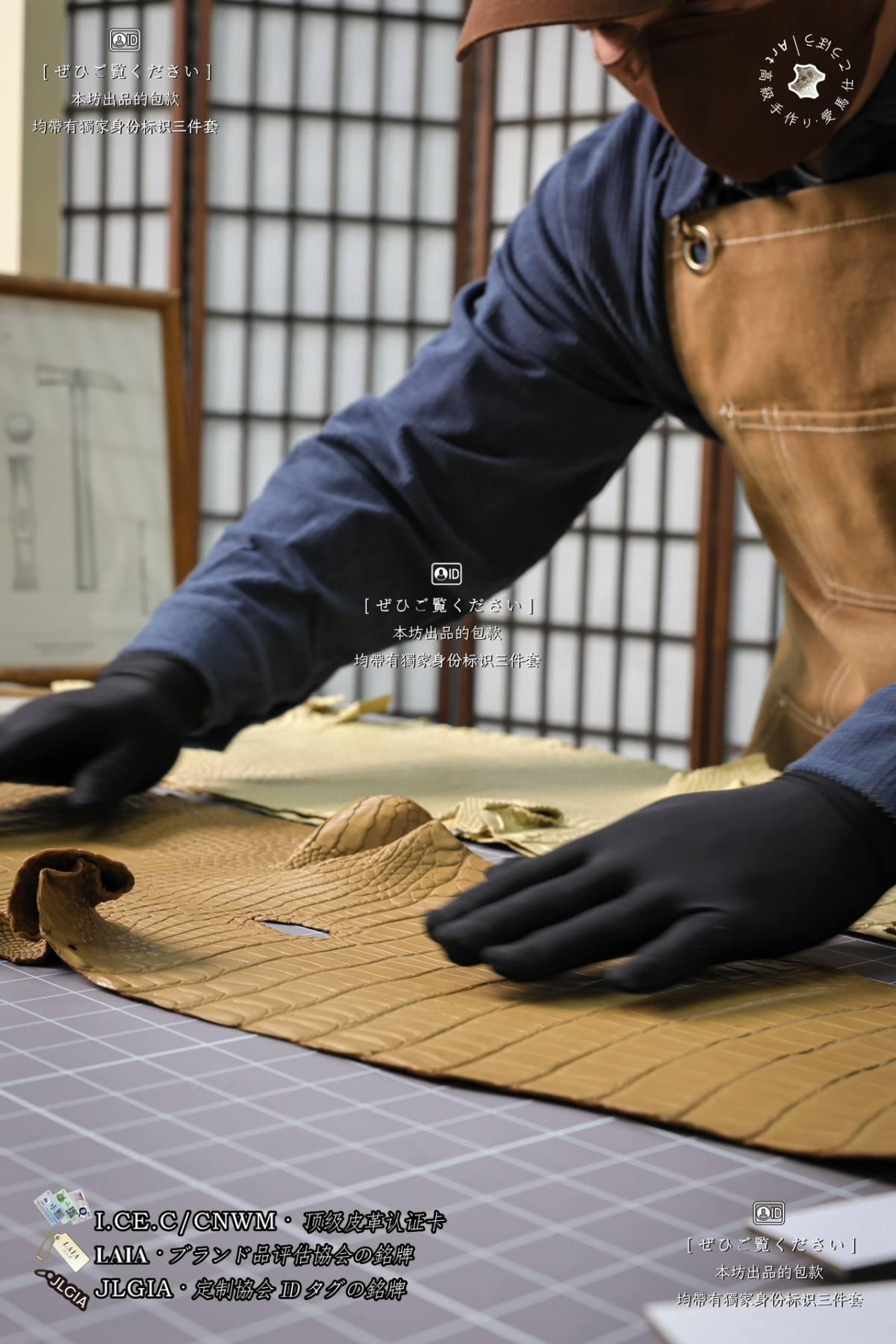
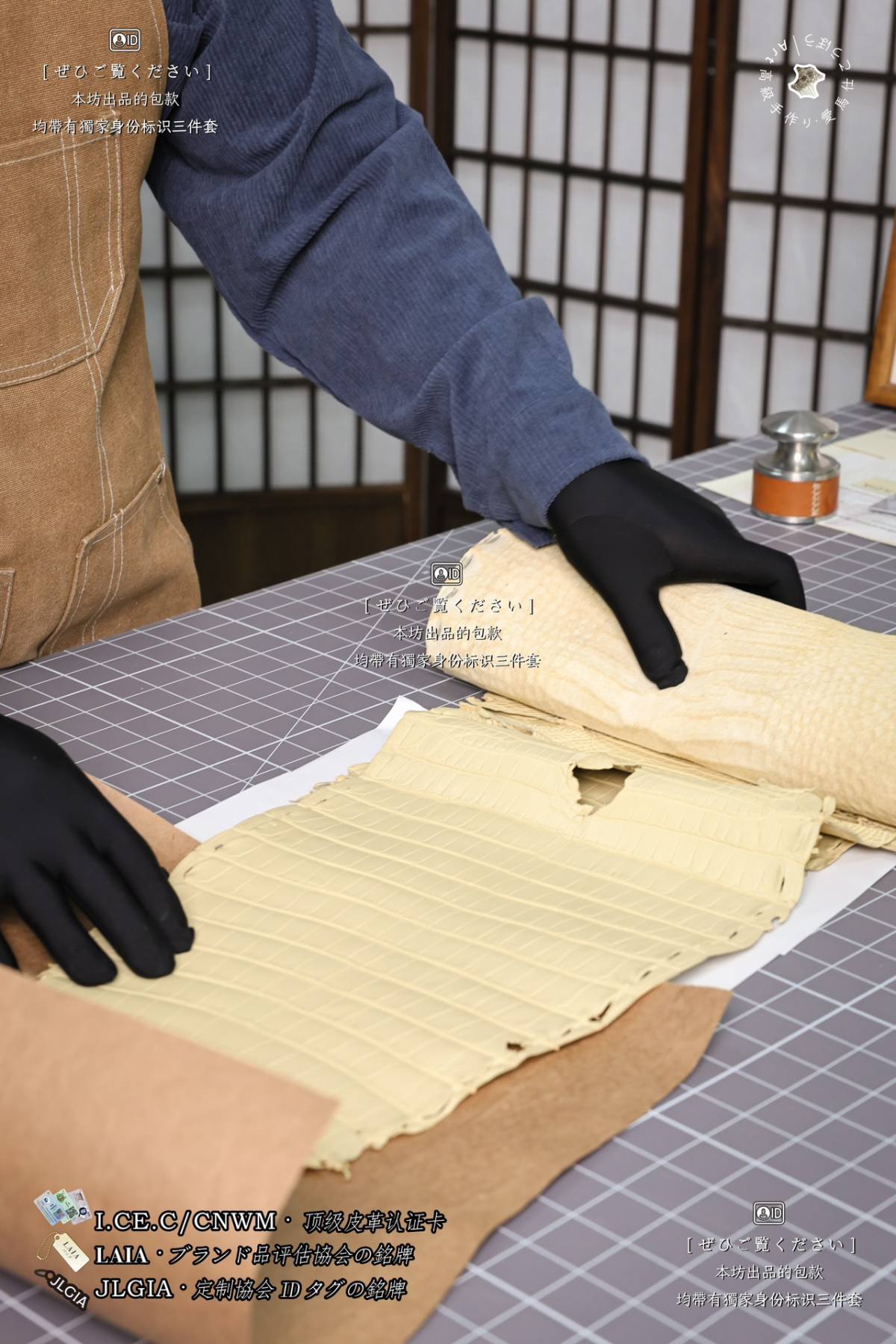
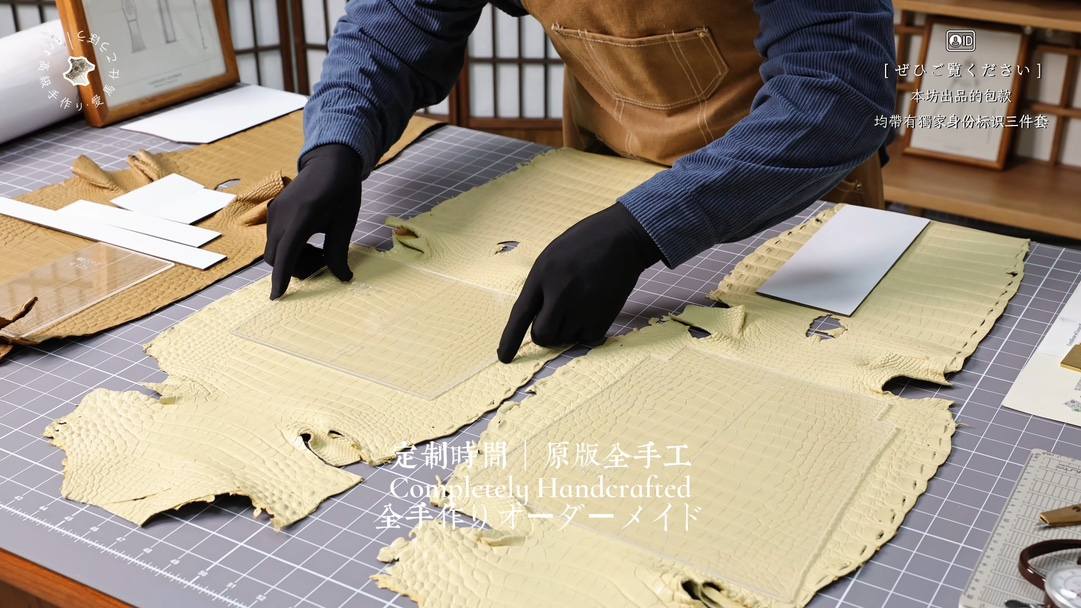
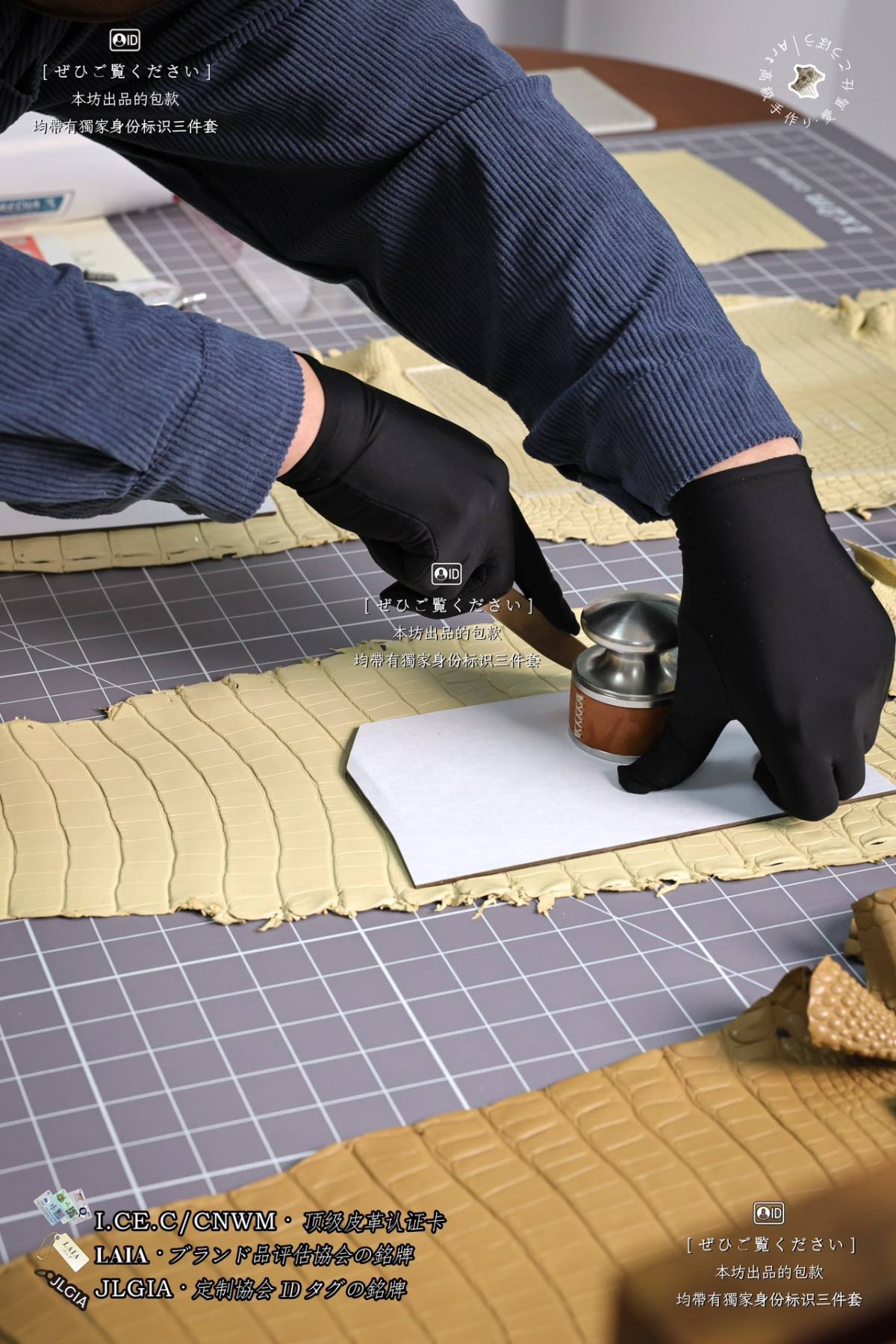
After tanning, dyeing and polishing, multiple Grade 1 EPV skins are seamlessly joined into uninterrupted long rolls with consistent width, uniform colour and continuous scale patterns. This format minimises cutting waste for manufacturers and is the standard supply form adopted by major luxury leather houses.
EPV Lisse, glossy finish rolls, are mirror-polished by hand using agate stones to achieve a high-shine reflective surface.
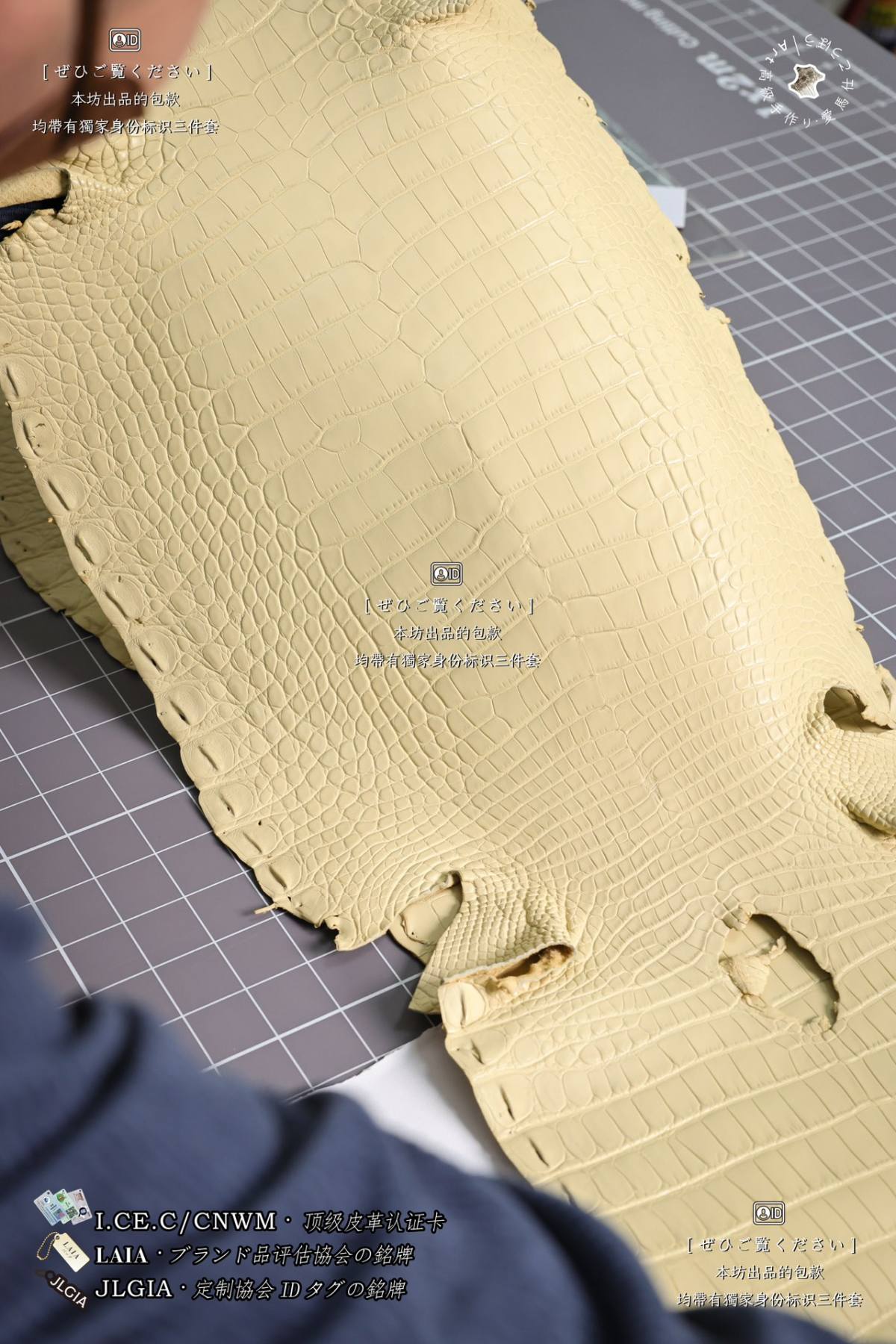
EPV Matte, matte finish rolls, undergo wool felt buffing for a muted soft texture. This variant commands a higher market premium currently, offering superior wear resistance without visible fingerprint marks.
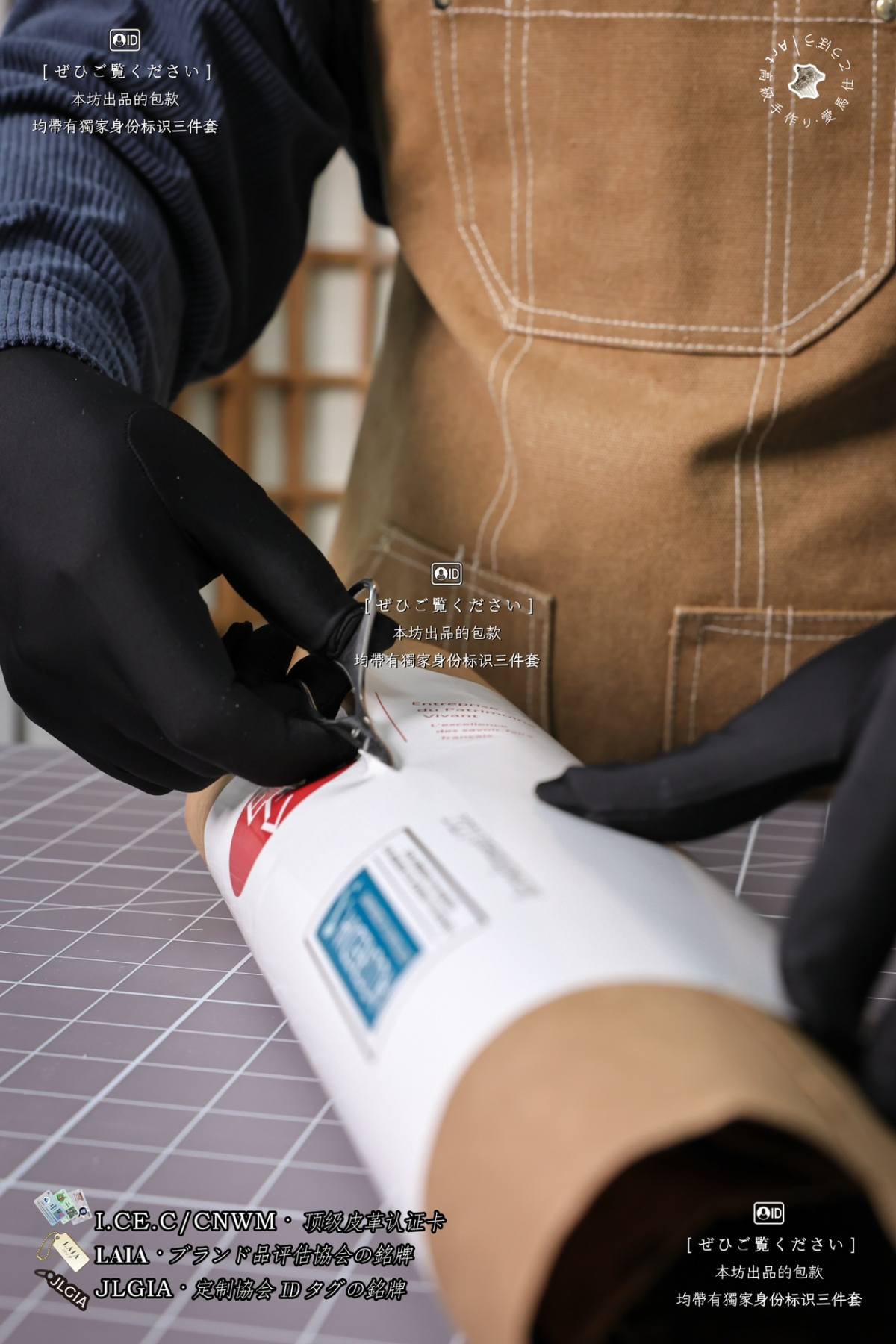
Supply is strictly limited by CITES regulatory conventions. The annual output of EPV leather rolls is extremely low, with Hermès retaining the majority stock from its proprietary farms. Any EPV rolls released from the original tannery are only allocated to top-tier certified workshops.
It delivers an exceptional yield rate for finished bags. A single Birkin 25 requires two to three fully symmetrical belly panels, a matching set difficult to source from ordinary Grade 1 loose skins. Continuous EPV rolls allow large symmetrical panels to be cut consecutively without needing to patch together mismatched scrap hides for the final bag.
Products crafted from EPV leather carry strong resale value. Handbags made with EPV material achieve far higher premiums on second-hand markets and at auctions compared to bags made from loose standard Grade 1 skins, recognised by collectors as a marker of authentic factory-origin pedigree.
The leather also boasts outstanding durability. Hermès employs exclusive vegetable tanning techniques for EPV hides, distributing oils evenly throughout the material. With prolonged wear, the leather resists scale cracking, surface whitening and permanent water stain marks.