- 05
- Jul
Shebag handmade Hermes Lizard leather installation review(July 2026 updated)
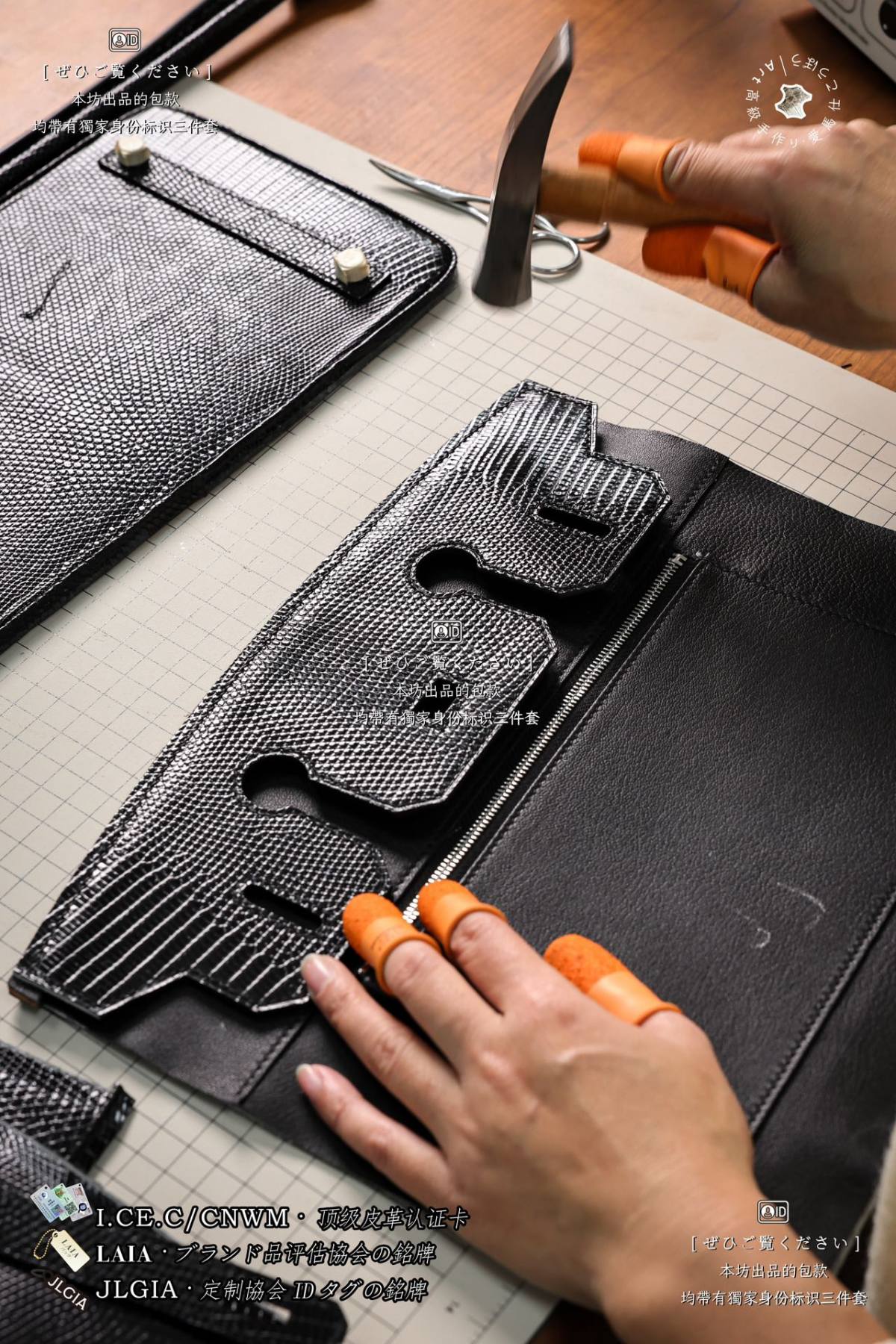
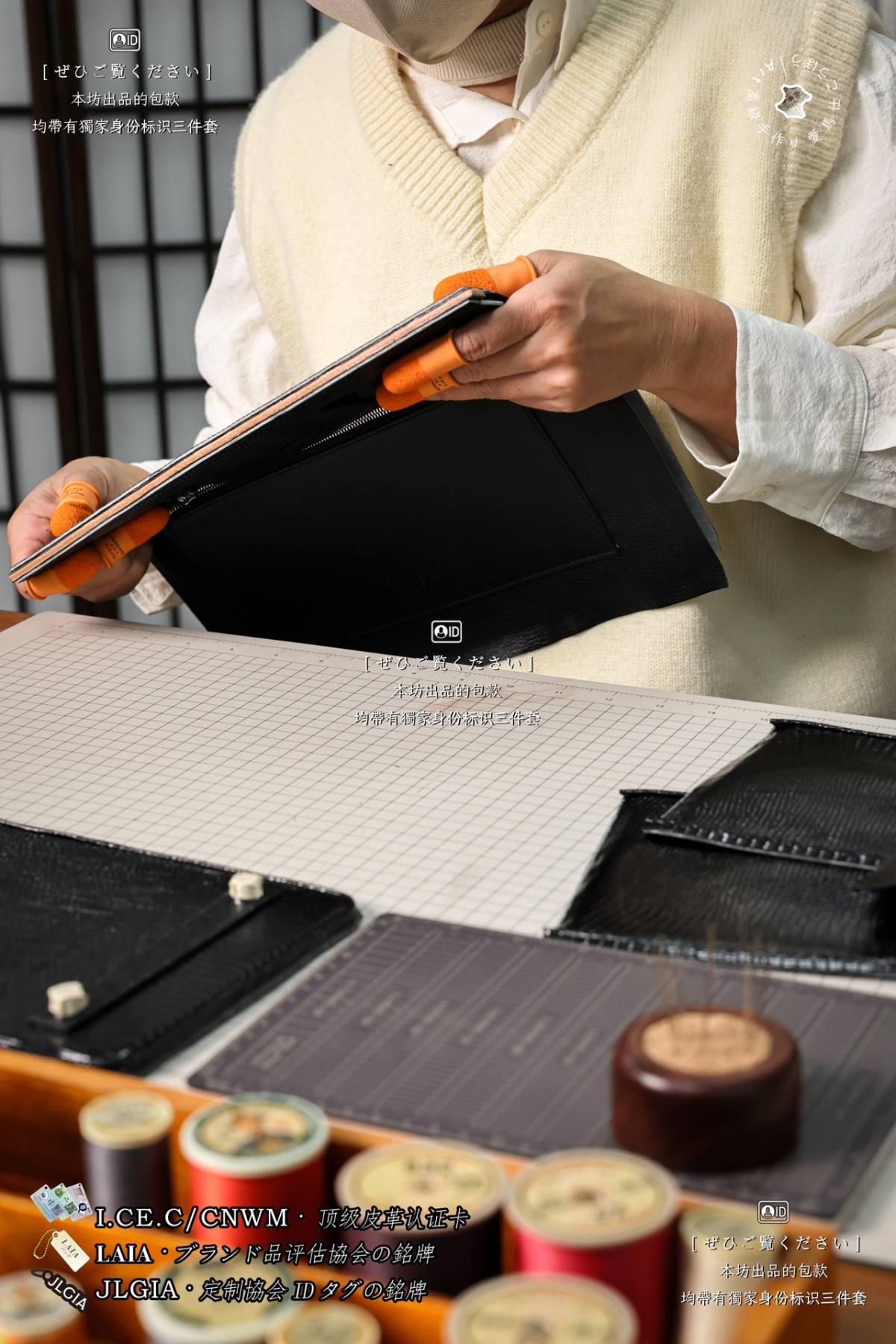
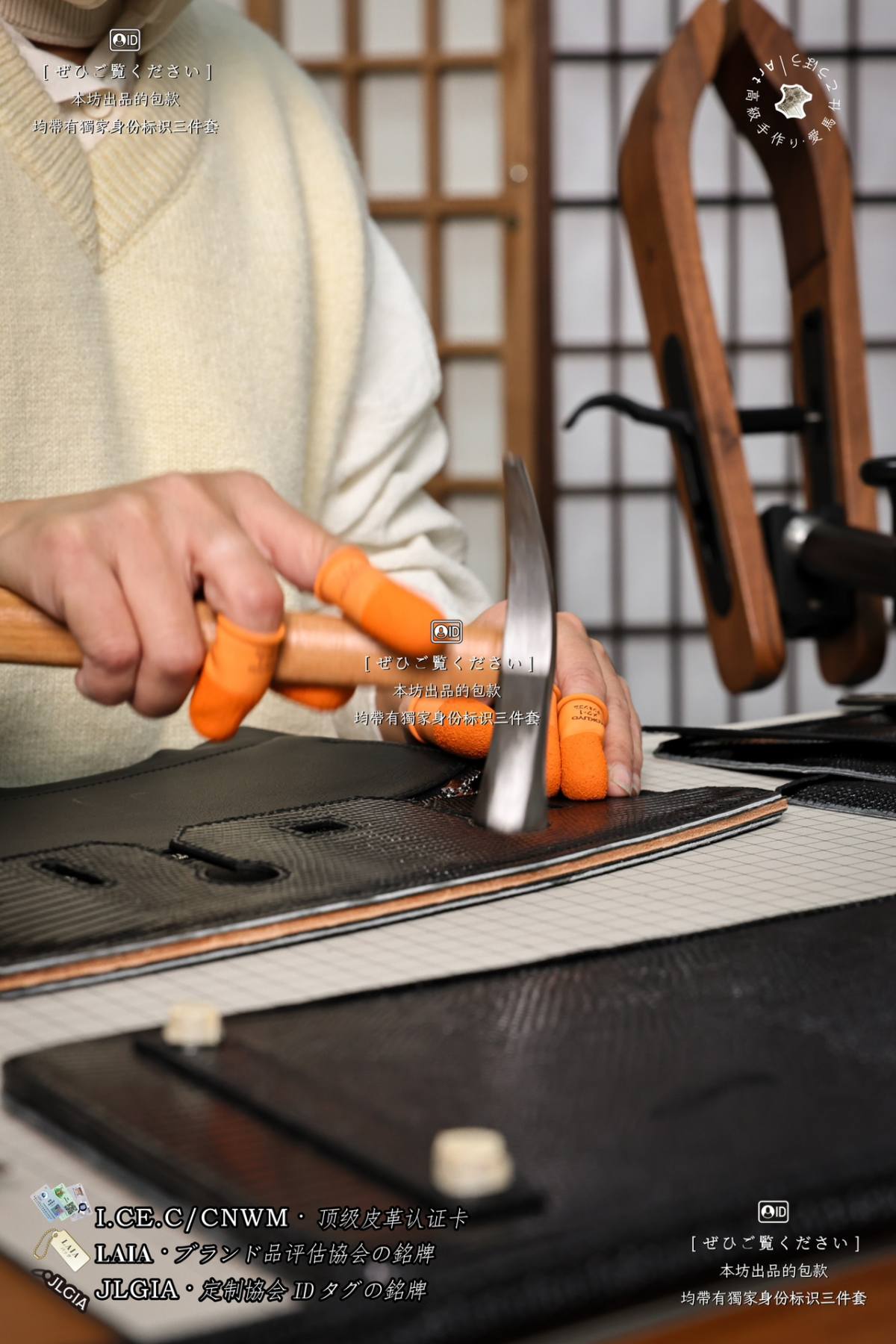
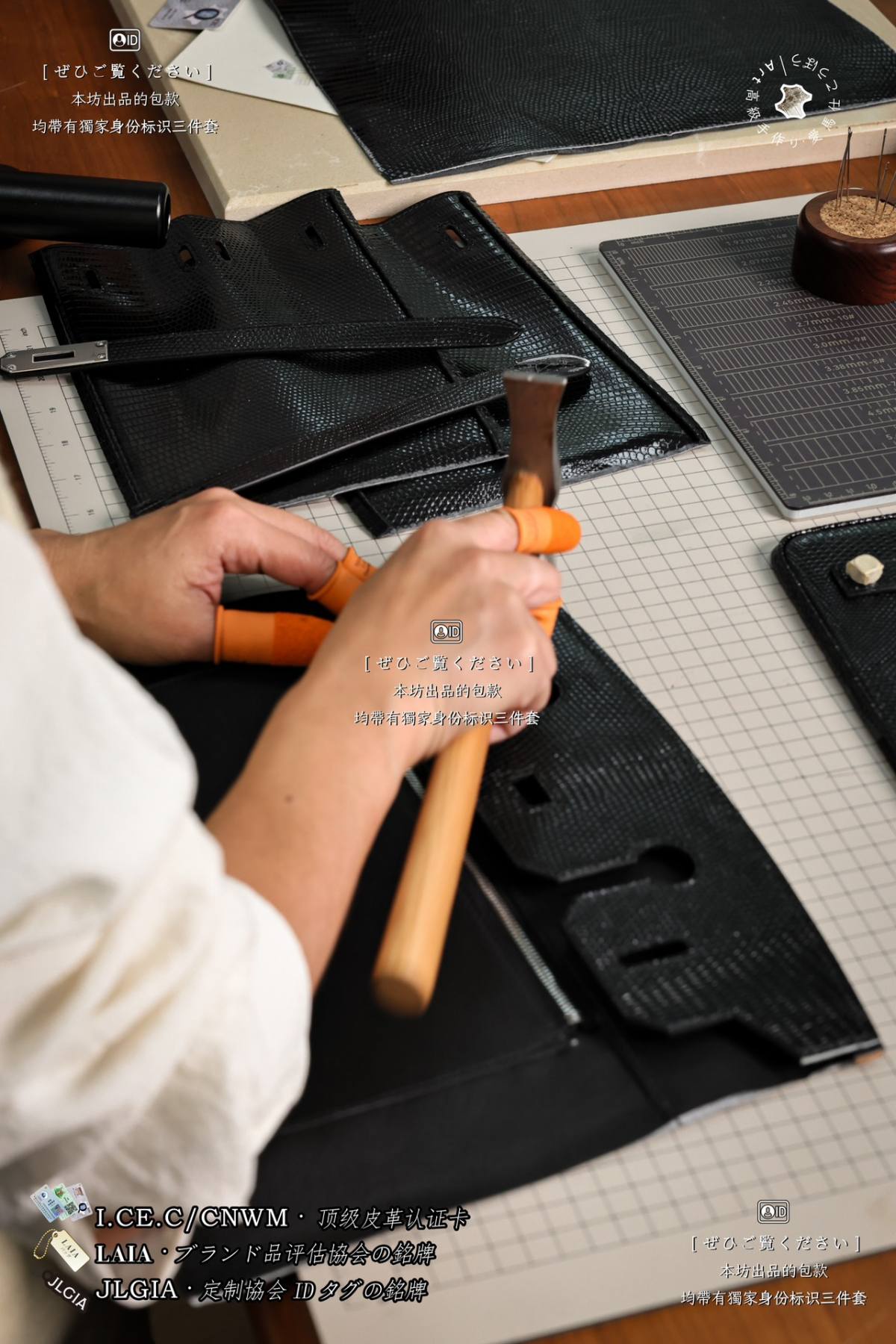
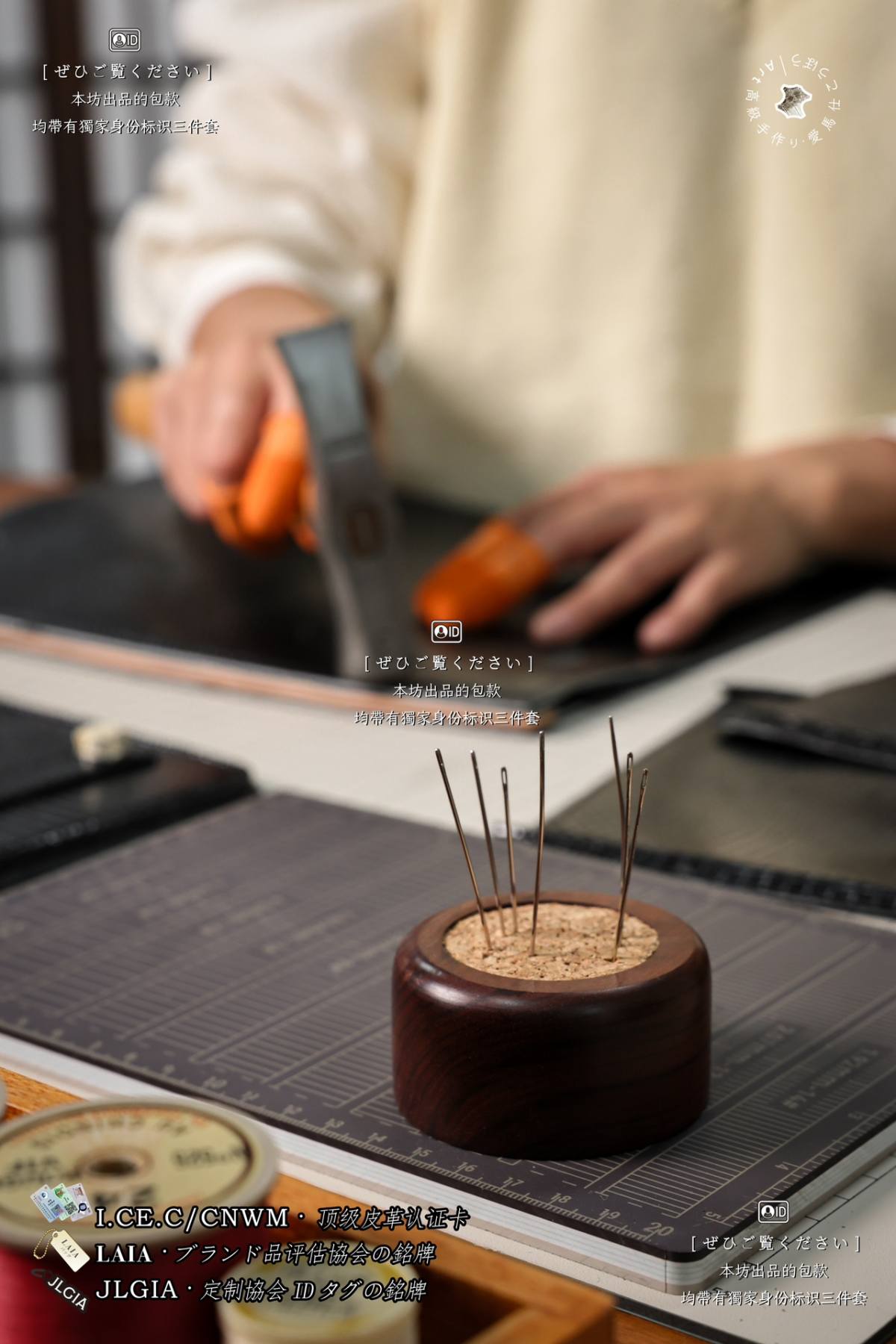
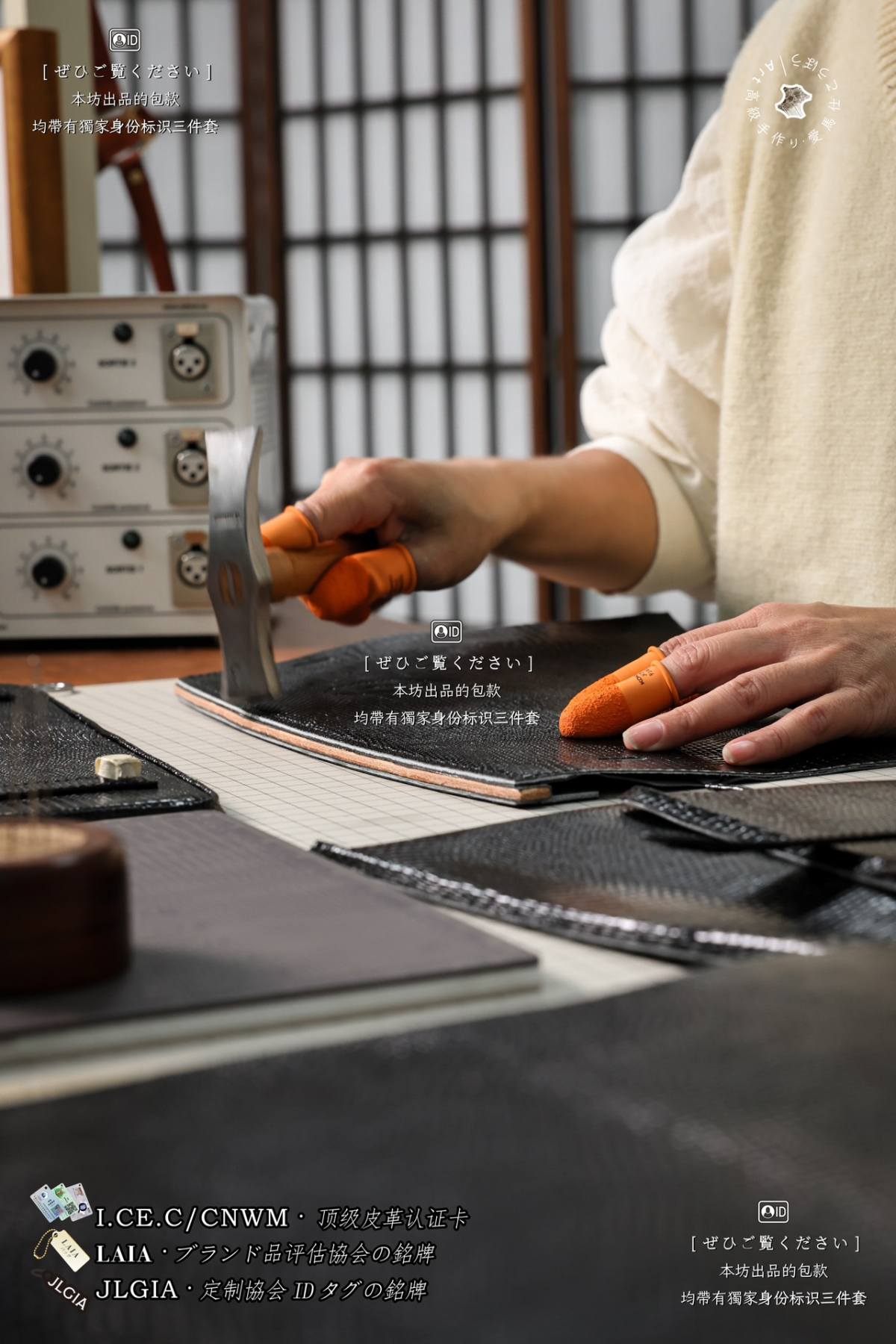
Today we are still talking about Birkin bags crafted from exotic leathers, pieces of exceptional sophistication that complement any high-end social occasion perfectly. When creating bags made from exotic hides, Shebag only engages master artisans with top-tier craftsmanship, uses premium professional tools, and adopts a deliberate, meticulous production process to ensure every item meets the quality benchmarks of genuine luxury originals.
Tailored to the inherent traits of lizard skin—its thin texture, fragile scales, tendency to crack, and minimal stretch capacity—Shebag applies five exclusive integrated assembly techniques throughout production: bevel skiving and layered construction, fully hand-stitched saddle cross lock stitching, shaping with multi-layer composite lining, multi-coat imported edge sealing, and symmetrical scale alignment. This approach stands apart from the assembly-line manufacturing used for standard crocodile or cowhide bags, and the full workflow is broken down into material preparation, lamination and shaping, stitching assembly, edge finishing, and hardware and lining fitting as follows.
Raw lizard hide measures merely 0.3 to 0.6 millimeters thick, making direct stitching prone to flaking scales and crease fractures, which is why Shebag implements its proprietary bevel skiving procedure.
Precision zoned bevel skiving is carried out across the hide. The complete outer scale layer on the front surface remains untouched and unpolished, while the reverse side undergoes gradual angled skiving. Material at all seam lines is pared down to 0.25 millimeters, and the main body of the bag retains a thickness of 0.45 to 0.5 millimeters. The skived gradient forms a smooth slope without abrupt ledges, eliminating raised edges after lamination that could crush the delicate scales. The tolerance margin for skiving thickness is held within ±0.05 millimeters, rejecting crude uniform flat skiving methods.
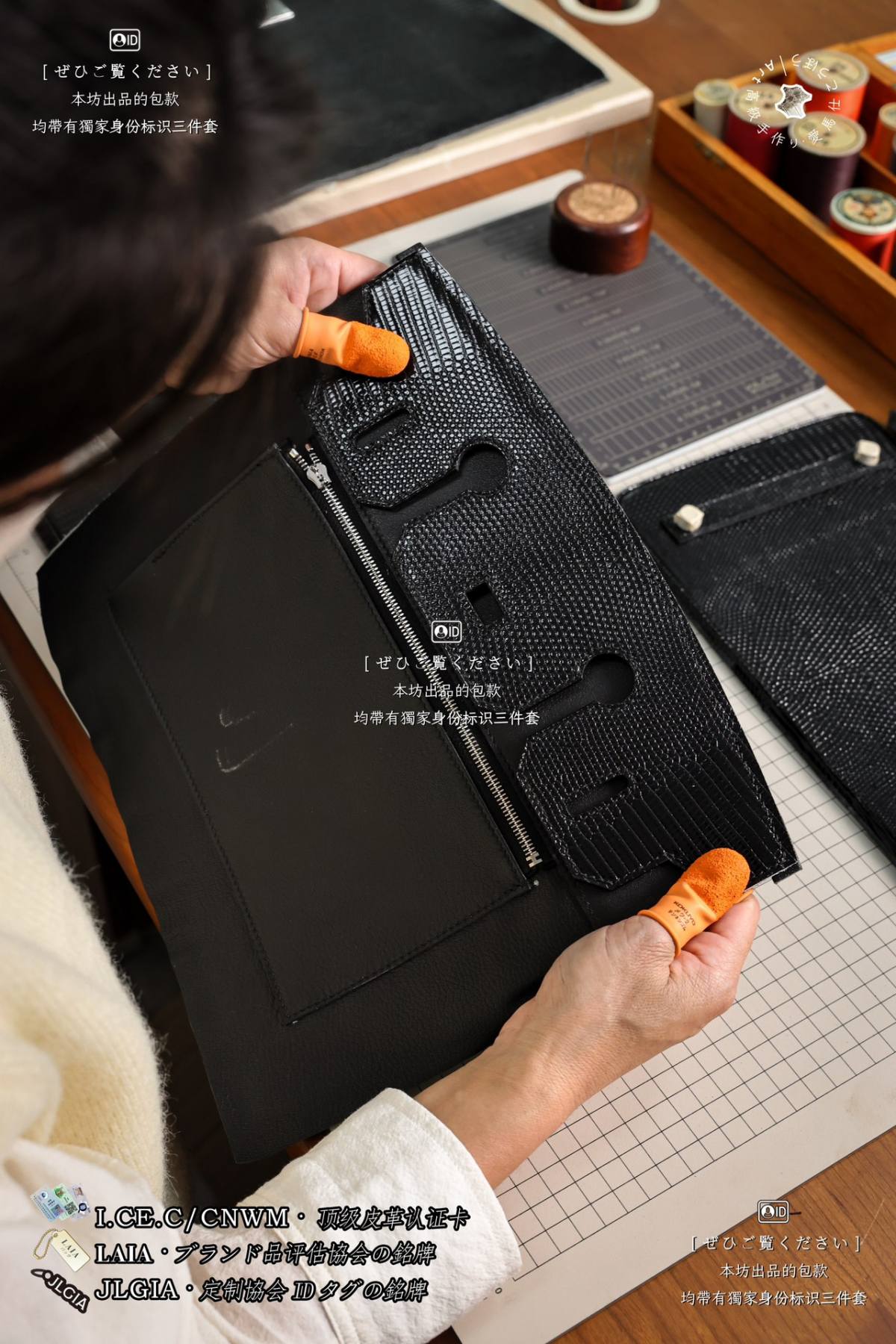
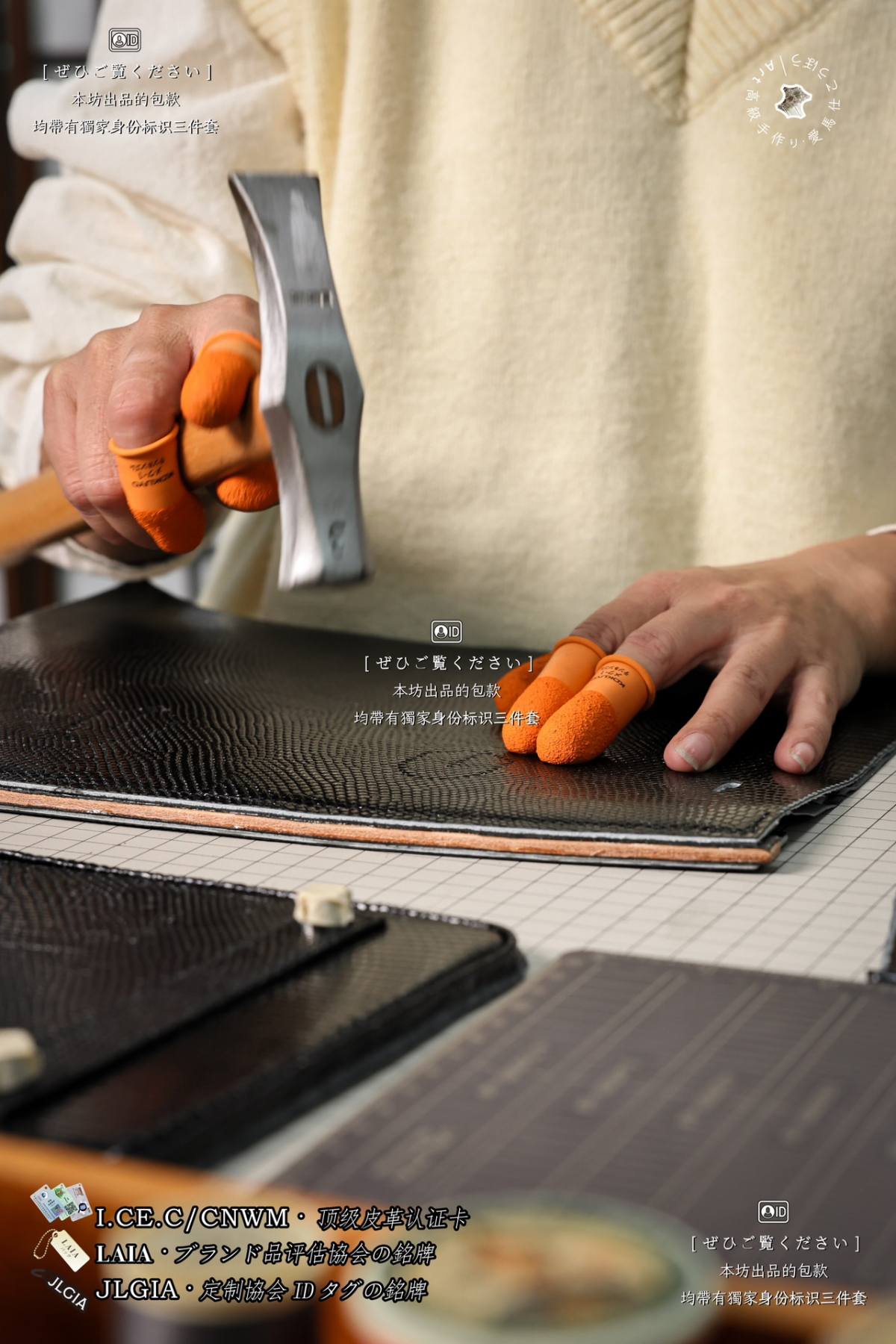
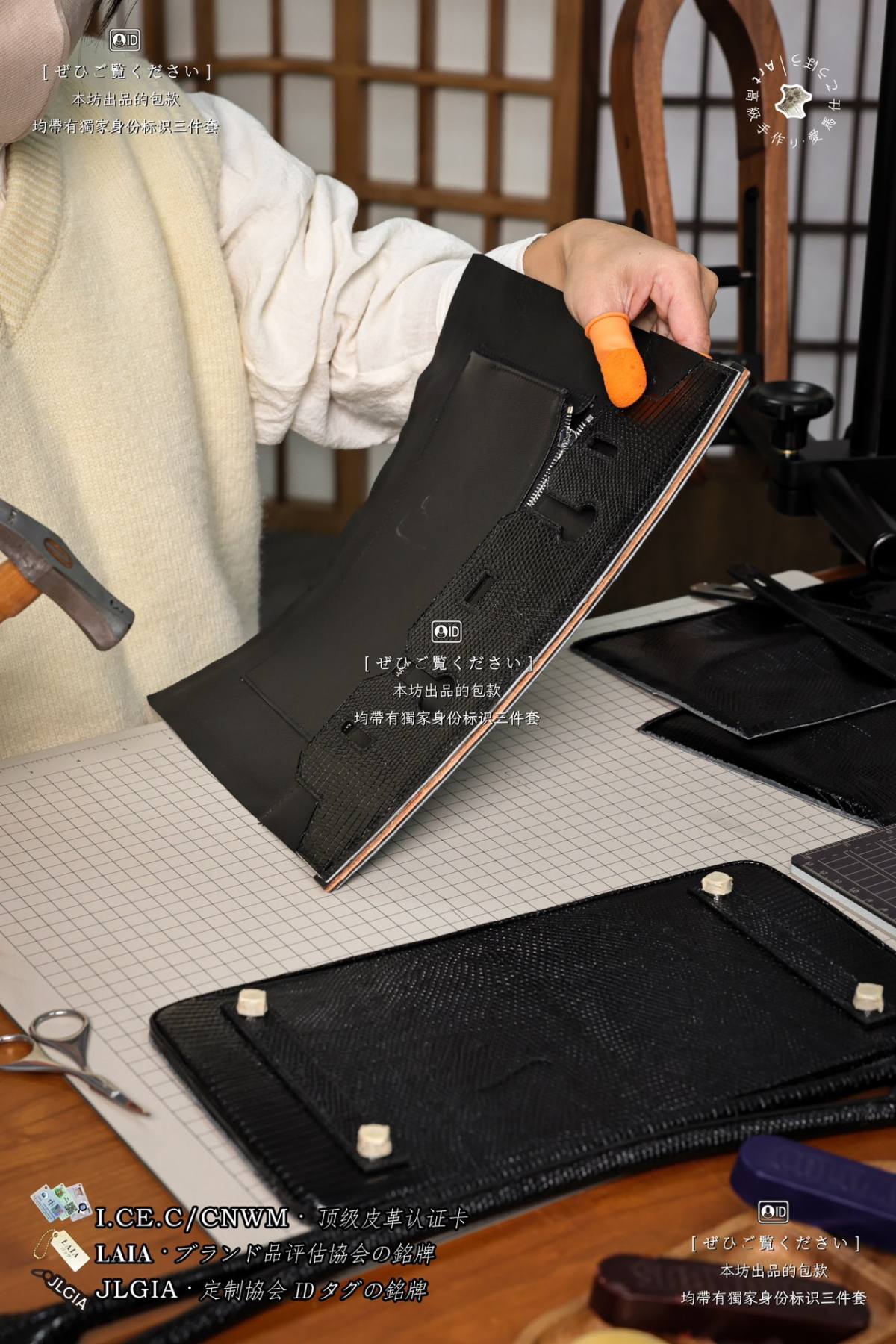
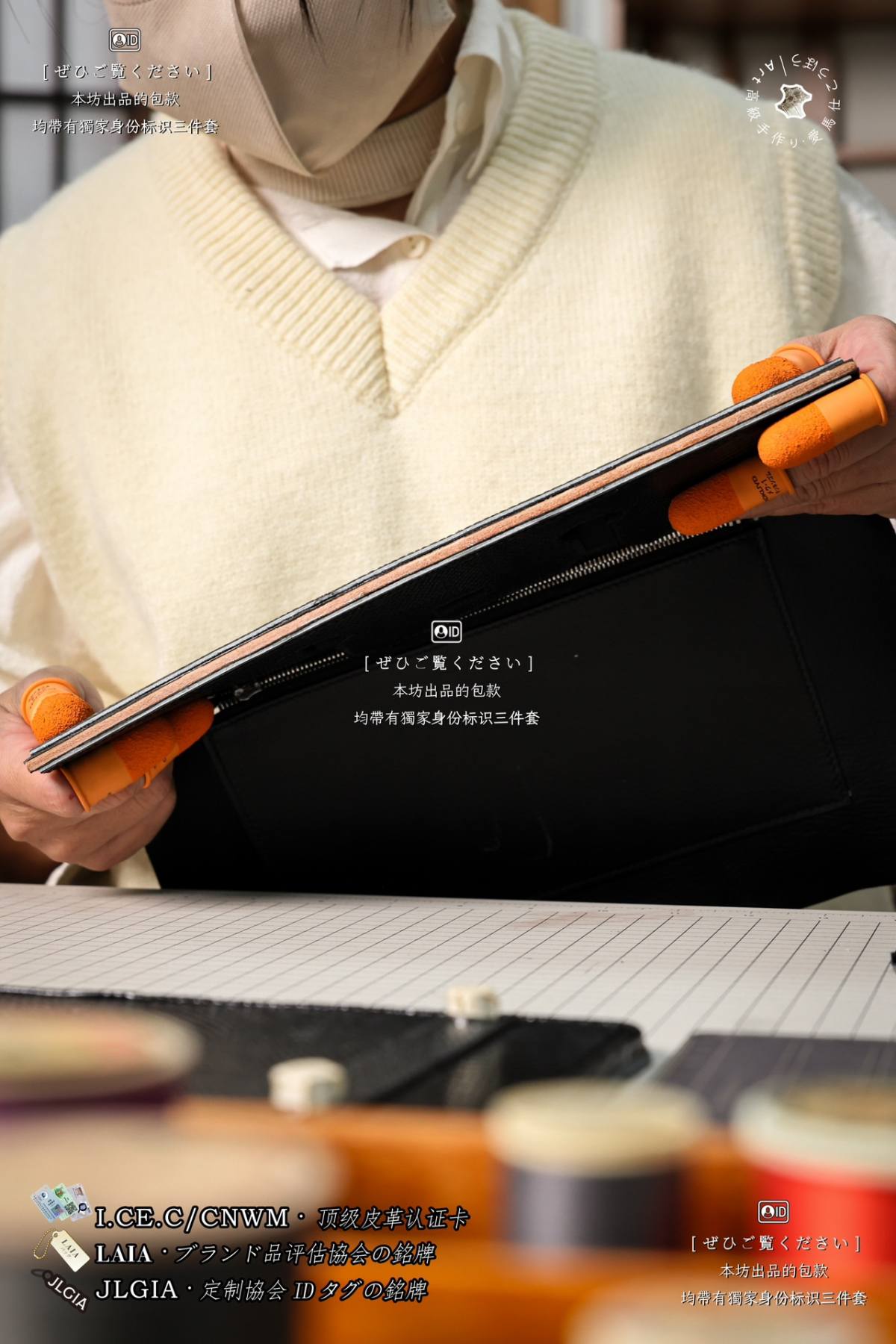
Dual composite lining lamination comes next. A thin layer of flexible leather-specific eco-friendly TPU adhesive is evenly spread across the back of the lizard skin, which is then pressed together with two supporting layers: soft French lambskin cushion lining and ultra-thin shaping paper lining to form a three-layer composite structure. The lambskin lining absorbs tension and distributes pulling force across the scales during bending movements. The shaping paper preserves the bag’s silhouette, with partial cutouts at flex points to maintain soft pliability instead of rigid stiffness. High-temperature static pressure is applied for seamless adhesion, eliminating bubbles and delamination while fully concealing skived cut edges so no layered structure is visible from the exterior.
Symmetrical scale layout guides all cutting work. Only the central section with evenly distributed scales from each lizard back hide is selected, while flawed sections at the head and tail are discarded. Scales on the front panel, rear panel and flap of the bag are arranged in a consistent unified grain direction, with all seams positioned to avoid dense clusters of large scales and prevent scales from tearing loose under stitching tension. Small-sized styles consume up to four intact lizard hides per bag; the flap, main body and side gussets are all fully covered with genuine outer lizard skin, with no substitution of inferior lining hides for exterior surfaces.
Lizard skin cannot be sewn by industrial sewing machines, as machine needles will split the narrow gaps between tiny scales, so every stitch is completed entirely by hand.
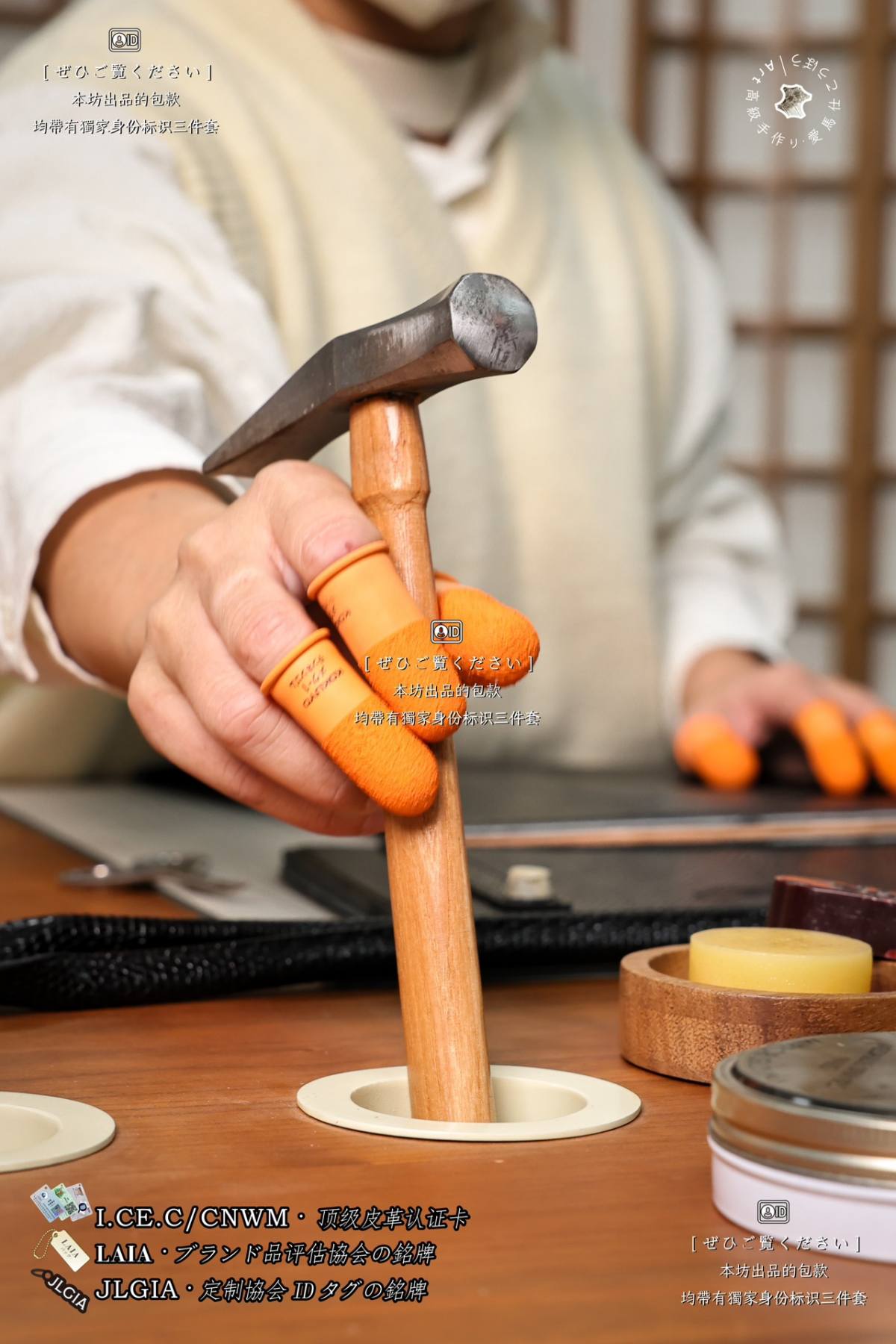
45-degree angled chisels are used to mark and punch stitching holes. Special diamond-tipped angled chisels pierce the leather diagonally, creating slanted hole alignments that naturally form neat, uniform double-wave stitching upon completion. The standard stitch count is fixed at 9.5 stitches per inch, with extra dense punching at stress points including curved corners and the bag base to reinforce tear resistance.
The dual-thread cross saddle lock stitch serves as the core assembly technique. Two waxed linen threads cross and wrap through each single hole from opposite sides, forming an internal locking knot at every stitch. Even if one thread snaps, the entire seam will not unravel, ideal for lizard skin subject to frequent folding. Needles penetrate outward from the lining to the outer leather surface, resulting in full, smooth top stitching that avoids squeezing scales to cause whitening or flaking.
Reinforced assembly is implemented on all high-stress components.
Double overlapping stitching reinforces bag corners, handle mounts and clasp bases: a reinforcing leather patch is first laid as a backing on the lining, followed by the outer lizard skin secured with dual cross lock stitching. This construction prevents cracking at edges during regular carrying. Each small lizard skin bag requires more than 1,200 individual stitches, all completed manually without any machine assistance.