- 20
- Jul
Shebag handmade Hermes Mini Lindy bag craftmanship review(July 2026 updated)
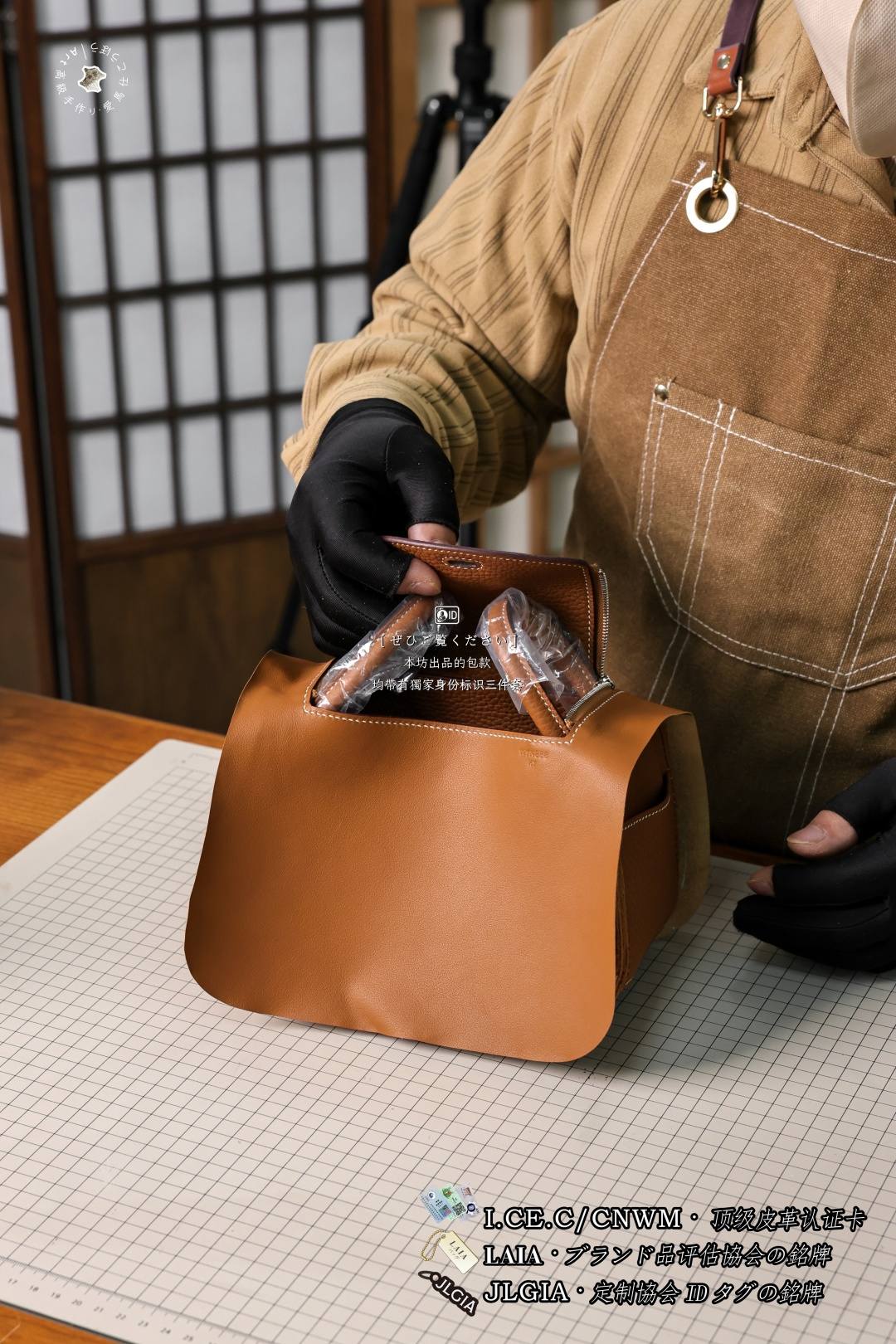
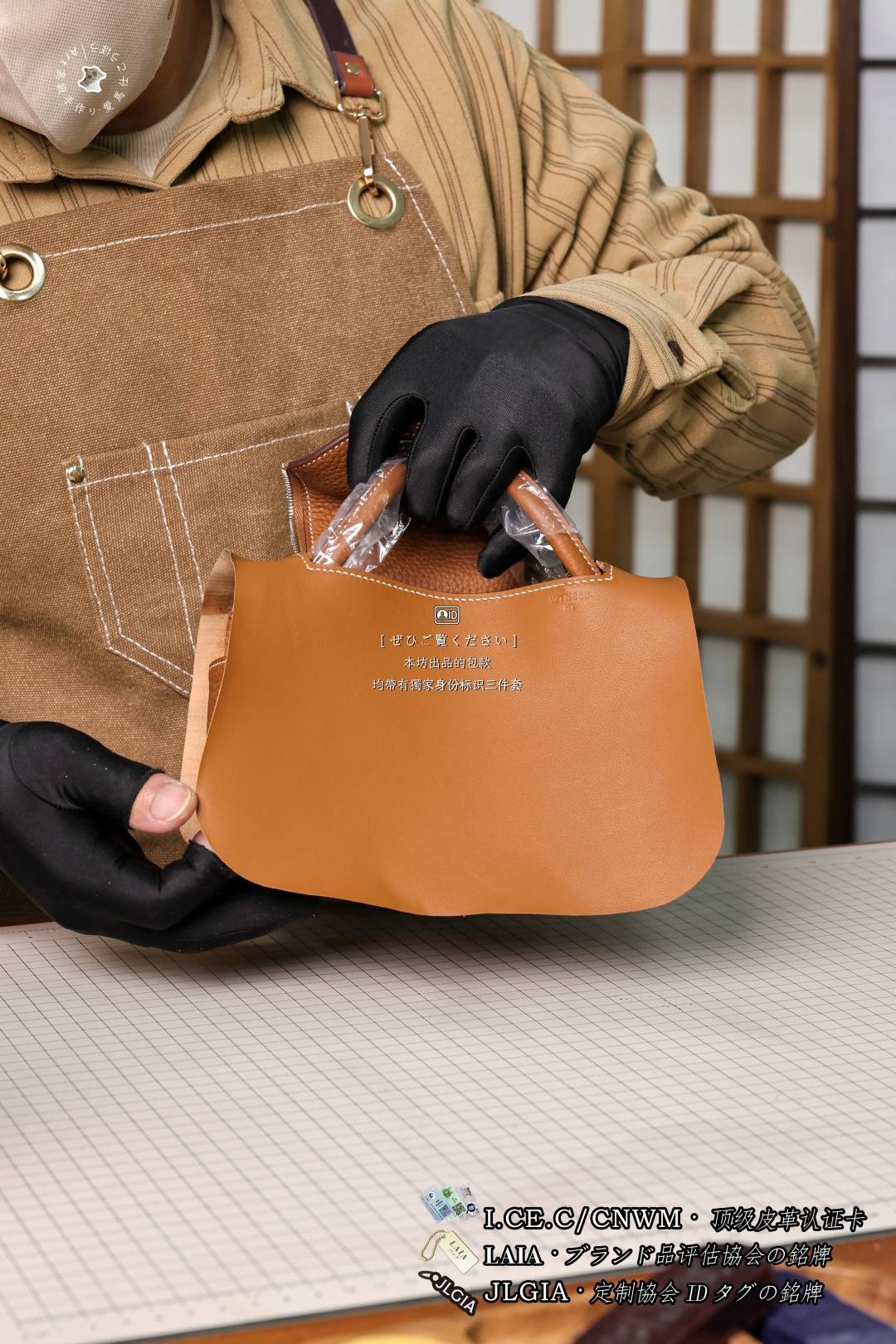
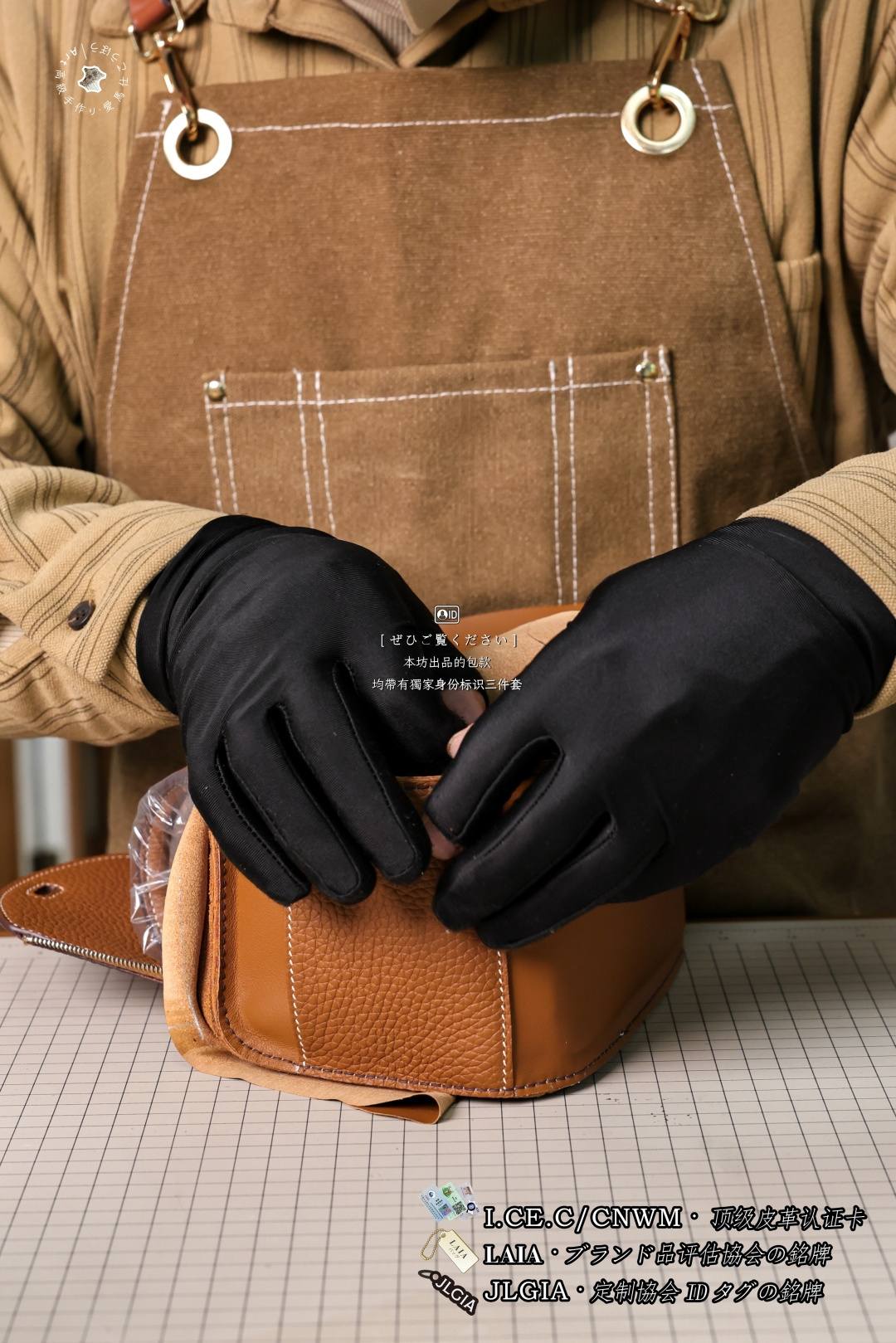
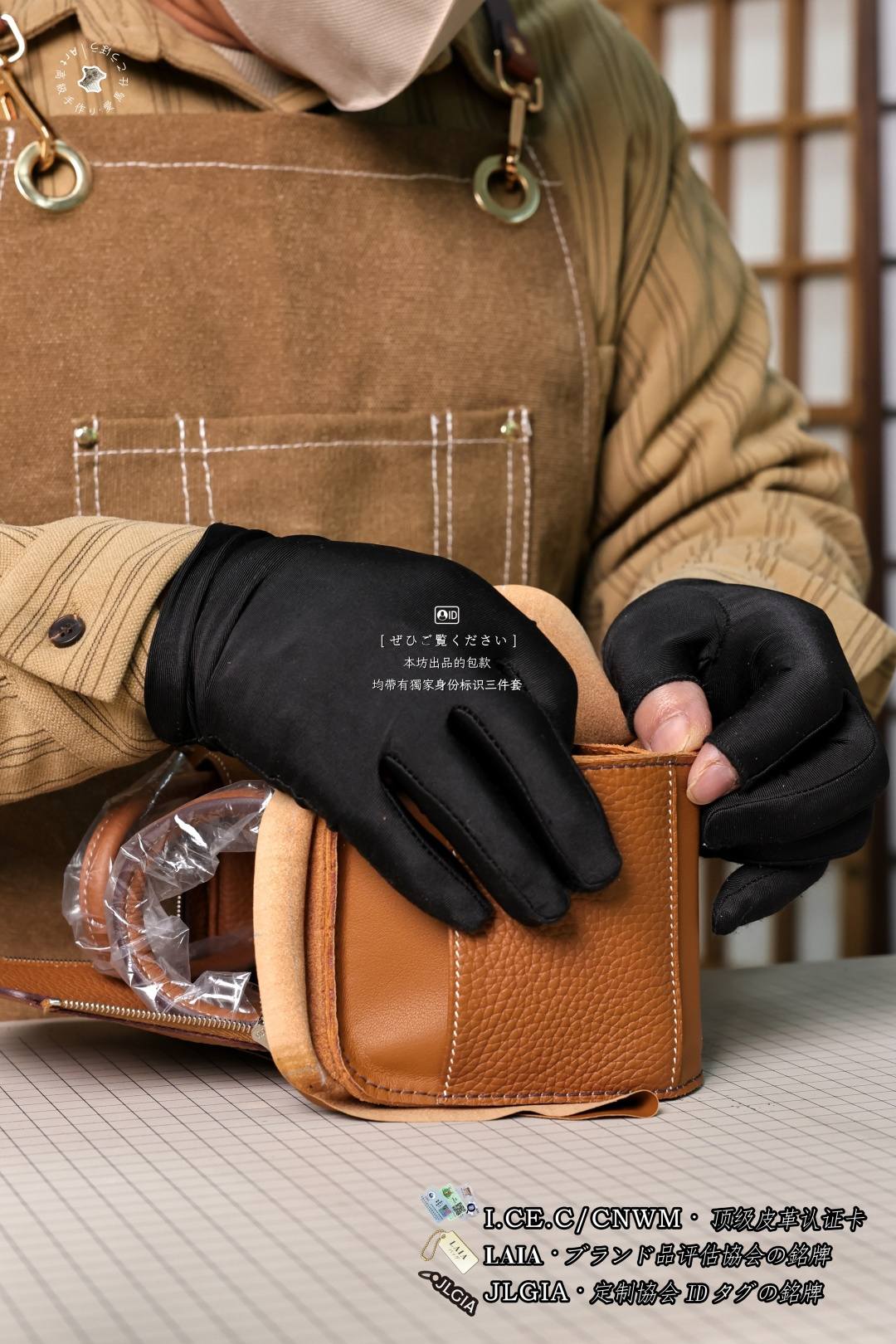
The Shebag Mini Lindy strictly follows the original authentic Point Sellier saddle double-needle hand-stitching standard. Tailored for the compact 20cm miniature bag, it features refined and scaled-down craftsmanship adapted to the bag’s narrow curved surfaces, slim leather tabs, narrow zipper seams and curved handle sections. Unlike standard large-sized Lindy bags, the miniature version demands extremely high precision in stitch spacing, corner transition, thread tension and hidden thread finishing with minimal error tolerance. The exquisite craftsmanship is fully reflected in every detail including premium thread selection, precision hole punching, standardized stitching, segmented sewing techniques and professional thread finishing.
We adopt top-grade Fil Au Chinois beeswax linen threads identical to the original factory specifications. Made of pure long-staple linen fibers with double-layer high-temperature beeswax impregnation, the threads deliver a muted matte finish without cheap plastic shine. They feature self-lubricating friction performance, excellent waterproof and sweatproof properties, and effectively prevent pinhole corrosion on leather surfaces, abandoning inferior glossy nylon wax threads on the market that are prone to fraying, breaking and fading. Thread thickness is professionally calibrated for the Mini Lindy: while standard large Lindy bags use thick No.3 wax threads, the Mini Lindy exclusively adopts fine No.4 wax threads to strike a perfect balance between exquisite texture and structural durability. A full spectrum of color-matched and contrast threads is available for classic hues including gold brown, elephant grey, cream white, black and cherry pink, blending seamlessly with the leather base color without any abrupt visual contrast. Each thread is manually double-waxed before stitching, presenting a delicate foggy matte finish after sewing that avoids tacky gloss and resists yellowing and fading during long-term use.
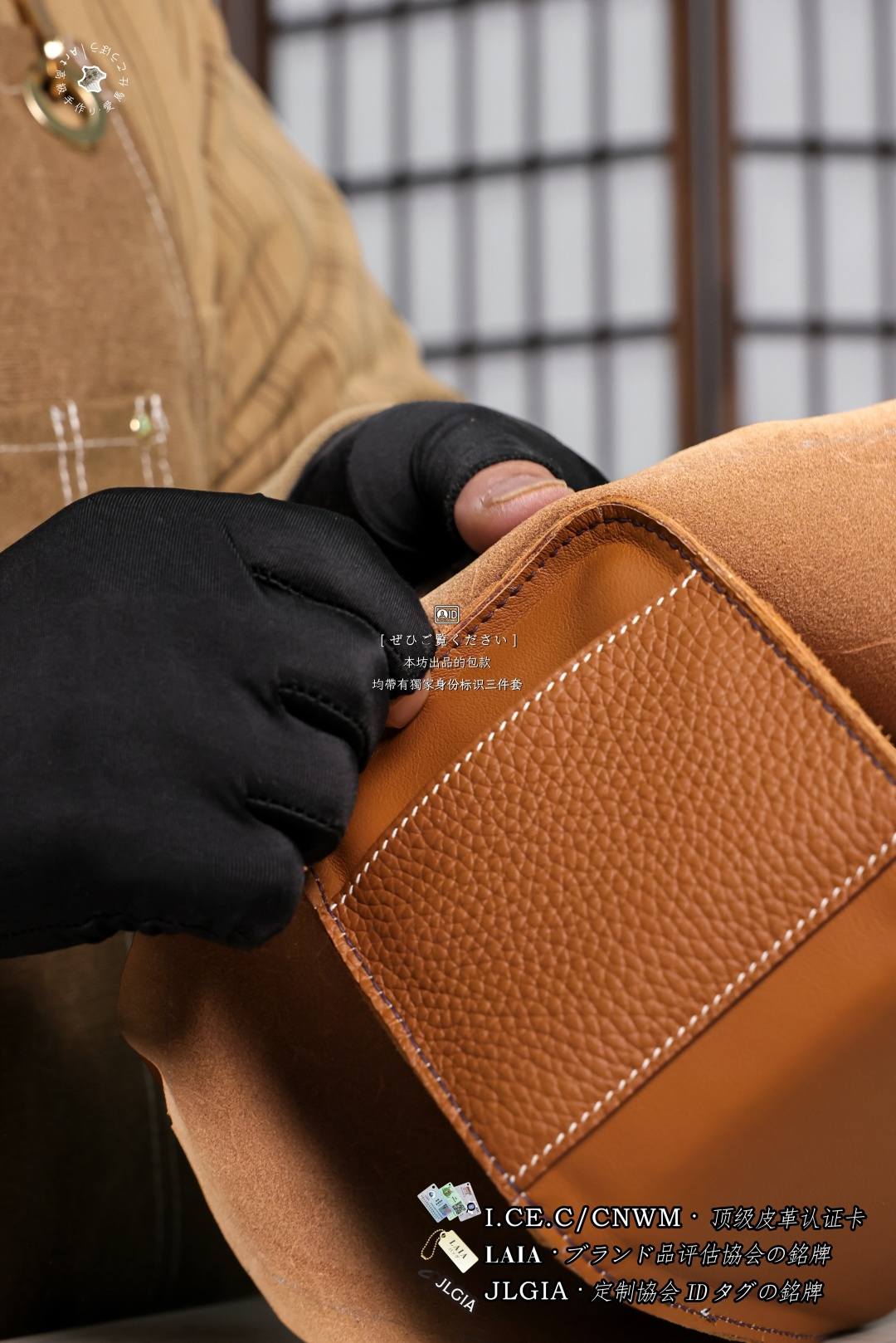
Precision hole punching serves as the core pre-production process for the Mini Lindy. Characterized by thin leather panels and ultra-tight curved corners, the bag’s overall stitching flatness entirely depends on accurate punching. We adopt professional micro diamond chisels to create standard 45-degree diagonal holes, forming the natural diagonal grain of authentic saddle stitching. This stands out from ordinary machine flat punching that only produces straight holes with inconsistent front and back stitch lines, a typical flaw of inferior replicas. The Mini Lindy adheres to the original factory stitch per inch (SPI) standard of 9 to 10 stitches per inch, equivalent to 3.5 to 4 stitches per centimeter. A steady 9 stitches per inch is applied to flat bag body and bottom perimeter areas, while dense rice-grain level 10 stitches per inch are used for narrow zipper edges, handle tabs, small flap leather pieces and curved corners, ensuring no collapse and uniform stress on narrow leather strips. All holes are manually punched one by one with a controlled hole spacing error within 0.3 millimeters. Gradient spaced pre-punched holes at corners enable smooth turning without thread stacking or leather wrinkling. Punching force is adjusted separately for thick TC/Togo leather and thin Swift leather to avoid hole expansion and leather cracking. The splicing leather is diagonally thinned to 1.0 to 1.2 millimeters, enabling tight double-layer fitting without bulges and ensuring perfectly flat stitched seams.
The bag features Shebag’s exclusive scaled-down hand-sewn saddle double-needle craftsmanship that cannot be replicated by machines. Two hand-sewing needles are threaded onto both ends of a single wax thread, penetrating the same hole from opposite directions and tightened to form symmetrical 45-degree diagonal stitch lines on both the front and inner sides. This structural design prevents full thread unraveling even if one single stitch breaks, laying the foundation for the bag’s outstanding durability. All diagonal grains on the front face maintain a unified direction with completely consistent left and right angles across the entire bag, while the inner side features identical symmetrical diagonal stitches without the flat bottom lines typical of machine-sewn counterfeits. Constant thread tension is maintained throughout the sewing process, keeping stitches closely attached to the leather surface without floating threads or indentations. Considering the Mini Lindy’s abundant curved structures including arched side panels, rounded bottom corners and curved flaps, artisans dynamically adjust tension according to surface radian to eliminate uneven stitch tightness on curved sections.
Differentiated stitching standards are implemented for various bag parts to ensure both aesthetics and durability. Continuous full-circle hand stitching is applied to the main body side and bottom perimeters, with gradient dense stitches for rounded bottom corners to avoid skipped and skewed stitches. Reinforced locking stitches around bottom studs enhance load-bearing performance and prevent loose threads in daily use. The narrow zipper seams on both sides, recognized as the most intricate crafting position of the Mini Lindy, adopt ultra-fine dense rice-grain stitches with a 10 stitches per inch spacing. Three reinforcing locking stitches are added at both zipper corners to withstand frequent pulling and prevent thread breakage, with fully symmetrical stitching on the H-shaped zipper stop leather pieces on the left and right sides. For high-stress handle tabs and circular handles, double-layer bonded tabs are fully stitched around the perimeter, with three reinforcing back stitches at the connection between tabs and the bag body. Uniform curved stitching on circular handles eliminates thread stacking at turns, and right-angle three-stitch craftsmanship on the triangular spliced leather at handle roots stabilizes the bag shape without collapse, restoring the original factory’s flat-top and convex-bottom silhouette.
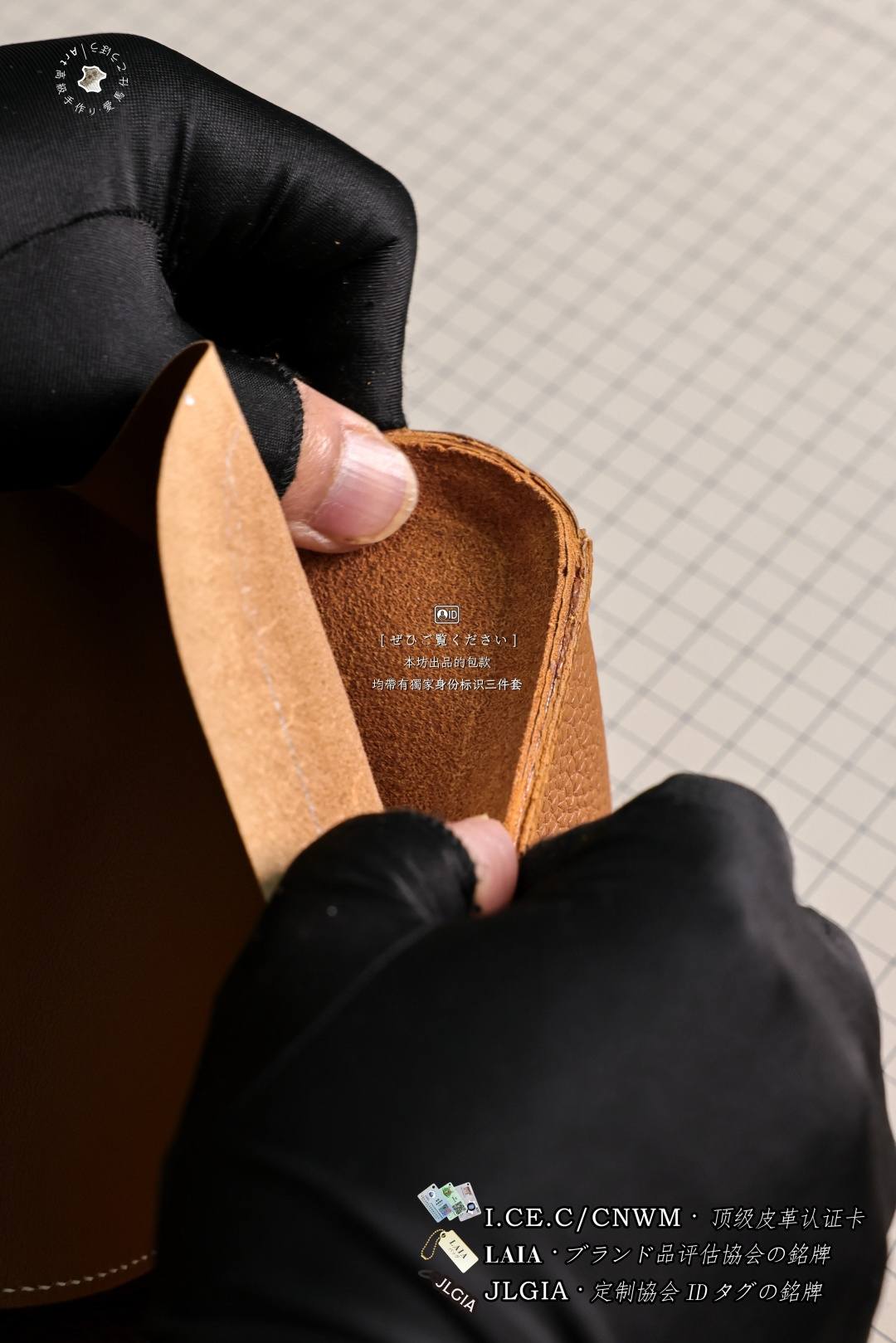
Narrow leather strips on the front twist-lock flap are fully sewn with dense stitches, with even surrounding seams around the hardware that do not obscure the metal outline. Double back-stitch locking at the top and bottom of external side pockets prevents thread loosening caused by daily item access and pulling. The inner lambskin lining is sewn with color-matched fine wax threads at a slightly relaxed density of 8 stitches per inch for a soft and delicate finish. All connecting threads between the lining and outer leather are hidden in the interlayer with no exposed coarse thread ends, and reinforced stitching is applied to all bag mouth and compartment corners.
Specialized processing is adopted for curved corners and multi-layer splicing to distinguish high-end craftsmanship from ordinary replicas. Instead of forced thread stretching, gradient pre-punched dense holes ensure smooth stitch transition at corners, eliminating uneven stitching with oversized or crowded single stitches. All internal and external rounded corners feature fluid curved stitching without rigid broken lines. For three-layer overlapping splicing joints connecting side panels, bottom panels and handle tabs, layered leather thinning and gradual thread tightening are implemented during sewing, with double hidden knots inside the interlayer to avoid external bulges and coarse knots. Each end of leather splicing seams is secured with three back stitches, with all joints completely hidden in the leather interlayer to achieve uninterrupted and consistent stitch texture on the bag surface.