- 20
- Aug
Shebag top replica Hermes bag oil edge craftmanship talks(August 2026 updated)
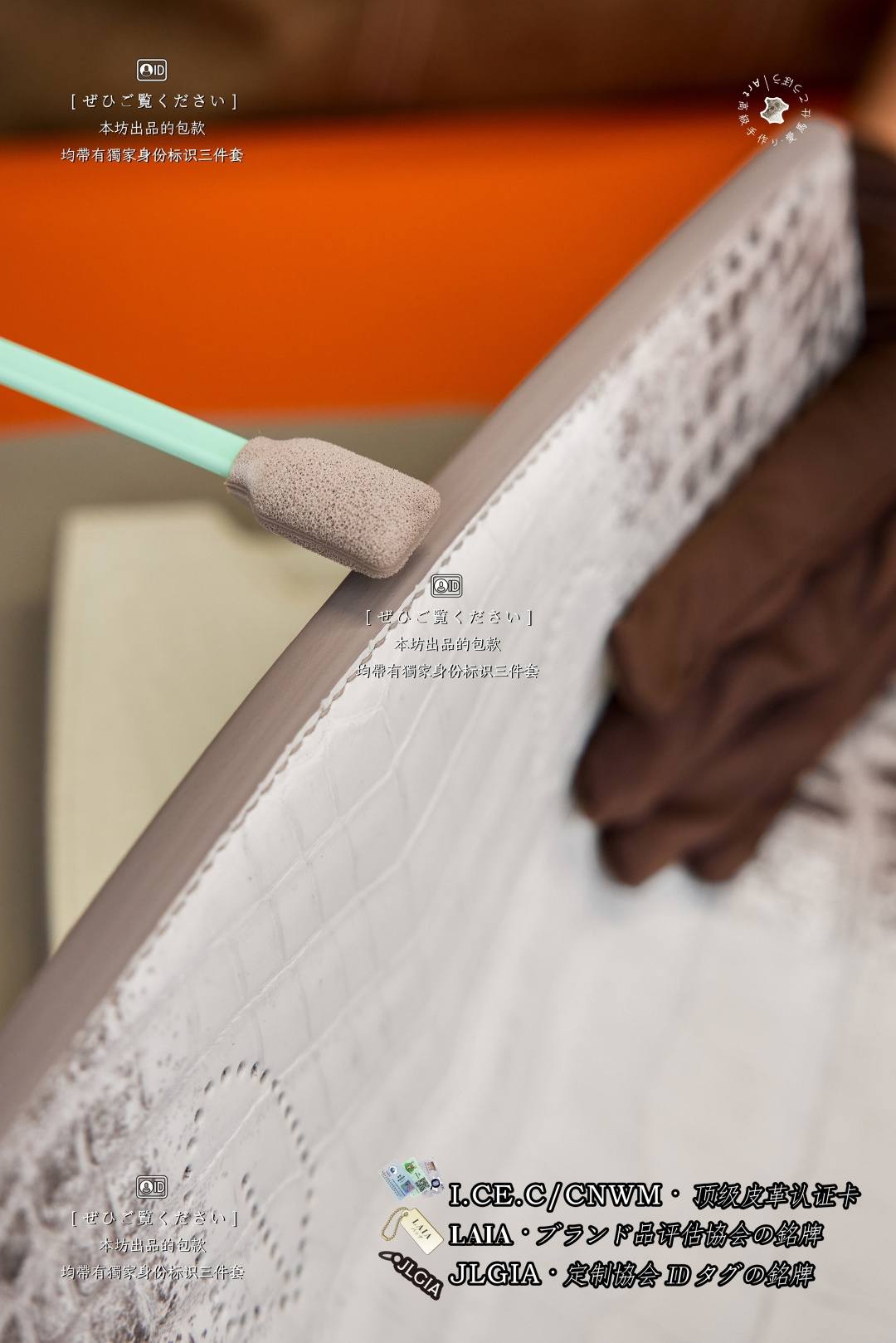
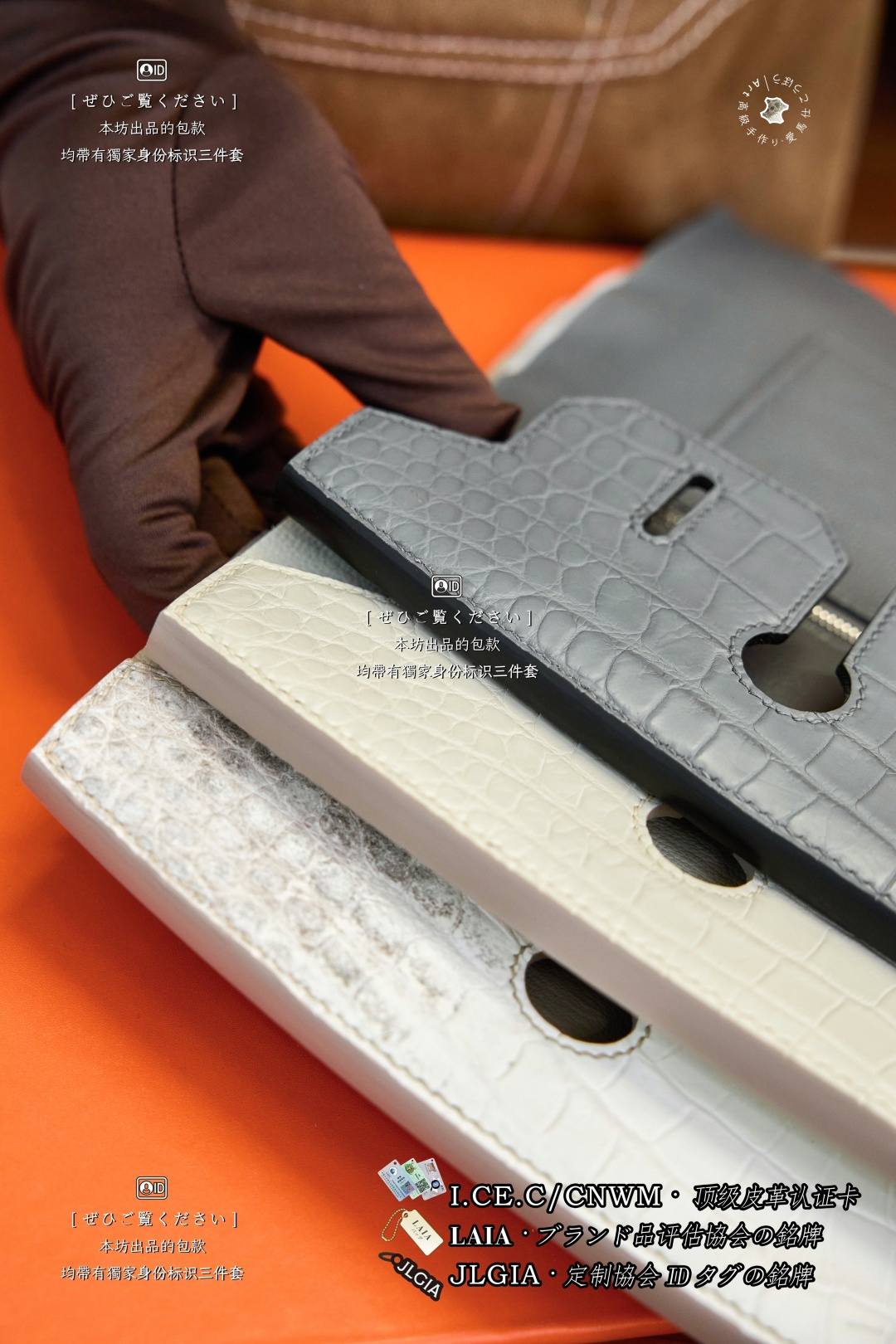
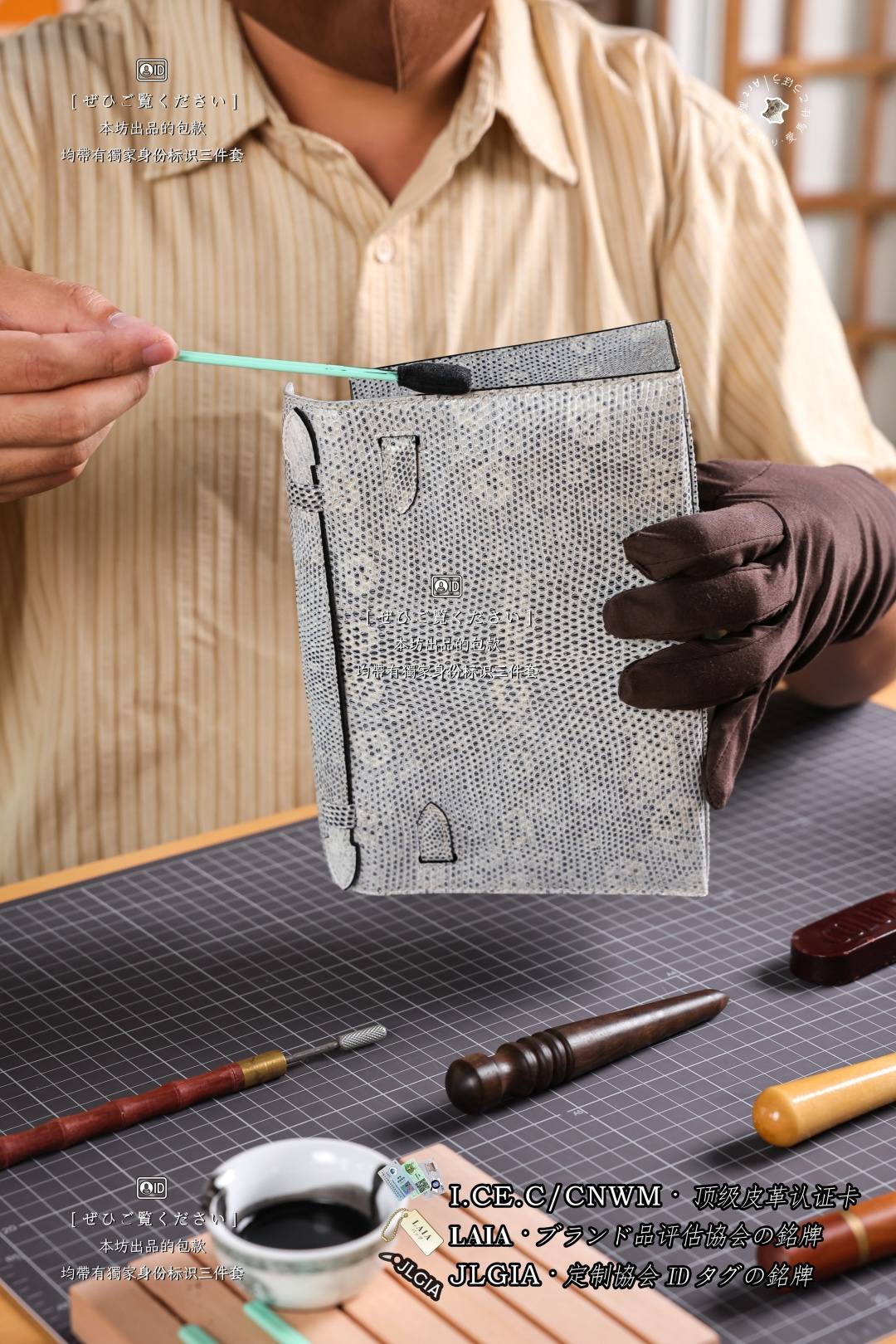
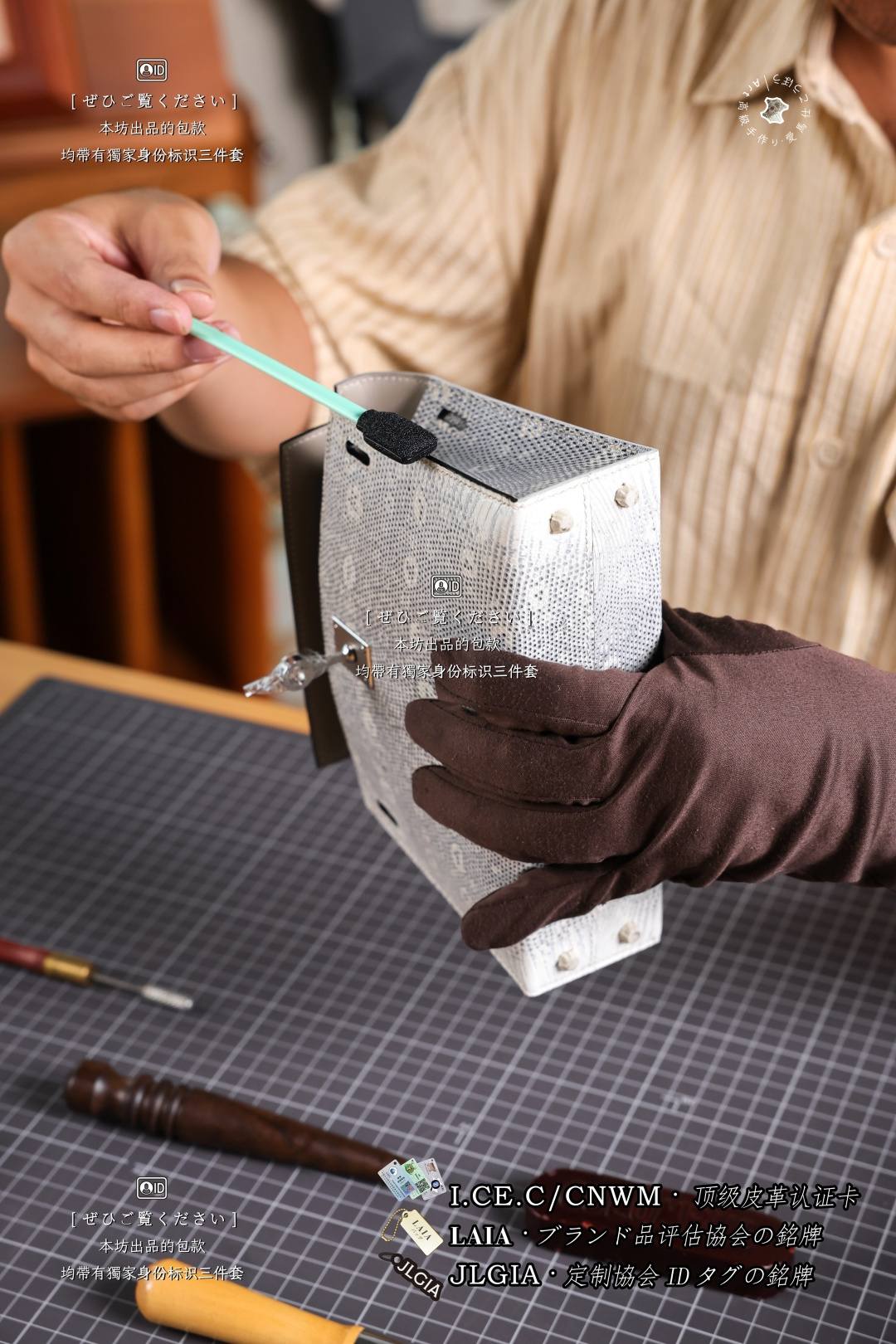
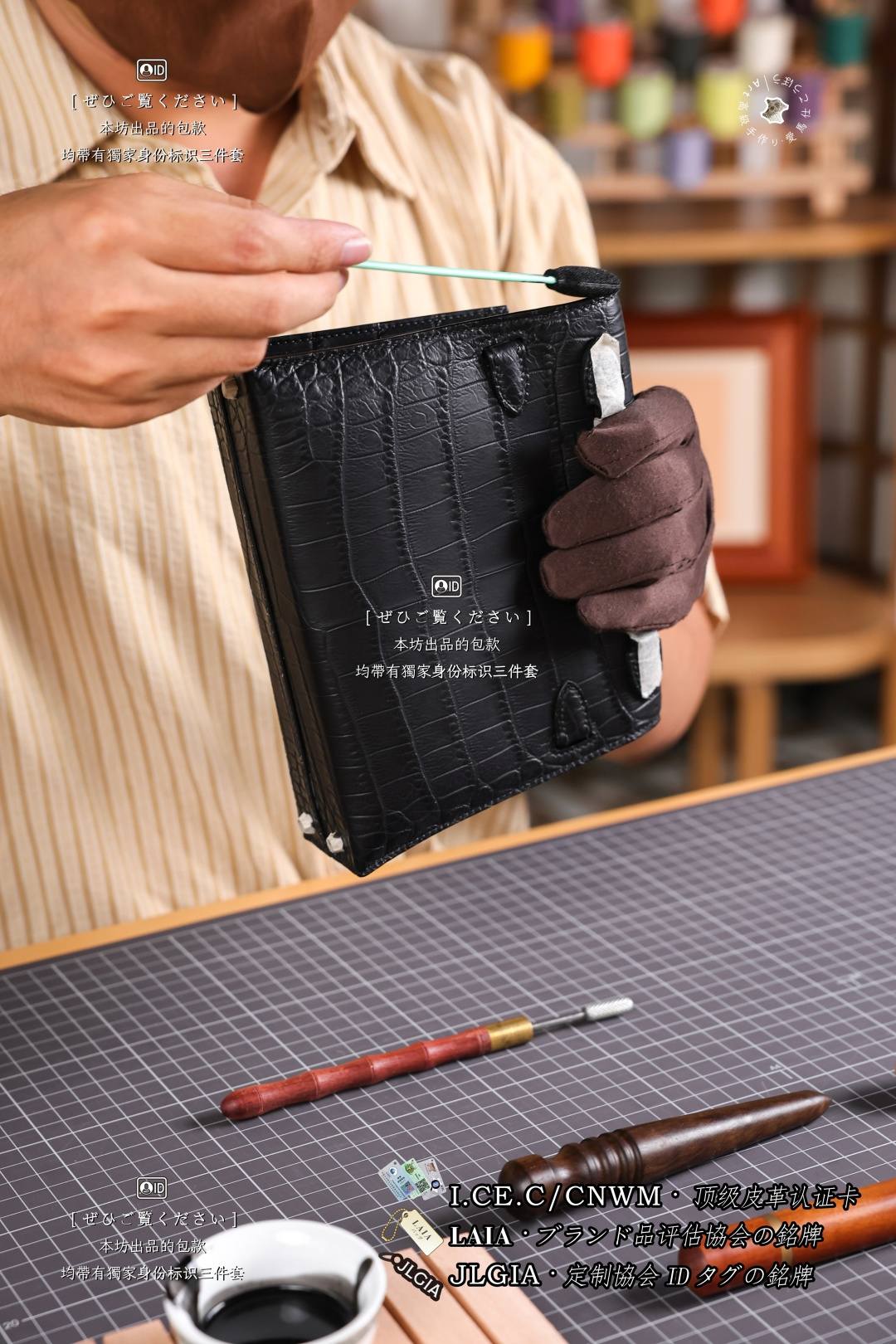
The edge‑finishing technology employed by shebag.co originates from the genuine‑bag production lines of Prada and Celine. Yet the machine‑assembly‑line edge finishing used by Prada and Celine follows a completely different technical path from Hermès’ hand‑worked edge finishing. Likewise, the edge‑finishing craftsmanship on shebag.co’s luxury‑bag assembly lines stands in full contrast to the edge work carried out in Hermès’ hand‑craft workshops.
Fifteen years ago on Prada’s production lines, shebag.co mastered the process centred on Fenice heat‑pressable edge paint. Multiple thin coats are applied, and the cycle of paint application, air‑drying and polishing is repeated more than three times. Heat‑pressing machines are used for final shaping, rather than relying purely on hand sanding and polishing.
When we branched out to produce replica bags independently back in 2011, we realised that Hermès craftsmanship diverged sharply from that of Prada. The discrepancy went far beyond edge‑finishing techniques; it extended across the entire supply chain and even the artisans themselves. Prada manufacturing prioritises production efficiency, whereas Hermès production cannot be optimised for speed, resulting in consistently low manual output volumes.
What are the drawbacks of assembly‑line edge finishing? Edge paint tends to turn brittle and crack under high heat, humidity or drastic temperature shifts. Stress points such as handle bases, bag corners and folded sections are most vulnerable. This represents an inherent limitation stemming from the process itself, a widespread flaw among numerous Saffiano‑leather bags rather than isolated quality defects.
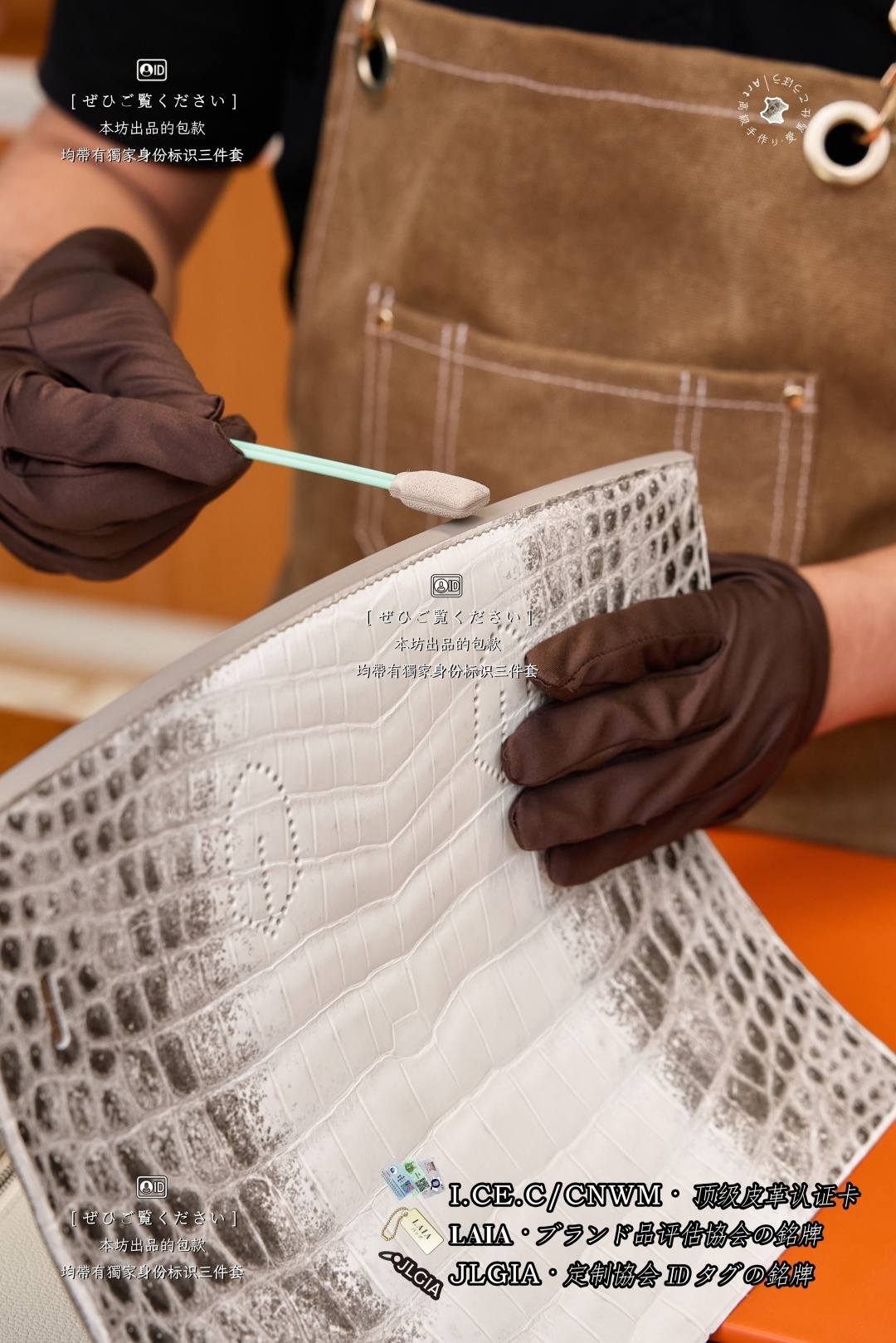
Edge paint forms a surface‑only film‑type coating sitting atop the leather cross‑section. This differs from beeswax edge sealing, which penetrates deep into leather fibres. Once cracking occurs, the old edge coating must be fully ground away for complete re‑finishing; simple touch‑ups are not viable.
There are key distinguishing traits between Prada edge finishing and Hermès edge finishing. Prada edge finishing delivers a bright, glossy smooth surface, while Hermès edges carry a matte finish with subtle fine‑grain texture.
In terms of visual thickness, Prada produces thin, flat edges that fully cover the leather cut surface. Hermès applies an extremely thin layer that allows underlying leather‑fibre layering to remain visible. Prada relies primarily on machine heat‑pressing within mass‑production workflows, its core goal being to hide seams in composite leather for a neat appearance. Hermès depends entirely on repeated hand sanding plus beeswax sealing, designed to showcase the natural texture of raw leather cross‑sections.
Each approach carries its own durability trade‑offs. Prada‑style edge finishing is prone to cracking caused by temperature swings and moisture. Hermès wax‑sealed edges offer comparatively greater flexibility, though they are still subject to wear over time.