- 25
- Aug
Shebag top replica Hermes Birkin and Kelly Clochette carftmanship review(August 2026 updated)
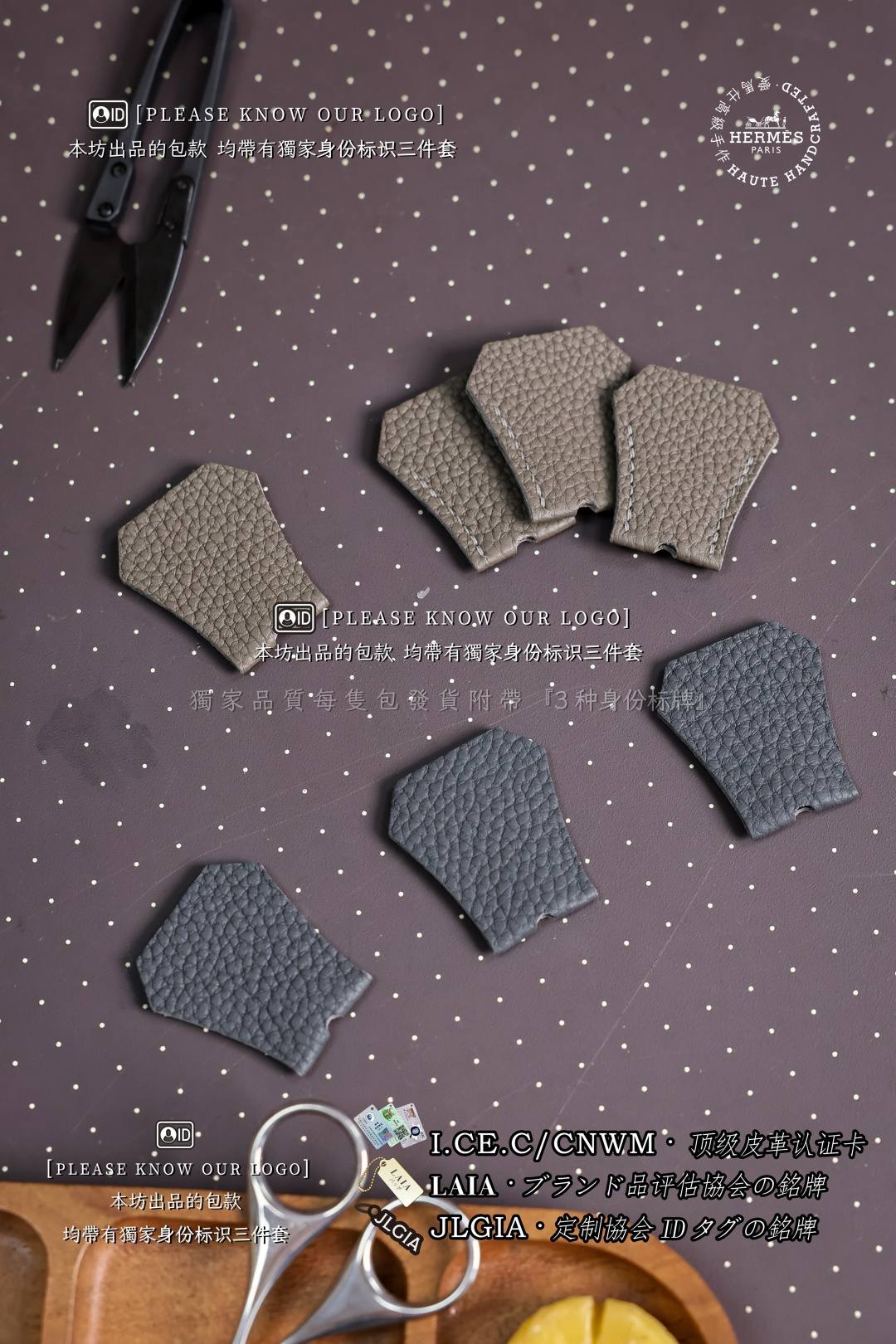
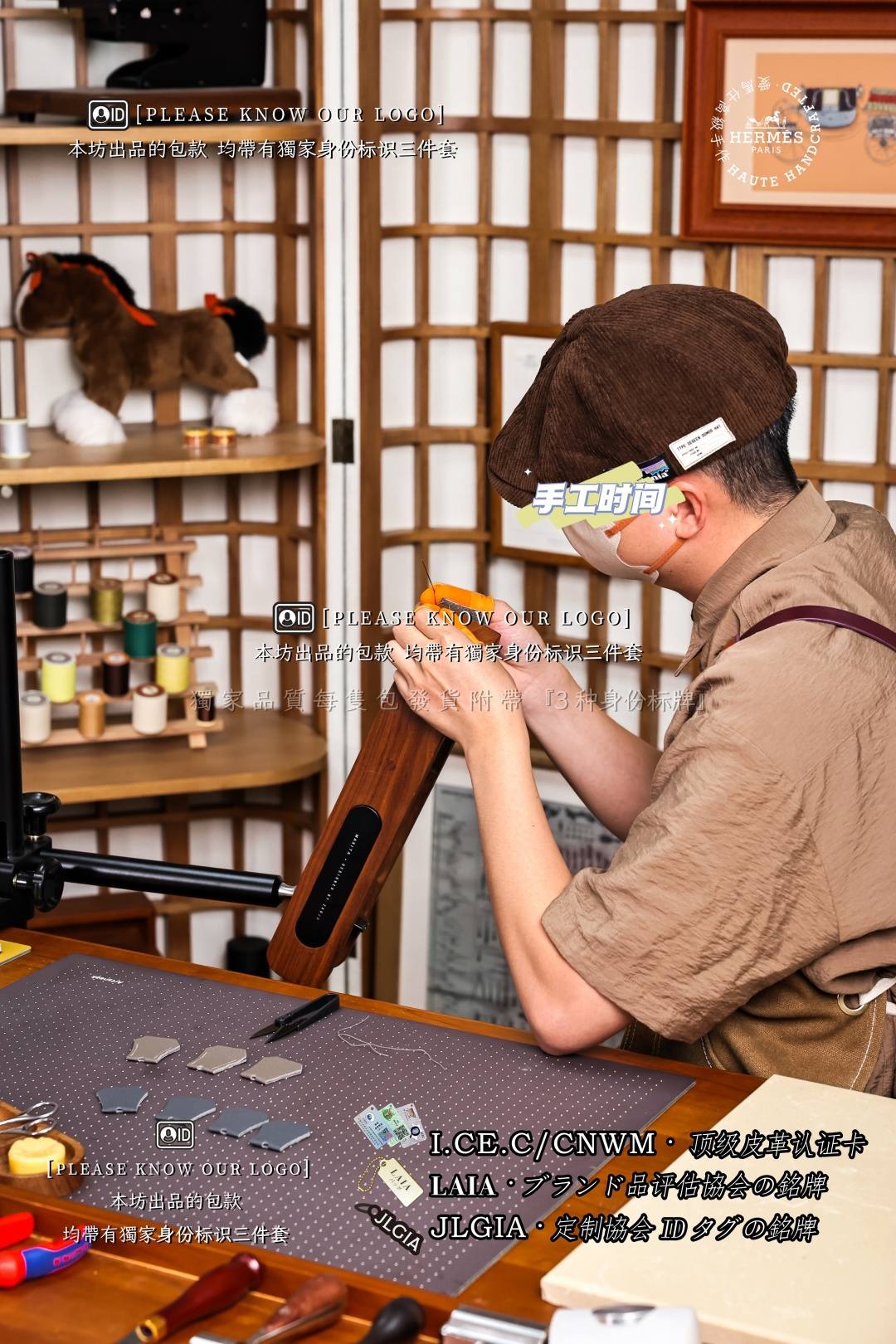
Shebag is committed to top-notch quality and craftsmanship; we even put our heart into crafting the smallest details. Today, we’d like to showcase the craftsmanship behind the leather key tag on Shebag’s premium replica Hermès Birkin bag.
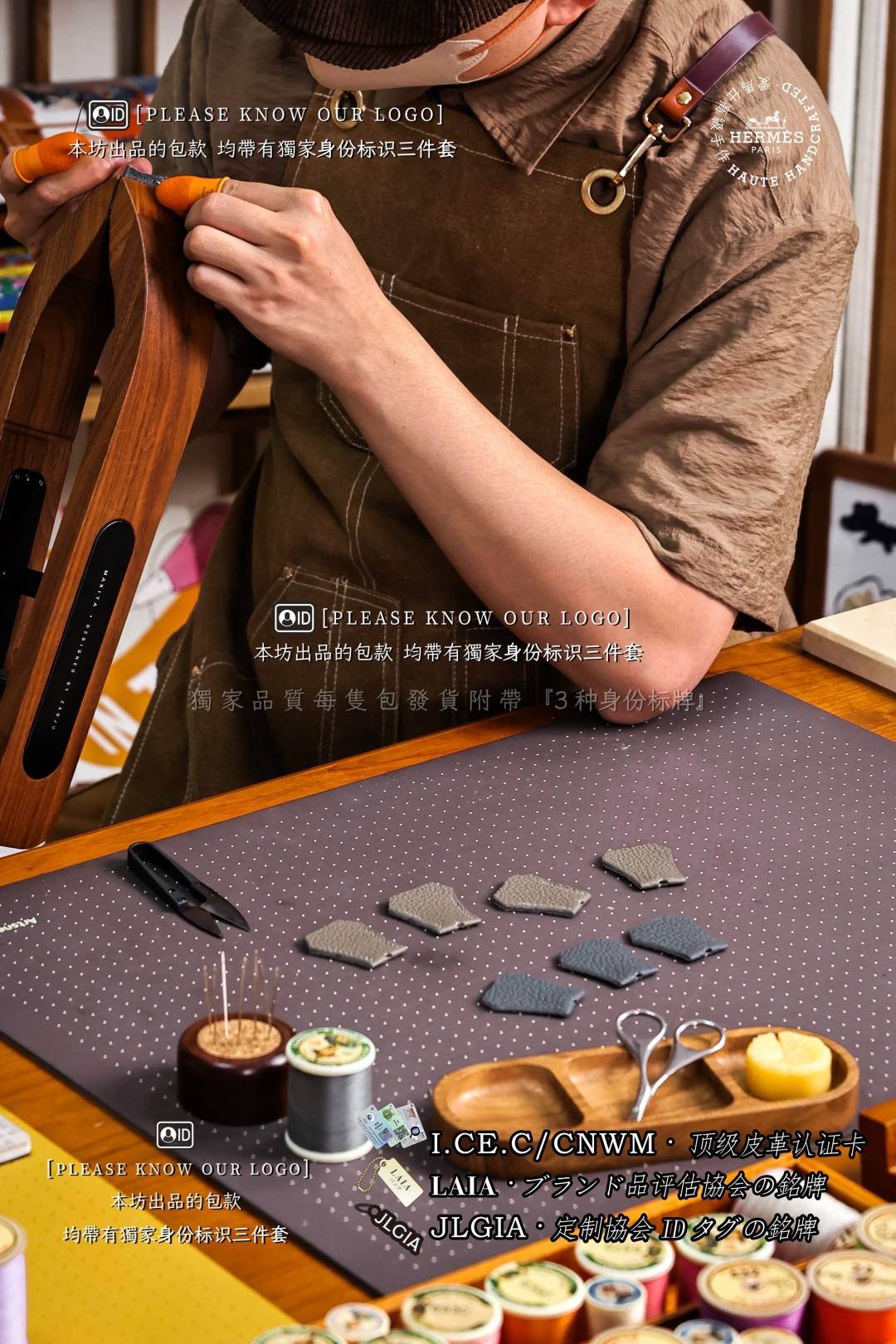
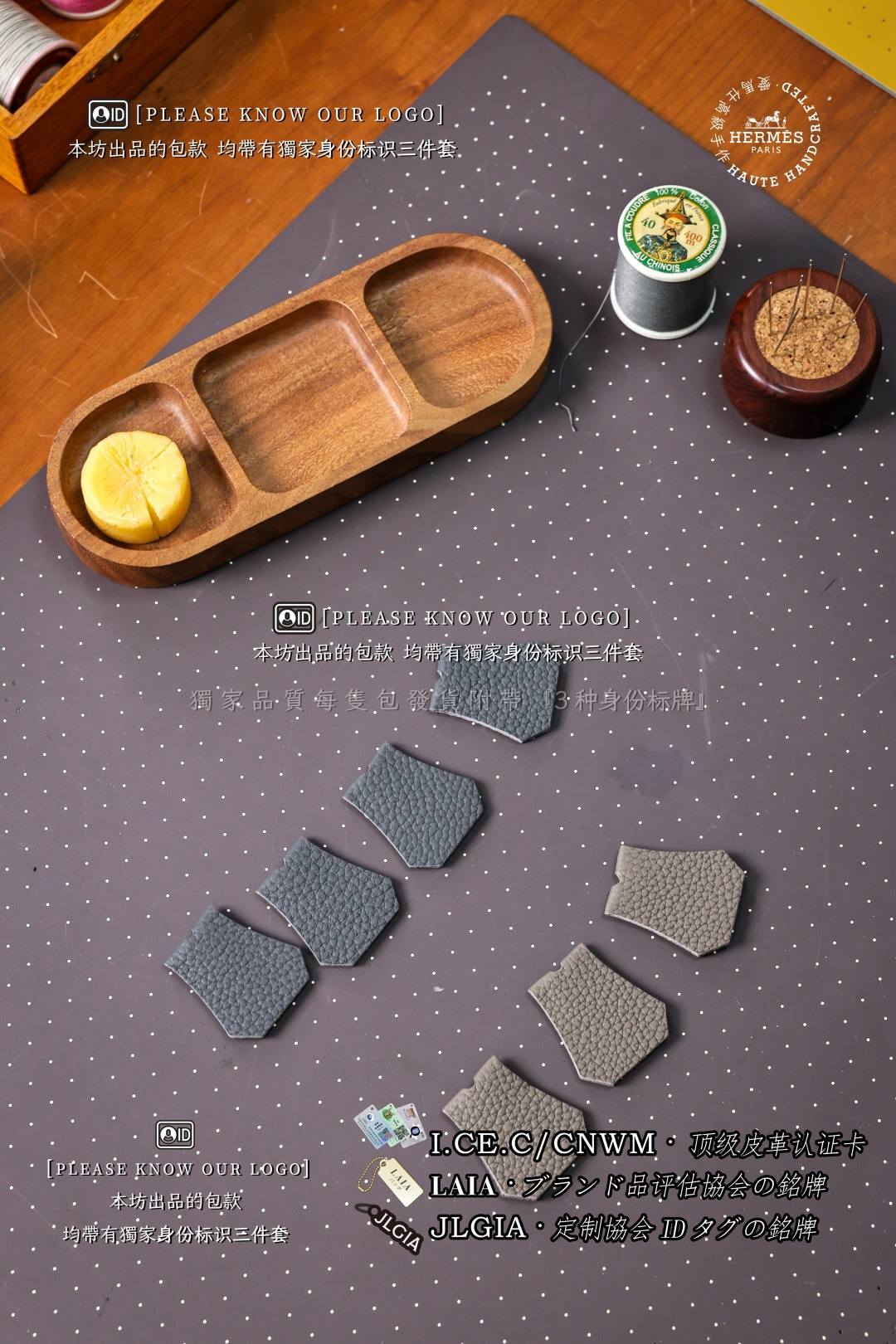
The Authentic Craftsmanship Behind the Shebag Birkin and Kelly Clochette, also known as the key bell or key pouch, offers a fine demonstration of Hermès miniature leatherworking techniques. Designed to hold the two original keys that come with the handbag, the clochette is cut from the exact same hide as the main bag. Instead of being assembled by simply gluing two separate pieces of leather together, it is shaped entirely from one single piece of leather through folding and moulding.
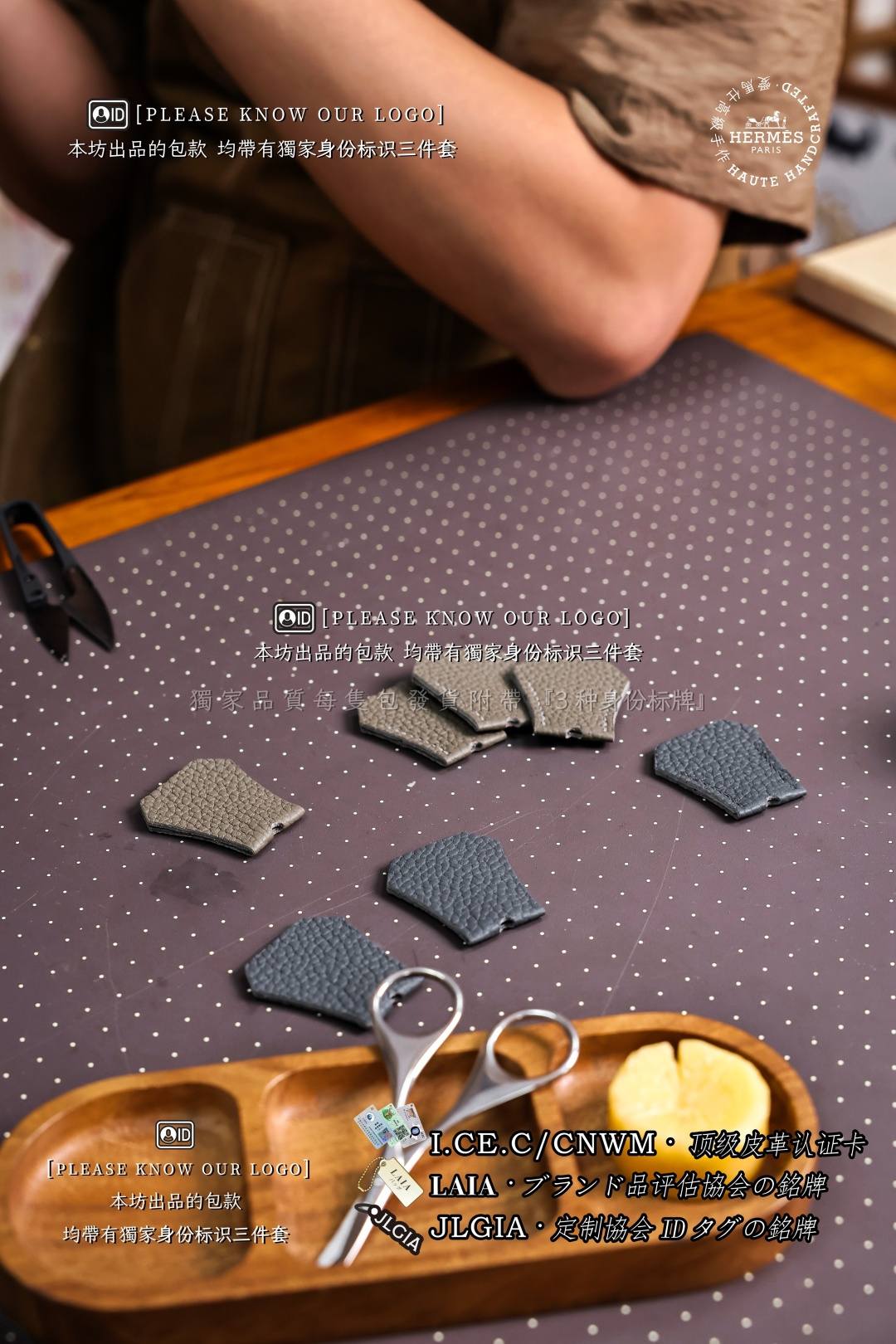
Craftsmen source raw hides including Togo, Clemence, Epsom, Swift and crocodile leather from the very same skin used for the bag body. Blemishes and vein marks are carefully avoided during cutting, yielding a single hourglass‑shaped leather panel rather than two separate upper and lower sections joined together. The paring process is then carried out by hand with a skiving knife. Edges meant for folding and gluing are shaved down into bevels so surfaces can fit tightly without bulky uneven ridges. The central section retains its full thickness to keep its firm silhouette, while the strap area is pared thin for improved flexibility. Counterfeit versions frequently skip this skiving step, bonding two thick leather sheets directly and resulting in puffy, bulging side edges.
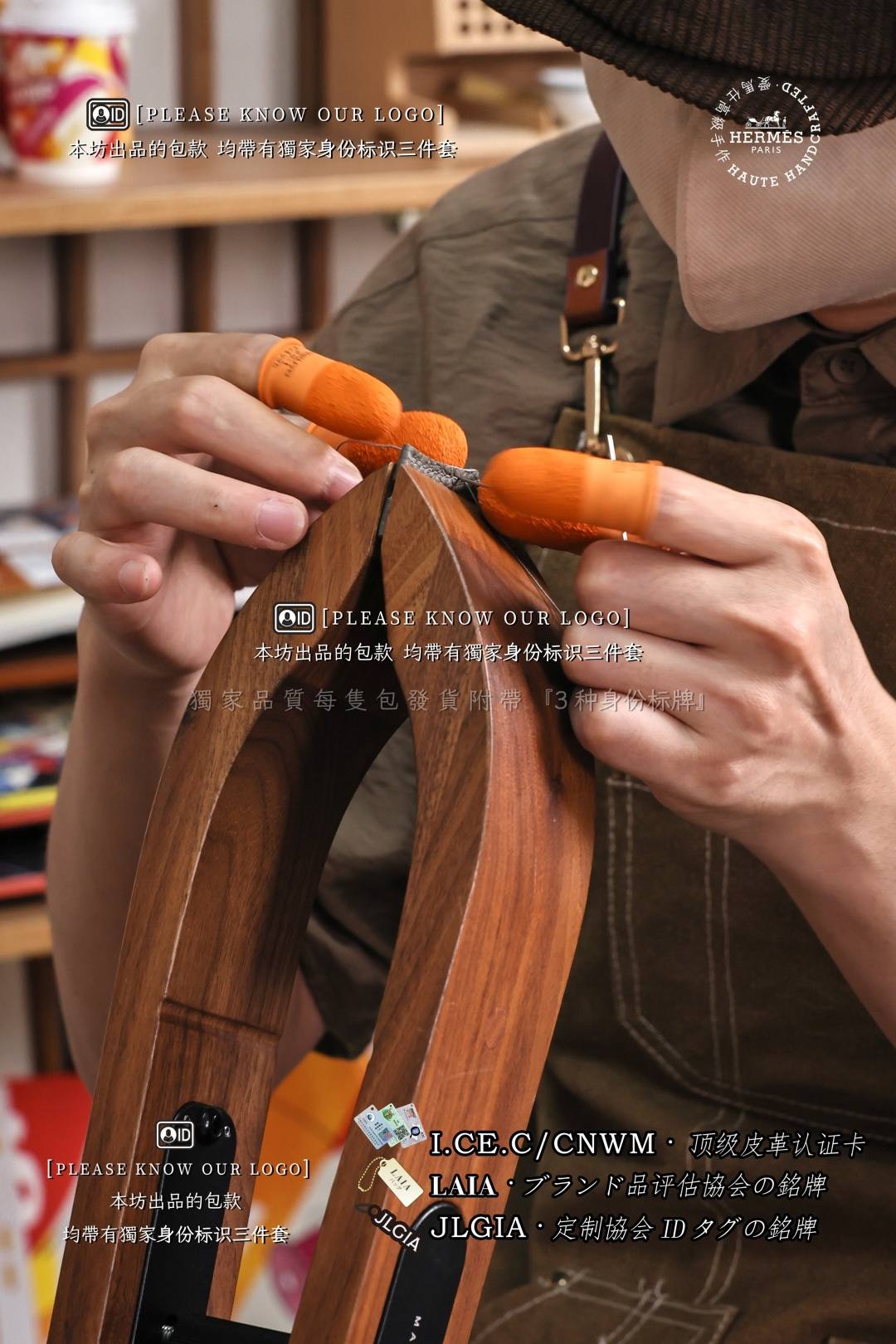
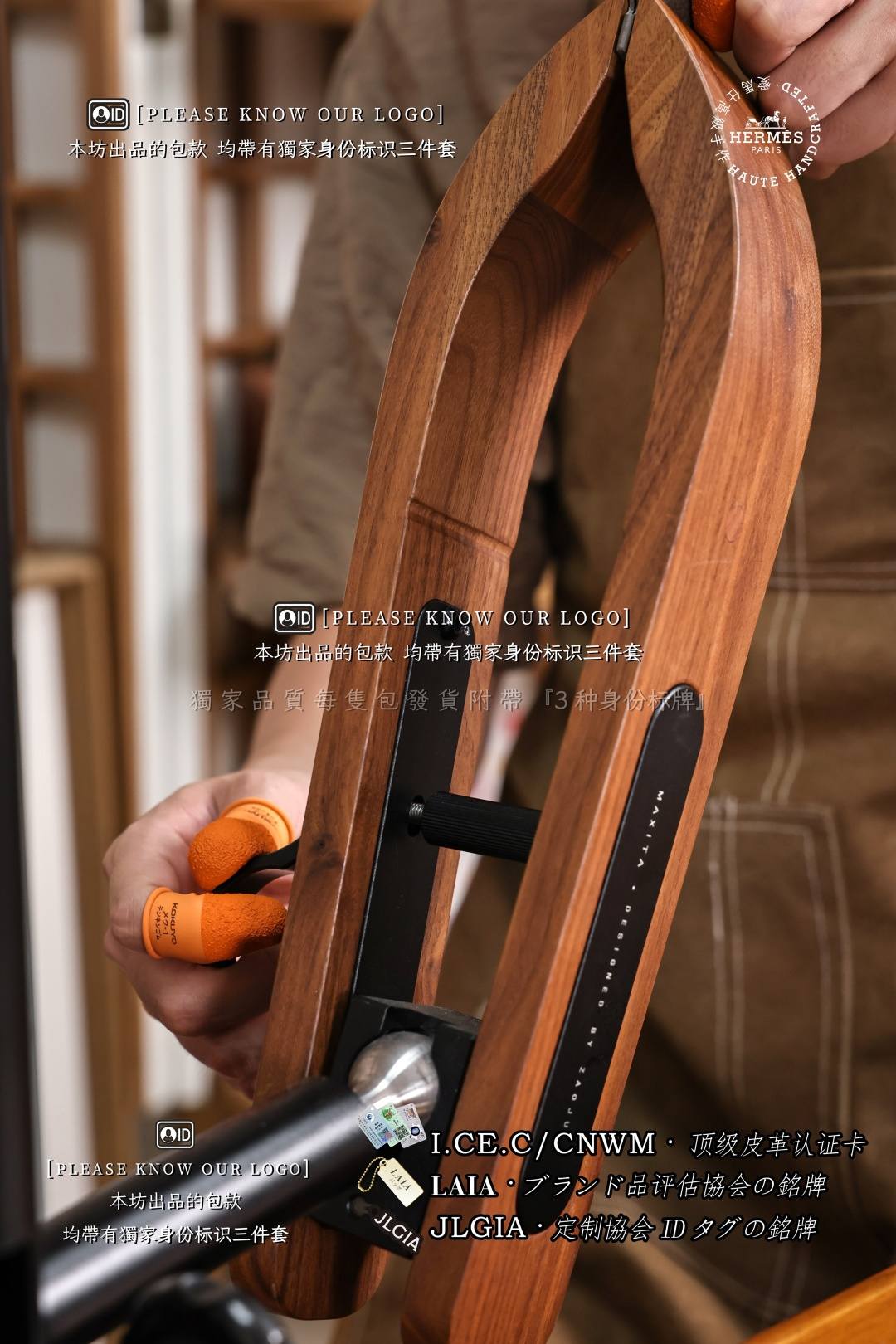
Both left and right sides of the leather panel fold inward to form an inner compartment for housing keys. This pouch structure originates from one folded piece rather than stitched‑together separate panels. Water‑based Aqua‑gum contact adhesive is thinly applied onto the fleshy reverse side of pared leather. Once the adhesive reaches its optimal tackiness, surfaces are pressed firmly and secured with wooden clamps for curing, setting permanent creases into the material. A long hanging strap extends upward as an uninterrupted integral part of the piece. Selective skiving is applied to this strap as well, preventing cracks even after repeated bending.
Pricking irons are utilised to hand‑punch angled holes instead of mechanical sewing needles. These holes sit at a forty‑five‑degree angle, prepping the material for saddle stitching. Hole spacing stays consistent between three and three‑and‑a‑half millimetres. Holes are evenly arranged along the inner fold lines, with extra holes added around corners to stop tearing under tension.
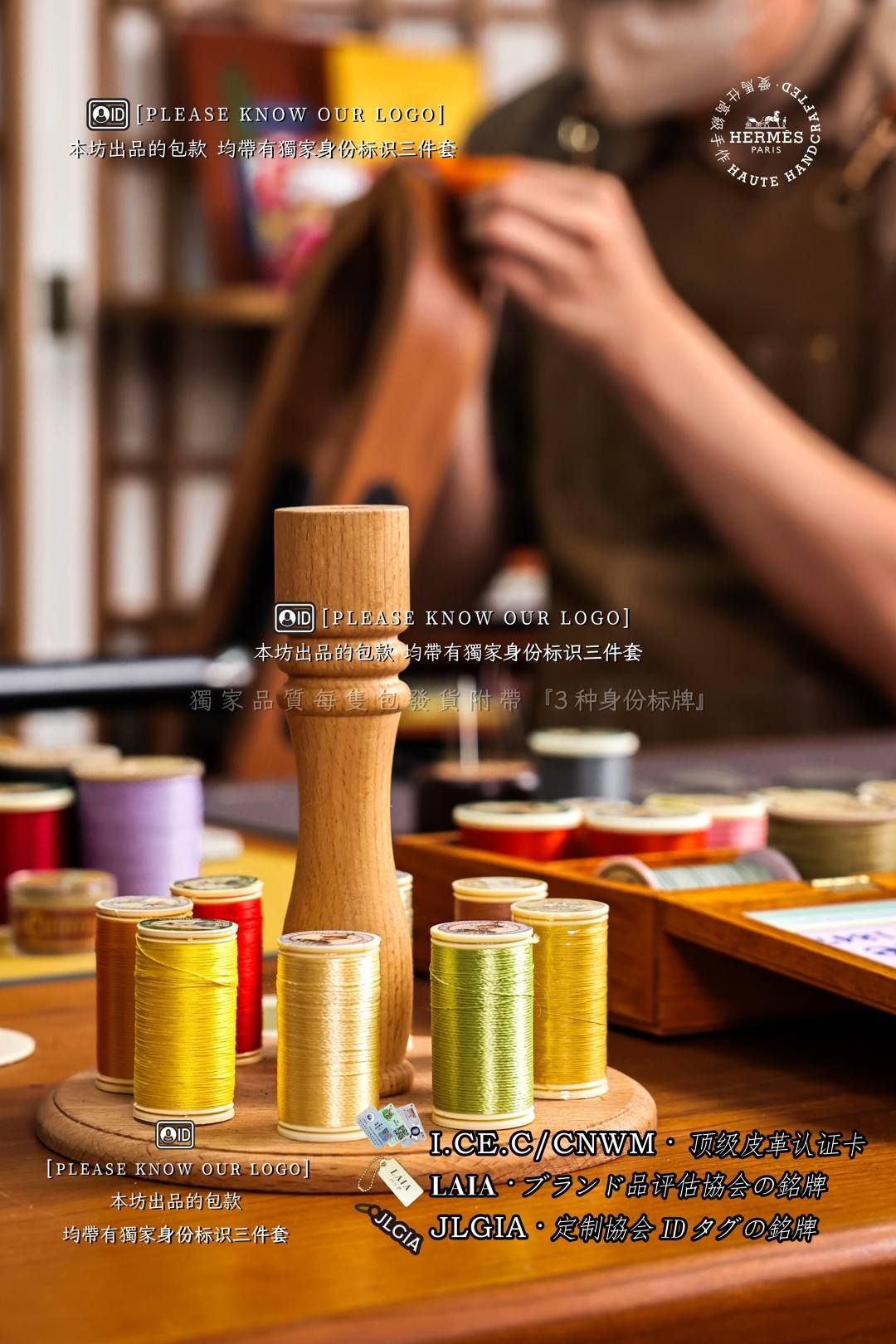
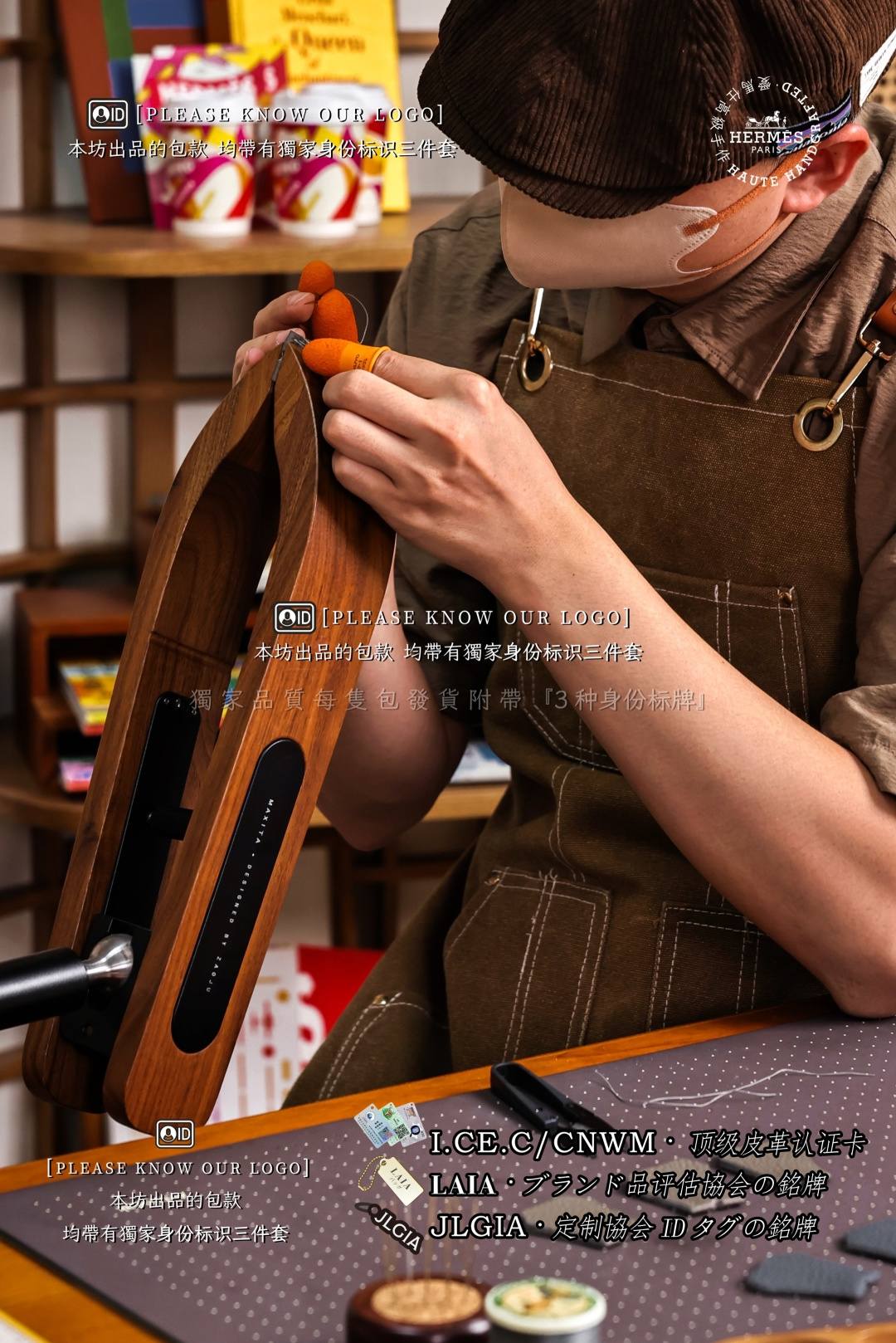
French wax‑impregnated linen thread from Fil Au Chinois, reference number 532, serves as the sewing material. One length of thread carries a needle on each end. Both needles pass through the same hole from opposite directions to create interlocking stitches. Should one segment of thread wear and break, the whole seam will not unravel, inheriting age‑old equestrian leather‑making wisdom.
Each stitch maintains a steady forty‑five‑degree inclination. Artisans manually regulate thread tension so stitches sink gently into leather rather than sitting loosely on top. Angles remain largely uniform along one seam, yet tiny micrometre‑scale imperfections from handwork remain, impossible for mechanical sewing equipment to replicate.
When stitching reaches the sharp bottom corner, threads loop back through existing holes to lock the seam internally. No visible knots appear on exterior surfaces. Threads are trimmed flush against leather, and the wax coating seals cut ends to resist fraying.
These subtle manual details separate genuine craftsmanship from imitations, with skiving, hole punching and stitching all combining to produce a durable clochette matching the high standard of its corresponding Birkin or Kelly handbag.