- 08
- Sep
Shebag handmade top replica Hermes birkin bag craftmanship review(Sep 2026 updated)
Why do shebag.co’s top-quality replica Hermès Birkin bags attract so many repeat customers? It’s because of Shebag’s relentless pursuit of quality in handcrafted bags.
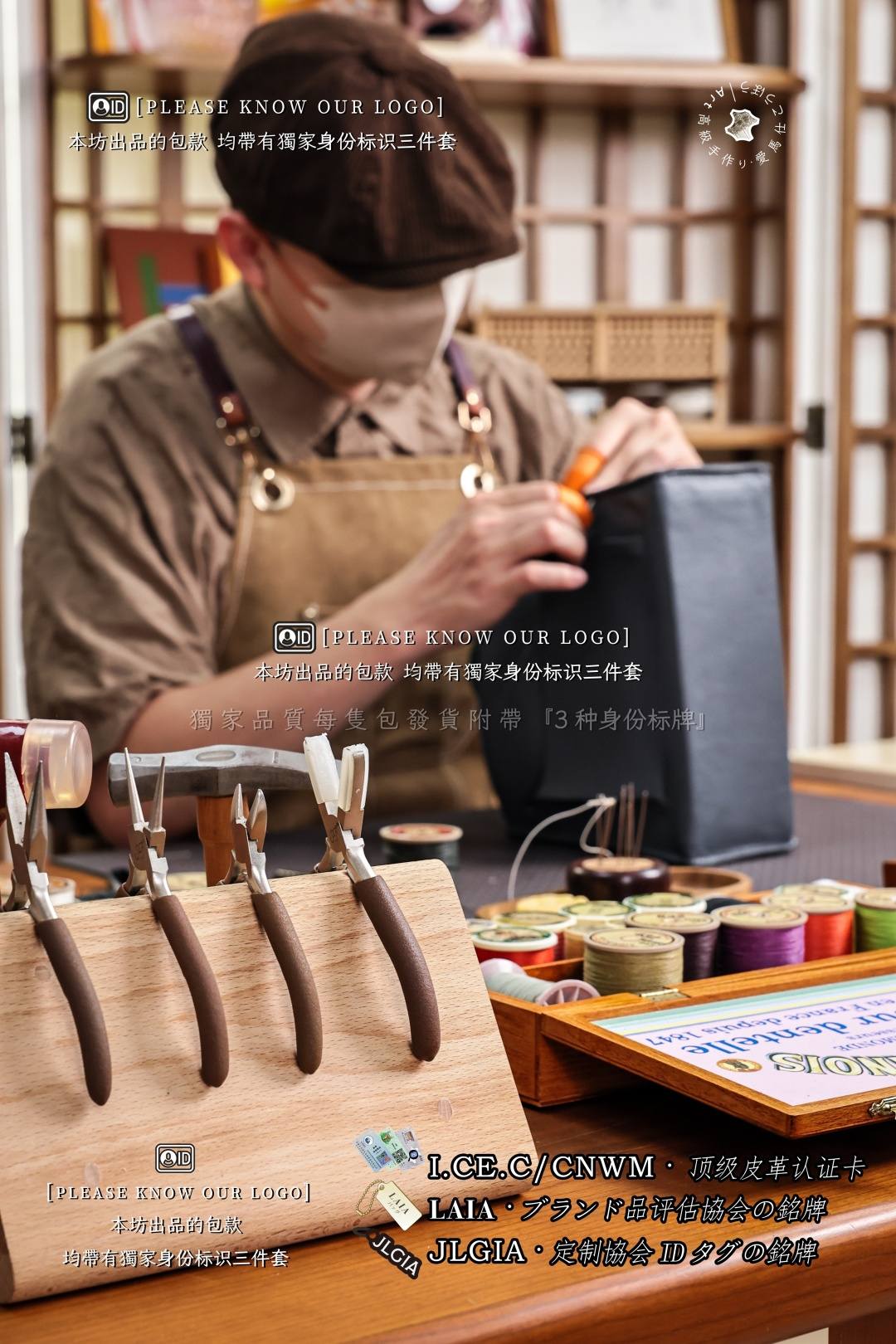
Shebag’s team does not come from Hermès workshops, as Hermès has never outsourced production in China. Instead, the shebag.co team hails from Guangzhou-based contract manufacturers that produced for brands like Prada and YSL prior to 2011. Although Prada’s leather bags do not meet the standards of Hermès’s handcrafted bags, Shebag has conducted extensive research into handcrafted bags. The tools and workers used in small, artisanal workshops are entirely different from those in assembly-line bag manufacturing facilities.
In the realm of high‑end leather goods, machinery can replicate appearances, yet it can hardly recreate the warmth forged by hand‑worked craftsmanship. The soul of a premium hand‑crafted bag lies in those often‑overlooked pre‑sewing procedures — hot edge grooving and linen‑thread waxing. These are two fundamental yet vital traditional techniques within the saddle‑stitch system, and the key distinctions separating hand‑crafted leatherware from mass‑produced factory goods.
When admiring hand‑made bags, most people fix their eyes on the neat, elegant diagonal saddle stitches, unaware that artisans have completed two meticulous preparatory steps long before sewing commences.
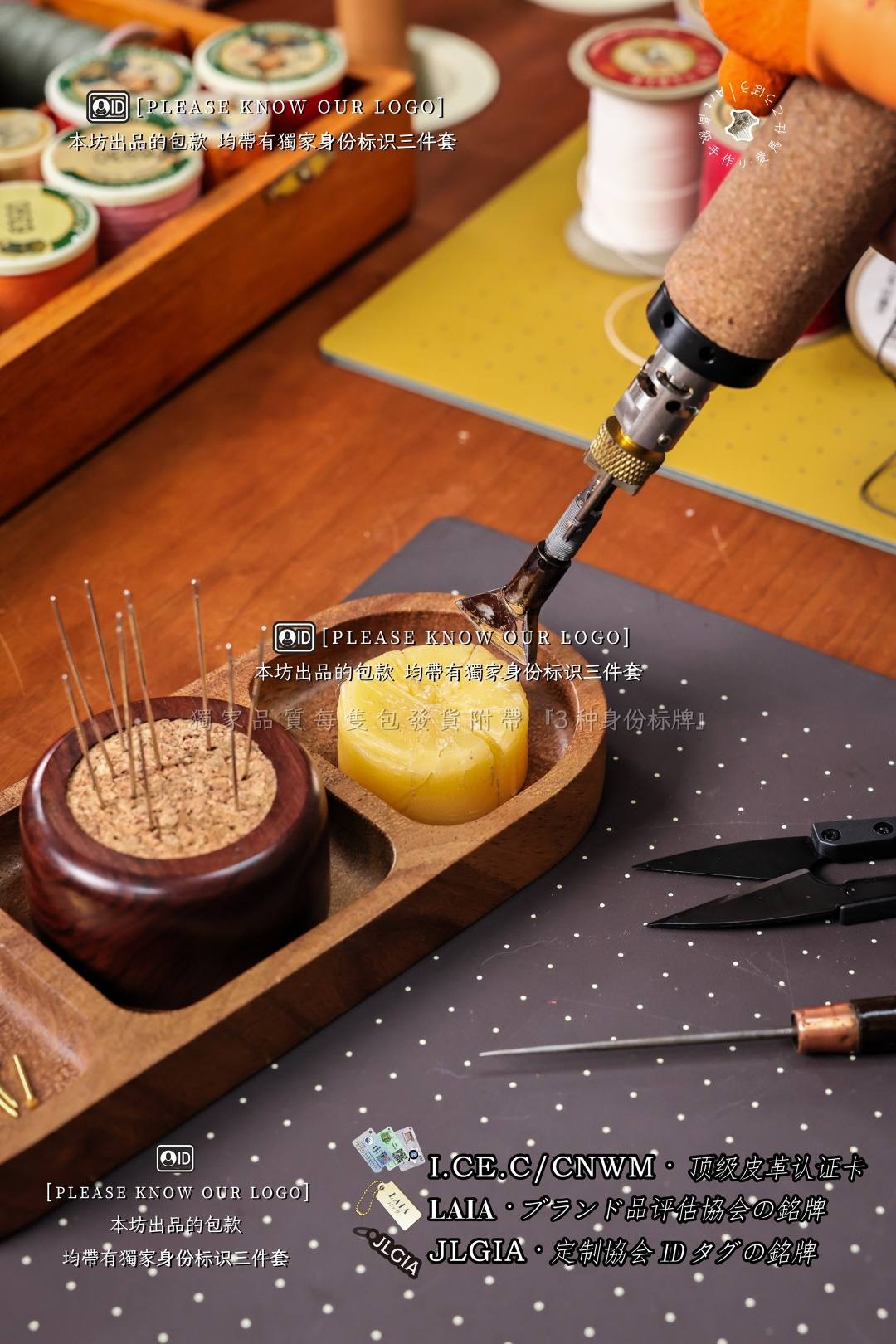
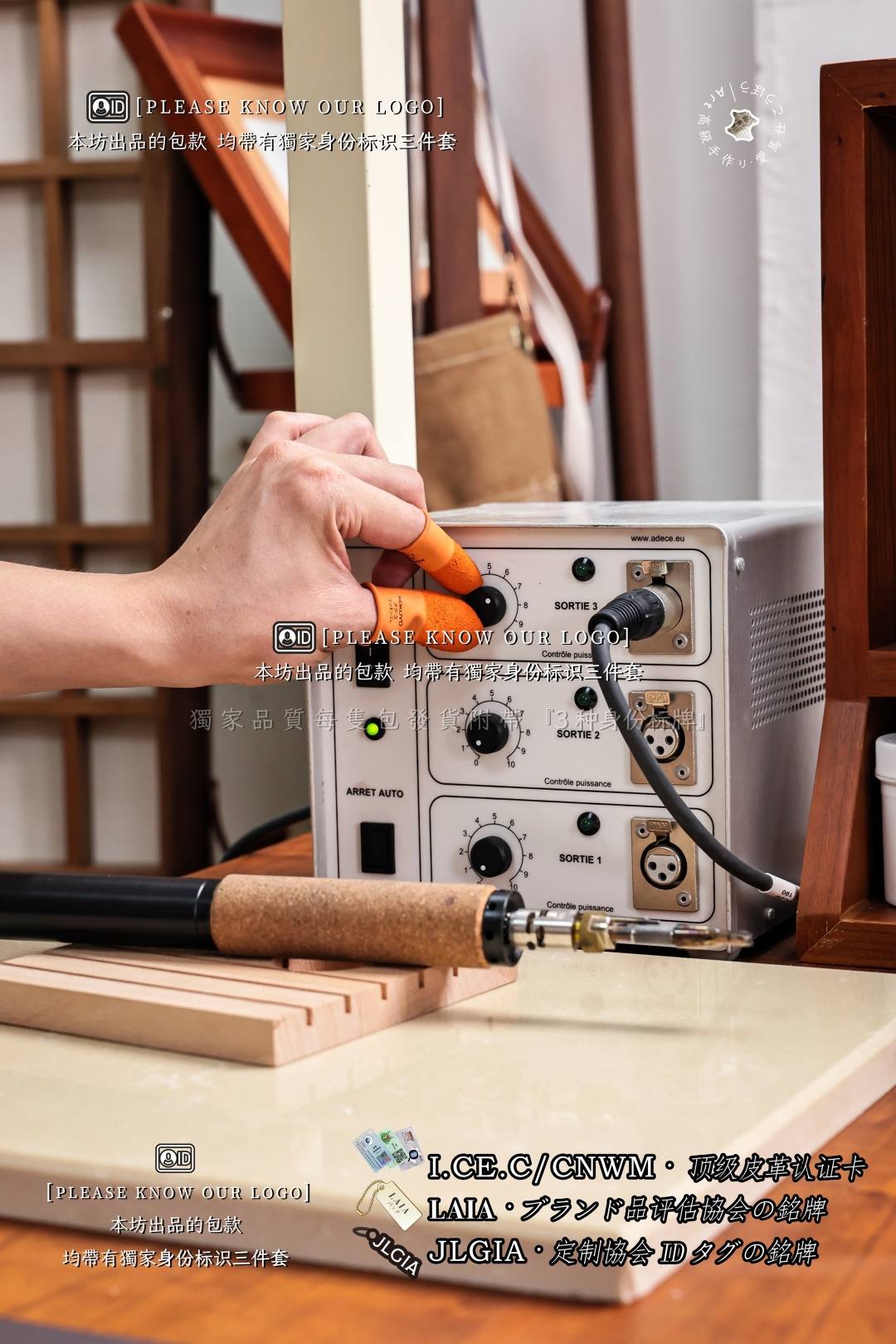
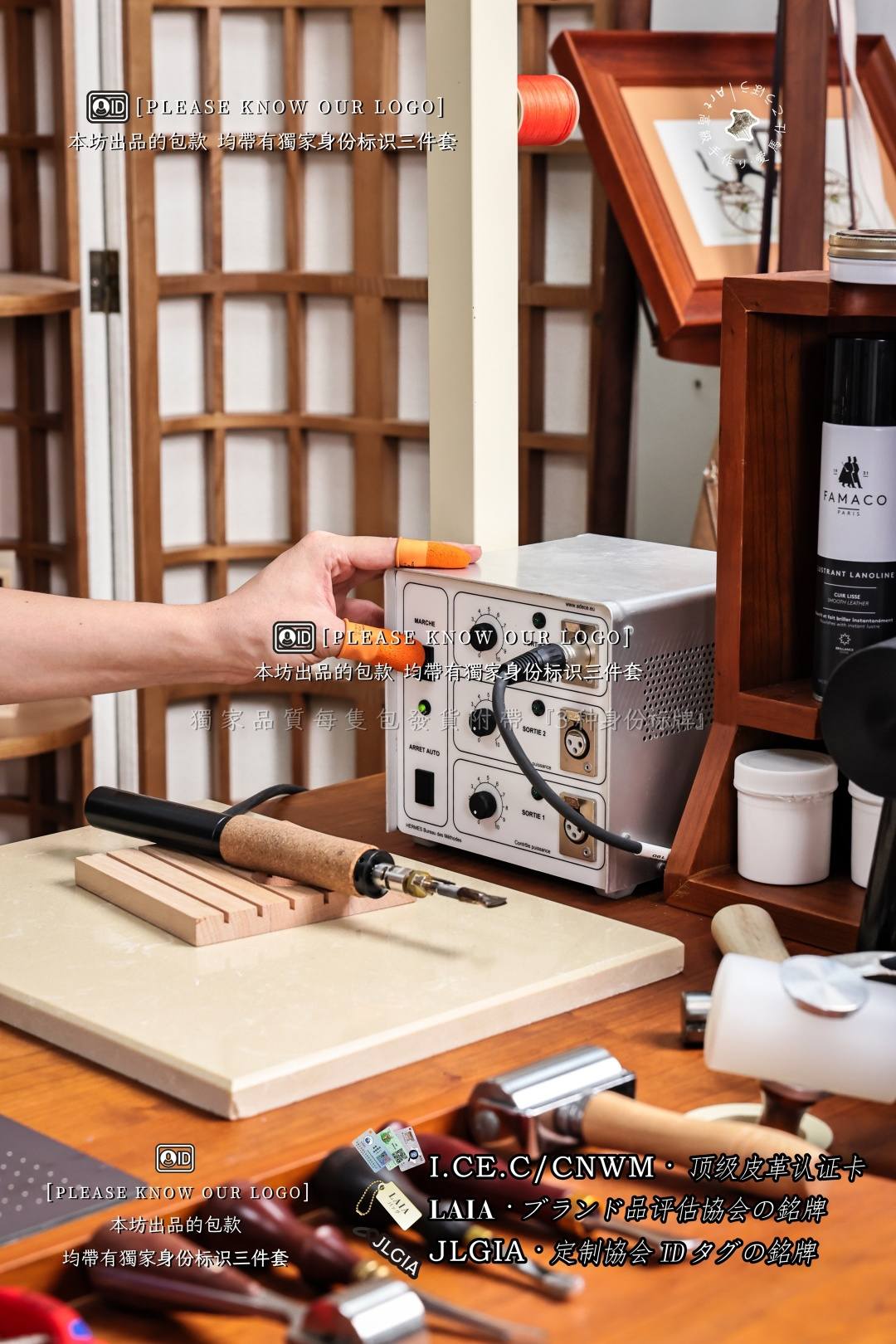
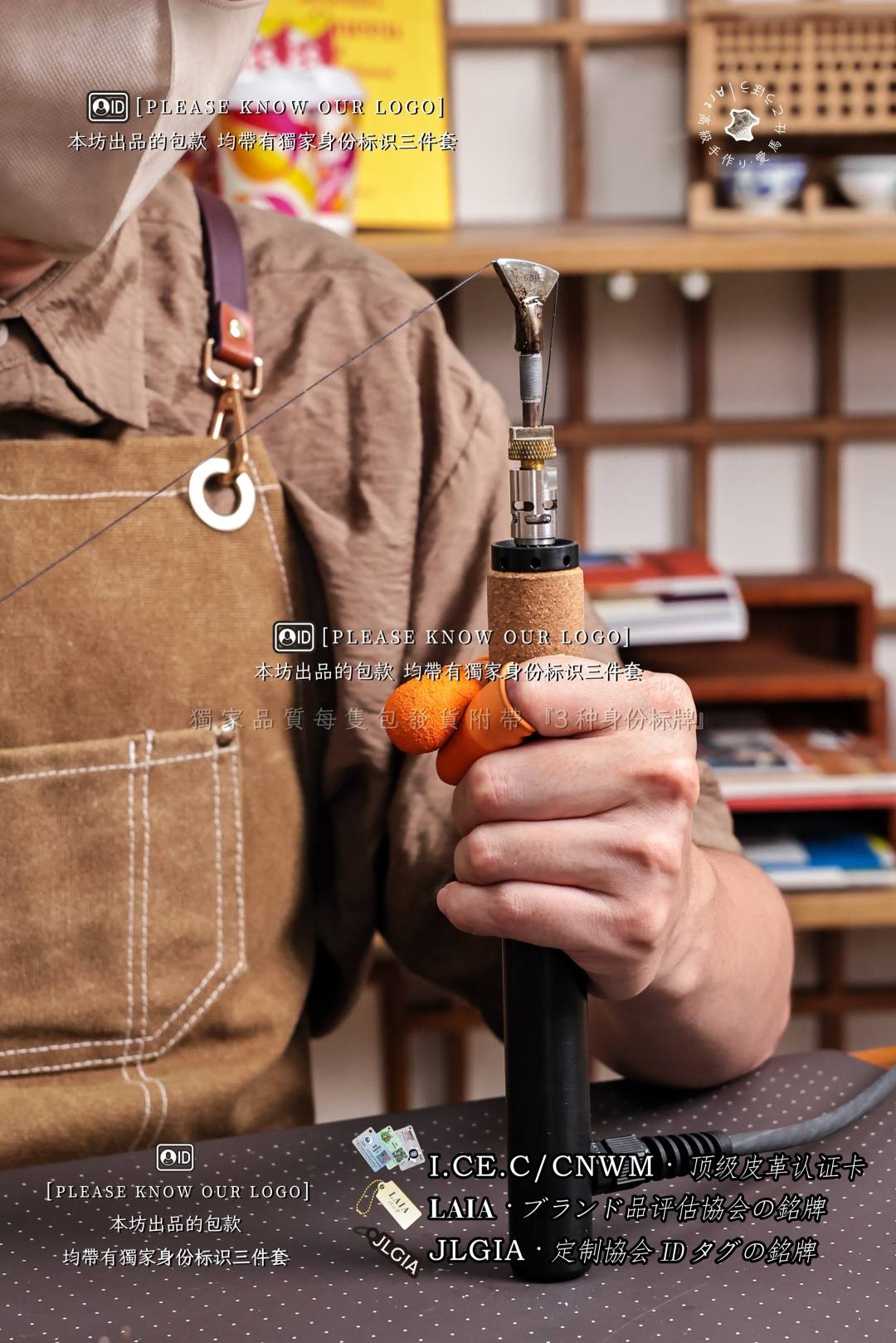
Hot edge grooving, also known as thermal channeling, is performed with a temperature‑controlled professional hot‑edging tool. Artisans calibrate the precise temperature and press a metal tip gently against the leather surface, tracing the sewing path to create a shallow, well‑defined recessed groove. Far more than decorative detail, this channel serves practical purposes. Once sewing is finished, linen threads sit neatly tucked inside the groove instead of protruding above the leather. It minimizes abrasive wear on threads in daily use and greatly extends the service life of the handbag. Meanwhile, heat‑pressed leather delivers crisp, well‑defined contours, lending structure and sharp, clean edges for an understated, premium finish. Temperature control demands seasoned artisan intuition: insufficient heat yields faint grooves, while excessive heat risks scorching fine leather hides.
If hot‑edge grooving lays the track for stitching on leather, linen‑thread waxing gives sewing threads their structural backbone.
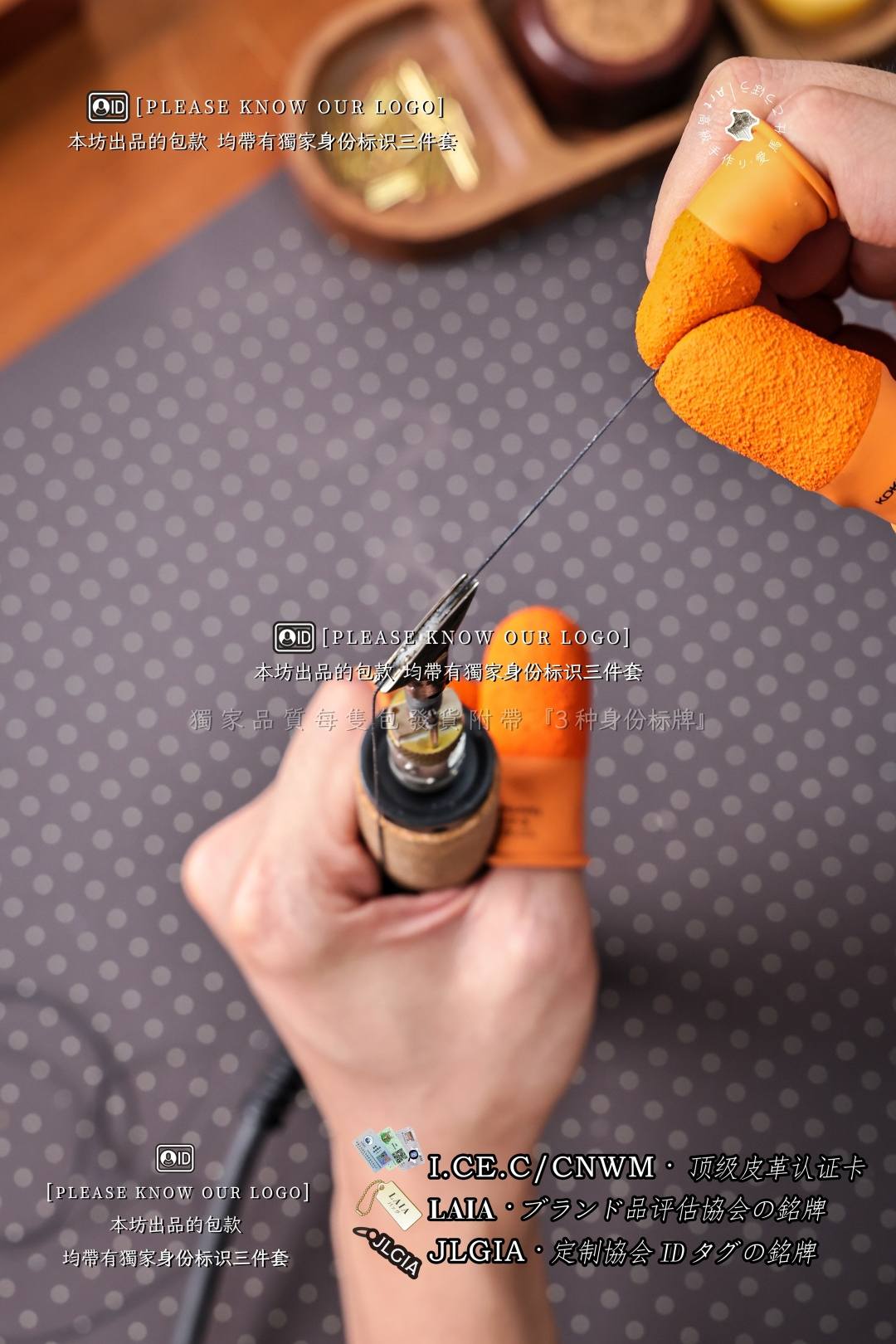
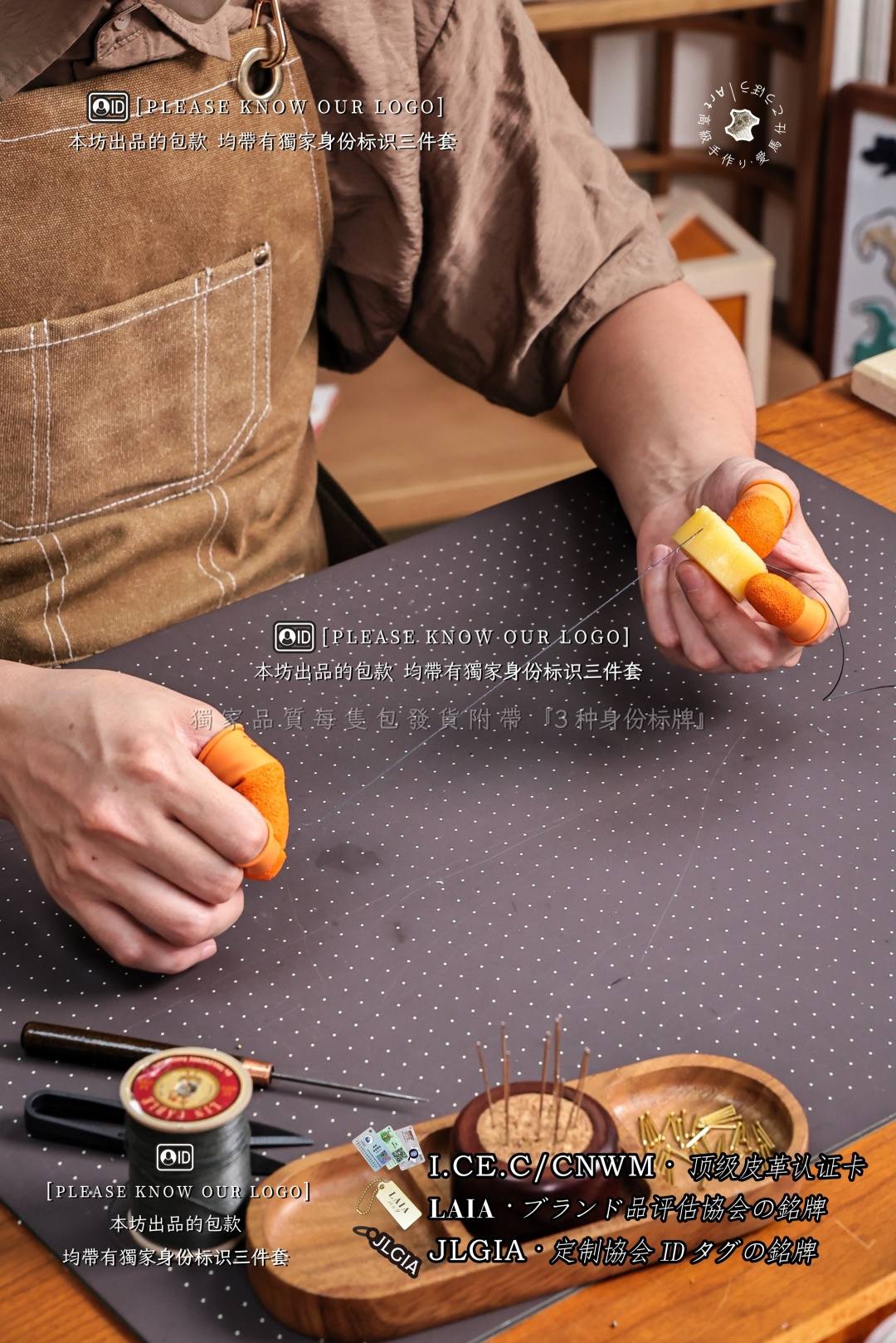
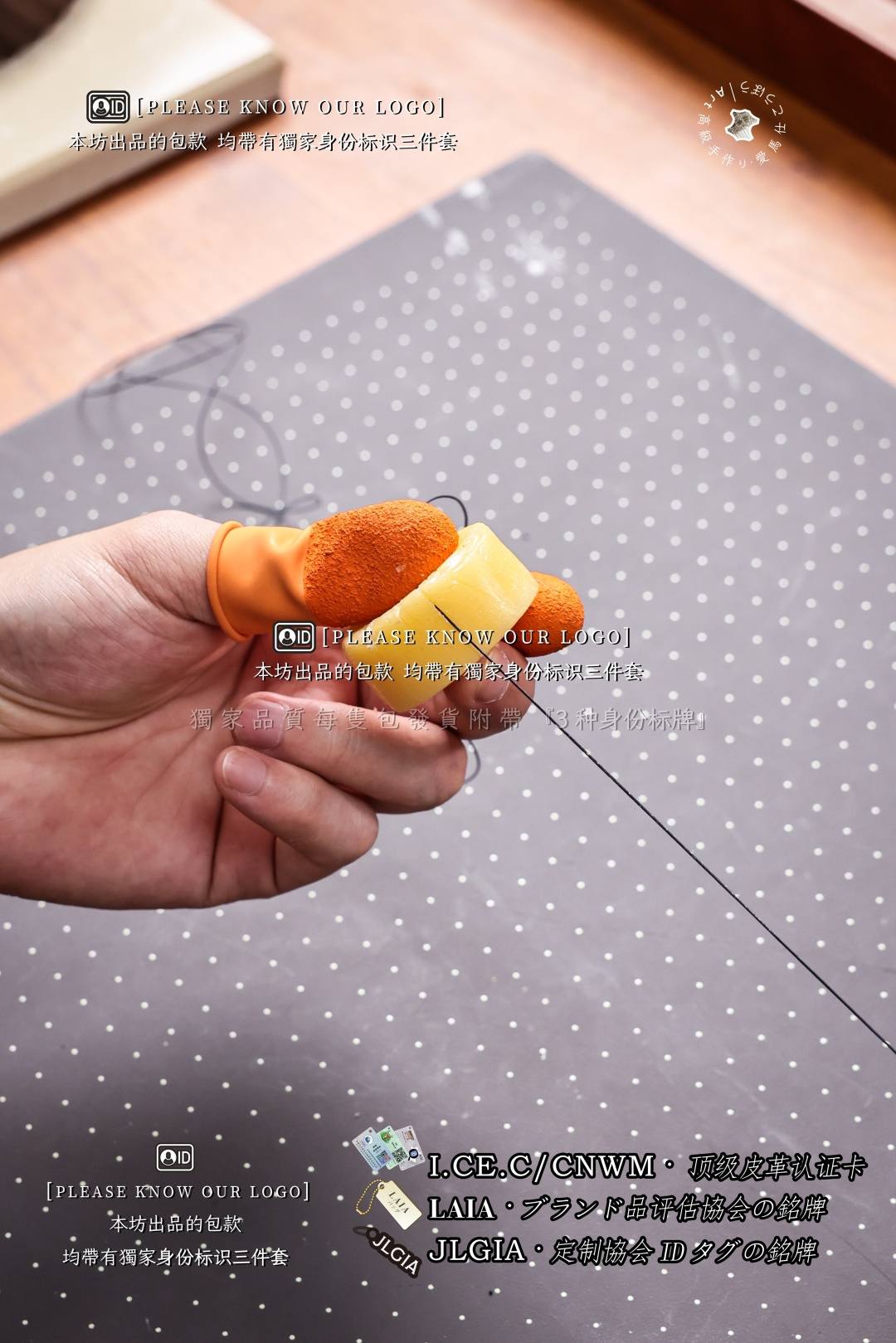
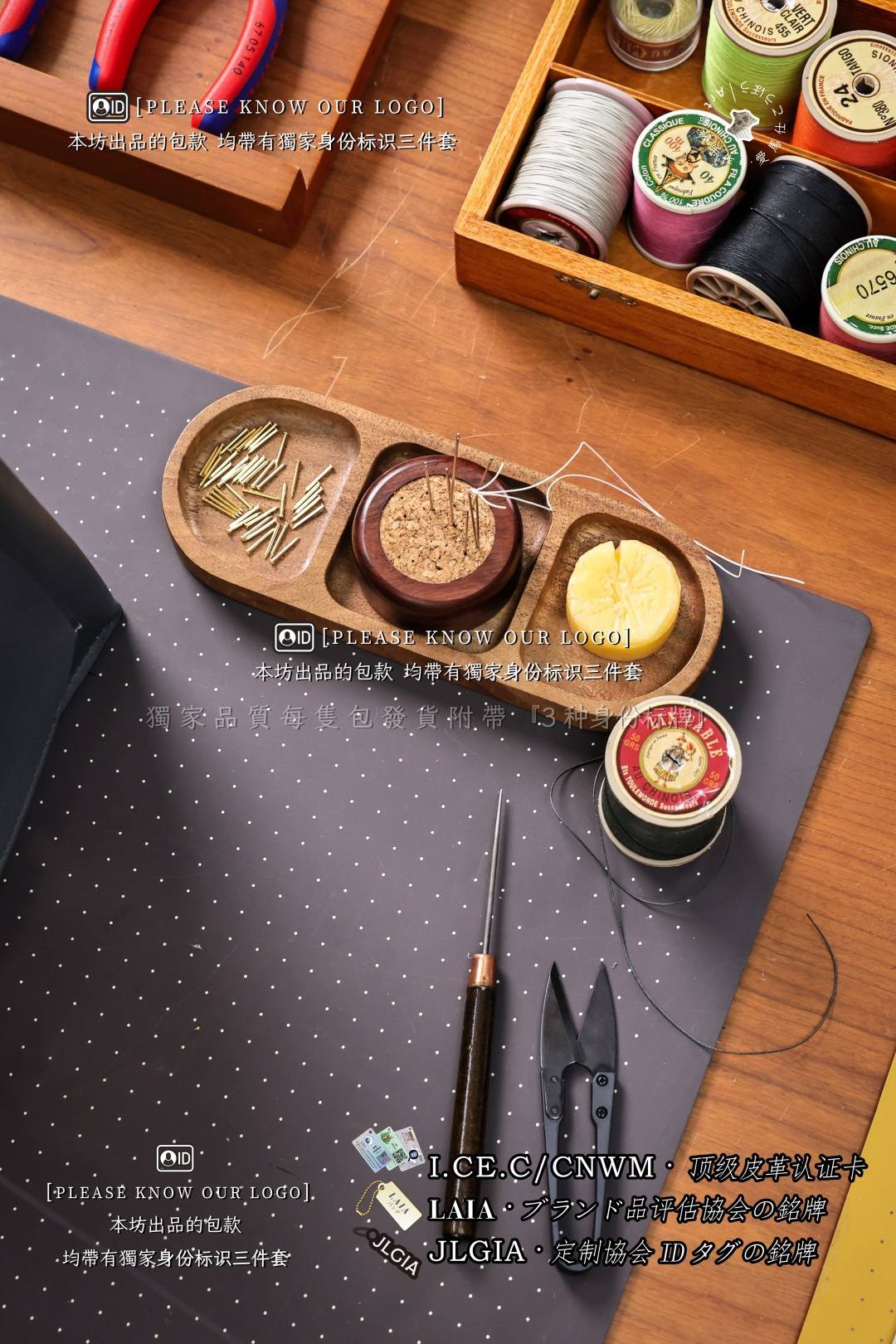
Classic hand‑crafted bags traditionally use natural linen for sewing. Raw linen fibres are soft and loose, prone to fraying and tangling when sewn directly by hand. Artisans take a block of natural beeswax and repeatedly draw the linen thread across its surface, allowing beeswax to evenly coat every individual linen fibre. After wax treatment, the linen thread gains improved physical properties: it becomes rigid and smooth, with fibres locked firmly in place to resist fraying. The natural beeswax also grants stitching moderate moisture and stain resistance.
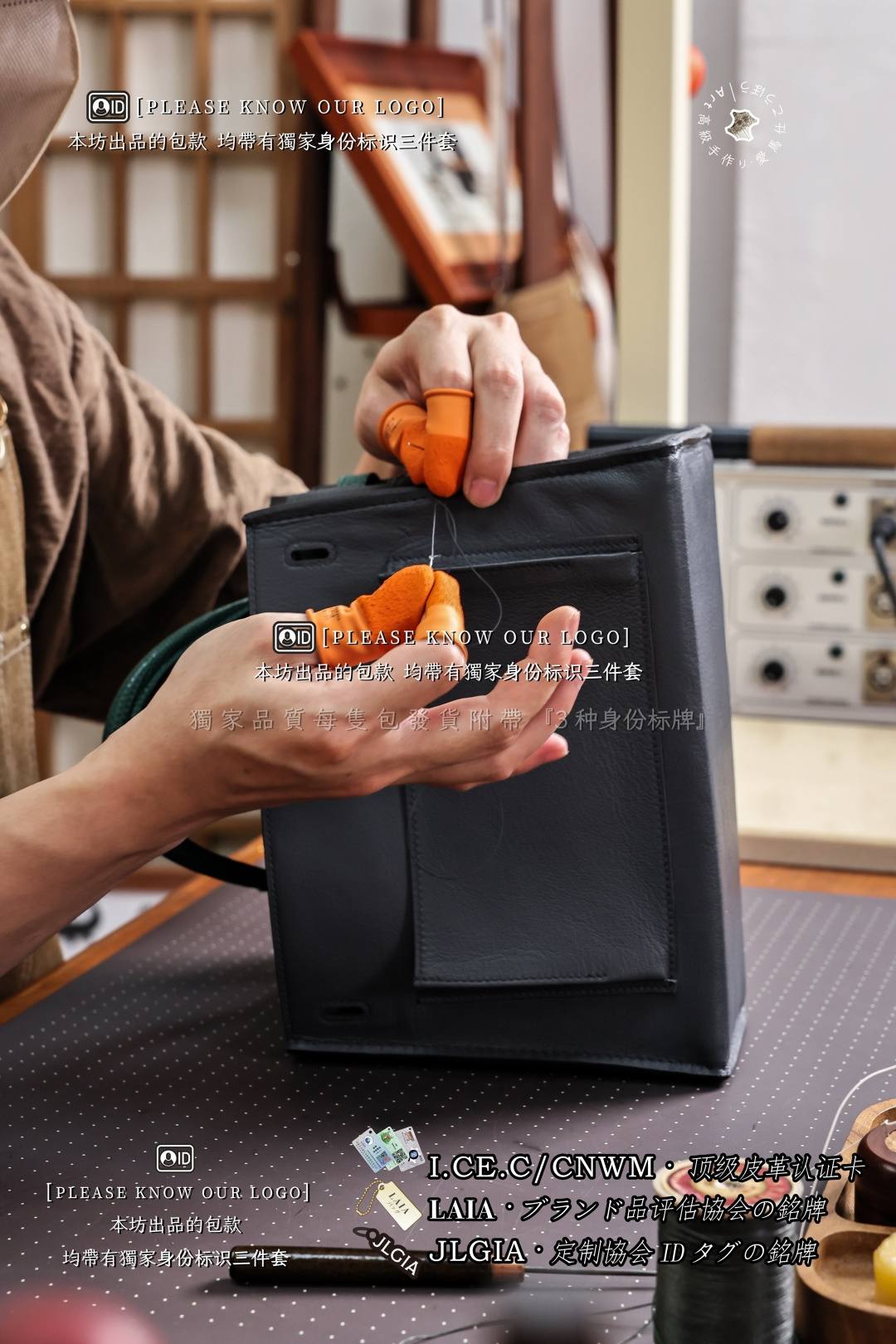
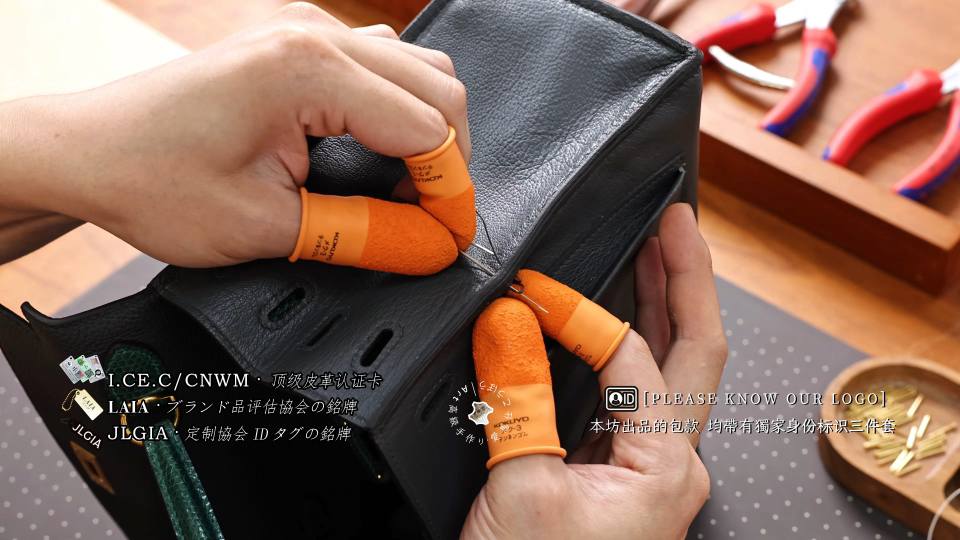
Once wax‑coated linen thread cools and sets, hand‑sewing needles are threaded onto both ends, marking the start of the iconic two‑needle saddle‑stitch technique. Two needles pass alternately through leather to form the signature 45‑degree diagonal stitch pattern. Thanks to prior waxing, every stitch maintains consistent tension, delivering tight, uniform seams that resist loosening or fraying over decades of wear.
These two preparatory crafts complement each other: one works on the leather substrate, the other conditions sewing threads. Mass‑produced factory bags commonly skip thermal grooving and manual waxing, adopting pre‑waxed synthetic threads for high‑speed machine stitching. This boosts efficiency but omits the fine margins of traditional hand craftsmanship.
The true value of hand‑crafted leather goods lies not merely in the form of “hand‑sewing”. It resides in the countless small, painstaking hours artisans invest in conditioning threads and refining leather, building durability and aesthetics deep within every detail. When you run your fingers over smooth, even stitching on a finished bag, beneath it all lie the steady temperature of the hot‑edging machine, the thorough fusion of beeswax and linen fibres, and time‑honoured leather‑crafting traditions.