- 28
- Apr
Shebag handmade Hermes Lindy 26 bag cutting craftmanship review(Apr 2026 updated)
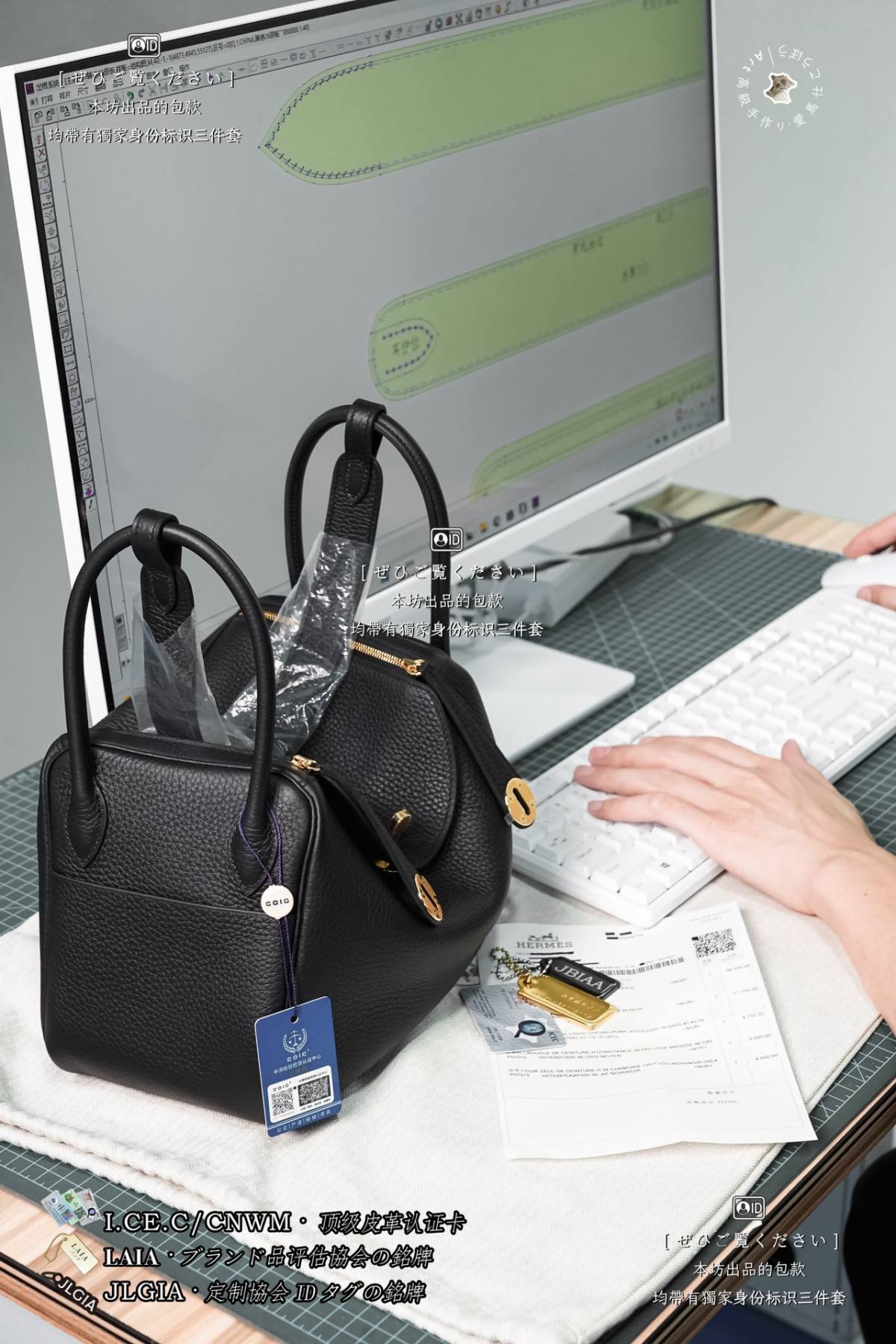
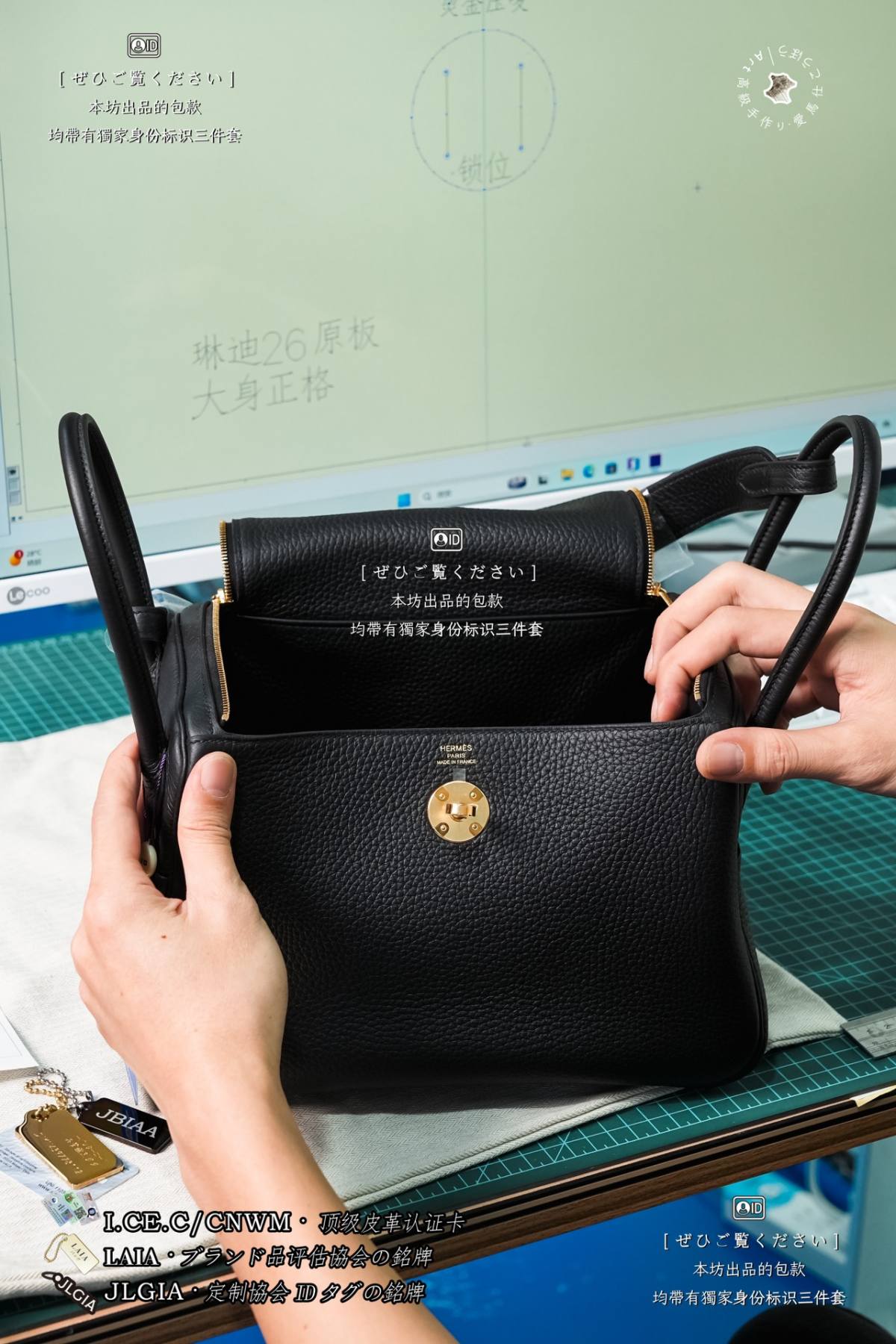
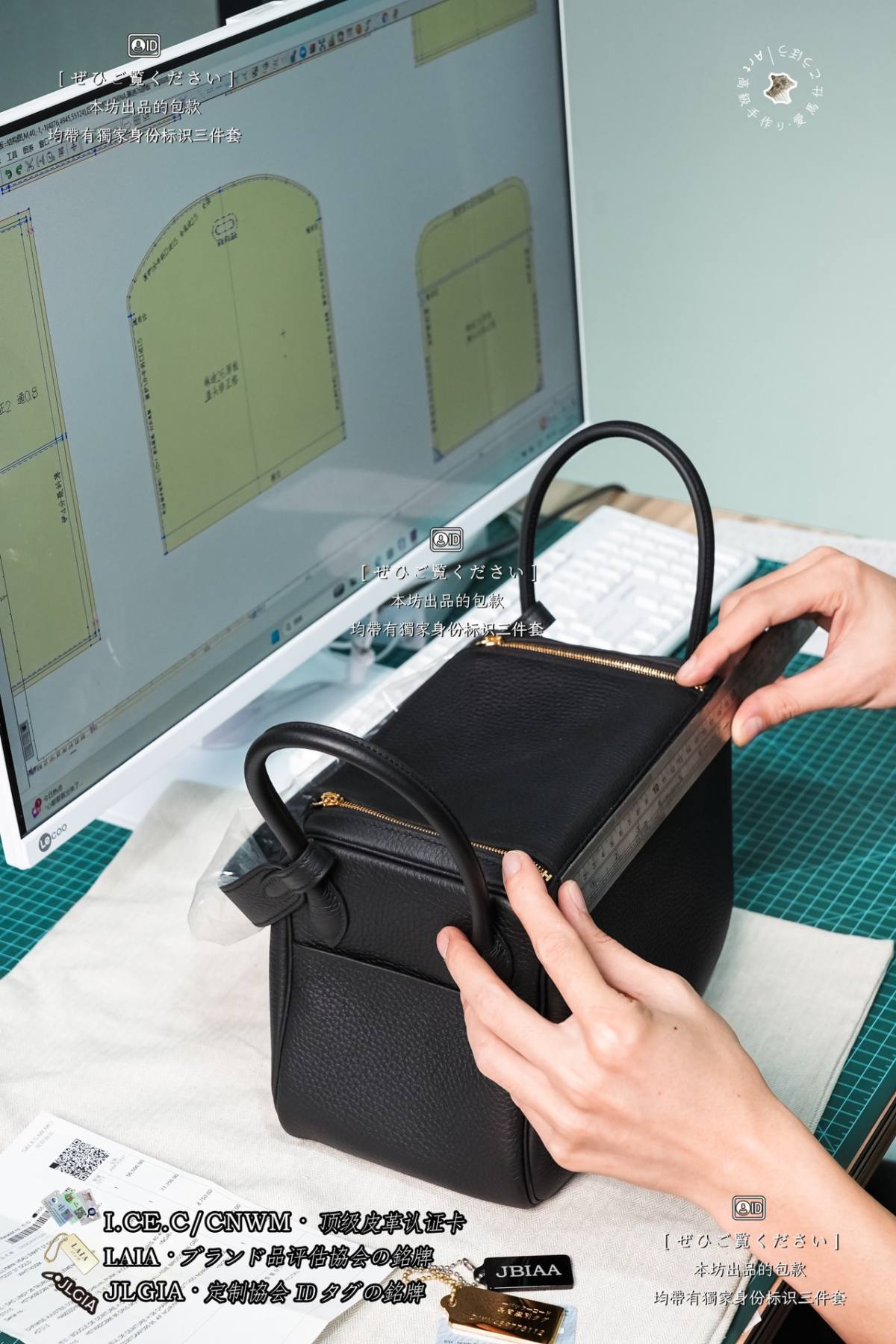
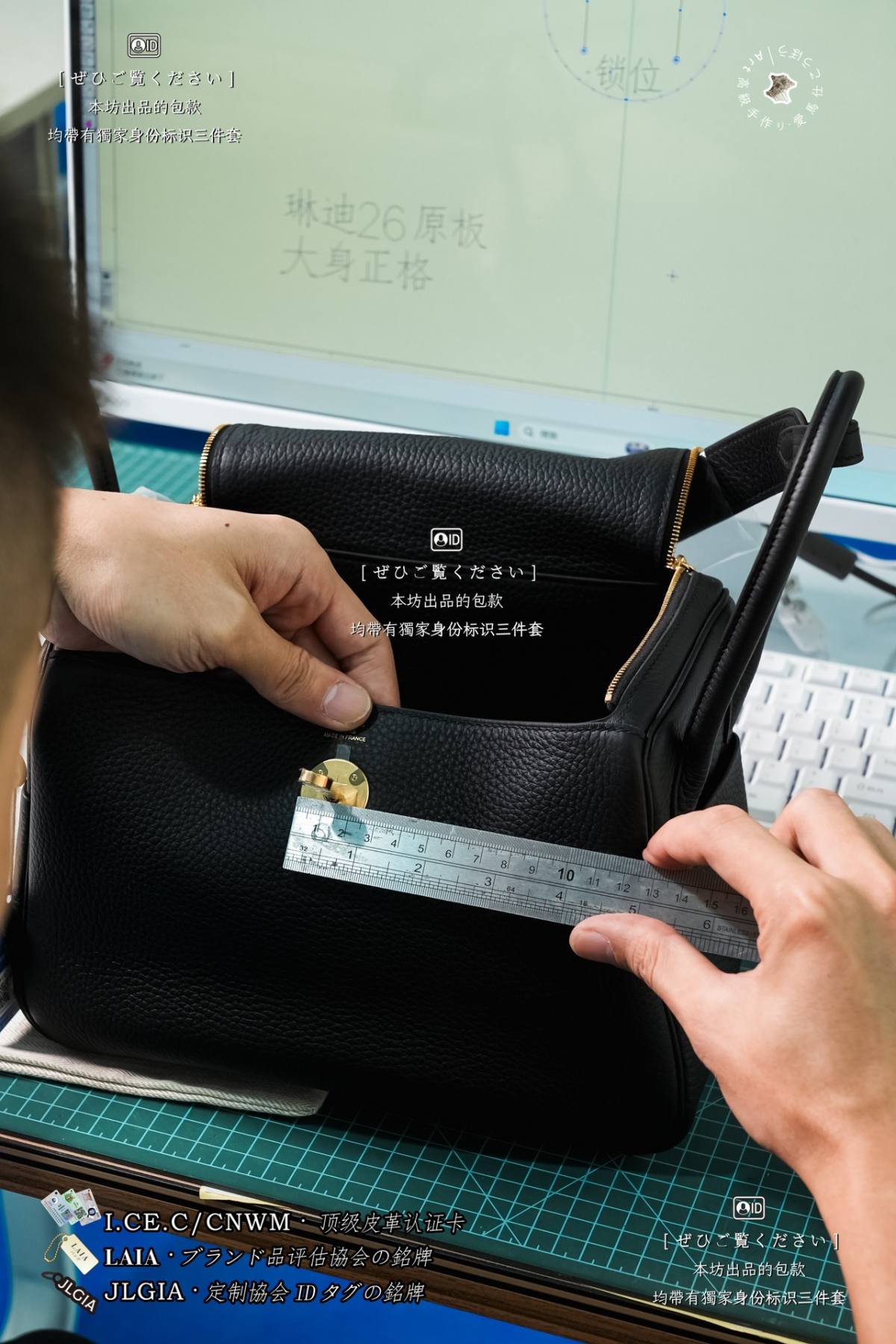
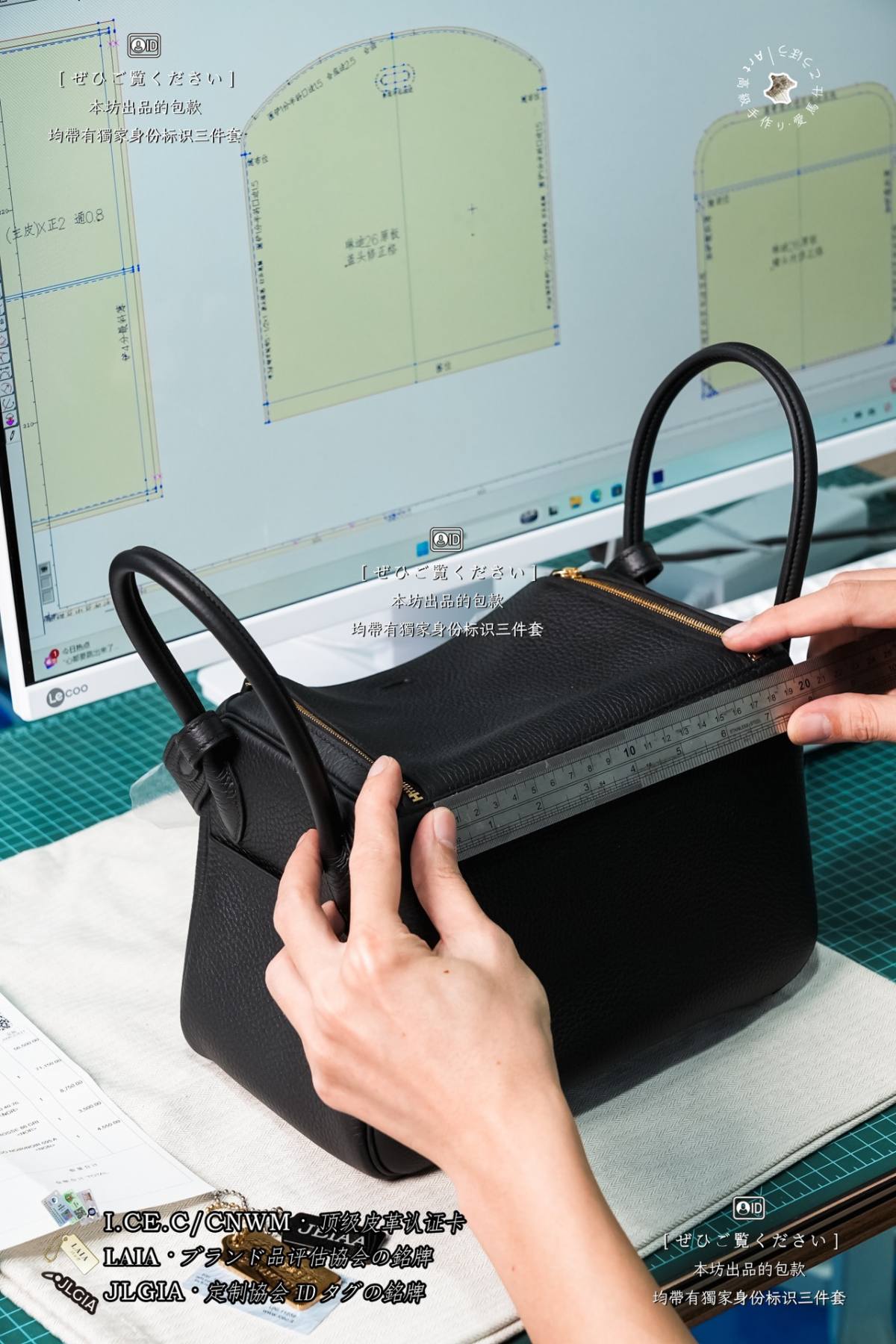
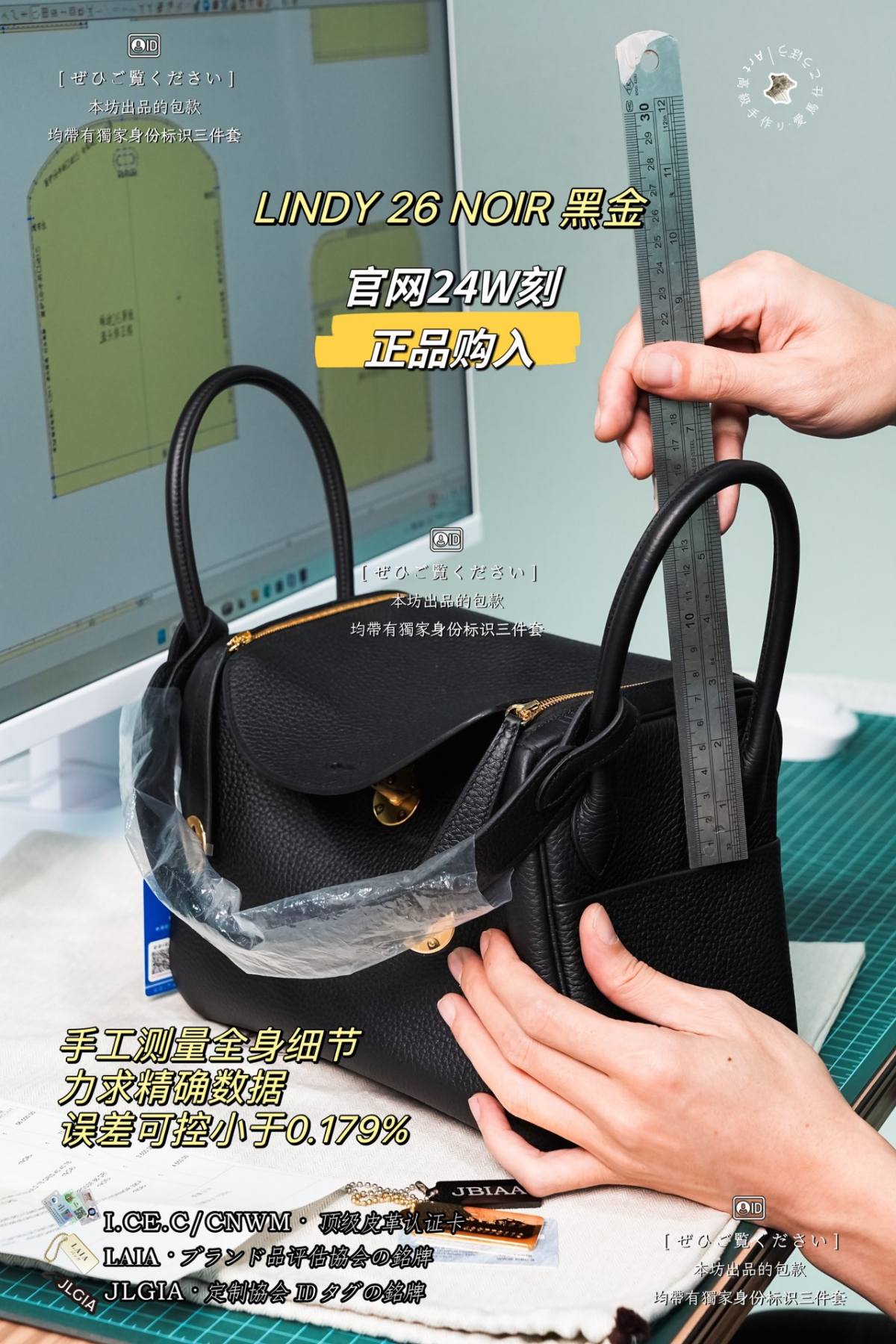
We recently toured the data center of Shebag, where our storage archives house over a decade of pattern cutting data sourced from Hermès. While the core structural specifications of classic handbag models have remained largely consistent over the years, the brand continuously introduces subtle iterative adjustments across details. Each year, we procure authentic original pieces for comprehensive disassembly and in-depth analysis, systematically documenting the latest iterative refinements in Hermès craftsmanship and structural details. This sustained research mechanism underpins Shebag’s capability to deliver high-end replicated pieces with rigorous one-to-one original standard restoration.
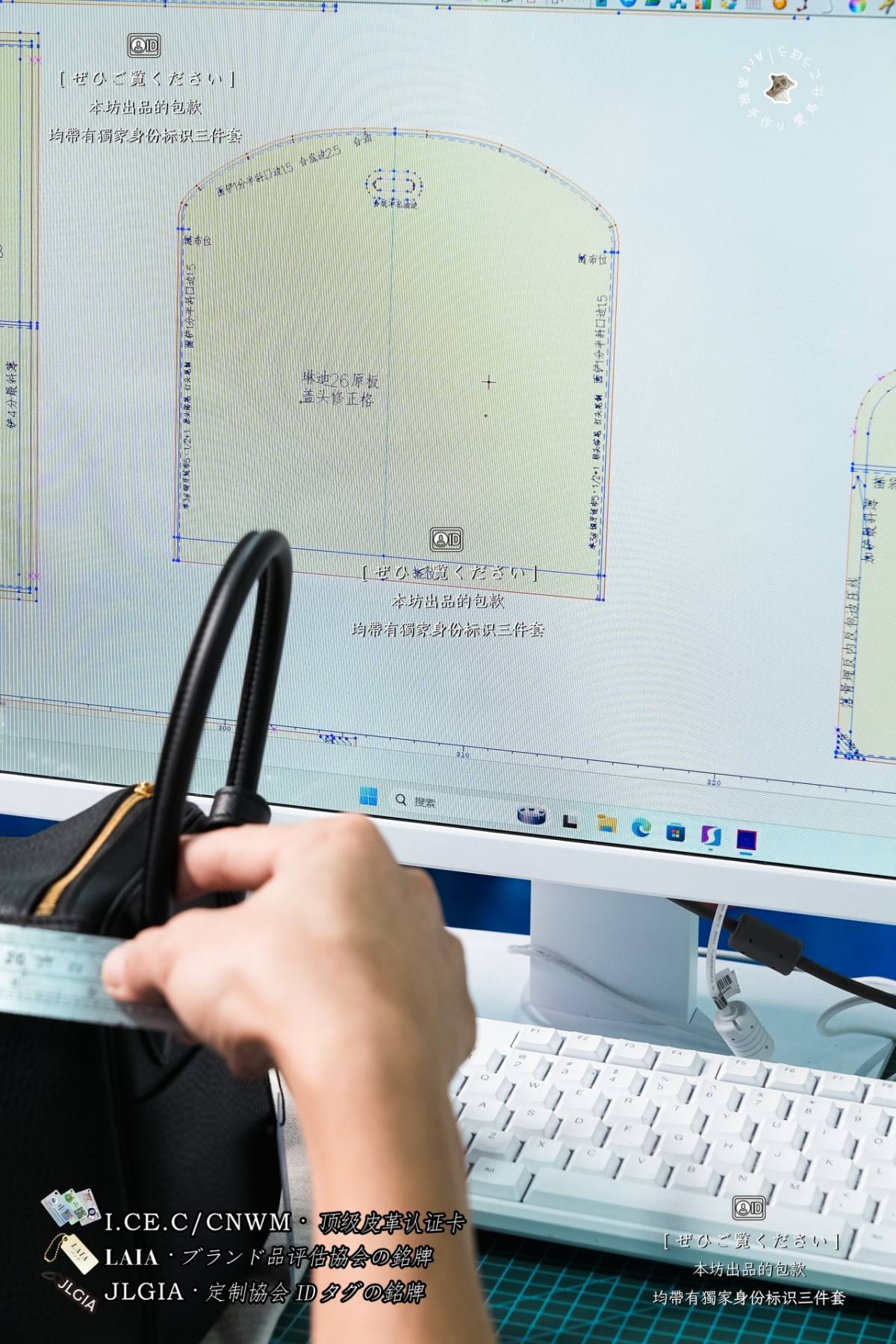
Summarized from ten years of authentic product dissection and technical benchmarking, the core craftsmanship of pattern cutting follows rigorous industrialized standards. All iconic Hermès silhouettes including Lindy, Birkin, Kelly and Constance adopt exclusive integrated pattern development protocols, with standardized curvature, bevel angles and stitching allowance uniformly implemented for every individual cutting piece of the same dimension. Original leather materials undergo precision computer numerical control cutting paired with manual edge trimming, ensuring seamless finishes without rough edges or excessive thinning. Rigid leather variants such as Epsom feature crisp right-angle edge finishing, while soft leathers including TC and Swift adopt smooth transitional edge treatment to avoid rigid, uniform cutting flaws. A core control metric for high-fidelity replication lies in standardized shrinkage reservation for each cutting component, mitigating structural distortion caused by variance in leather hardness and texture.
The brand adopts segmented skiving techniques rather than uniform overall leather thinning to accommodate structural stress and assembly demands. Overlapping stitching sections receive superficial thinning to prevent bulkiness in multi-layer joint areas. Stress-bearing bending zones, including bag openings and handle connection joints, retain original leather thickness to enhance crack resistance and long-term structural stability. Perimeter edge sections undergo precision localized thinning to reserve optimal adhesion space for edge coating treatment, representing one of the most inconspicuous yet critical fine-tuning details refined by Hermès across years of production iteration.
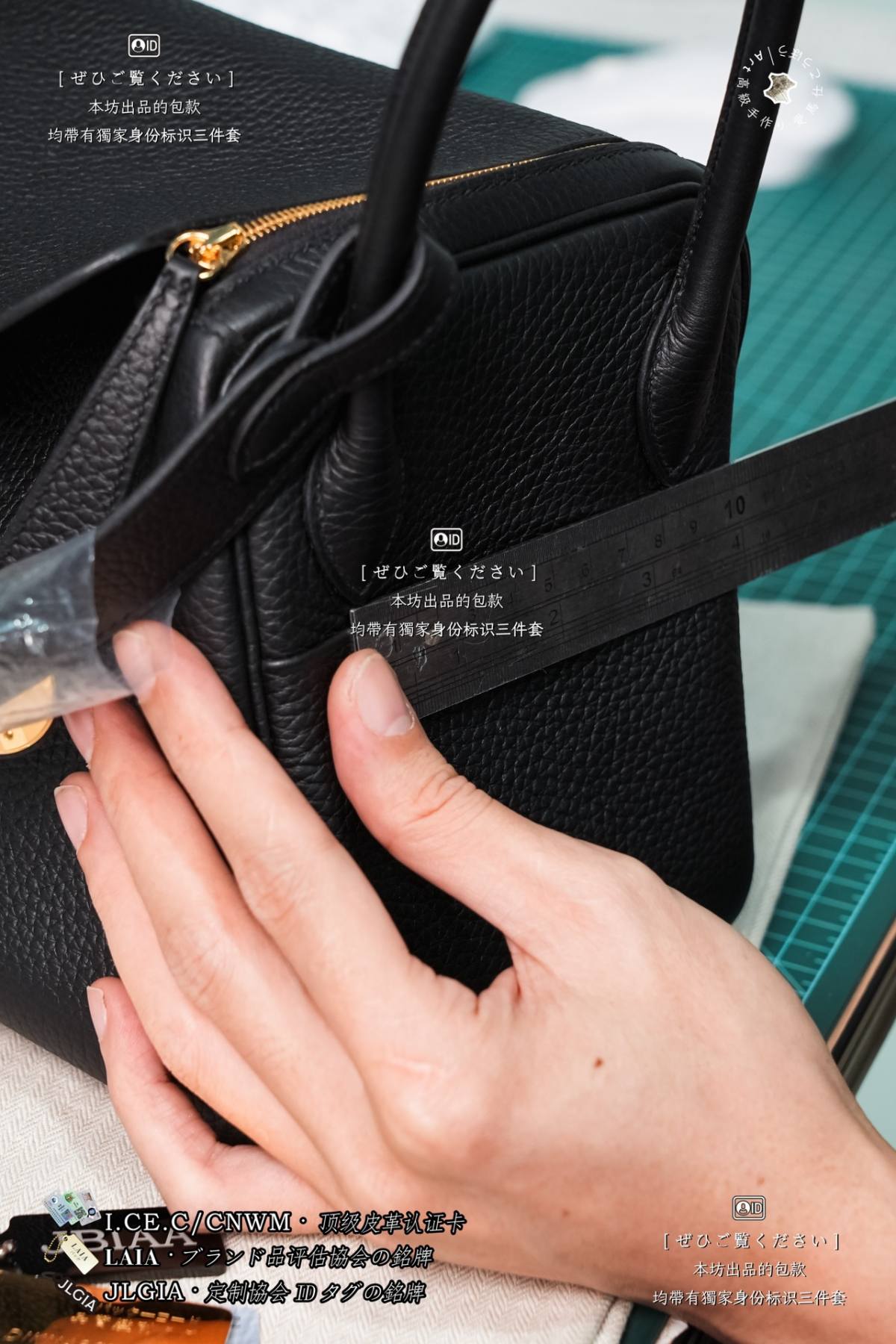
Stitching and hole positioning constitute the definitive differentiators of premium one-to-one craftsmanship replication. All stitching holes are pre-punched prior to sewing instead of being pierced directly by needles during production. The spacing and depth of perforations maintain extreme uniformity within segmented areas, with linear sections adopting equidistant arrangement and curved surfaces implementing gradual spacing adjustment to adapt to curved surface tension distribution. Each perforation boasts smooth inner walls free of surface cracking or edge rupture, with calibrated aperture dimensions perfectly matched to the gauge of original factory waxed threads to prevent oversized openings and edge deformation. Annual subtle brand adjustments often involve fine-tuning the quantity of perforations at corners and segmented joints, modifications imperceptible to ordinary observation yet decisive to overall stitching flatness and structural consistency.
All sewing procedures utilize traditional saddle double-needle diagonal stitching with a fixed 45-degree angle, delivering symmetrical stitch presentation on both interior and exterior surfaces. Stitch density is strategically zoned and calibrated, with reinforced dense stitching applied to high-load areas such as handholds and side seams, alongside standard spacing for decorative flat panels. Premium original factory waxed threads undergo pre-wax conditioning for structural shaping, delivering taut, consistent stitching without loose lines, skipped stitches or floating threads at turning points. Cross joint stitching maintains layered alignment with zero positional deviation across interconnected cutting components.
Sharp corners and curved transitions incorporate concealed stitching termination techniques, with perforation layouts arranged symmetrically around angular transition points. At multi-component splicing joints, engaging allowance and hole positioning achieve precise one-to-one correspondence, effectively eliminating common defects prevalent in conventional replica production such as misaligned perforations, skewed stitching and uneven bulging at joint connections.
Long-term minor brand iteration mechanisms necessitate continuous database optimization and technical updating at Shebag. The same product style undergoes annual calibration on corner perforation counts and corner stitch quantities. Fluctuations in original leather thickness across production batches drive synchronized adjustment of skiving depth and cutting allowance parameters. Incremental revisions to wax formula hardness and thread thickness specifications also require corresponding recalibration of perforation dimensions and stitching tension control standards to sustain long-term alignment with the brand’s evolving original craftsmanship benchmarks.