- 06
- May
Shebag handmade Hermes bag hardware Pearling craftmanship review(May 2026 updated)
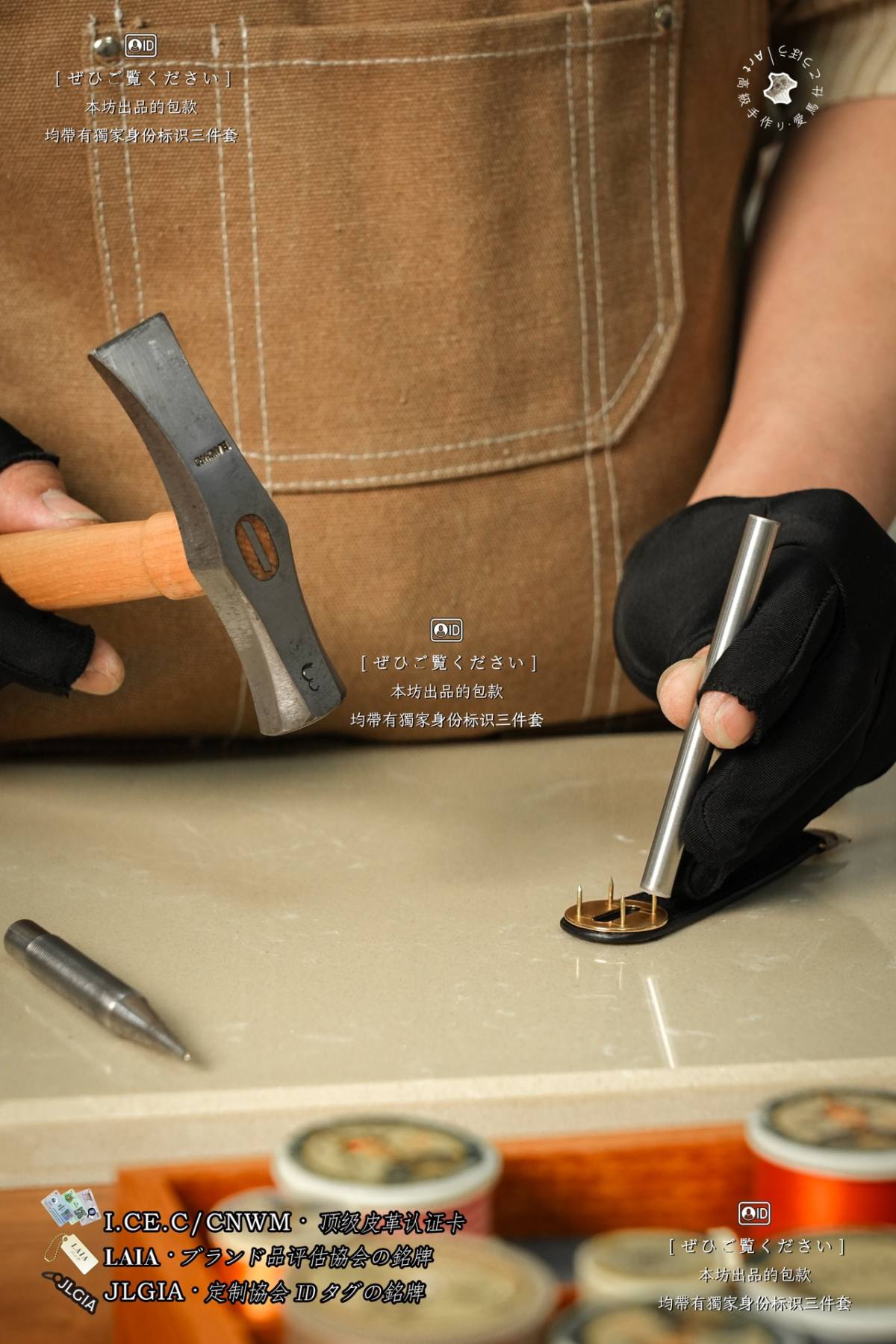
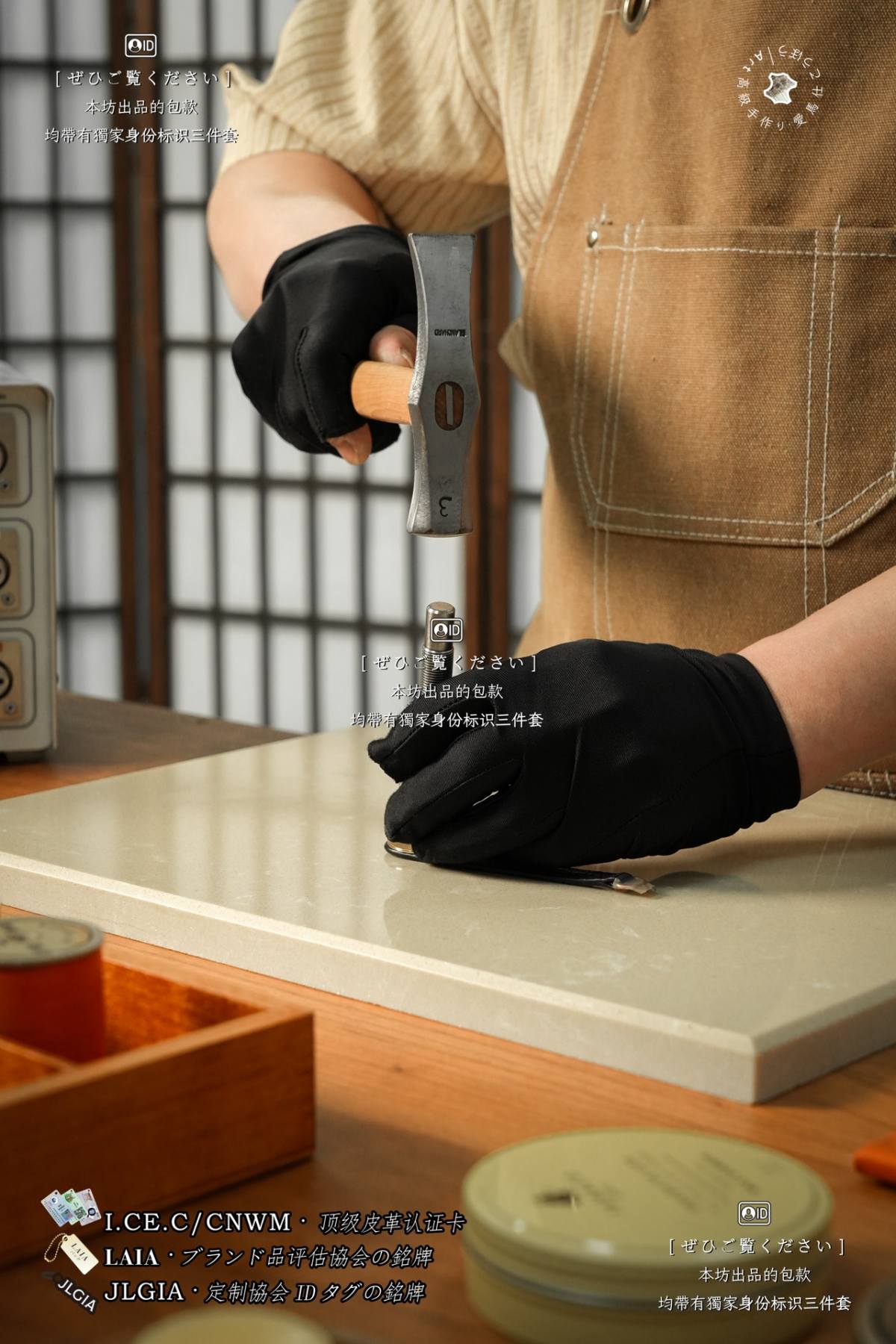
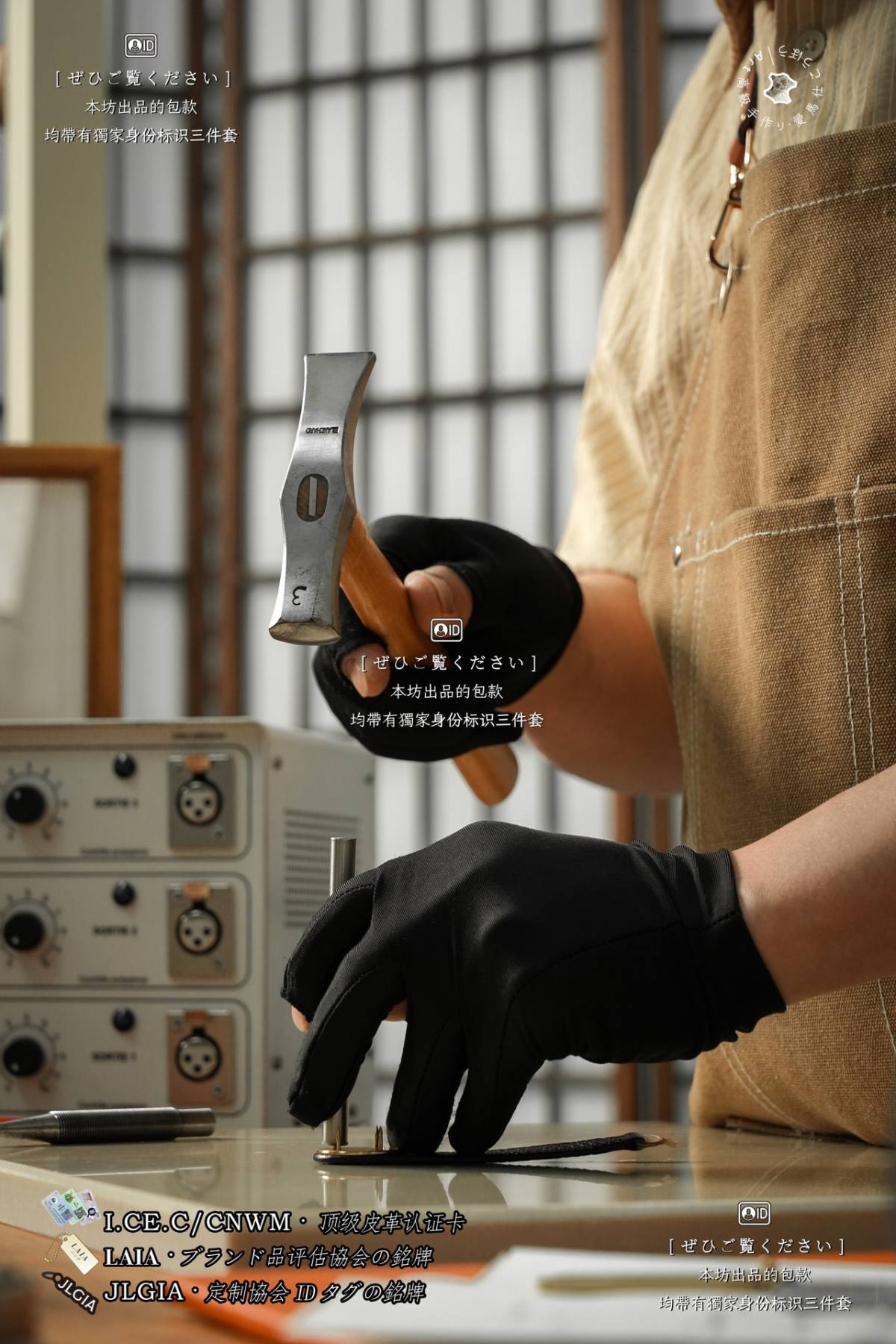
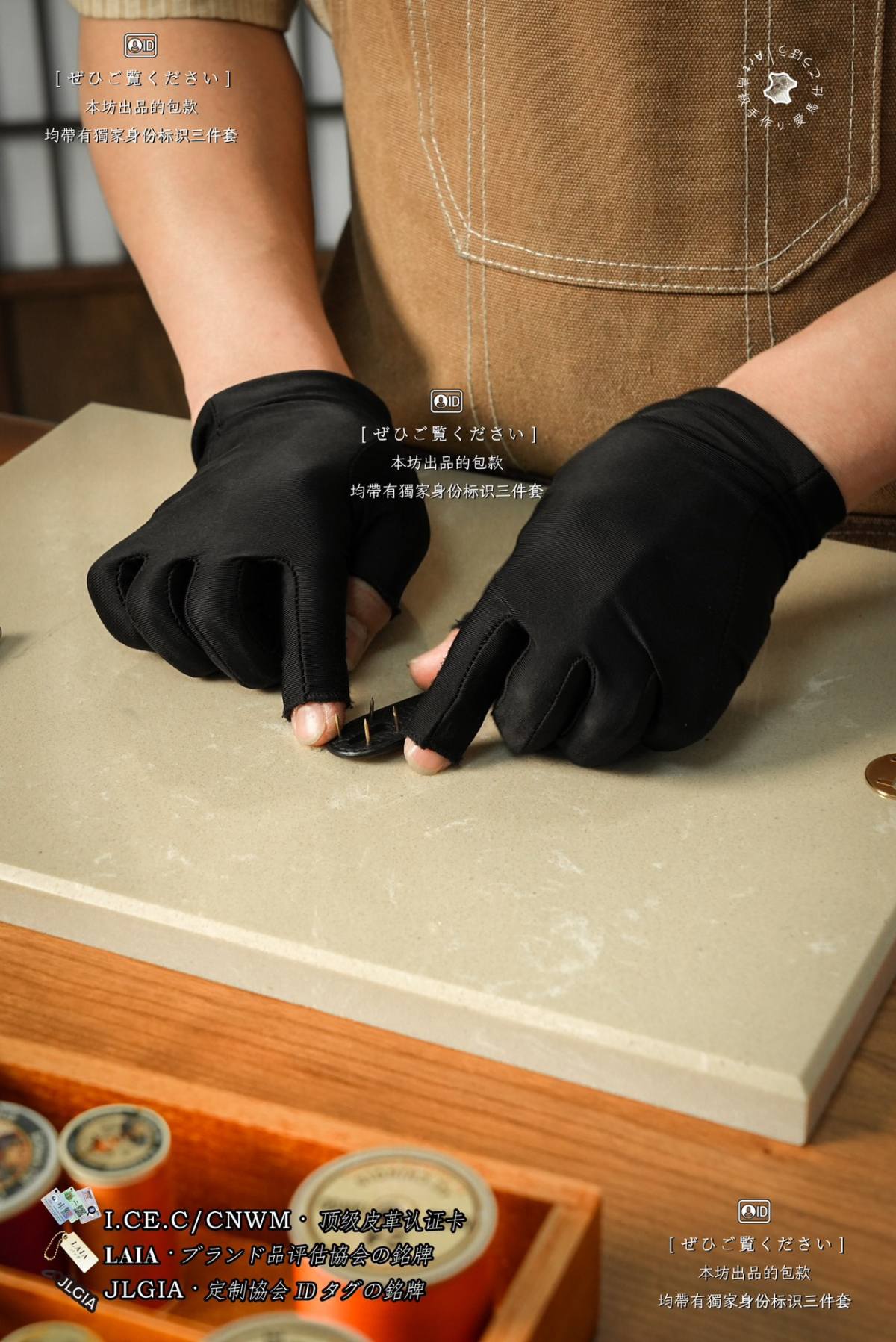
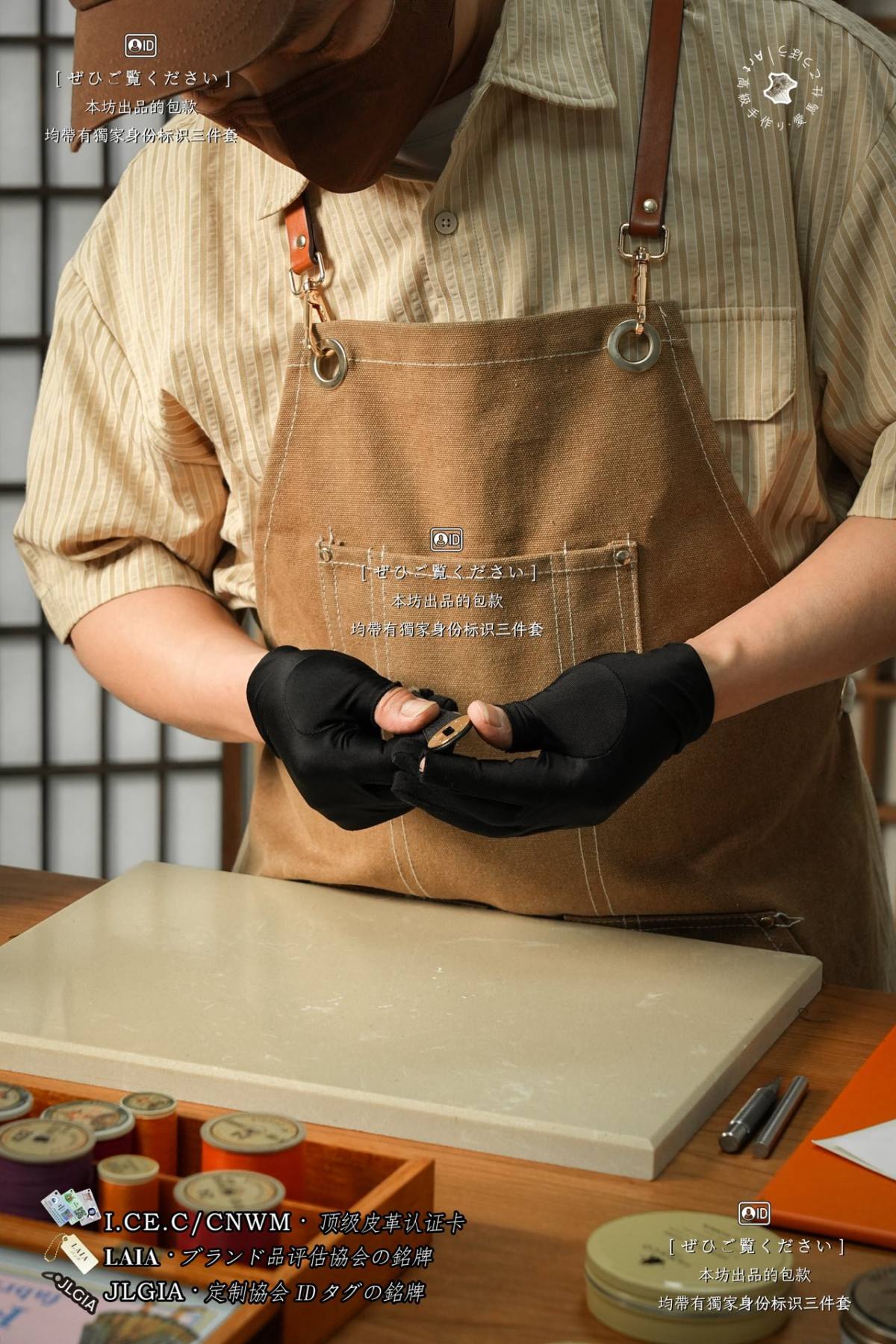
Today’s technical review focuses on the hardware studding craftsmanship implemented within the Shebag artisanal workshop. Discerning practitioners may readily identify the hardware set featured here as the gold-finished fitting configured for the Hermès Lindy 26, secured by four hand-driven studs whose installation rigorously tests the technical proficiency of seasoned craftsmen. Though appearing as a minor procedural detail, the hardware studding process encompasses an extensive array of nuanced technical specifications and execution disciplines.
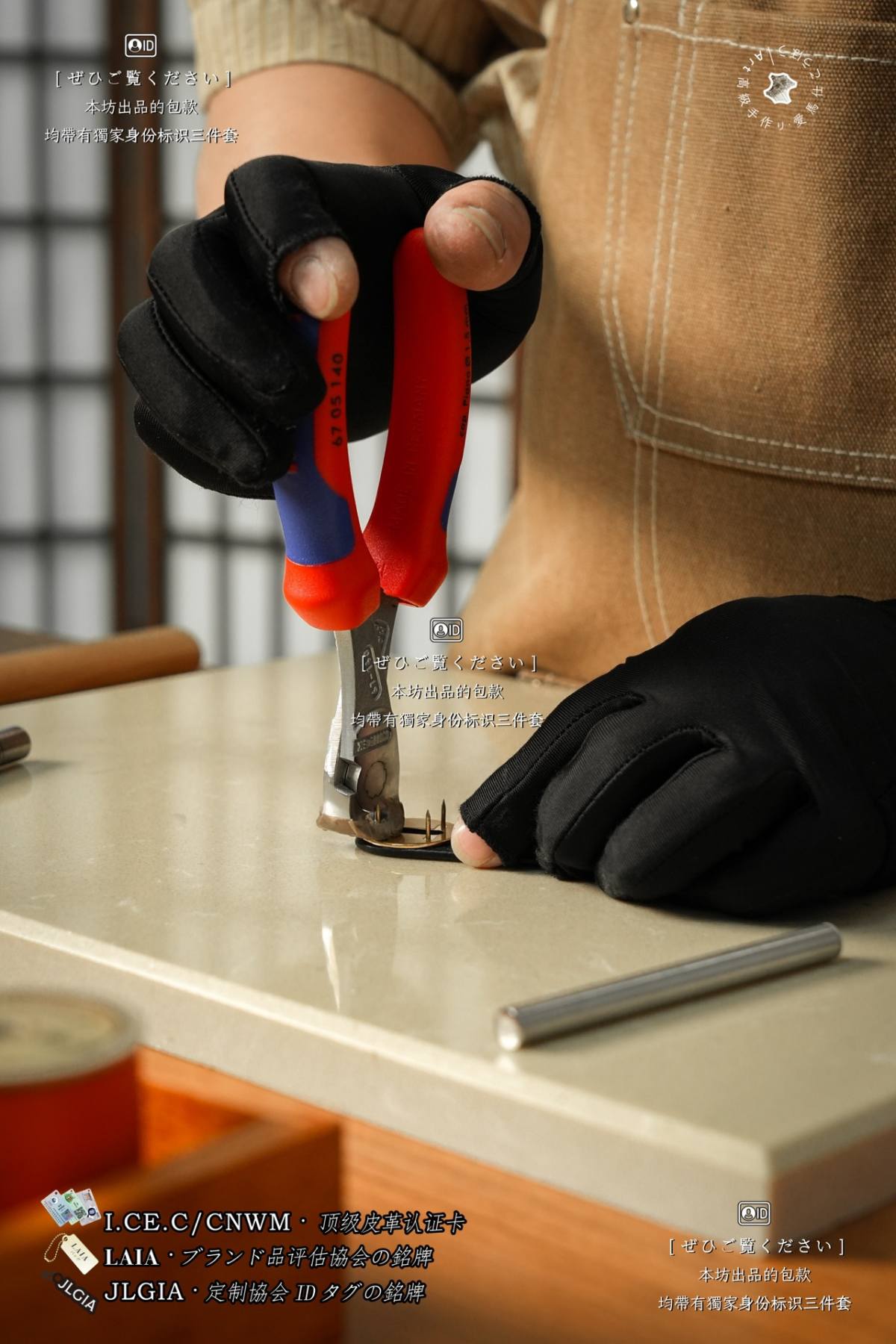
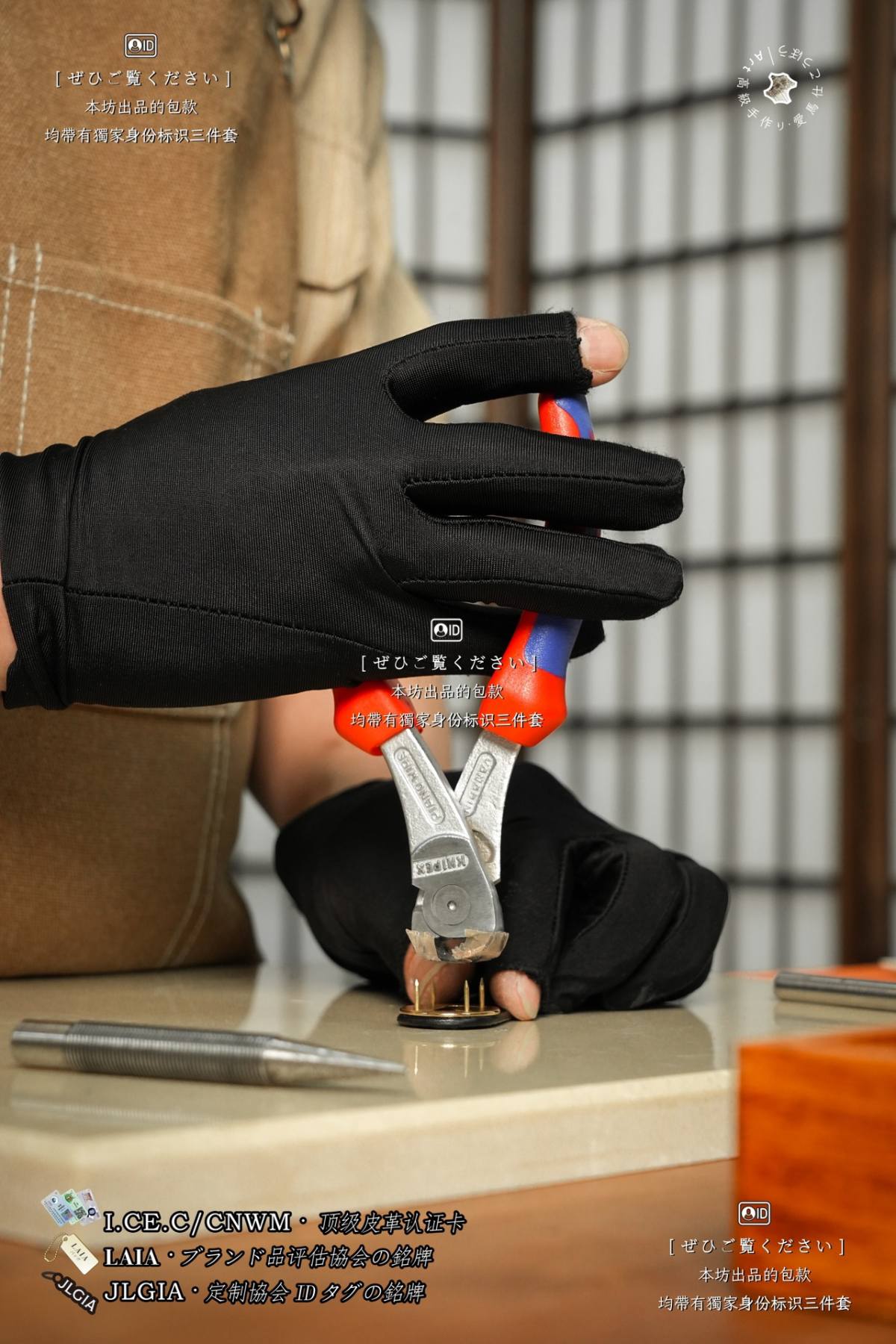
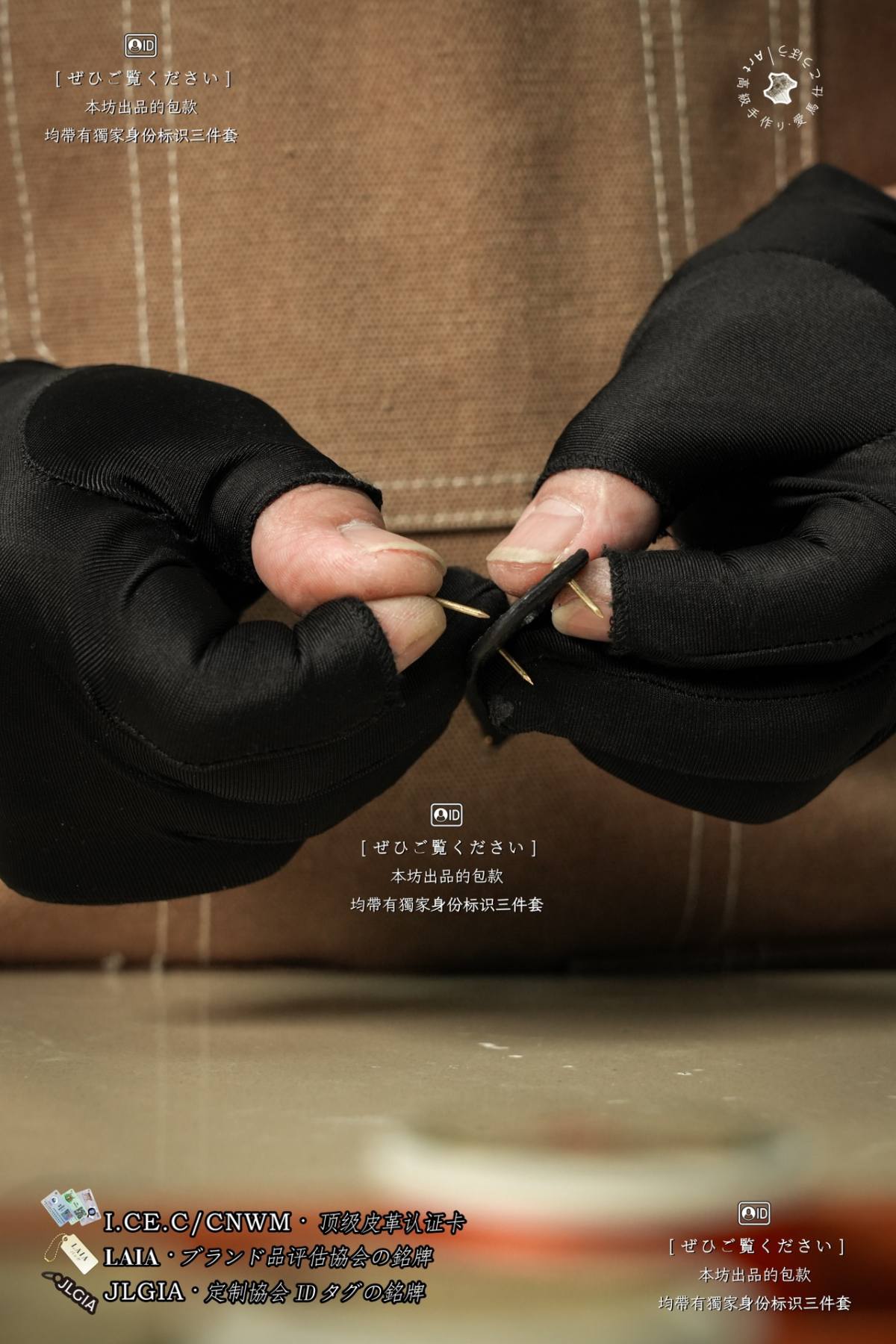
The craftsmanship is predicated on the application of monolithic solid copper-nickel alloy studs, manufactured without welding joints, segment splicing or threaded screw structures. Each stud penetrates the combined leather substrate and hardware base assembly, followed by bilateral manual forging and edge closing. The protruding stud terminals are precision hammered into smooth rounded pearl-shaped crowns via traditional Perlage finishing, delivering enduring structural stability, abrasion resistance against garment contact, and permanent fastener retention without detachment.
Raw material specification represents a foundational control dimension throughout the process. Original factory grade components adopt high-purity copper-nickel alloy or solid cupronickel round studs, featuring superior hardness capacity, structural rigidity against deformation and robust oxidation resistance. For replication production, standard iron studs, hollow-profile studs and galvanized fasteners are strictly precluded due to inherent vulnerabilities including corrosion tendency and structural fracturing under forging pressure. Standard stud diameters are categorized into calibrated grades, engineered to match the internal aperture dimensions of hardware fittings for Birkin, Kelly and Lindy product lines. Dimensional tolerance must maintain zero clearance with hardware inner bores, as over-sizing risks aperture expansion while under-sizing induces assembly looseness. Protrusion length reservation follows stringent margin standards for the segment extending beyond the leather surface; excessive exposure causes perimeter fracturing during hammering, whereas insufficient projection precludes proper pearl crown formation, with experienced artisans relying on refined tactile judgment to maintain optimal dimensional allowance.
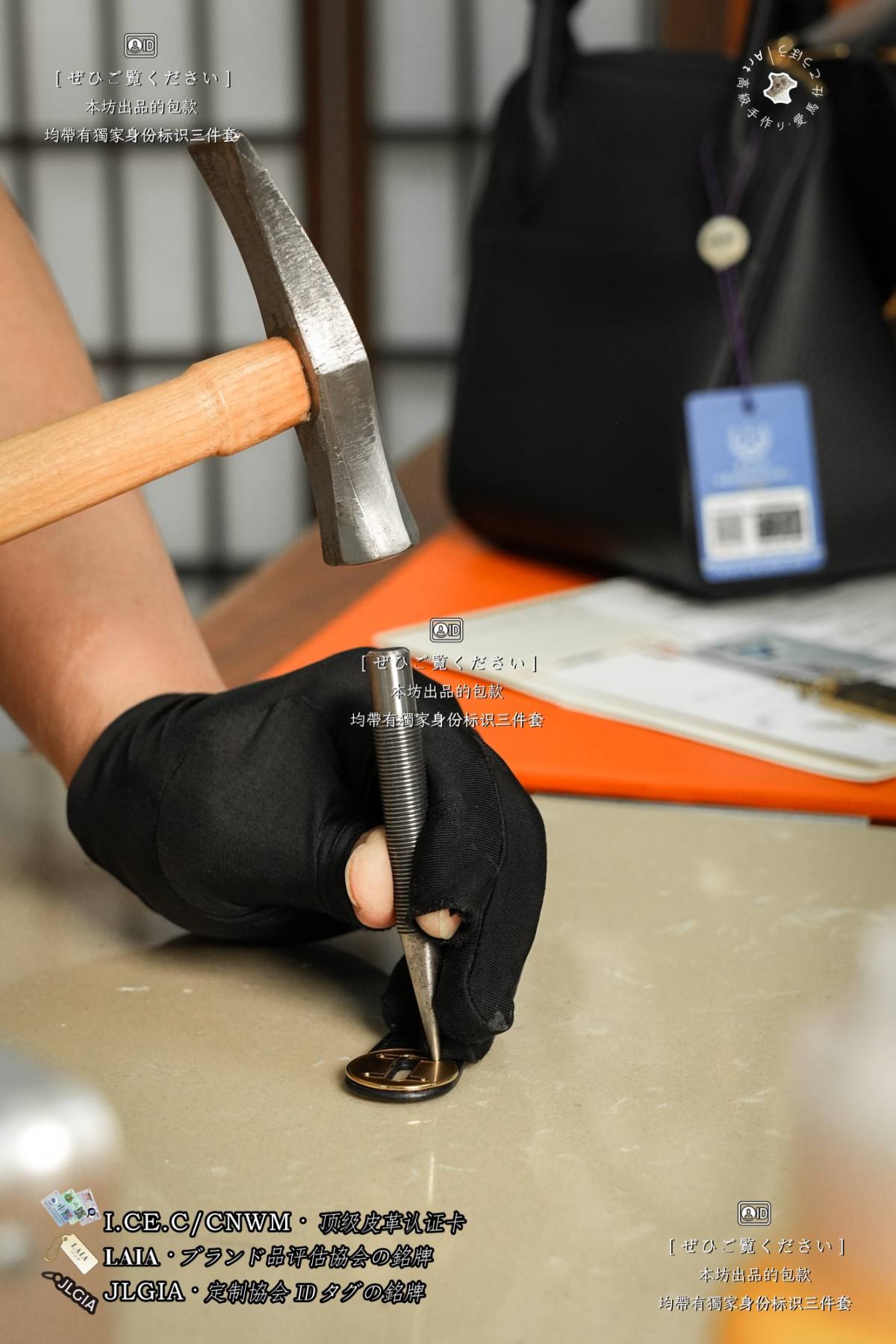
Precision hole alignment and perforation methodology constitute critical procedural details. Leather perforation is exclusively executed using cylindrical punch tools in strictly vertical orientation, ensuring centered aperture positioning, burr-free edges and controlled dimensional consistency. Angled perforation inevitably results in stud misalignment and uneven sealing gaps between hardware and leather surfaces. Hardware base groove structures must achieve precise flush alignment with marked positioning points on the leather panel, with stud insertion conducted only after full positional calibration. Forced prying or compressive installation is prohibited, as such practices induce leather surface wrinkling and hardware displacement. Laminated multi-layer leather sections require thorough compaction to eliminate internal voids, as residual clearance invariably leads to structural loosening during prolonged service cycles.
The on-site execution workflow for manual studding follows standardized operational motions and core technical disciplines. Monolithic studs are inserted for full vertical penetration, maintaining perfect axial alignment with complete wall contact within perforations. A polished steel anvil or solid cowhide padding is deployed as supportive backing beneath the assembly, eliminating unsupported hammering conditions that risk leather edge cracking and texture compression deformation. Initial forming proceeds with controlled tapping using round-headed small hammers, incrementally upsetting the exposed stud column to establish fixed positioning without lateral displacement, avoiding immediate heavy impact force. The Perlage defining finishing stage employs spherical punch tools for uniform rotational forging, shaping stud terminals into full natural arc pearl crowns with consistent curvature, rejecting flattened profiles, sharp points or angular irregularities. Finished stud crowns are marginally recessed below the hardware plane to eliminate protrusive contact and abrasion risks. Uniformity in stud crown dimension, curvature contour and reflective surface texture across all fasteners on a single piece serves as the primary differentiator between authentic artisanal execution and mechanized mass production.
Quality assurance benchmarks for craftsmanship validation, applicable for both authentication assessment and production standardization, cover multiple evaluation dimensions. In terms of stud crown morphology, authentic artisanal work exhibits smooth pearl spherical surfaces with refined texture continuity, free of angular distortion and edge chipping. Mechanized or substandard craftsmanship typically presents flattened profiles, sharp terminals, structural cracking and inconsistent sizing. Regarding peripheral leather condition, premium execution maintains flat unblemished surfaces surrounding perforations without bulging, indentation stress marks or whitened perimeter fraying. Poor execution manifests as stress-induced whitening from excessive hammer impact, leather texture distortion and localized surface wrinkling. Structural robustness is validated by the permanent fixation achieved through solid monolithic stud forging, yielding immovable fastener resistance against torsion and lateral force, in distinct contrast to threaded screw assemblies and hollow studs prone to progressive loosening over time. Axial concentricity requires strictly vertical stud alignment without angular deviation, enabling flush hardware bonding with zero marginal gaps and no edge warping. Hardware aperture integrity is preserved without over-expansion, burr formation or surface scuffing, retaining smoothly contoured regular edge geometry.
Common operational pitfalls prevalent within the industry involve the deployment of hollow or spliced studs, which suffer high susceptibility to fracturing and dislodgement under forging stress. Mismatched stud diameter specifications lead to either aperture over-expansion or assembly looseness. Excessively forceful heavy hammer impact results in leather surface whitening and permanent texture collapse. Incomplete Perlage finishing limited to simple flattening produces a low-cost mechanized aesthetic devoid of the distinctive Hermès Perlage tactile and visual signature. Misaligned perforation positioning ultimately induces hardware angular deviation, inconsistent sealing gaps and compromised overall structural silhouette integrity of the finished piece.