- 07
- May
Shebag handmade Hermes bag stitching craftmanship review(May 2026 updated)
Hermes Linen Waxed Thread: Supply Chain, Dyeing and Color Deviation Control
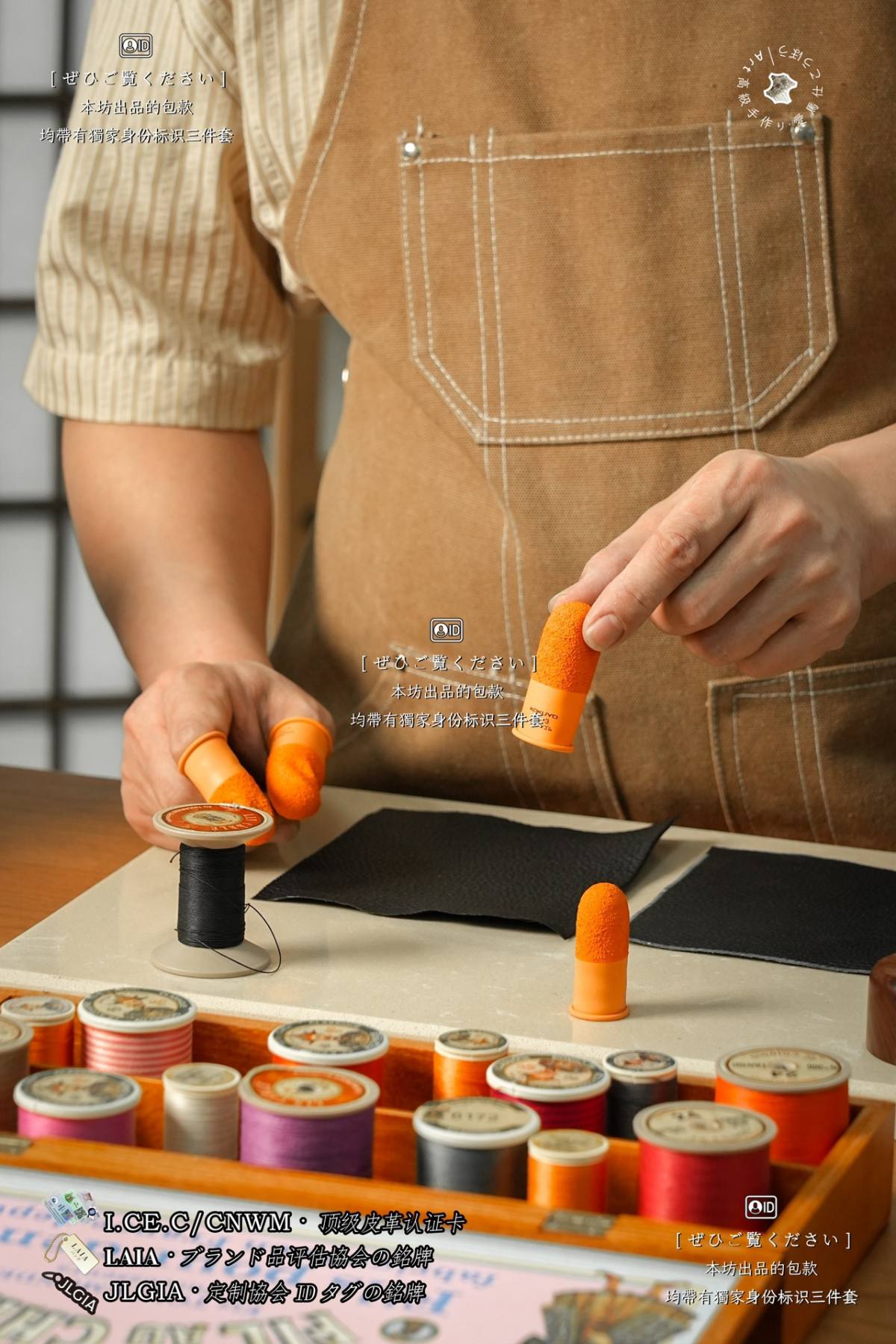
Quality control over the stitching thread, its supply chain, dyeing process, and color deviation management constitutes the core technical competitiveness of Shebag’s artisanal workshop for Hermès-style bag replication. Unlike conventional replica manufacturers, which often overlook auxiliary materials and their color consistency, Shebag recognizes that these nuanced details are decisive in determining whether a replica can replicate the aesthetic temperament and quality standard of genuine Hermès products.
To clarify the technical specifications of Hermès’ linen waxed thread, Shebag’s workshop provides a detailed breakdown of its core parameters and production processes—parameters that Shebag has fully replicated to align with Hermès’ standards. The primary material for Hermès’ stitching thread is top-grade long-staple flax sourced from France, a critical foundation for its superior performance and appearance.
The long-staple flax (Lin) used is sourced from traditional flax-growing regions in northern France, including Normandy and Picardy. Hermès maintains long-term quota locks for this raw material, ensuring that only flax from the same region, harvested in the same year, and from the same batch is selected. This flax features fibers with a diameter of approximately 40–80μm and a length of 25–50mm, offering low elongation (<2%), high tensile strength, excellent aging resistance, and strong sun fastness—key properties that underpin the durability and aesthetic of Hermès stitching.
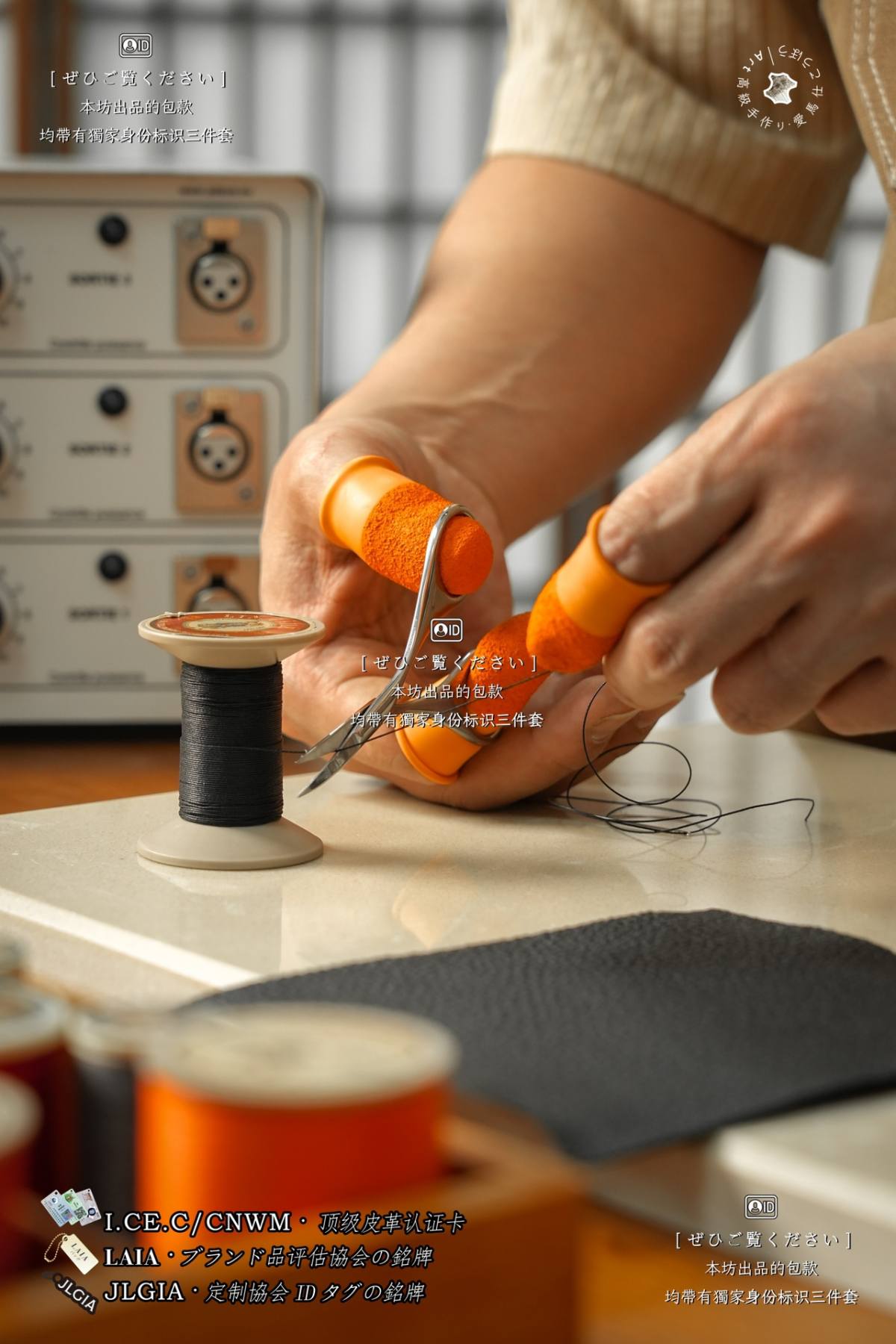
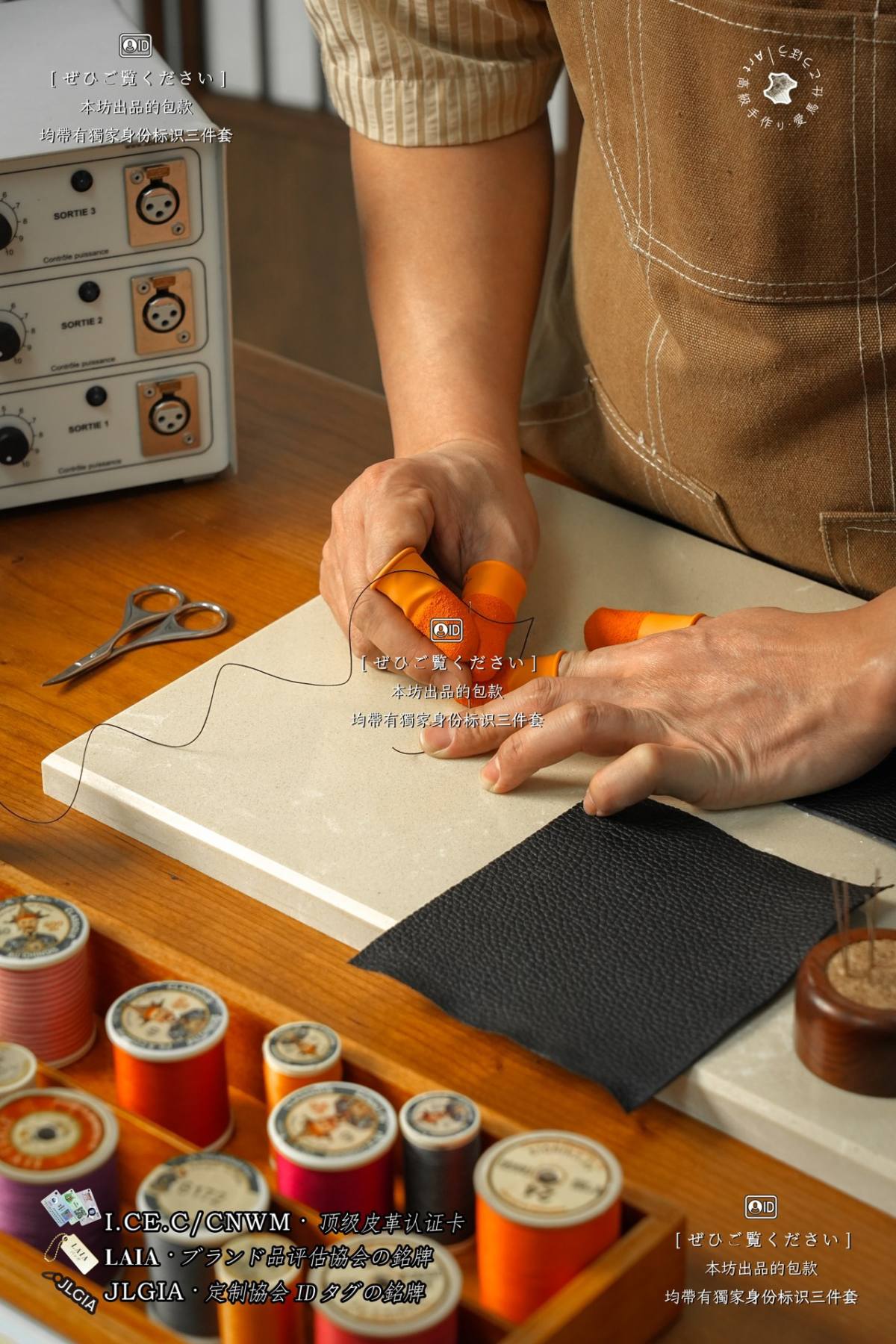
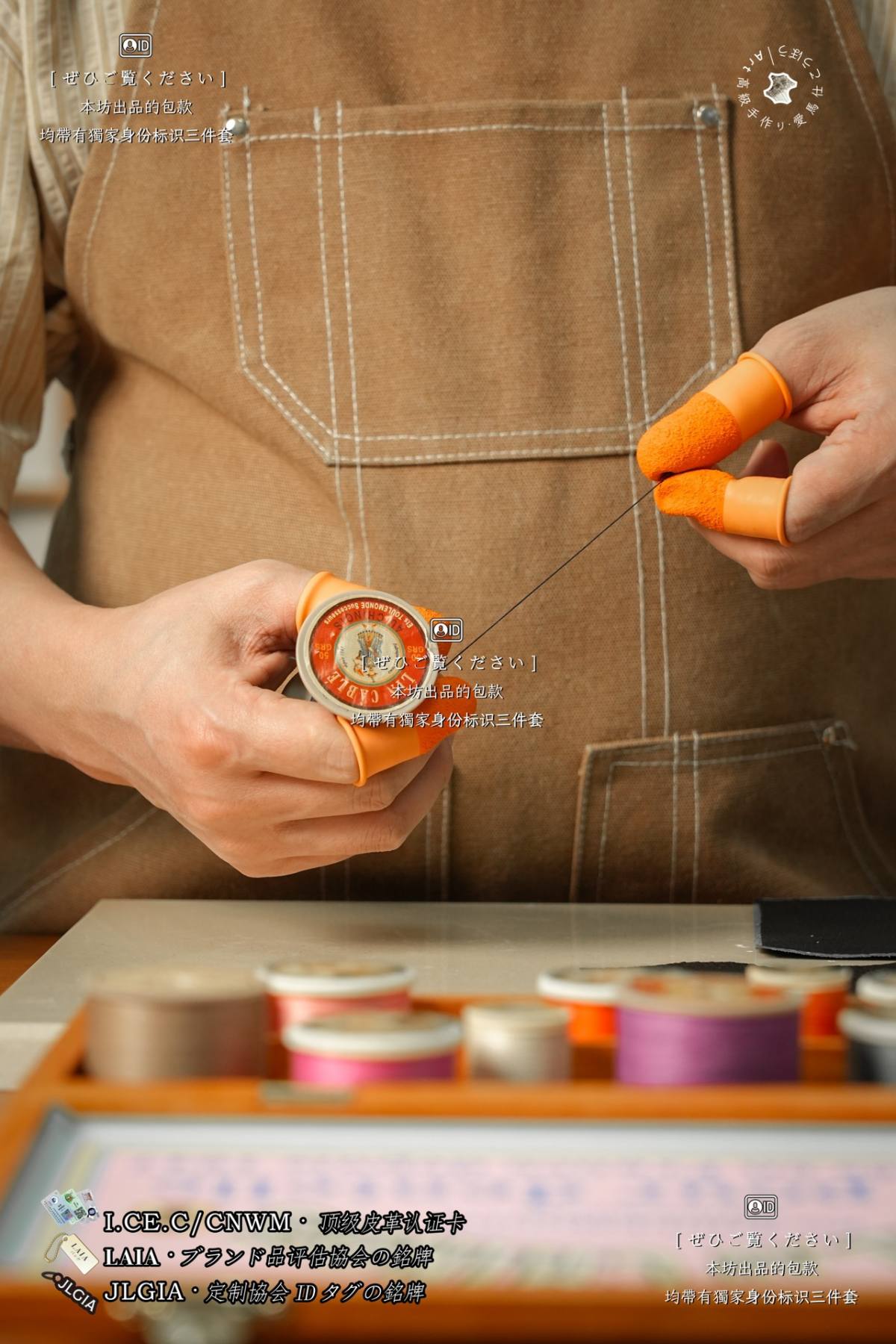
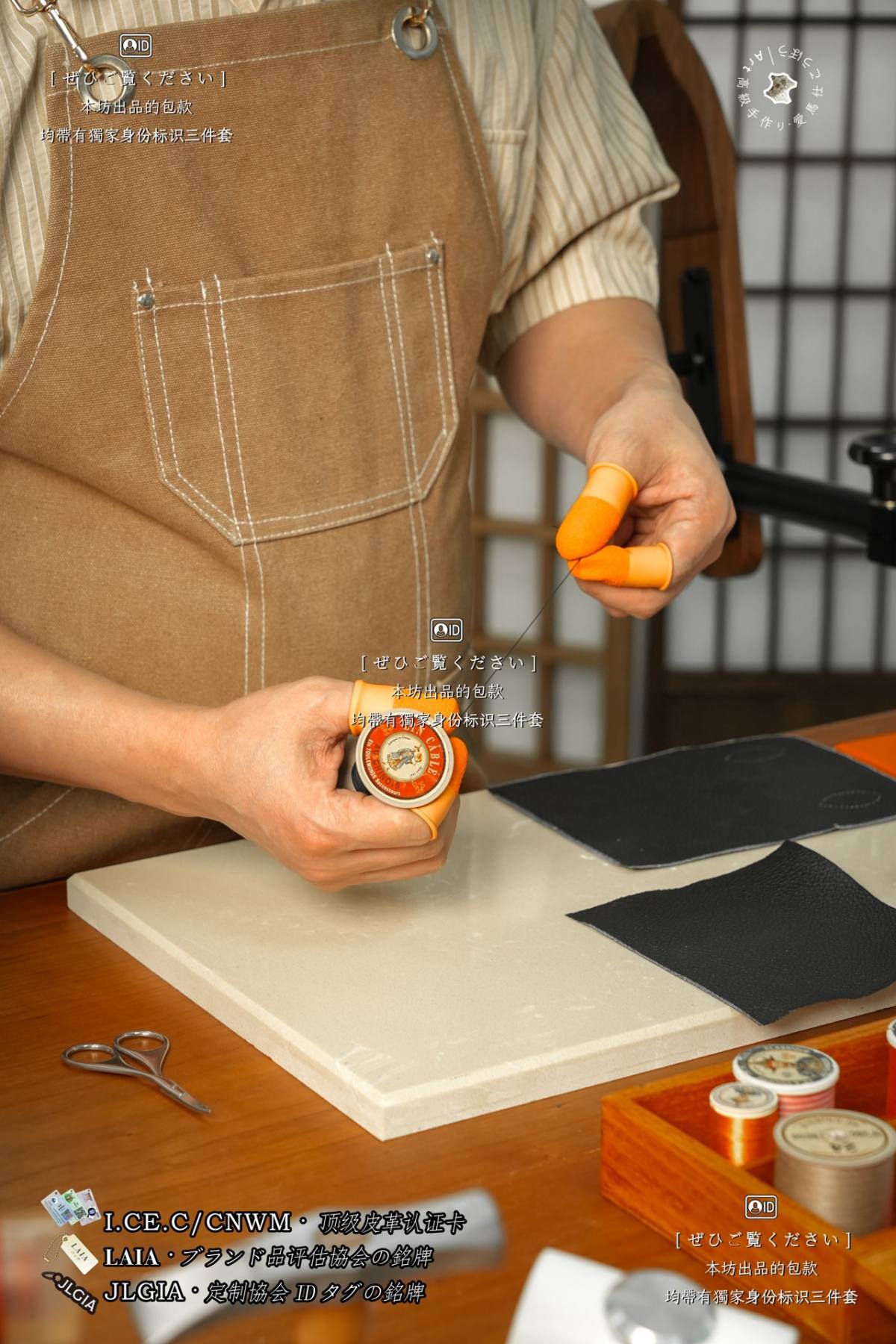
The thread is produced by a century-old French manufacturer with over 160 years of experience, commonly referred to in the industry as “French beeswax thread,” which is exclusively supplied to leading luxury groups such as LVMH and Hermès. Crafted as 3-ply S/Z twisted yarn with a diameter of 0.6–0.8mm, the thread exhibits a matte finish, low reflectivity, and a distinct natural fiber texture—characteristics that distinguish it from ordinary stitching threads and align with Hermès’ understated luxury aesthetic.
The wax used in the thread is a blend of natural French beeswax and a small proportion of plant wax, featuring a high melting point (62–65℃), low acid value, non-migratory properties, non-stickiness to leather, and effective water and stain resistance. These properties ensure the thread maintains its shape and performance over time, even with regular use.
Hermès’ thread supply chain is highly vertical and volume-locked, designed to minimize color deviation from the source. The process begins with flax cultivation by agricultural cooperatives in northern France that exclusively supply top-tier luxury brands, followed by primary processing of raw flax—including degumming, carding, and long-staple separation to remove short fibers, which could compromise thread quality. The flax is then spun into 3-ply twisted yarn, with S-twist and Z-twist configurations to balance tension and ensure uniformity. Subsequent steps include one-bath dyeing and color fixation, hot-melt wax impregnation with temperature-controlled cooling (achieving a wax layer thickness of 5–8μm), and final winding and quality control. A critical principle of this supply chain is that threads of the same color number, batch, dyeing vat, and spool must be fully utilized before a new batch is opened, eliminating cross-batch color variation.
The dyeing process for Hermès’ linen waxed thread is specialized and rigorous, with pre-treatment serving as a critical step to ensure uniform dyeing. This pre-treatment includes singeing, where surface fuzz is removed using high-speed flame to reduce color unevenness; scouring (alkaline boiling) at 95℃ with soda ash and chelating agents to eliminate pectin, wax, and impurities, ensuring a uniform fiber surface; oxygen bleaching with H₂O₂ at 80℃ to achieve consistent whiteness (Lab L* >85) without chlorine, which would cause flax embrittlement; and pre-shrinking with steam and tension control to eliminate internal stress, preventing shrinkage and distortion after dyeing.
The dyeing process itself employs high-temperature and high-pressure technology with European-sourced reactive dyes, which offer a light fastness grade of ≥7 (per ISO 105-B02), friction and sweat fastness of ≥4–5 grades, good compatibility, and stable shade. A high-temperature and high-pressure package dyeing machine (operated at 130℃ and 1.2bar) is used with a liquor ratio of 1:10— a low liquor ratio designed to minimize vat-to-vat color deviation. Taking classic black and gold brown as examples, the standard dyeing curve follows a precise sequence: heating from room temperature to 80℃ at a rate of 2℃/min, with the addition of dyes, leveling agents, and pH buffers (maintained at 6.5–7.0); holding at 80℃ for 30 minutes to ensure uniform dye absorption and prevent uneven color (darker exterior and lighter interior); heating to 130℃ and holding for 45 minutes to achieve color fixation, where dyes form covalent bonds with flax fibers for maximum fastness; and cooling from 130℃ to 60℃ at a rate of 1℃/min to prevent fiber embrittlement and color change.
Post-fixation treatment further enhances thread quality: two hot water washes at 60℃ followed by one cold water wash to remove loose dyes; treatment with a formaldehyde-free special flax fixing agent at 40℃ for 20 minutes to improve wet fastness and prevent dye migration; and the addition of trace silicone softener and UV absorber to ensure a flexible hand feel and resistance to sun aging.
Waxing is conducted after dyeing and before winding, using a wax solution composed of 70% natural beeswax, 25% plant wax, and 5% antioxidant with a melting point of 63℃. The process involves hot-melt wax impregnation at 65℃, where threads pass through the wax tank at a constant speed of 15m/min to ensure the core is fully wax-impregnated and the surface has a thin, uniform wax layer. A vacuum process at -0.8bar removes excess wax, ensuring the wax layer (5–8μm) is non-sticky and non-whitening, followed by cold air setting at 25℃ to prevent wax migration and color bleeding.
Color deviation control is implemented throughout the entire production process, starting with raw material selection—the most critical stage. Flax is strictly sourced from the same region, year, batch, and whiteness (ΔL* ≤0.5), with no mixing of flax from different regions or years. Dyes are of the same batch, shade, and concentration, with dedicated personnel responsible for review and color-specific weighing (with an error margin of <0.1g). Wax is sourced from the same batch of beeswax, ensuring consistent color (ΔE ≤0.3) and melting point.
During the dyeing process, both in-vat and inter-vat color deviation are closely monitored. The liquor ratio is fixed at 1:10, the dye liquor circulation flow rate is maintained at ≥10L/min/kg, and temperature fluctuation is controlled within ±0.5℃. Leveling agents and retarding agents are accurately proportioned to ensure a smooth dyeing rate curve with no sudden changes. Three samples (taken from the head, middle, and tail of each vat) are tested for Lab values, with a ΔE ≤0.8 required for qualification. For inter-vat control, the same dyeing machine, process curve, and operators are used for the same color number; the first vat is sampled and shade-confirmed before mass production, with full inspection of 1 out of every 5 vats. Any vat with inter-vat ΔE >1.0 is discarded entirely, with no downgrading for use.
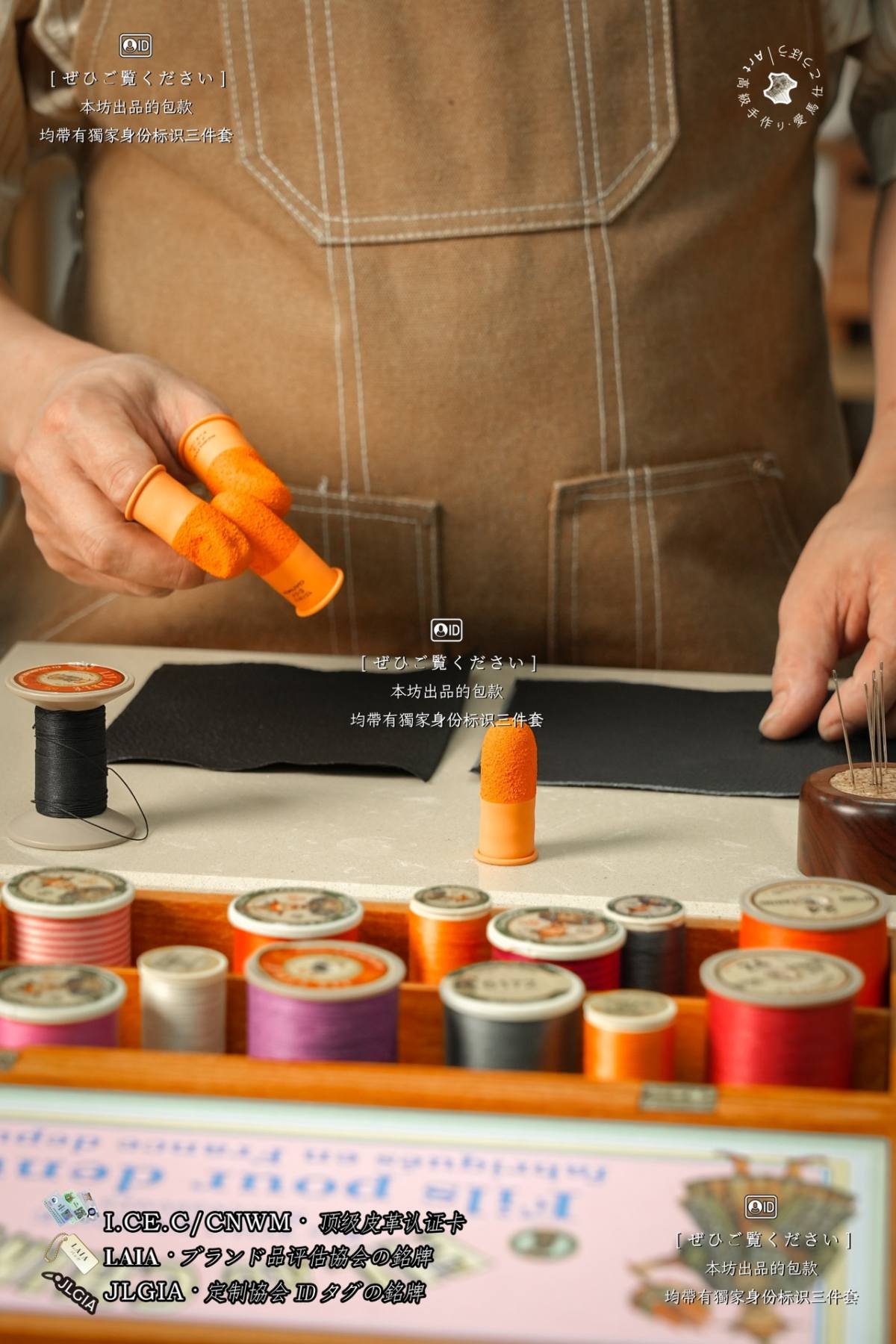
Finished thread undergoes rigorous quality control during winding and matching. Each 200m spool is tested for Lab values and compared against an annual updated standard color card: spools with ΔE ≤0.5 are classified as Class A (used for the front of Birkin and Kelly bags), those with ΔE 0.5–0.8 as Class B (used for sides and linings), and those with ΔE >0.8 are discarded. A single spool of thread is exclusively used for one bag to avoid cross-spool color variation, and bags from the same batch use thread from the same batch to minimize inter-bag color deviation.
Finally, thread color is customized to match the leather color number—for example, Togo gold brown leather is paired with a dedicated gold brown thread rather than a generic brown. For each batch of leather, sample dyeing is conducted to match the corresponding thread color, and mass production commences only after confirming that the ΔE between the thread and leather is ≤1.0 and the shade is visually coordinated, ensuring the final product meets Hermès’ strict aesthetic standards.