- 09
- May
Shebag handmade Hermes stitching tools review(May 2026 updated)
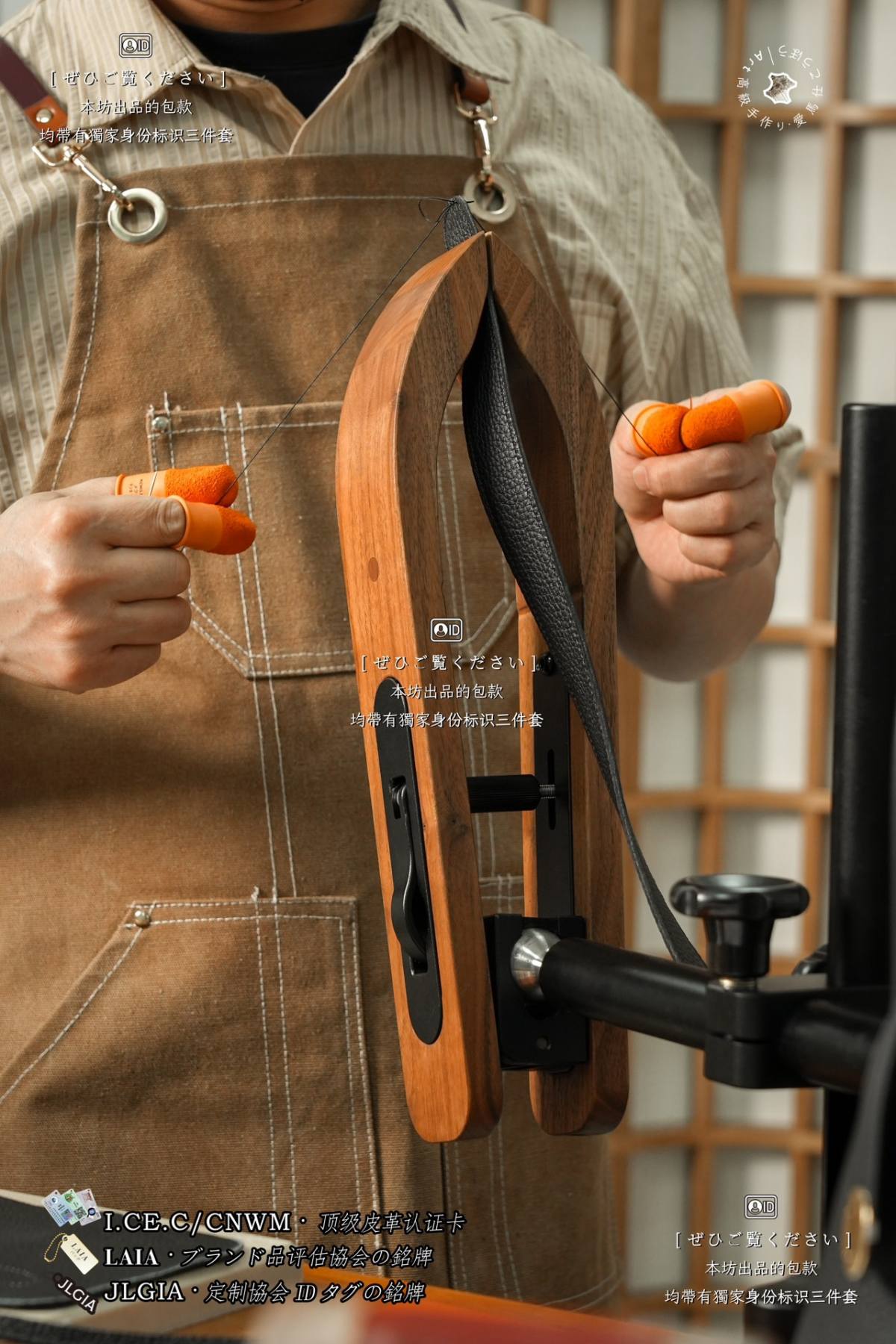
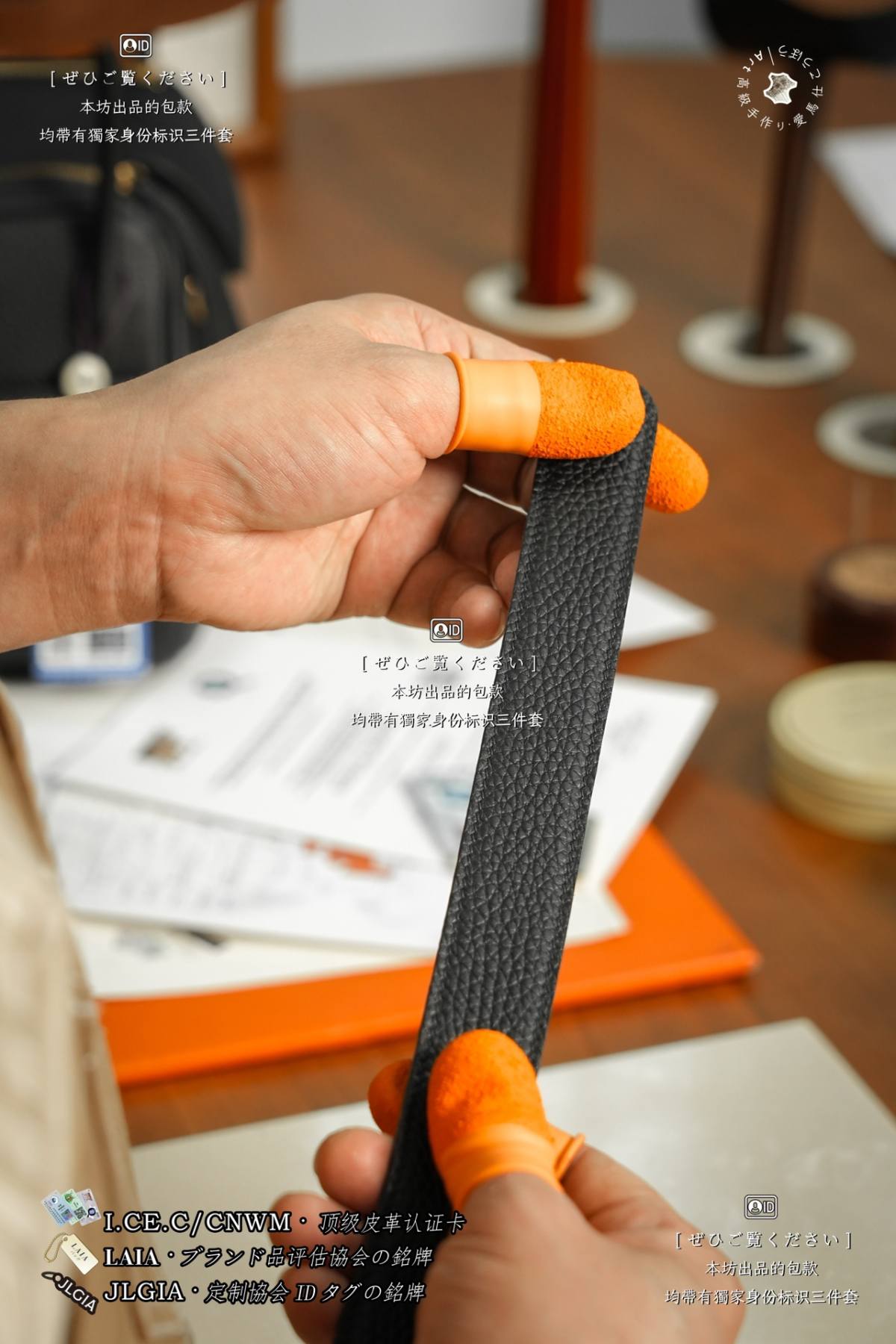
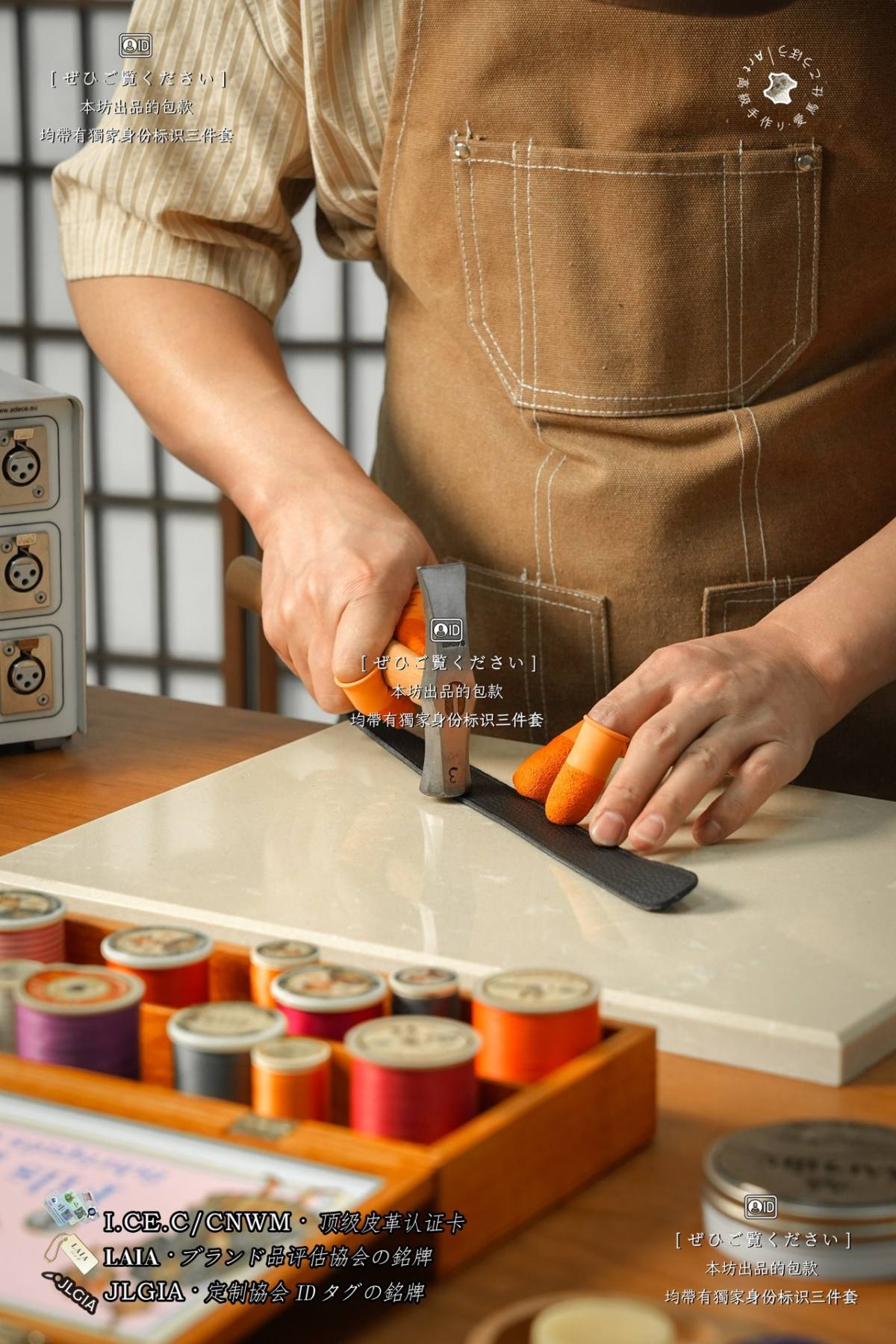
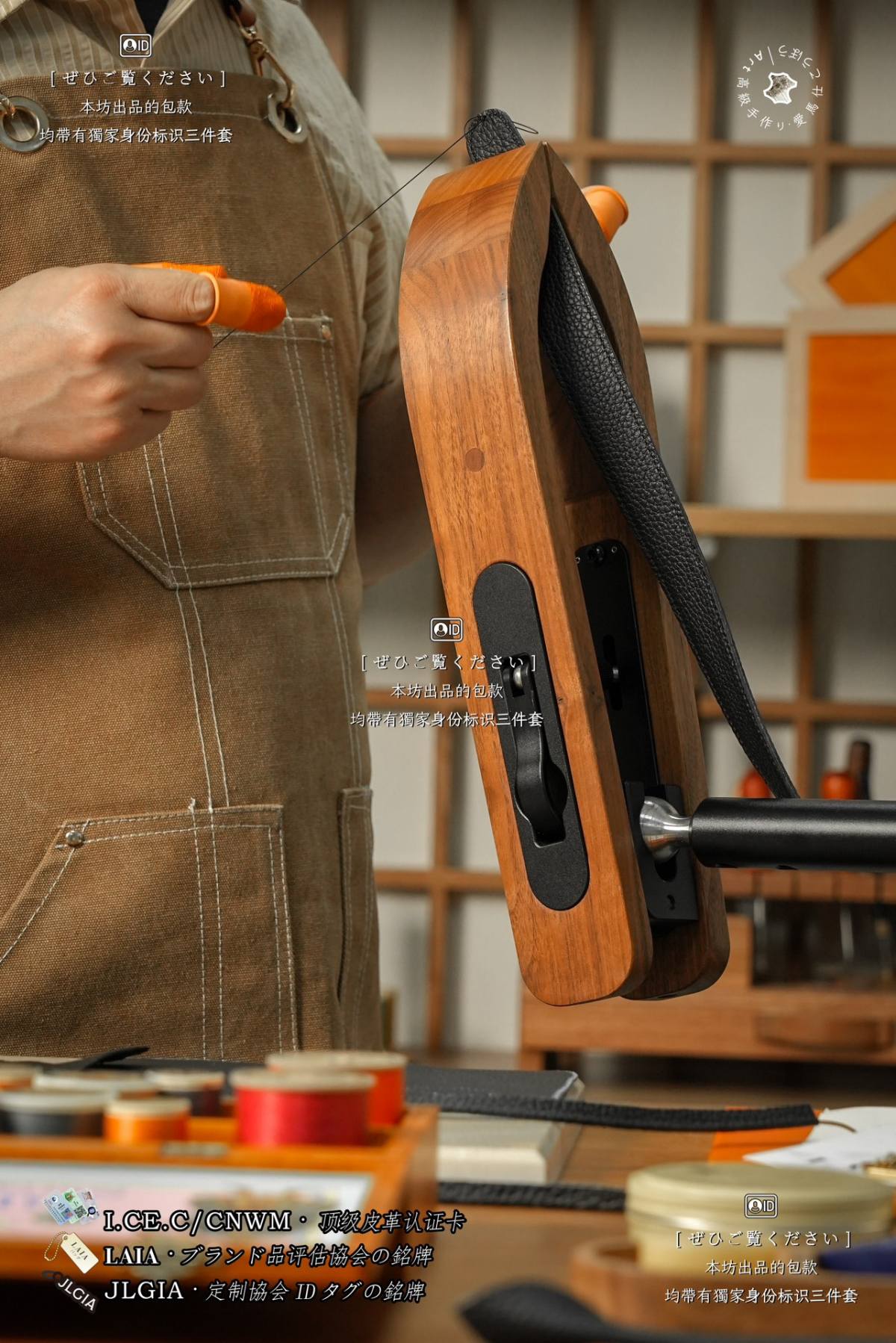
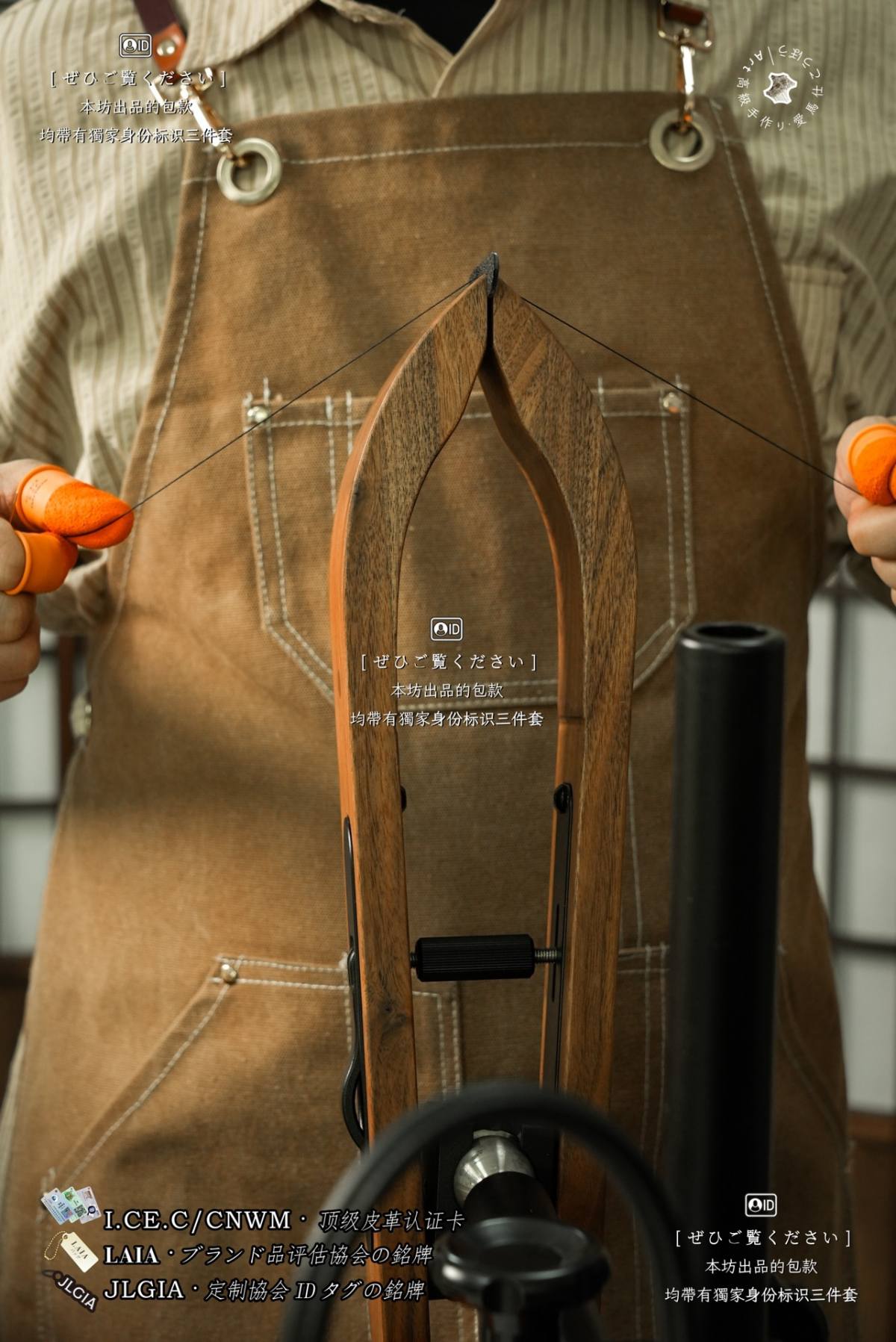
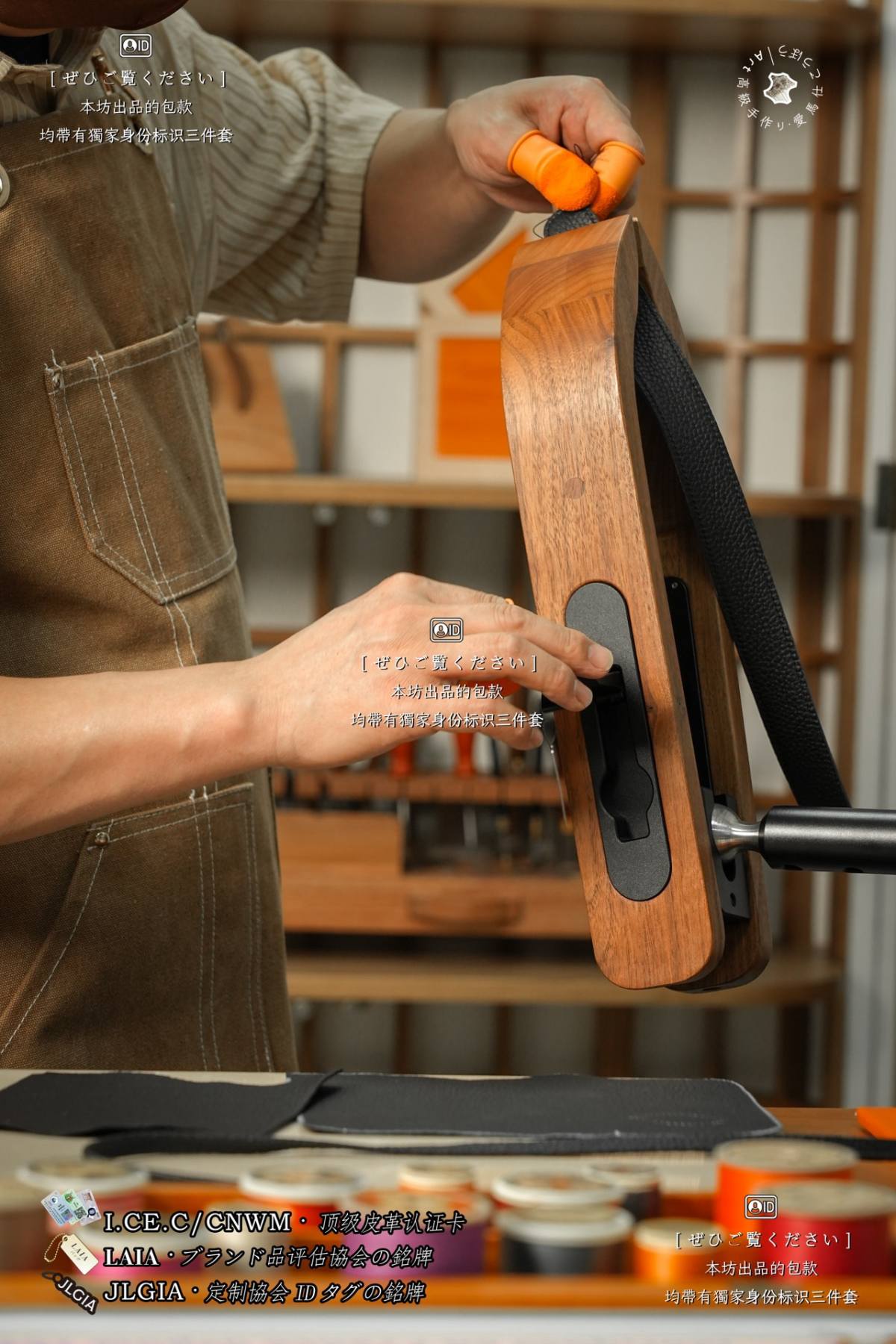
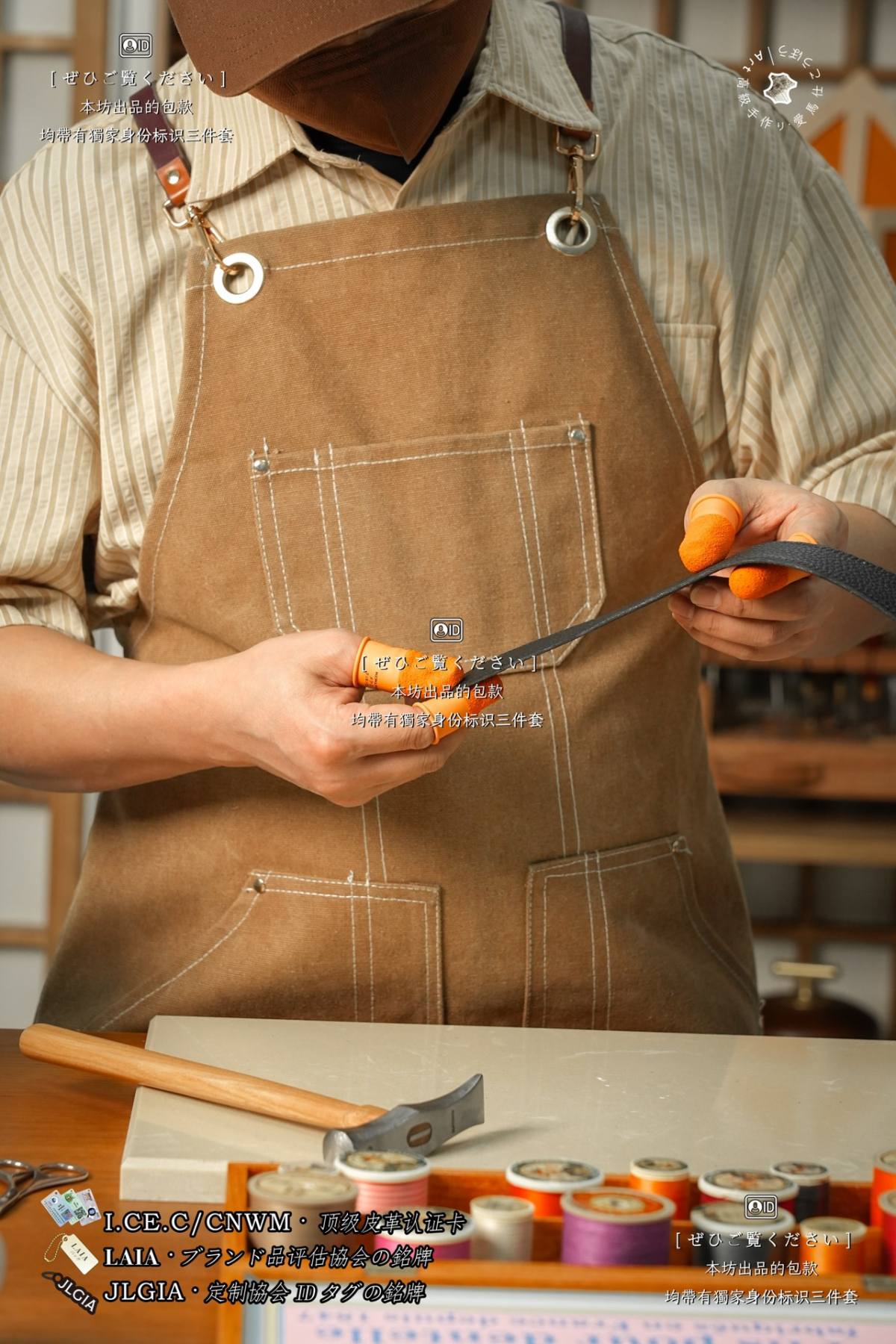
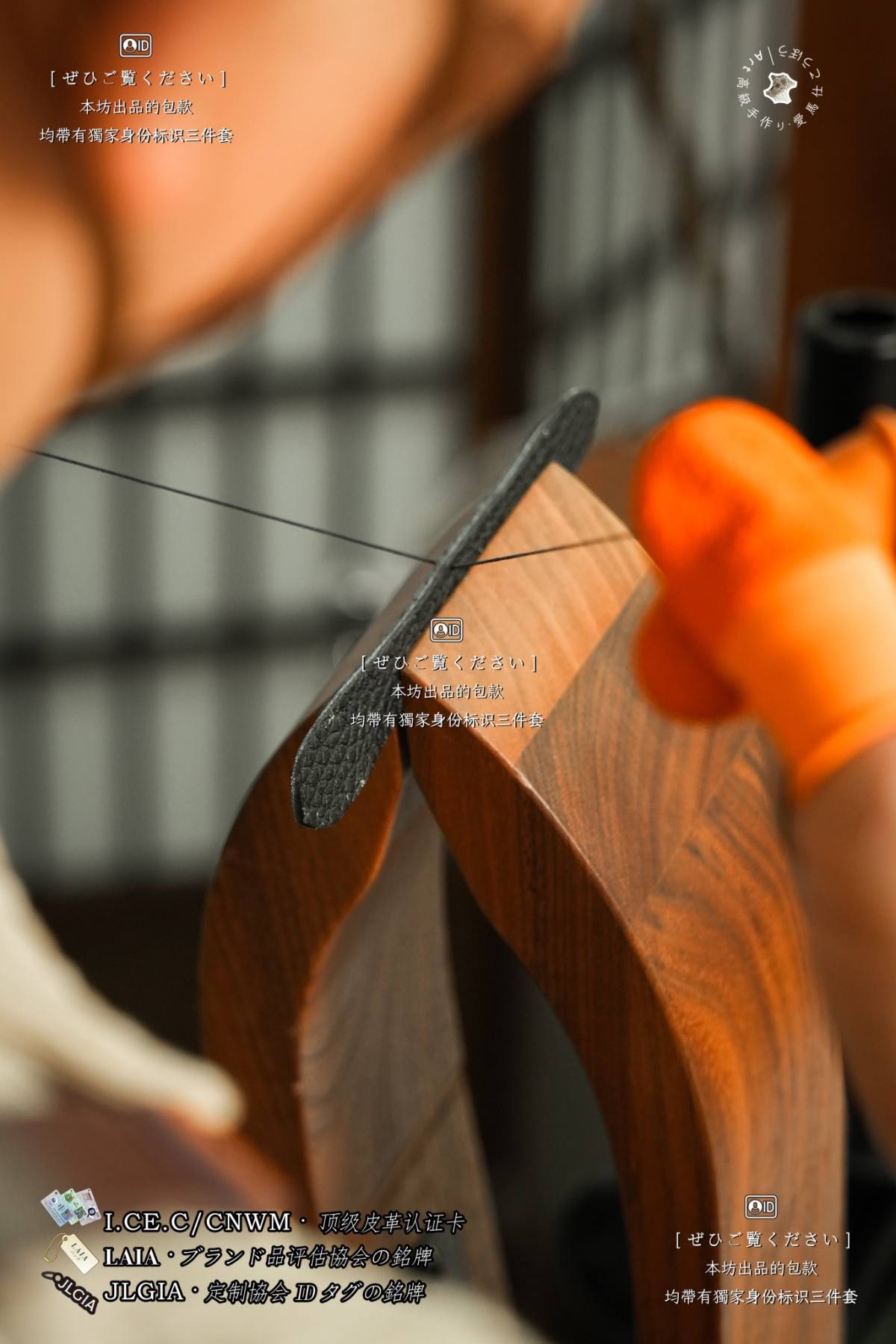
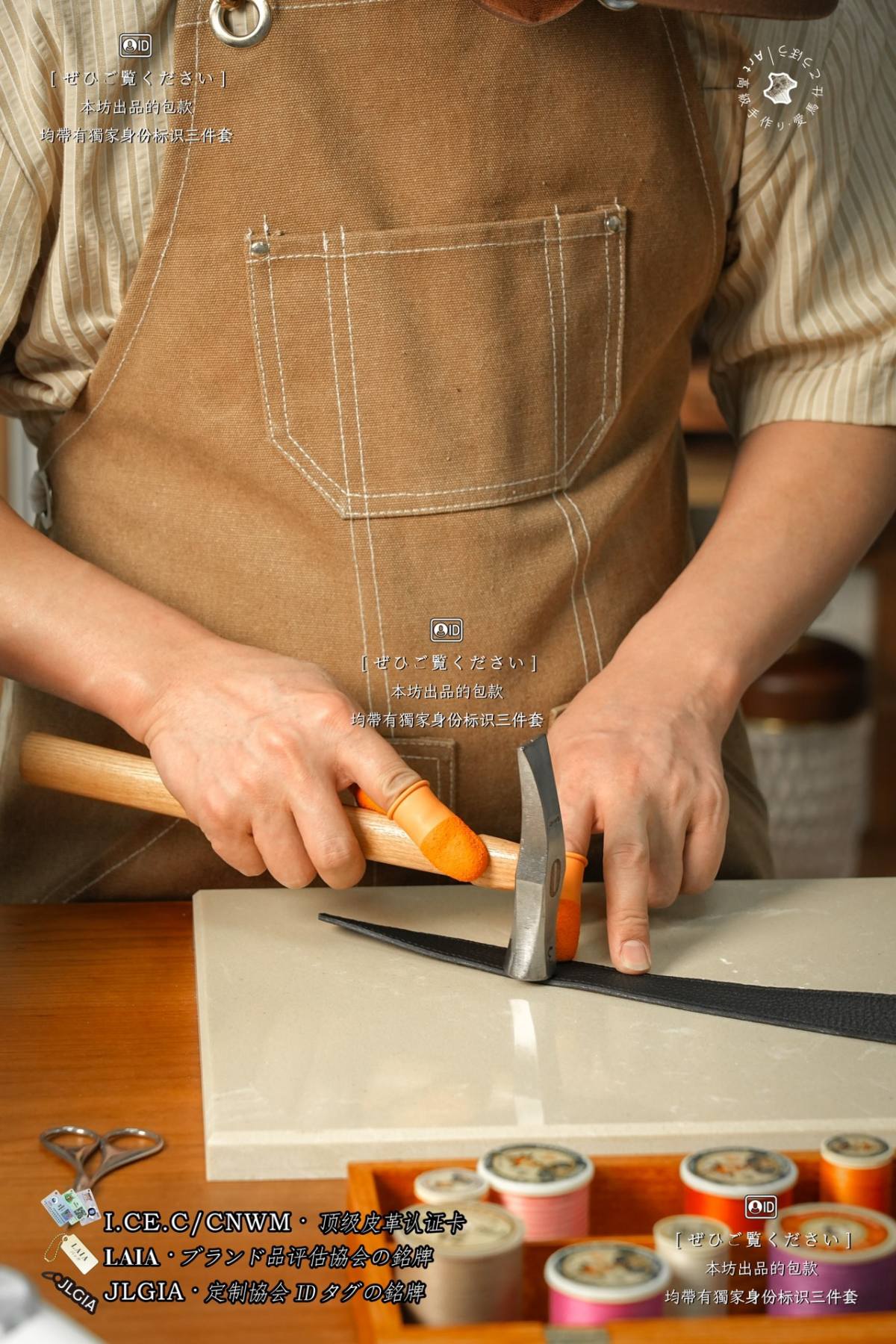
Today we elaborate on Hermès saddle stitching craftsmanship, a technique that relies on an extensive suite of specialised artisanal tools. While its execution pace is considerably slower than mechanical stitching, the resultant finishing quality remains unparalleled in the luxury leather goods sector. Taking a closer look at the manual workshop of Shebag, we break down the full range of professional implements deployed in this traditional stitching process.
Diamond chisels feature hexagonal diamond-shaped perforations with a standard pitch of 3.85 millimetres, equipped with both forward and reverse tooth configurations tailored exclusively for pre-punching saddle stitch holes. The tool is supplied by Vergez Blanchard, a French heritage manufacturer established in 1823 and a long-standing exclusive supplier to Hermès atelier.
Pricking awls are engineered for 45-degree angled needle positioning, working in tandem with diamond chisels to ensure precise hole alignment, with Vergez Blanchard serving as the primary supplier for this implement as well.
Stitch groovers are utilised to carve routing grooves ranging from 0.5 to 0.8 millimetres in depth, effectively preventing stitching deviation during manual work. Key suppliers include Vergez Blanchard and Kyoshin Elle.
Round-tip leather hand needles in sizes 2/0 and 1/0 are adopted for the dual-needle double-sided saddle stitching method, sourced exclusively from UK-based manufacturer John James.
Waxed linen thread produced by Fil Au Chinois in France is composed of three-strand linen blended with natural beeswax, with a thread diameter ranging from 0.55 to 0.6 millimetres, and the brand acts as the dedicated supplier for this premium stitching material.
Threaders and stitch pickers serve as auxiliary tools to facilitate waxed linen thread threading and rectify misplaced stitches, with Vergez Blanchard providing the standard specifications for these accessories.
Edge bevelers are used to trim leather edges at a 45-degree angle to perfectly conform to the contour of saddle stitching, supplied by Vergez Blanchard.
Hardwood and nylon mallets are designed to gently strike diamond chisels during hole punching operations, protecting tool edges from damage, with premium solid wood mallets sourced from French artisanal producers.
Sharpening stones and oil stones are essential for maintaining the cutting sharpness of pricking awls and diamond chisels, with high-grade whetstones imported from Japan being the mainstream choice in professional workshops.
Vergez Blanchard of France, founded in 1823, provides a full portfolio of atelier-grade implements including diamond chisels, pricking awls and edge bevelers that fully match the tool specifications adopted by official Hermès workshops. The unit price for a single-tooth chisel stands at approximately 20 euros, while a five-tooth chisel is priced at around 100 euros. John James from the United Kingdom is the designated exclusive supplier of leather needles, whose burr-free round-tip design is optimised for thick leather material processing. Japan’s Kyoshin Elle specialises in precision auxiliary equipment such as stitch groovers and edge pressers, delivering a machining accuracy within a tolerance of plus or minus 0.1 millimetres.
Fil Au Chinois of France acts as the exclusive supplier of premium waxed linen thread, boasting outstanding waterproof and wear-resistant performance that develops a natural patina with prolonged use. Weinheimer from Germany operates as a premium leather supplier, offering raw materials perfectly compatible with standard saddle stitching techniques and supporting matched tool configuration solutions.
The industry standard hole pitch is set at 3.85 millimetres per perforation, equivalent to 14 stitches per inch, recognised as the optimal density benchmark adopted by Hermès. The pricking awl is inserted at a 45-degree oblique angle, with two needles threading alternately through the same perforation to achieve independent force bearing for enhanced structural stability. The stitching forms a symmetrical double-sided X-shaped structure, ensuring that a single broken thread will not cause overall stitch unraveling, and endowing finished leather goods with a service life of over 30 years.