- 10
- May
Shebag Hermes handmade Lindy 26 oil edge craftmanship review(May 2026 updated)
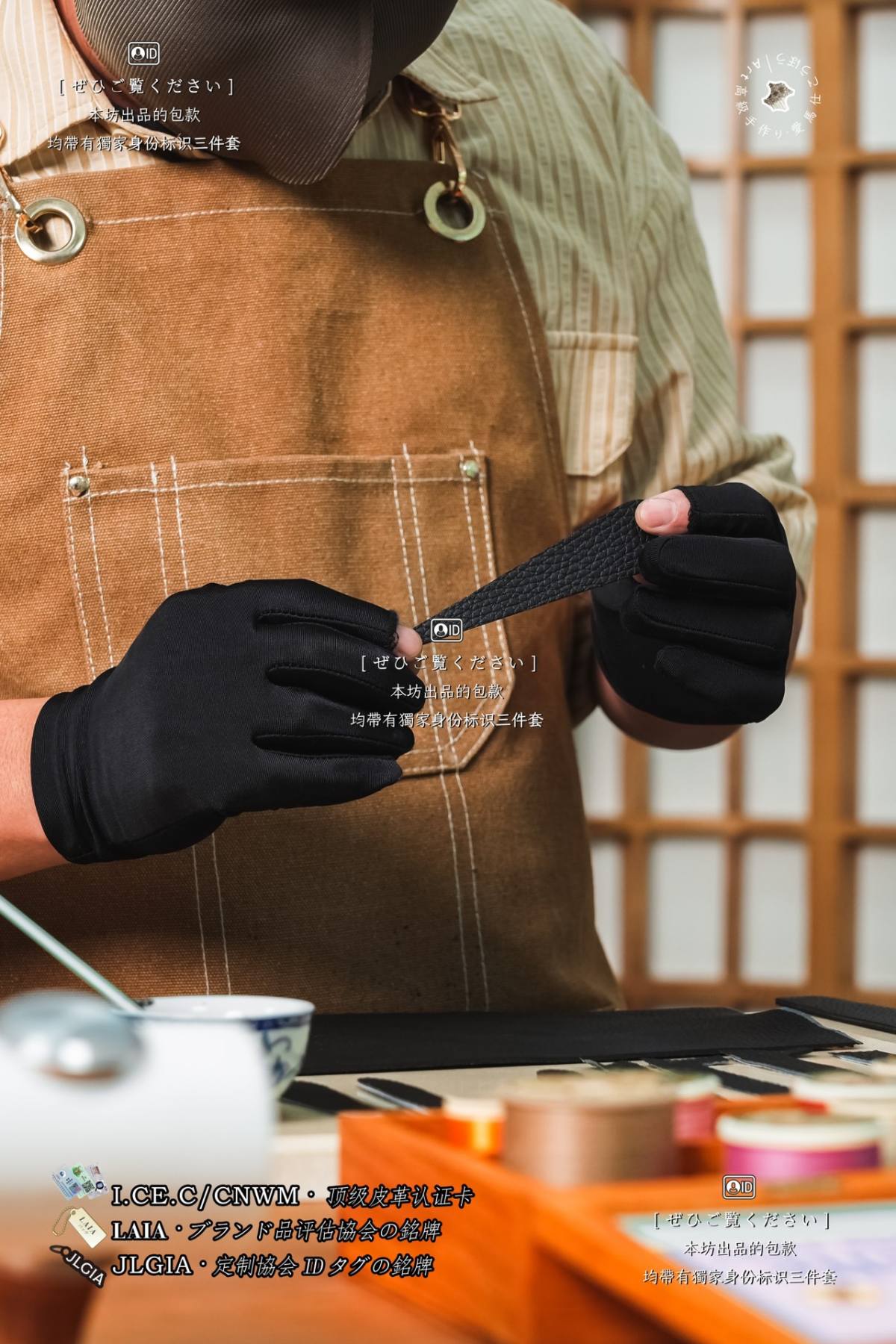
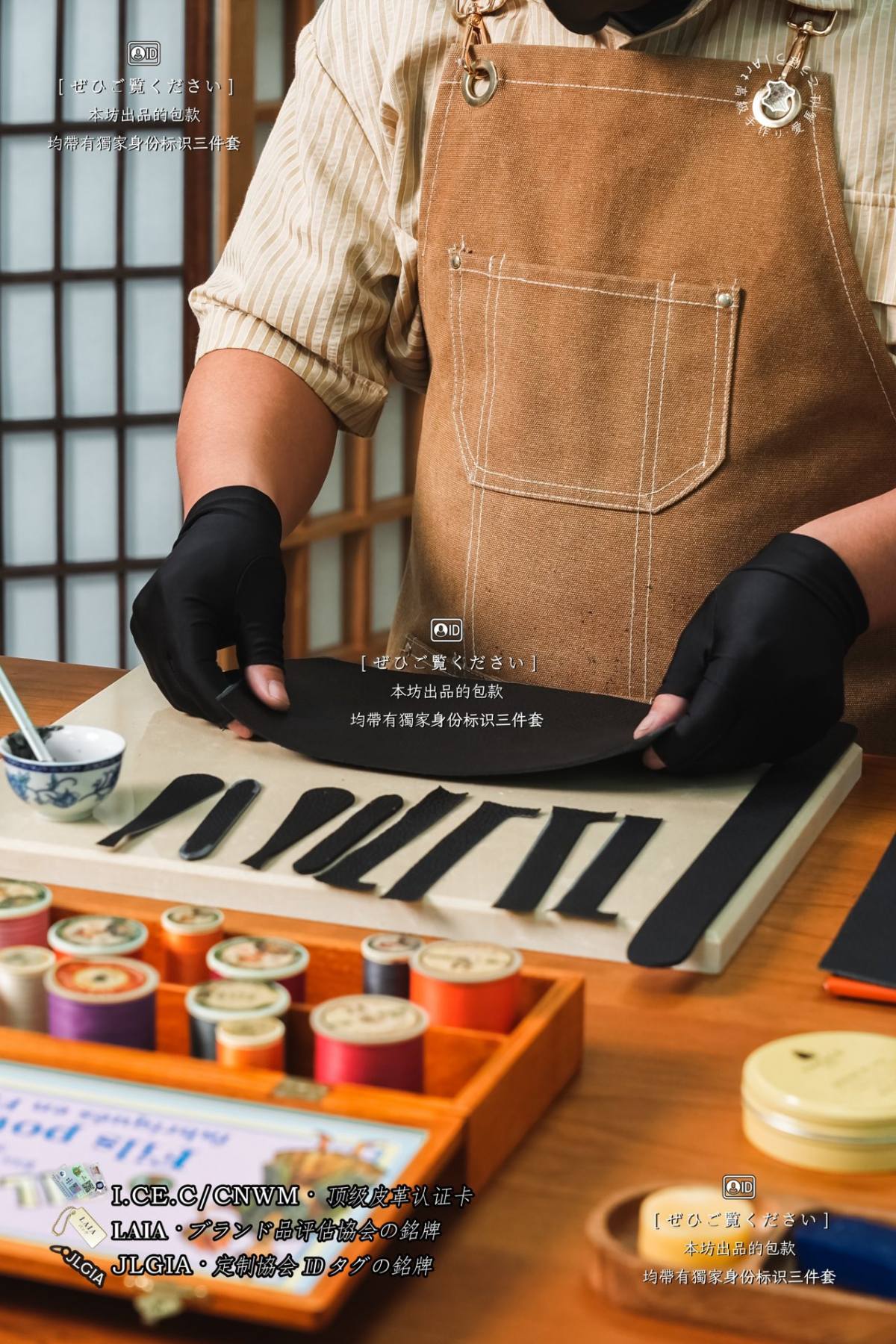
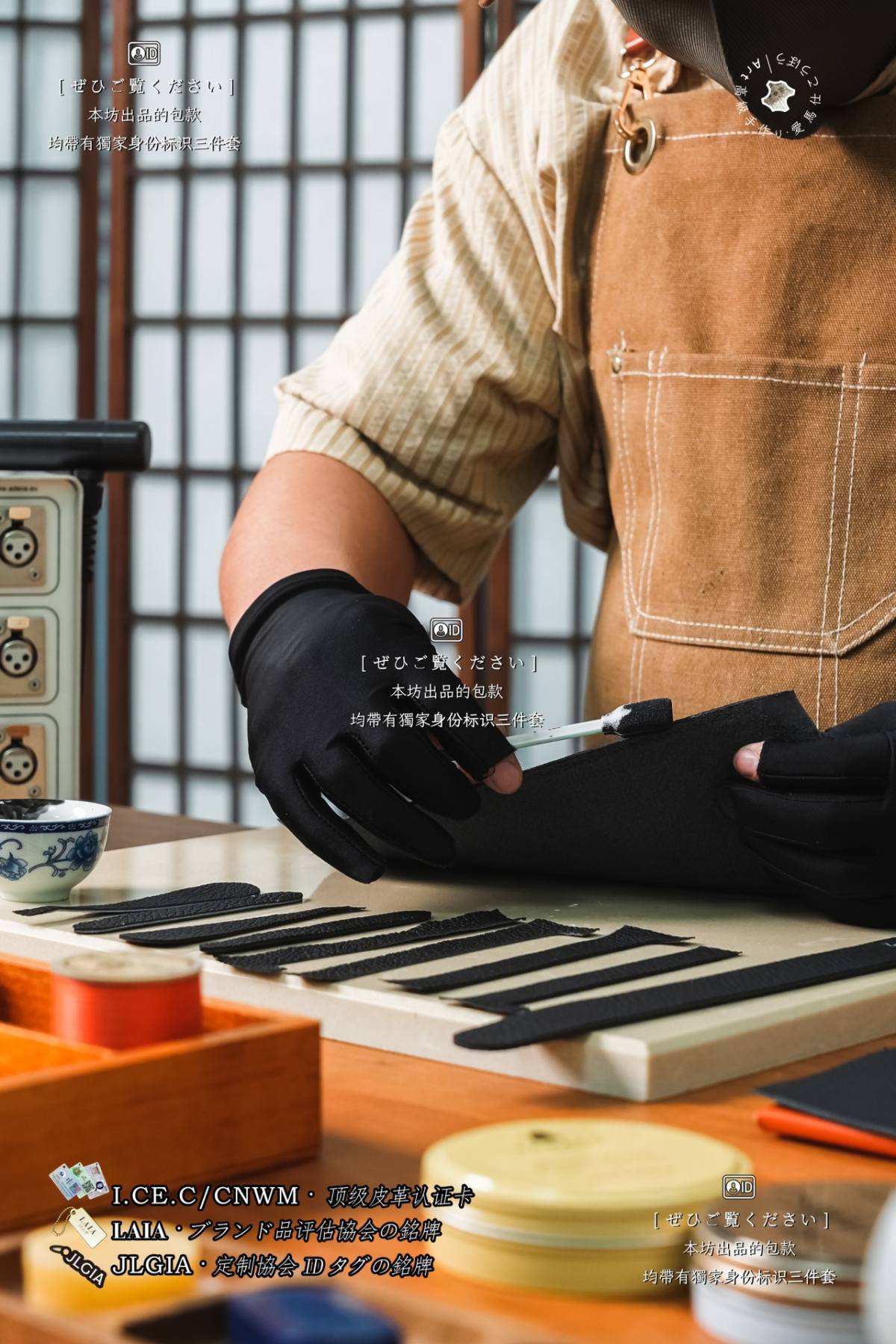
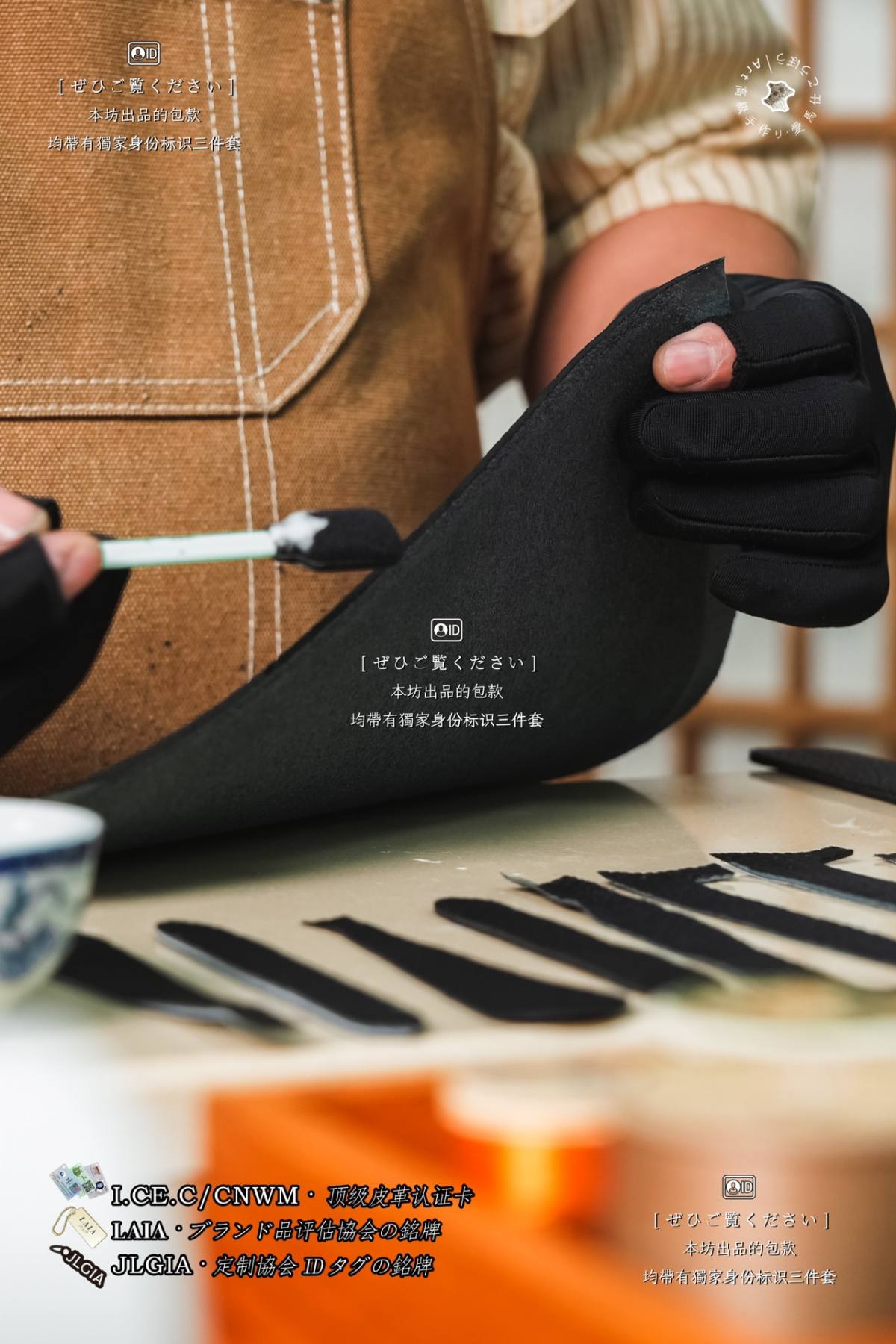
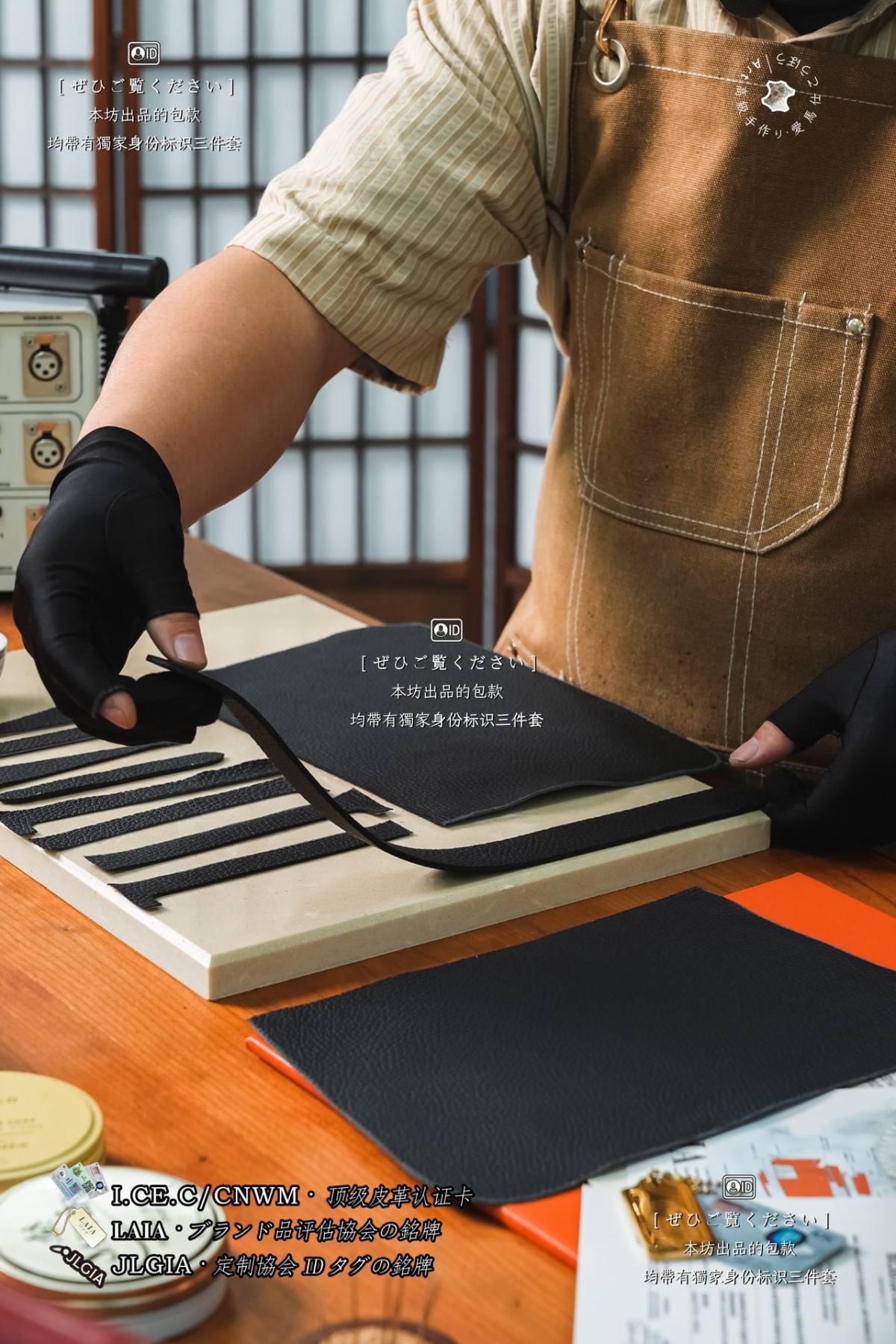
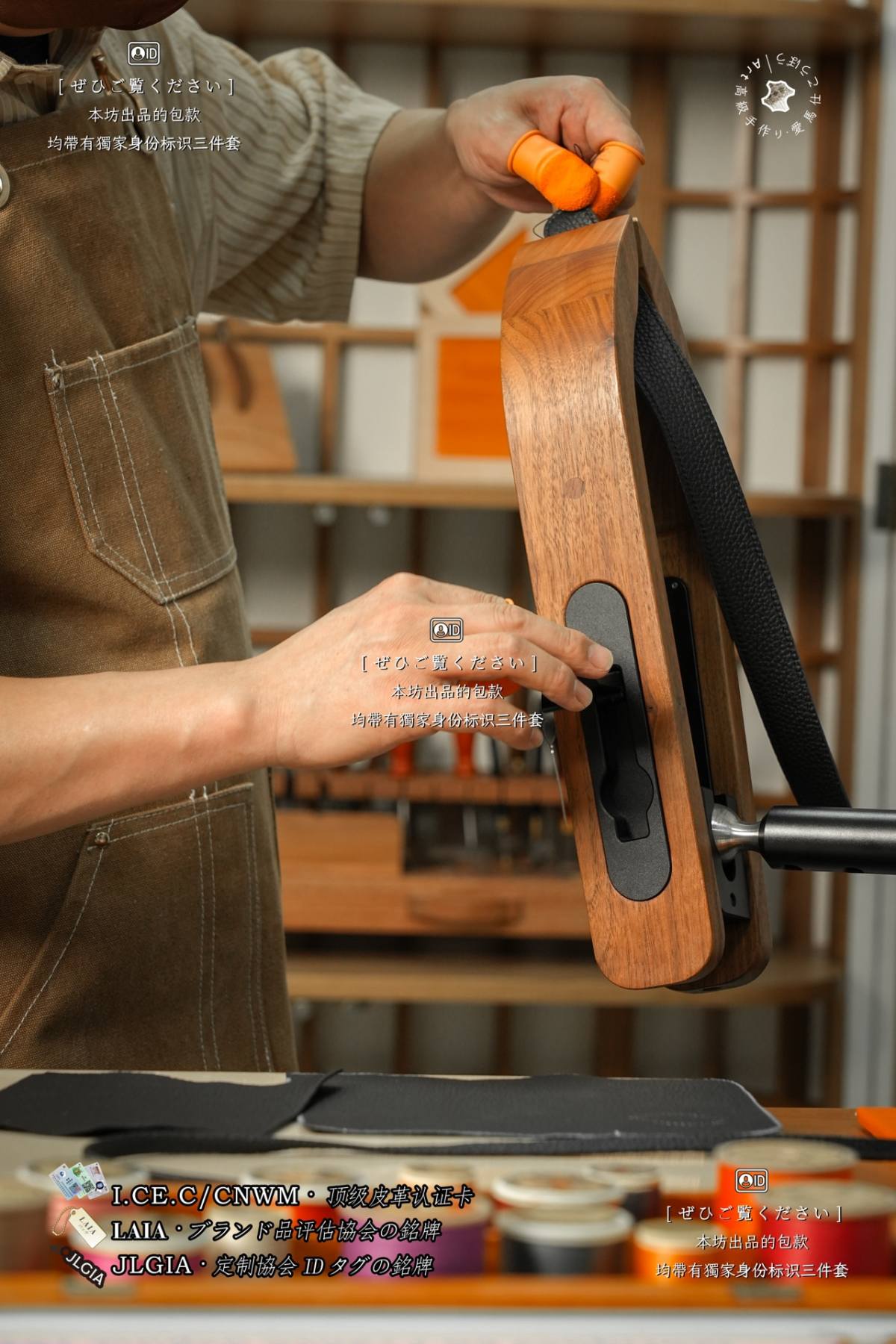
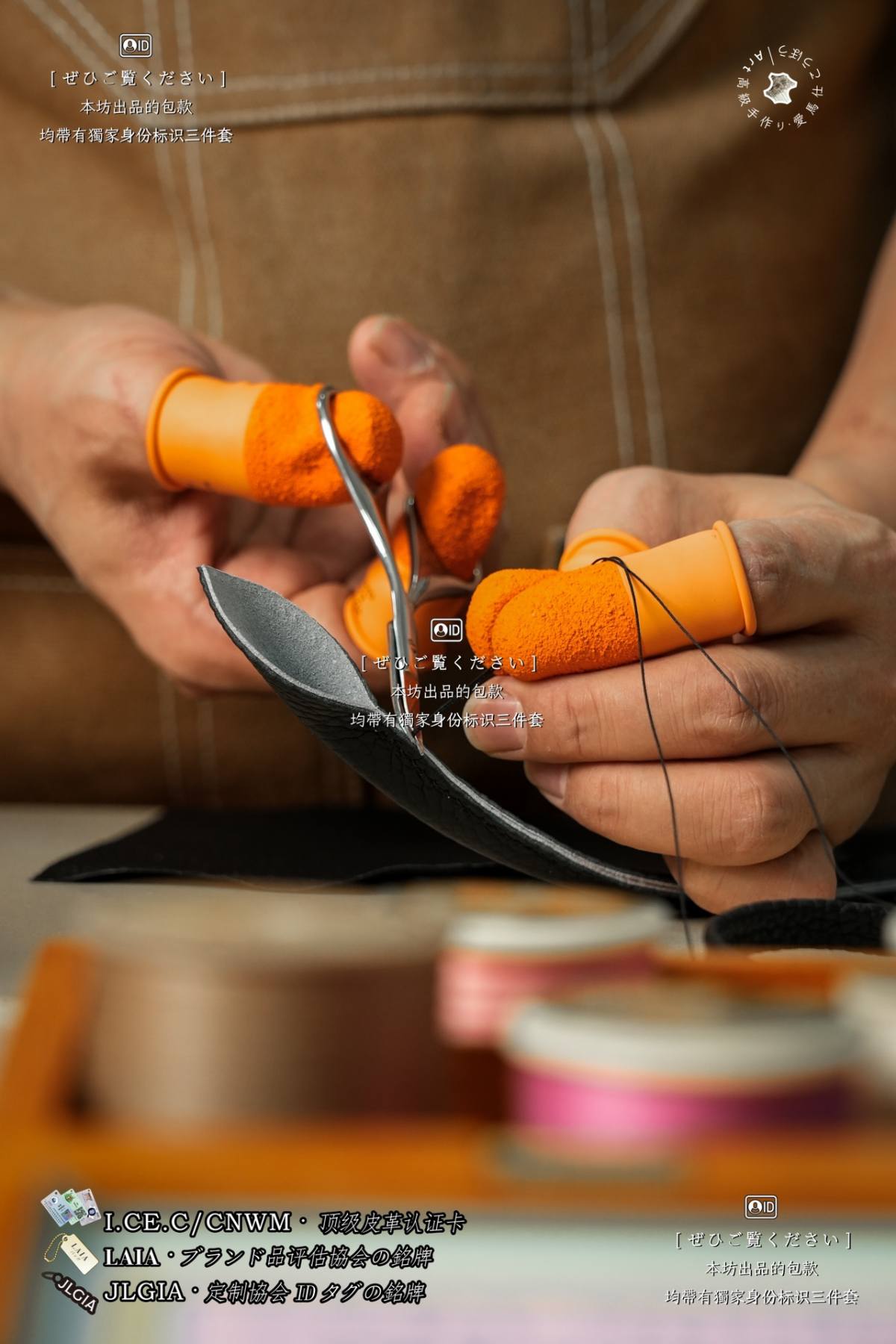
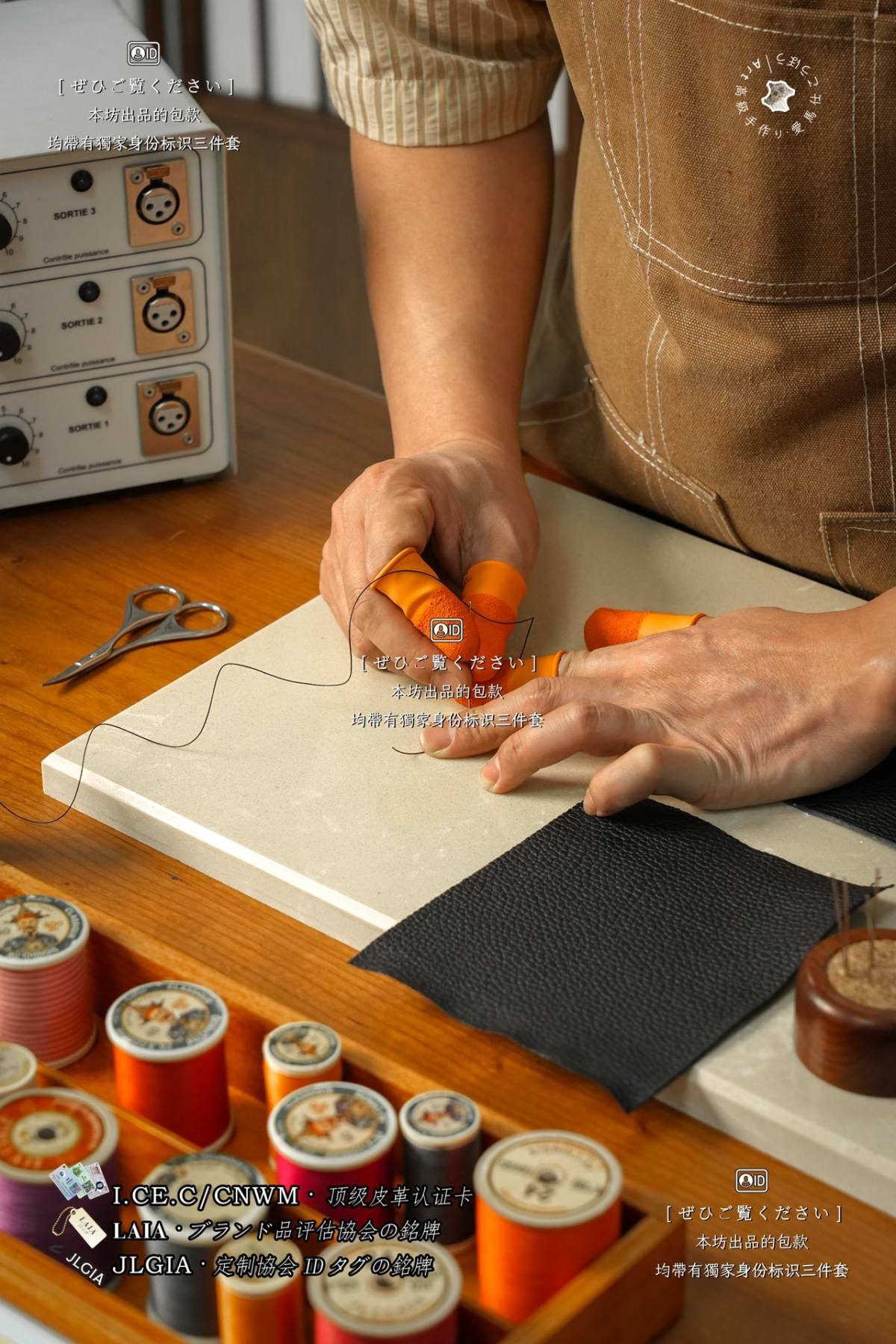
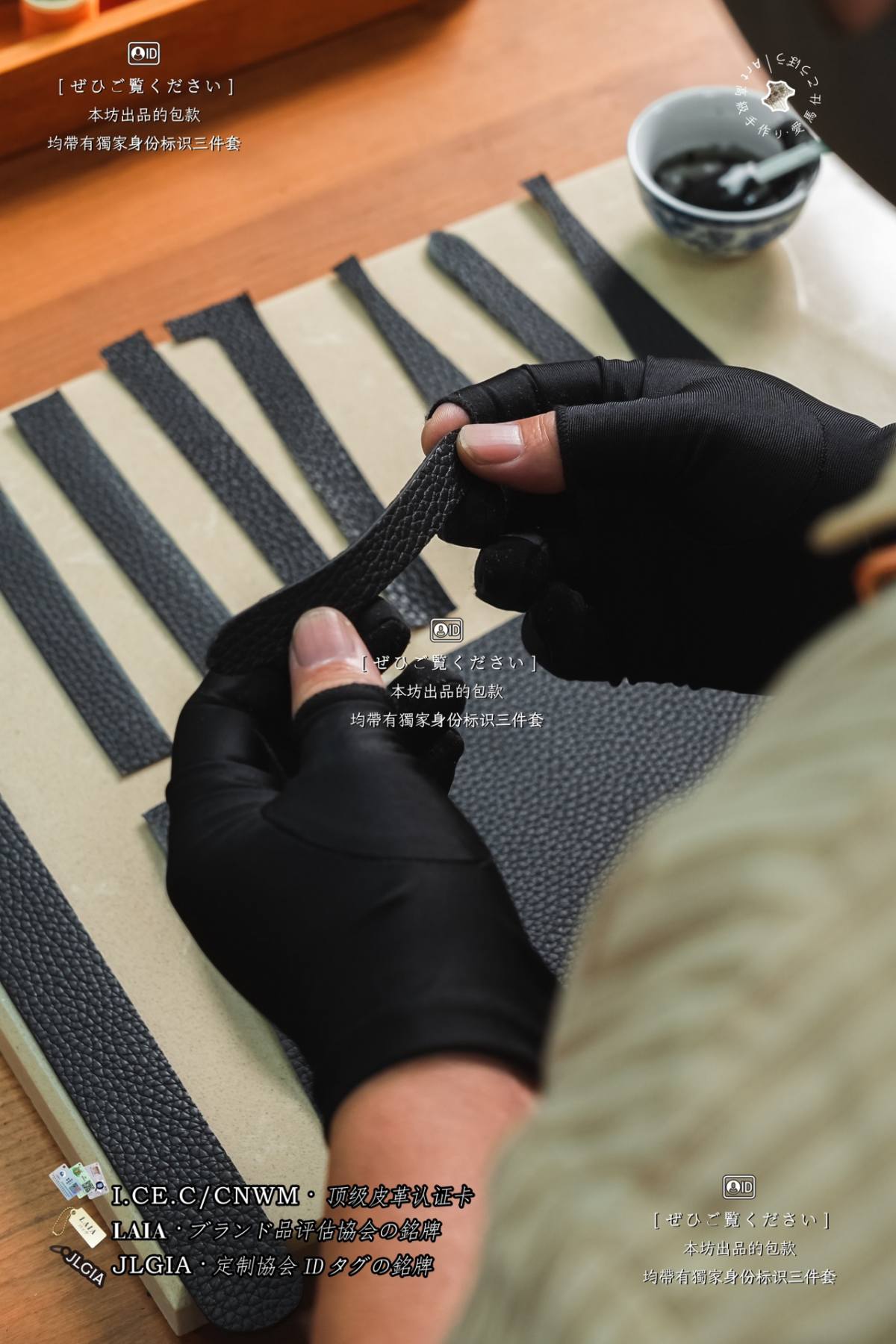
At the handcrafted workshop of Shebag, we are documenting the edge finishing process today. The edge finishing technique applied to Hermès leather goods follows an exceptionally refined standard that stands entirely apart from the quality benchmarks used for conventional luxury bags.
The core methodology of Hermès edge finishing lies in iterative thin-layer coating, high-temperature heat pressing, progressive sanding, and mirror polishing. The entire workflow is completed manually through four to six repeated cycles, delivering a finished edge that features ultra-thin thickness, smooth texture, uniform tone, structural flexibility and a flawless surface free of air bubbles.
Raw materials and tools primarily consist of imported French Mandala edge oil formulated with plant resin and vinyl components, which is color-calibrated to match specific leather types with matte finishes adopted for Togo leather and glossy finishes for Epsom leather. Abrasive tools include sandpaper and sanding sticks graded at 180 grit for rough sanding, 320 grit for medium refinement and 800 grit for precision polishing. Heat finishing equipment comprises dedicated high-temperature edge heat presses operating within 180 to 220 degrees Celsius, copper pressing heads available in curved and flat configurations, and pure French beeswax bars. Supplementary implements cover edge skivers, edge oil applicator pens, lint-free cleaning cloths, low-temperature air blowers and protective work mats.
The standardized process follows a closed-loop cycle repeated four to six times, starting with edge trimming and chamfering as preliminary preparation. The trimmed cross-section must maintain absolute flatness without burrs or height irregularities. An edge skiver is used to create a subtle 0.5-millimeter 45-degree rounded chamfer to prevent cracking at sharp right-angle corners. Unidirectional sanding with 180-grit sandpaper is performed until the cross-section achieves a smooth finish with slightly raised leather fibers to enhance adhesive bonding performance.
Subsequently, a thin layer of beeswax is applied along the edge and lightly heated at a low temperature of 120 degrees Celsius using a heat press, allowing the wax to permeate the leather fibers and form a protective barrier that prevents edge oil overflow and color bleeding.
The first round of edge oil application serves as the base coat. The edge oil is precisely toned to align with the leather hue and thoroughly stirred to eliminate granular impurities and trapped air bubbles. A unidirectional and steady thin coat is applied with an edge oil pen to achieve full coverage without bare spots or material accumulation, maintaining a controlled thickness of approximately 0.1 millimeters. The coated piece is left to air dry at room temperature for 15 to 20 minutes or treated with low-temperature airflow until surface dryness is achieved without stickiness, while rapid forced drying is strictly prohibited to avoid surface wrinkling.
High-temperature heat pressing constitutes the critical stage for material fusion and structural compaction. The operating temperature is adjusted between 180 and 220 degrees Celsius according to leather characteristics, with a higher setting for Epsom leather and a lower range for Togo leather. Craftsmen apply vertical light pressure with the copper pressing head at a consistent moving pace, enabling the edge oil to melt and penetrate into the leather substrate and form a compact outer layer free of air bubbles and pinholes. The workpiece is then left to cool naturally for five minutes with no physical contact permitted during the process.
Fine sanding and surface leveling follow to eliminate imperfections and refine texture. Longitudinal light sanding with 320-grit sandpaper is adopted to avoid lateral deformation of the edge profile, continuing until a subtly exposed base leather layer and uniform matte finish are obtained, free of surface protrusions, depressions and brush marks. Lint-free cloths are used to remove residual dust completely.
The iterative cycle proceeds with the second to fifth rounds involving sequential thin coating, air drying, heat pressing and fine sanding. The coating thickness is gradually reduced in each cycle, with the final two rounds utilizing 800-grit sandpaper for precision polishing. The fundamental principle requires every layer to be thinly coated, thermally set and finely sanded, with the total accumulated edge thickness strictly controlled within 0.3 to 0.5 millimeters in line with premium thin-edge specifications.
Mirror polishing serves as the final finishing procedure to enhance surface smoothness and overall texture. Gentle sanding with 800-grit sandpaper is conducted until the edge attains a scratch-free mirror-like finish. A small amount of edge oil is applied with lint-free cloth for high-speed manual polishing, yielding a natural subtle grain texture for Togo leather or a sleek mirror luster for Epsom leather. Final quality inspection verifies rounded edge contour, consistent color distribution, absence of air bubbles, cracking and bare substrate, as well as zero whitening or structural damage when folded at a 90-degree angle with full shape recovery after bending.
Key operational principles determine the overall finish quality. Prioritizing ultra-thin coating is essential, as excessive thickness inevitably leads to wrinkling, cracking and air bubble formation, with each single layer capped at 0.1 millimeters. Precise temperature control is critical; insufficient heat results in poor edge oil adhesion and peeling, while overheating causes leather discoloration, dark scorching and material hardening, establishing 180 to 220 degrees Celsius as the optimal temperature range. Sanding must follow the progressive grit sequence from 180 to 320 and 800 without skipping grades, and longitudinal sanding preserves the edge structure to prevent profile collapse. Material adaptation is tailored to leather varieties, with Togo grain leather requiring matte finishing with subtle particle texture paired with soft, ductile edge oil, Epsom embossed leather adopting dense glossy treatment with rigid, wear-resistant edge oil, and crocodile as well as lizard leather demanding ultra-thin high-gloss finishing with highly permeable and crack-resistant edge oil formulations. Environmental conditions are maintained at a constant temperature of 22 to 25 degrees Celsius and relative humidity between 50 percent and 60 percent within a dust-free workspace isolated from direct ventilation airflow to prevent particle adhesion and uneven drying. The entire process relies entirely on manual craftsmanship with no full mechanical substitution, as the force, speed and angle applied in each coating, heat pressing and sanding procedure depend entirely on accumulated artisan experience, rendering the technique non-replicable by standard automated production.
Common operational defects and corresponding mitigation measures include air bubbles caused by rushed coating and inadequate stirring, resolved by slower application, static defoaming and heat-puncture treatment during pressing. Cracking stemming from over-thick coating, insufficient heating and premature bending is addressed through thinner layered application, thorough high-temperature thermal setting and a mandatory 24-hour resting period before bending use. Bare substrate exposure arising from over-sanding and uneven coating is corrected via gentle refined sanding, supplementary thin re-coating and low-temperature thermal fixation. Color discrepancy resulting from inaccurate toning and batch material variation is managed by maintaining consistent batch formulation and conducting pre-production color sample comparison.
The definitive identification criteria for authentic craftsmanship cover visual, tactile and flexibility performance. Visually, the finished edge exhibits an ultra-slim profile with even color saturation, rounded contour and complete absence of brush marks and air bubbles. Tactile characteristics deliver a smooth non-sticky and non-greasy surface with moderate elasticity and structural toughness, featuring distinctive grain texture for Togo leather and mirror smoothness for Epsom leather. In flexibility testing, 90-degree bending produces no surface whitening, cracking or peeling, with the edge restoring its original contour completely after release.