- 15
- May
Shebag Hermes handmade bag edge finishing craftmanship review(May 2026 updated)
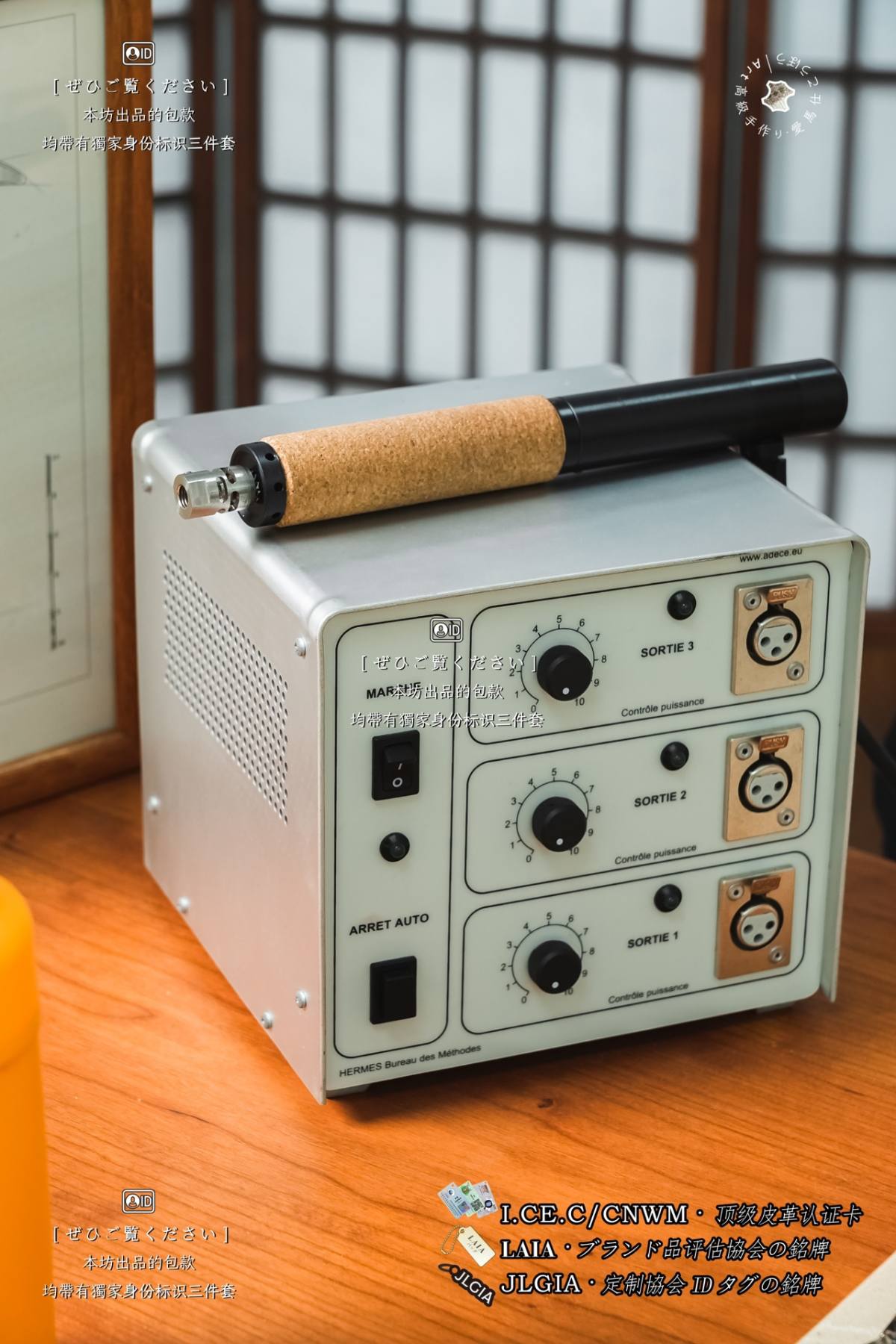
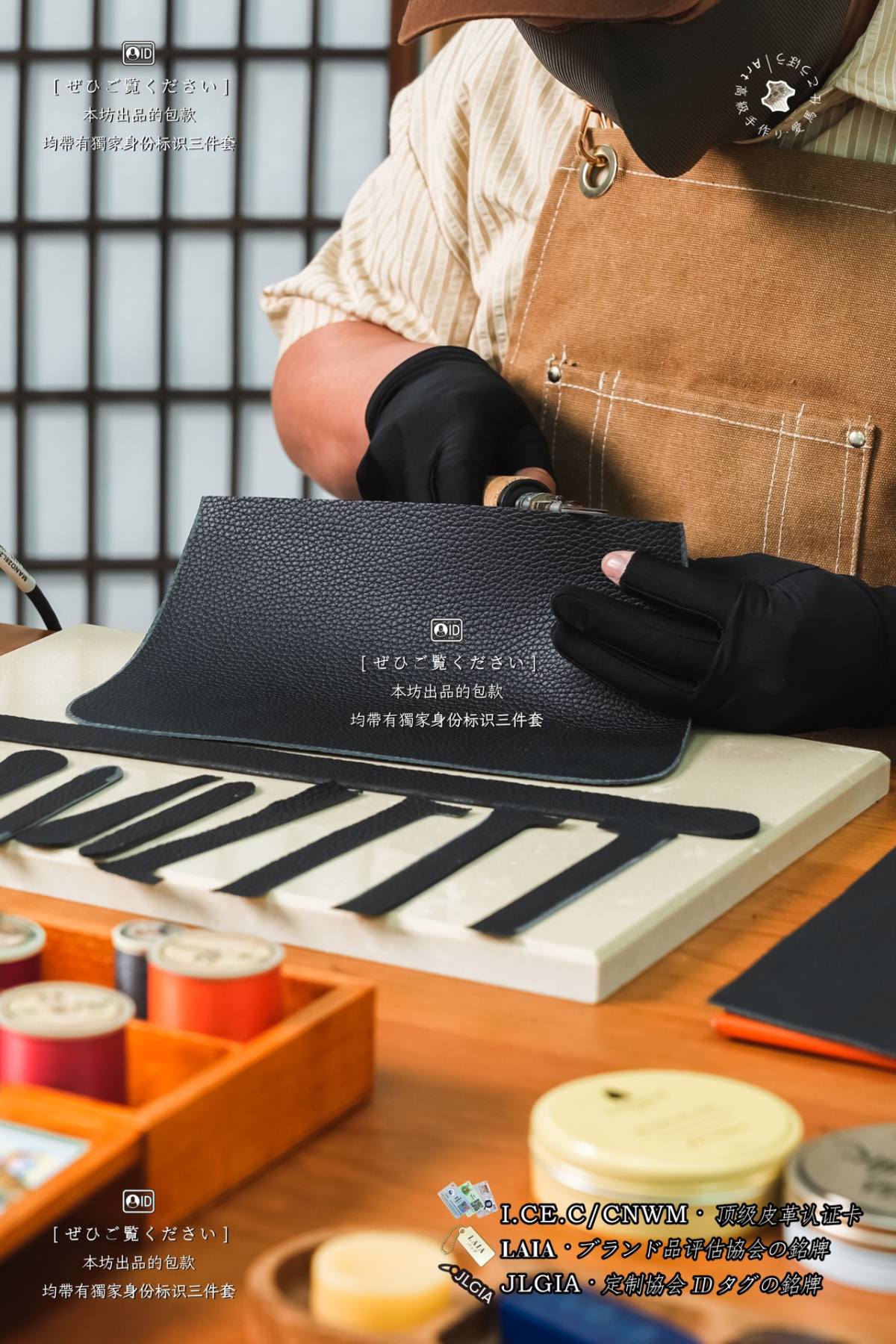
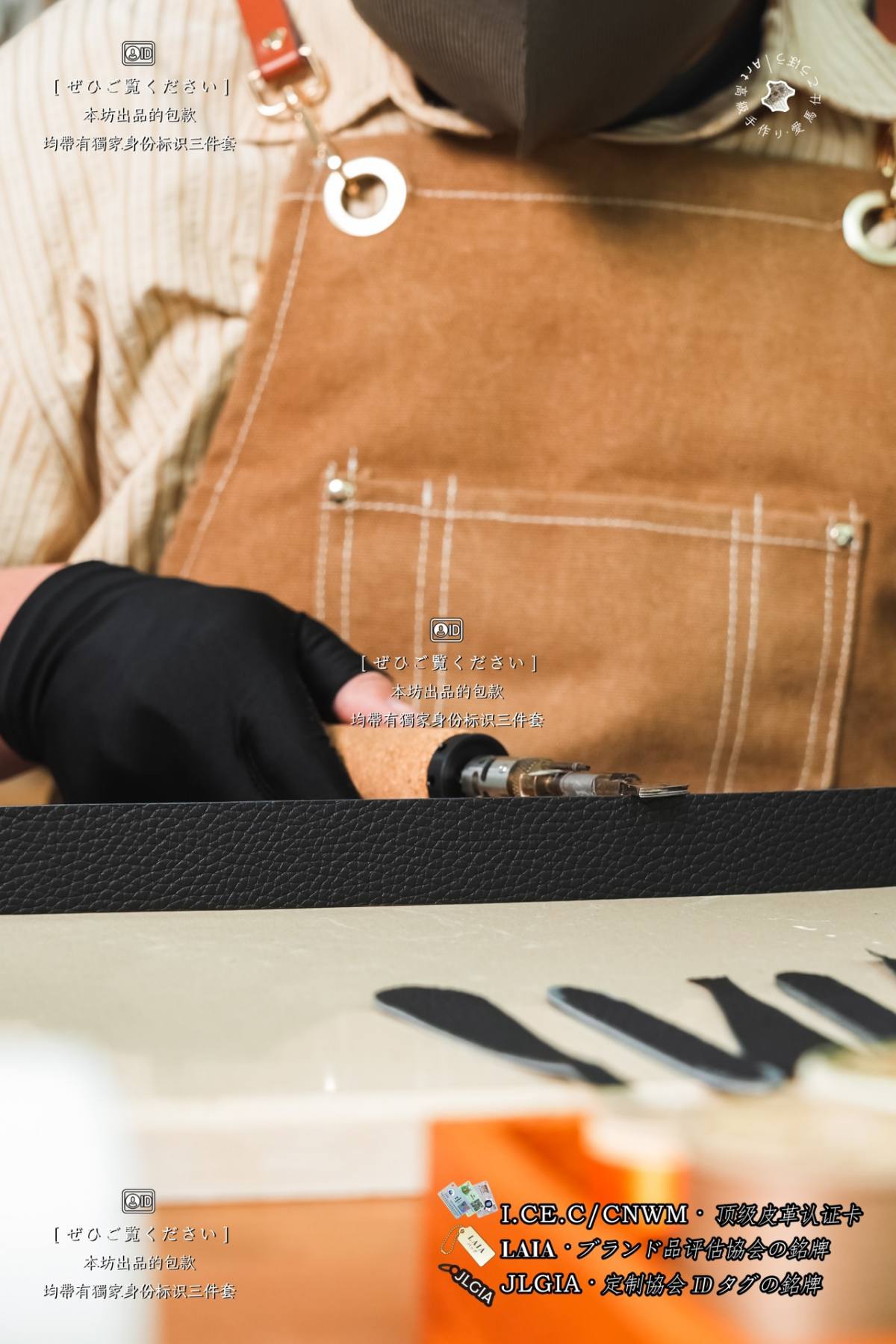
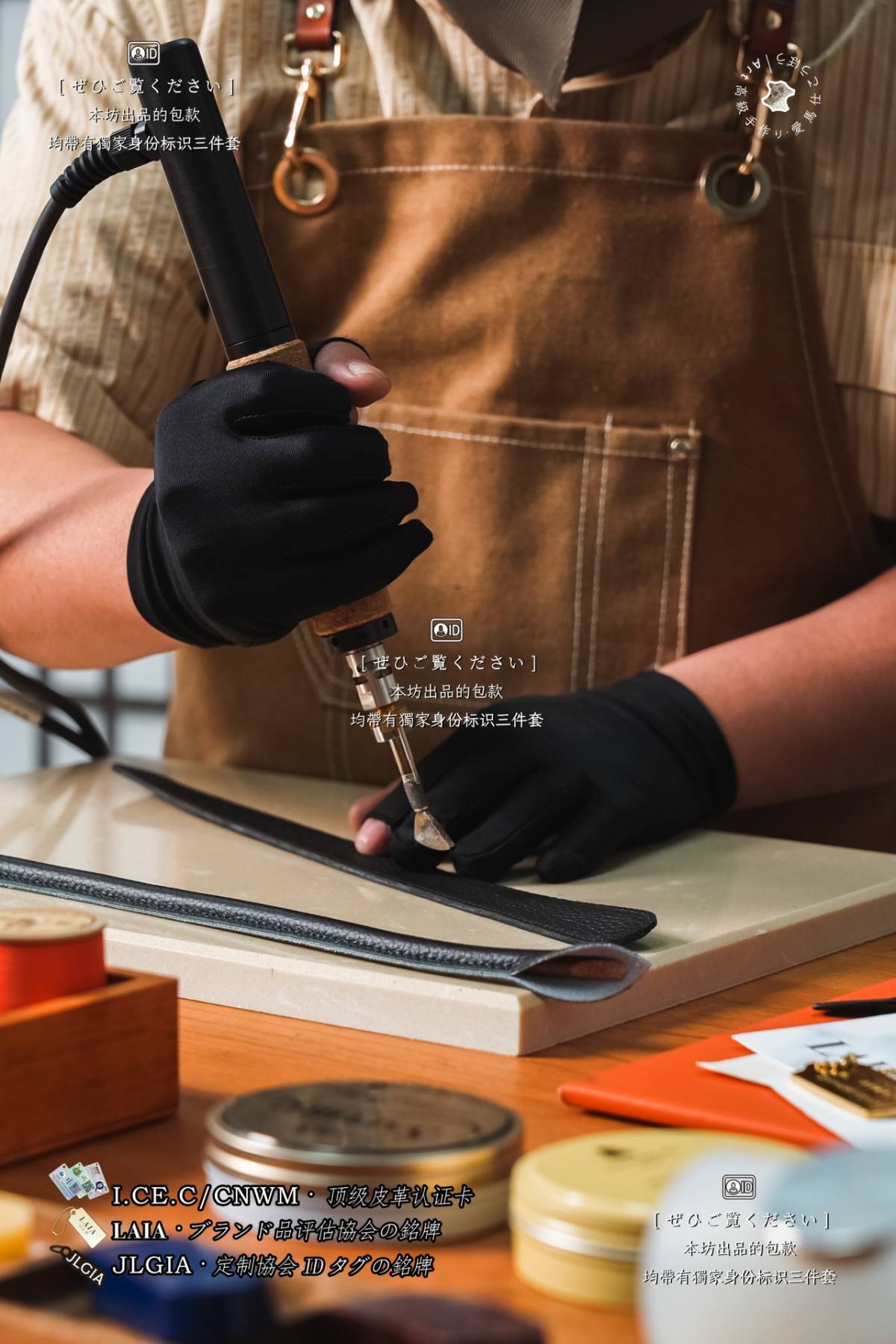
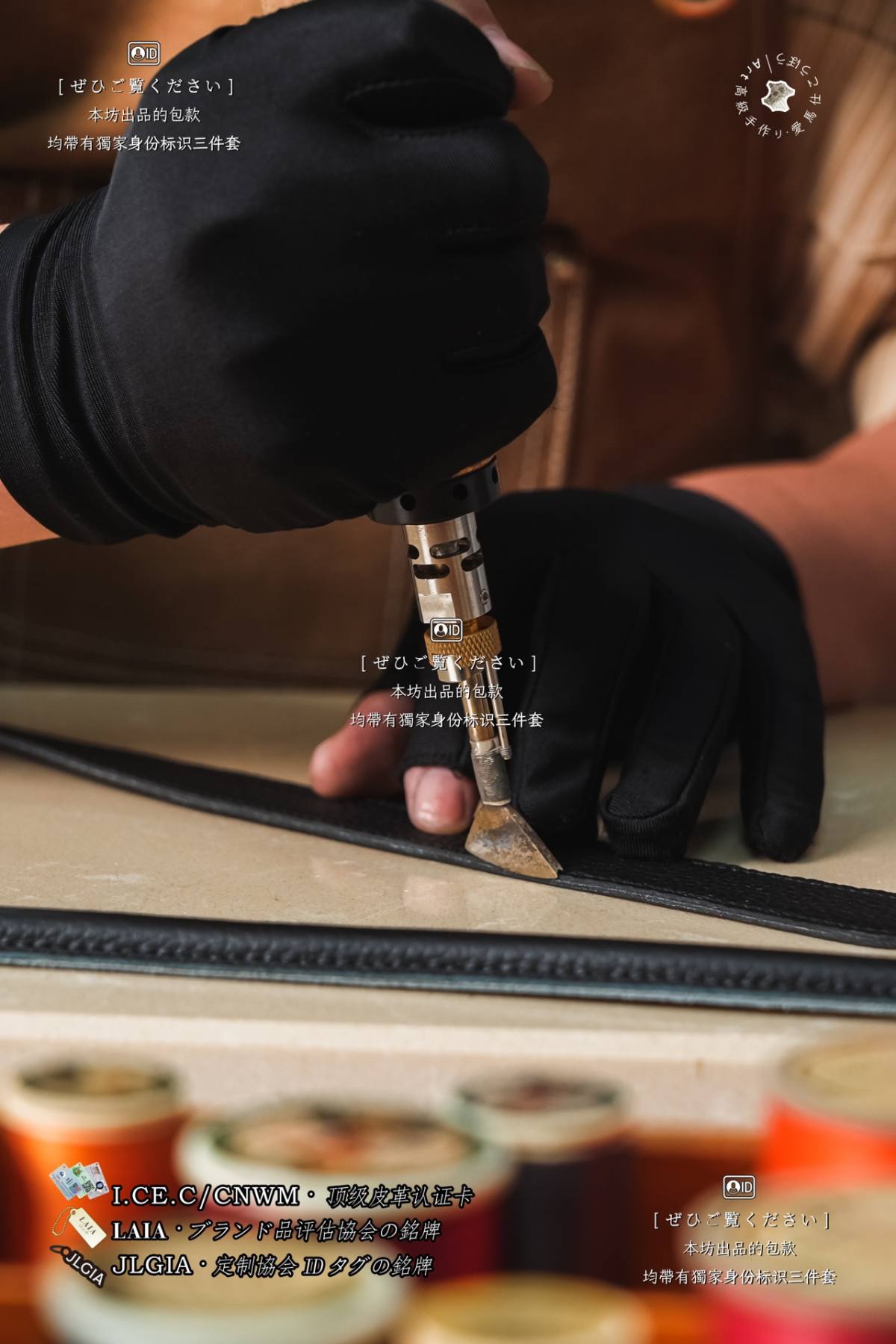
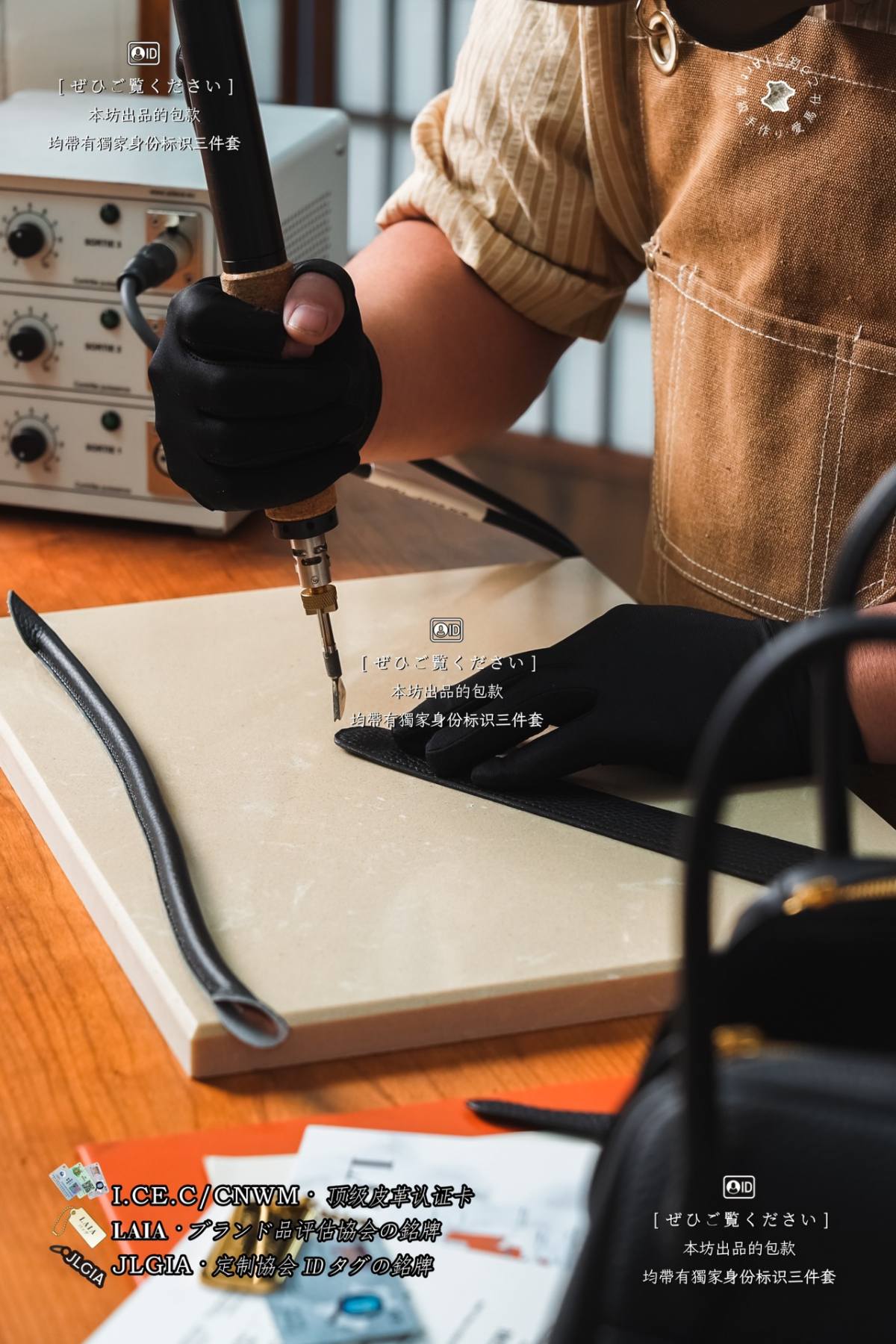
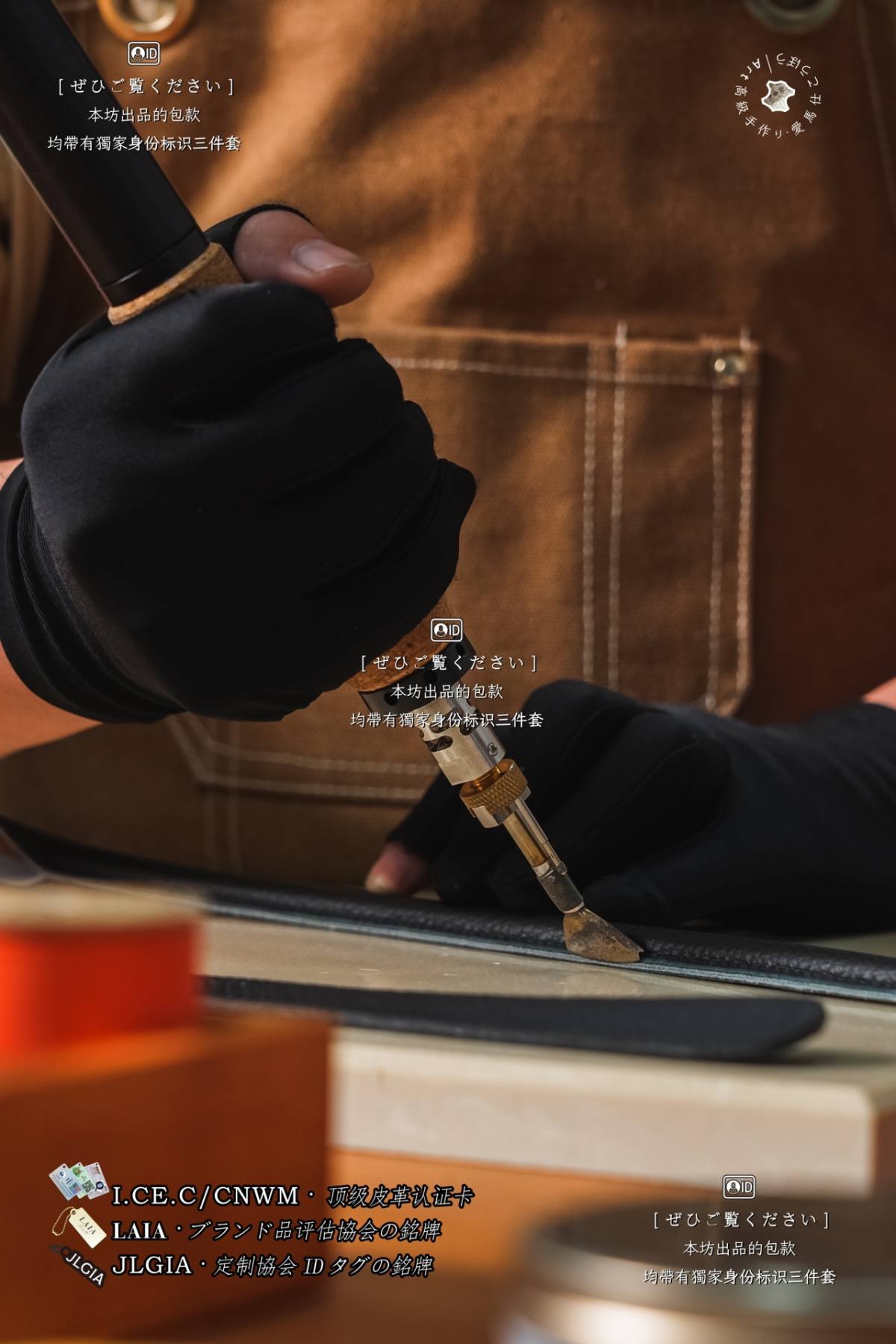
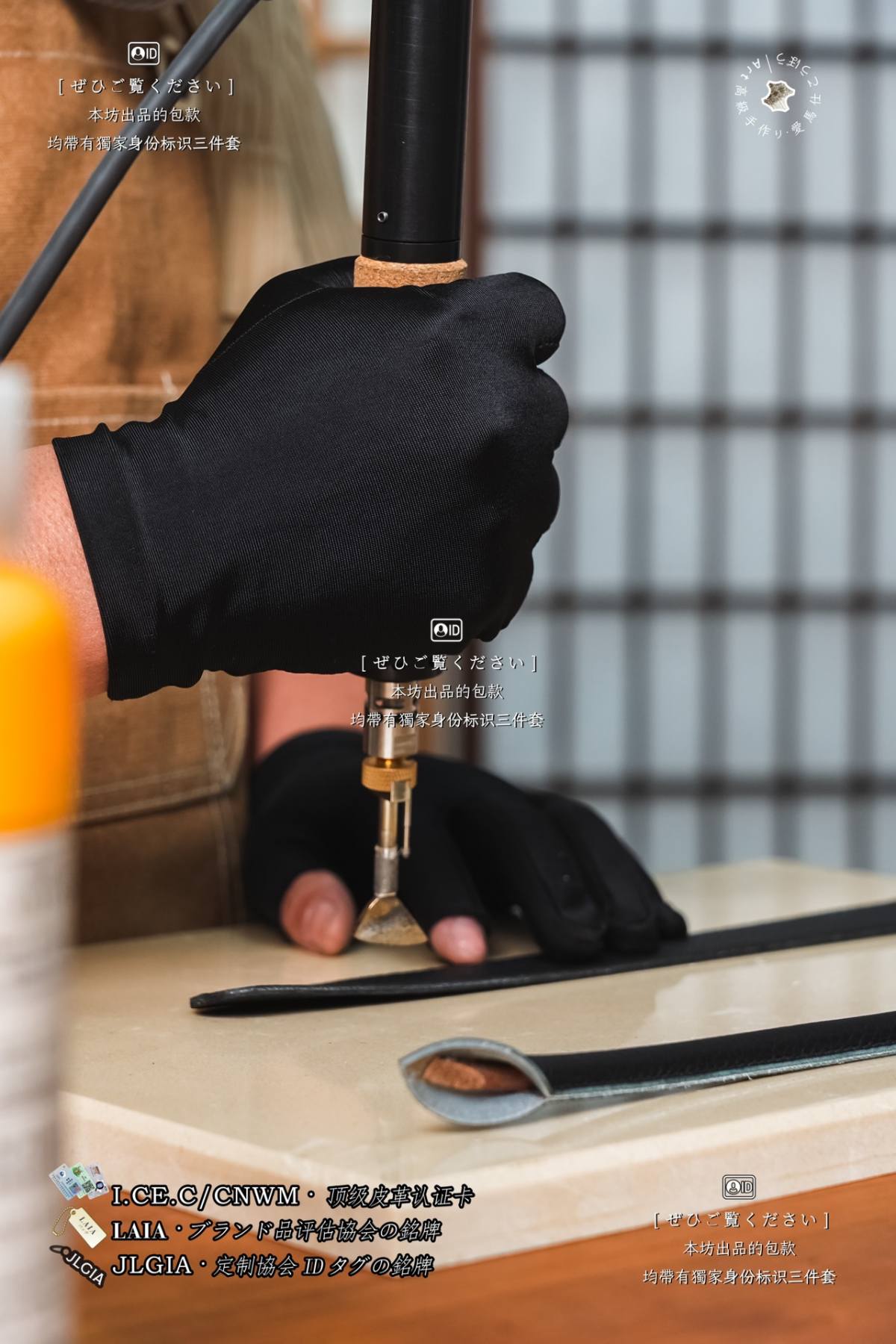
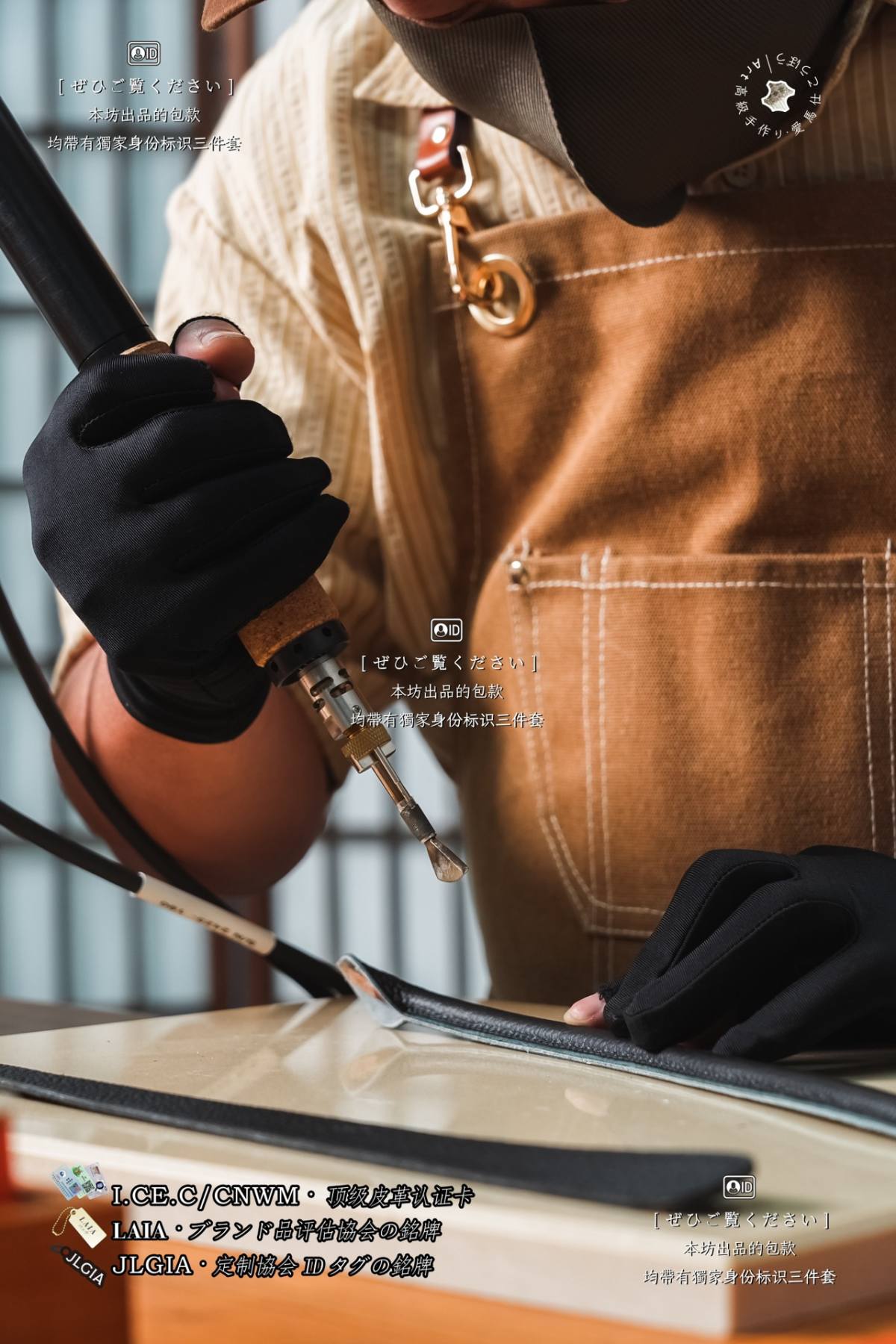
Today, the core craftsmanship implemented at the Shebag workshop is edge hot pressing. The workshop adopts imported temperature-controlled edge hot pressing machines combined with fully manual edge finishing, which represents the standard production methodology for high-end handmade leather goods. Though this artisanal approach yields lower output efficiency, it delivers unparalleled refinement in every procedural detail. The configuration of temperature-controlled hot pressing equipment and the technical proficiency of craftsmen at Shebag have fully reached the manufacturing benchmarks of authentic luxury pieces.
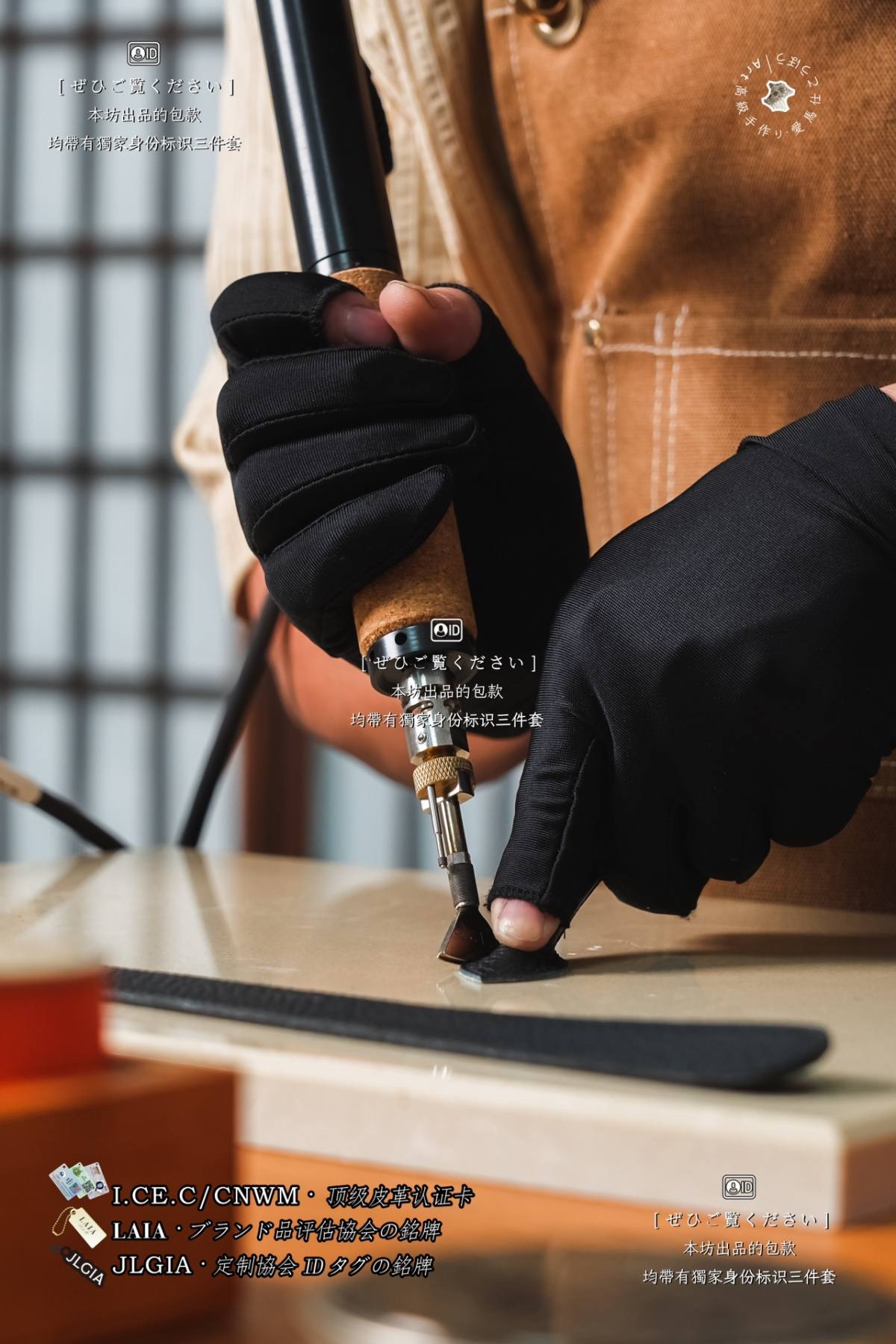
The temperature-controlled edge hot pressing machines deployed are custom-engineered models sourced from France and Switzerland. The main unit features a solid wood base paired with digital temperature display control, covering a temperature range of 60 to 300 degrees Celsius with a precise tolerance of ±1 degree Celsius, and is equipped with dual interfaces to support simultaneous installation of two pressing heads. The handheld heating component operates at 60 watts with high-temperature insulation properties and allows 360-degree angular adjustment for flexible operation. Three core specifications of pressing heads are adopted for differentiated application: the S0.5 single-line pressing head dedicated to edge line embossing, the F1.5 and F2.0 flat pressing heads designed for edge oil smoothing and wax sealing treatment, as well as the FN2.0 and FN2.5 grooved pressing heads used for fixed-distance decorative line indentation.
Supporting auxiliary equipment includes leather skiving machines, polishing machines, and constant-temperature edge oil furnaces. The skiving machine trims the material edge to a uniform thickness between 0.8mm and 1.2mm to ensure foundational flatness. The polishing process follows a progressive grit sequence from 80# to 240# and finally to 800# sandpaper for gradual surface refinement. The constant-temperature edge oil furnace maintains a steady temperature between 45 and 60 degrees Celsius to sustain the optimal fluidity of edge oil materials throughout production.
Temperature control technology constitutes the core proprietary process parameter, with operational values calibrated precisely in degrees Celsius. Material-specific temperature thresholds are strictly followed for different leather types. Epsom calfskin with chevron grain, classified as chrome-tanned leather, requires a constant working temperature between 180 and 210 degrees Celsius with a controlled tolerance of ±2 degrees Celsius. Togo and Buttero grain leather adopt a temperature range of 160 to 190 degrees Celsius. Barenia saddle leather, a vegetable-tanned material with high heat sensitivity, is processed at 140 to 160 degrees Celsius with low-temperature slow pressing to avoid scorching. Exotic skins such as crocodile and lizard leather demand an even lower temperature setting of 120 to 140 degrees Celsius to prevent scale detachment and material damage.
The temperature control logic adheres strictly to Hermès standard protocols. Preheating requires a 15-minute machine warm-up period, allowing the pressing heads to reach the preset temperature and stabilize for another 5 minutes before formal use. Layered temperature regulation is applied across multiple finishing rounds. The first and second rounds of edge oil treatment adopt low-temperature hot pressing at 120 to 140 degrees Celsius to facilitate material penetration and initial sealing. The third and fourth rounds utilize medium temperature ranging from 160 to 180 degrees Celsius for compact pressing to form a natural glossy surface. Wax sealing and polishing are completed at a high temperature of 190 to 210 degrees Celsius, enabling rapid wax permeation to enhance waterproof performance and surface luster. A standardized cooling protocol is enforced, requiring each finished layer to cool down to 20 degrees Celsius before the next application to prevent blistering and cracking of the edge coating.
Edge hot pressing is executed via the premium pearling craftsmanship with four to six layered treatments and micron-level precision control in every procedure. Preprocessing serves as the decisive foundation for final quality. The material edge is trimmed into a 45-degree slope through skiving and polishing, then refined with 800# sandpaper to achieve a burr-free mirror finish. A special anti-crack base coating formulated exclusively for luxury leather goods is thinly applied to penetrate the fiber structure and enhance crack resistance. Edge oil is compounded from plant resin and vinyl ingredients, color-matched to correspond with the leather tone and kept in reserve at a constant 45 degrees Celsius.
Layered hot pressing follows a four-layer standard workflow, with premium Birkin-style pieces extended to six layers of treatment. The base coat involves a thin application of edge oil to fully cover exposed fibers, using the F2.0 pressing head at 130 degrees Celsius with mild pressure and a processing speed of 5mm per second to complete permeation and sealing. After a 20-minute cooling period, 240# sandpaper is used for light grinding to eliminate surface particles. The intermediate coat applies another slightly thicker layer of edge oil, processed at a medium temperature of 160 degrees Celsius with full contact of the pressing head and even pressure distribution to form subtle rounded edge contours, followed by 30 minutes of natural cooling and wet polishing with 400# sandpaper for a smooth tactile finish. The gloss coat uses a thicker edge oil application to cover minor surface imperfections, treated at 180 degrees Celsius with a faster processing speed of 8mm per second to induce surface melting and form a mirror-like gloss, then left to cool for one hour before dry buffing with 800# sandpaper to eliminate orange peel texture. The final wax sealing coat applies premium beeswax formulated for luxury leather goods, treated swiftly with the F2.0 pressing head at 200 degrees Celsius to drive wax penetration into the fiber structure for waterproof protection, finished with cotton cloth polishing to deliver a mild jade-like texture with long-lasting wear and scratch resistance.
Distinctive detailing embodies the exclusive linear texture characteristic of Hermès craftsmanship. The S0.5 pressing head is positioned 0.8mm to 1.0mm from the edge to emboss a consistent single decorative line with uniform depth and no intermittent breaks. Edge fillet is controlled within a radius of 0.3mm to 0.5mm, eliminating sharp angles for a rounded and comfortable hand feel. Strict temperature boundaries are enforced; temperatures exceeding 220 degrees Celsius will cause edge oil discoloration and blackening, while temperatures below 120 degrees Celsius fail to generate sufficient surface gloss. Pressure control relies on the self-weight of the pressing head supplemented with gentle manual pressure, as excessive pressure leads to edge oil overflow and insufficient pressure results in uneven surface finishing.
Standard process parameters for common leather varieties follow fixed specifications. Epsom leather adopts 190 degrees Celsius with the F2.0 pressing head across four processing layers and a cooling interval of 20 to 30 minutes. Togo leather is processed at 170 degrees Celsius with the same pressing head and layer configuration and identical cooling duration. Barenia leather uses 150 degrees Celsius with the F1.5 pressing head over five layers, requiring 30 to 40 minutes of cooling time. Crocodile leather is set at 130 degrees Celsius with the F1.5 pressing head across six layers and an extended cooling period of 40 to 60 minutes.
The differentiation between Hermès-grade craftsmanship and conventional edge finishing lies in multiple dimensions. In terms of equipment, bespoke digital temperature control with ±1 degree Celsius precision is far superior to ordinary mechanical temperature regulation with a tolerance of ±20 degrees Celsius. Process methodology adopts layered precise temperature adjustment instead of rigid fixed-temperature single-pass pressing. High-end craftsmanship implements four to six treatment layers including formal wax sealing, compared with merely one to two layers without wax sealing in conventional production. In terms of durability and surface effect, the premium process delivers a mild mirror finish with abrasion resistance lasting over five years, whereas standard craftsmanship is prone to edge cracking and color fading within one year of use.