- 16
- May
Shebag Hermes handmade bag leather rolling flattening craftmanship review(May 2026 updated)
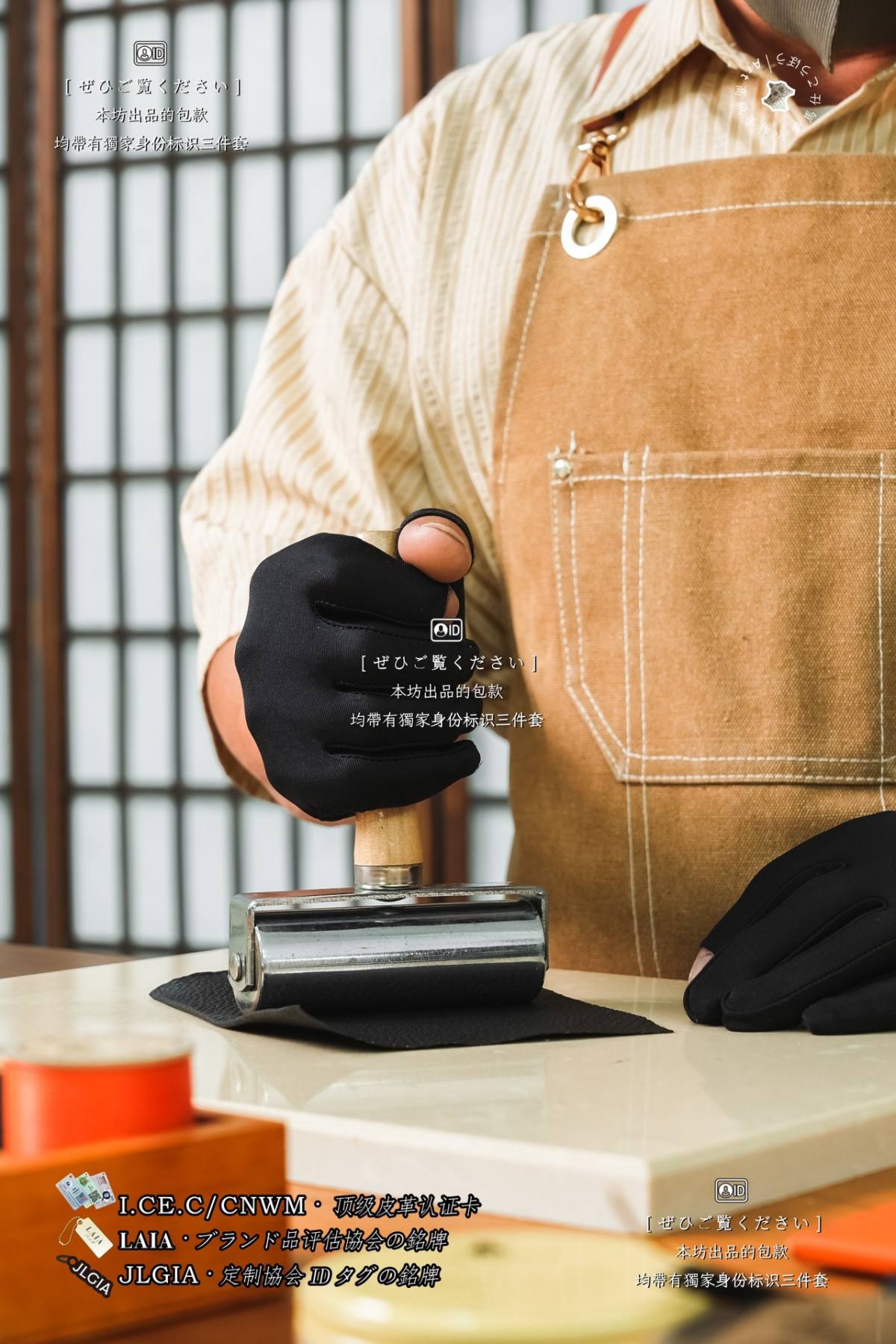
This in-depth artisanal Hermès handbag review published by Shebag is dedicated to demonstrating our professional leather roll flattening techniques. We adopt a complete set of working tools identical to those used in authentic Hermès workshops, and our senior craftsmen boast over a decade of practical experience in premium handmade bag craftsmanship.
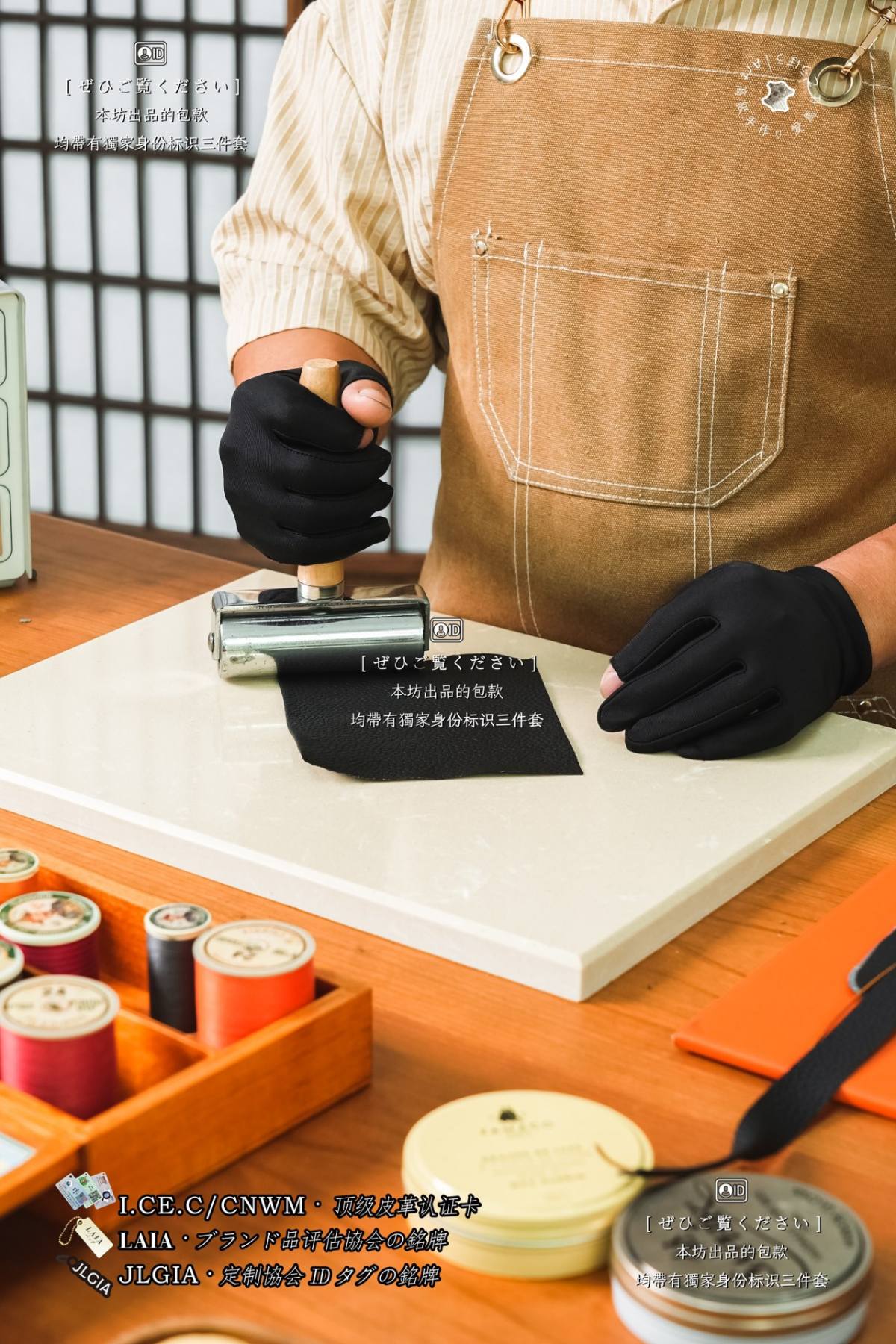
Stainless steel leather rollers serve as the core implement for flattening Hermès leather panels, complemented by constant-temperature edge ironing machines, leather irons and professional pressing platforms for flexible application across diverse working scenarios.
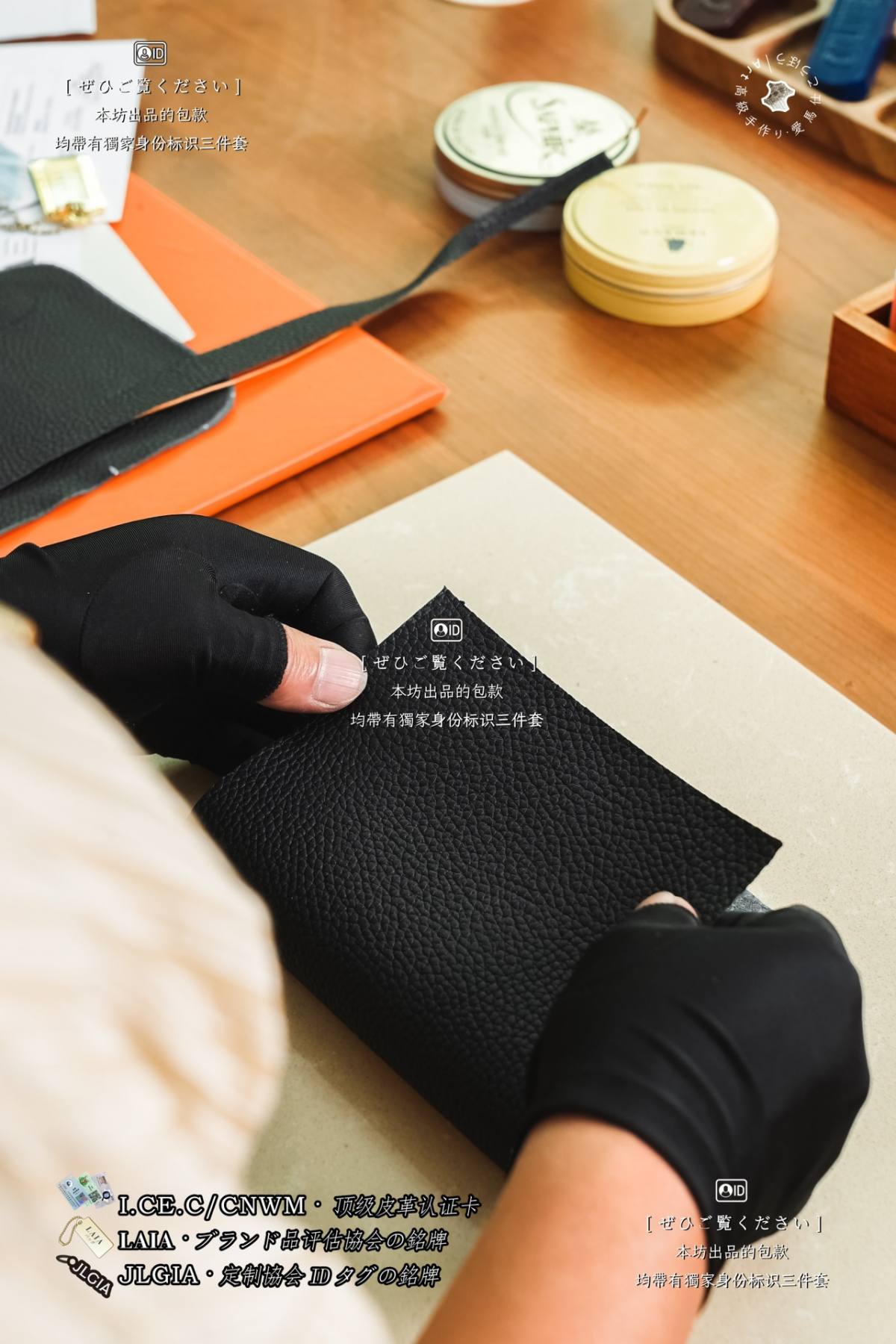
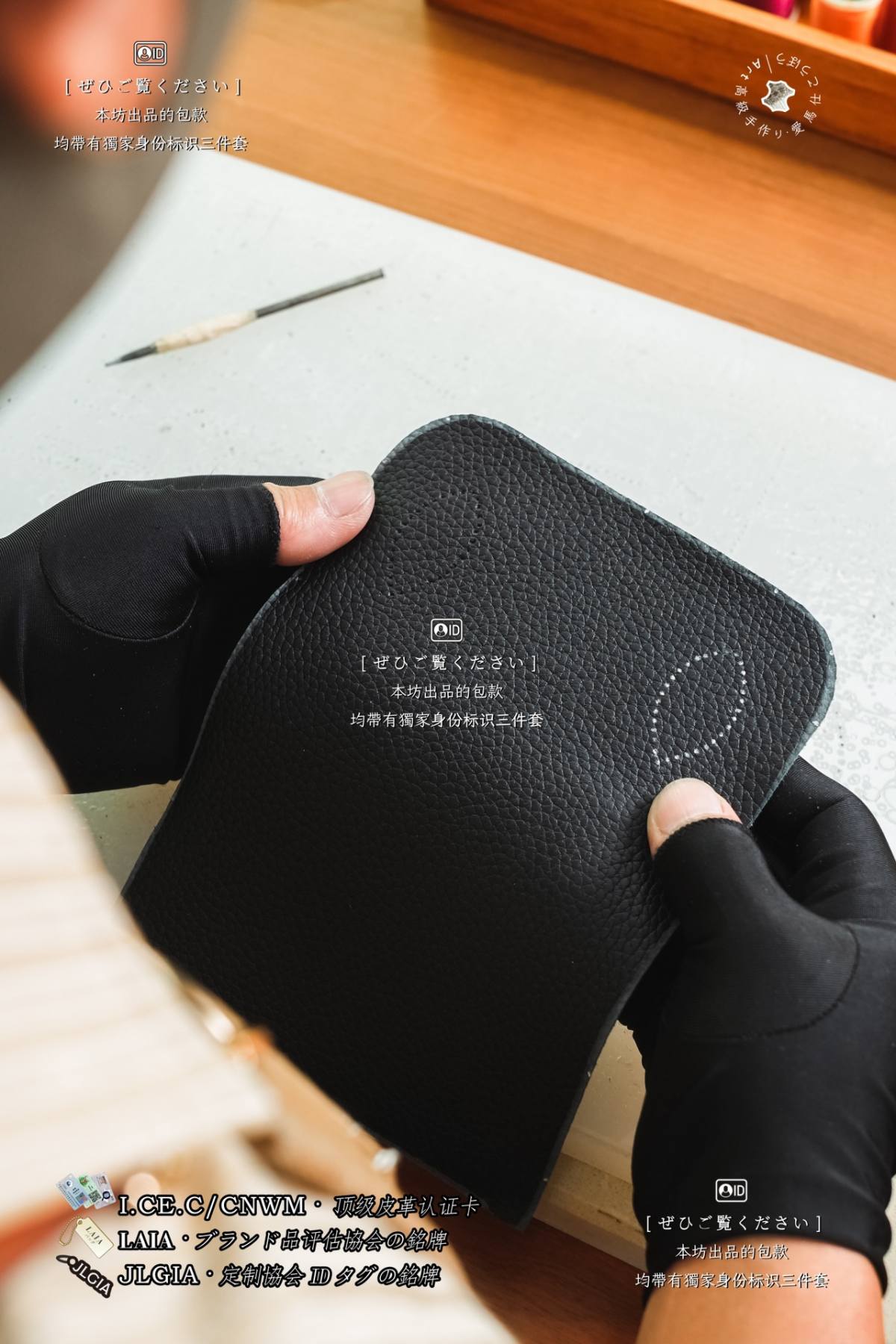
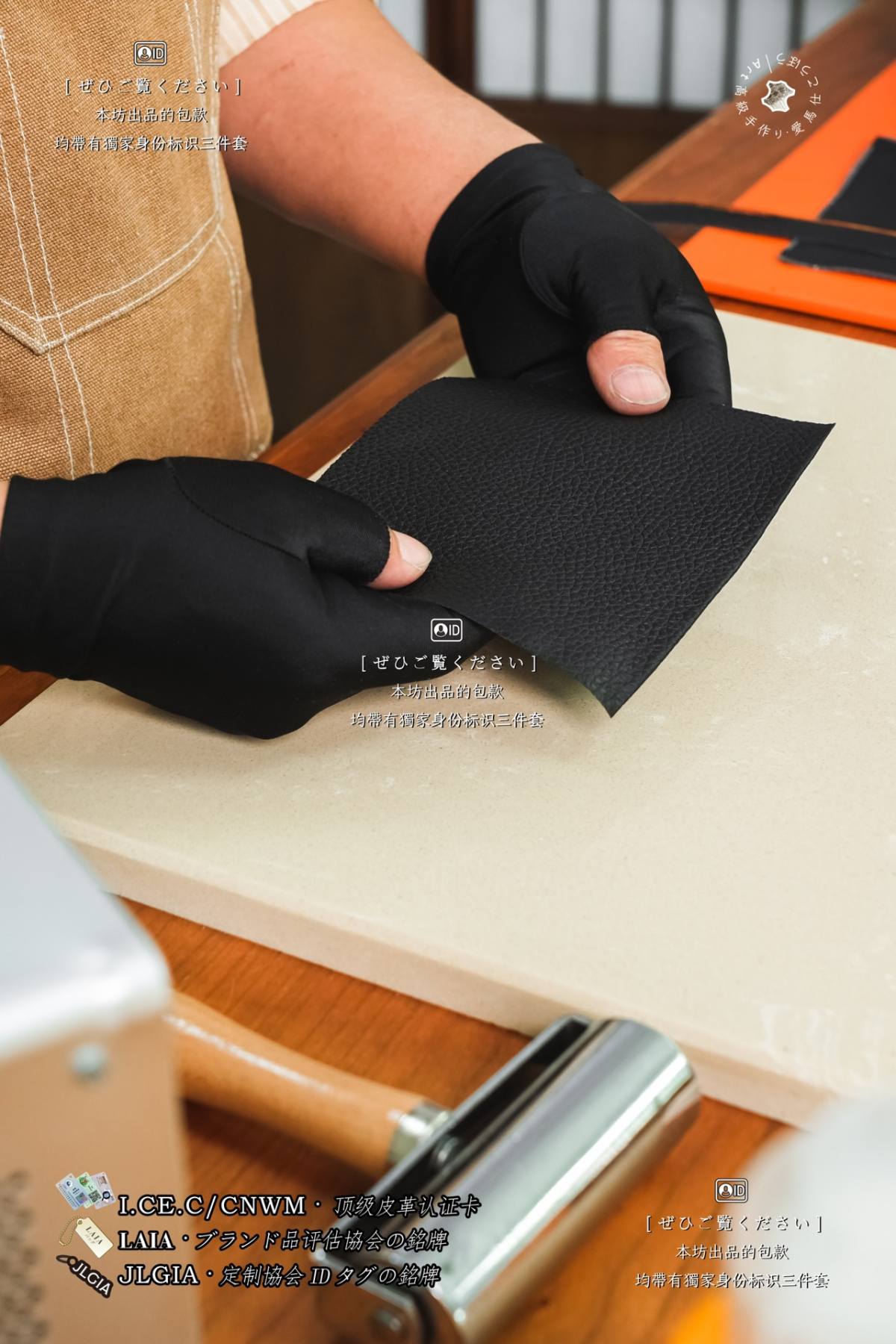
Hand rolling flattening remains the most widely adopted processing method in actual production. The essential stainless steel rollers come in multiple standard sizes, including 25 to 30 millimeters for narrow edges and detailed sections, 60 millimeters for large-area processing, and 100 millimeters for full hide flattening. Manufactured from 45# high carbon steel or stainless steel and fitted with solid wooden handles and built-in bearings, these rollers deliver exceptionally smooth operation. Place leather panels on marble or tempered glass workbenches, then apply even force to roll outward from the center towards edges in a single direction, repeating the procedure two to three times. Professional leather smoothing agents including exclusive Hermès formulated products can be applied to optimize flattening effects on Epsom, Togo and regular cowhide materials.
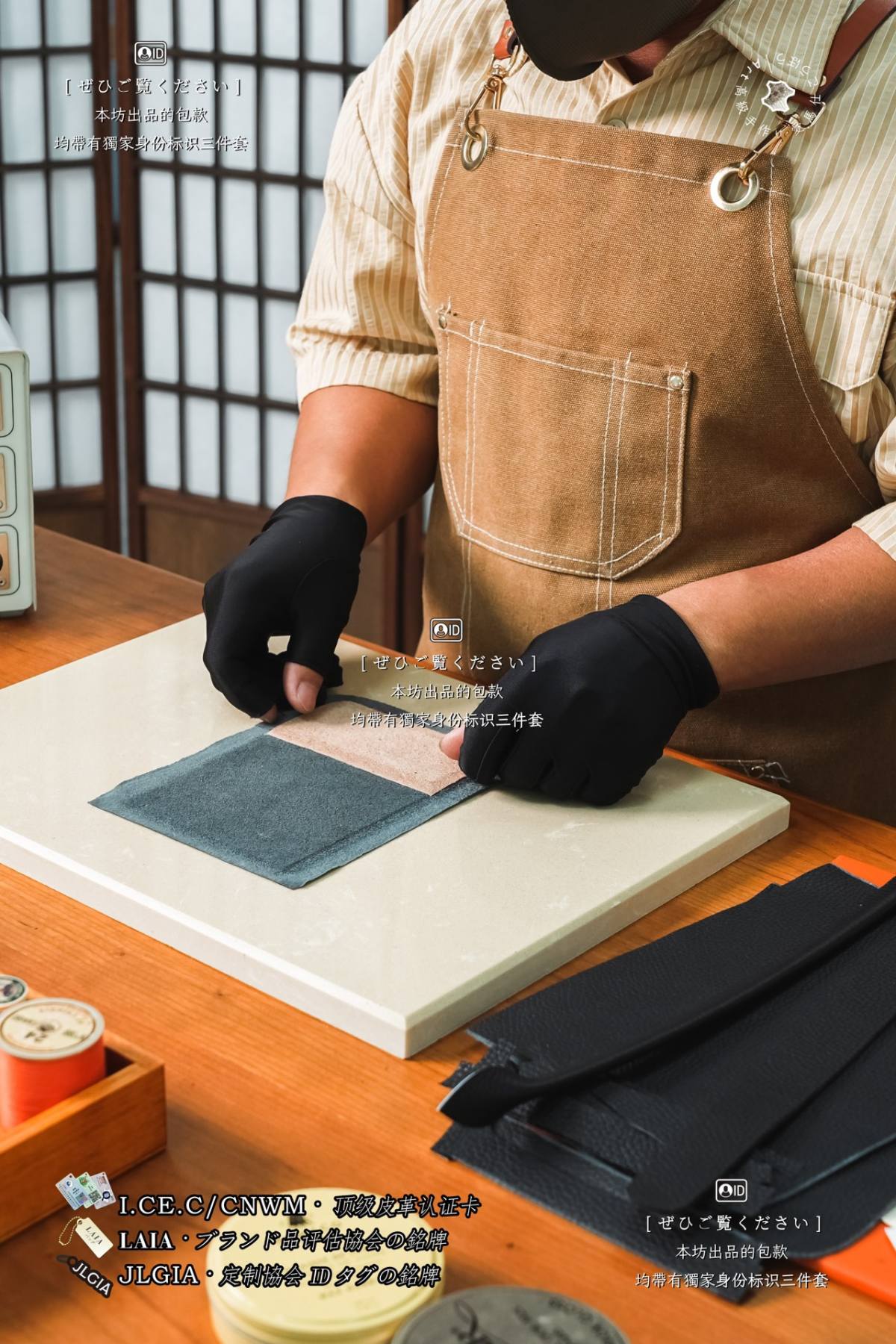
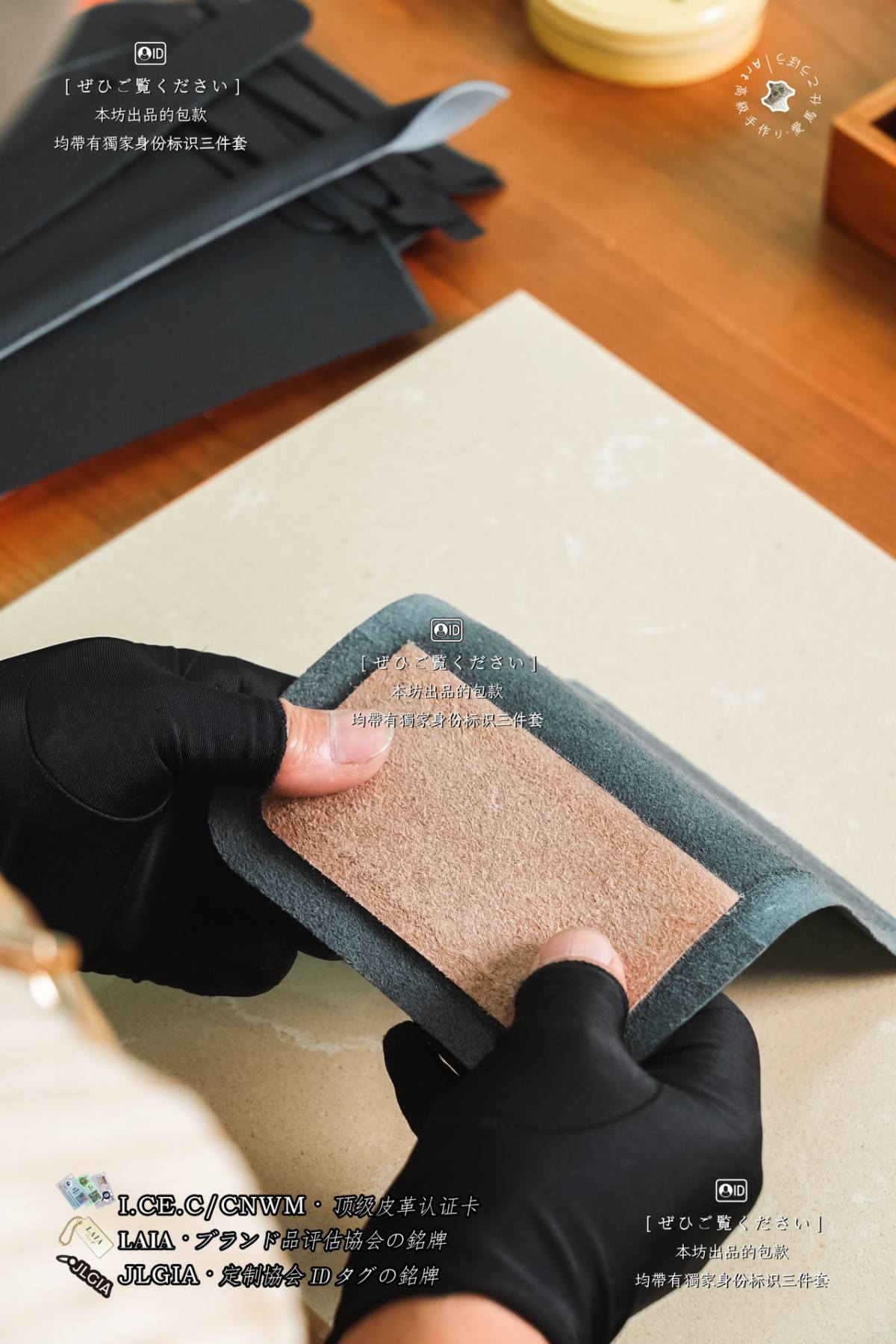
Supplementary manual tools further refine finishing results. Leather scrapers and shaping knives are used to eliminate partial creases by gently smoothing along natural leather grain directions. For large-sized leather pieces, cover the material with protective film and apply weighted blocks ranging from five to ten kilograms for a twenty-four-hour static pressing process to achieve stable long-term flatness.
Heated flattening procedures are deployed to eliminate stubborn wrinkles and facilitate seamless material lamination. Temperature-controlled edge ironing machines represent standard equipment compliant with official Hermès production specifications, with adjustable working temperatures ranging from 80 to 120 degrees Celsius calibrated according to specific leather types. The recommended setting stands at 90 degrees Celsius for Epsom leather, 100 degrees Celsius for Togo leather and 85 degrees Celsius for crocodile leather, equipped with S-type and F-type smooth pressing heads. Slightly moisten leather surfaces via fine mist spraying, lay pure cotton fabric as insulation and move the heating device at steady pace to prevent thermal damage to leather texture. Adjustable professional leather irons with temperature range from 50 to 150 degrees Celsius feature scratch-free smooth bases, enabling efficient large-scale rapid flattening operations.
Industrial grade rolling presses are designed for mass production and thick leather material treatment. Equipped with dual heated rollers maintaining temperatures between 60 and 90 degrees Celsius and adjustable pressure systems, such machinery ensures uniform flatness and remarkable production efficiency when processing whole leather hides.
Targeted tool matching schemes are formulated for different leather varieties. A combination of 60-millimeter rollers and 90-degree edge ironing settings is ideal for Epsom leather to avoid unwanted pressing marks. Heavy-duty 100-millimeter rollers paired with 100-degree heating parameters deliver thorough flattening for Togo leather. Delicate Swift leather and lambskin require lightweight 25-millimeter rollers operating under low temperature at 80 degrees Celsius with moderate pressure to preserve original texture. Custom soft-surface rollers working at 85 degrees Celsius are utilized on crocodile and lizard leather to prevent scale warping and detachment.
Strict operational norms guarantee consistent finished quality. Working surfaces must be fully flat and burr-free, with marble and glass materials prioritized for stable support. All rolling movements shall follow natural leather grain orientation to avert transverse material stretching. Prior to formal heating treatment, conduct preliminary temperature tests on inconspicuous leather edges to verify safe working parameters.