- 20
- May
Shebag handmade Hermes bag Glue craftmanship review(May 2026 updated)
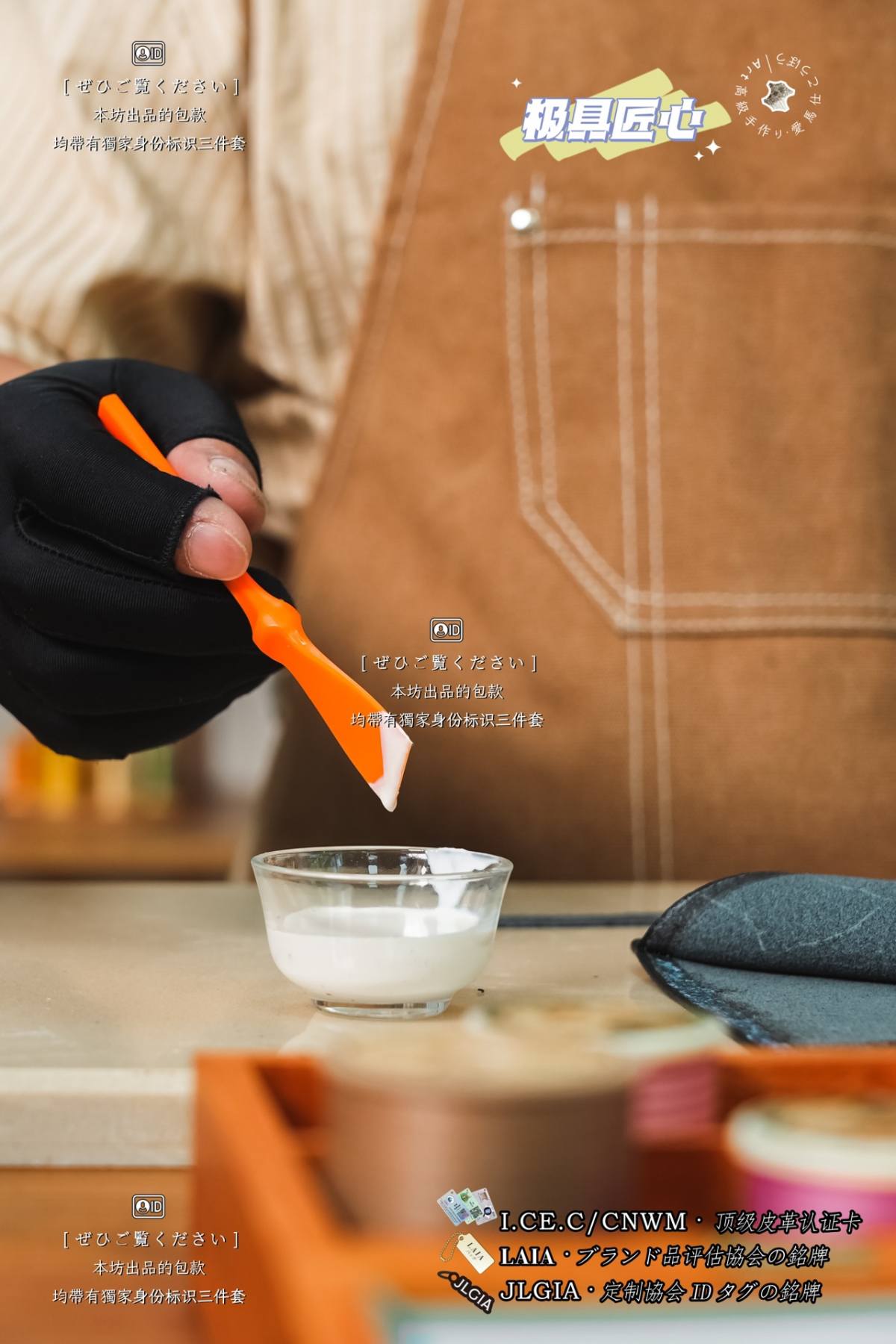
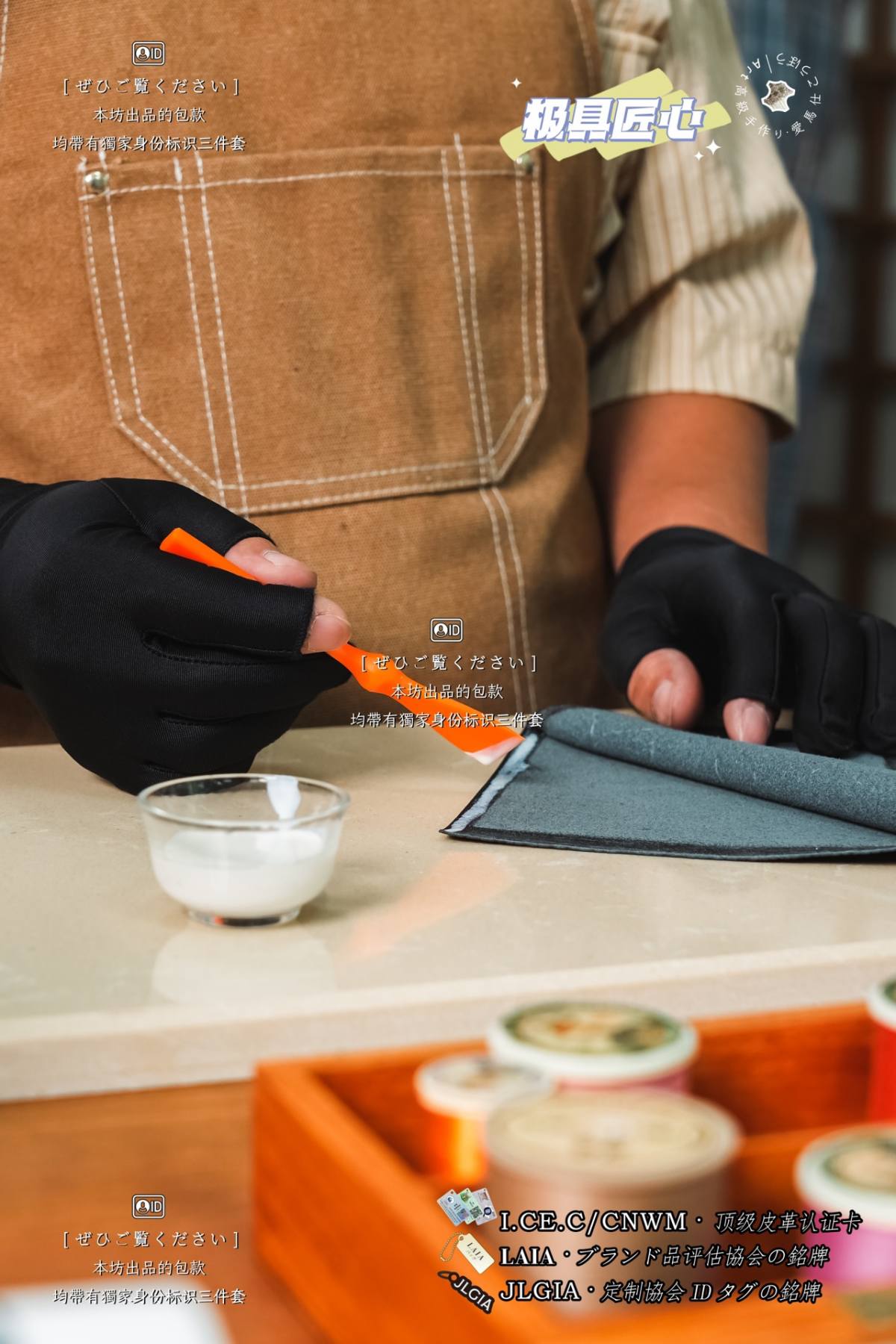
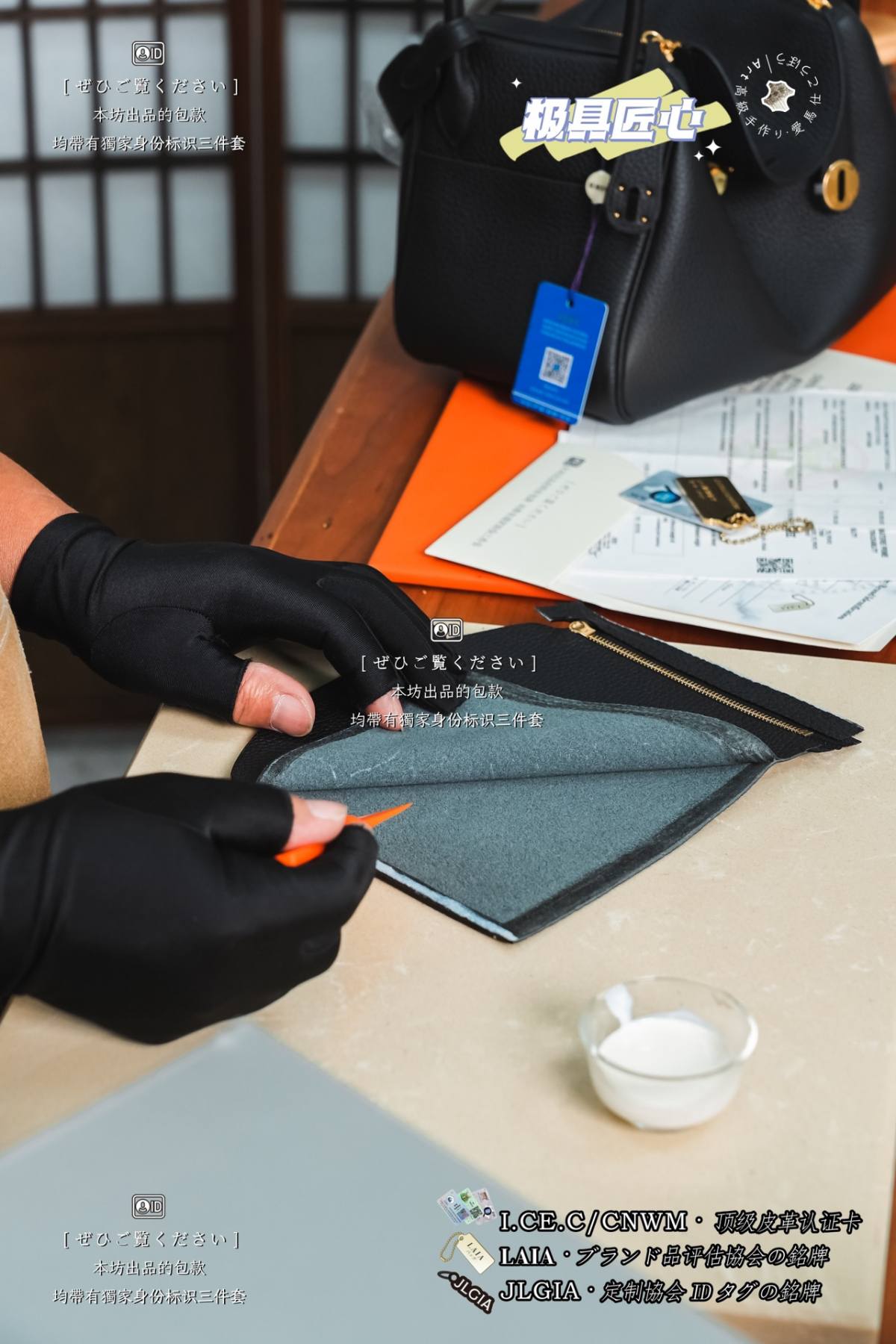
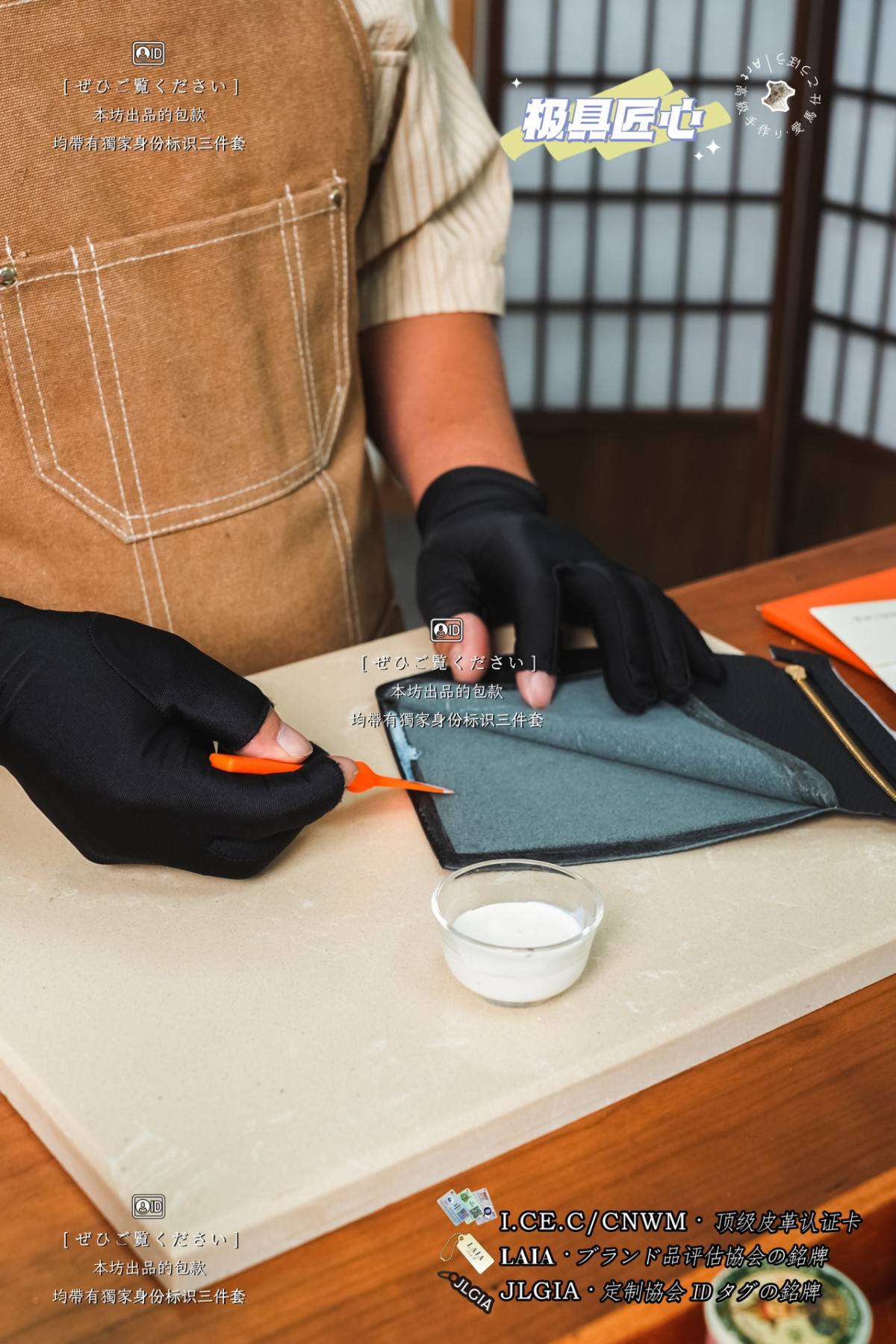
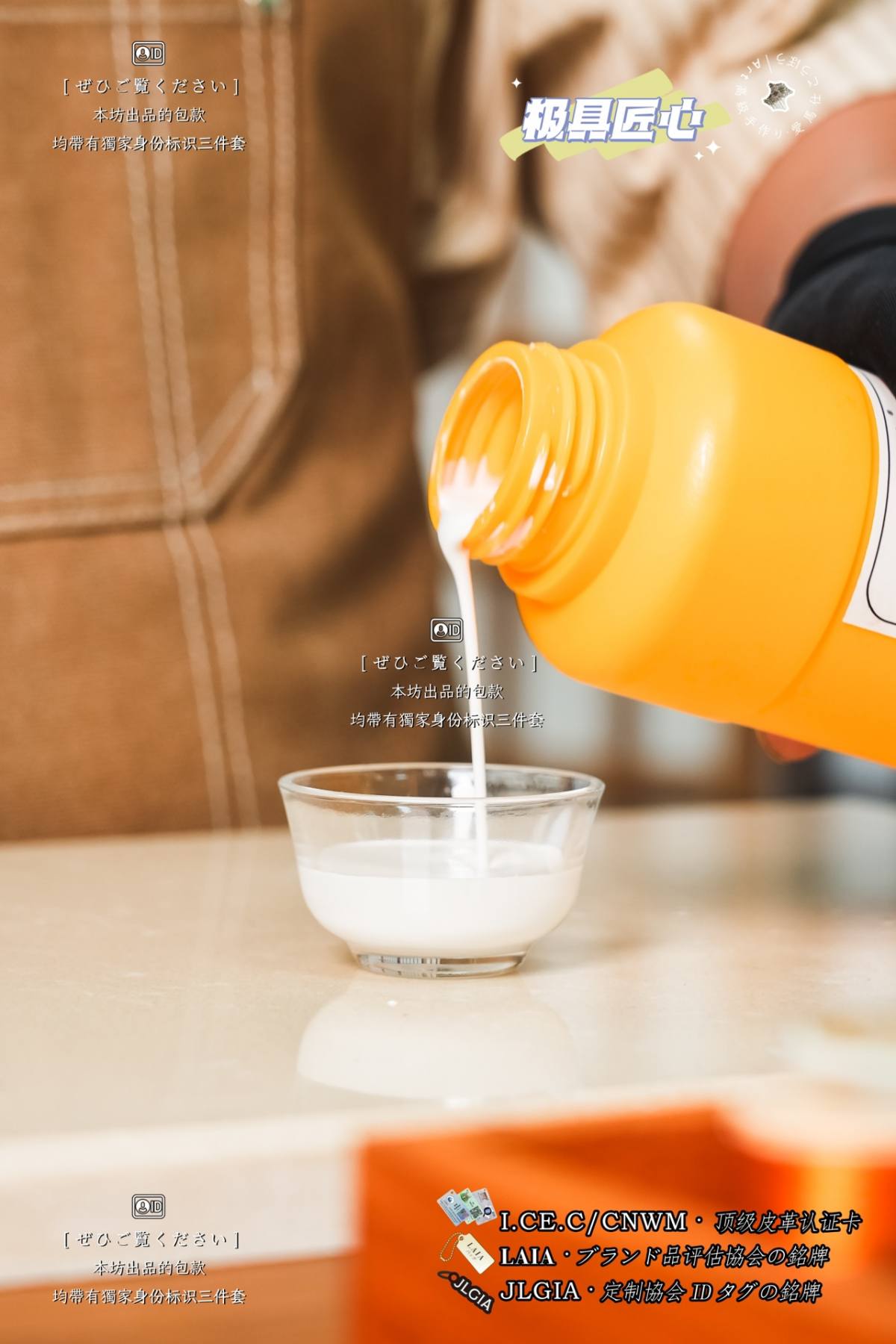
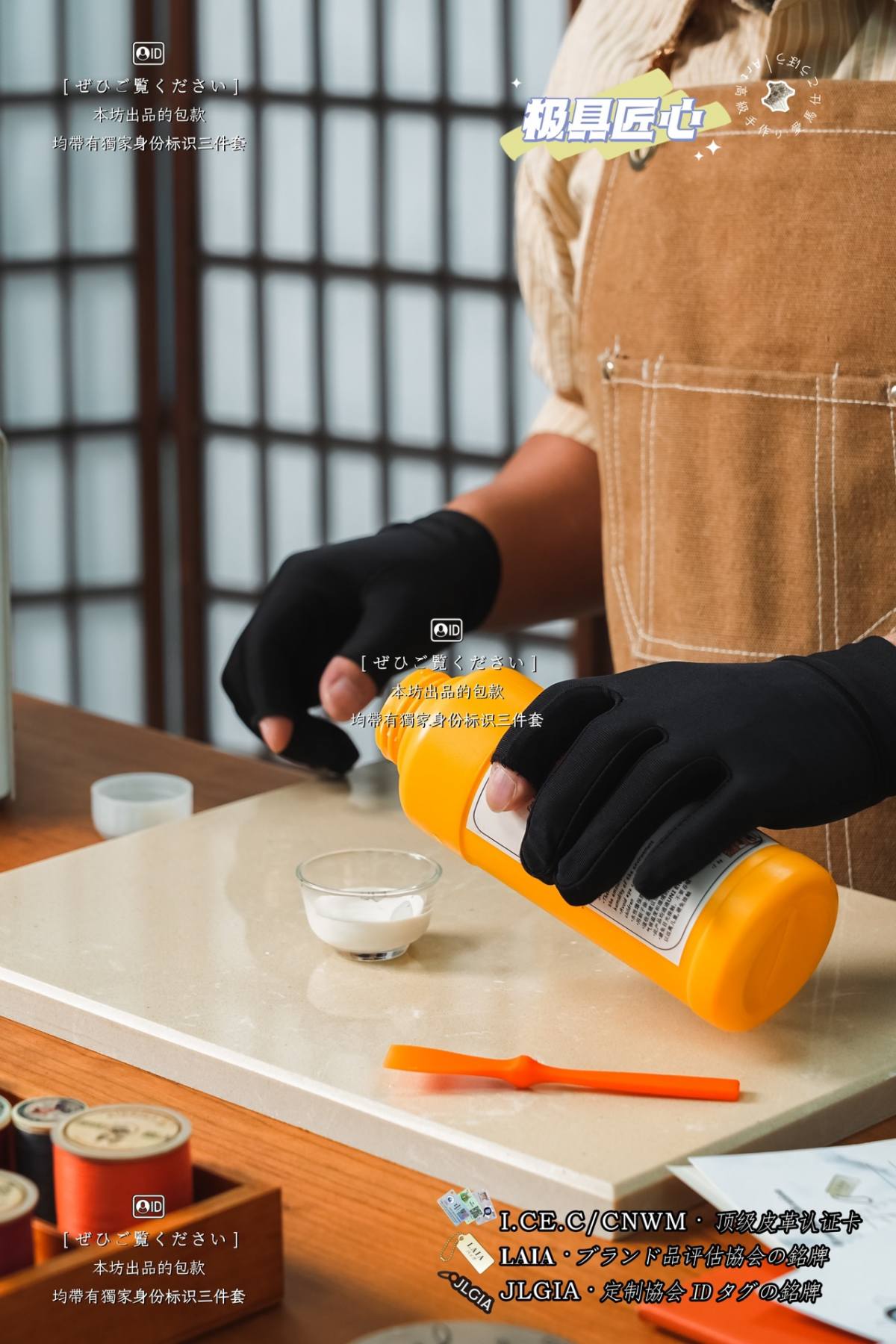
The glue application process for Hermès handbags implemented in Shebag handmade workshops differs entirely from that of ordinary leather goods. We adopt imported adhesives and apply glue manually in slow and repeated coats, fully matching the craftsmanship standards of authentic Hermès products.
The core bonding technique for Hermès bags features eco-friendly water-based PU adhesive combined with multi-layer thin coating and low-temperature hot pressing. The whole process generates faint odor, delivers superior durability and causes no damage to leather materials. The overall scent is dominated by natural leather aroma mixed with subtle milky fragrance, free from pungent solvent smell.
As for core raw materials including leather panels, supporting substrates and auxiliary accessories, various main leather types are selected to define bonding compatibility and basic scent characteristics. French Hass Togo leather boasts coarse grain surface, favorable elasticity and moderate water absorption capacity, enabling even glue penetration and excellent wrinkle resistance, emitting warm greasy leather scent blended with slight faint aroma of plant tanning agents. German and French Epsom leather features compact embossed texture and low water absorption rate, supporting formation of thin and stable adhesive layers without glue bleeding, and carries extremely mild pure leather scent with barely any miscellaneous odor. Delicate and soft Swift calfskin has high water absorbency, which requires strict control over glue dosage to avoid softening caused by excessive glue absorption, presenting fresh milky sweetness mixed with inherent leather fragrance. For exotic leathers such as crocodile and ostrich skins with dense scales and pores, specially formulated high-solid-content water-based adhesives are applied for anti-corrosion performance, releasing light mineral tanning agent aroma along with original leather scent.
Lining and supporting materials serve shaping and structural supporting purposes and exert influence on the odor of structural adhesives. We adopt French lambskin lining, cotton canvas and ultrafine fiber fabrics, bonded with water-based adhesives of the same system to eliminate solvent residue. Environment-friendly benzene-free high-density EVA materials, leather pulp paper and non-woven fabrics are used as supporting substrates, fixed with low-odor non-brittle water-based PU powder glue. Thin cowhide sheets and polyester mesh fabrics are applied as reinforcing materials for edge and stress-bearing sections, ensuring formation of thin and uniform adhesive layers. Hardware fittings and sewing threads also indirectly affect joint bonding conditions. Brass gold-plated and palladium-plated hardware components are assembled by combining slow-drying water-based adhesives with physical riveting technology to prevent metal corrosion. Waxed waterproof linen sewing threads are adopted, with tiny amounts of adhesive applied to seal needle holes for enhanced thread loosening prevention and moisture resistance.
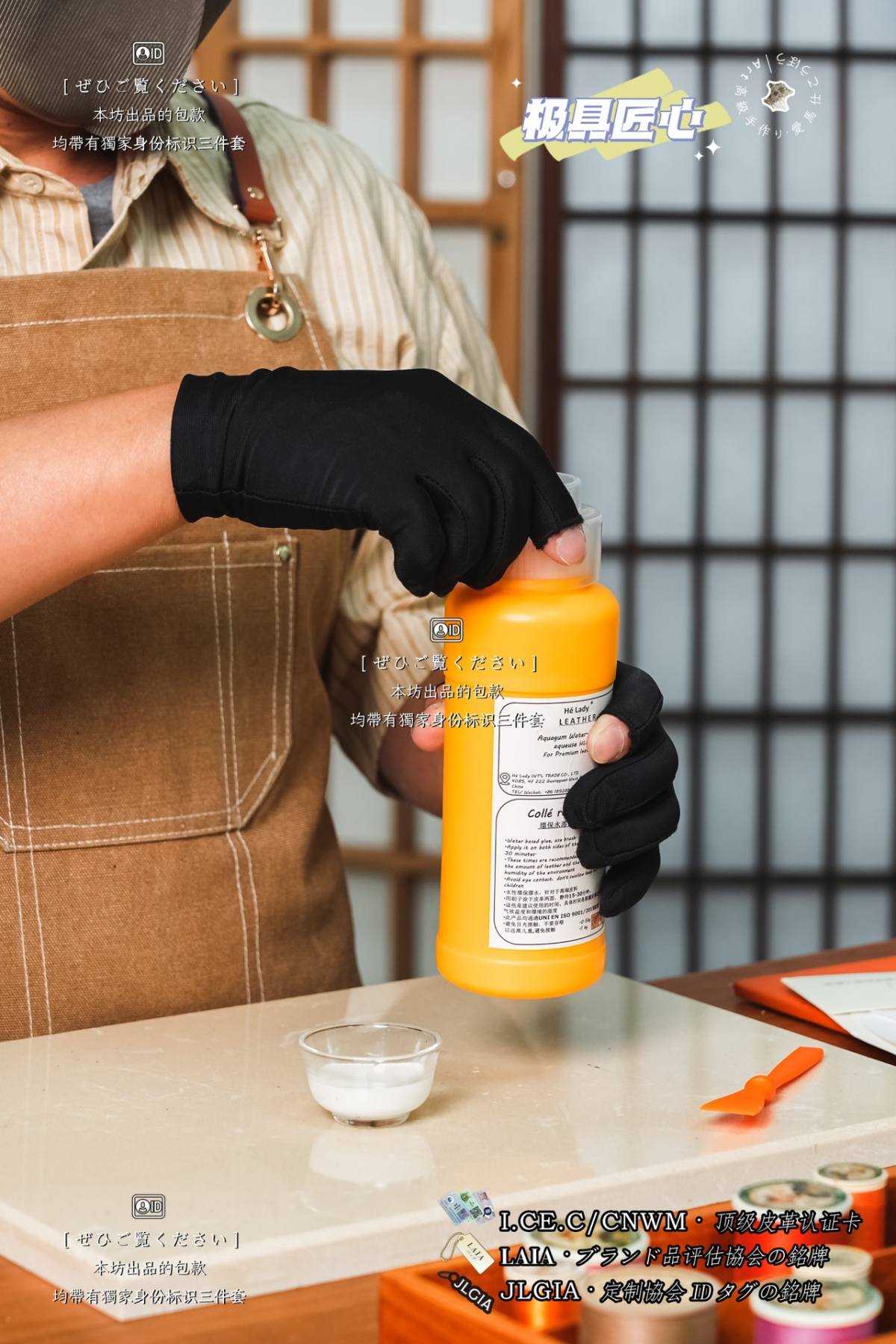
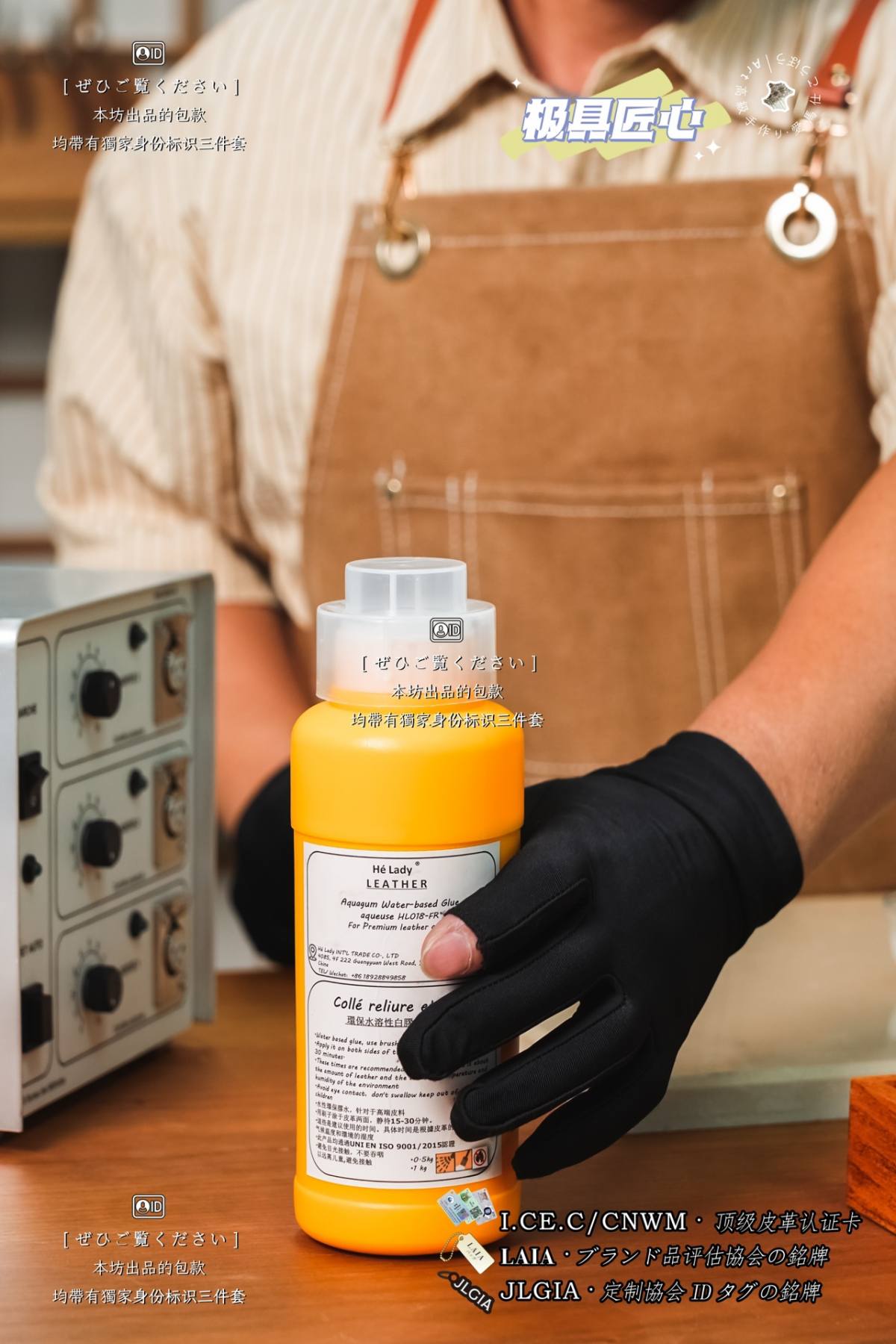
The core adhesive material we utilize is exclusive Hermès-specified model 018HR water-based PU glue. In terms of core composition, it takes water-based polyurethane dispersion as the main ingredient with a solid content of 55% plus or minus 2%, appearing as milky white emulsion with zero solvent content and zero VOC emission. Its curing system contains approximately 1.5% water-based isocyanate crosslinking agent, featuring slow room-temperature drying property and thermal activation effect, so the cured adhesive maintains elastic consistency matching leather materials. Plant-based rosin ester and non-ionic surfactants are added as tackifiers and wetting agents to improve leather surface wettability and effectively prevent glue penetration and whitening marks. With pH value maintained between 5.5 and 6.5 in weak acidic state, it is compatible with both chrome-tanned and vegetable-tanned leather without damaging surface finishing layers.
Different types of adhesives are deployed for targeted purposes without using any solvent-based yellow glue. Model 018HR water-based PU glue acts as the primary adhesive for bag body lamination, leather-to-leather and leather-to-lining bonding, featuring mild milky scent that completely fades after full curing. Water-based powder glue is used for large-area lamination between EVA materials and leather as well as lining and supporting substrates, offering 30 to 45 minutes slow drying time allowing proper position adjustment with nearly undetectable odor. Water-based edge sealing paste composed of resin, pigment and water is coated in three to seven ultra-thin layers with hot pressing treatment after each coating, leaving pure leather scent with no residual odor after drying. Solvent-based yellow glue containing toluene and xylene, water-sensitive PVA white latex and brittle corrosive instant adhesive are all strictly prohibited in production procedures.
The whole glue application process relies on precise manual operation following the core principles of thin coating, even spreading, slow drying and proper pressing. Pre-treatment procedures including surface cleaning and humidity adjustment are implemented in advance to avoid bubble generation and glue separation. Neutral leather detergent is applied with lint-free cloth to wipe off grease and dust on leather surfaces, followed by 15 to 20 minutes natural air drying for thorough residue removal. Appropriate humidity adjustment by spraying trace deionized water to control leather moisture content within 12% to 15% prevents excessive rapid drying and embrittlement of adhesive layers. Fine sandpaper of 400 mesh is used for gentle edge polishing to remove burrs and form slightly rough surfaces for stronger adhesion of edge sealing paste.
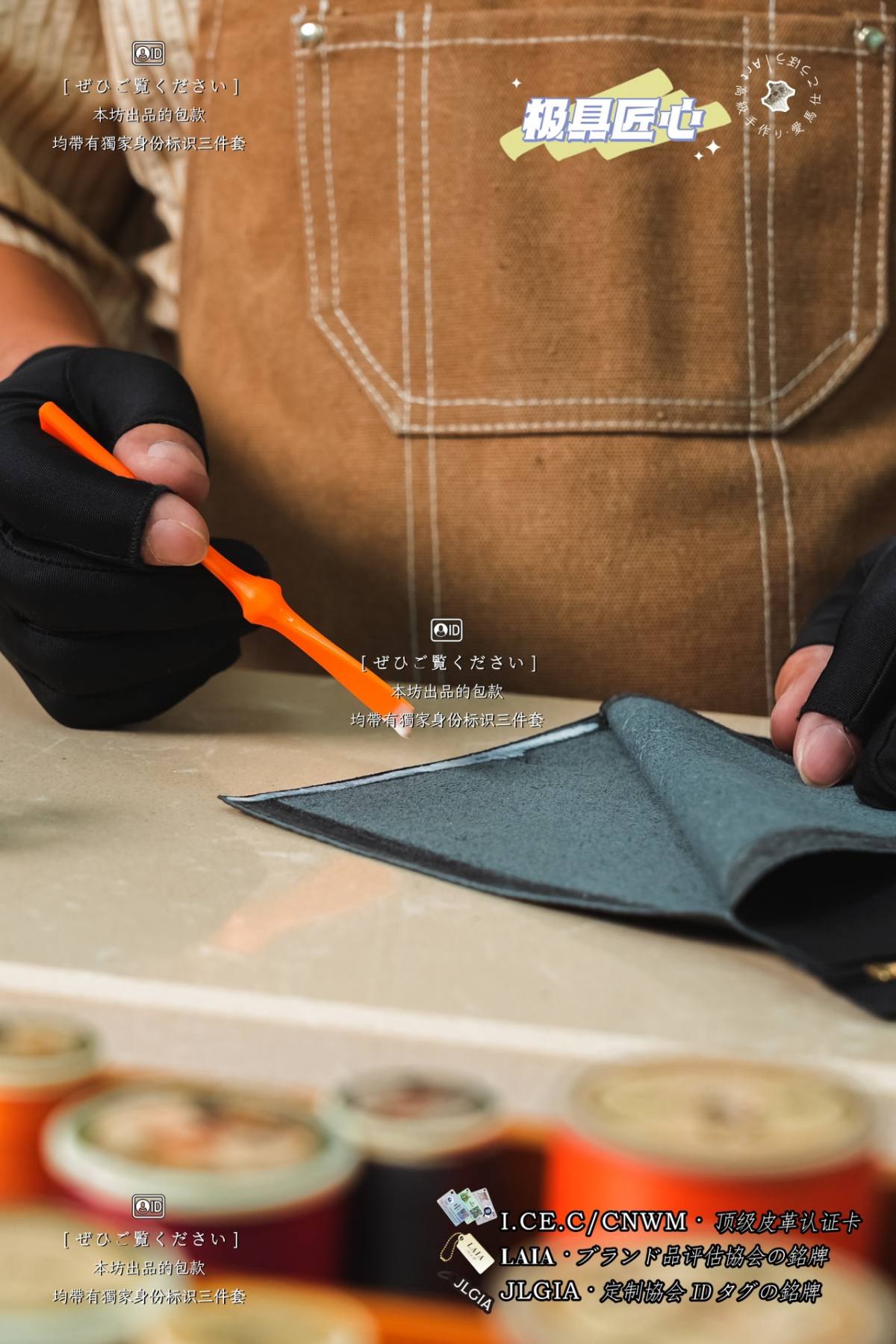
All glue coating work is finished manually instead of mass mechanical operation, with soft horn scrapers, fine wool brushes and precision dispensing needles selected as professional tools to realize stable glue output and accurate dosage control. Double-sided thin coating is adopted as the standard operation method. An approximately 0.1-millimeter-thick wet adhesive layer is evenly spread on one leather surface without accumulation or missing coating, and the same coating treatment is conducted on the matching surface. Afterwards, materials are placed under ambient temperature ranging from 22 to 25 degrees Celsius with relative humidity kept at 50% to 60% for 15 to 25 minutes until the adhesive turns translucent and achieves tack-free surface state. For large-area lamination work, double-sided thin coating of powder glue is carried out and materials are left standing until slight tackiness is formed for flexible position adjustment. For high-risk joints and edge sections, edge sealing paste is applied in ultra-thin layers of around 0.05 millimeter each time, matched with low-temperature hot pressing at 60 to 70 degrees Celsius for 5 to 10 seconds before cooling and repeated coating, forming three to seven compact layers to achieve crack resistance and water seepage prevention effects.
Lamination and curing processes require accurate positioning, uniform pressurization and gradual slow curing. Workers align components precisely by hand without displacement or stretching so as to avoid deformation caused by leather elasticity. A 5-kilogram rubber roller is used for one-way rolling pressing on flat surfaces to expel internal air bubbles and achieve tight fitting. Custom wooden cold pressing molds are adopted to clamp and fix curved edges, with finished products placed statically at room temperature for 12 to 24 hours. The adhesive reaches 80% of its ultimate bonding strength after 72 hours of natural slow curing at room temperature, while high-temperature baking above 80 degrees Celsius is totally forbidden to avoid leather shrinkage and adhesive layer embrittlement. Comprehensive quality inspection is conducted on all finished products, and unqualified items will be eliminated directly. Qualified products present flawless appearance free from bubbles, wrinkles, glue bleeding and residual adhesive traces with smooth edges and uniform color tone. They maintain stable bonding strength without separation under mild pulling force and keep intact adhesive layers even after 180-degree bending, accompanied by pure natural leather scent with no harsh chemical smell.
In terms of scent identification, brand-new qualified products mainly emit natural warm and mellow leather aroma derived from internal grease and tanning agents, among which Togo leather carries the strongest scent while Epsom leather has the lightest fragrance. There exists faint temporary milky smell similar to dried milk flavor released by water-based PU adhesives, which will disappear completely after full curing and leave almost no residual odor after 3 to 7 days of ventilation. Standard qualified products never carry irritating solvent odor, formaldehyde smell or peculiar stench generated by inferior adhesives. In contrast, defective products with inferior craftsmanship or counterfeit goods usually have typical abnormal odors. Persistent pungent solvent smell indicates adoption of low-grade solvent-based yellow glue, which is a common characteristic of counterfeit products and hard to eliminate permanently. Sour mildew odor usually results from excessive storage humidity above 70% leading to mildew growth on leather and lining materials, which is frequently seen in second-hand vintage leather goods. Artificial strong essence smell comes from covering up peculiar odor of inferior adhesives with chemical fragrances, presenting unnatural harsh scent.
To distinguish authentic craftsmanship products effectively, the combination of original leather fragrance and subtle water-based adhesive milky aroma serves as the core olfactory feature, which evolves into pure elegant natural scent after adequate ventilation. Practical identification criteria include the absence of harsh chemical odor and adhesive stench, recognizable mild leather fragrance mixed with faint milky smell on new products, and intensified pure leather aroma without any miscellaneous odor when rubbing leather surfaces manually.