- 28
- May
Shebag Hermes handmade Lindy final installation craftmanship review(May 2026 updated)
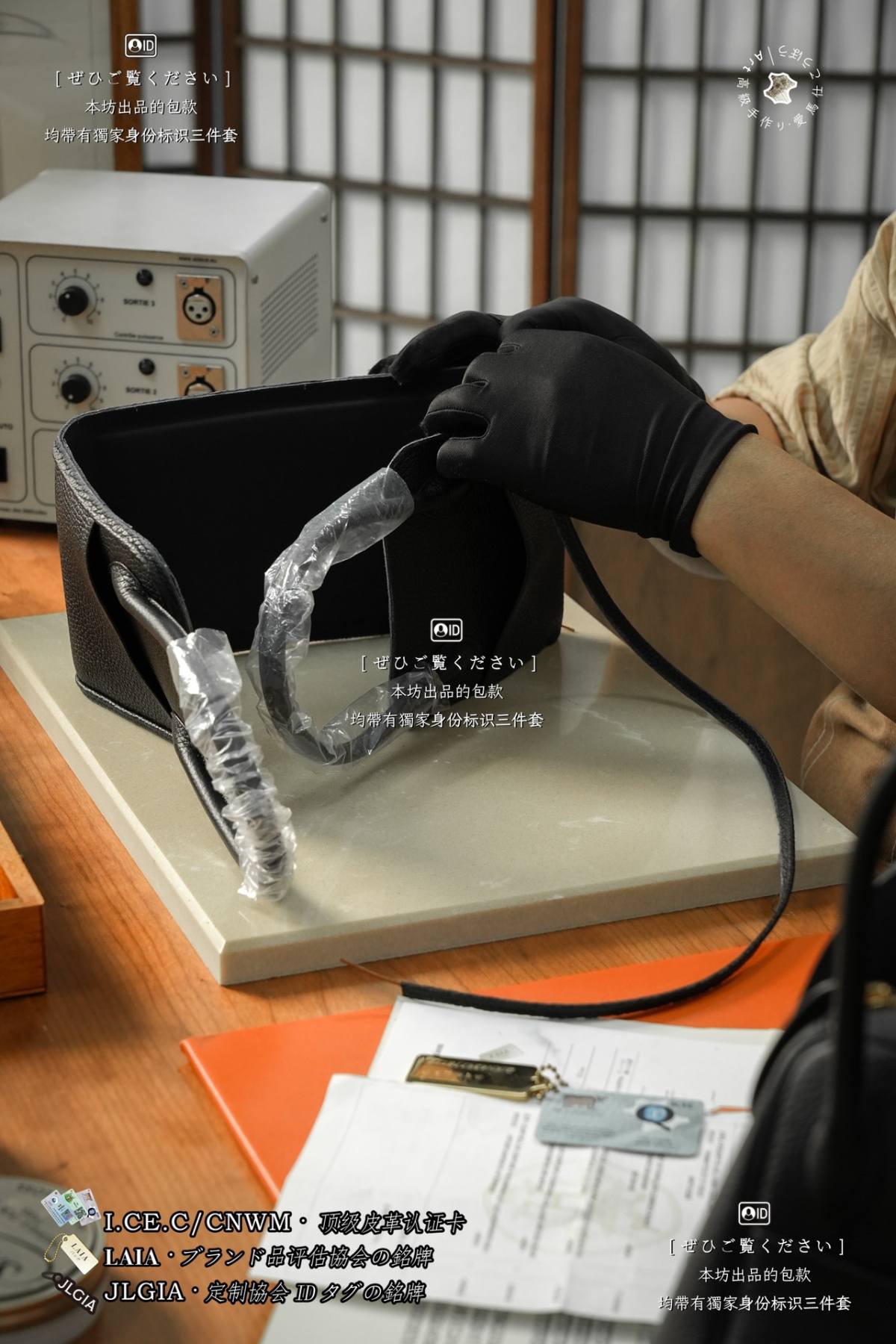
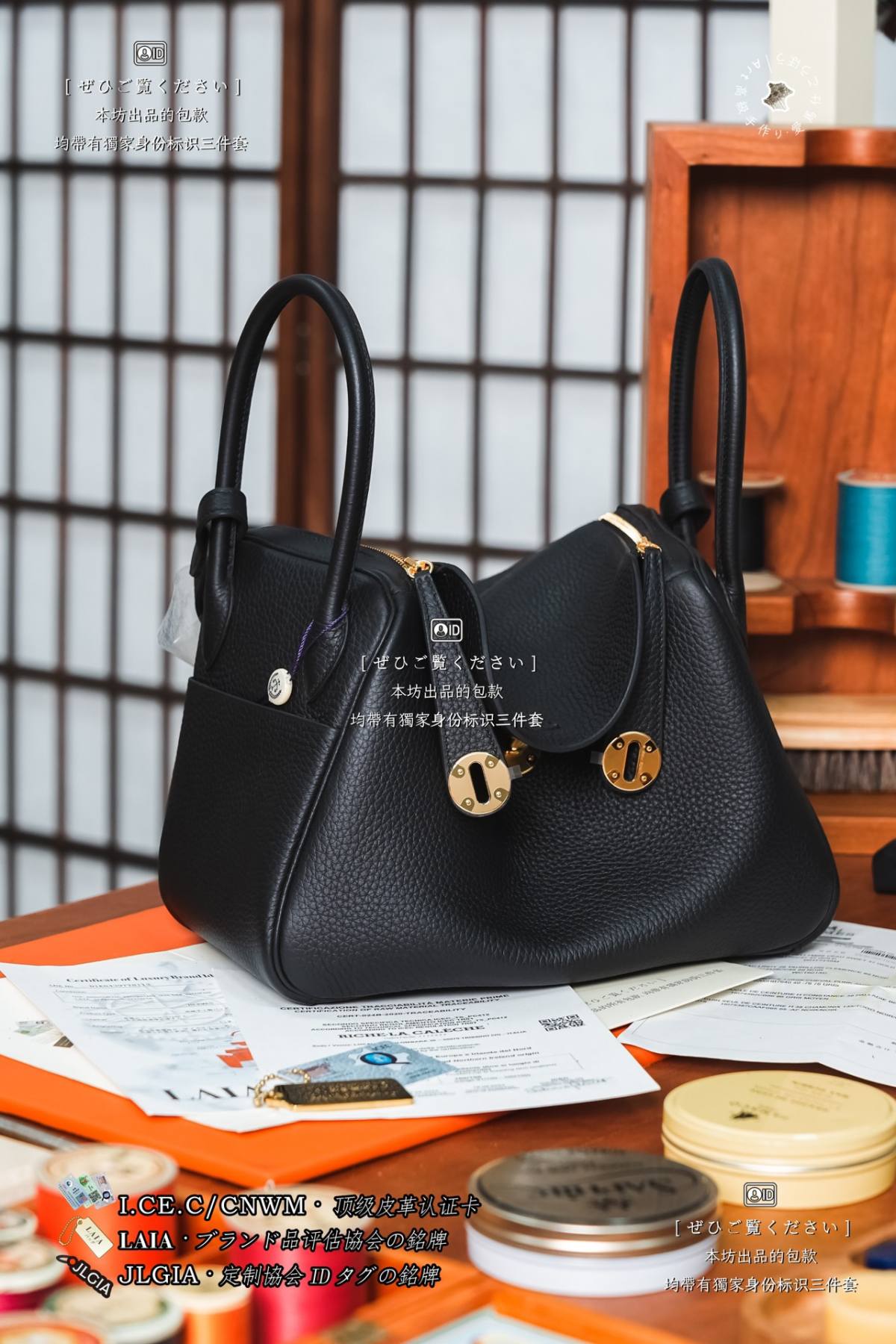
Shebag adopts a production approach for assembling the Lindy bag that features high-level handmade stitching, pattern replication based on disassembled authentic pieces, and meticulous attention to key details matching the original design. However, compromises are made in working hours, production costs and extreme precision. Overall, its finished products are far superior to ordinary replica goods on the market.
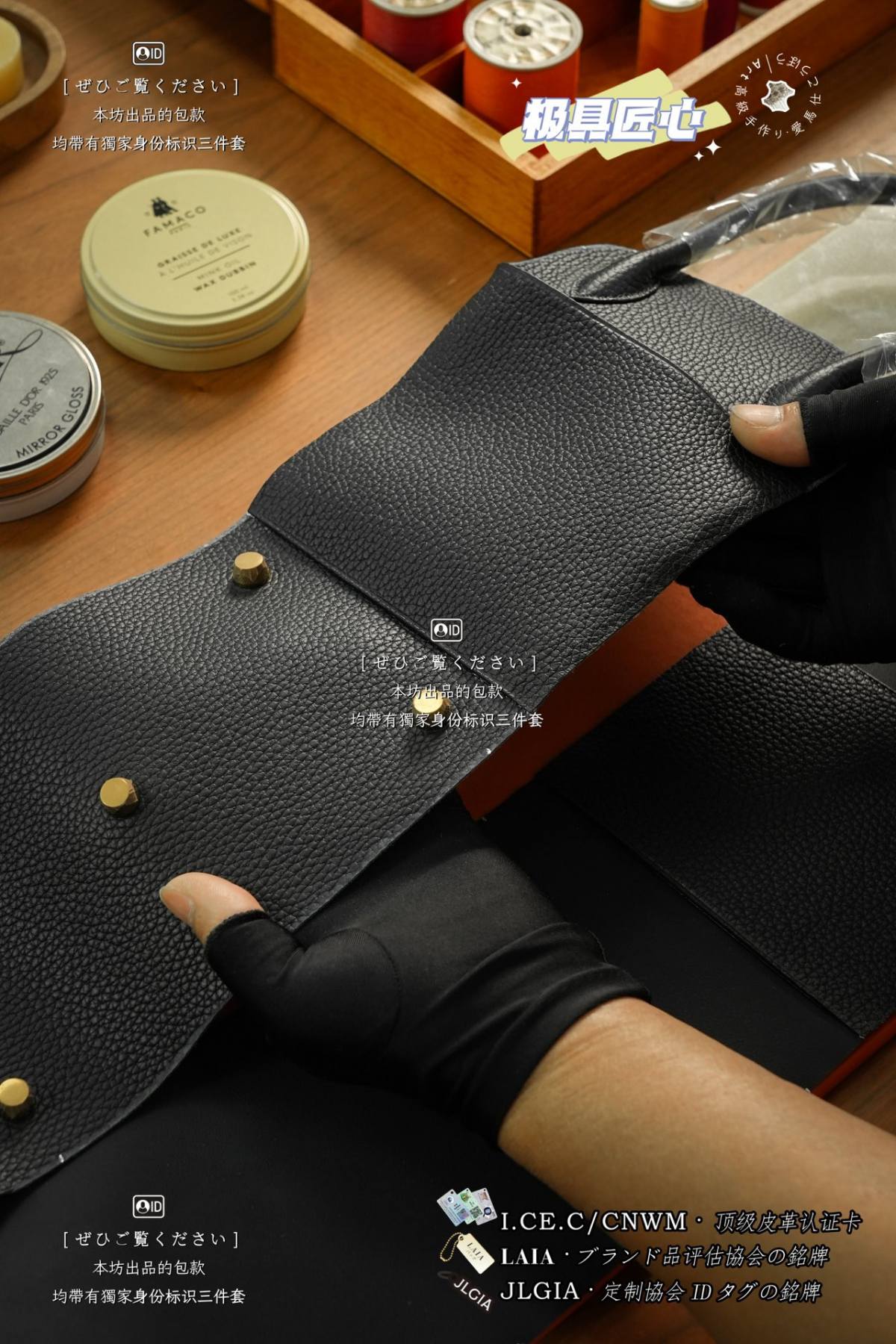
Prior to production, authentic Lindy 26 and 30 bags are fully disassembled for reverse engineering. Workers take precise measurements of leather thickness, skiving dimensions, the curve of each leather panel, hole positions and the depth of hardware grooves. Steel molds are crafted in a strict one-to-one ratio using panels from genuine bags, ensuring the shape, grain direction and bilateral symmetry of cut pieces closely match the originals. For material selection, which stands out as a core advantage, genuine TC and Togo full-grain bull leather is used for the exterior. This leather features inverted triangular grains, produces a soft rustling sound when touched, and maintains its shape without sagging. The interior lining uses the same leather as the outside, either Swift leather or goatskin, rejecting the cheap sheepskin commonly seen on inferior replicas. The material cost is considerably higher than that of regular counterfeits, with the leather alone costing nearly a thousand yuan per bag. In the pre-treatment stage, procedures follow the standards of authentic products without simplification. Leather edges are skived to 0.6 to 0.8 millimeters, and gradual tapering is applied to overlapping sections to prevent uneven bulges. Edge finishing involves multiple thin coats of custom-matched pigment, applied five to seven times in total, followed by manual polishing to achieve a smooth, crack-resistant and non-sticky finish with the exquisite evenness seen on genuine pieces. All stitching holes are punched manually with diamond chisels, with stitch spacing controlled between 2.7 and 3.0 millimeters, delivering far better symmetry than standard replicas.
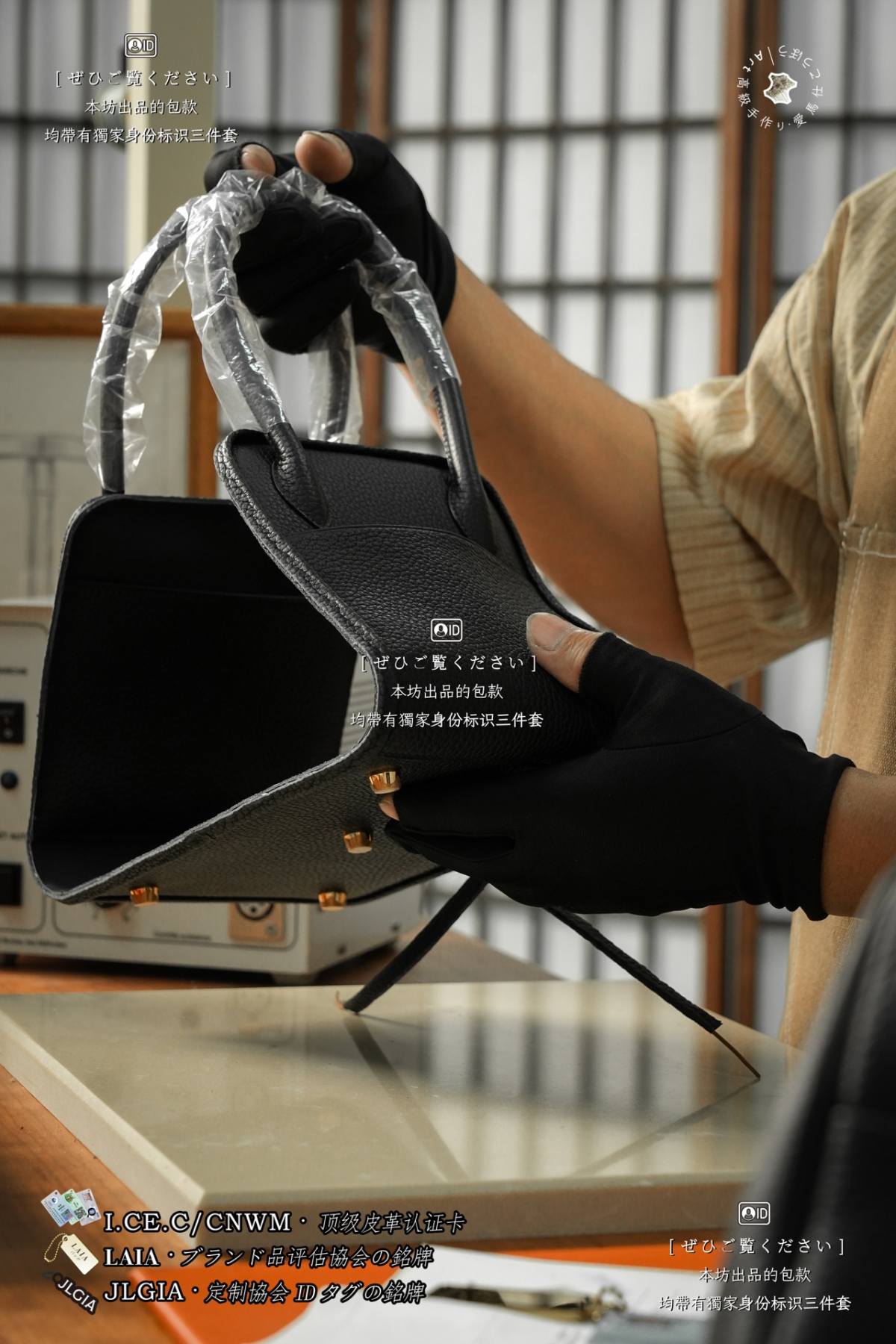
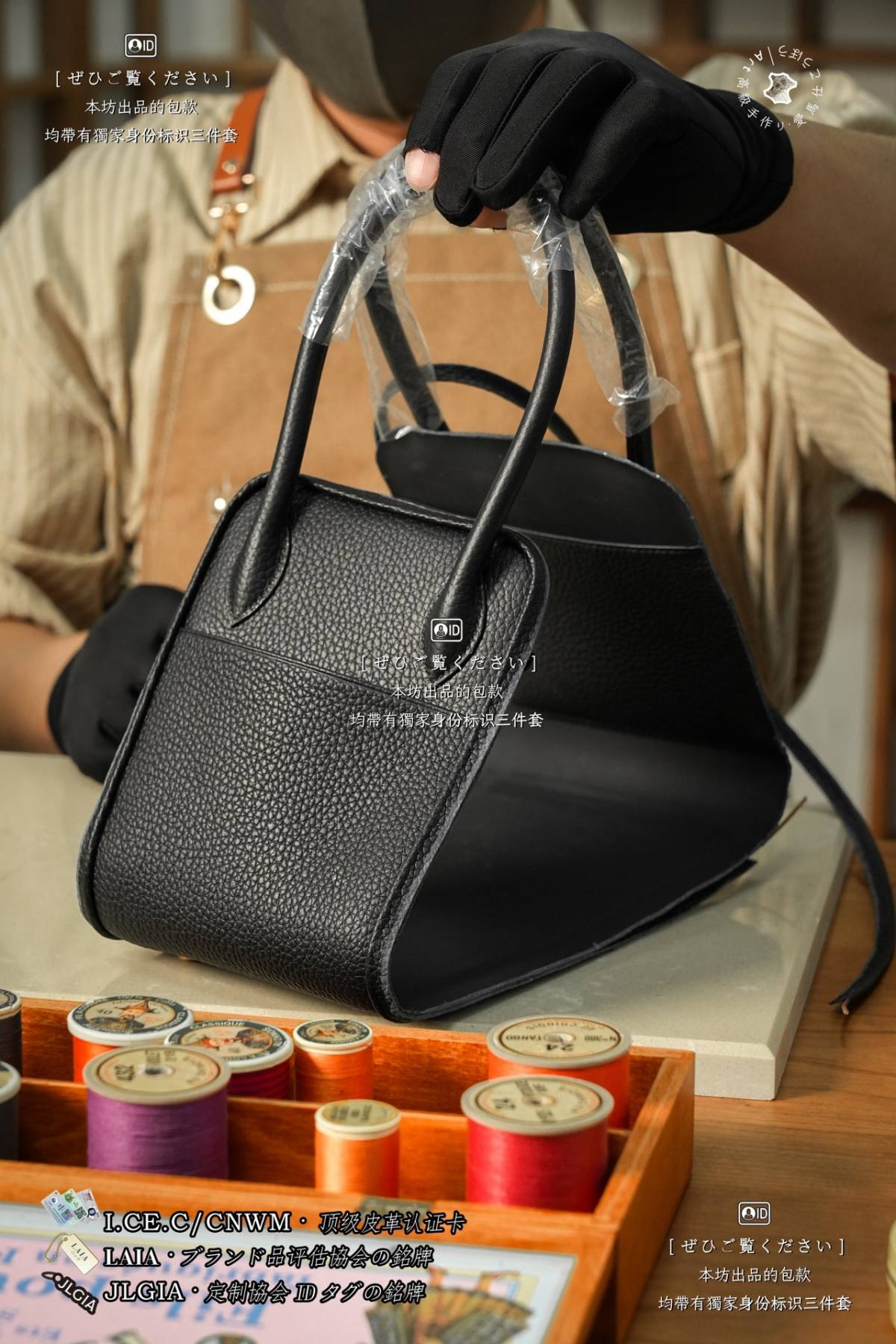
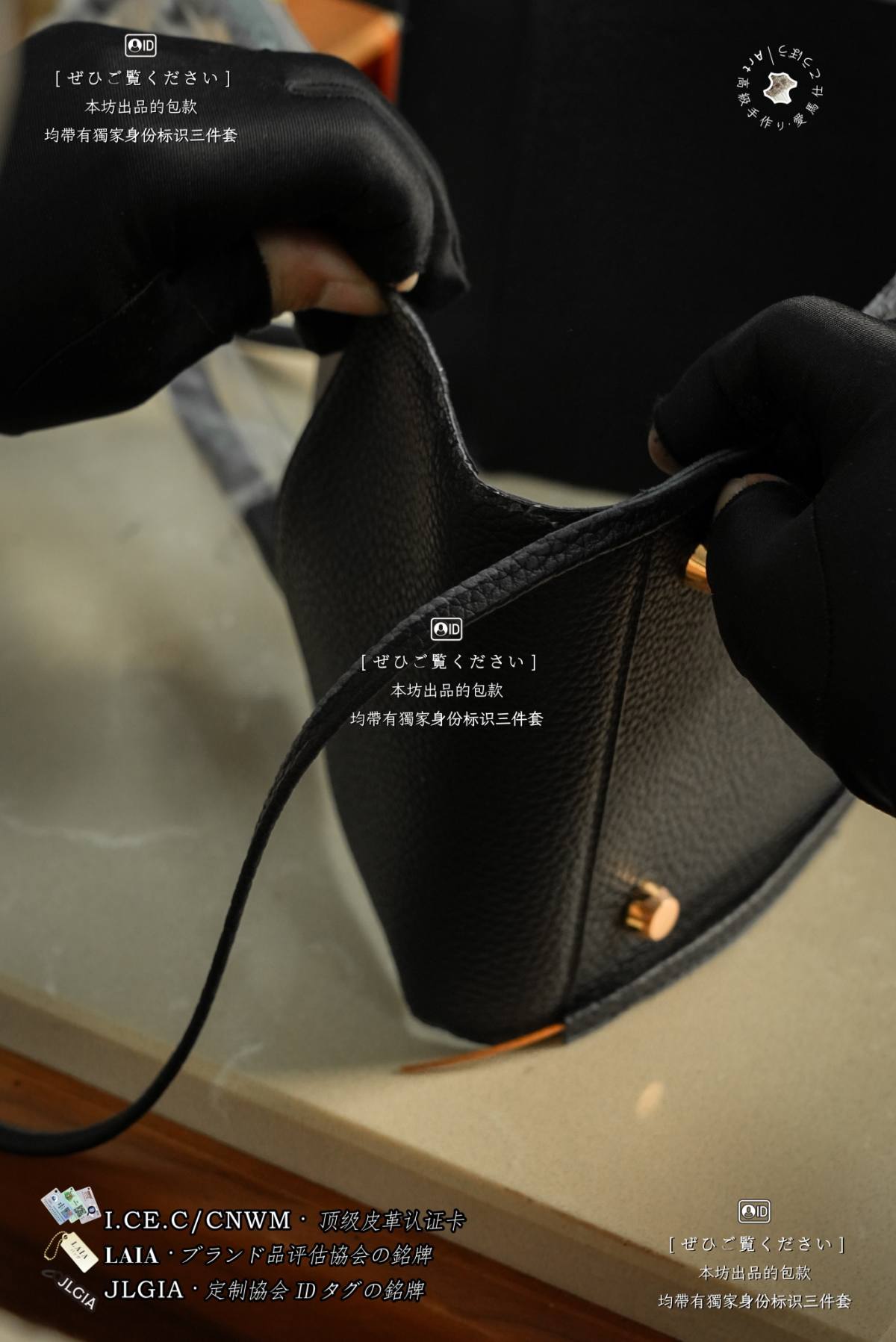
The internal structure is assembled following the production sequence of authentic bags, with inner components completed first before combining with the outer shell. Inner pockets, zipper panels and gussets are fully stitched independently and then installed as a whole onto the exterior leather, a method that delivers excellent surface flatness instead of assembling parts piece by piece. Each zipper section consists of double leather reinforcement paired with genuine Riri zippers that offer authentic resistance during sliding. Fine straight stitches are applied along zipper tracks, replacing the curved machine stitching typical of low-grade replicas. Internal shaping is one of Shebag’s strengths. Custom solid wood internal molds are used to shape slightly dampened leather at a low temperature. Strict standards are enforced to keep the bag opening in a natural U-shape without collapsing, form a distinctive triangular side profile that is flat on the top and bulged at the bottom, and create subtle obtuse bottom corners, distinct from the overly rounded look of ordinary replicas.
The entire outer shell is sewn with fully handmade saddle stitching, though production time is streamlined. Double saddle stitching is applied throughout the main body, side panels, handle bases and hardware fittings. Waxed thread is used for interlaced double stitches, offering outstanding tensile strength and preventing total unraveling even if a single thread breaks. Stitch spacing ranges from 2.7 to 3.0 millimeters with consistent stitch angles for neat workmanship on both sides. Unlike authentic Hermès bags, which are crafted entirely by a single artisan over 15 to 20 hours for fine tuning, Shebag adopts a division-of-labor assembly line, with roughly six to eight hours spent on hand stitching per bag. For panel joining, edges are tapered layer by layer to create seamless transitions without raised seams or rough spots against the skin. Extra dense stitching is used around corners and curved areas to stop the leather from distorting under tension.
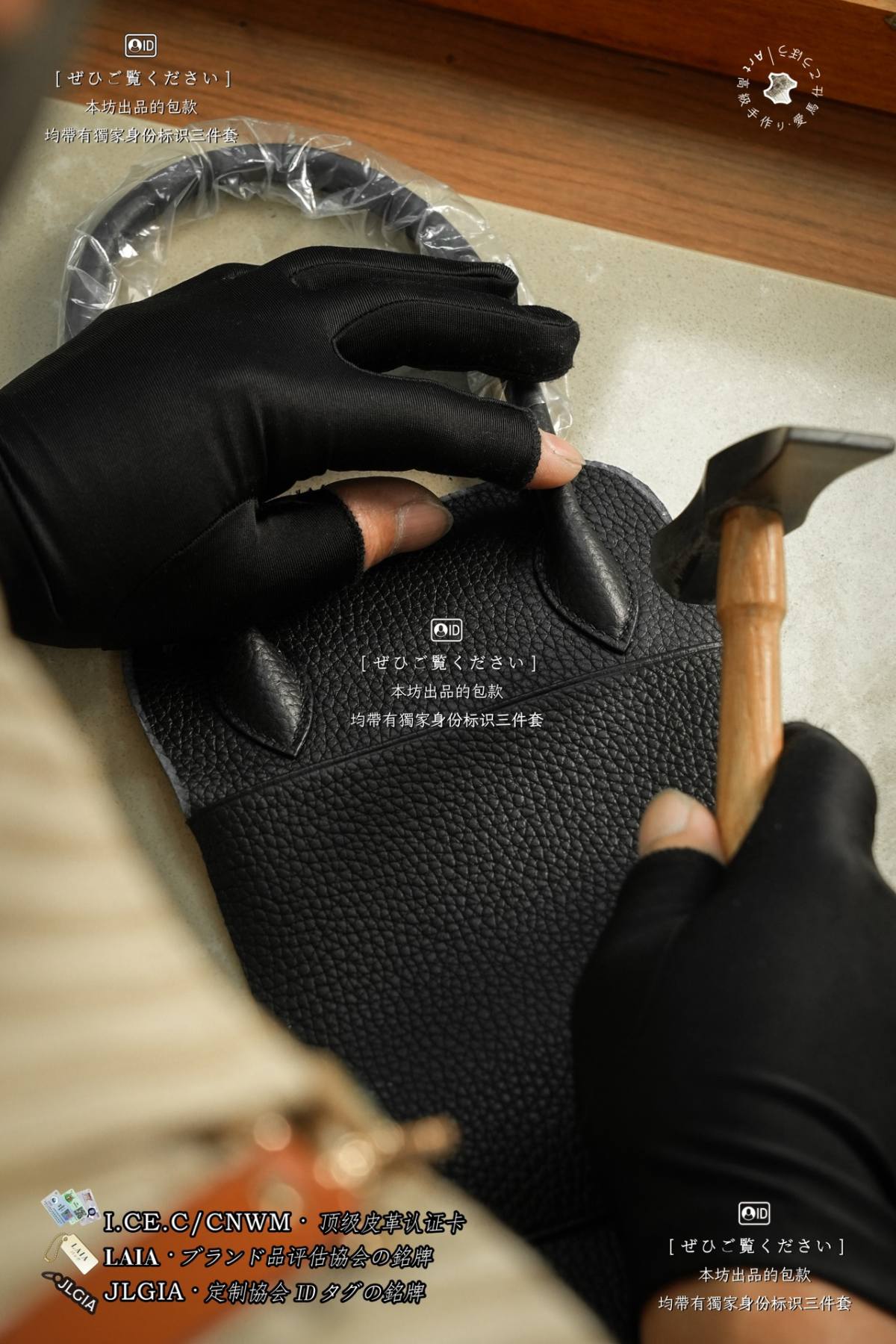
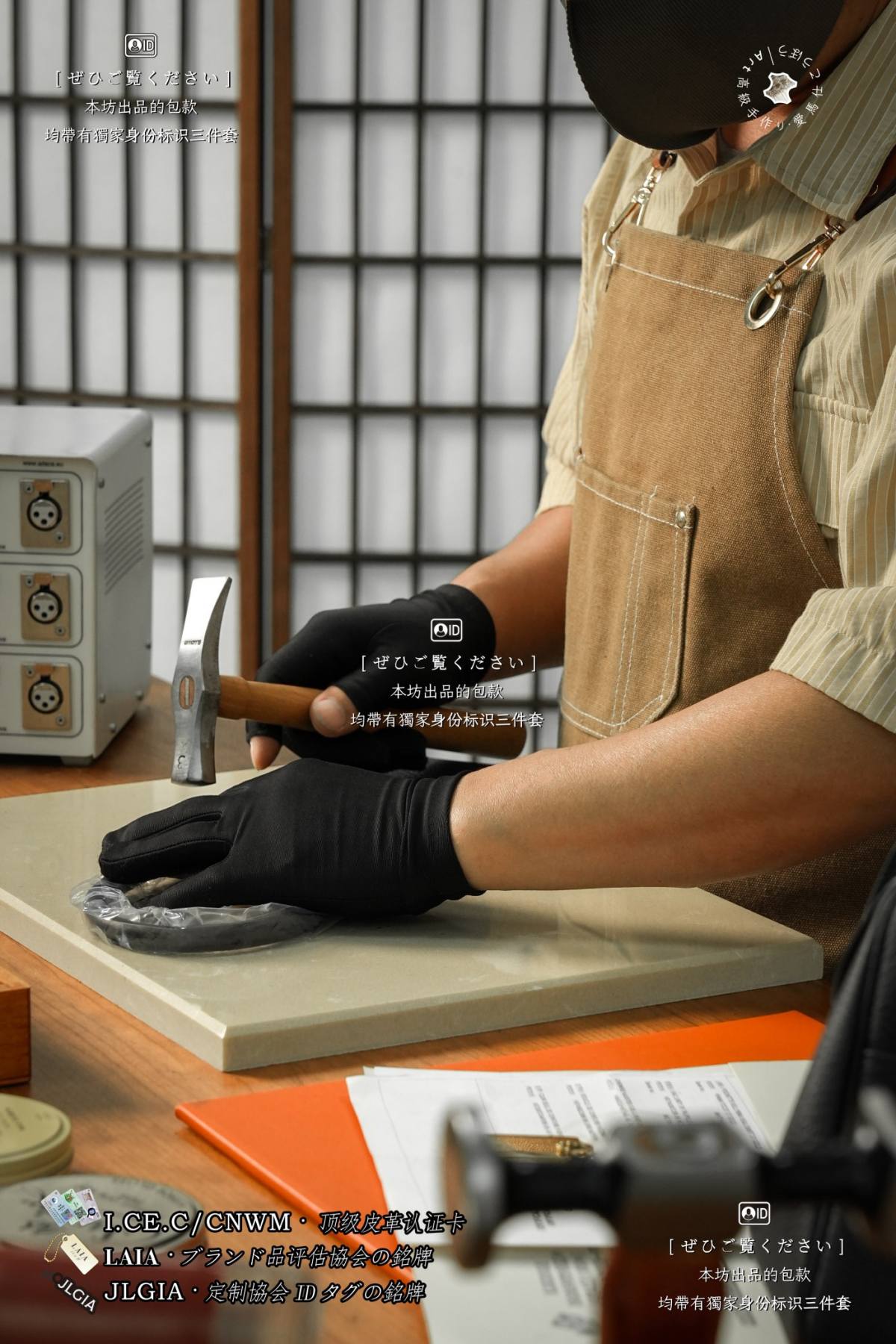
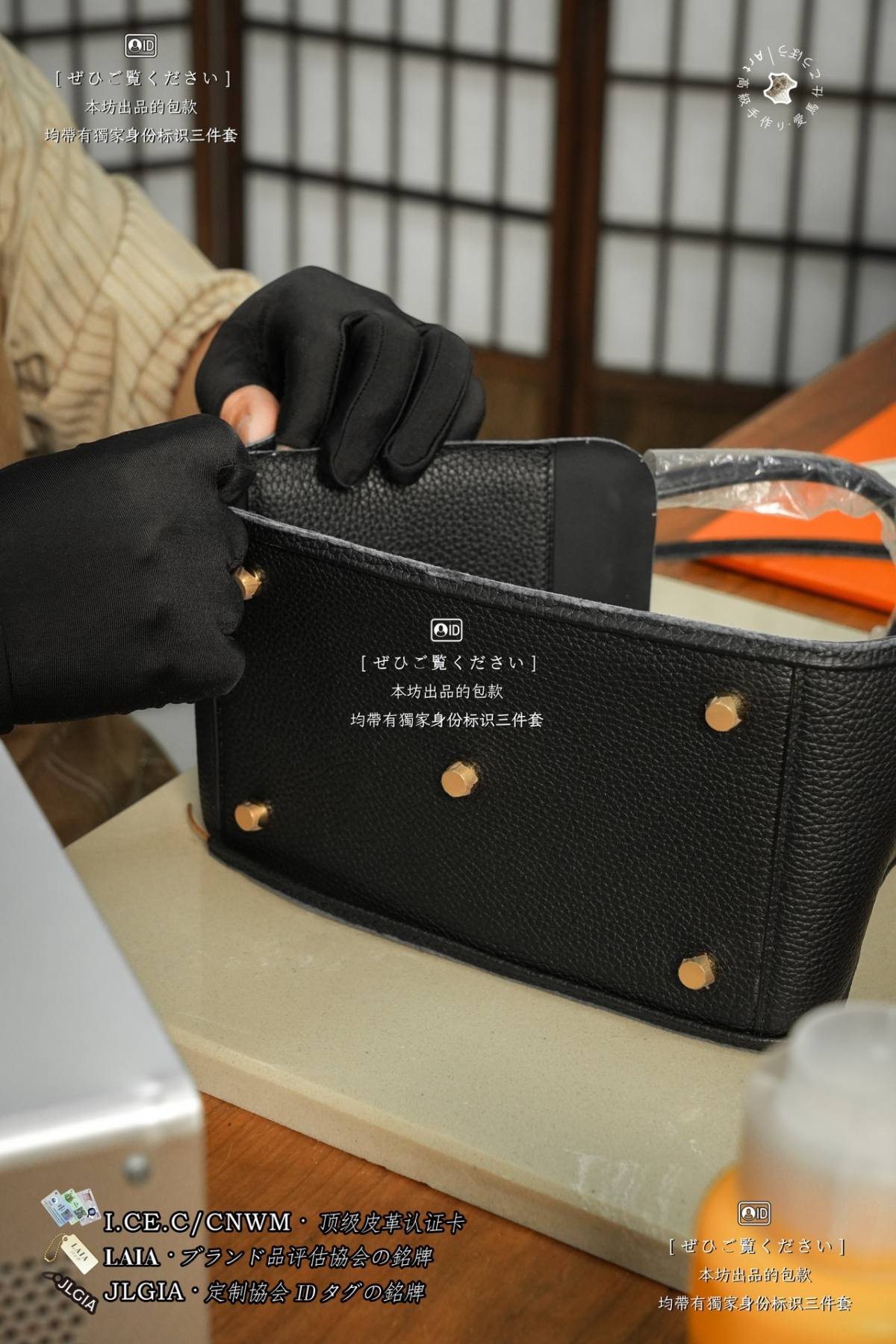
Hardware installation features recessed fitting and hand-set rivets, with every detail refined to match authentic products. The hardware is made from high-copper alloy, with hand-hammered textures and intentional aged oxidation that creates a subtle patina identical to genuine hardware. Engraved markings on clasps, rivets and zipper pulls are deep and crisp, free from faint or blurred lettering. Handles bases, side clasps and rivets are installed into pre-cut recesses, keeping all hardware flush with the leather surface. Copper rivets are set manually with hand-operated tools rather than mechanical presses, retaining the artisanal marks characteristic of original pieces, which marks a major difference from inferior replicas. Riri zippers are fitted with perfect alignment and sliding resistance nearly identical to the genuine version.
Handles and shoulder straps are reinforced at stress points for enhanced durability. Multiple layers of leather are stacked at the handle roots and secured with dense saddle stitches and additional hardware reinforcement, effectively resisting deformation and breakage under load. Precisely positioned holes ensure the shoulder strap attaches and detaches smoothly without scratching the leather during use.
Final shaping and comprehensive inspections are carried out before delivery. After full assembly, the bag is fitted onto a custom solid wood mold and left to set for 24 to 48 hours, locking in the ideal silhouette, opening shape and bilateral symmetry. Low-temperature shaping is adopted to avoid damaging the leather with excessive heat. Once shaped, all exposed edges are reworked with color touch-ups, polishing and top coating to create smooth, rounded corners with natural transitions. Each finished bag undergoes thorough inspection covering overall curves, hole alignment, stitching uniformity and hardware symmetry. Functional tests are also conducted for opening and closing performance, load-bearing capacity and zipper operation. Any products with misalignment, abnormal noise or stuck components are rejected.