- 31
- May
Shebag Hermes Birkin bag leather panels cut pieces review(June 2026 updated)
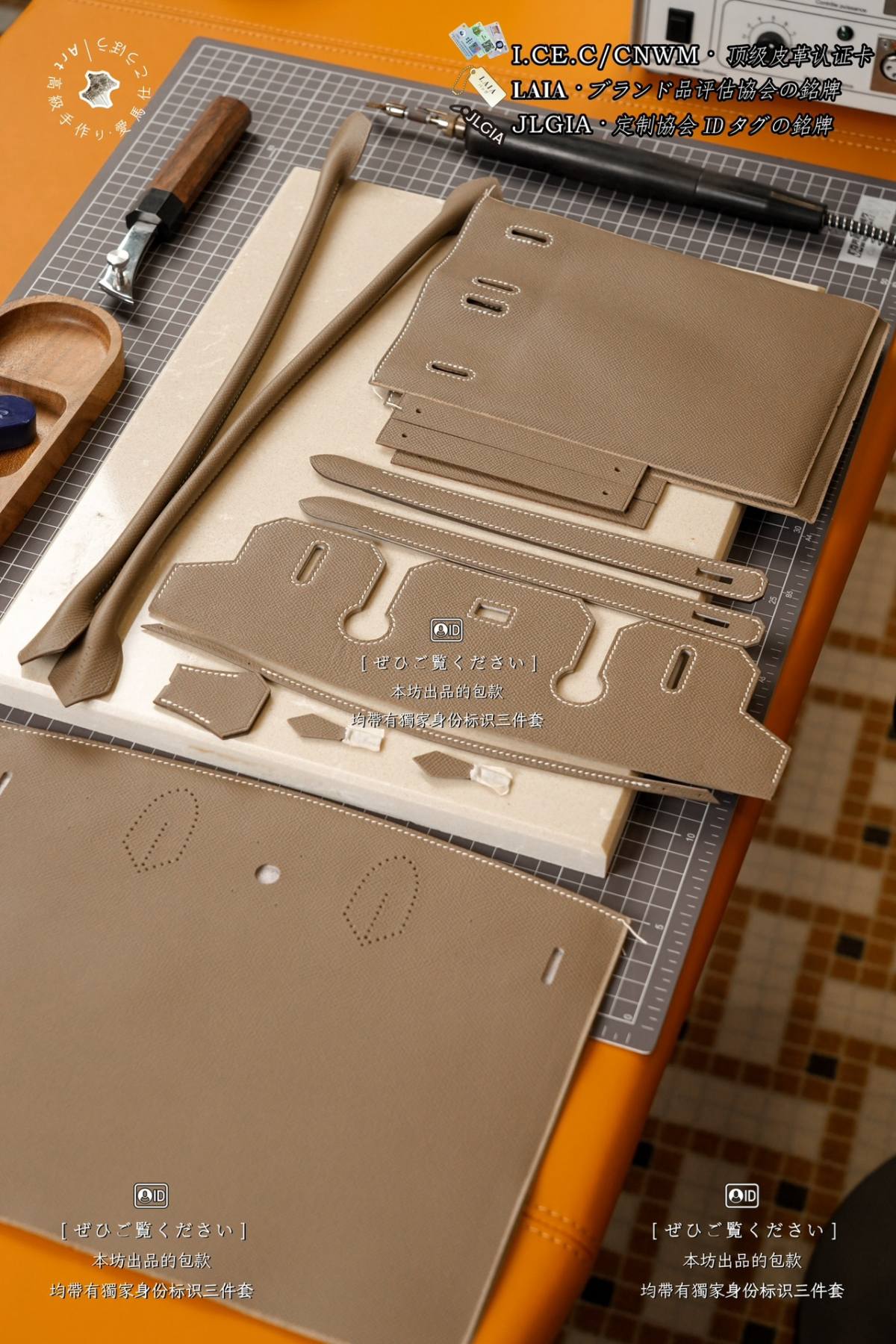
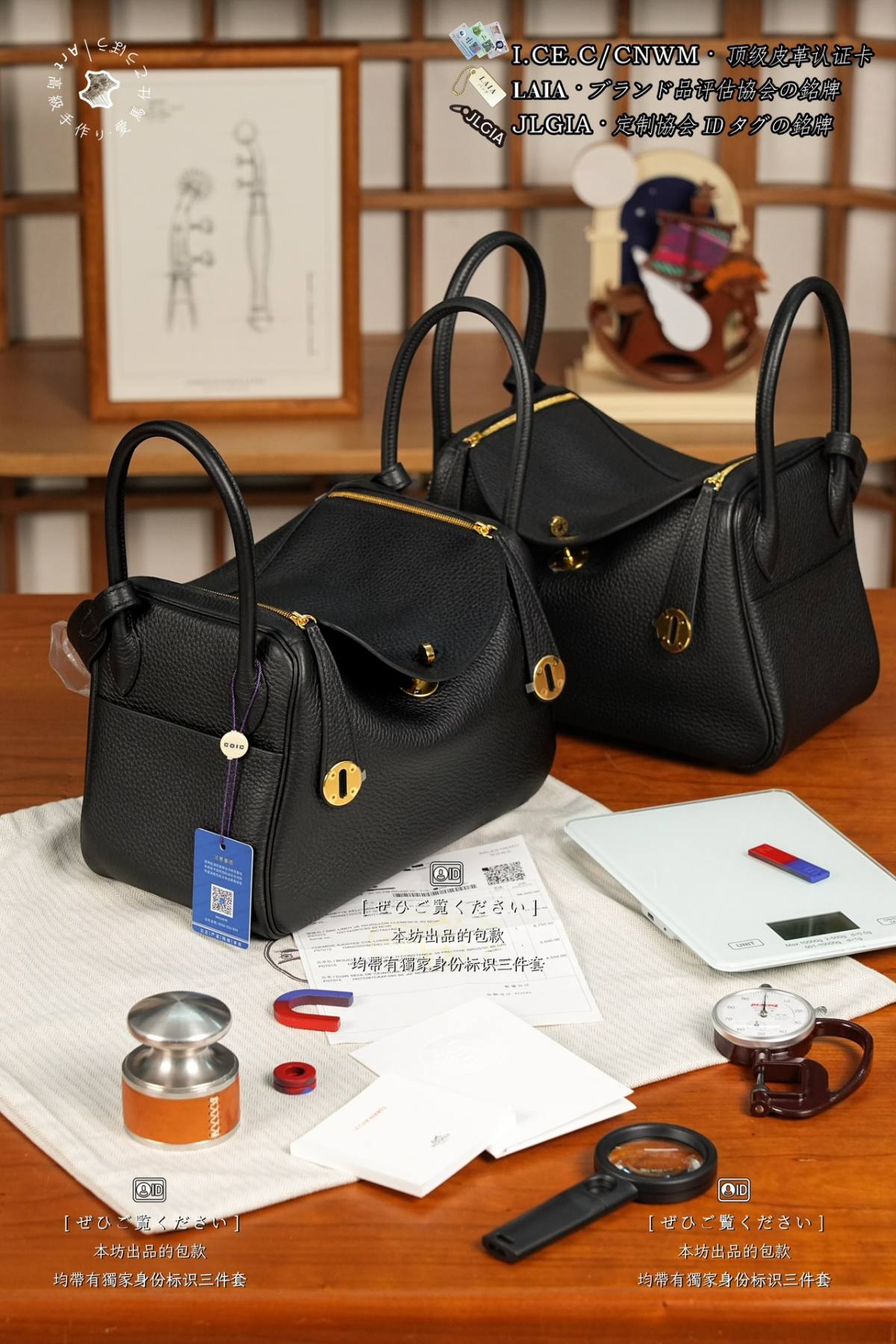
We are approaching June 2026, and half of the year has already slipped away. Time flies. Shebag has been crafting handbags for more than fifteen years. We started making replica bags back in 2011. Initially, we focused on LV handbags due to strong market demand, followed by CC bags. CC bags demand premium leather and exquisite hand weaving techniques. Later, we moved on to Hermès bags. Fully handmade, Hermès pieces represent the pinnacle of leather craftsmanship, and Shebag is determined to master this crowning achievement in the industry.
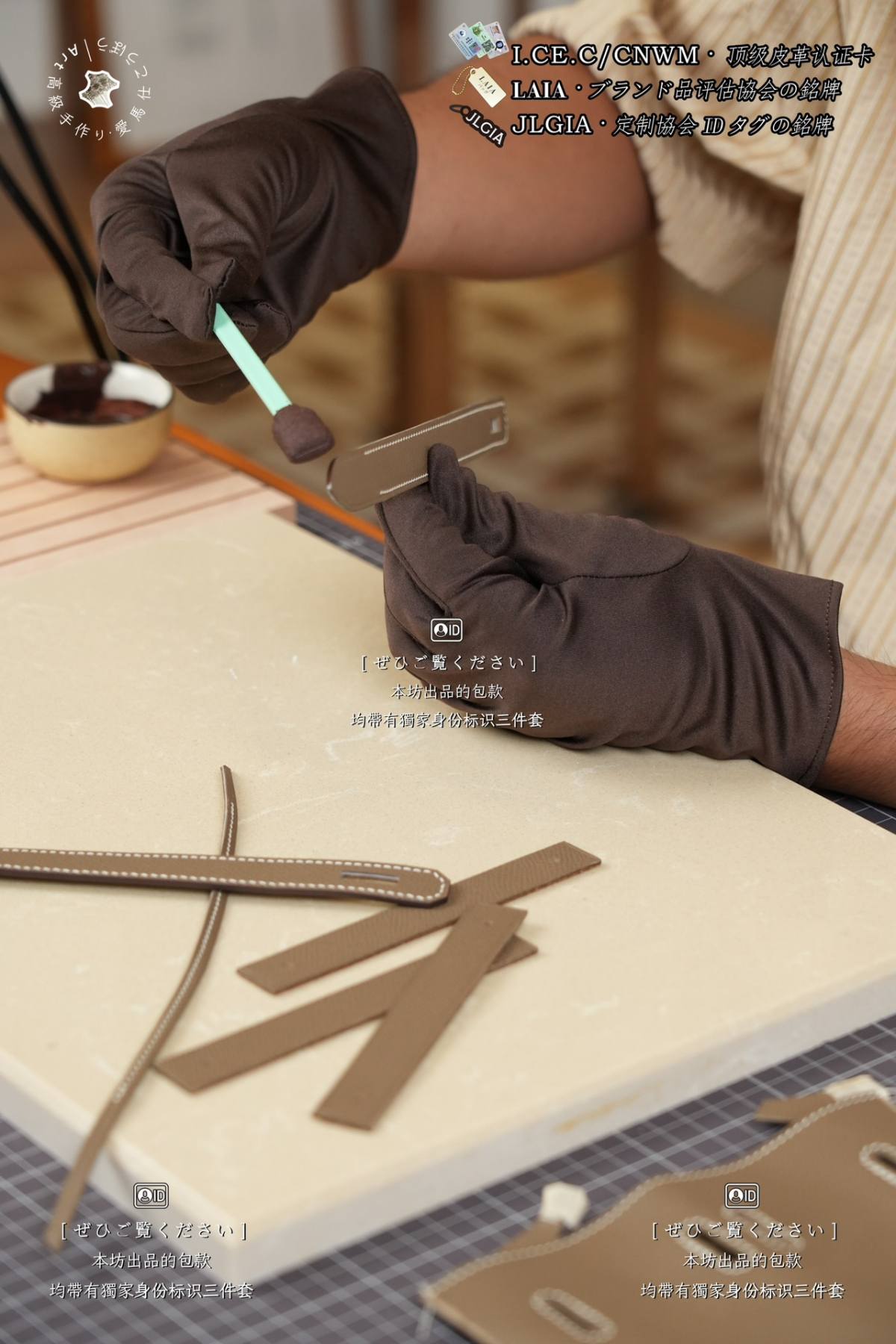
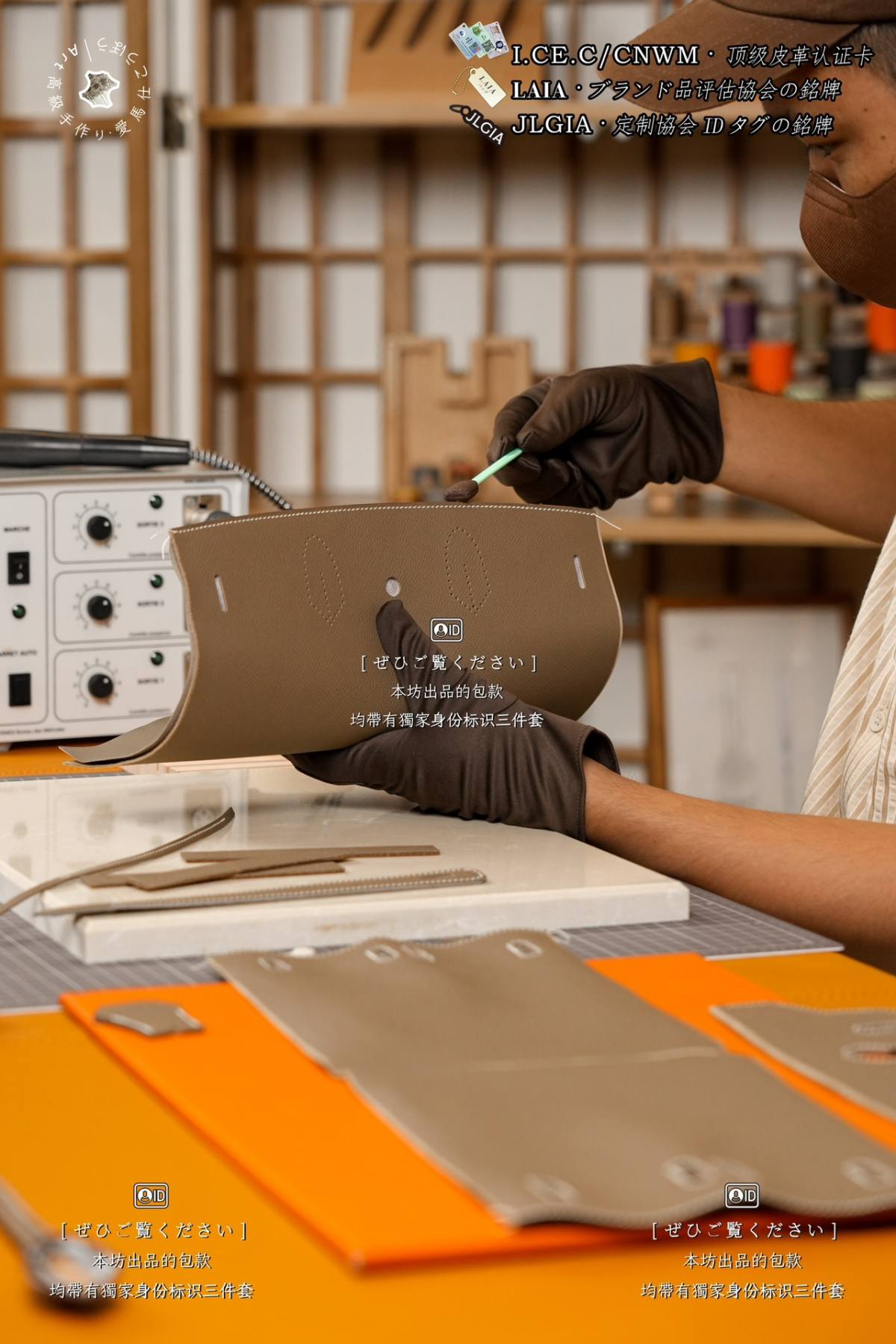
The cutting process for Hermès Birkin leather pieces relies entirely on manual work with each piece cut individually. Strict control is exercised over leather grain, paired pieces are precisely matched for symmetry, and edges undergo meticulous finishing. The entire procedure from leather selection to cutting involves no automated equipment, laying the foundation for the superior texture and durability of the handbags.
Every full hide is inspected manually by craftsmen through visual check and tactile feel. They assess even grain, consistent color, proper flexibility and firmness, and screen out natural blemishes such as scars and insect bites, keeping only the usable sections of the leather.
Leather is allocated according to bag styles. Large flawless hides are used for Birkin and Kelly bags, while secondary leather sections are applied to small components and linings. For exotic leathers including crocodile and ostrich skin, the scales and pores must be arranged in perfect symmetry. The grain direction of all cut pieces is fixed either vertically or at a 45-degree angle to prevent deformation and ensure uniform hand feel.
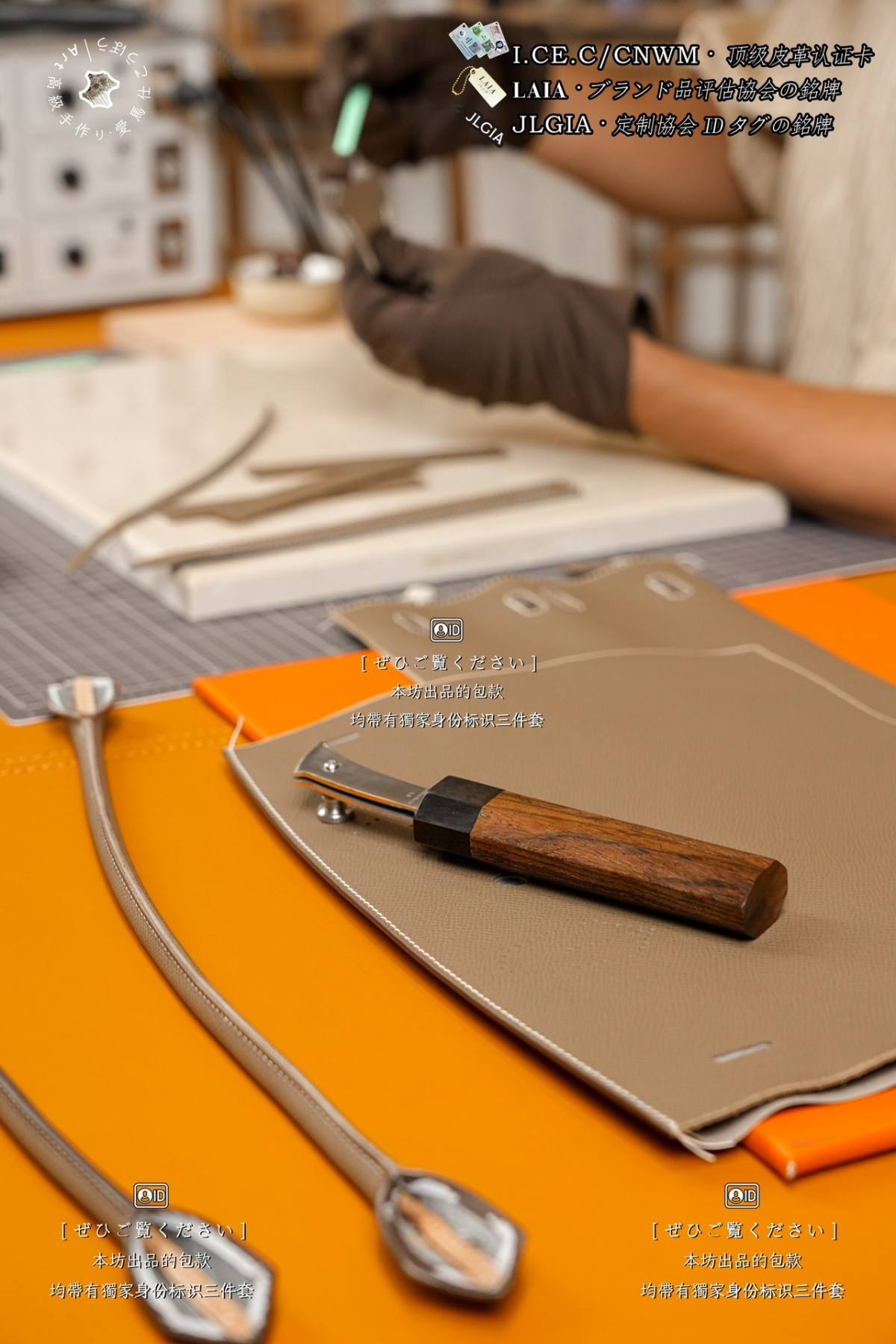
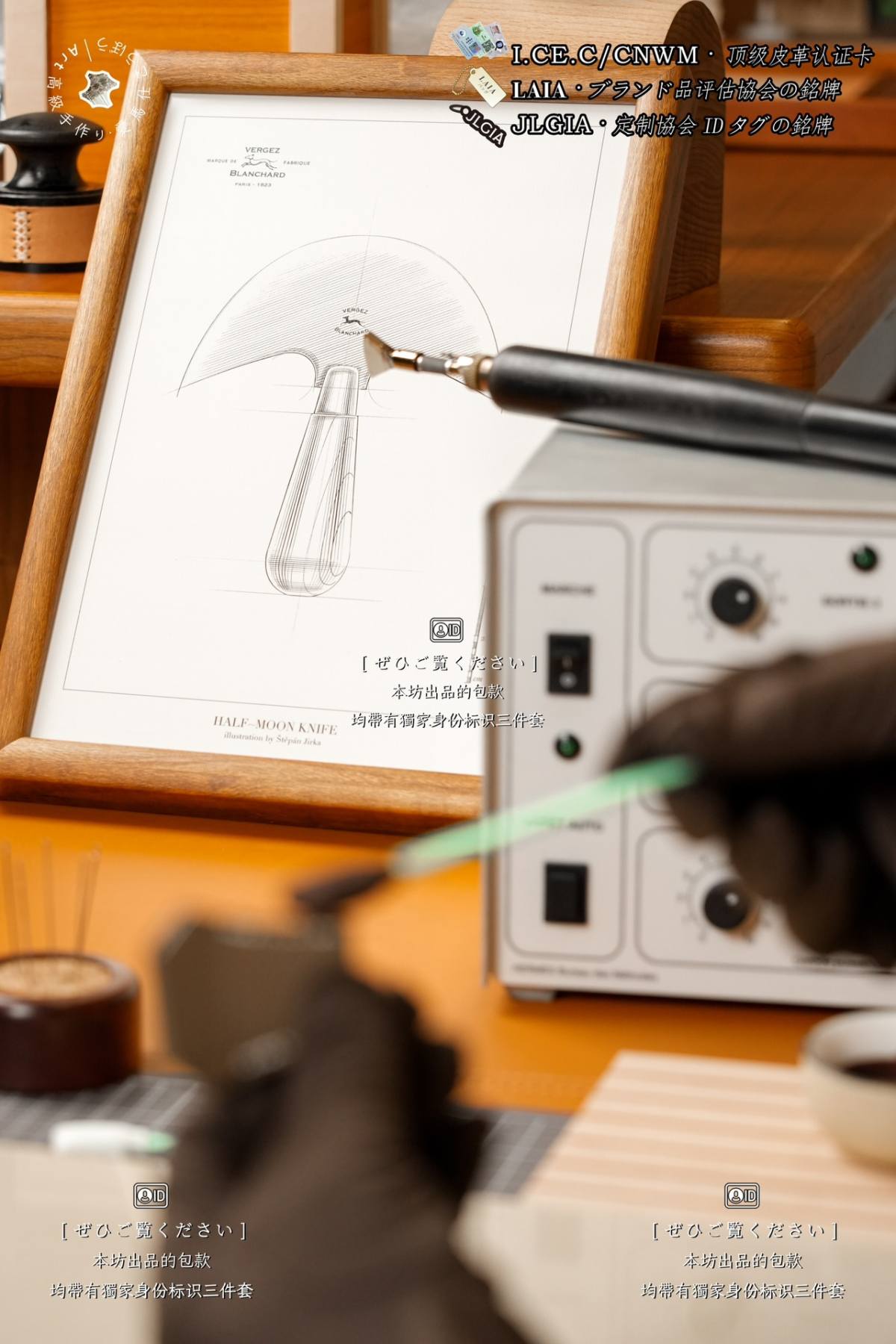
No stamping dies are used for cutting. Each piece is trimmed one by one with sharp curved blades against custom metal patterns, so as to avoid damaging the leather grain. Left and right components such as side panels and handles are cut from adjacent areas of the same hide to achieve a perfect 1:1 match in grain and color, with a symmetry tolerance within 0.5 millimeters. A Birkin bag consists of roughly 12 to 15 cut pieces including front panel, back panel, side gussets, handles, base and lining. A Kelly bag has around 40 pieces covering the flap, lock panel, shoulder strap and lining assemblies, and a Picotin bag is made up of approximately 12 pieces.
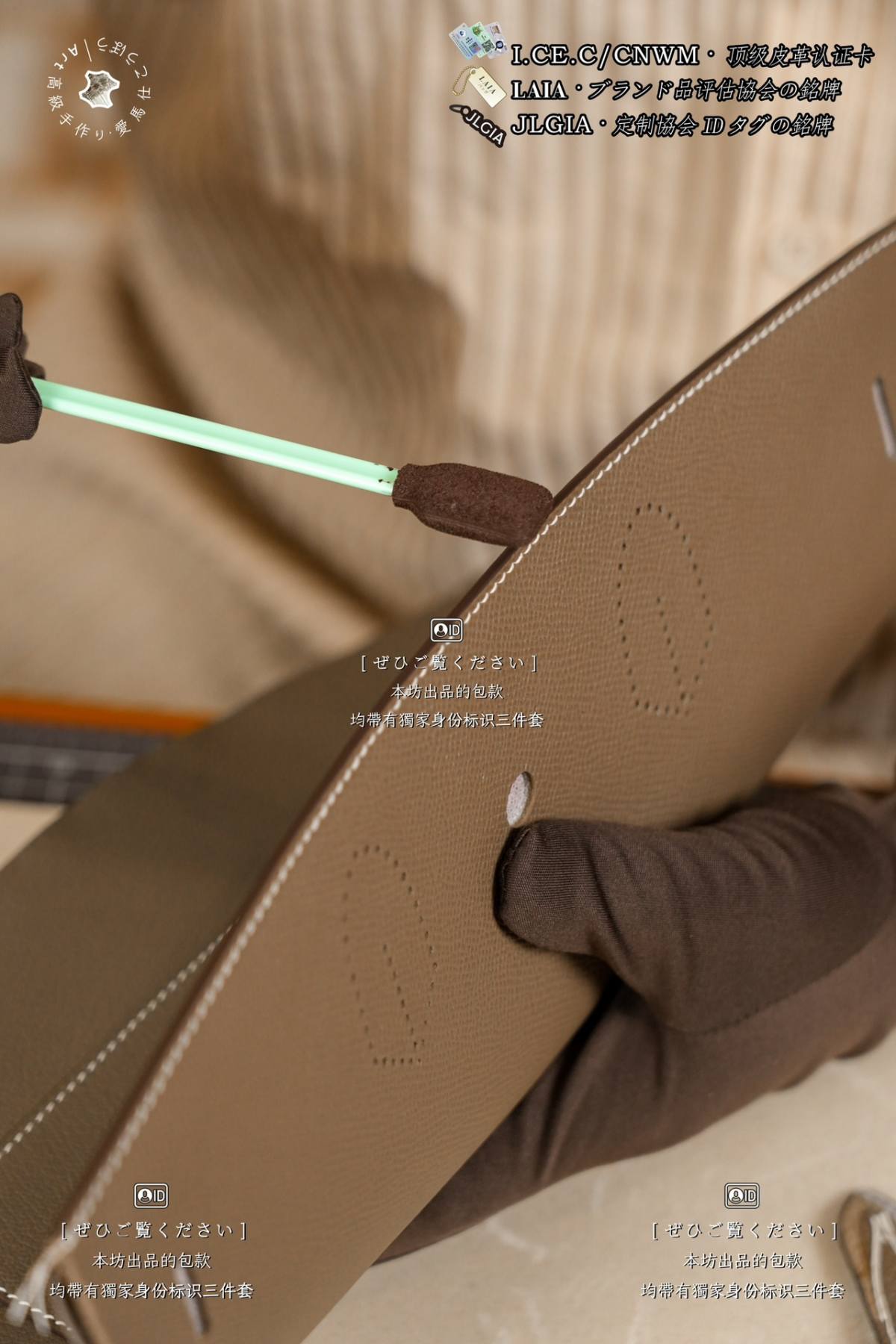
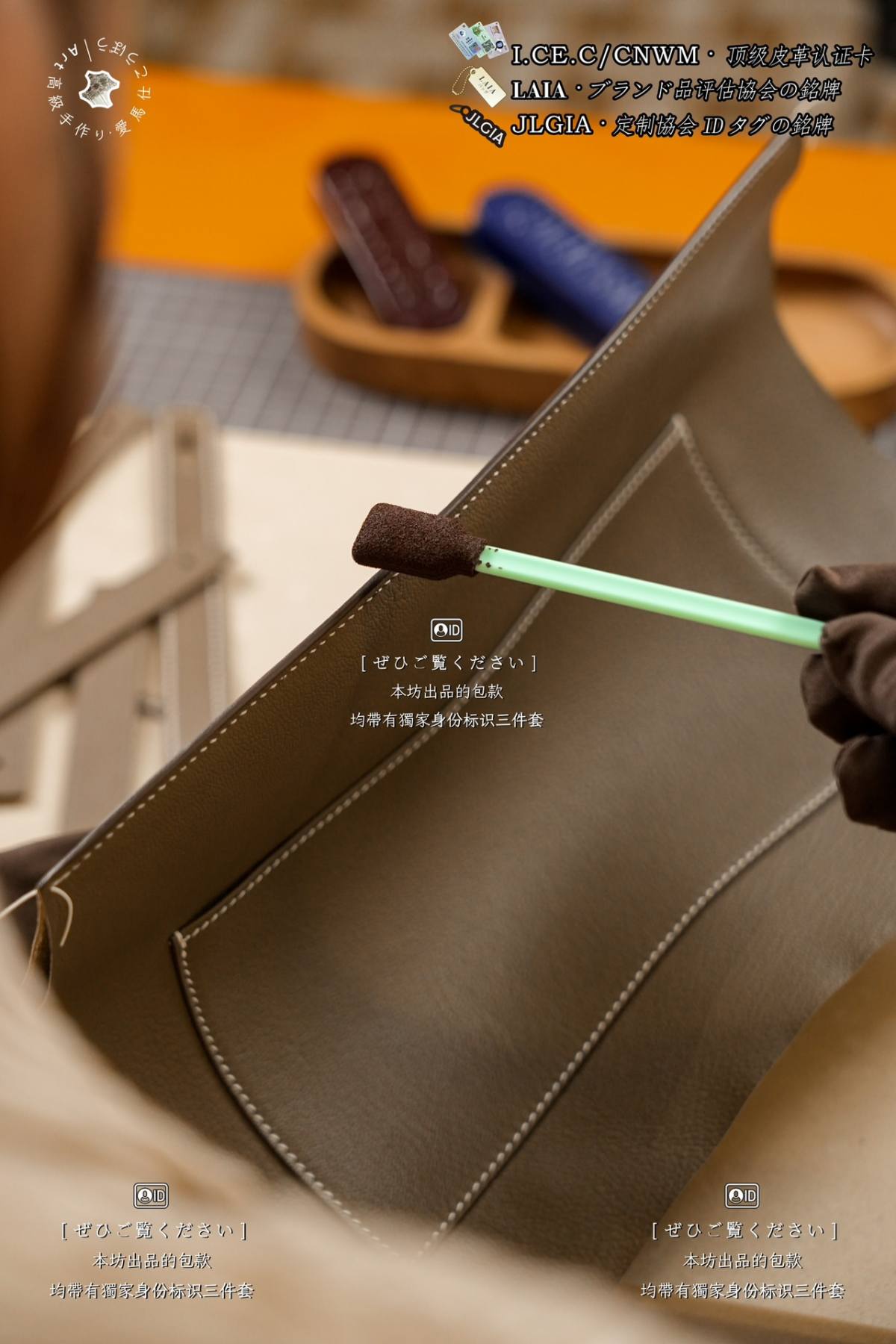
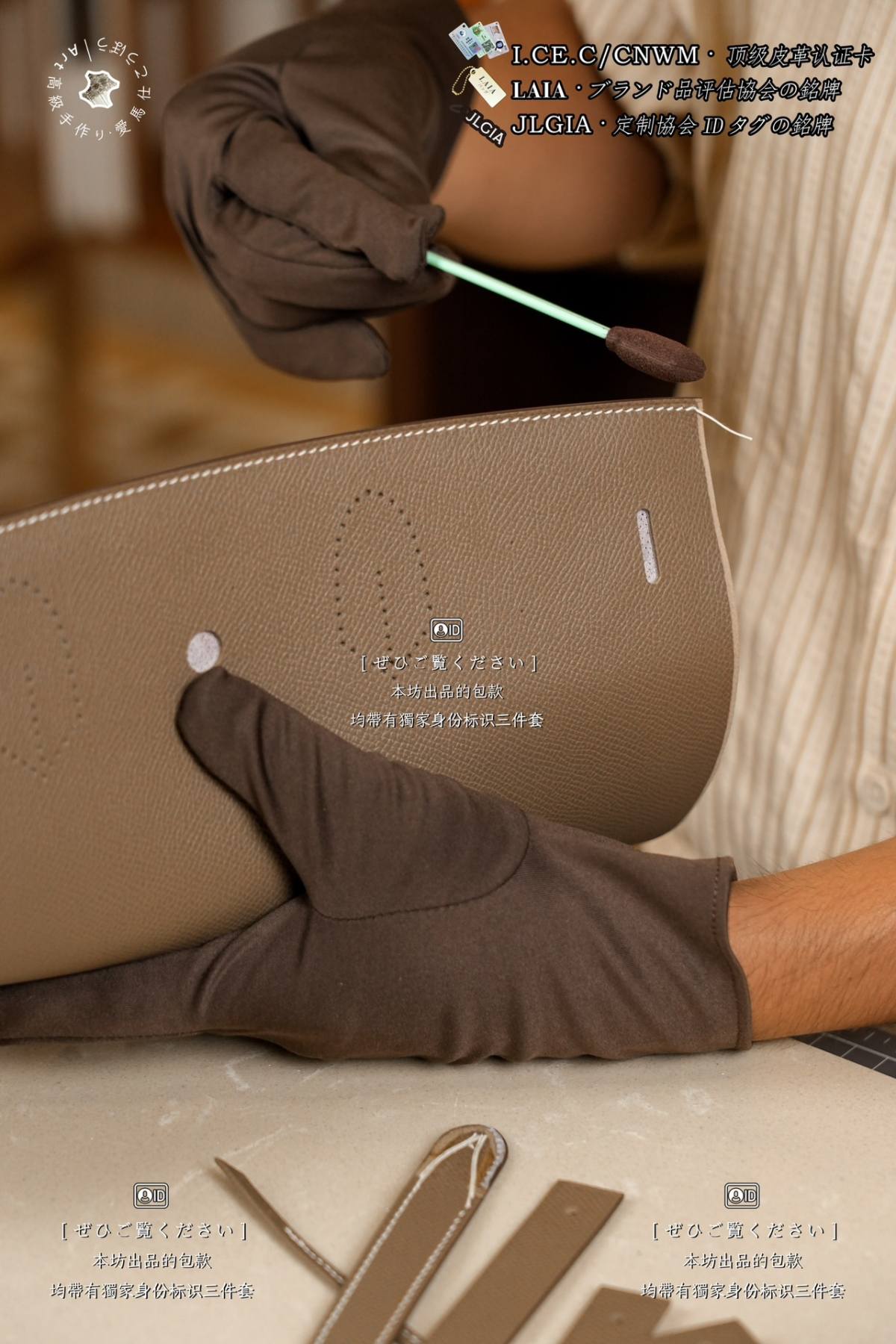
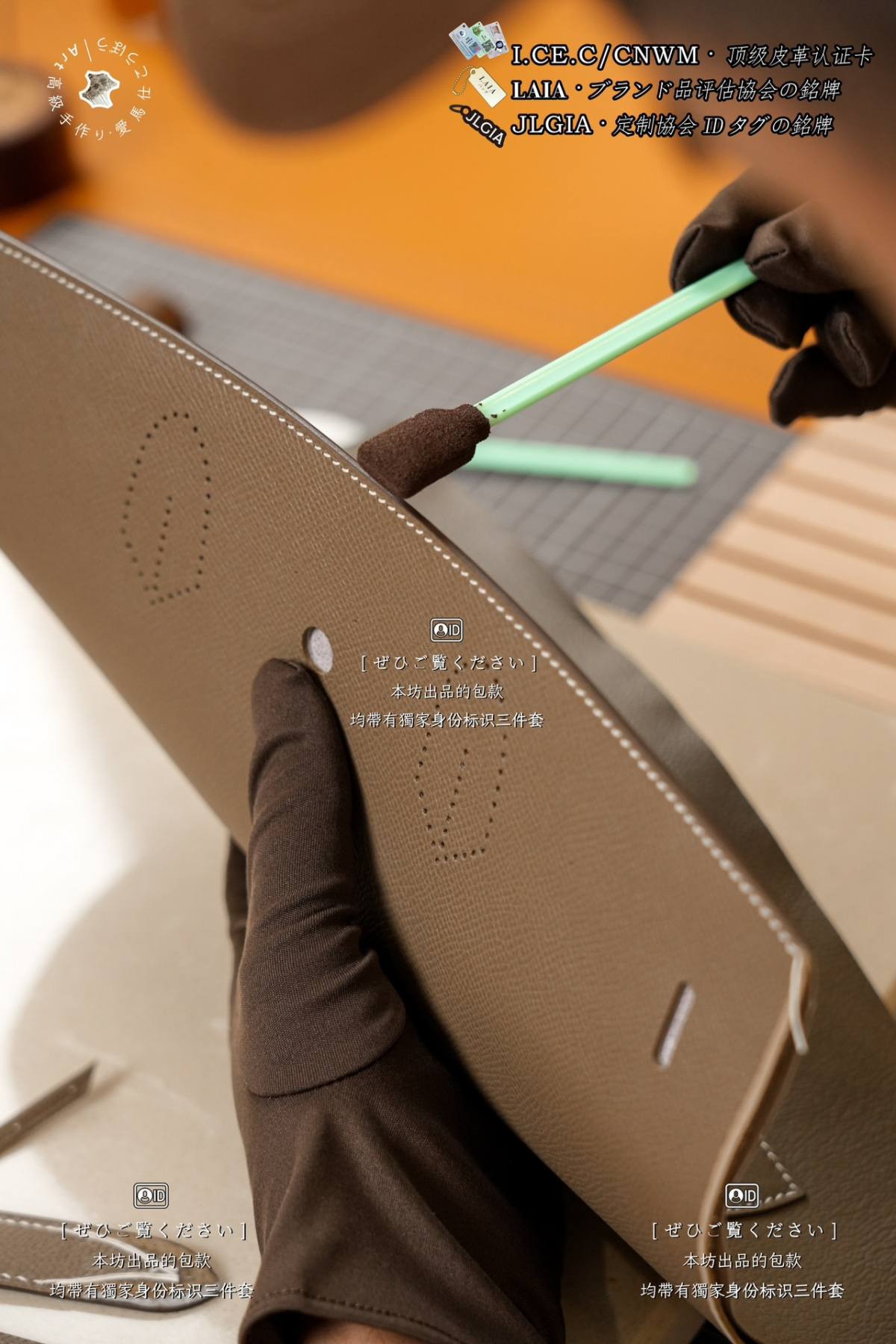
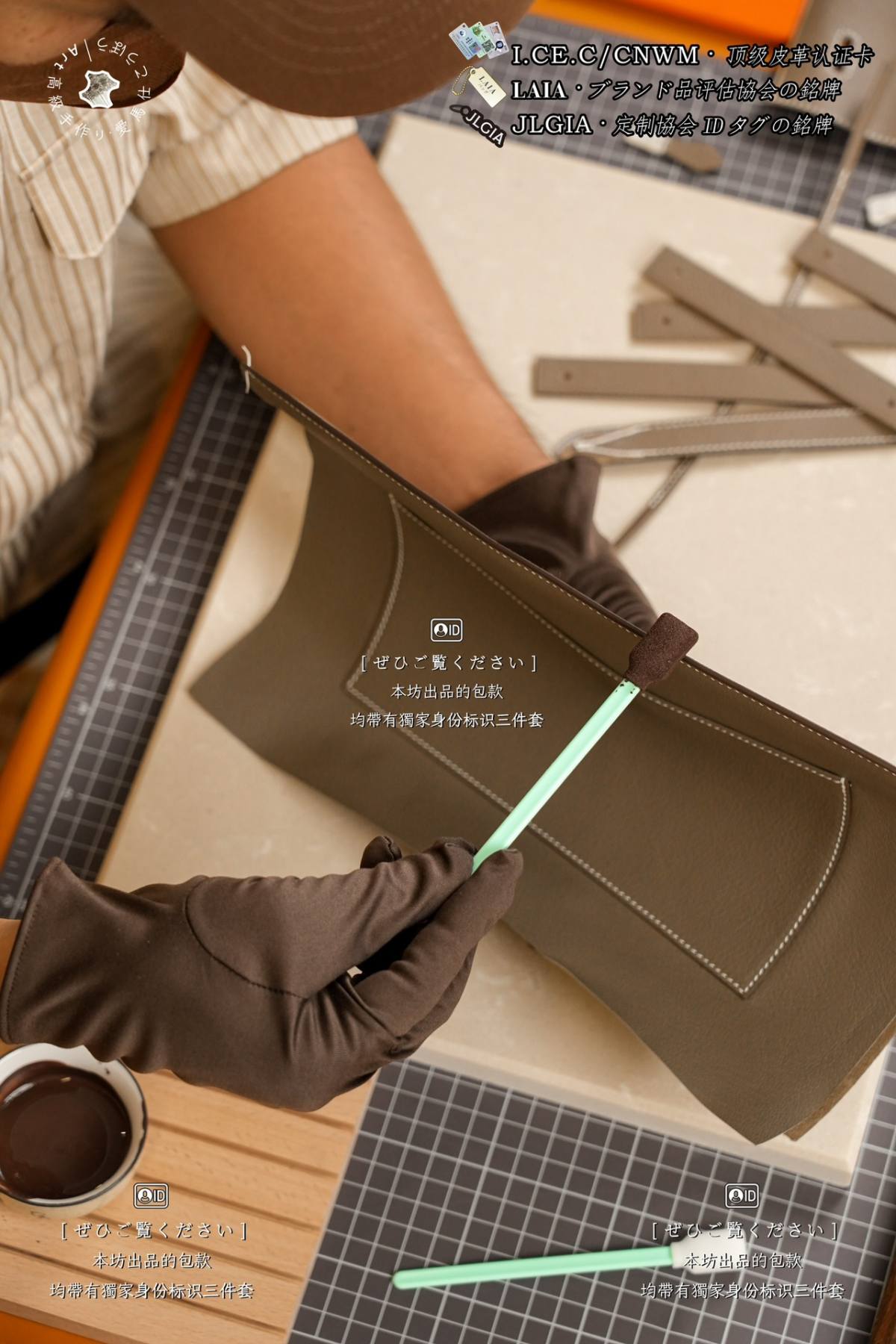
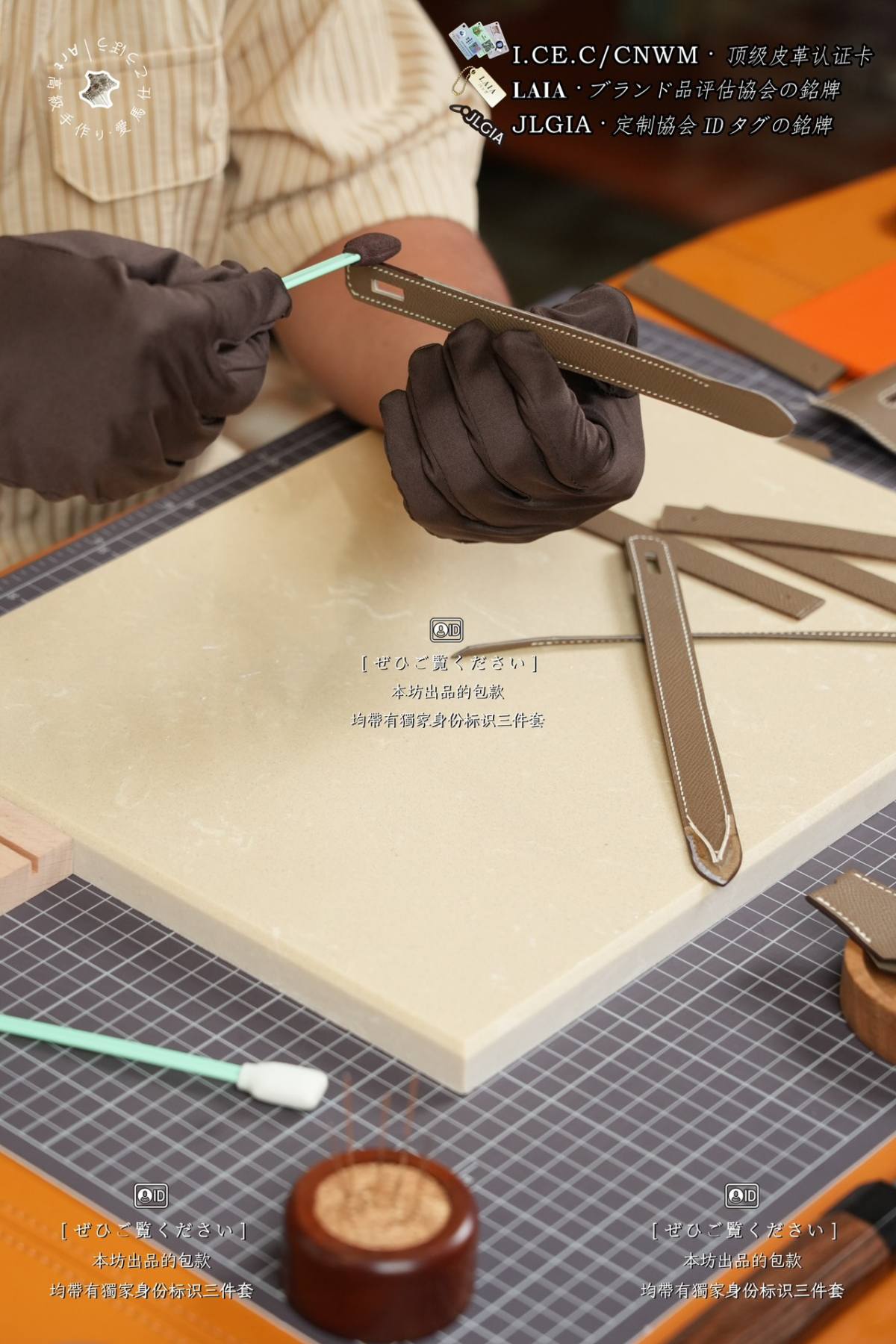
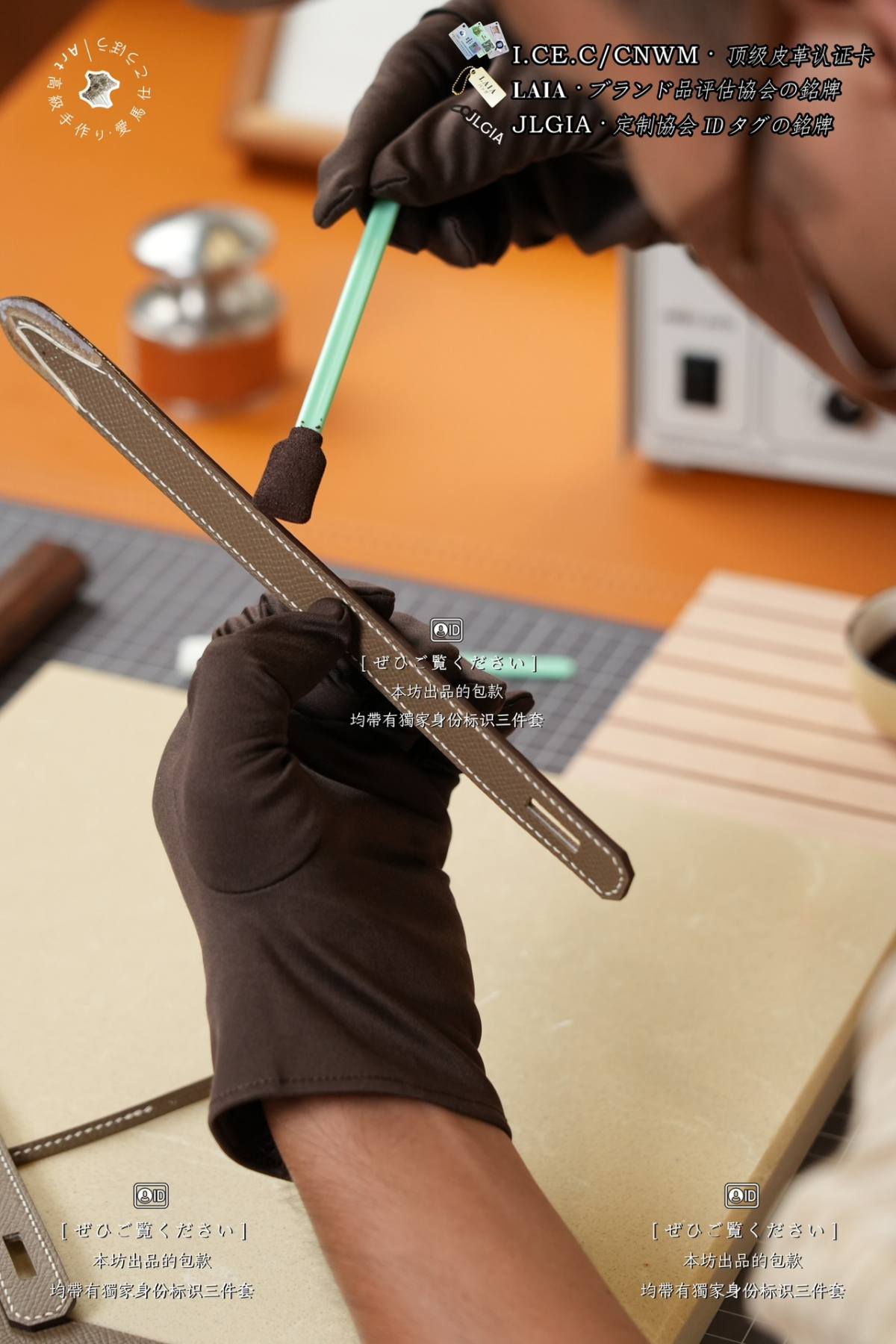
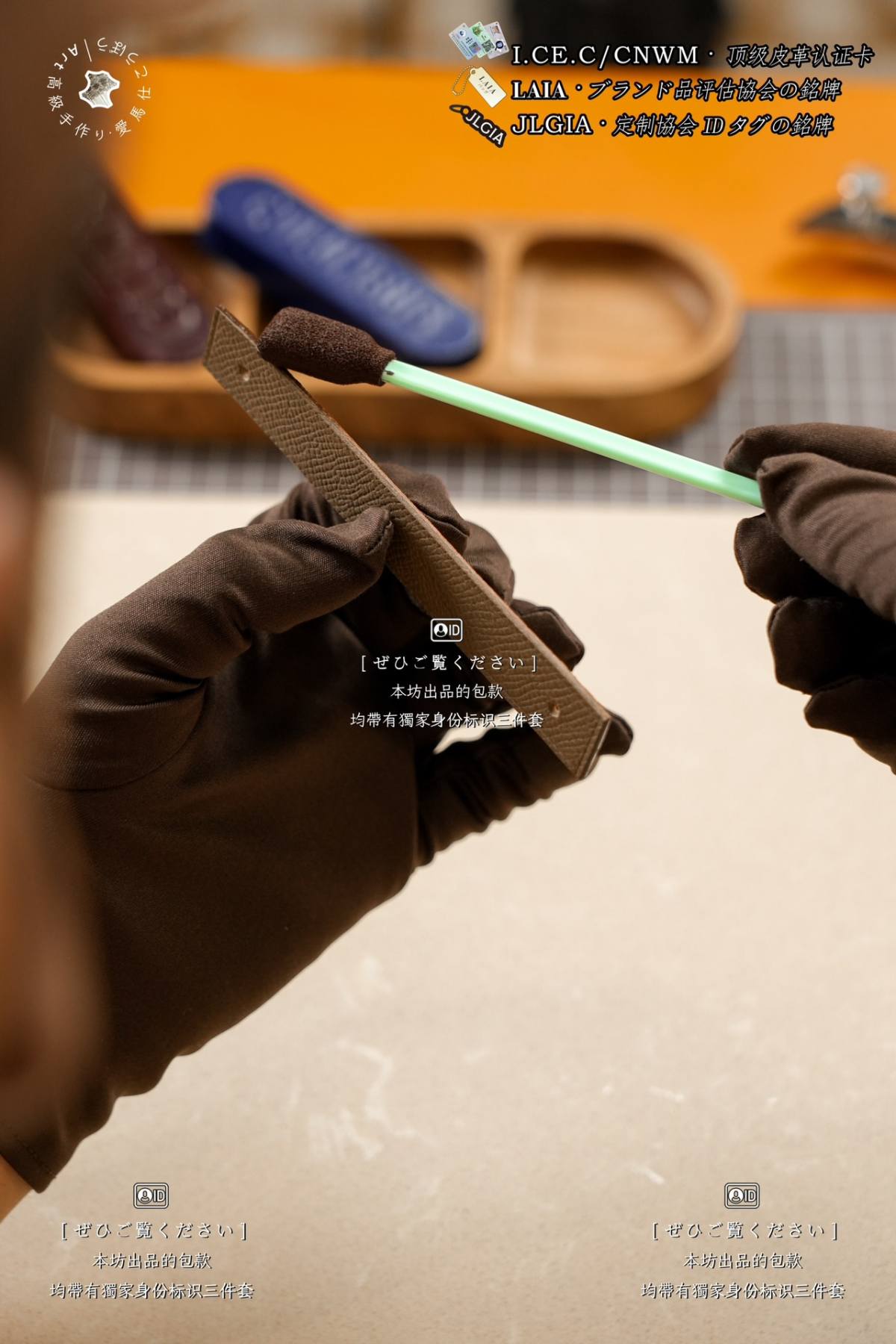
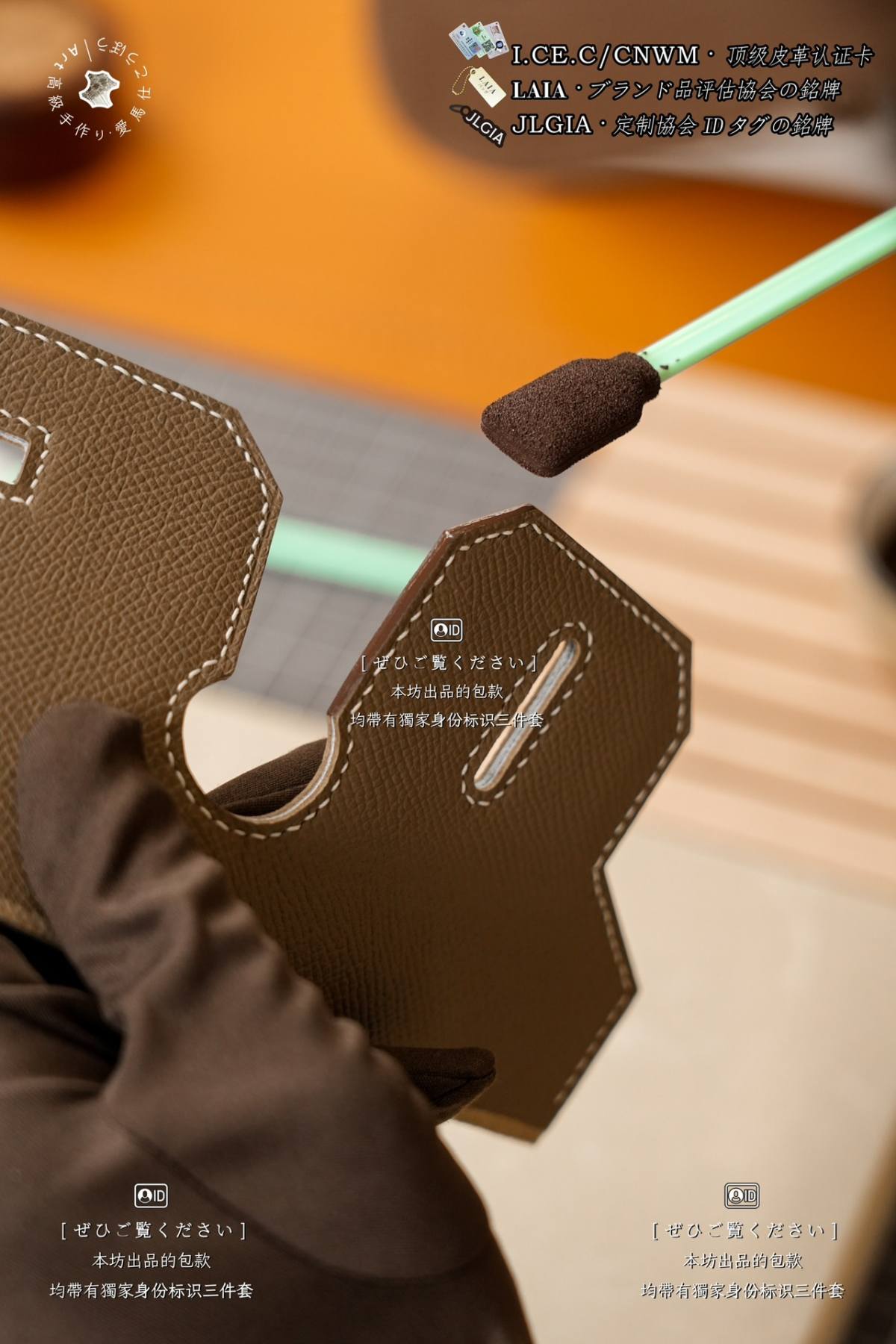
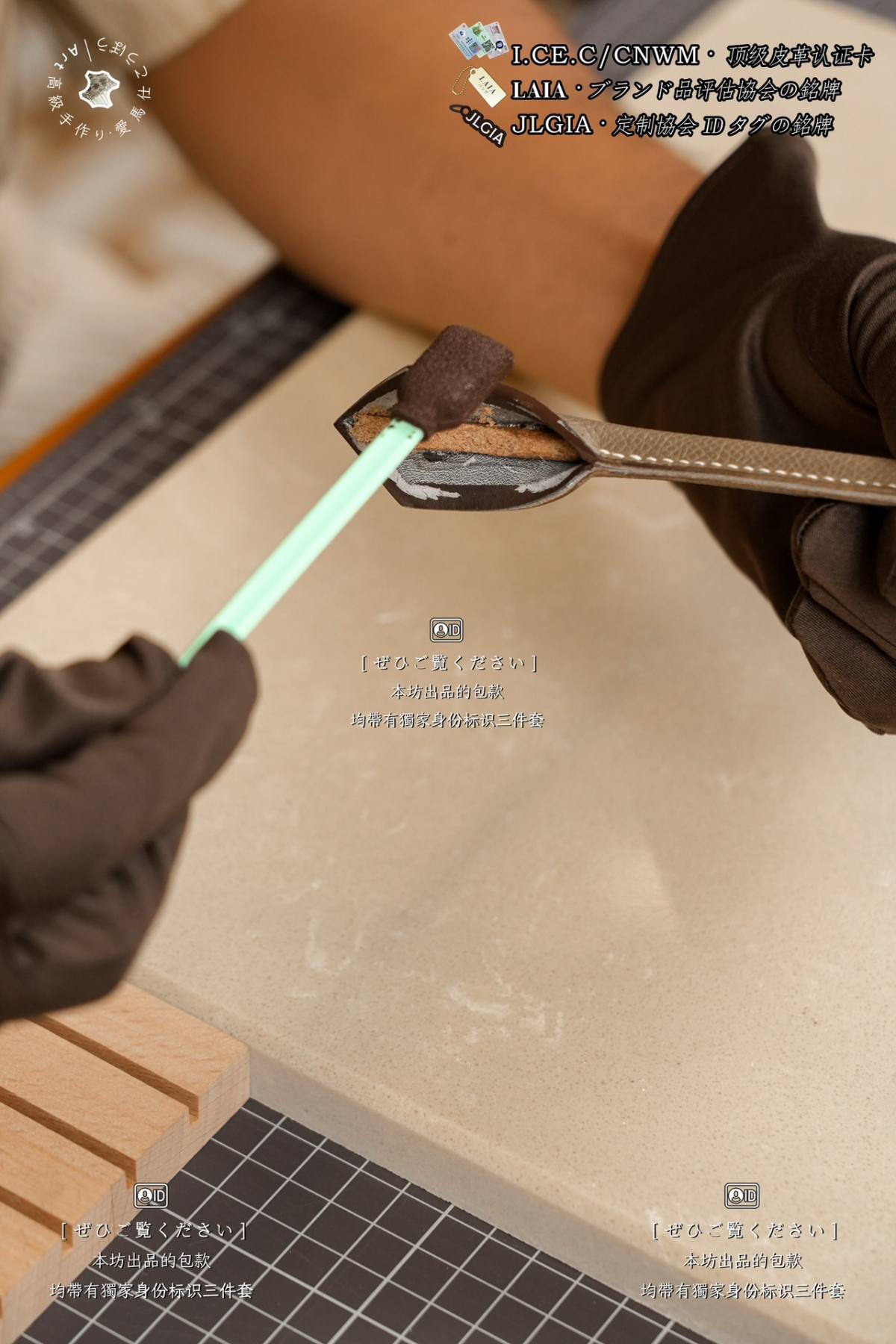
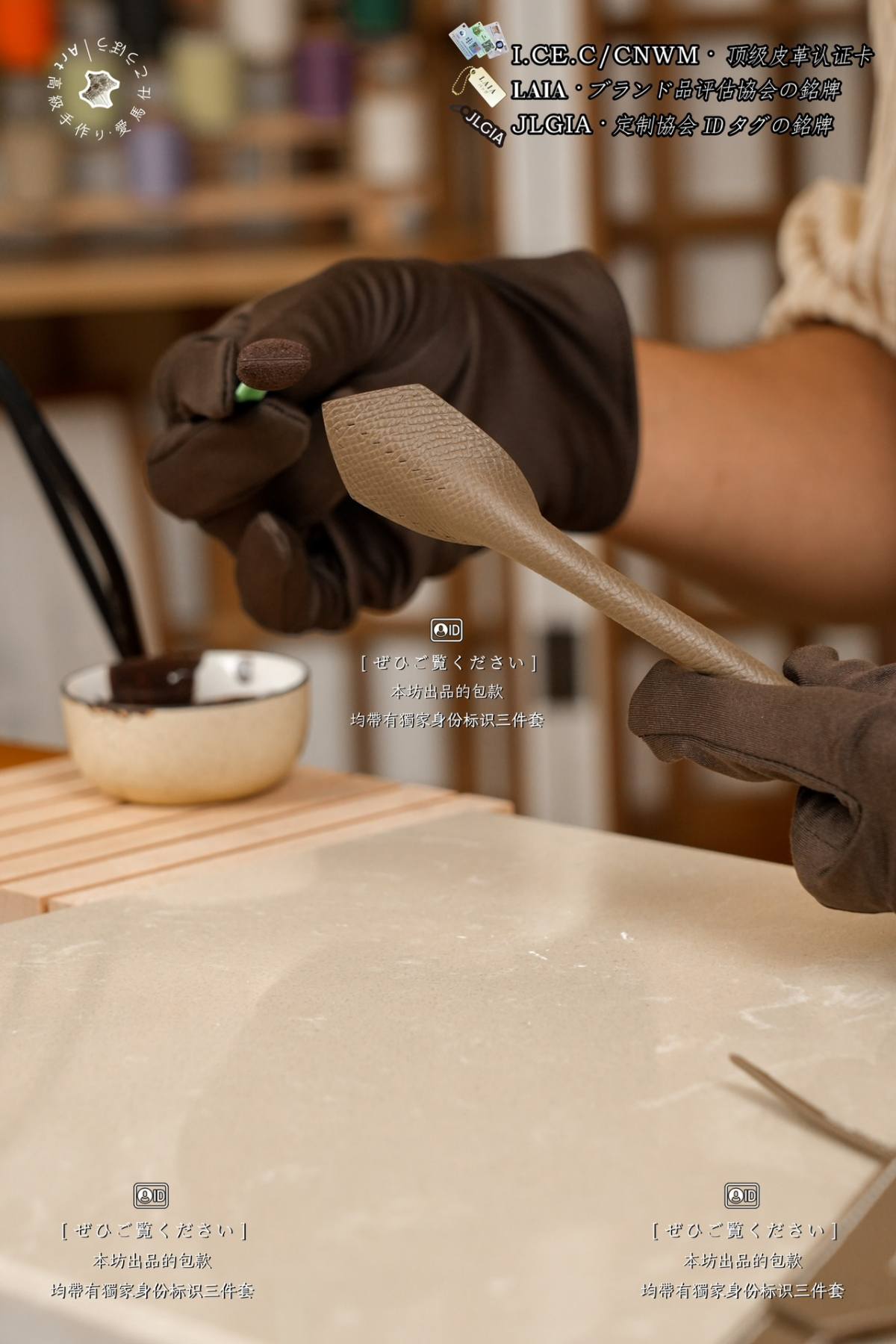
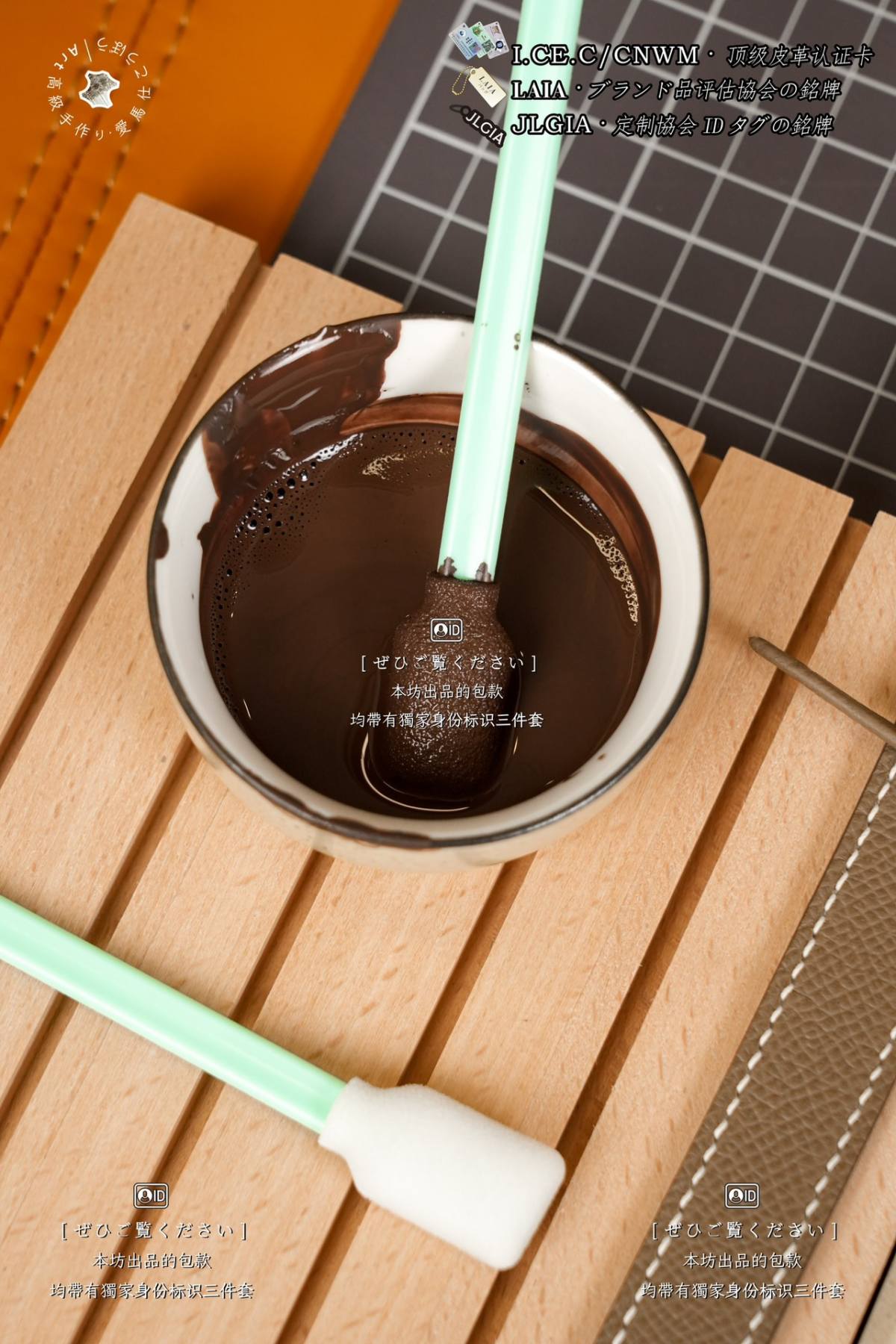
Edge finishing starts with skiving. Leather edges are beveled at a 45-degree angle to a thickness of 0.6 to 0.8 millimeters, enabling smooth folding and preventing cracking. Edge glazing is completed by applying four to six coats of edge paint by hand. Each layer is polished with water before the next application, resulting in a matte satin finish with a sleek surface free of bubbles and cracks.
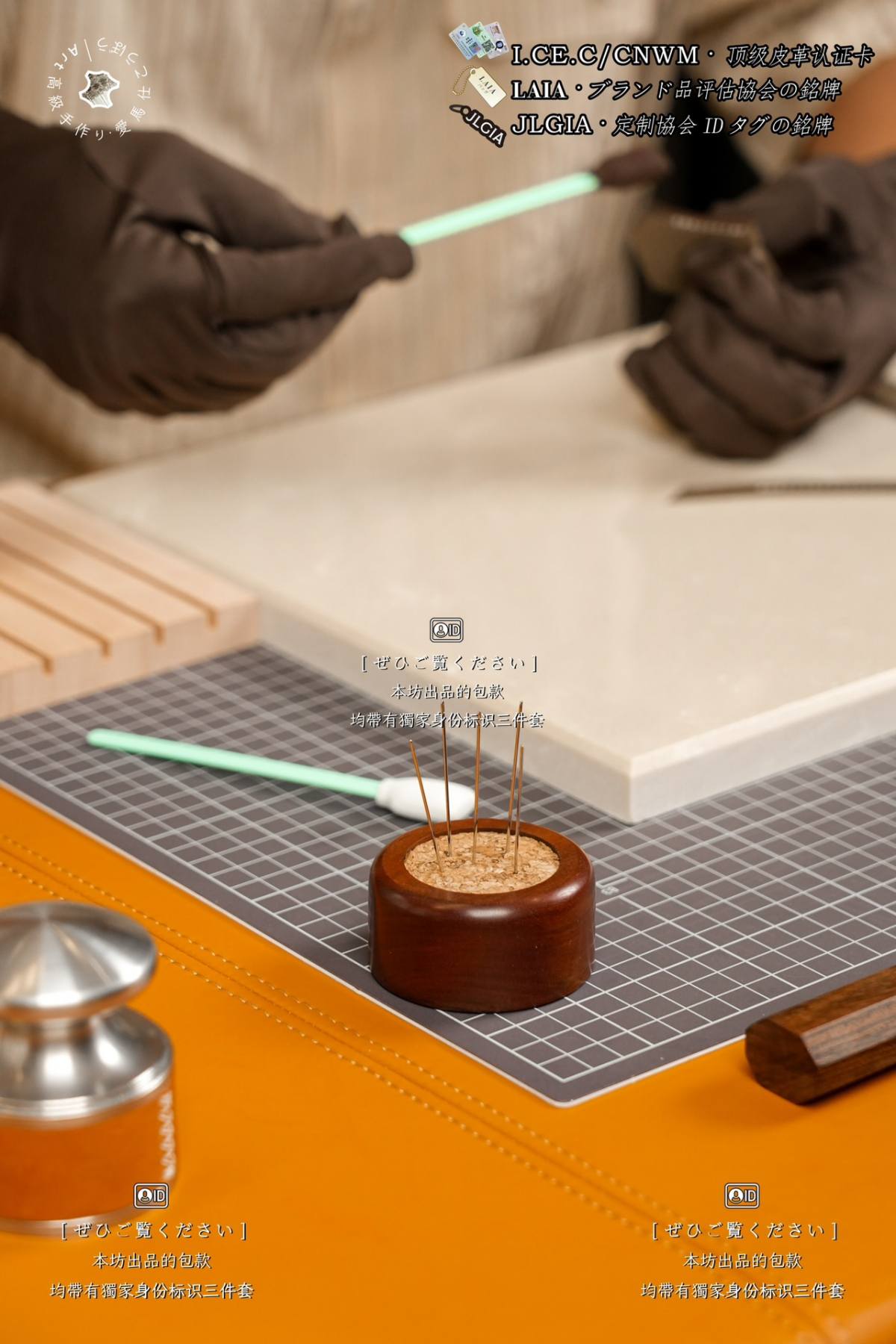
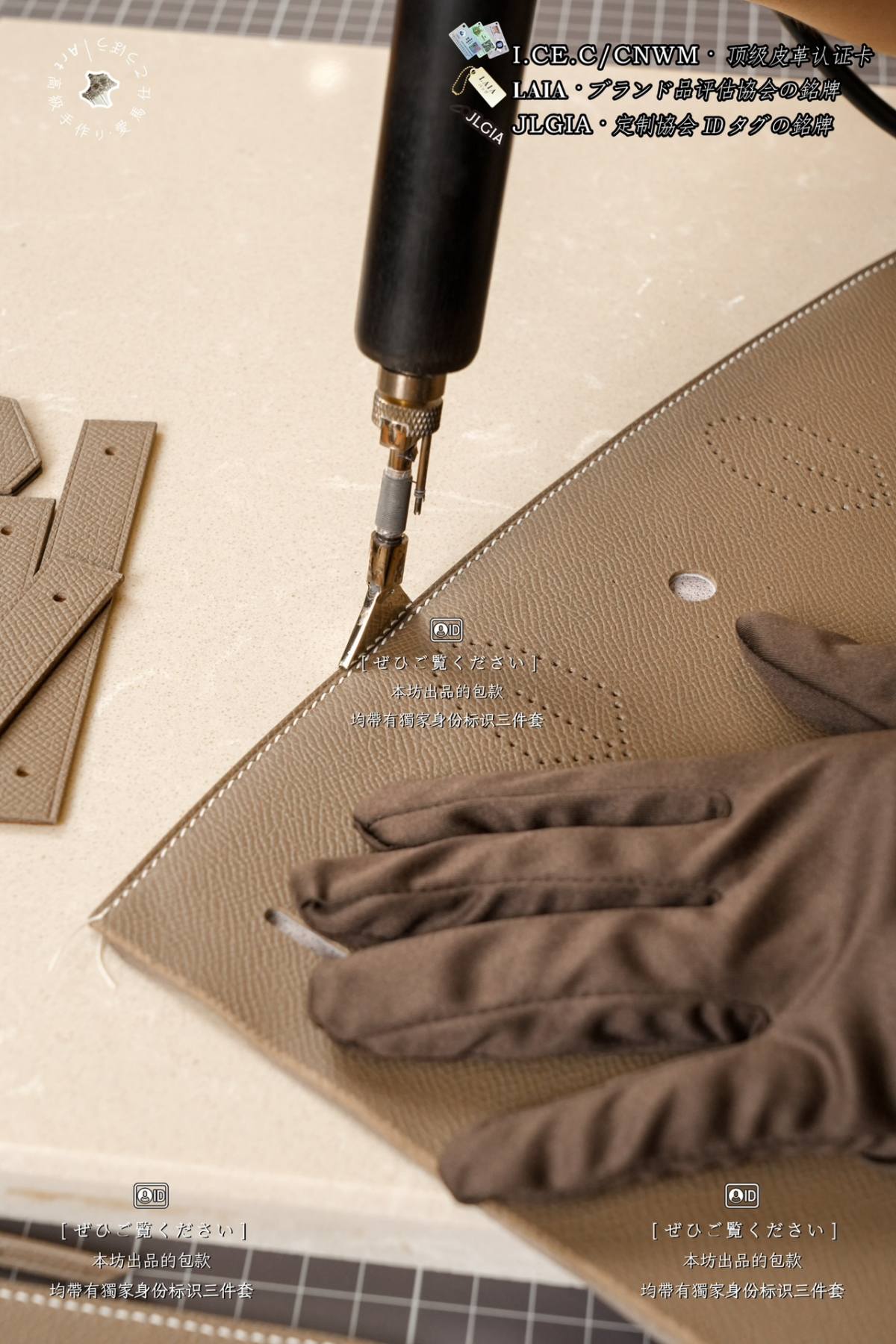
Craftsmen draw reference lines, margin lines and stitch hole lines manually with silver pens according to the markings on metal patterns, with a maximum error of 0.3 millimeters. A groover is set 1.2 to 1.5 millimeters away from the edge to carve shallow grooves, ensuring straight and neat stitches. Pricking is done manually with diamond or round chisels to punch vertical holes along the marked lines. The standard stitch density is 8 to 9 stitches per inch, with clean holes running all the way through the leather without rough edges.
Double or triple layers of leather for components like handles, side gussets and flaps are laminated using Aquagum water-based PU adhesive through cold bonding. The solvent-free formula keeps the leather intact. Chevre goat leather is widely used for linings for its excellent wear resistance, flexibility and shaping performance, fitting seamlessly with outer leather panels. Thin leather patches are added to reinforce lock holes and rivet positions to stop tearing caused by pulling force.
Saddle stitching is the core technique. Two needles are threaded with linen cord treated with beeswax, working alternately through the same hole on both sides of the leather. Each stitch bears tension independently, so the seam will not unravel even if one side of the thread breaks, an effect impossible to replicate by machines. The optimal stitch density is 14 stitches per inch, equivalent to about 5.5 stitches per centimeter. Too many stitches will make the leather brittle, while too few will compromise sturdiness.
Custom solid wood molds are used for shaping. Leather pieces are slightly dampened and heated before being wrapped around the molds, then left to air dry for 48 to 72 hours to set the final shape. Kelly Sellier features sharp angular silhouettes, paired with Epsom and Box calf leather. Birkin Retourne boasts soft curved lines, matched with Togo and Clemence calf leather.
Strict quality control standards are implemented throughout production. All cut pieces must be free of knife marks and stretching, with unified grain direction and flawless symmetry. Edges require evenly applied edge paint with no bubbles or cracks and a smooth touch. Stitch holes must be evenly spaced, fully penetrated and free of chipped leather. Laminated parts should have no air bubbles, misalignment or weak adhesion.