- 04
- Jun
Shebag Handmade Hermes Birkin bag Stitching craftmanship review(June 2026 updated)
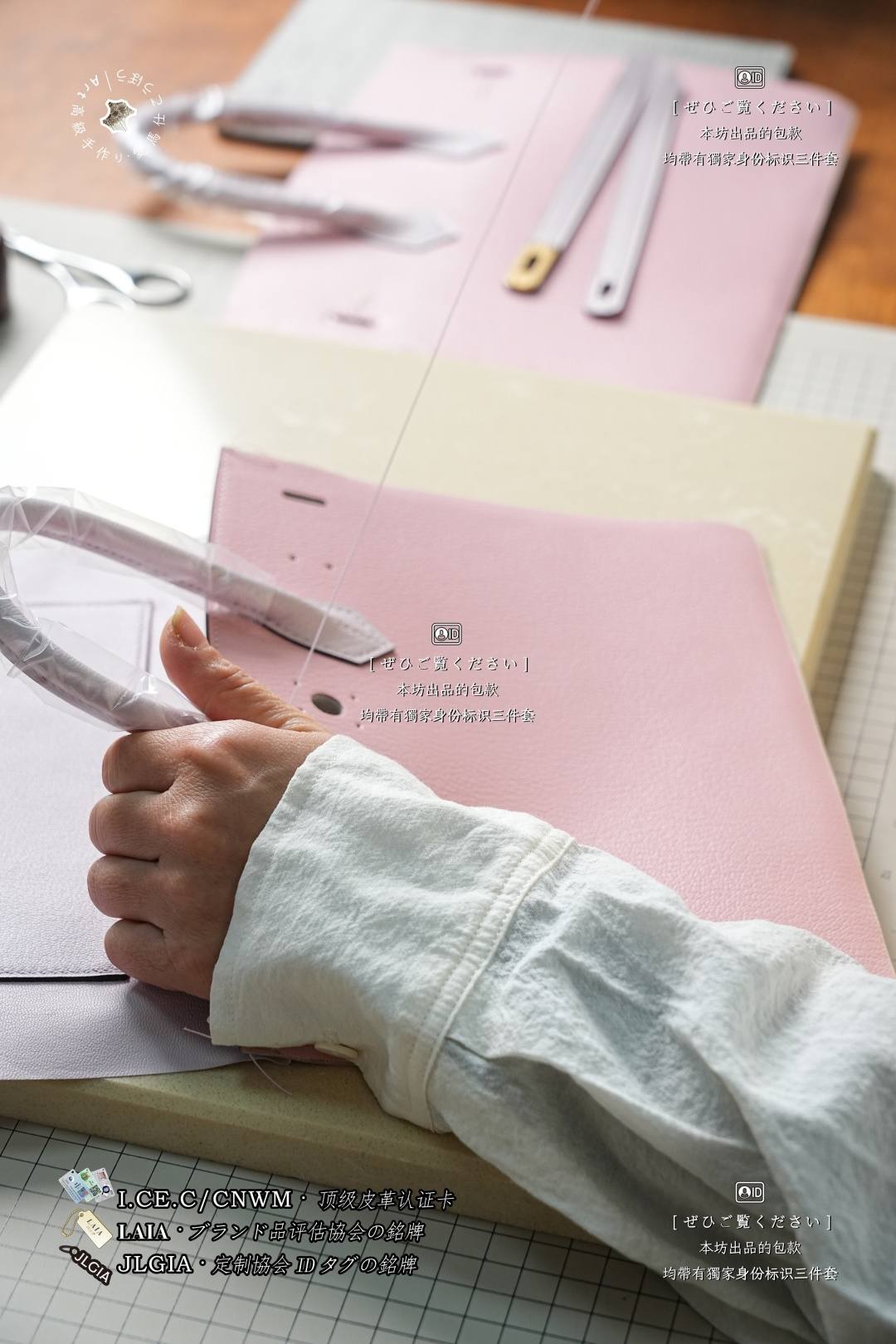
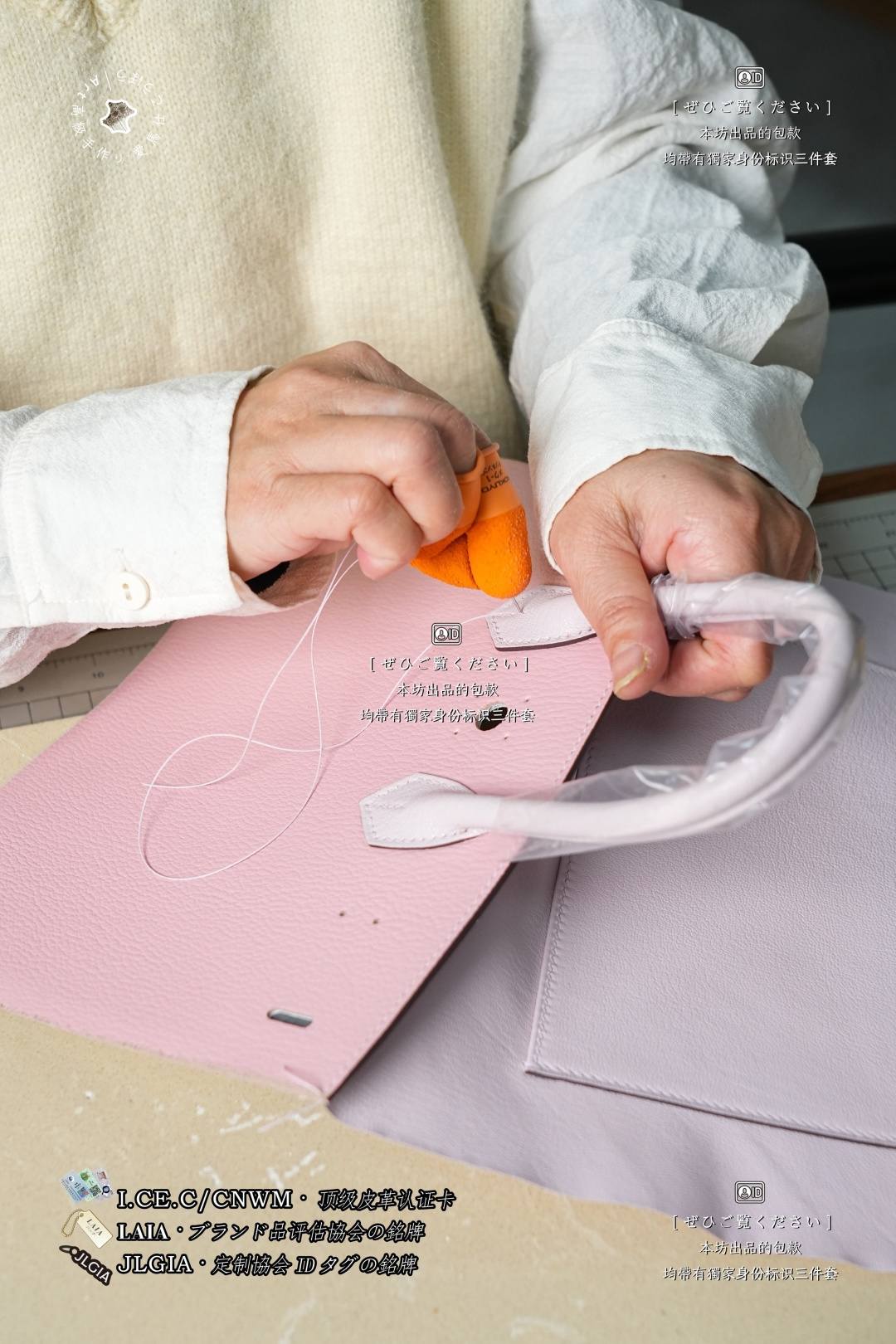
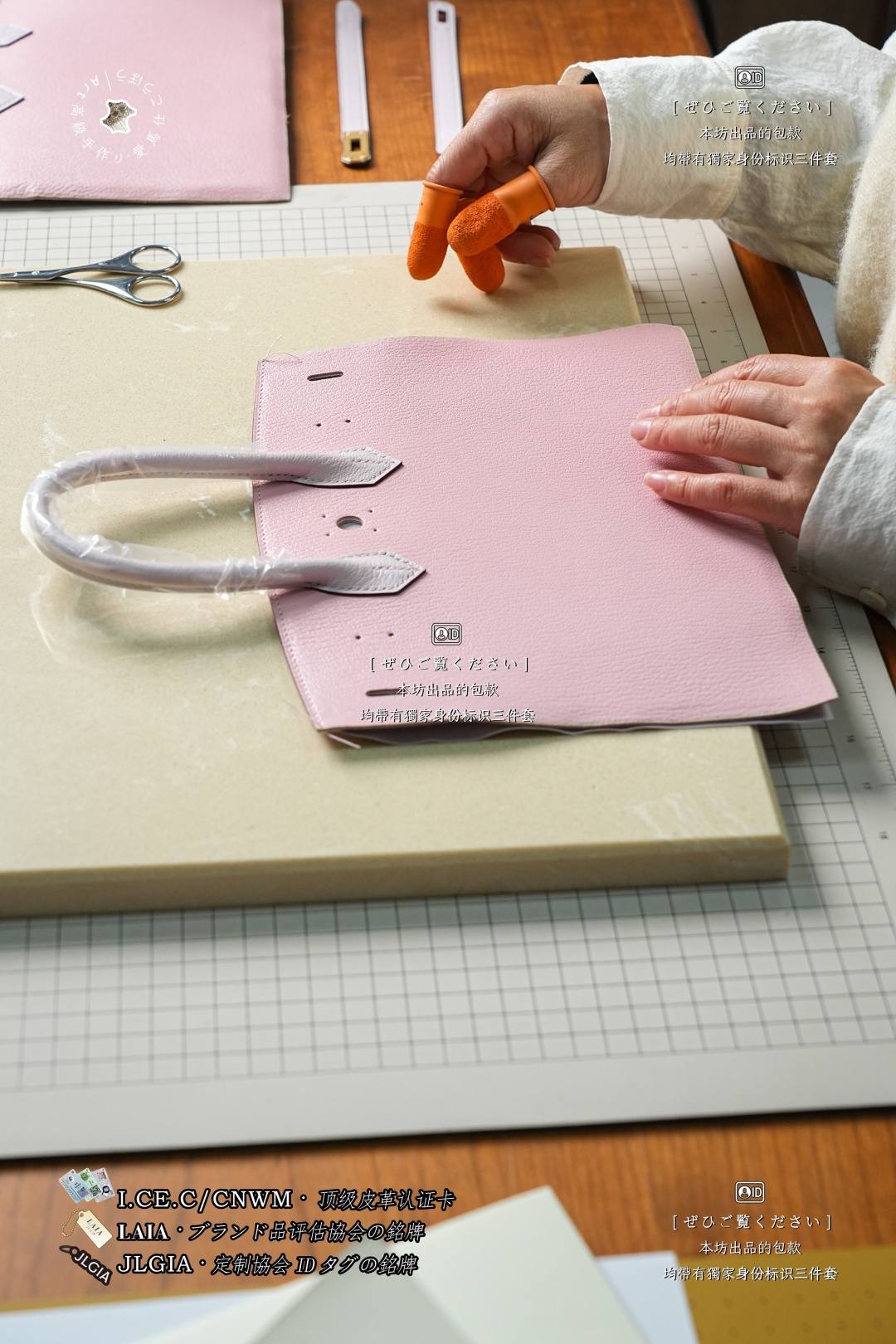
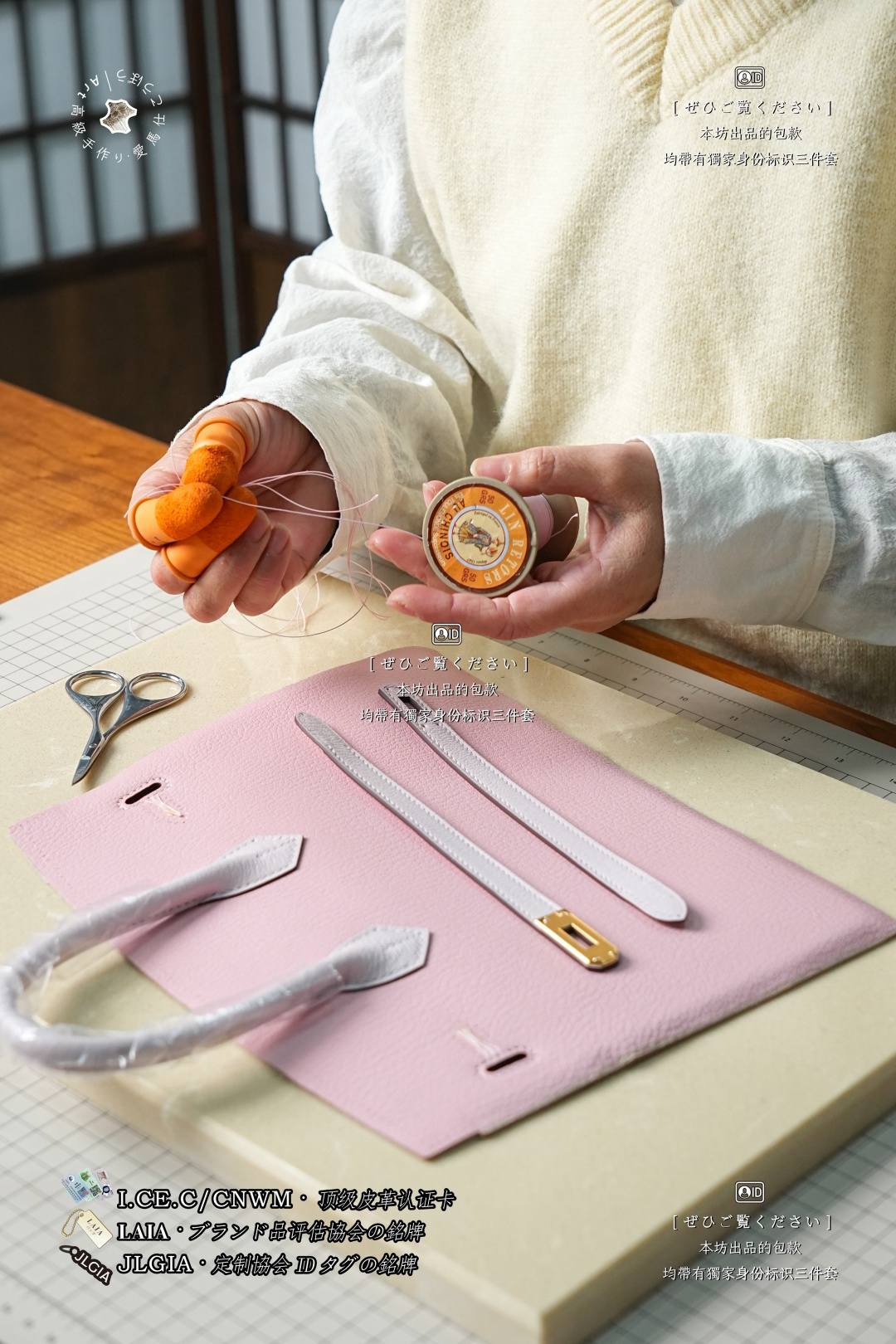
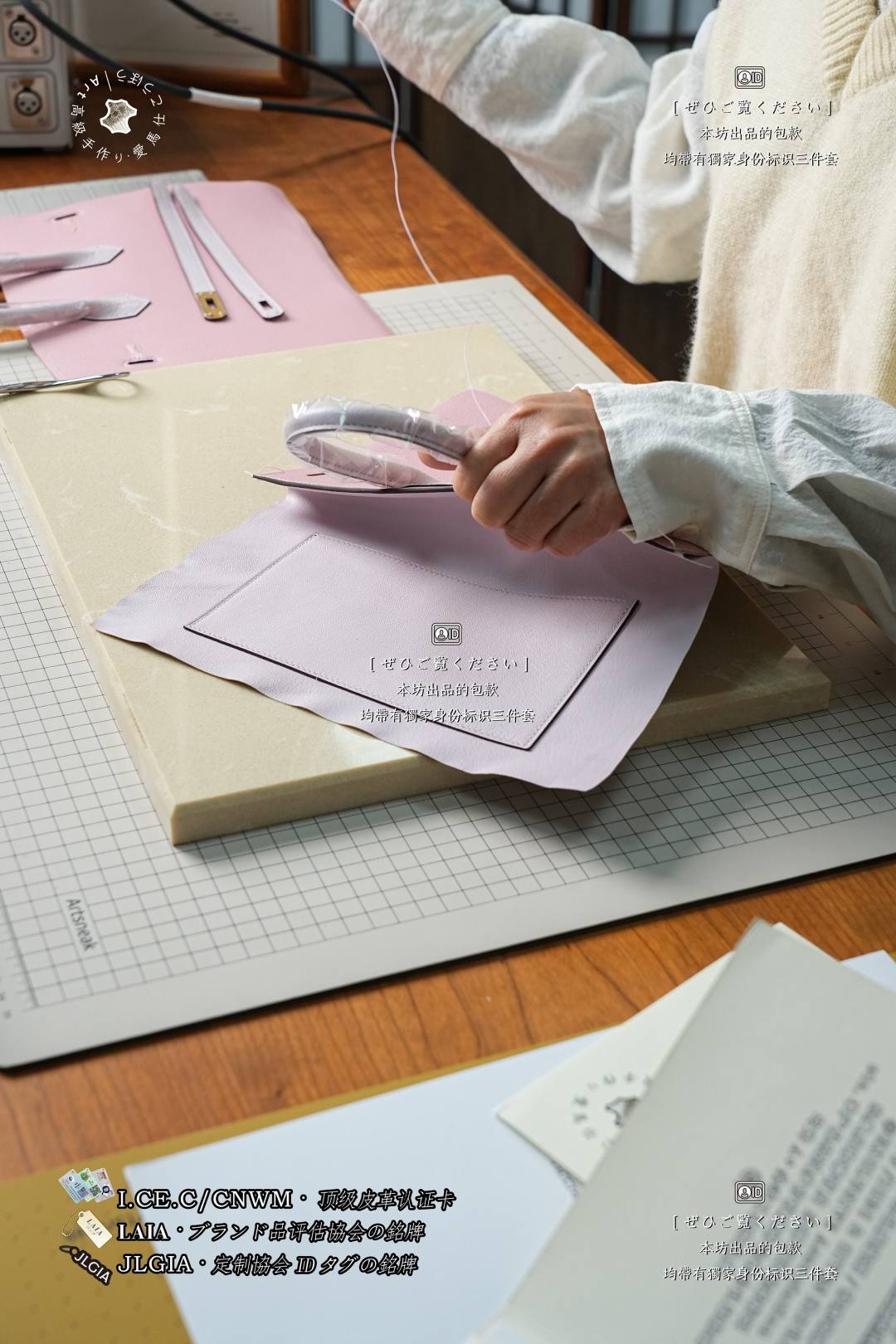
Today we dive deep into the sophisticated stitching craftsmanship of Shebag. Hermès adopts traditional fully hand-executed saddle stitching. Carefully calibrated thread tension and properly selected stitching material deliver outstanding tensile strength to sustain decades of daily use without breakage. Uniform pre-tension across every stitch hole ensures even load distribution over the leather and eliminates the risk of tearing the hide. Such precision is exclusive to handcrafted pieces and cannot be replicated by machine-made bags, which fail to maintain consistent stress balance between thread and leather. Authentic Louis Vuitton products are entirely machine manufactured. While certain parts of Chanel handbags are hand-sewn, their craftsmanship never matches the uncompromising handwork standard seen at Hermès.
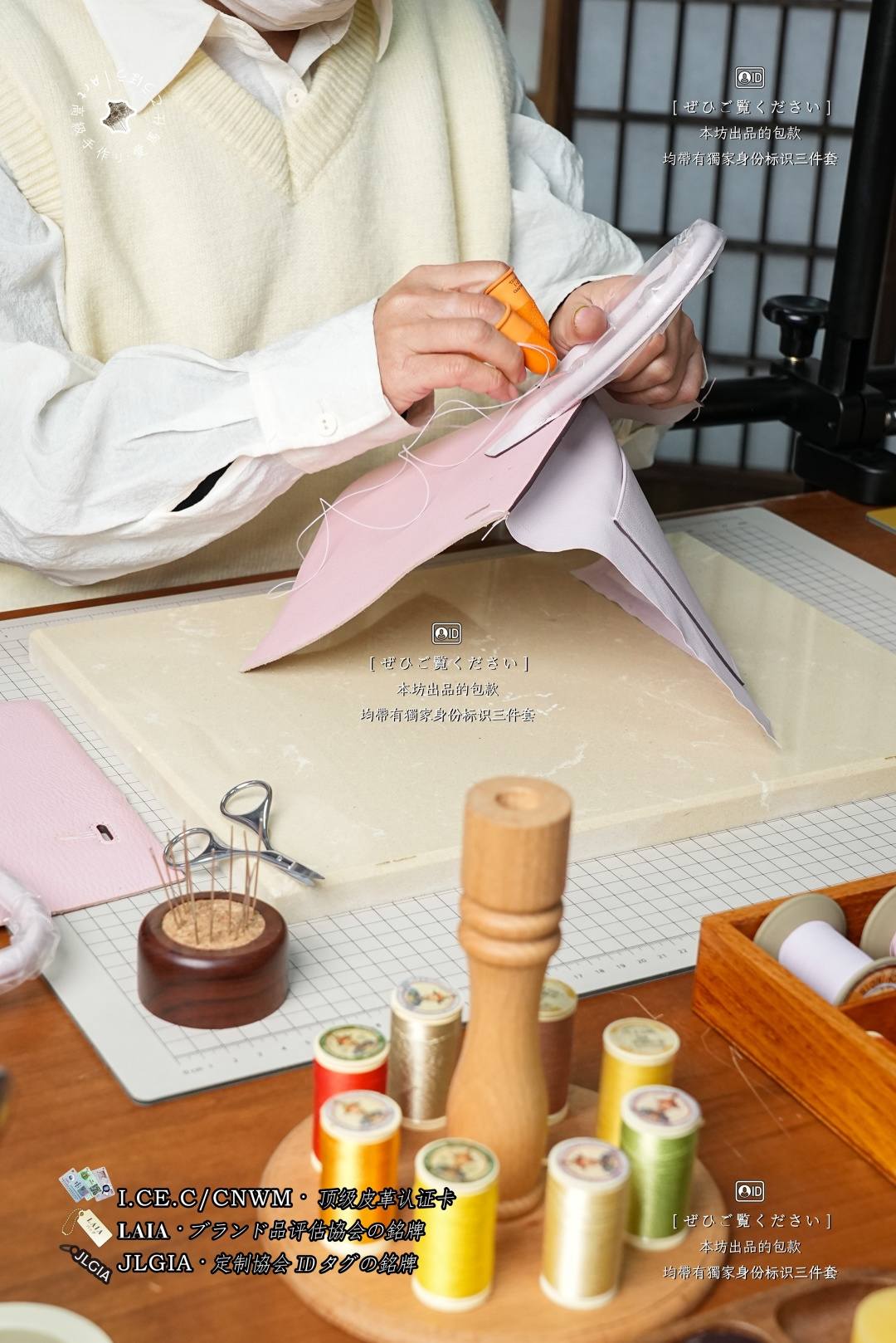
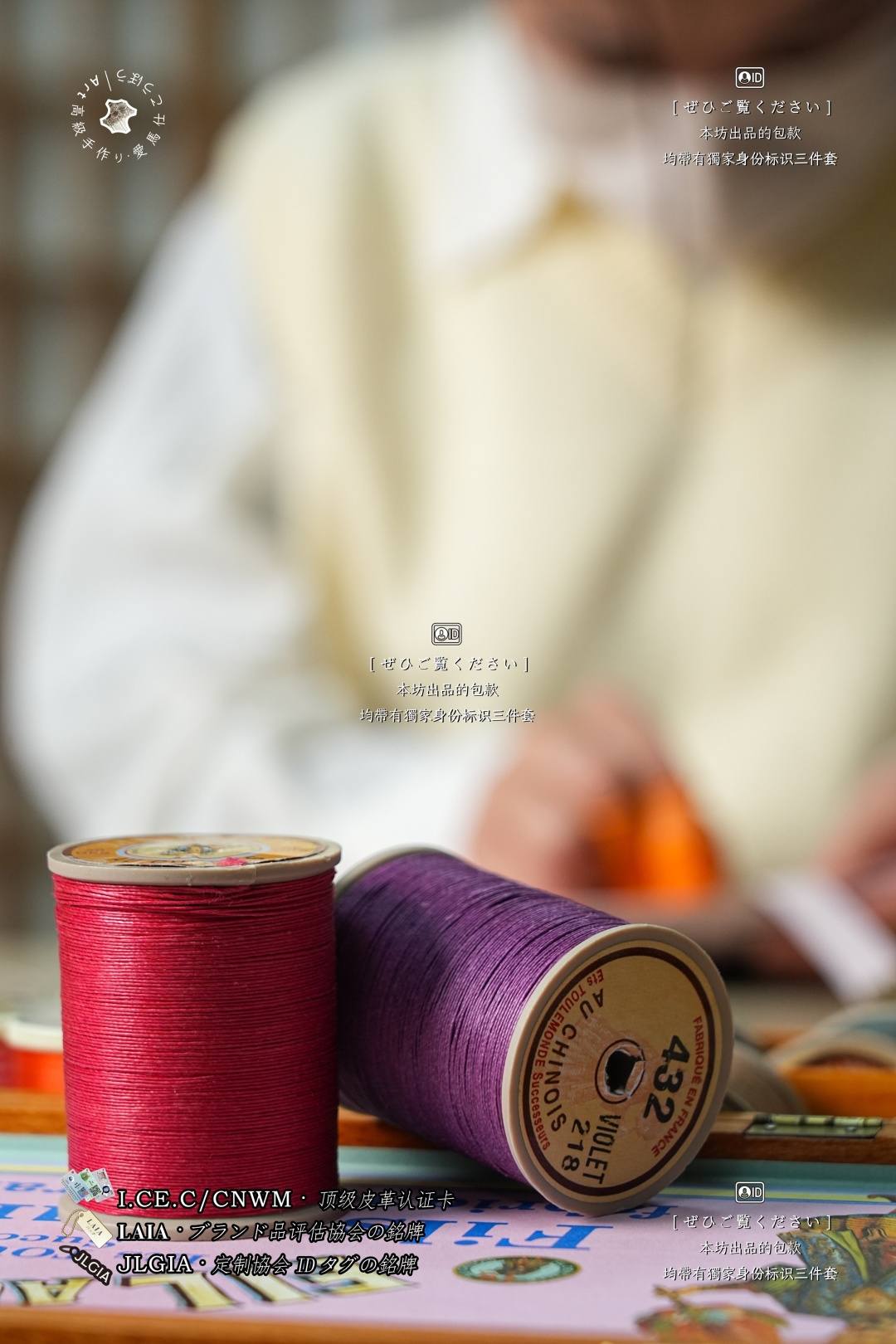
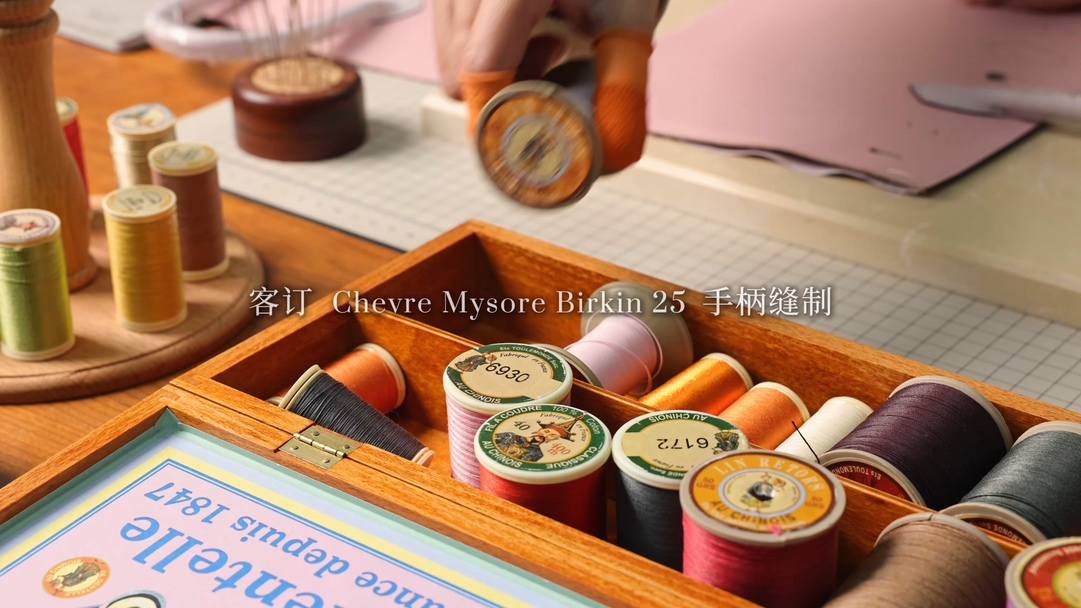
Thread selection relies on brand-exclusive natural linen waxed thread.
Raw material is sourced from premium long-staple French linen yarn instead of cotton or synthetic polyester. Linen boasts robust molecular toughness with less than 3% expansion and contraction under varying humidity and temperature, excellent ageing resistance and acid-alkali tolerance, making it the inherited core material for century-old saddle-making techniques.
The yarn is twisted from three strands merged into six with fixed twist pitch, produced in three specifications to fit different leathers. Thread diameter hits 0.62mm to 0.72mm for thick Togo and Clemence cowhide seen on the showcased bags, 0.48mm to 0.55mm for fine Epsom calfskin, and a thin 0.43mm variant for exotic ostrich and lizard leather.
Full thread impregnation with natural beeswax blended with a small portion of plant resin is completed via low-temperature rolling coating.
The wax coating facilitates smooth needle threading without scratching leather fibres. Upon tightening, thermal deformation and solidification of wax locks stitching in place to prevent loose seams. The outer wax barrier repels moisture, keeping the thread matte with natural patina and resisting fraying or rupture over long-term wear.
Single-strand waxed linen delivers minimum breaking tension of 18 Newtons, 1.7 times the tensile strength of polyester thread of equal thickness. Its low ageing rate against temperature and wear accounts for intact original stitching found on fifty-year-old vintage Hermès handbags.
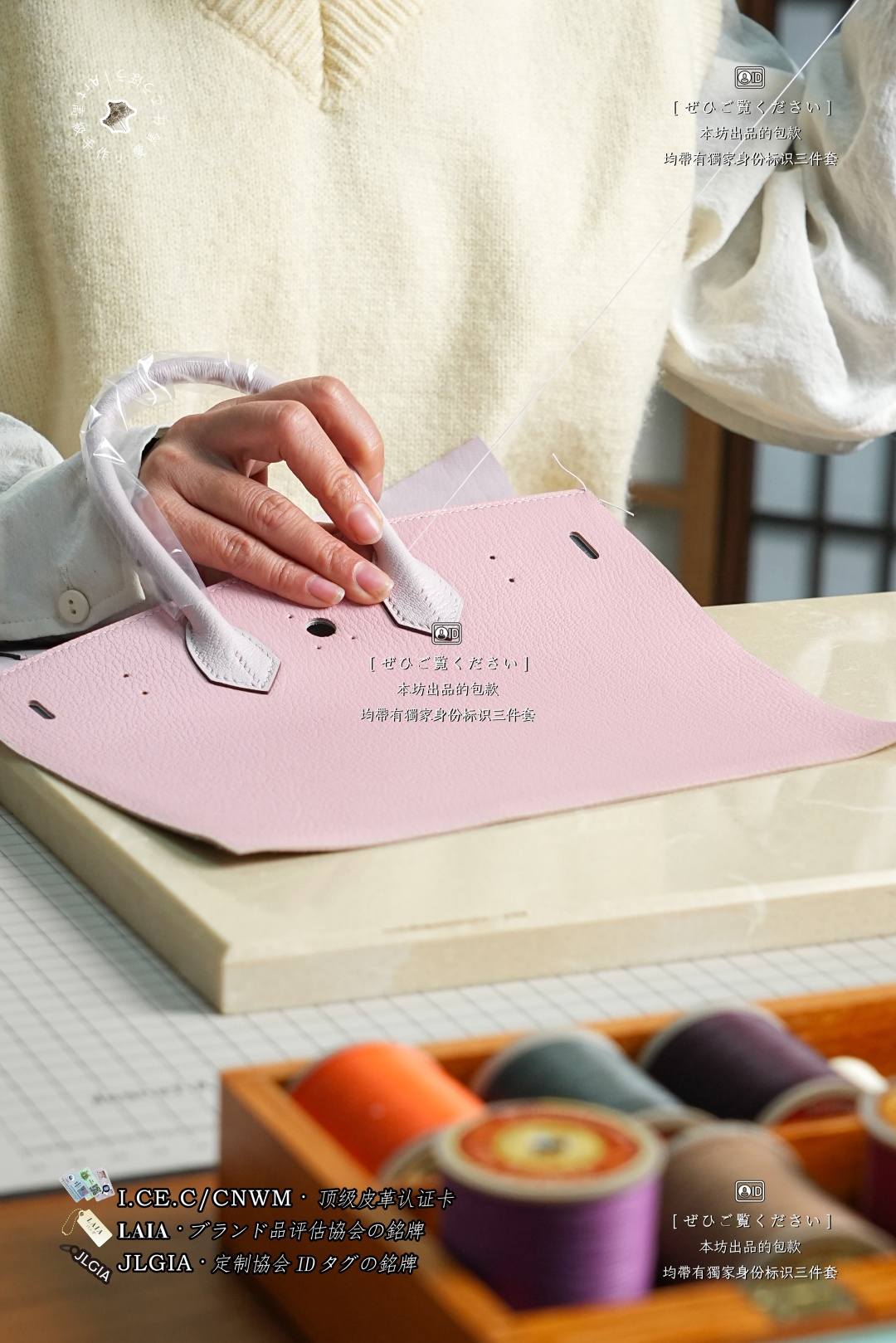
Hole punching is performed with a diamond-edged pricking iron to produce angled rhomboid apertures, distinct from round machine-drilled holes.
A stainless steel spacing gauge first draws reference lines along leather edges. The standard pitch is set at 3.8 millimetres per stitch, equivalent to fourteen stitches per inch as the official Hermès specification. Spacing is reduced to a tighter 3.5 millimetres for high-stress joints including handle roots and flap seams. Clamping fixtures secure two layers of leather to avoid material distortion and misplaced perforations.
Craftsmen pierce leather at a fixed 45-degree incline with diamond-tipped hand punches to form slanted rhomboid cuts rather than vertical round holes. Round holes cause overlapping threads prone to slipping under tension. Angled rhomboid holes feature flared V-shaped inner channels to cradle two parallel threads after sewing, creating the brand’s iconic 45-degree slanted stitch. Each punch penetrates fully through double leather layers by spreading surrounding skin fibres instead of cutting them, improving the leather’s tear resistance.
Pitch spacing is split and piercing angles adjusted stitch by stitch around curved or right-angle corners to disperse concentrated stress and avoid uneven bulging or accumulated excess thread at turns.
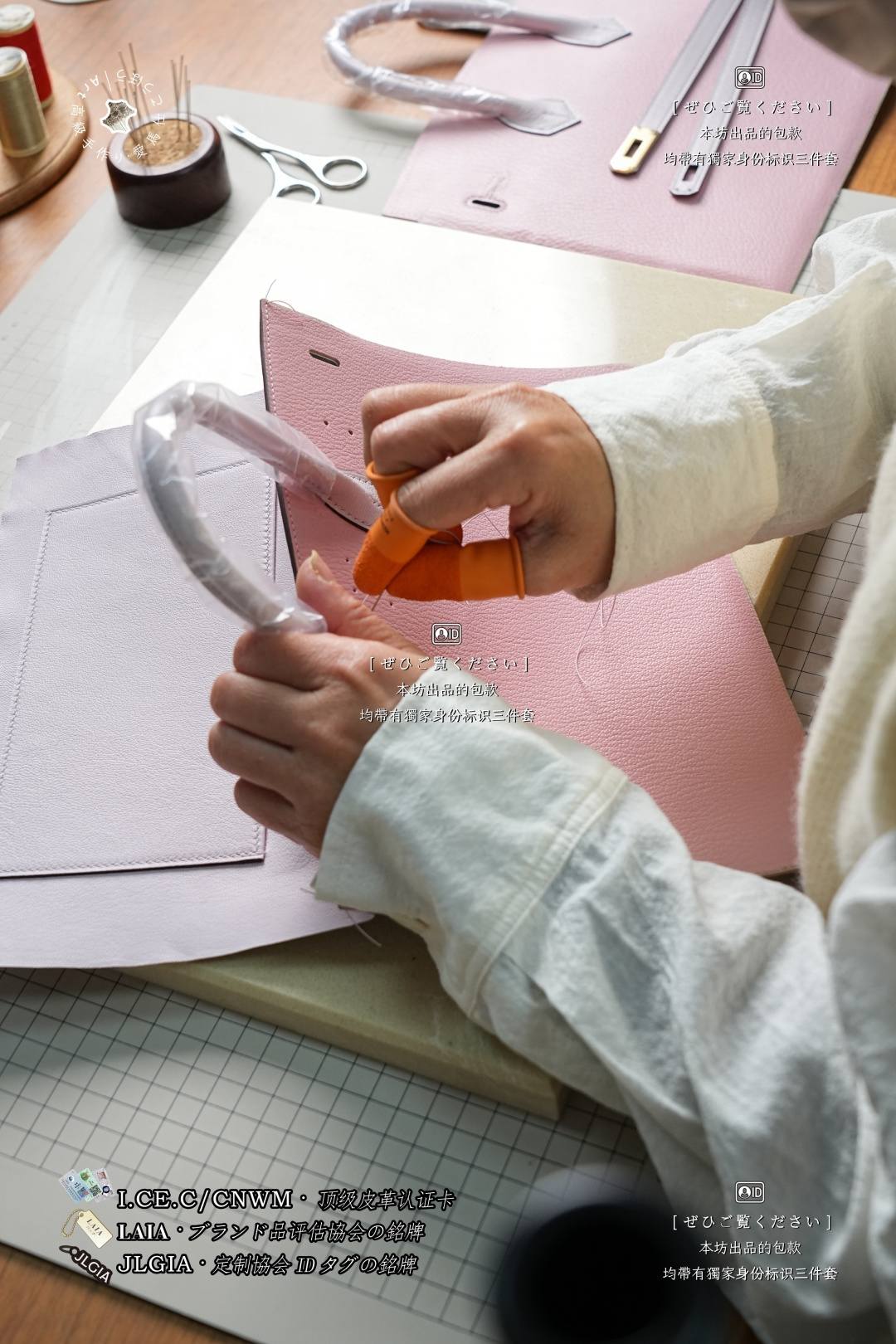
Construction follows traditional saddle stitching utilising one full thread fitted with two blunt needles for interlocked dual-sided looping.
A single length of waxed thread is threaded with a blunt needle at each end. The two needles pass oppositely through one identical rhomboid hole: one needle enters from the outer leather surface and exits on the interior, while the second needle feeds inward from the underside and emerges on the exterior. Pulling both ends forms a self-locking knot sandwiched between leather layers. Every stitch functions as an independent lock unlike continuous machine chain or overlock stitching.
Machine stitching runs in unbroken single-line formation, so one broken stitch compromises the entire seam. In saddle stitching, damage to a single stitch only affects its corresponding hole leaving remaining stitches structurally intact, the core reason behind Hermès bags’ exceptional load-bearing durability.
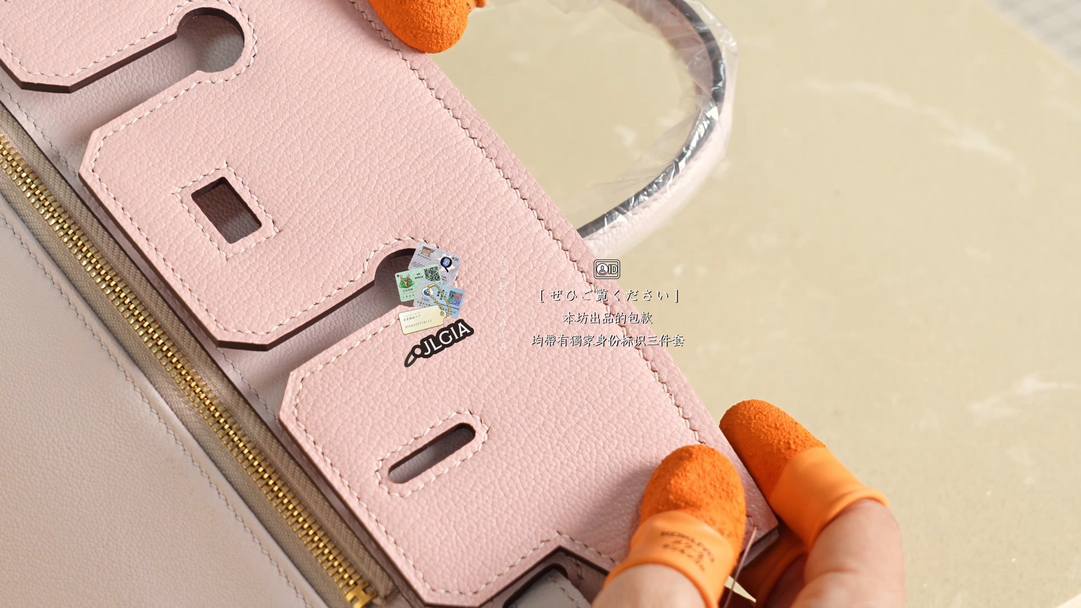
All stitches run at a consistent 45-degree angle against the marked reference line. Artisans pull both needles outward symmetrically along the 45-degree axis from top and bottom of the leather, seating threads fully within angled grooves and forming characteristic dual convex-concave wavy stitching on both leather faces. Dual-wave stitching denotes authentic craftsmanship, while single-wave patterns signal insufficient pulling tension.
Seams are reinforced with two to three backstitches at start and finish points, with thread tails tucked entirely between leather layers to prevent abrasion-induced unravelling.
Manual graded tension control maintains tailored consistent preload across different seam sections.
Standard flat seams receive steady bidirectional pull force ranging from 1.8 to 2.0 kilograms per stitch, controlled by seasoned muscle memory of master craftsmen. Pulling is strictly restricted to symmetrical 45-degree outward traction instead of vertical straight pulls that leave loose floating thread above leather surface. Frictional heat generated during tightening partially melts surface beeswax, which seeps into surrounding fibres and solidifies to permanently lock pre-tension without gradual rebound relaxation.
Variable preload settings are assigned based on load intensity of different bag areas. Regular low-stress body seams use the baseline 2-kilogram tension for smooth wrinkle-free leather. High-load joints at handle attachments, flap connections and bottom perimeter bearing seams are tightened to 2.3 to 2.5 kilograms paired with condensed stitch spacing for enhanced structural load capacity. Softer hides including Clemence and sheepskin are stitched at reduced 1.5 to 1.7-kilogram tension to stop excessive pull from warping leather panels.
Mechanical stress distribution analysis of full-length stitching structure.
For individual holes, paired parallel threads inside rhomboid openings split incoming load evenly to eliminate focal stress concentration. The 45-degree slanted seam divides vertical pulling force into horizontal and diagonal components to minimise local surface pressure on leather.
Uniformly spaced 3.8-millimetre perforations spread external load evenly across every stitch and prevent localised tearing caused by inconsistent loose or dense stitching. Interleaved inner knots on adjacent holes stagger force transmission so incoming load gradually dissipates sequentially across individual stitches instead of travelling unbroken along a single seam.
Directional layout further optimises stress resistance: horizontal stitching around zipper openings such as the pink bag flap featured counteracts repeated flexural pull from frequent opening and closing; vertical side panel seams diffuse downward gravitational load from packed contents. Combined horizontal and vertical stitches build a mesh-like load-bearing framework for balanced whole-bag stress distribution without structural weak points.
Linen wax thread features thermal expansion coefficients closely matching leather, enabling synchronous minor dimensional shift during ambient temperature and humidity fluctuations to stop gap formation or slackened stitching around perforations. Permanent wax sealing of hole interiors blocks moisture infiltration and sustains long-term structural stability of the finished seam.