- 06
- Jun
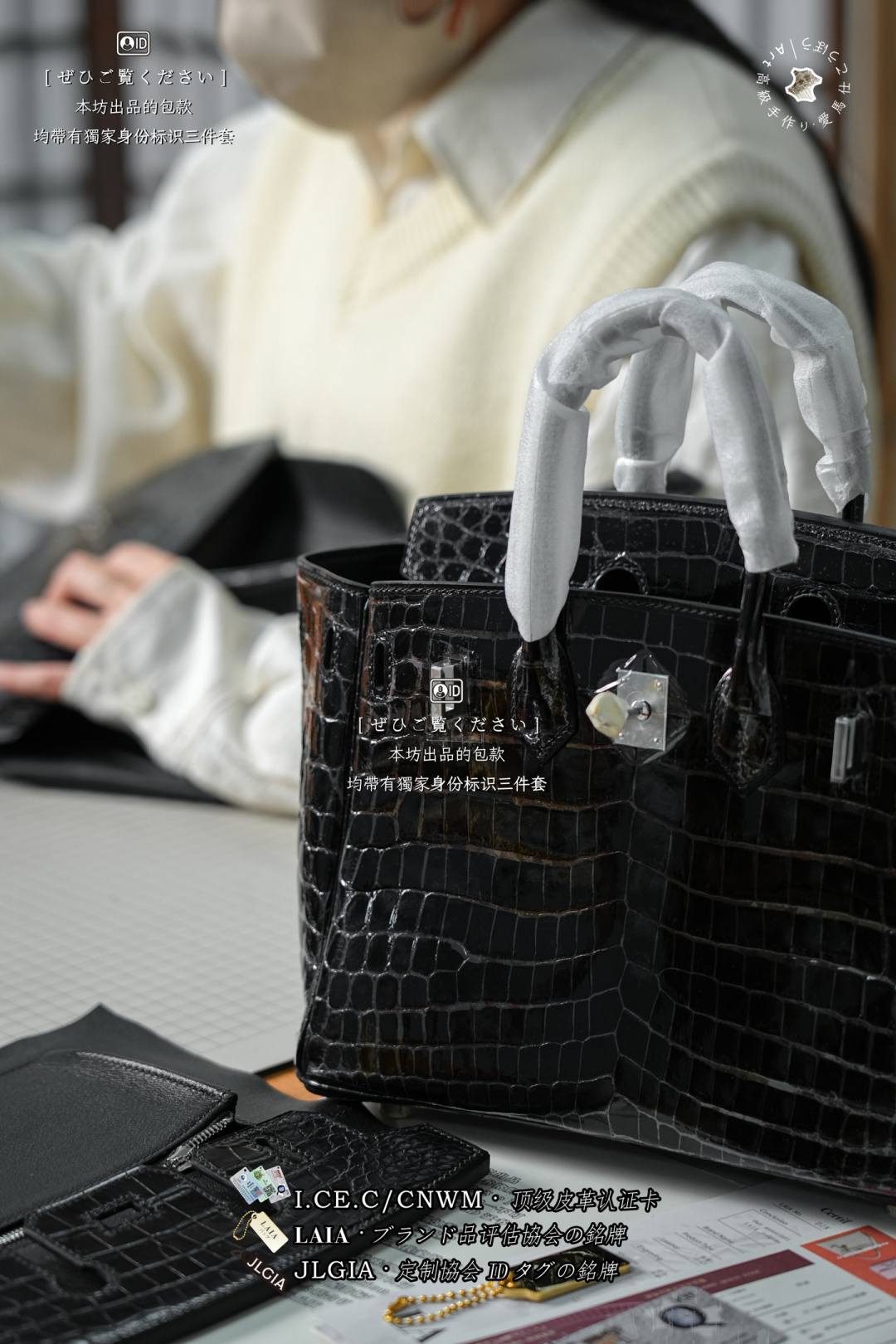
Shebag handmade Hermes Birkin Crocodile leather stitching craftmanship review(June 2026 updated)
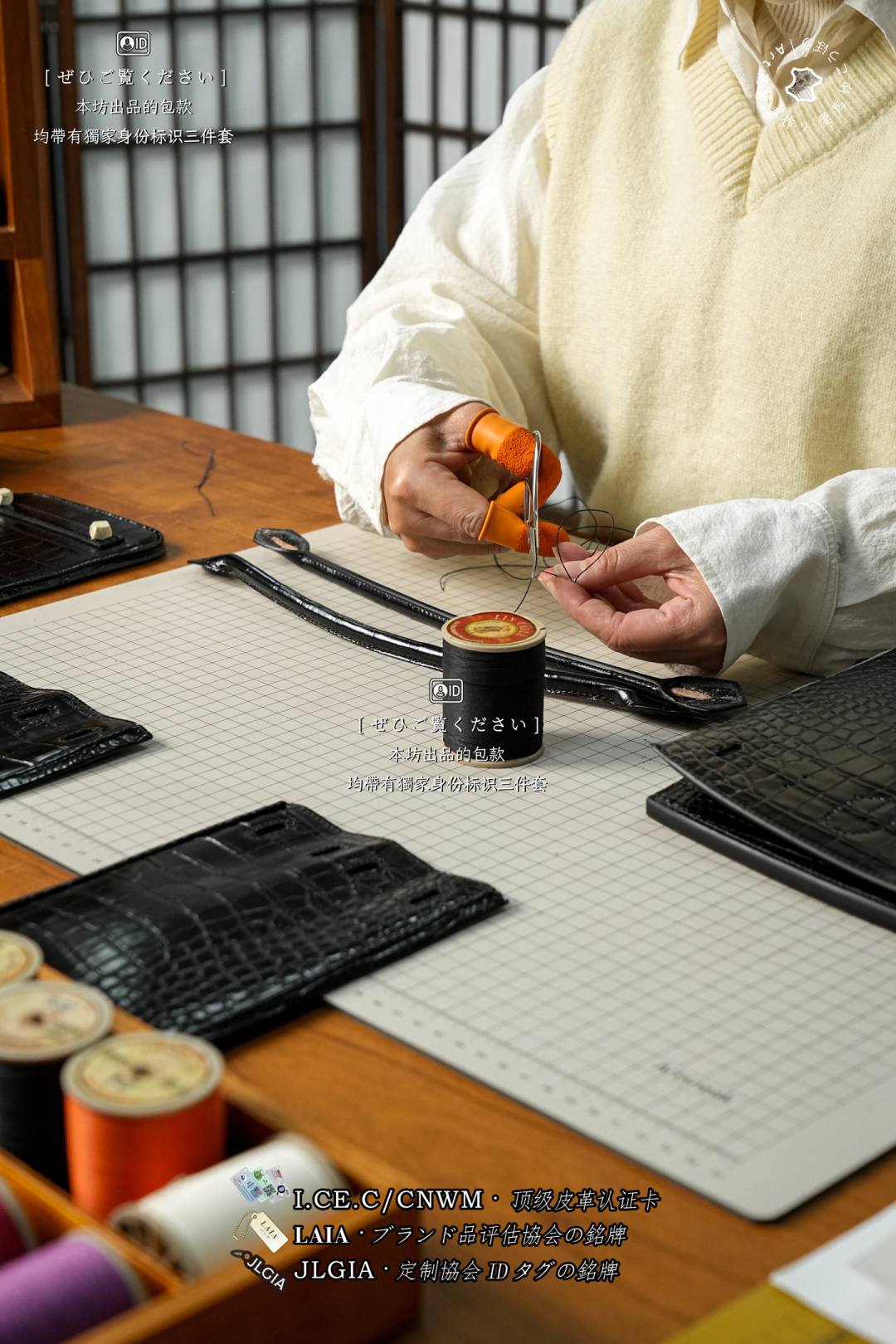
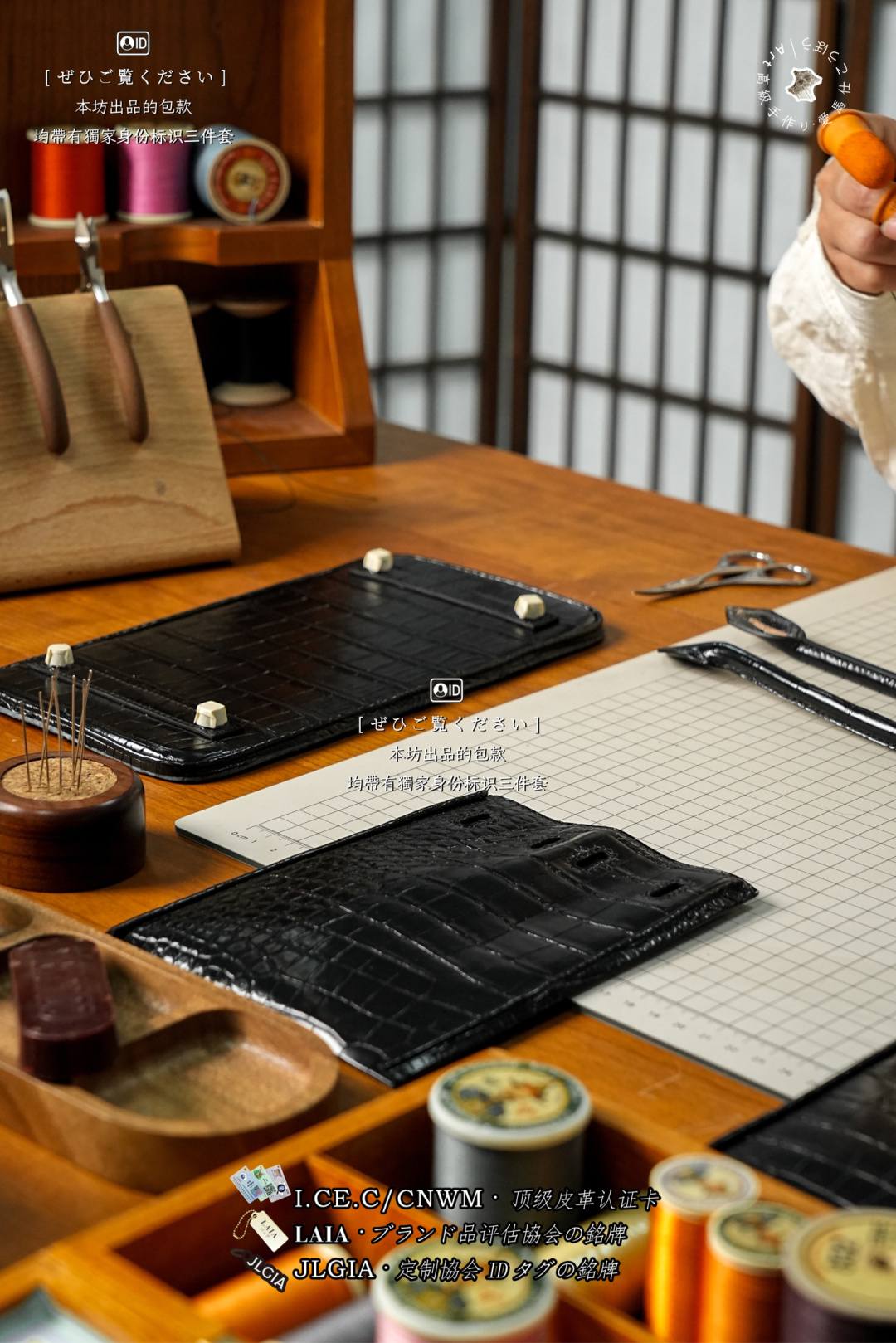
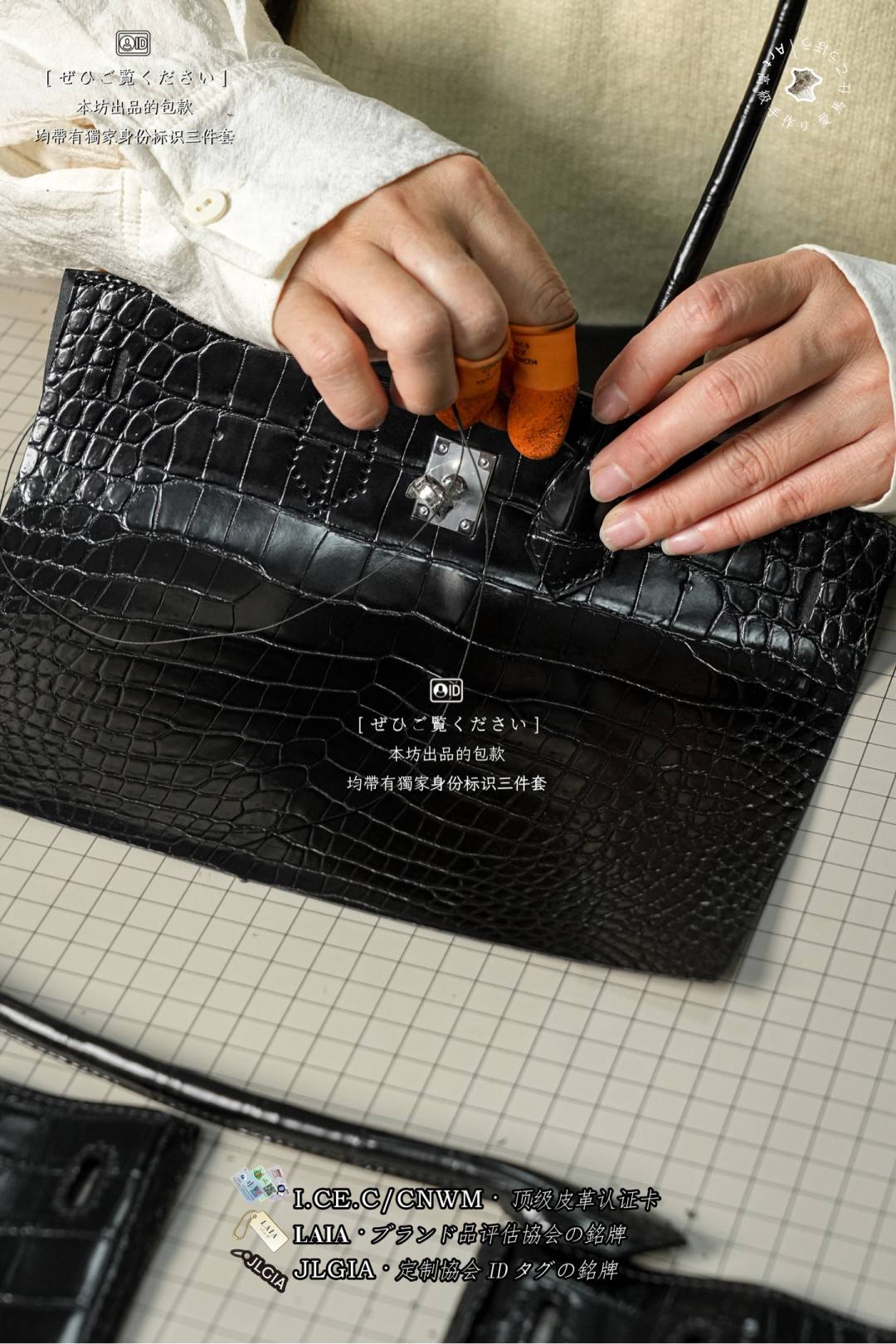
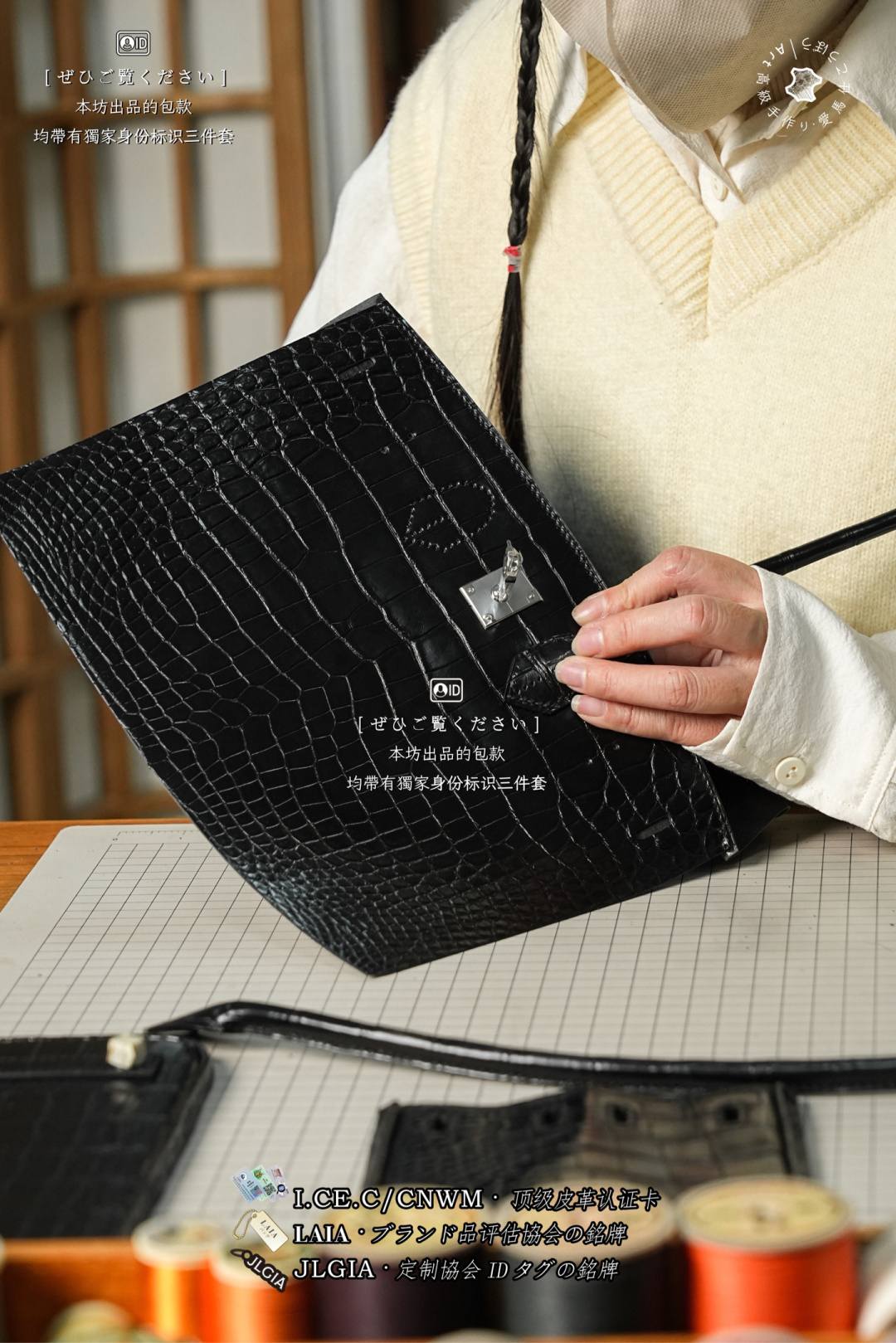
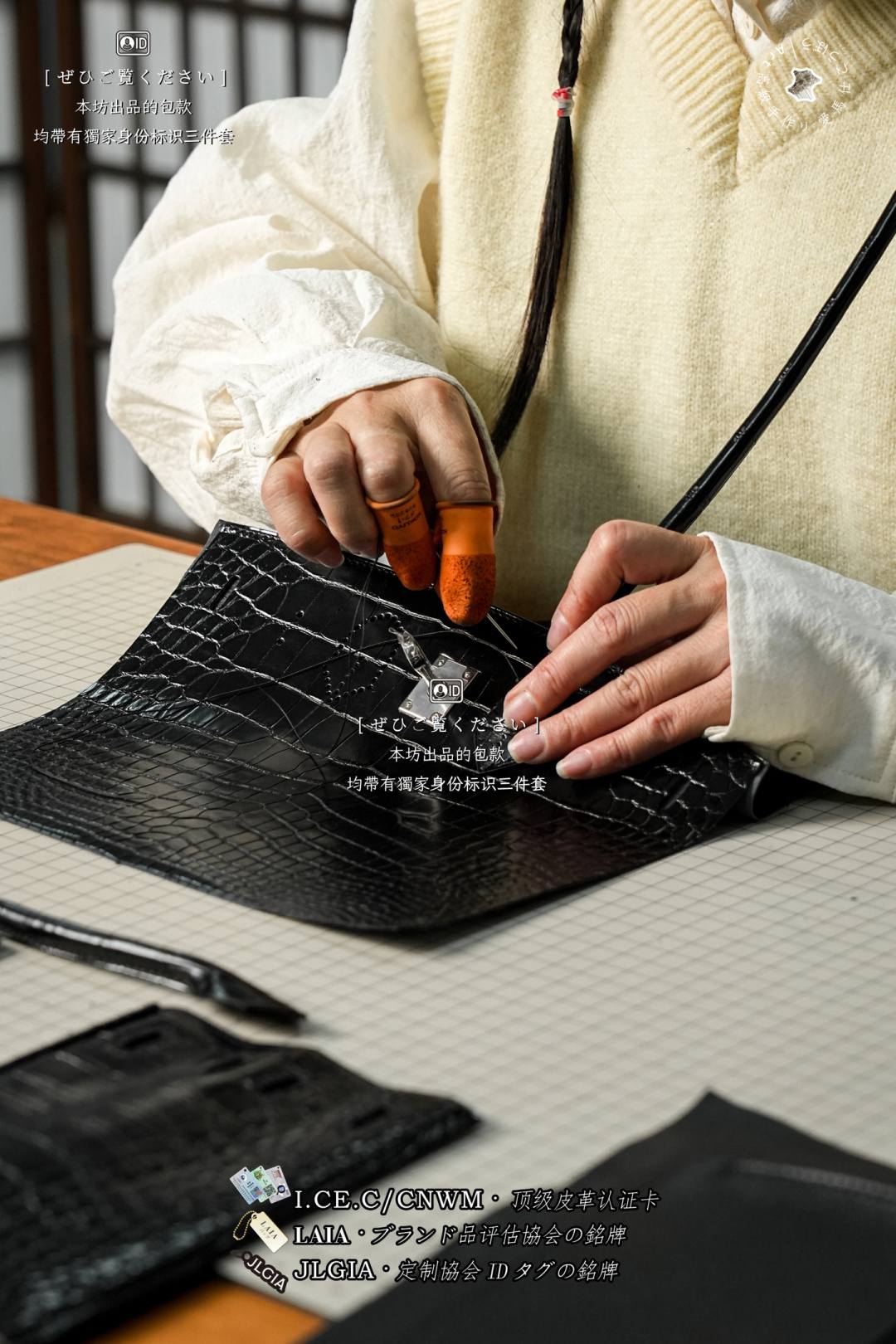
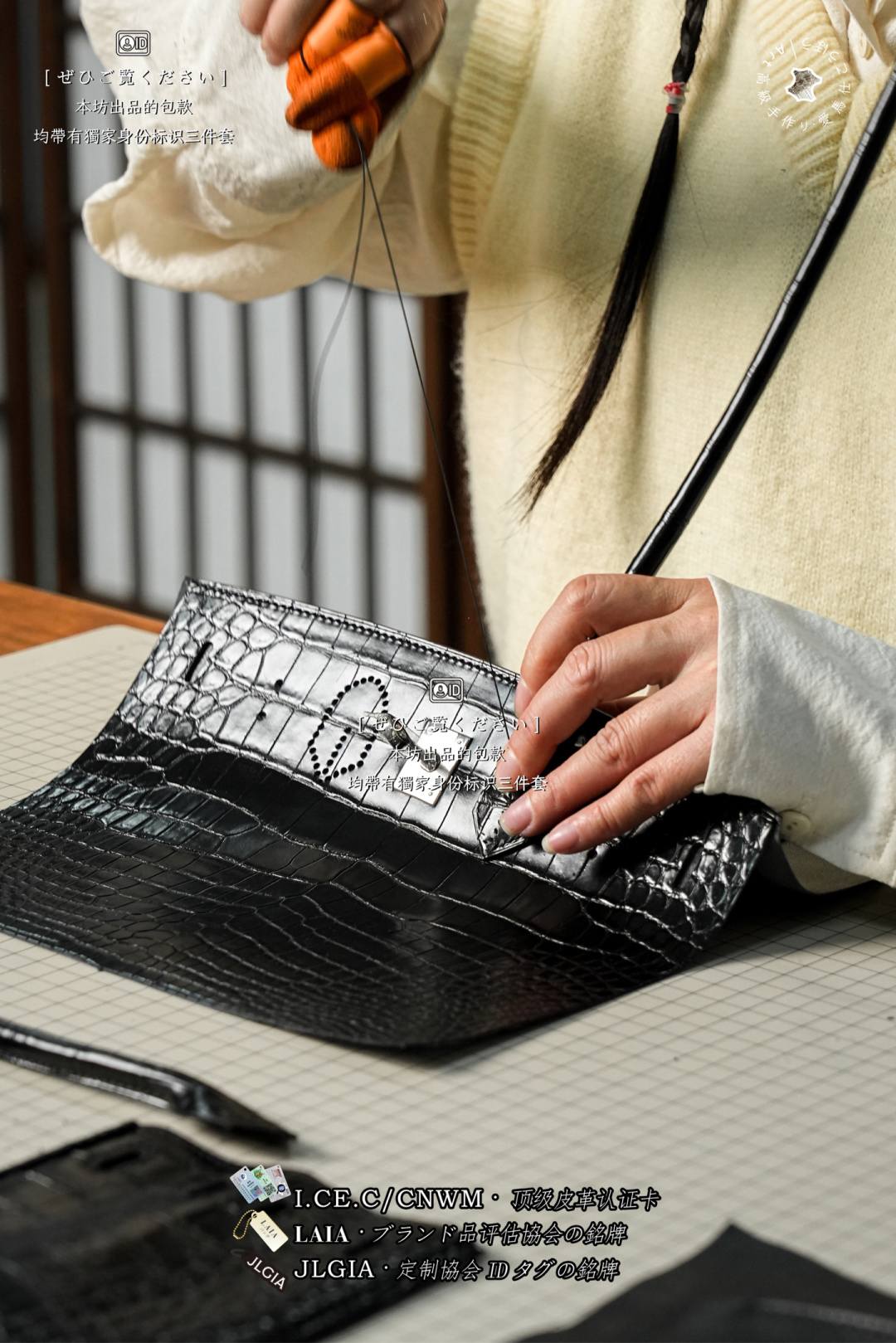
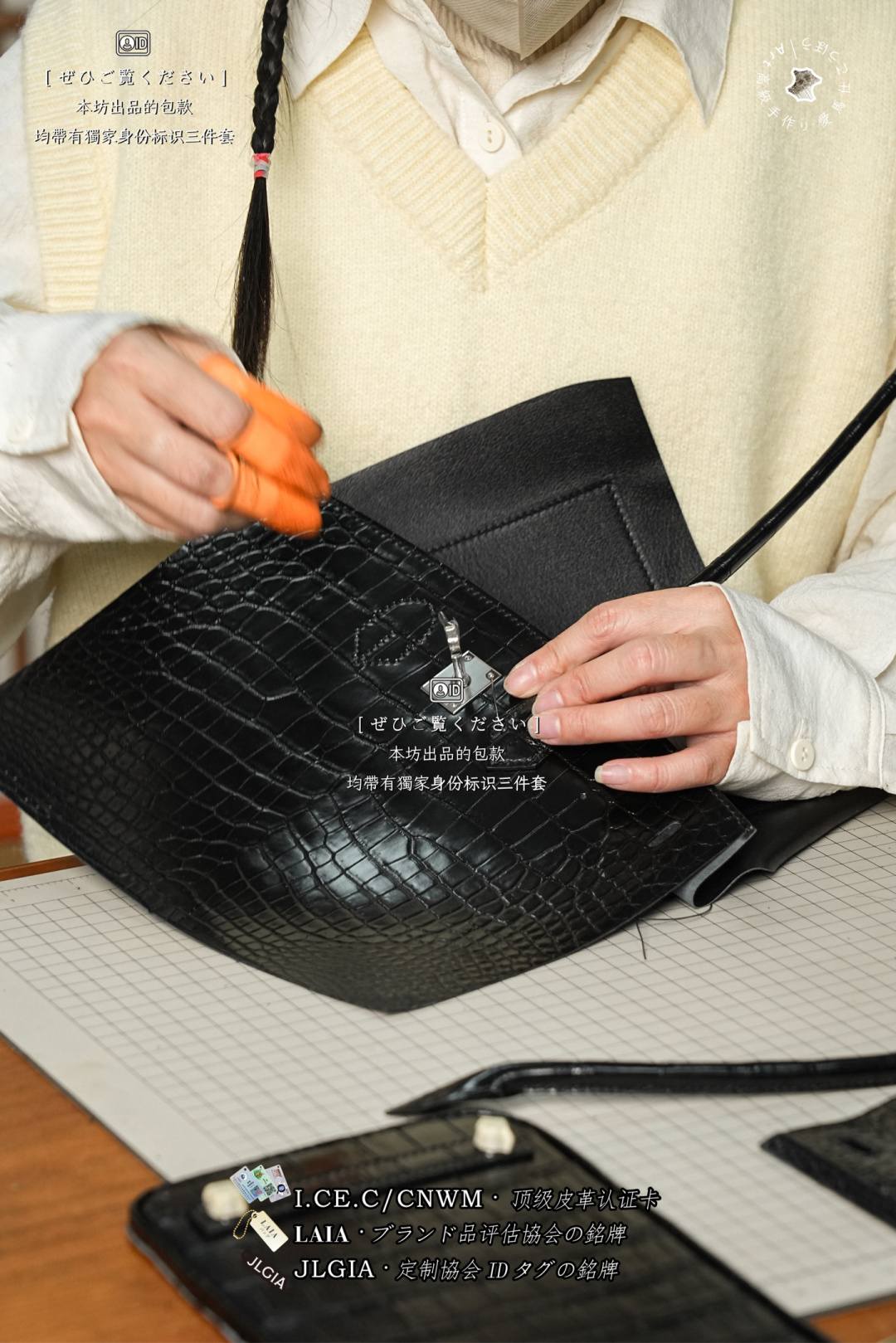
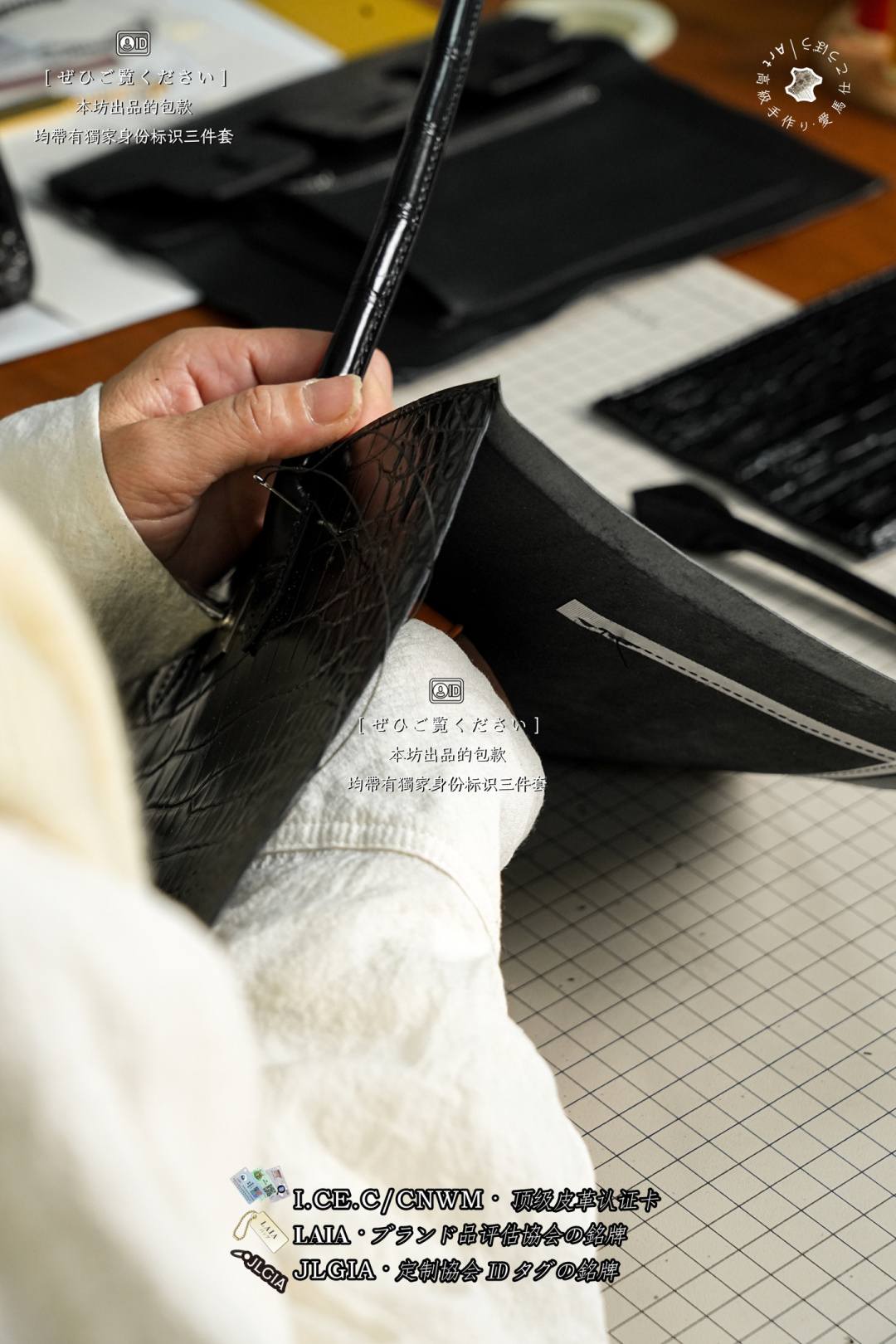
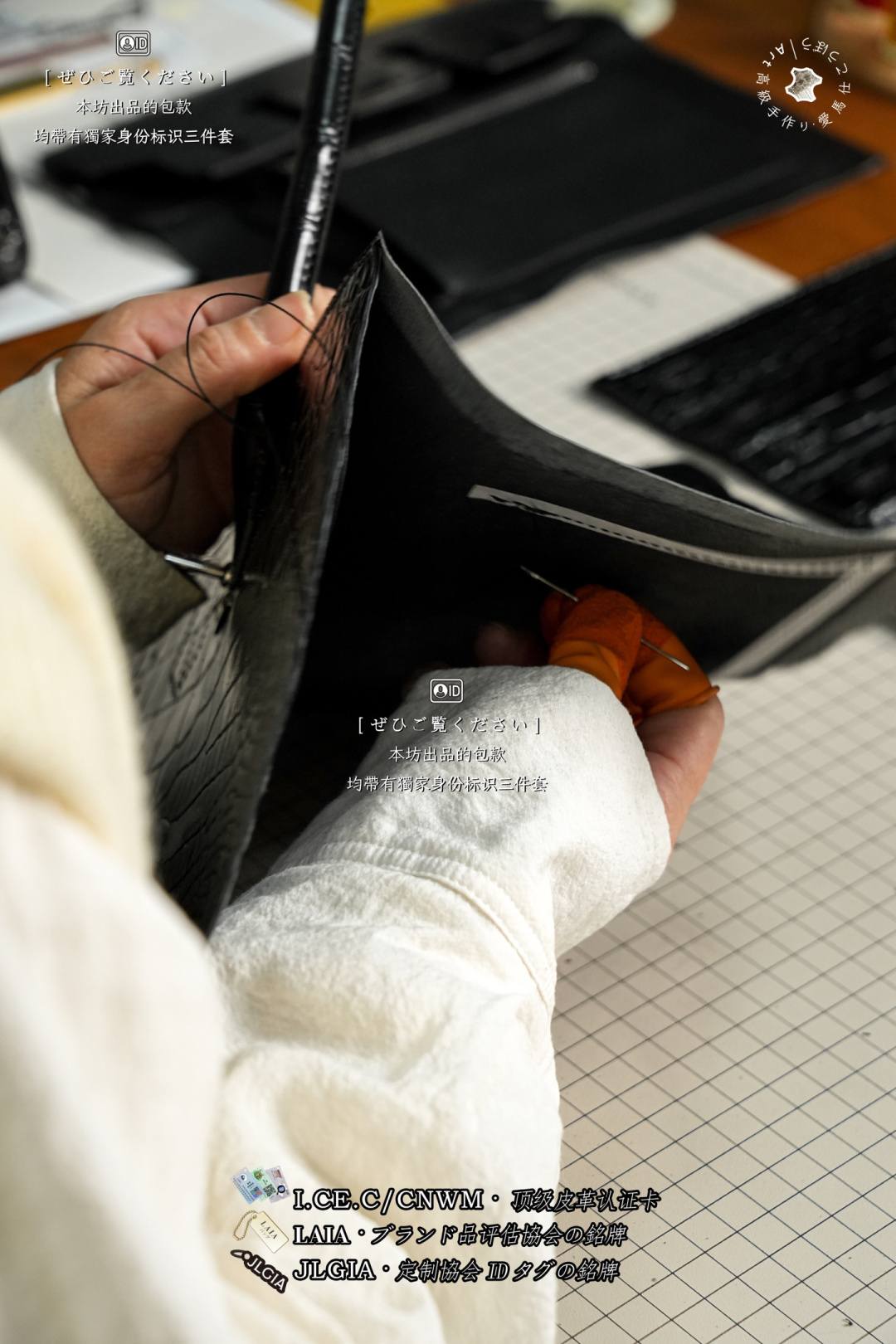
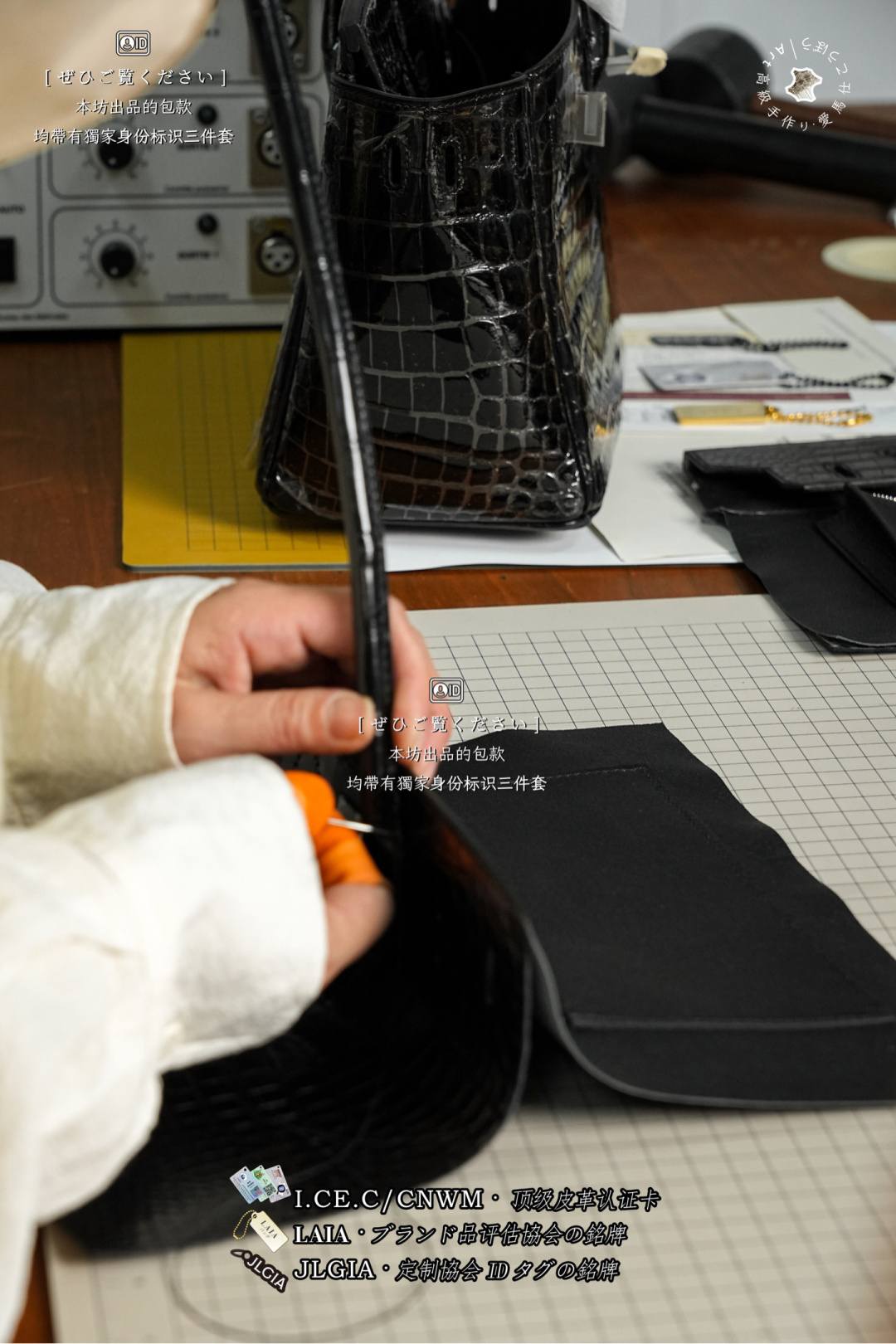
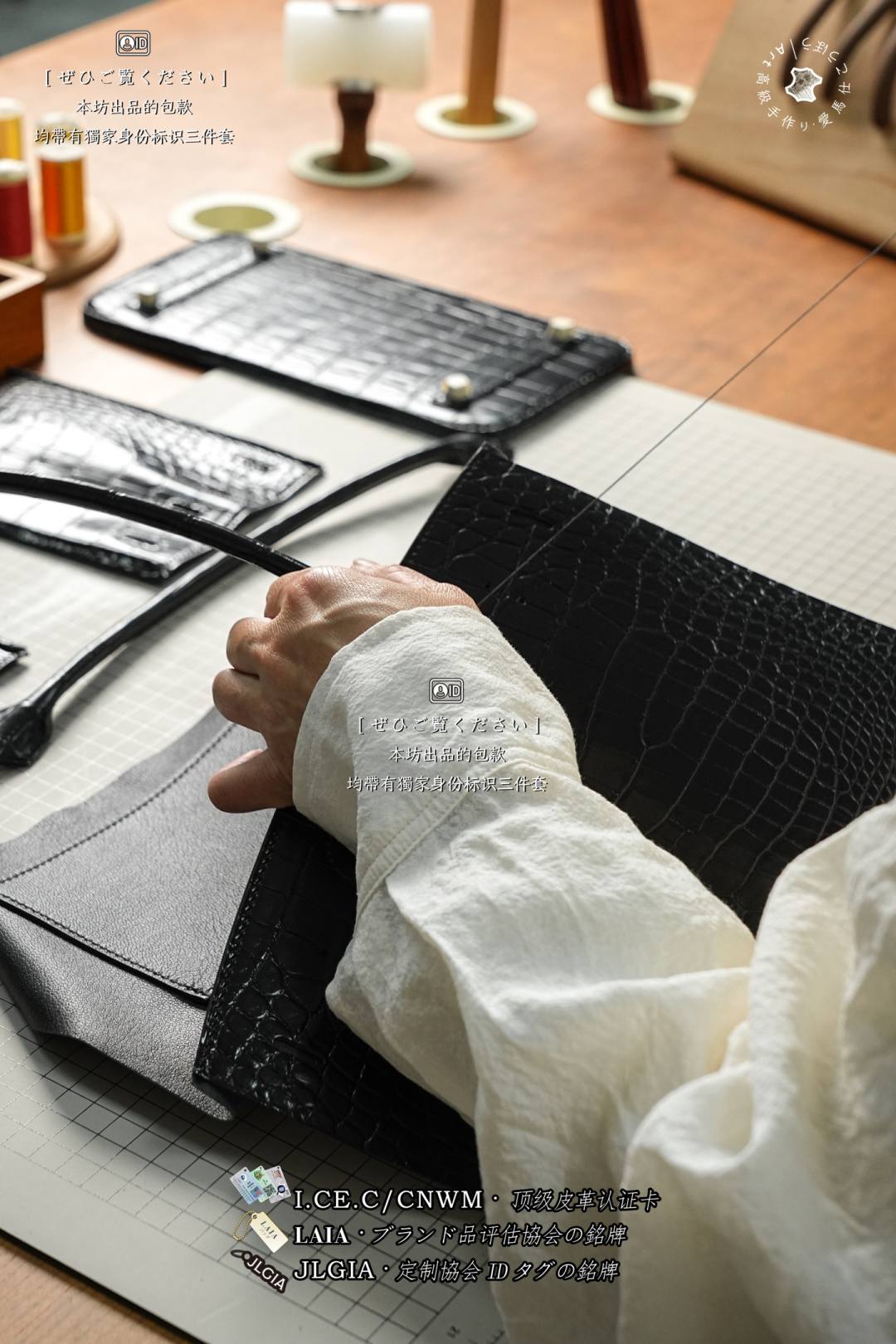
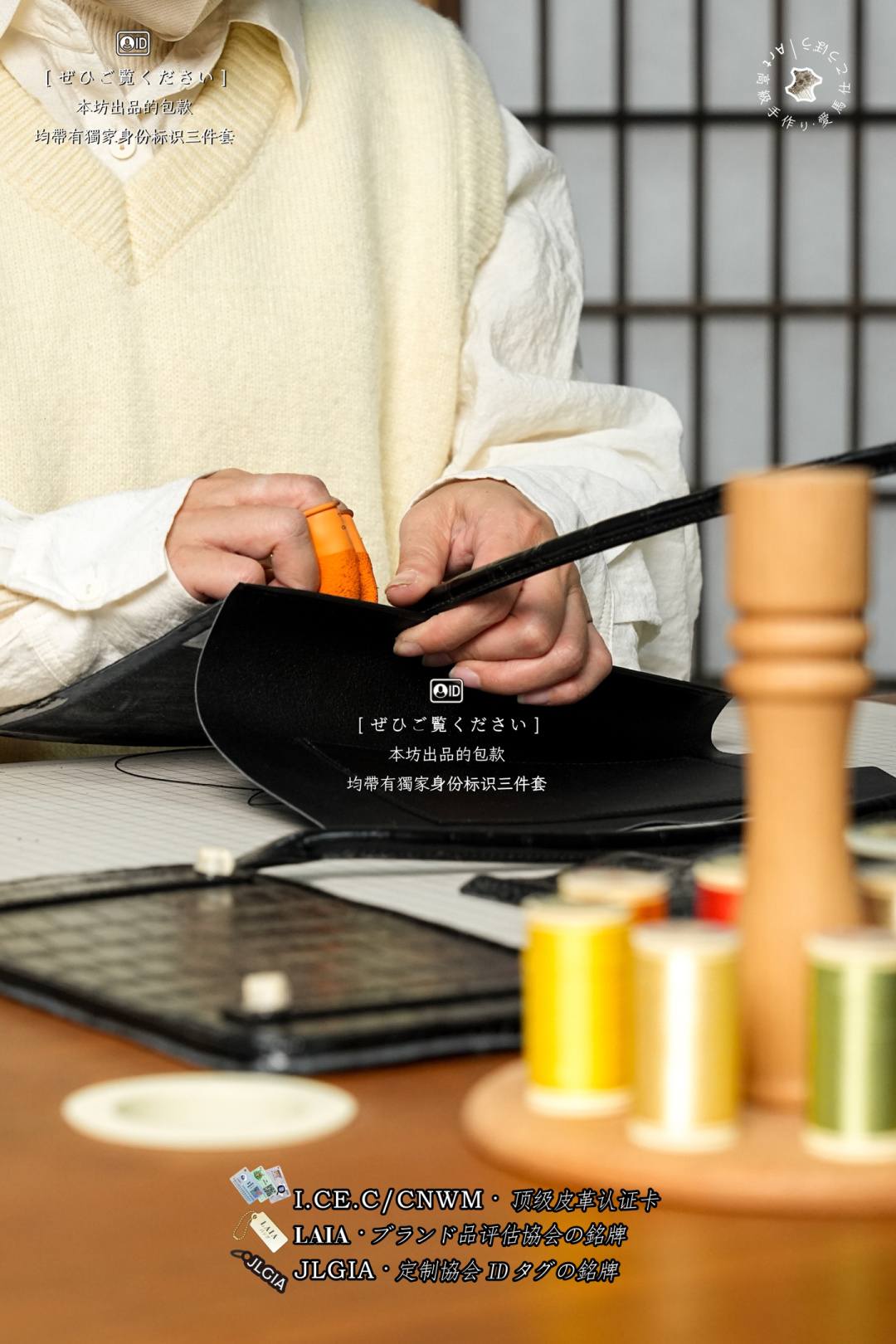
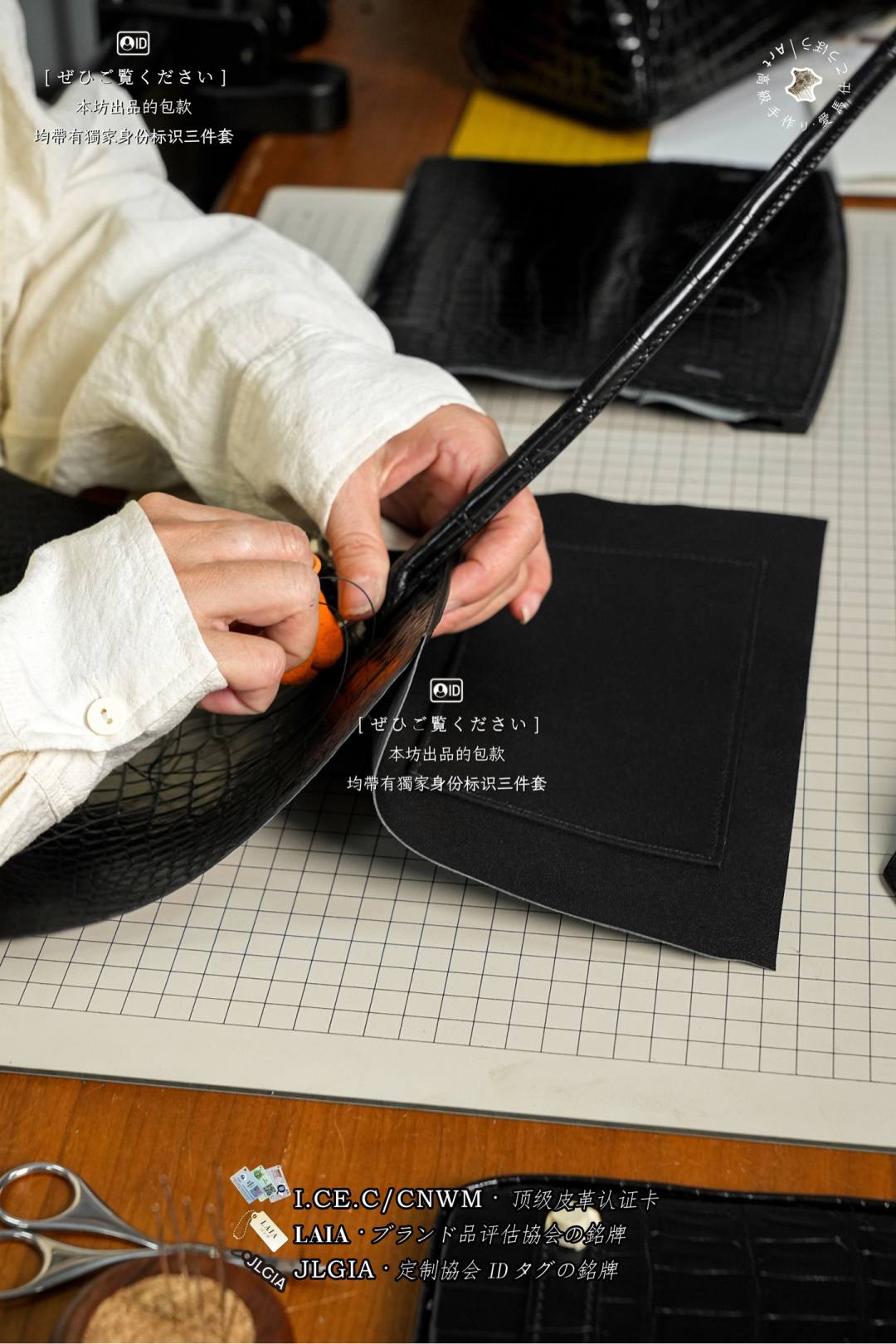
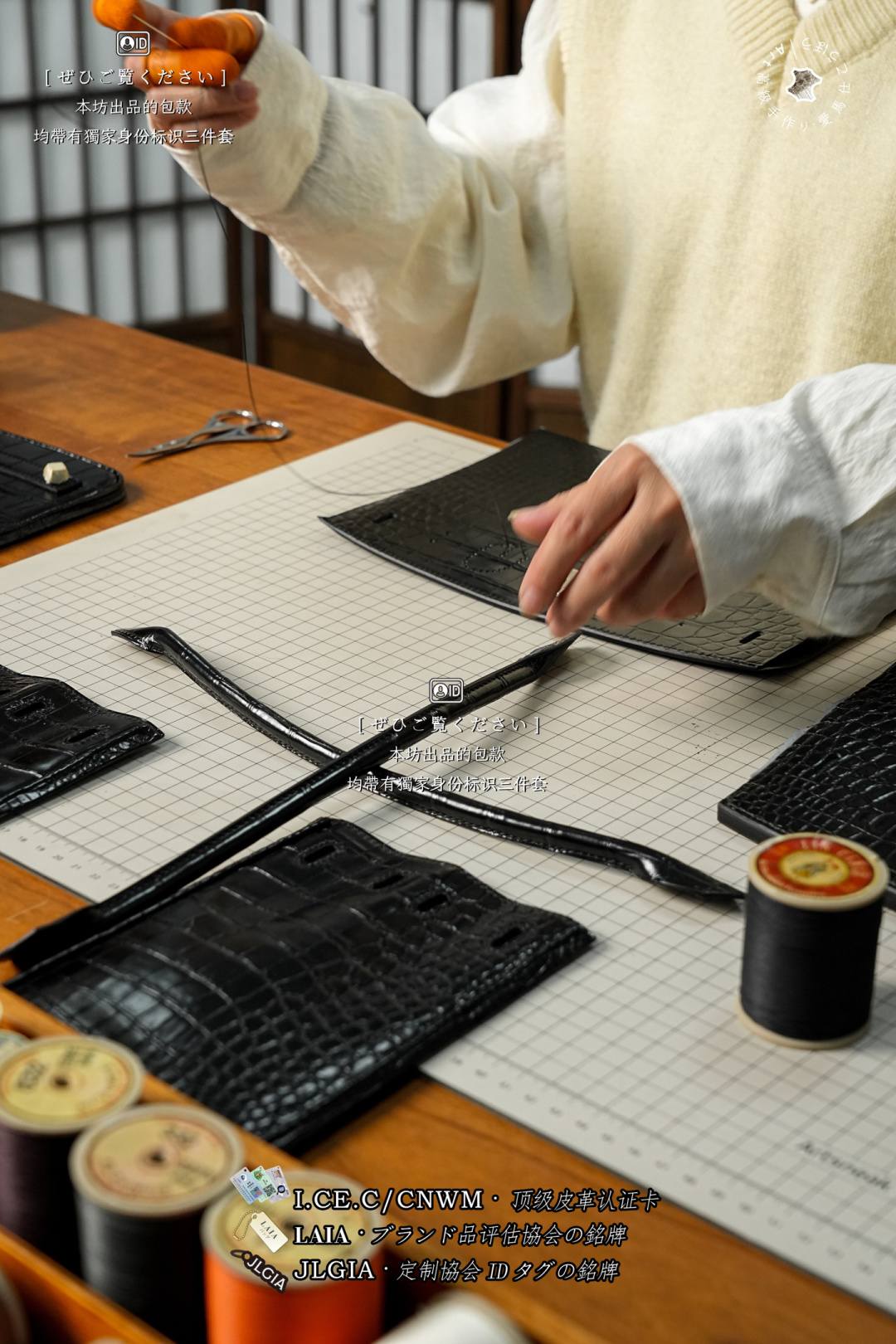
Double-needle saddle stitch
As full-grain cowhide with natural pebbled grain, it has a consistent thickness ranging from 1.8mm to 2.2mm. Flexible and stretch-resistant without rigid raised scales, it withstands hole punching well with a high fault tolerance rate.
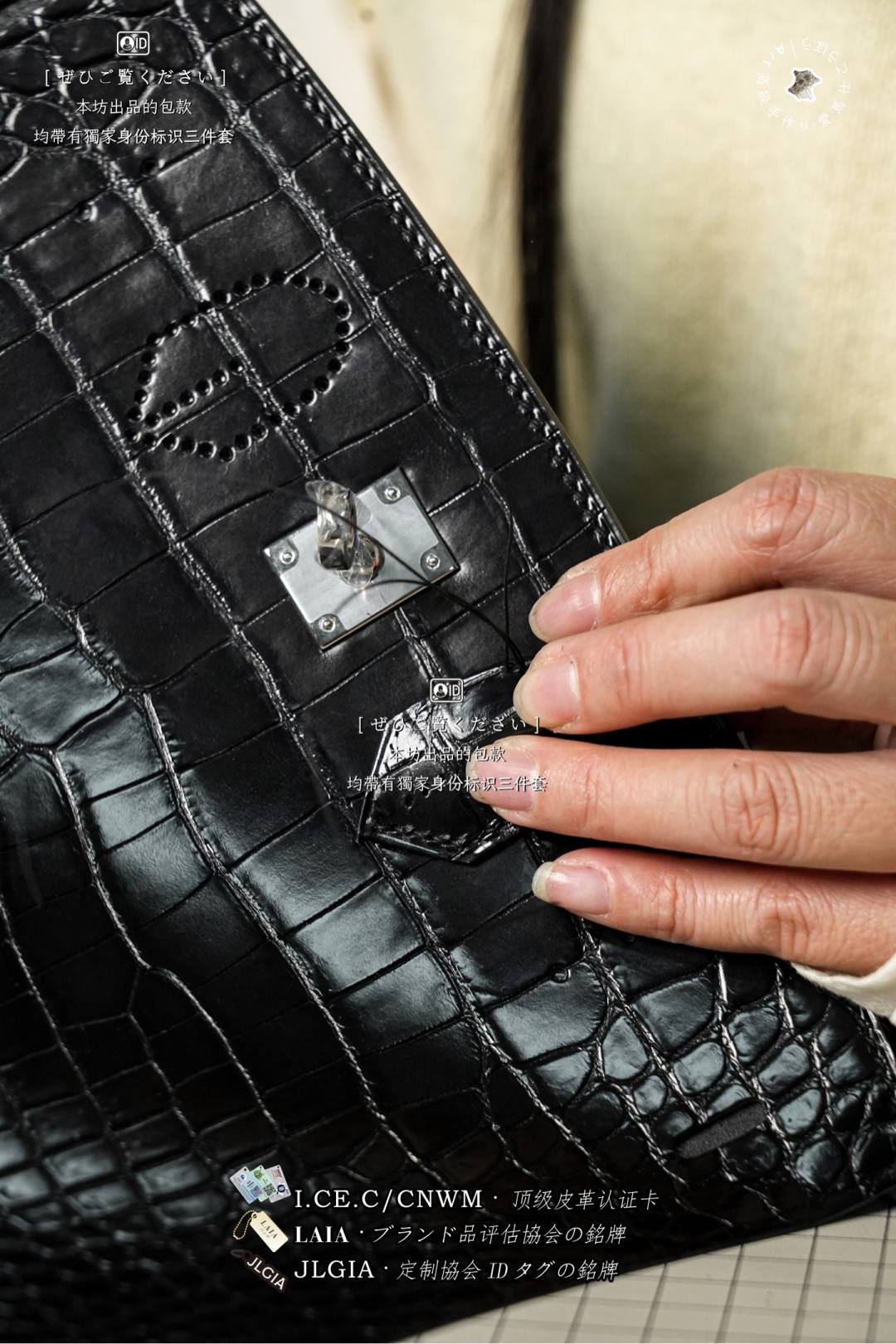
The material features rigid keratin scales separated by supple soft leather crevices with uneven overall thickness: raised scale sections measure 2.8mm to 3.5mm while the soft tissue within scale grooves is only 1.2mm to 1.5mm thick. Its surface is finished with high-temperature polished mirror gloss lacquer, which is brittle and prone to cracking under stress; careless perforation often results in cracked varnish and split scales.
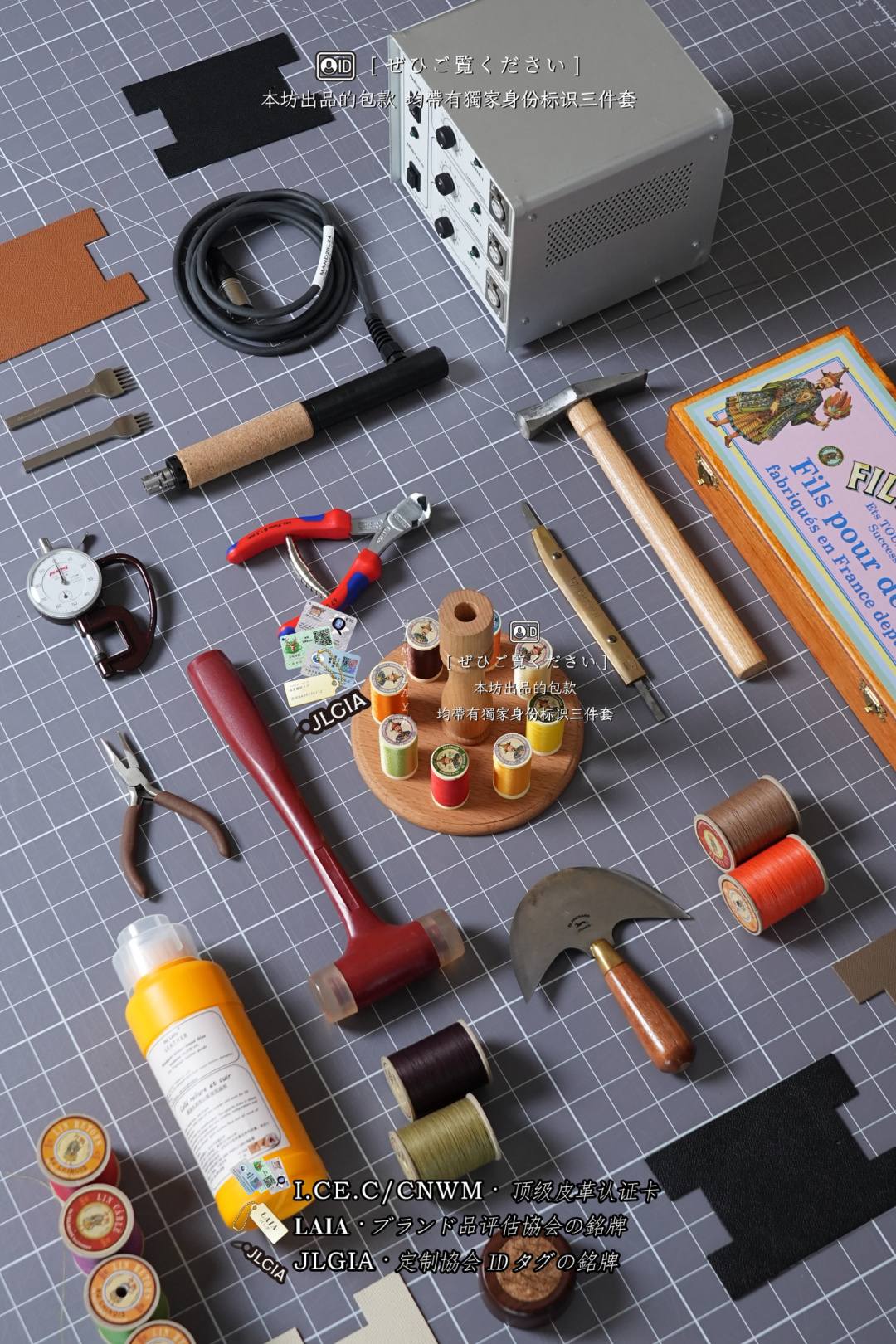
Craftsmen use standard angled flat pricking irons set at a uniform 45-degree tapered hole angle. Identical pricking tools are used for straight sections and corners across the whole bag.
Holes are punched through in a single press; the resulting smooth hole walls see minimal leather shrinkage without edge splitting, keeping bore sizes consistent throughout.
Standard stitch density sits at seven to eight stitches per inch, translating to 3.2mm to 3.6mm between each stitch, with uniform spacing maintained for the entire bag.
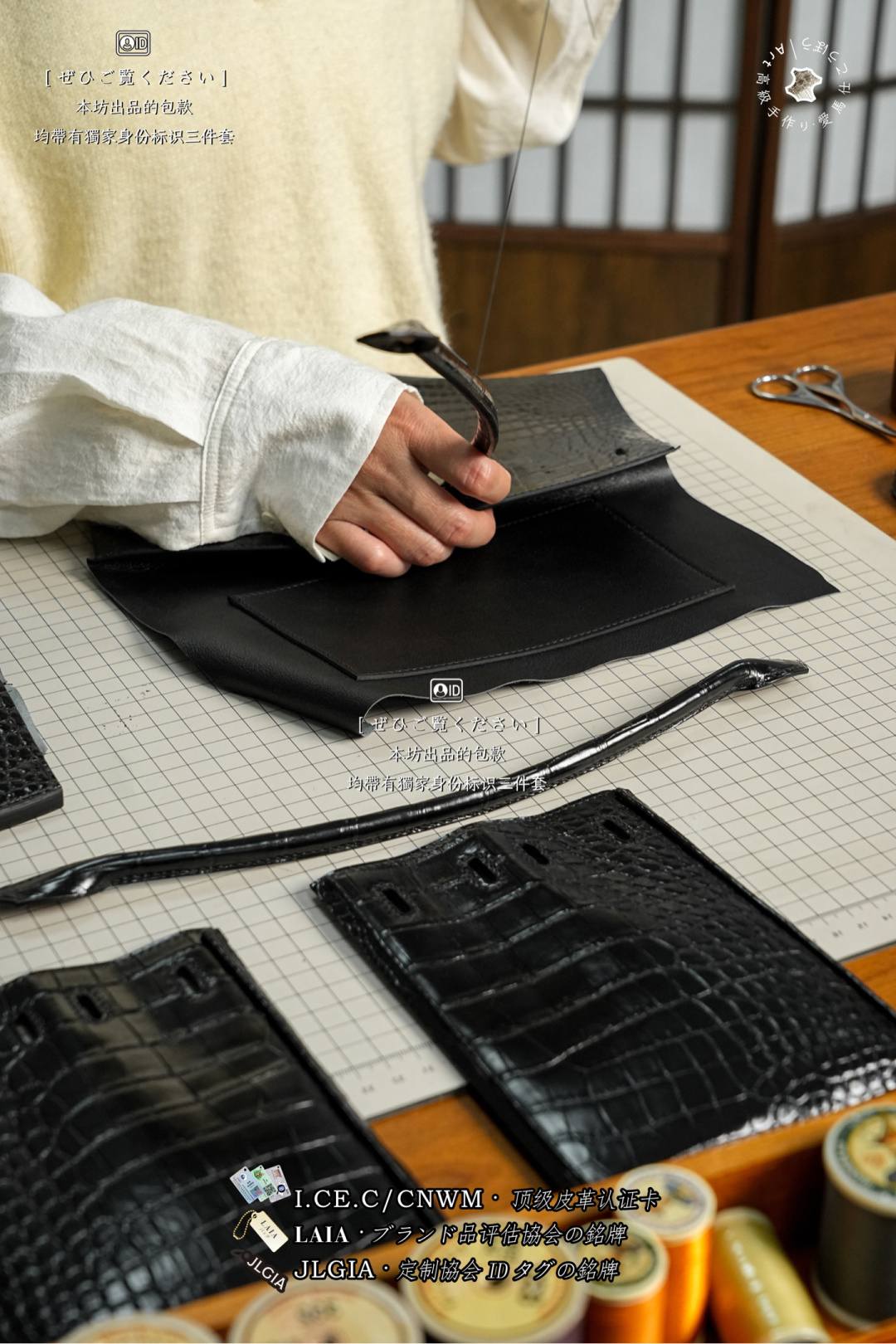
Pricking tools are swapped per section: narrow fine-tooth irons for rigid scale areas and wider-tooth alternatives for soft scale grooves; separate ten-tooth tools for straight runs and custom two-tooth specialty irons for curved corners, with no universal pricking iron usable across all parts.
Heavy single-strike hammer punching is strictly forbidden. Holes are created gradually via repeated light tapping: positioning indentations first before slow full penetration to avoid cracked top lacquer and curled scale edges. Hole diameters are intentionally narrowed on raised keratin scales to prevent splitting of the hard outer layer.
Stitch spacing adjusts dynamically: widened to around 4mm above broad scales and tightened down to 2.8mm within narrow scale fissures. While the finished seam appears evenly spaced to the naked eye, gaps subtly shift following natural scale contours, averaging 6.5 to 7.5 stitches per inch and marginally denser stitching than Togo overall.
All perforations must land within the soft gaps between two adjoining scales; drilling directly onto hard scale plates ruins the entire crocodile hide piece instantly.
Consistent steady tension is held throughout the full seam. Thread sinks slightly into the hide’s grain creases and lies flush against the leather surface. All diagonal stitches maintain a fixed 35° to 45° incline across the bag, with only tiny micrometre-scale handcraft deviations from uniform angles.
Internal knot dimensions vary with uneven crocodile hide thickness, whereas all interior knots remain identical in size across full Togo seams.
Standard medium-gauge waxed thread with regular wax coating and uniform diameter pairs with Togo. The matte cowhide absorbs faint pigment from thread wax for a soft muted finish on stitching.
Polished Niloticus crocodile requires custom high-density linen coated in extra-thick wax to shield glossy leather from abrasion. Colour-matched high-gloss thread is commonly selected, its waxy sheen harmonising with the bag’s mirror finish; thread diameter is slightly slimmer than Togo’s counterpart to reduce abrasive compression against hard scales.
Togo edges receive two to three coats of edge paint, individually sanded after drying. The absorbent cowhide blends naturally with varnish for understated matte edges. Made predominantly with Retourné inside stitching, raw leather margins fold inward and away from seams, eliminating the need for elaborate edge protection near stitching lines.
Polished crocodile leather undergoes four to five layers of premium high-gloss resin edge paint, with water polishing after each full cure. Almost entirely finished with exposed Sellier stitching, its unhidden raw edges sit adjacent to seams, demanding precise 0.3mm spacing between paint and thread to avoid smudging glossy scales. Edge varnish matches the bag’s mirror gloss, requiring more than double the production steps needed for Togo edge finishing.
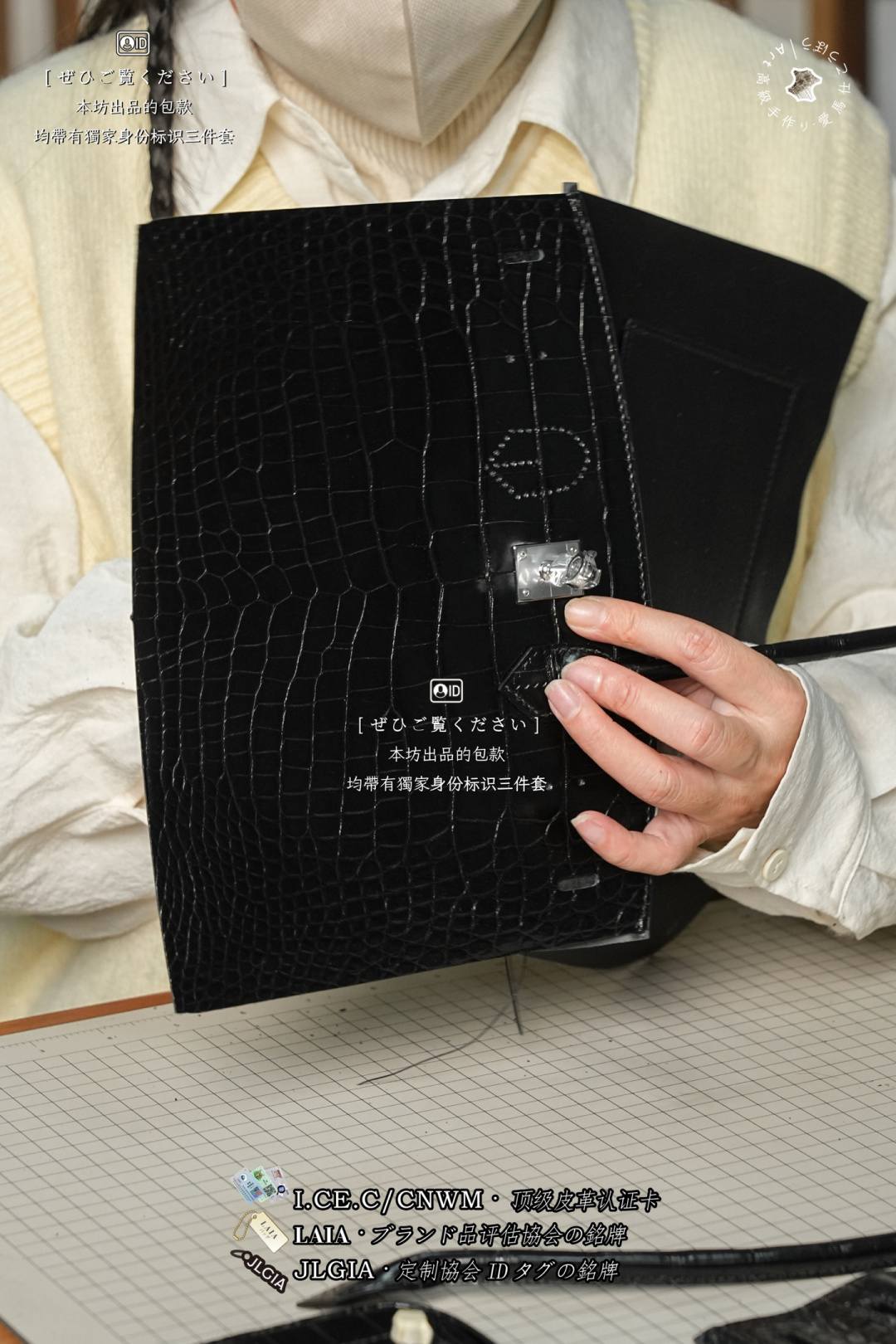
Polished Niloticus crocodile primarily uses exposed Sellier stitching with outward-folded bare edges and fully visible seams on the bag exterior. The stiff rigid crocodile leather holds its structured shape under exposed stitching, whereas soft Togo rarely uses full exposed Sellier construction due to high risk of sagging. Exposed stitching demands far superior precision for neat seam alignment and consistent hole placement compared to concealed inside stitching.
Polished Niloticus Birkin stitching alone consumes eighteen to twenty-four hours and must be handled exclusively by senior master artisans specialising in exotic leatherwork. Crocodile hide suffers far higher wastage from flawed perforation: up to 15% to 20% of a full crocodile skin is discarded due to stitching errors, versus less than 3% scrap rate for standard Togo cowhide.