- 19
- Jul
Shebag Hermes Evelyne bag edge tape craftmanship review(July 2026 updated)
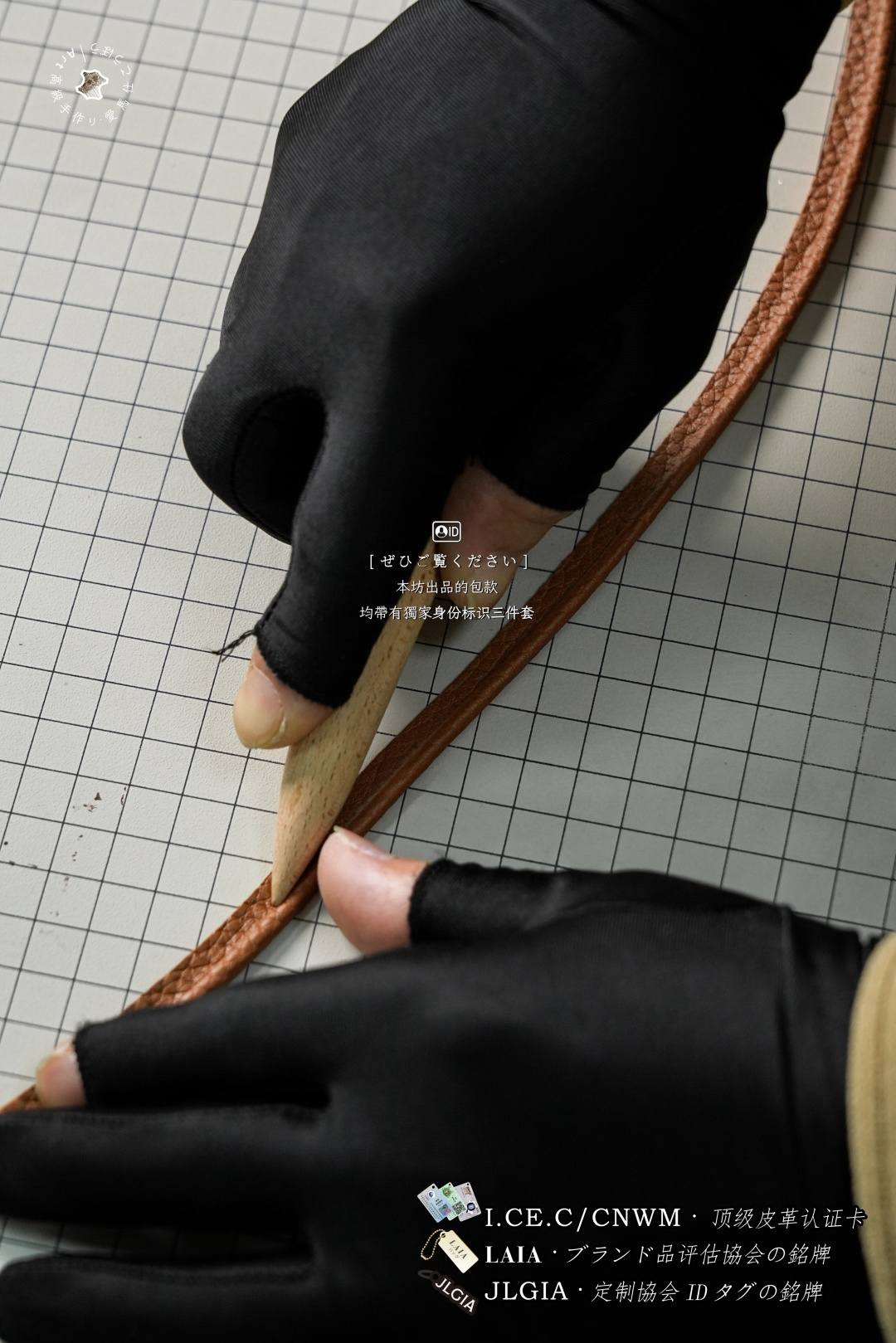
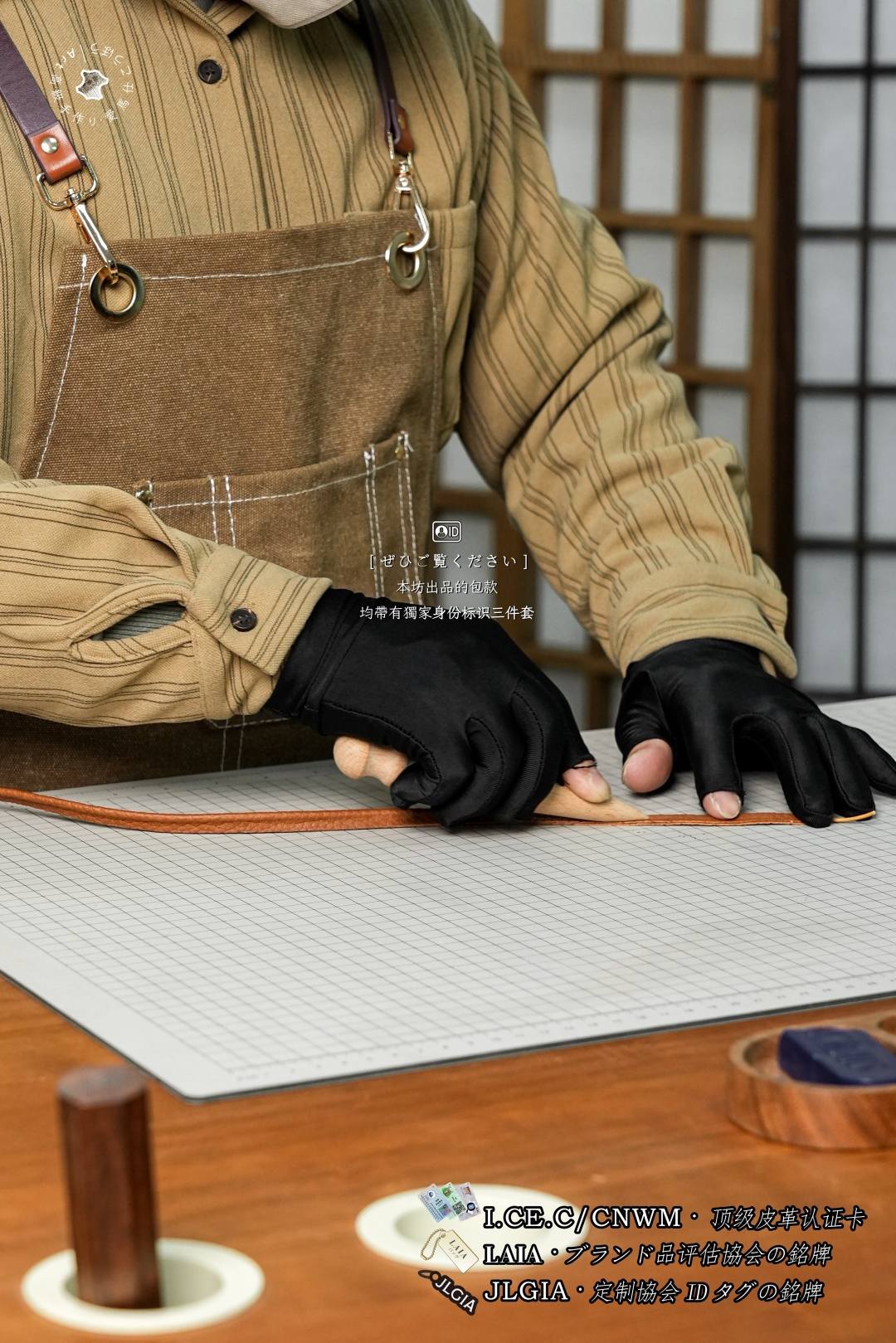
Shebag follows the original edge finishing standards of Hermès Evelyne bag. Edge tape refers to the fully covered thin leather edge strip on the side of the bag body, which is different from the internal filling piping. The core requirements include seamless joints, uniform arcs, no cracking after multi-layer lamination, and smooth and durable edge finishing. The whole process consists of six major procedures: strip cutting, preprocessing, laminating and covering, shaping and polishing, multi-layer hot edge finishing, and final buffing.
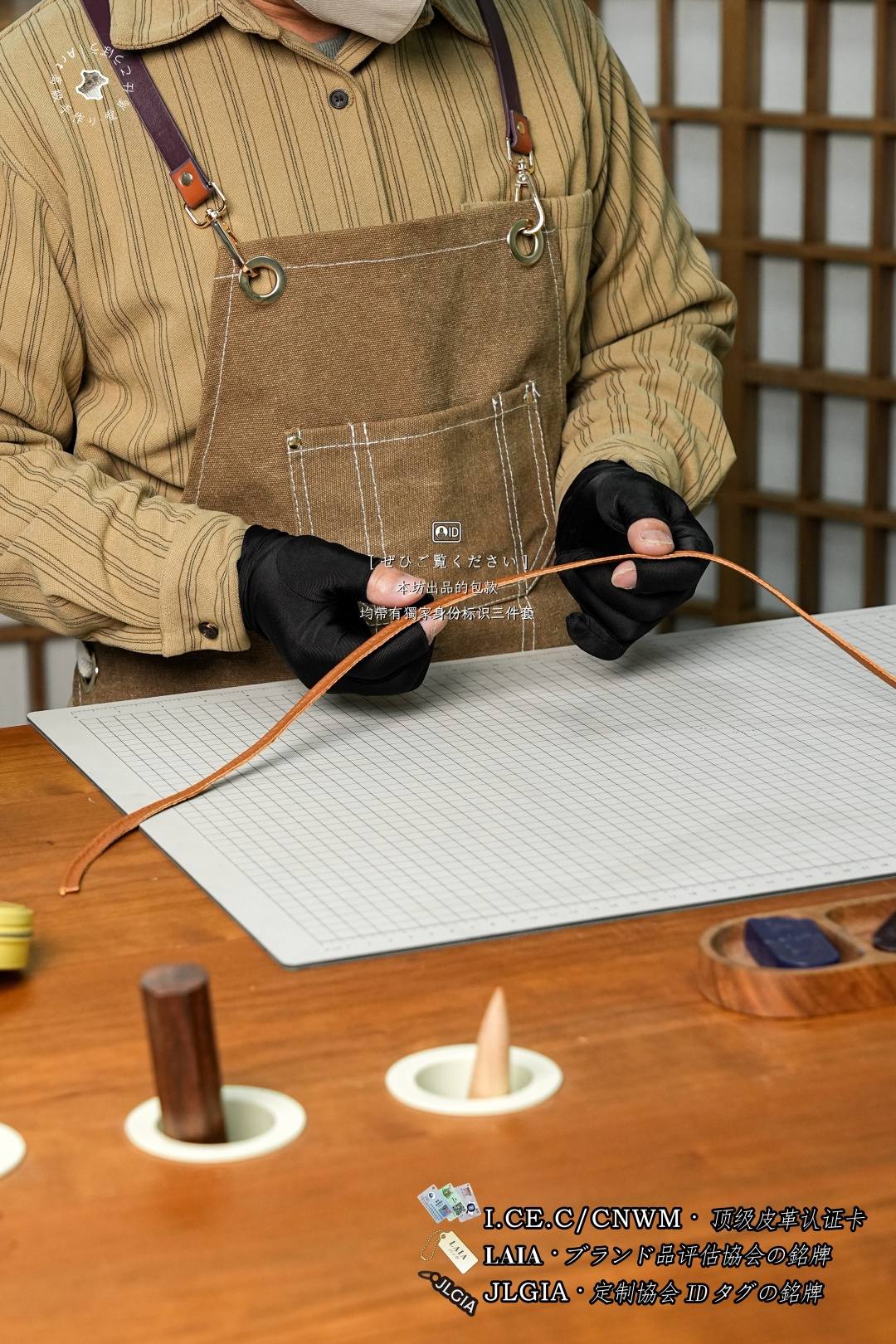
In terms of material selection and strip cutting that determine the flatness of finished products, edge tape matched with Epsom leather, TC leather and lizard leather bag bodies adopts leather materials with the same color, grain and thickness, with a unified thickness of 0.6 to 0.8 millimeters. Excessively thick tape will cause bulges at corners, while excessively thin tape is prone to base exposure, wear and peeling. For matte leather, the edge tape requires no polishing treatment; for glossy cowhide, the tape needs slight pre-brightening with the color difference strictly controlled within level 1. It is forbidden to splice long edge tapes with broken leather, and all tapes shall be cut from complete leather pieces, with diagonal splicing only allowed at concealed bottom positions.
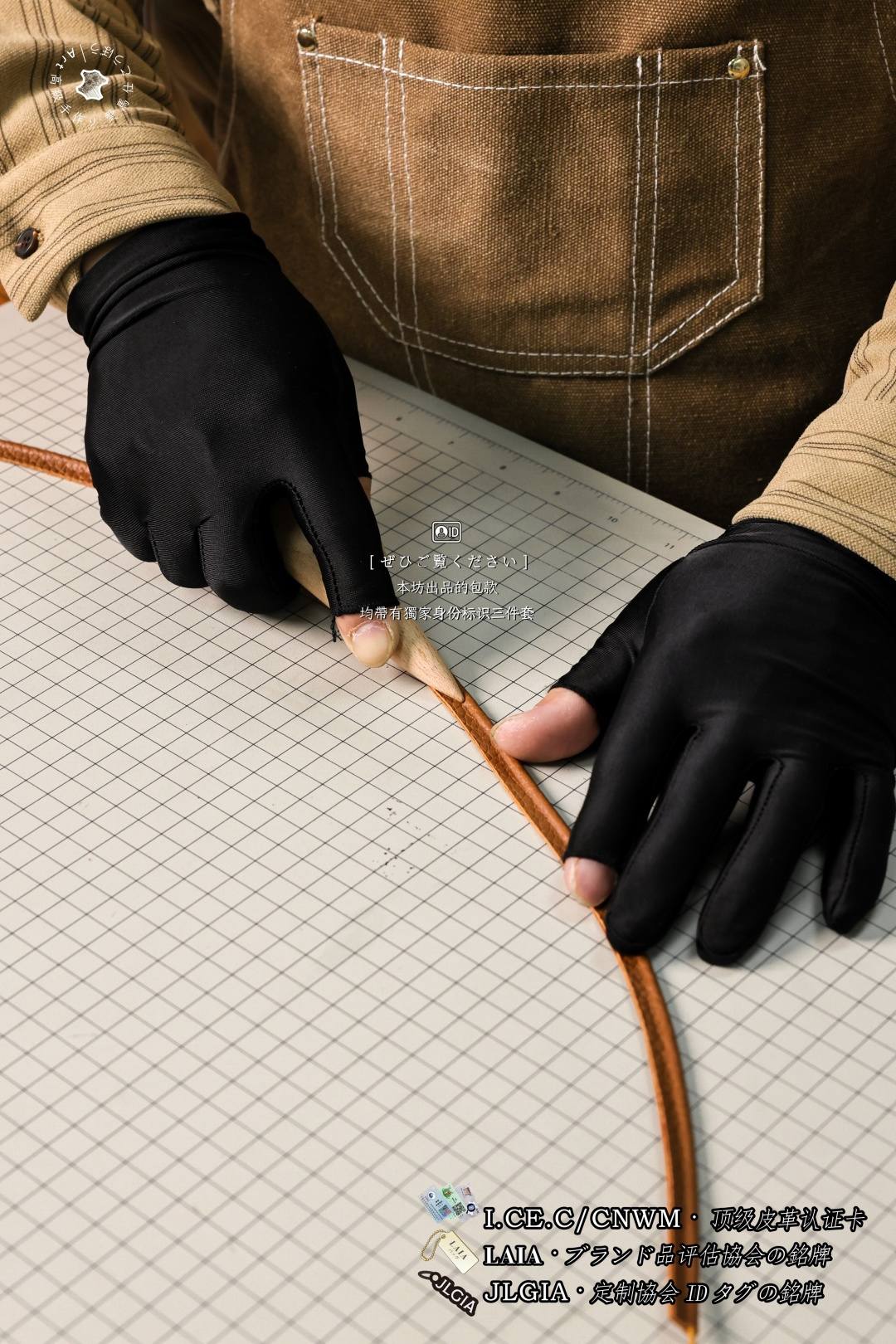
In terms of precise cutting dimensions, the single-side exposed width of the finished covered edge tape is 1.2 to 1.5 millimeters, and the net cutting width of the tape is calculated as twice the total thickness of the bag side plus a 3-millimeter covering margin. A carbon steel roller knife and aluminum alloy straight ruler are adopted for cutting to achieve straight one-cut edges without burrs and wavy lines. For extra-long side edges, 45-degree diagonal cutting is applied to both ends of the edge tape, ensuring the splicing gap is less than 0.1 millimeters. The back of the diagonal joint is thinned by 0.2 millimeters to avoid protrusions after lamination, and the joint position is kept away from the visible front area of the bag.
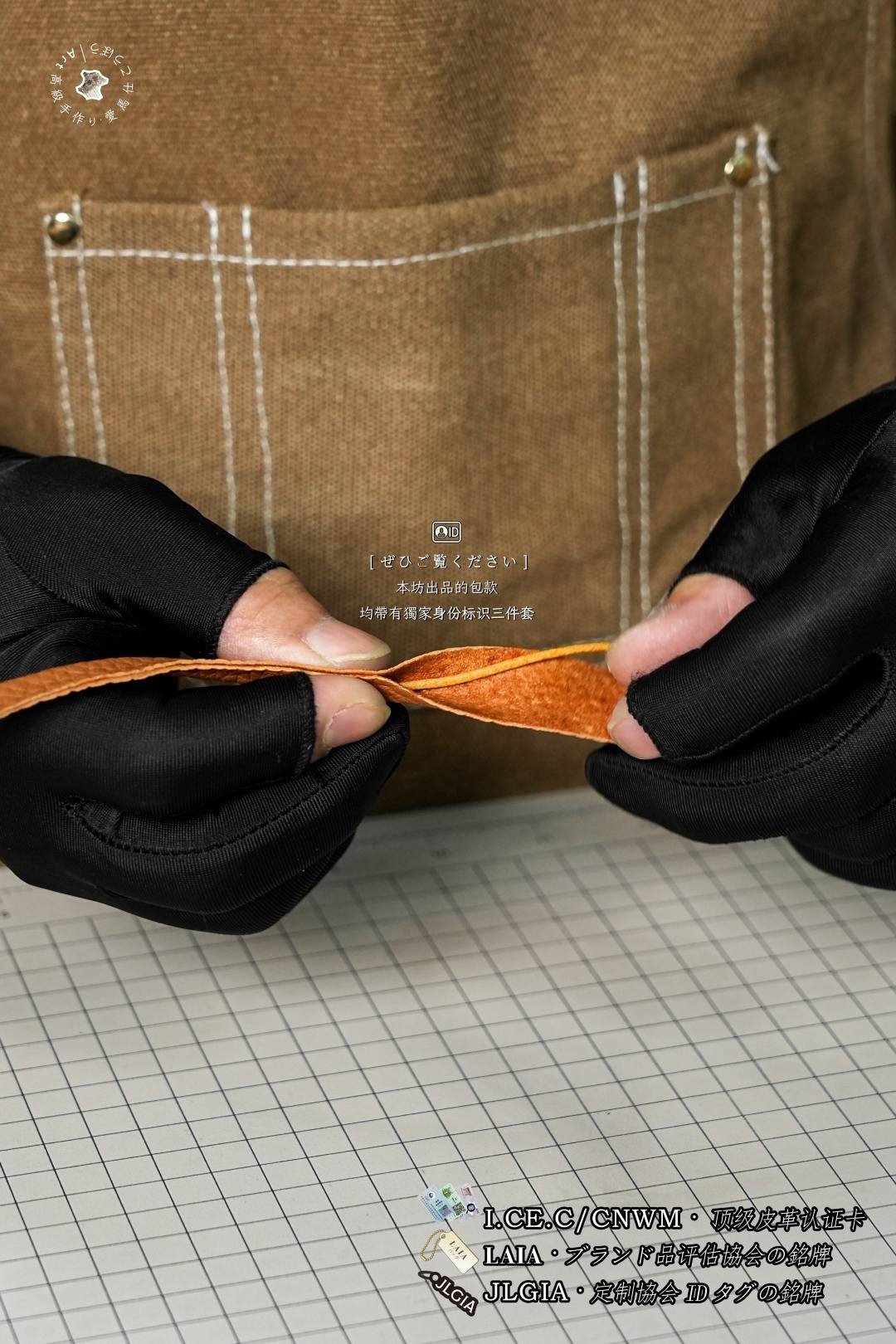
Leather preprocessing is the core procedure to prevent edge tape warping and delamination. The flesh side of the edge tape is gently sanded with 800-grit sandpaper to remove the release wax on the leather surface and improve the adhesion of white glue, with only the bonding area polished and the exposed front surface untouched. The 1.8-millimeter inner areas on both sides of the edge tape are obliquely thinned to half of the original leather thickness, enabling natural arc wrapping at corners without sharp creases. The flesh side of the edge tape and the cut side of the bag are thoroughly wiped with alcohol cotton to remove grease, as residual grease will lead to tape debonding and edge finish peeling in subsequent use.
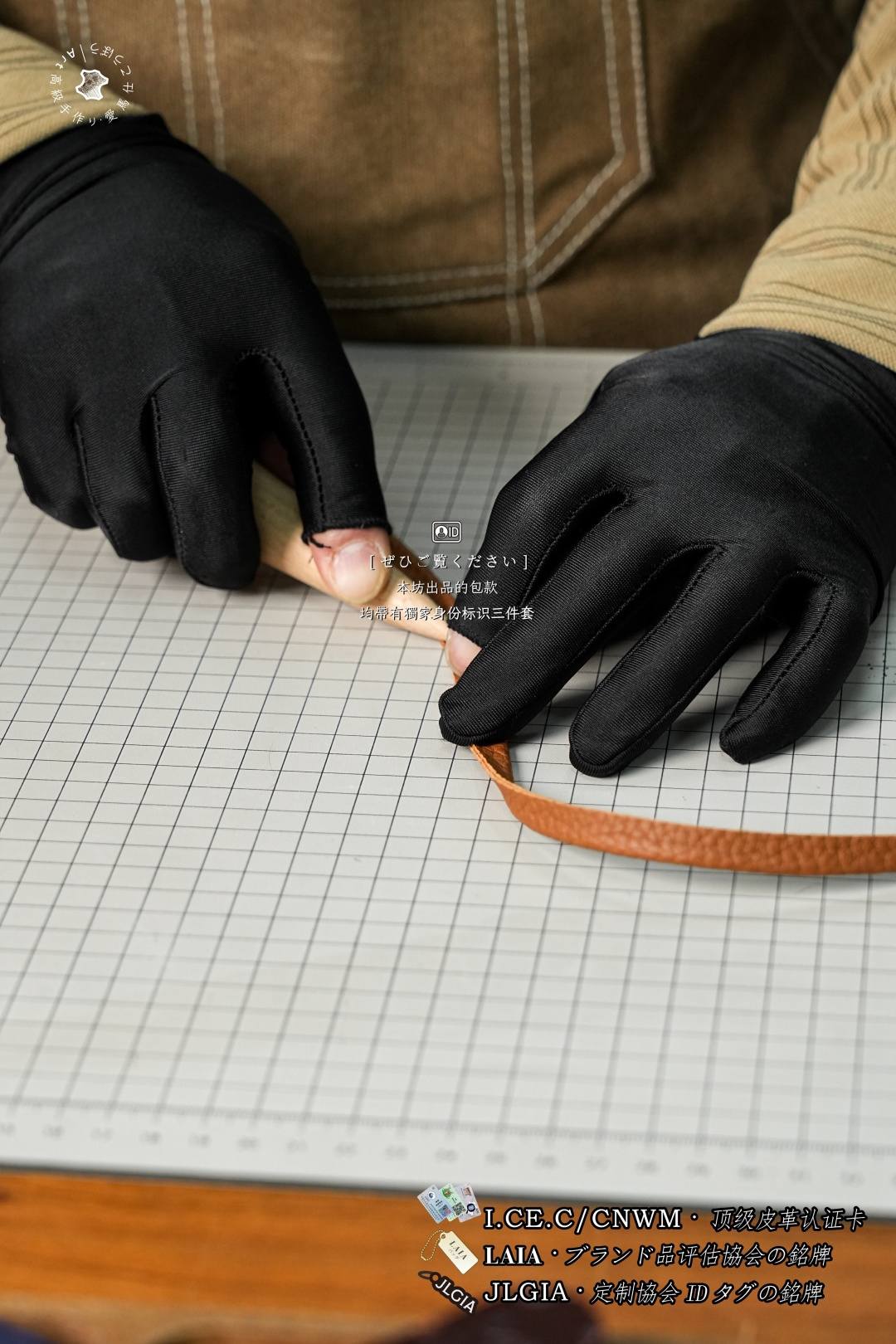
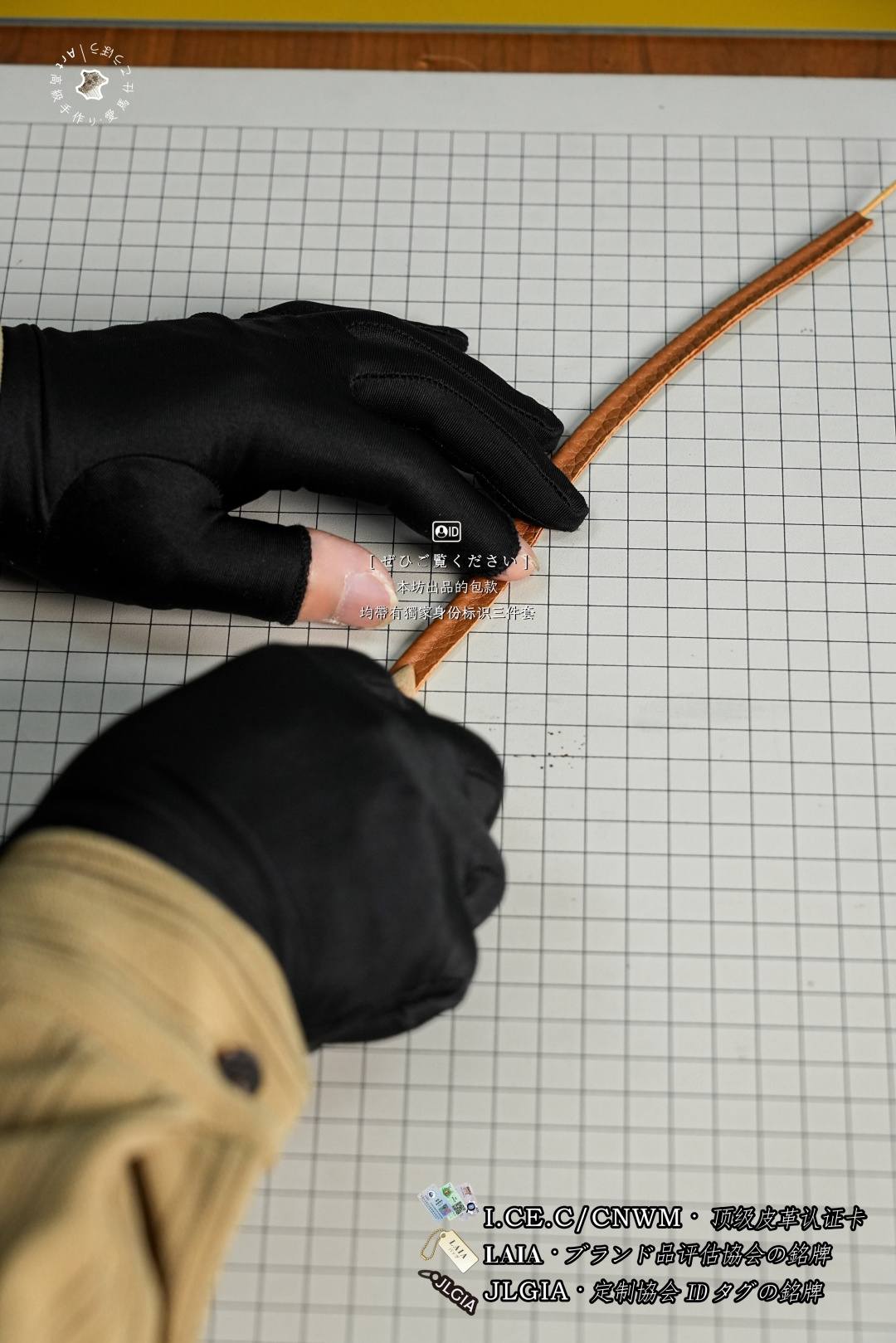
Lamination and covering are implemented in accordance with Shebag’s seamless standard, with imported flexible heat-resistant leather white glue, plastic scrapers, wooden clips and masking positioning paper as essential tools. A thin and even layer of glue is applied on the flesh side of the edge tape, and thick glue overflowing to the exposed edge is strictly prohibited to prevent black contamination on the edge finish. The lamination starts from the center point of the bag side for accurate positioning and firm bonding, then presses slowly towards both ends and pushes from the inside out to completely eliminate air bubbles. For 90-degree right-angle corners, the inner side of the edge tape is folded inward at 45 degrees to hide joints with no overlap or accumulation on the outer surface. For arc side walls, uniform stretching force is maintained throughout the process to avoid leather deformation and elongation. After lamination, the bag is clamped with soft leather-wrapped wooden clips for 30 to 45 minutes for full natural curing instead of rapid air drying. After complete drying, excess edge tape on the upper and lower sides is trimmed flat with a blade to ensure a flush and step-free joint between the cut surface and the bag body.
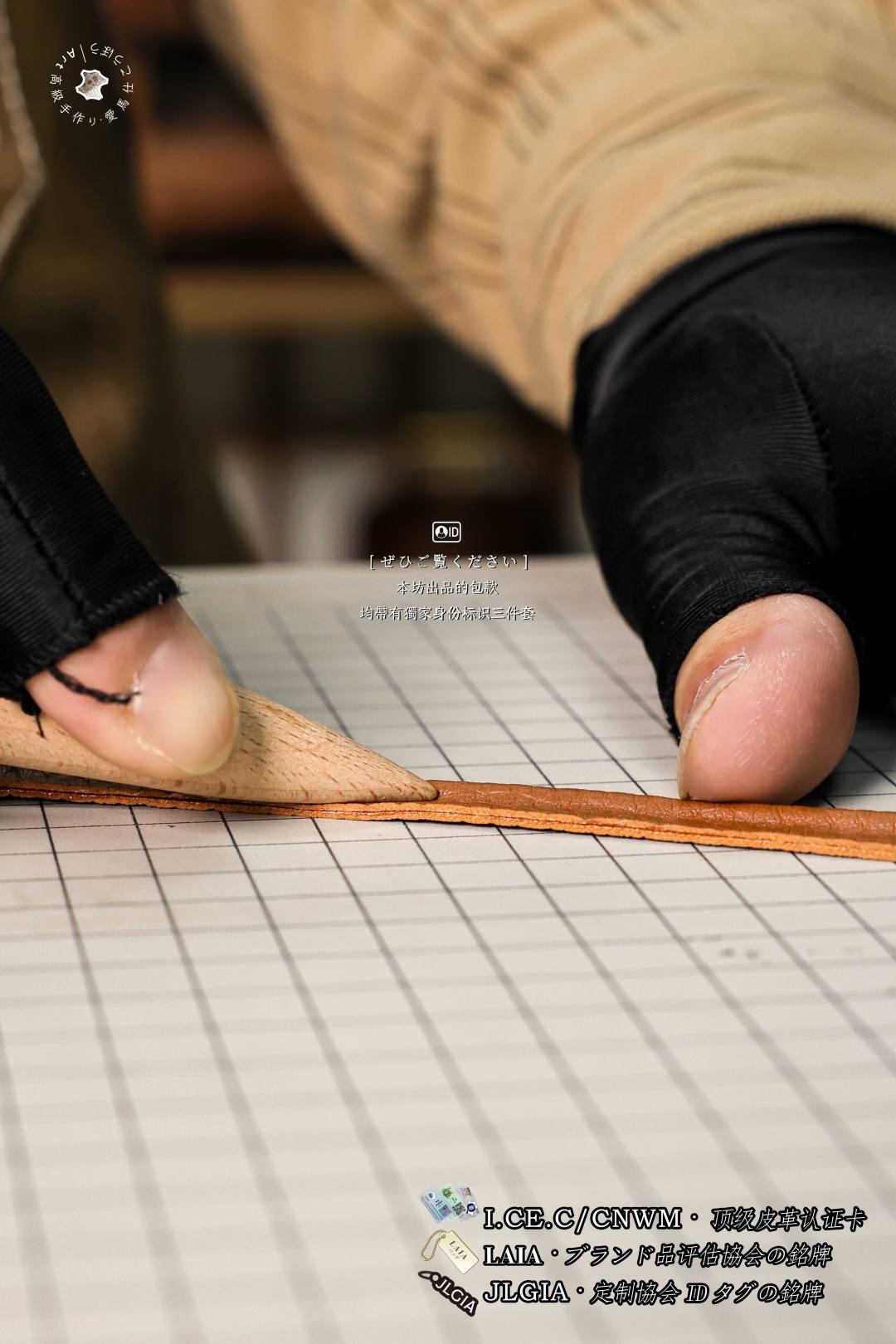
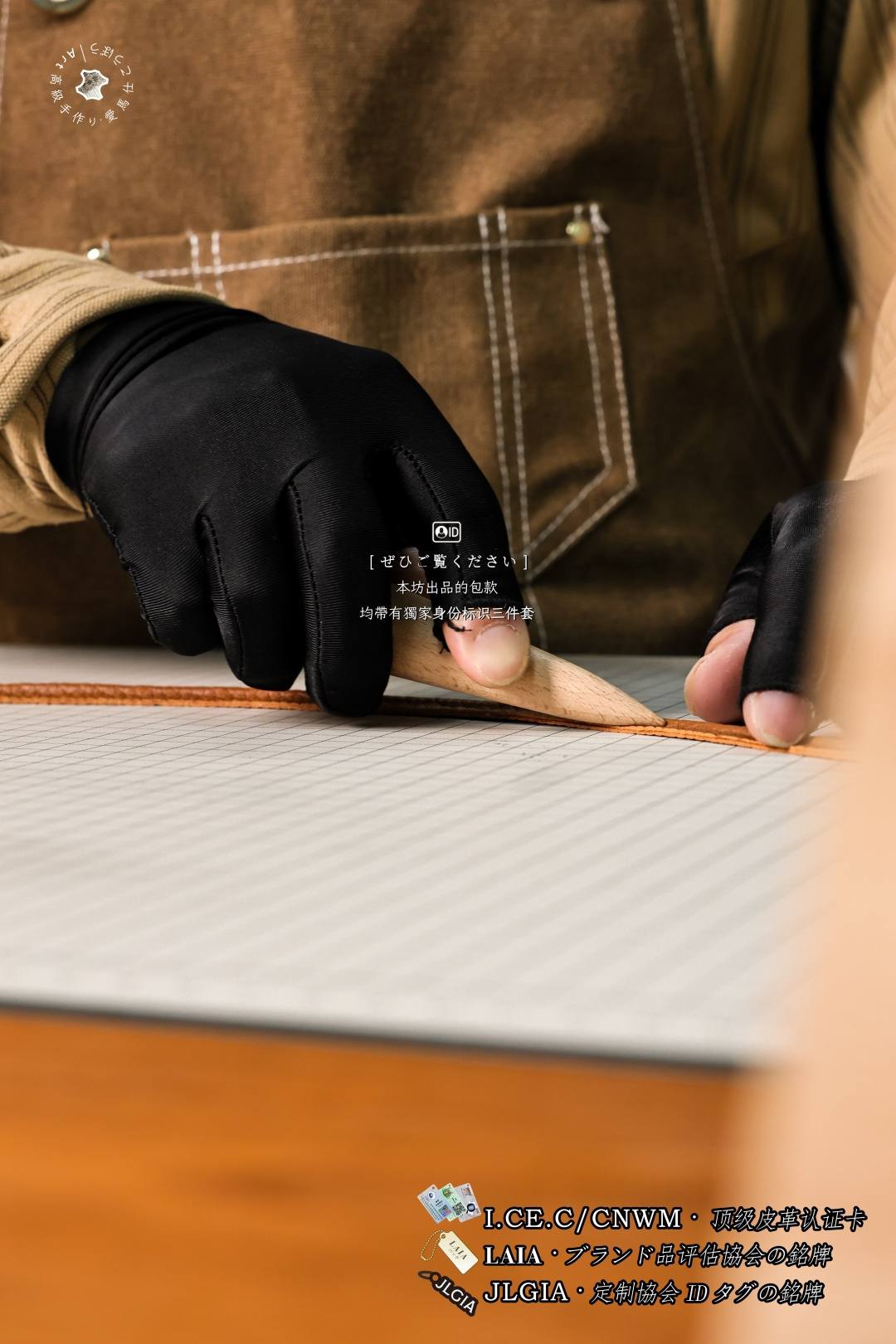
Edge shaping and sanding is crucial for comfortable arc hand feel. A No.3 French edge beveler is used to create uniform shallow arcs on both upper and lower surfaces and eliminate sharp hands-cutting right angles. Fixed-gradient sanding is carried out in strict accordance with Shebag’s standard: 400-grit sandpaper is used to level steps, residual glue and splicing protrusions; 600-grit sandpaper refines arcs and removes scratches left by coarse sandpaper; 1000-grit sandpaper achieves pre-buffing and refines leather fibers on the cut surface to prevent fuzzing. A bristle brush is used for thorough dust removal, as trapped dust particles will cause pits and granular defects on the edge finish.
The multi-layer French hot edge finishing process adopts high-temperature permeable resin edge polish instead of low-cost cold-applied edge polish to match Hermès’ durability standard, effectively avoiding peeling and cracking. The process includes four thin coating layers with hot pressing after each layer. The first base coat is evenly applied with a nano sponge and fully dried at room temperature for 20 to 30 minutes, then lightly polished with 600-grit sandpaper to level tiny unevenness followed by dust removal. The second filling coat is hot pressed evenly with a low-temperature edge finishing machine at 110 to 130 degrees Celsius to make the edge polish penetrate into leather fibers rather than floating on the surface. The third color fixing coat is applied evenly, and fine polished with 1000-grit sandpaper after drying to correct arc uniformity. The final ultra-thin protective coating is hot pressed quickly at a reduced temperature of 90 degrees Celsius to form a mild matte oil film without cheap plastic mirror texture. It is strictly forbidden to apply a single thick layer of edge polish, which only provides temporary gloss and will crack and peel off integrally after 1 to 3 months of use.
The final polishing and quality inspection follow Shebag’s factory acceptance standards. A canvas polishing rod is used for high-speed friction polishing on the edge finish to create a natural patina texture without heavy artificial wax feeling. Five mandatory quality inspection criteria are implemented: the 360-degree arc is uniform without uneven width, local bulges or depressions; diagonal splicing and corner positions are completely seamless with no tactile steps or protrusions; the edge finish is free of particles, brush marks, oil flow and black glue overflow; the edge tape remains bonded and the edge finish stays crack-free after 50 repeated bending tests; the edge tape, bag body and edge finish maintain consistent colors without color difference layering under natural sunlight.