- 01
- Aug
Shebag Hermes Birkin bags craftmanship review(August 2026 updated)
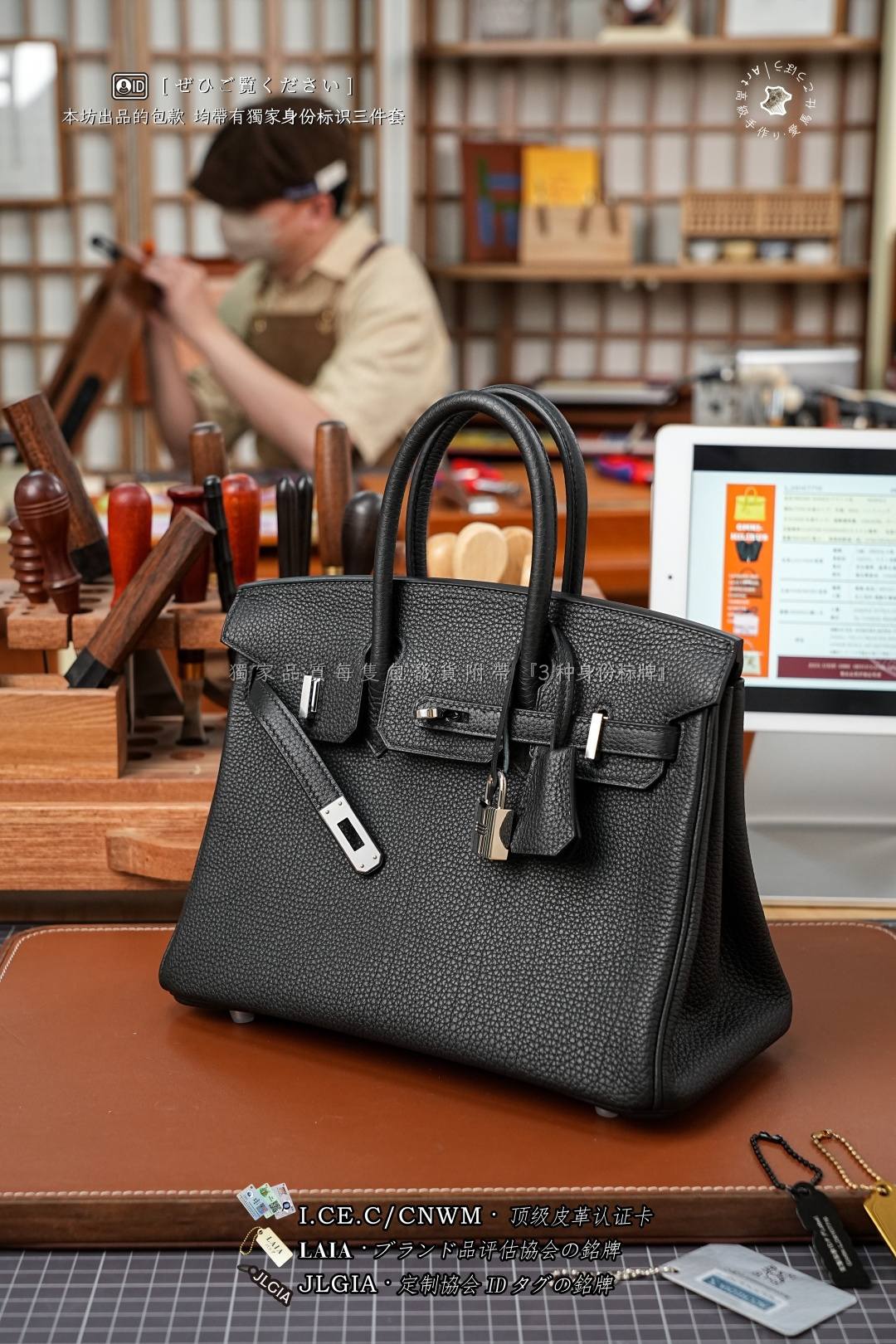
Shebag’s top-tier Birkin replicates Hermès original handmade system, adopting traditional Point Sellier saddle stitching to differentiate itself from mass-produced machine-sewn replicas. It faithfully reproduces two classic Birkin structures, the Retourné inside-stitch and Sellier outside-stitch versions.
Leather selection serves as the first critical procedure. Cut parts are arranged following original layout standards. For cowhide such as Togo and Clemence, sections with neck wrinkles, creases and blemishes are avoided. Exotic leathers including ostrich skin undergo strict screening. Only the fully quilled area on the ostrich back is adopted, while sparse and flawed zones are discarded directly. After cutting, layered skiving is carried out. Load-bearing areas like handles and the main body maintain adequate thickness, and edges for assembly are thinned to ensure tight fitting without bulging after stitching.
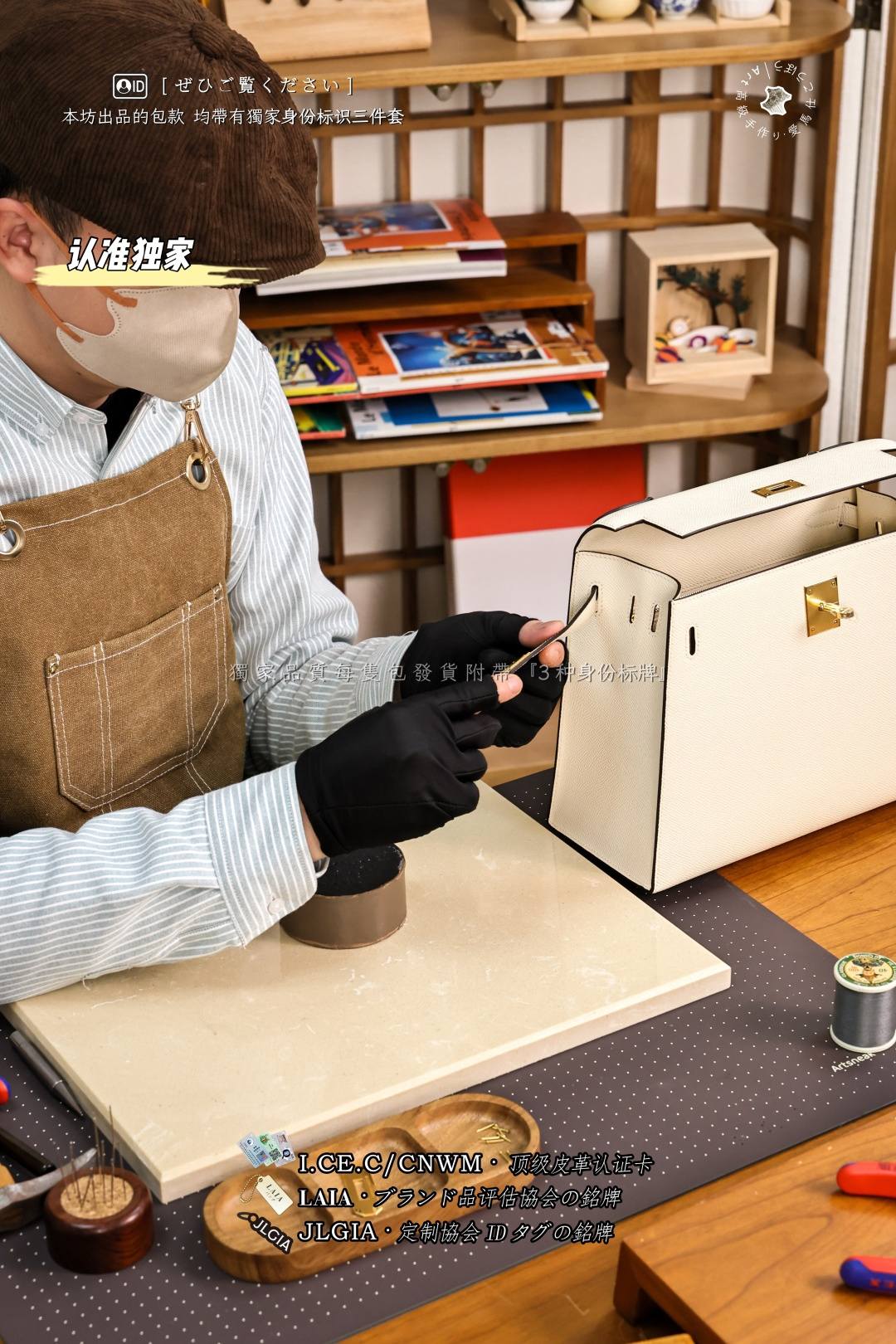
The whole stitching system applies two-needle single-thread saddle stitching with beeswax polyester thread. One thread is threaded with a needle at each end, penetrating the same awl hole from opposite sides to form an interlocked structure. If part of the stitching snaps, the whole seam will not unravel. Instead of punching all holes in one go with a punching die, a diamond awl creates holes manually one by one. The olive-shaped holes squeeze leather fibres aside without cutting them off. Stitch spacing complies with original specifications. Hole positions are adjusted around corners to prevent tearing. Thread knots are hidden between leather layers, with no exposed knots or redundant backstitches on the surface.
Edge finishing adopts different solutions for ordinary cowhide and light-coloured exotic leather. Dark cowhide edges are polished repeatedly with multiple layers of edge paint. Light ostrich leather and Swift leather have an extremely low tolerance for imperfections. Optimised edge-sealing procedures reduce water stains and darkening risks, delivering mild gloss without thick piled paint or peeling. Inside-stitch Birkin features folded inward edges for soft, relaxed contours. Outside-stitch Sellier models turn edges outward, demanding perfectly straight stitching and precise cutting for a rigid, three-dimensional silhouette.
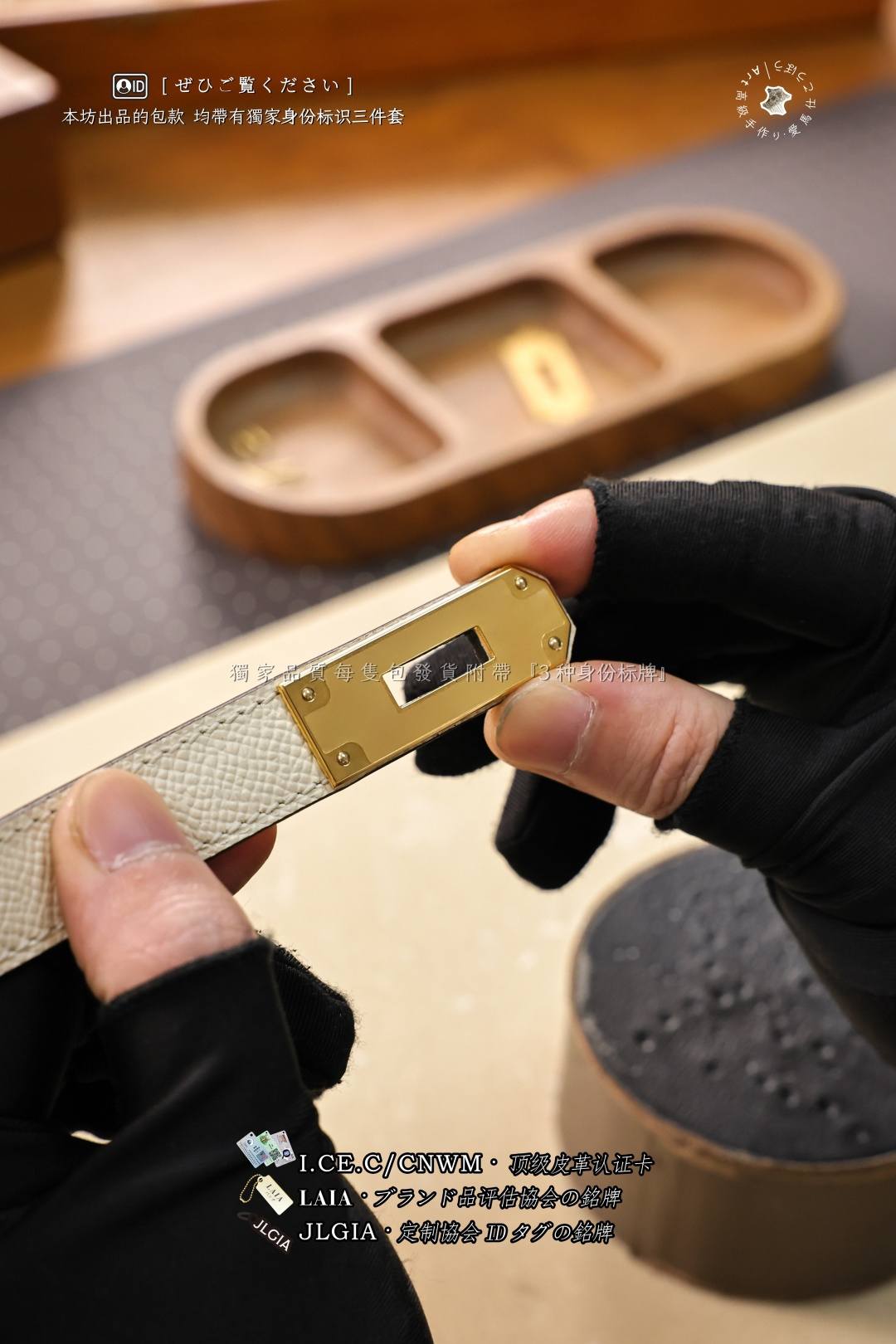
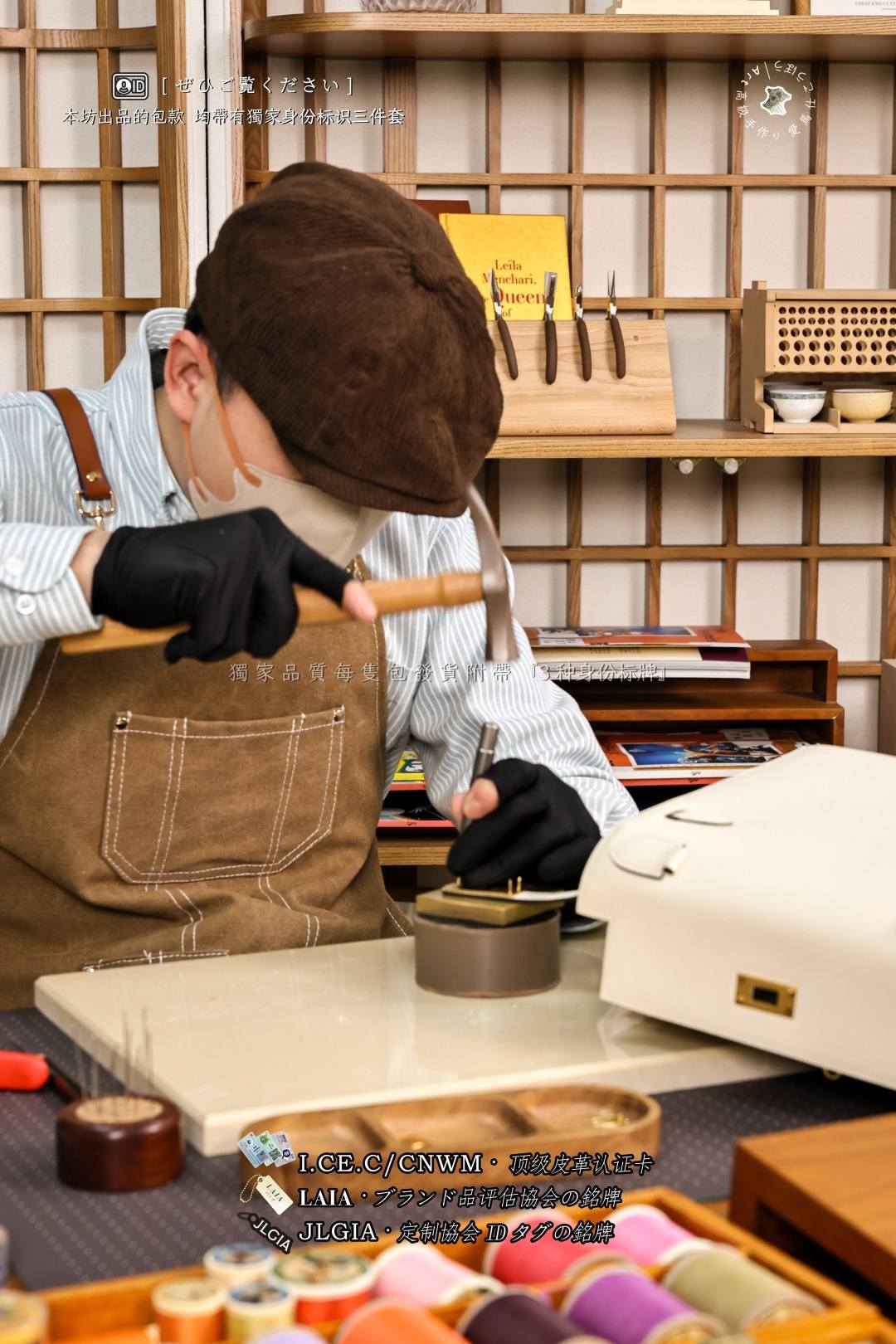
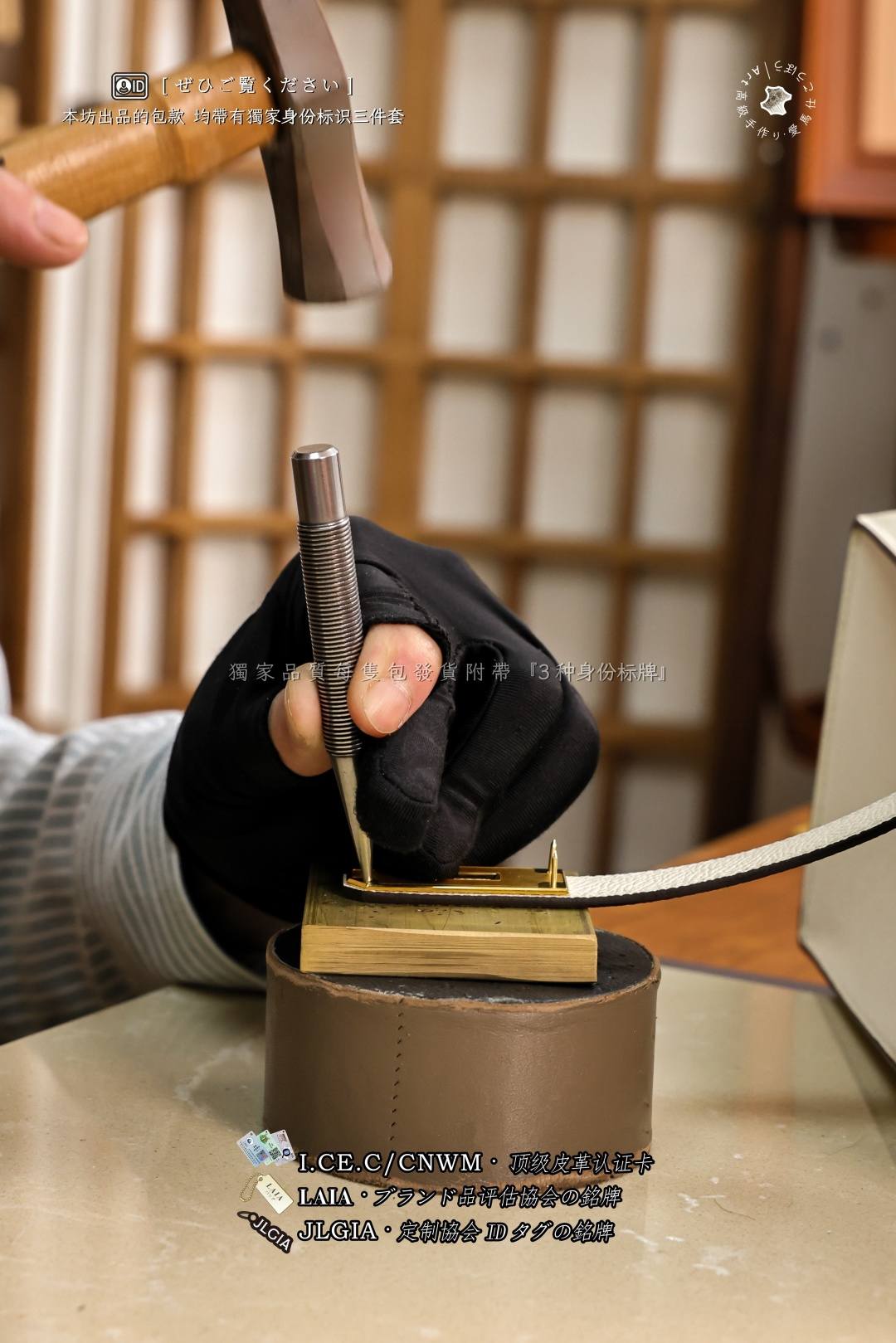
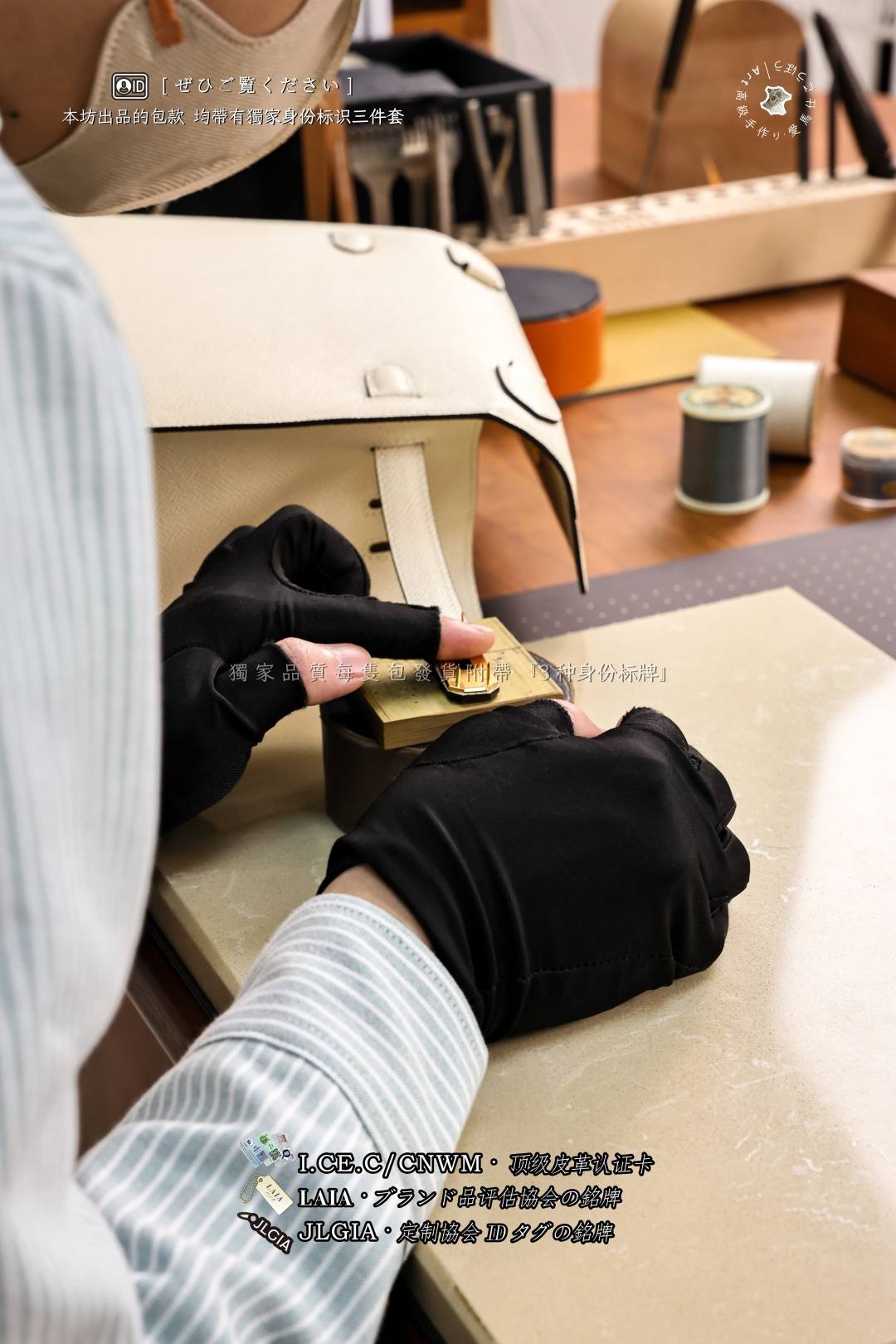
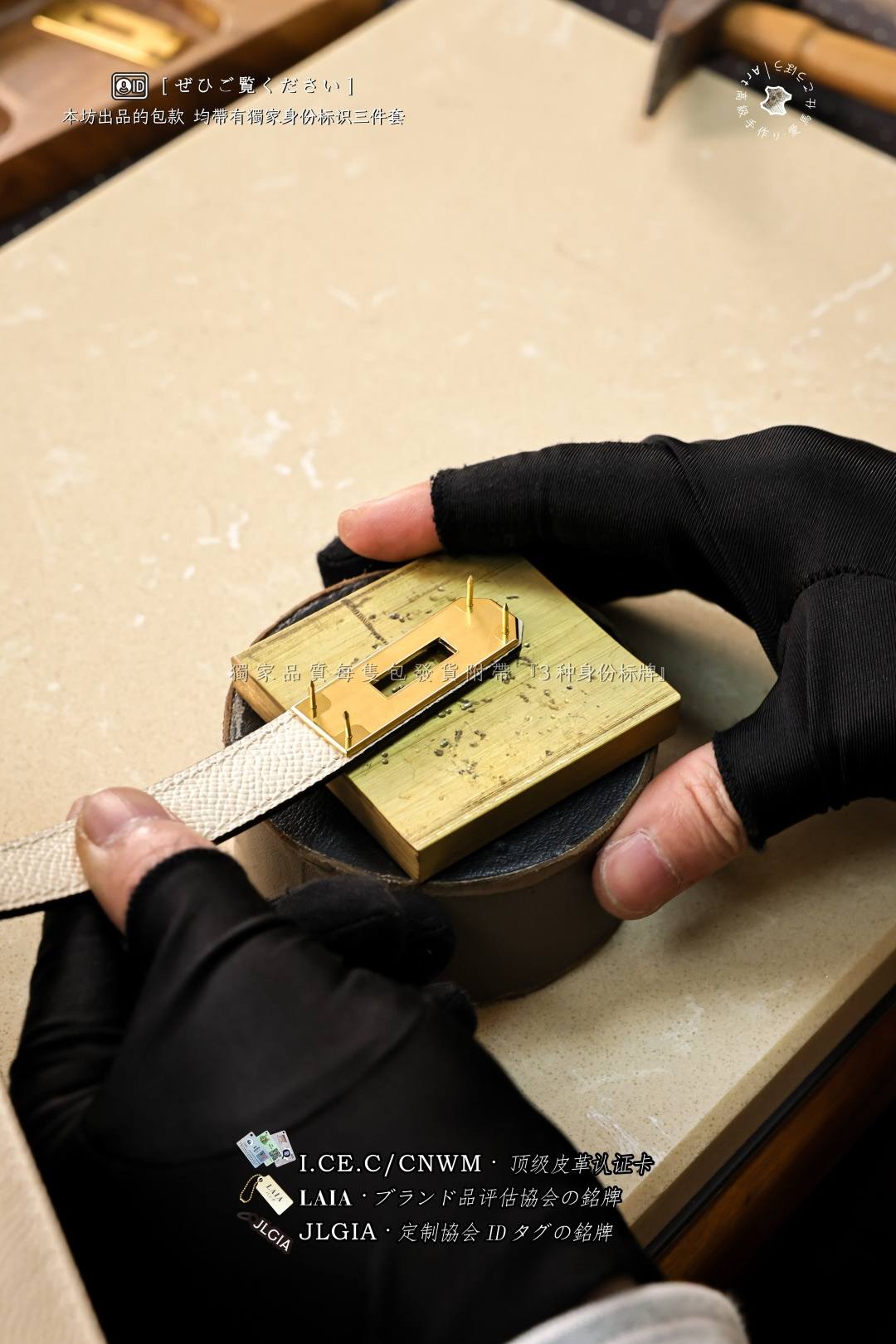
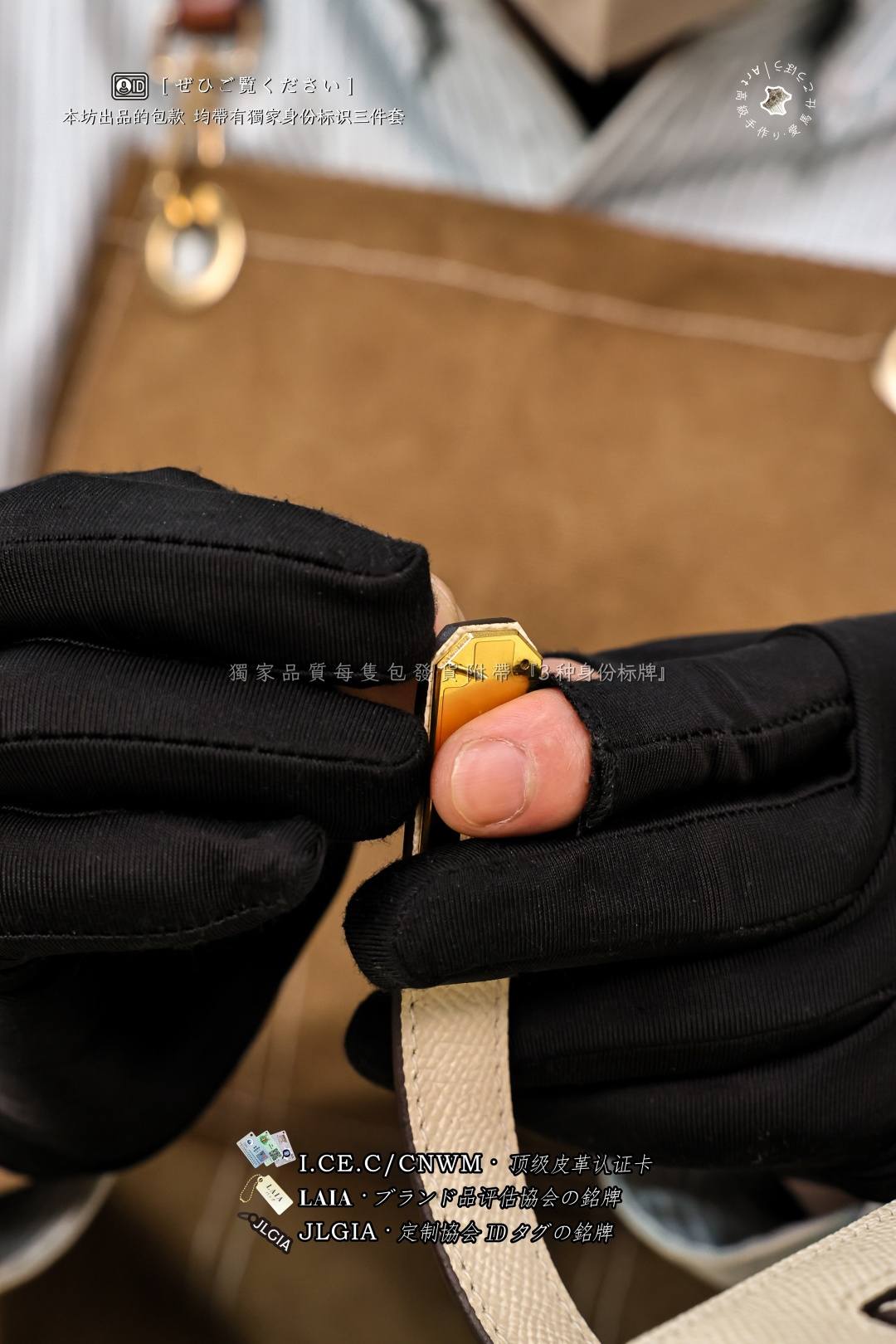
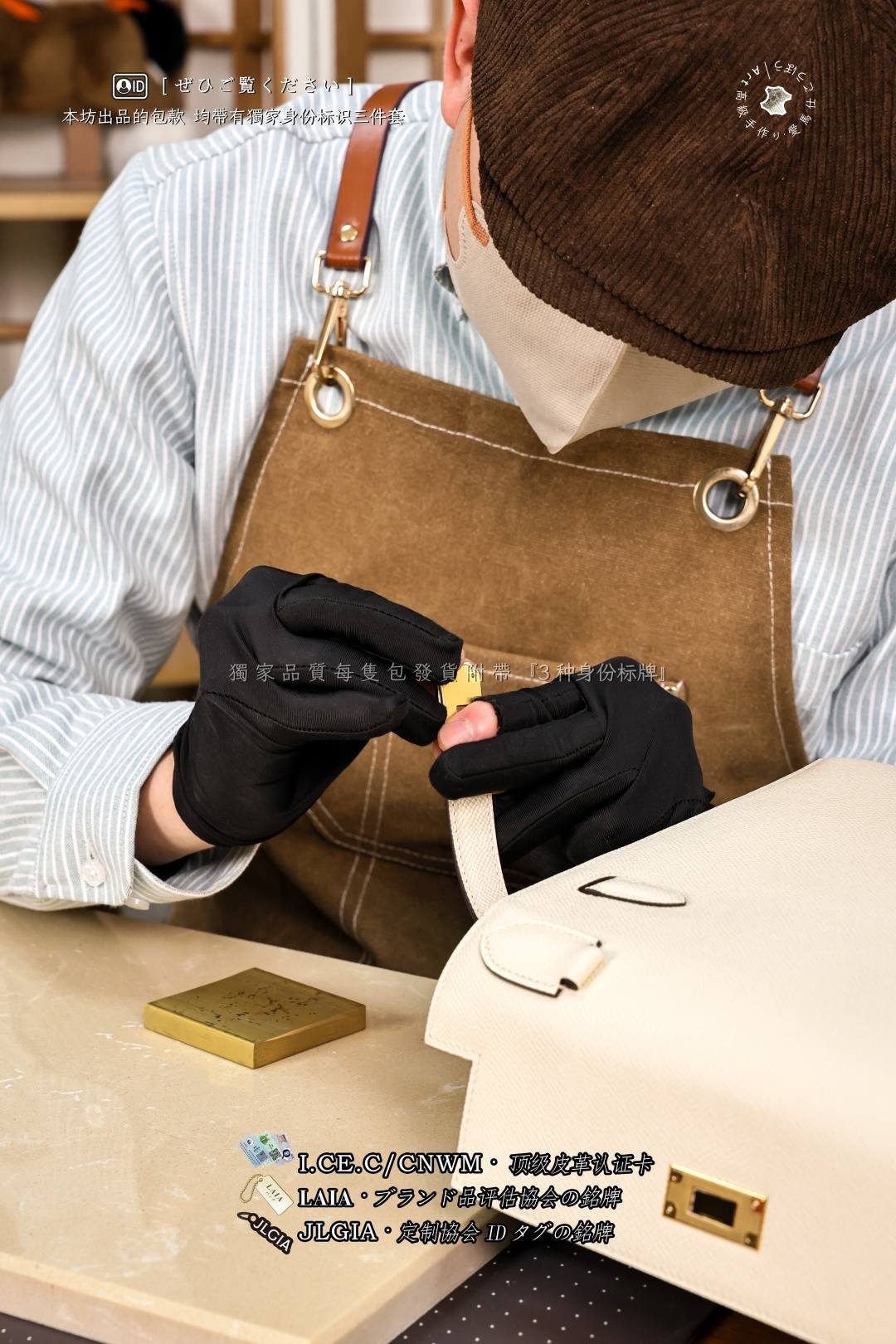
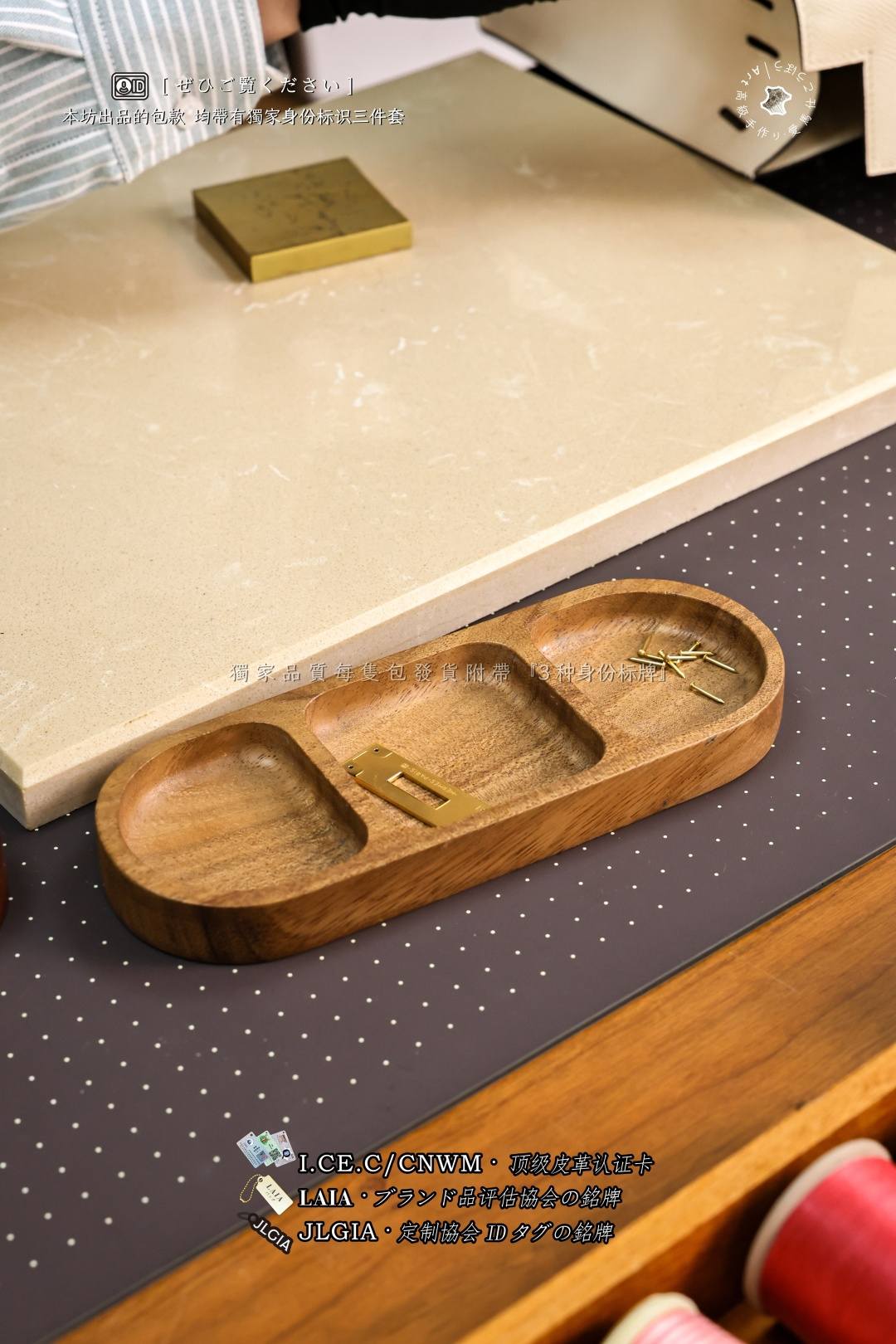
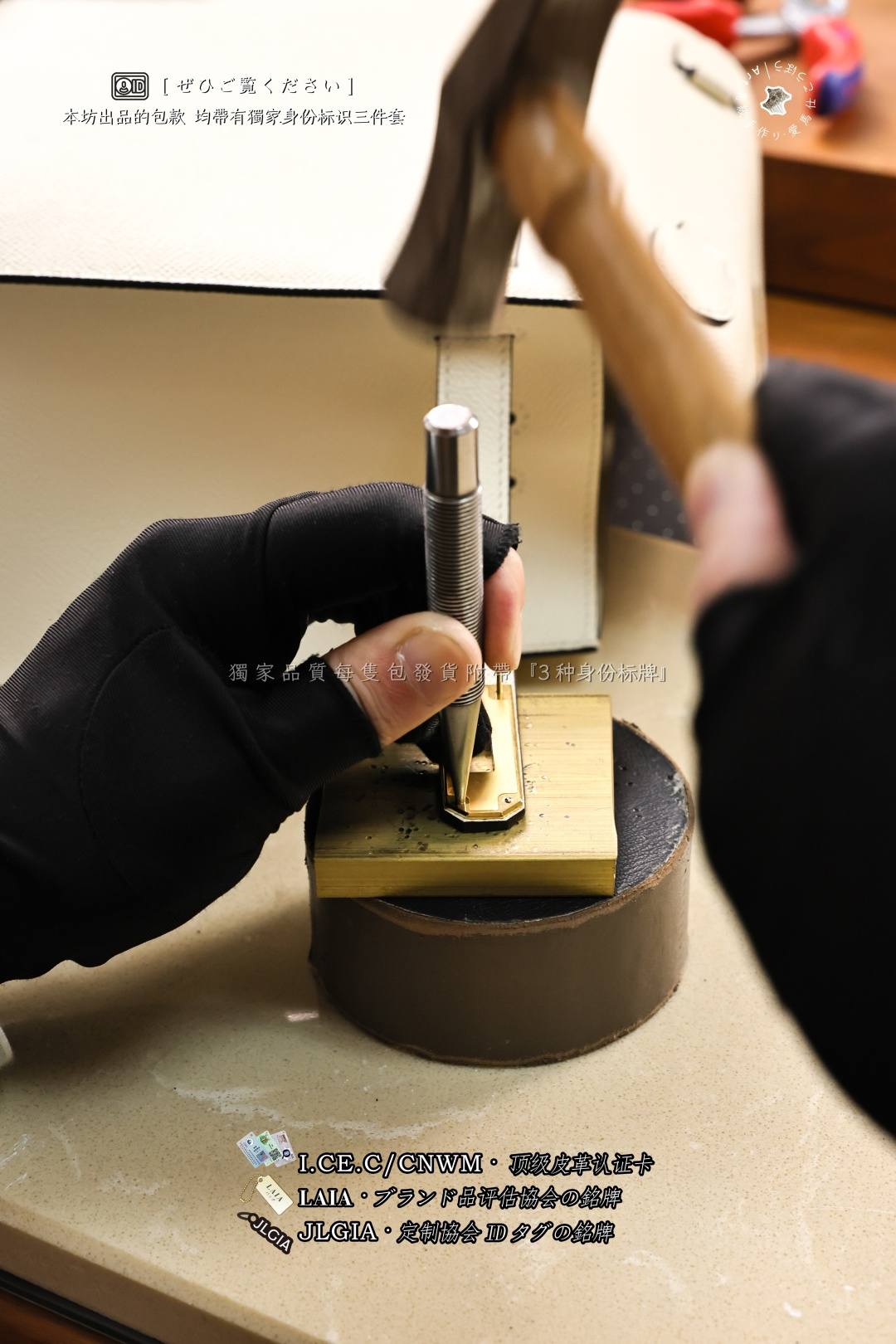
Hardware assembly uses solid rivets set by hand hammering. Turnlocks, bottom studs and tab hardware are secured without screws. Hardware is made of brass base coated with gold or palladium. Surfaces are smoothly polished, and engraving depth and font style reference the original design. Handles are formed by laminating multiple leather sections and shaped manually to maintain a natural grip curve that resists sagging over time. Matching lambskin forms the lining, and inner pockets and zipper compartments are also stitched with saddle stitching, keeping consistent craftsmanship inside and out.
While Shebag replicates the structure, stitching method and material logic of Hermès original products, subtle differences remain. It cannot match the linen wax thread used by Hermès, nor the production mode where one single craftsman completes an entire bag. Minor variations exist in hand tension and stitching rhythm around corners. Slight distinctions can also be found in stamp depth and hardware plating texture. It represents high-end replica craftsmanship, clearly separated from low-grade mass replicas.
Three key details distinguish budget replicas from premium Shebag Birkin products: genuine handmade saddle stitching, awl-shaped hand-punched holes, and solid hand-set rivets for hardware. Cheap imitations mostly rely on machine stitching or simple single-thread hand sewing, circular holes from mass punching, and screw-fixed hardware. Load-bearing positions tend to split and deform after long-term use.