- 05
- Aug
Shebag Hermes togo leather new arrived(August 2026 updated)

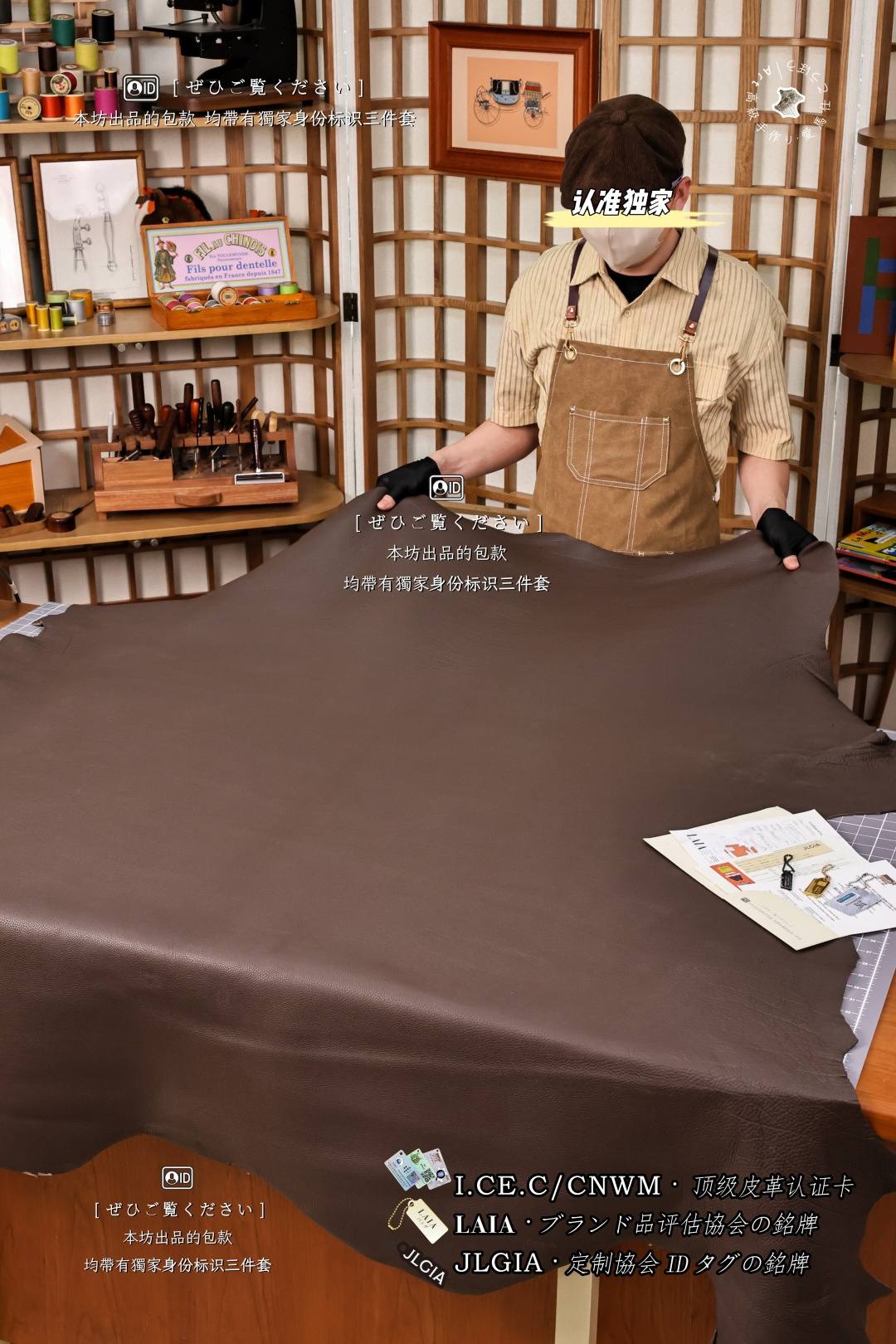
This is an in‑depth analysis of Hermès Togo leather, covering its supply chain, raw materials, tanning procedures, selection criteria and physical properties. Today we dive deep into leather supply‑chain mechanics, and explore why Shebag dares to disclose its leather sourcing openly. Premium leather supply belongs to a small‑circle industry. Shebag has maintained over a decade‑long partnership with French leather merchants, and limited‑run top‑grade leather never flows into ordinary wholesale markets.
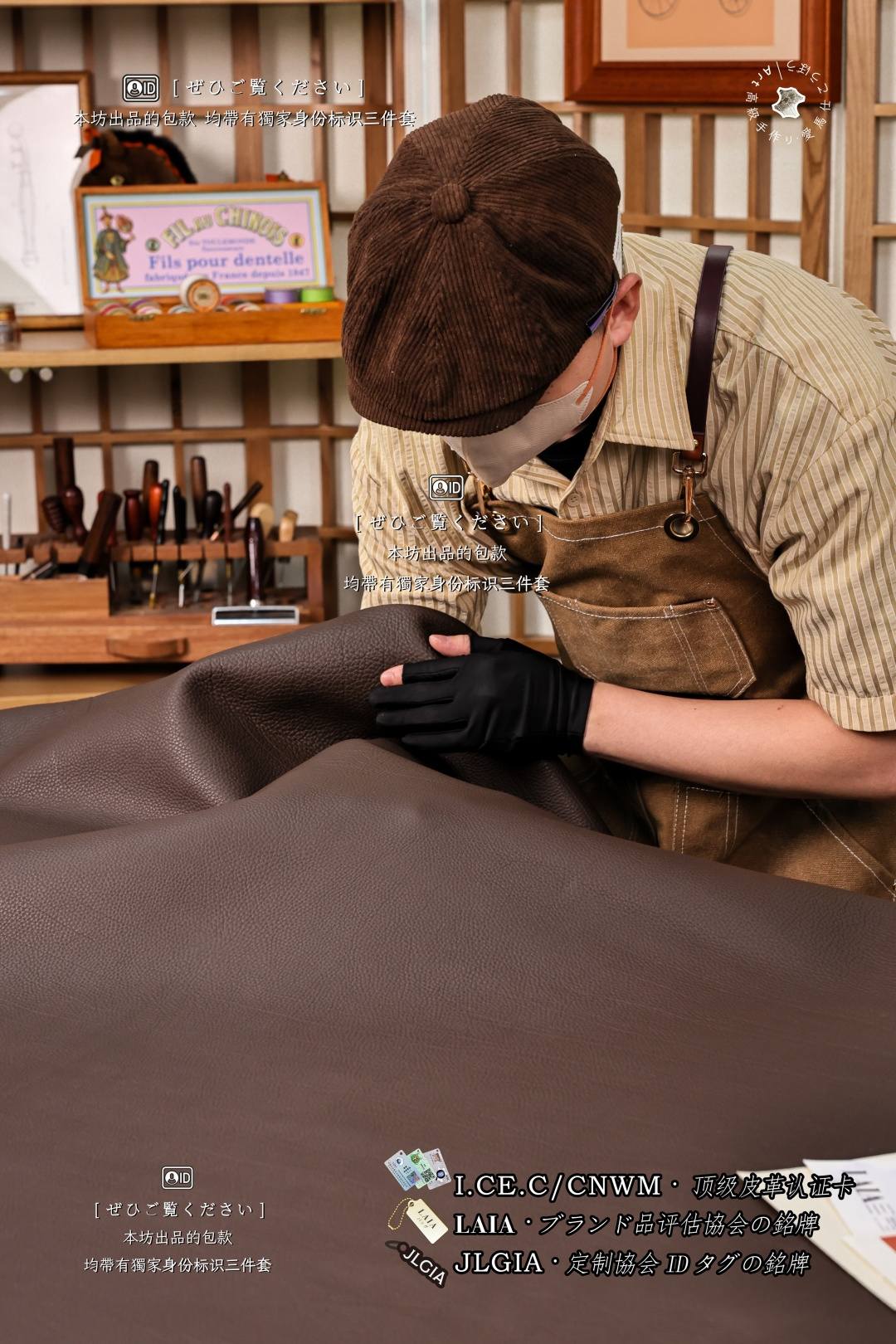
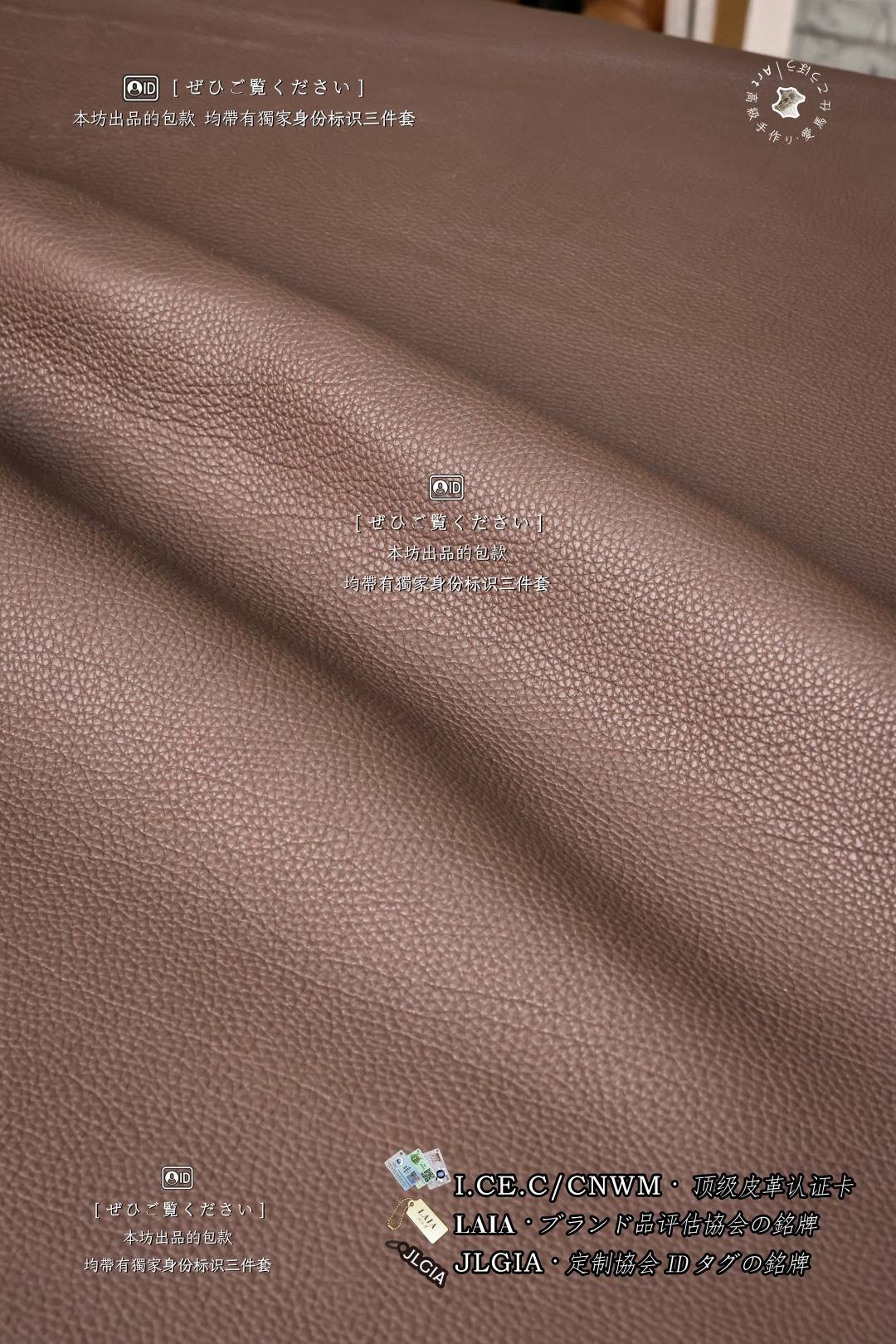
Togo was officially launched in 1997. It is made from full‑grain cowhide taken from the neck‑shoulder section of young Alpine bulls. Classified as full‑grain chrome‑vegetable combination‑tanned leather, its grain is not formed by post‑embossing. Instead, the distinctive texture comes from prolonged drumming and shrinkage inside large rotating drums.
Raw hides are mainly sourced from farms across France, Germany and Alpine regions. Only bulls aged six to eighteen months qualify, and merely the dense‑fibered neck‑shoulder sections are selected. Cattle of advanced age are rejected for coarse, rigid fibers. Cow hides are also discarded, as their softer fiber structure cannot deliver Togo’s signature firmness.
The usable portion of a full hide that meets Hermès Togo standards is extremely limited. Merely two to three percent of one raw hide can pass the brand’s specifications. Remaining sections get downgraded for Clemence production, other general‑grade leathers or external supply.
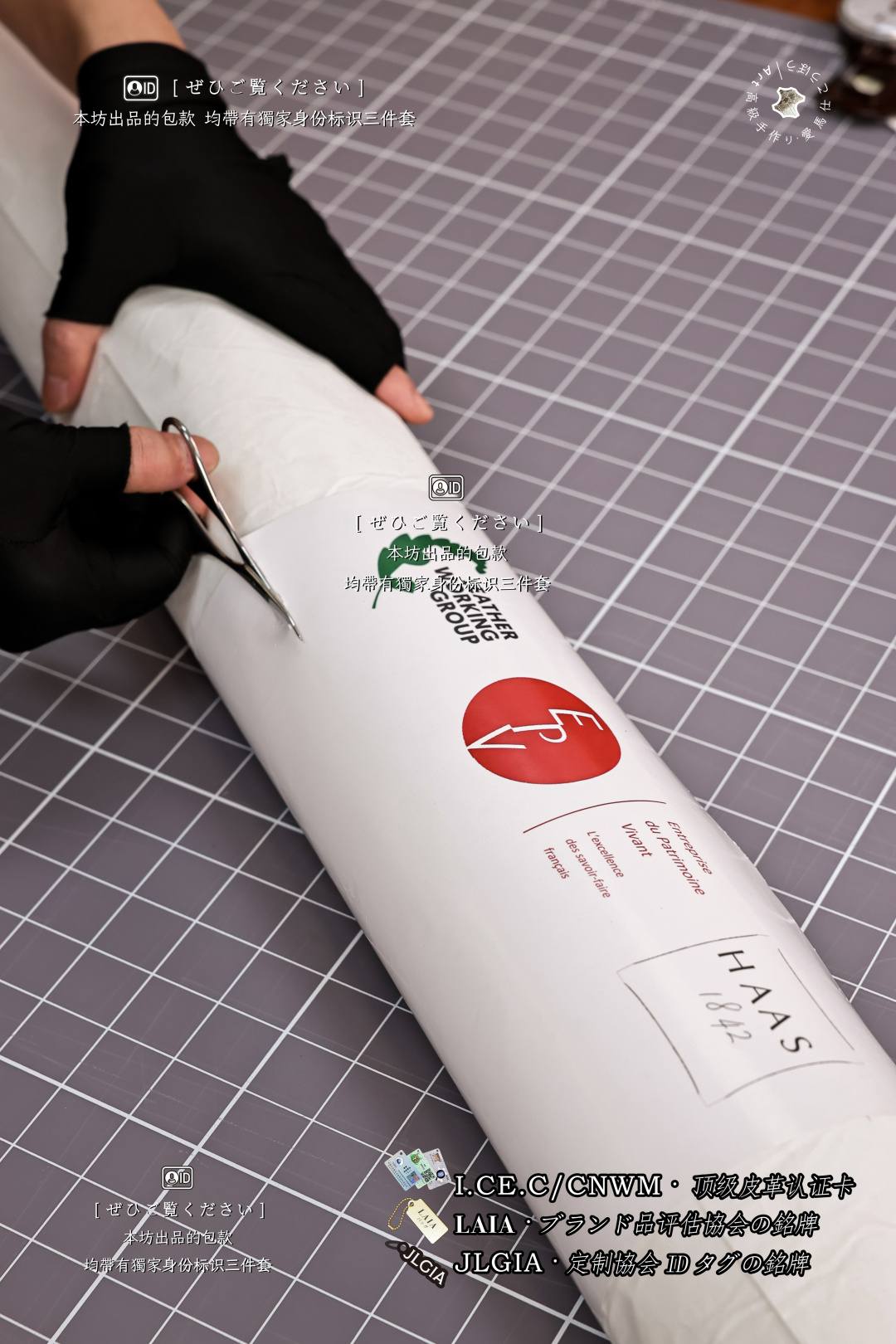
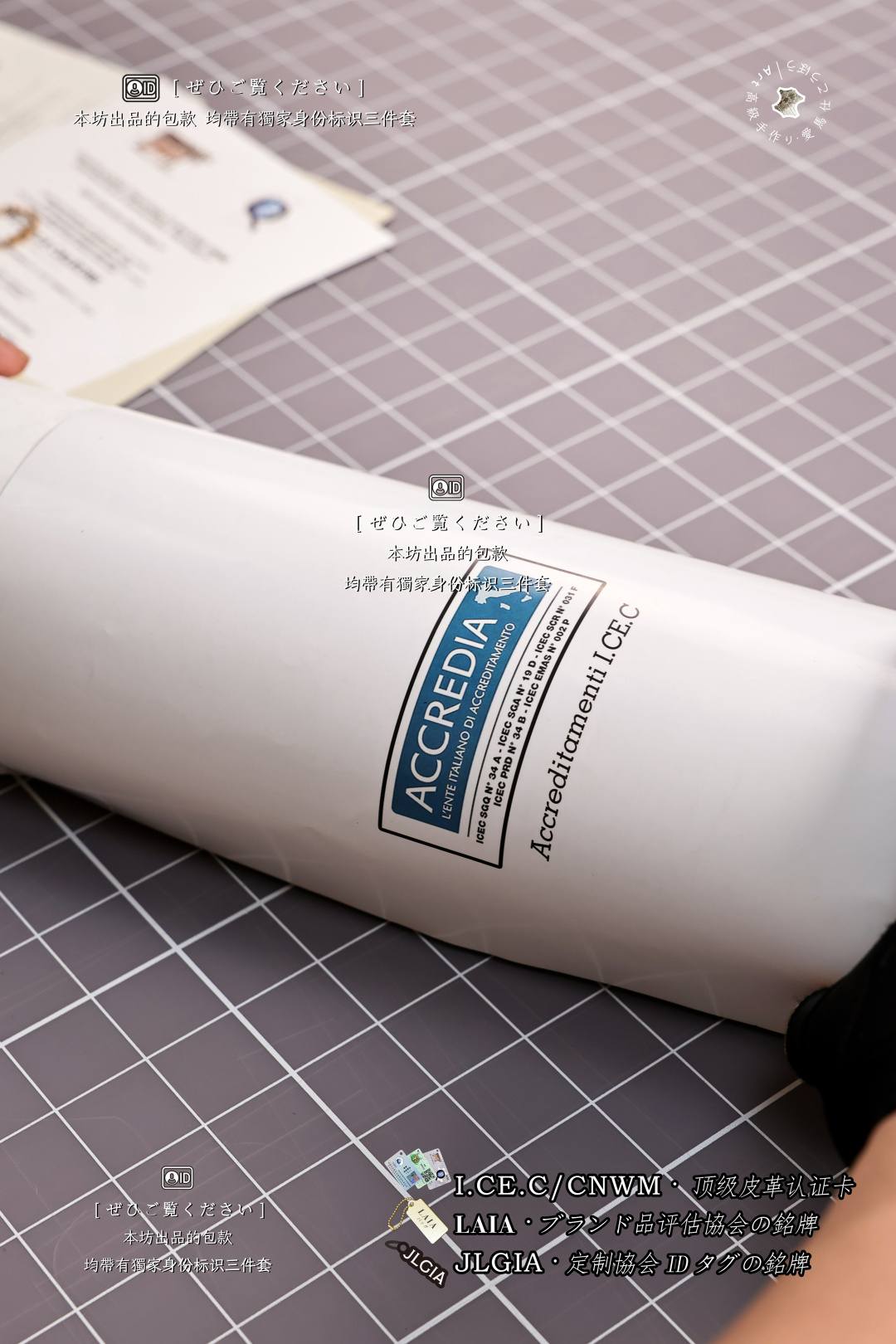
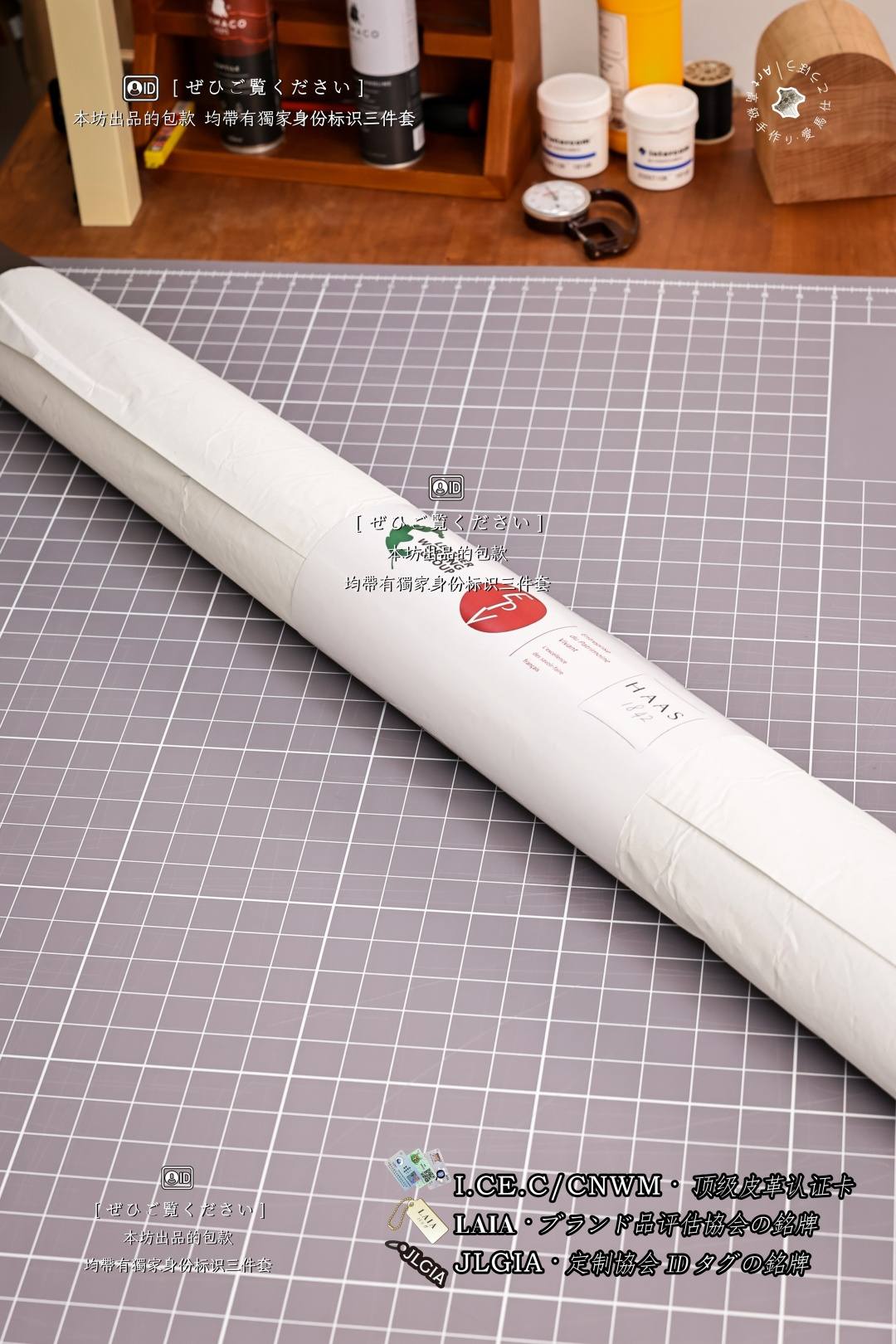
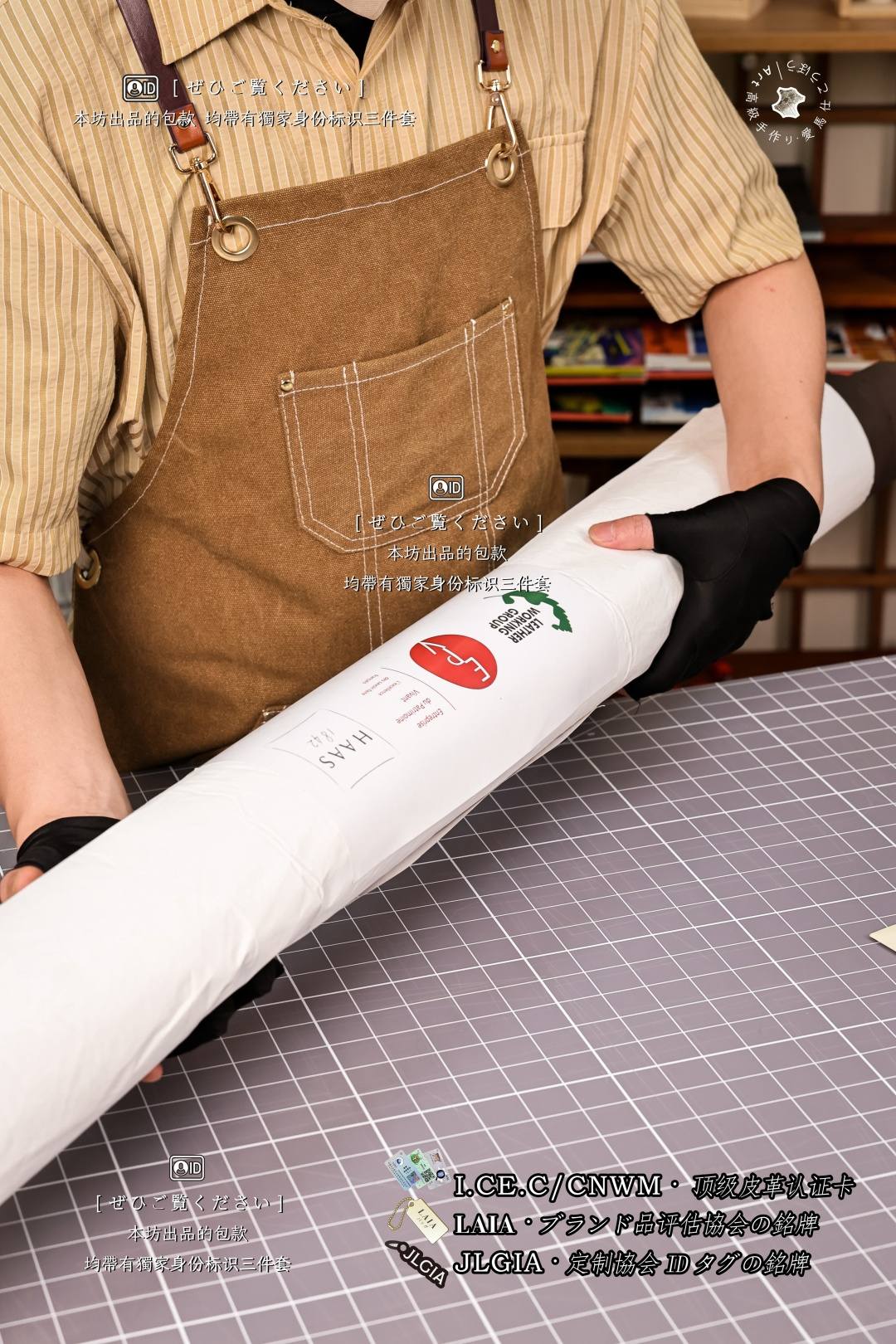
Hermès maintains long‑term partnerships with century‑old European tanneries including Tanneries Du Puy and Haas, which deliver custom‑tailored tanning services for the brand. These tanneries sell hides from identical cattle breeds to outside parties, which enables Shebag to source leather of the same origin as Hermès.
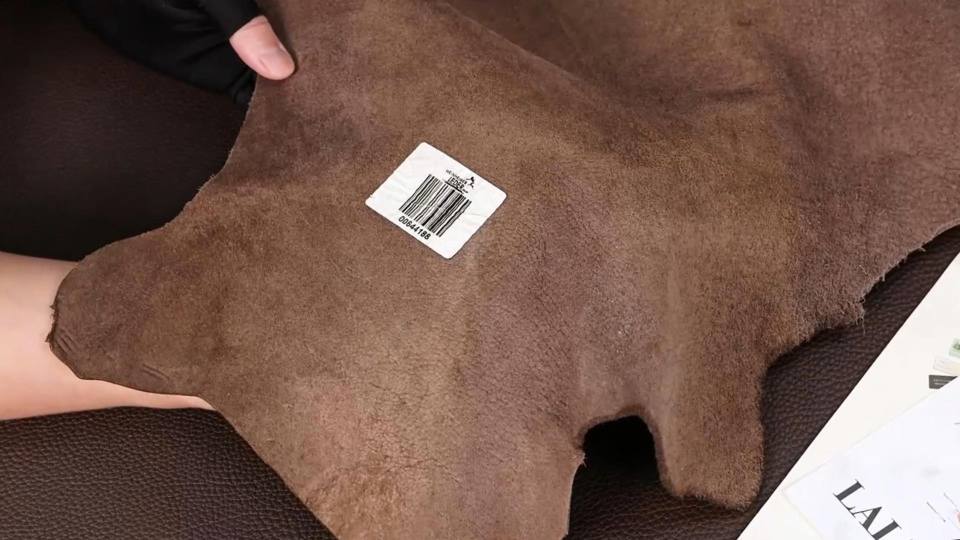
Hermès unifies hide procurement, grading and allocation through HCP, Hermès Cuir Précieux. Its own workshops receive priority allocation of qualified leather. Nevertheless, tanneries consistently generate extra output, and comparable leather materials find their way into the open market.
Drumming, the signature core procedure for Togo, does not rely on steel‑plate embossing to create pebbled texture. Inside massive rotating drums, leather undergoes extended tumbling and contraction. Fibers tighten up, forming naturally irregular, rounded grain pebbles. Each hide shrinks in surface area, gaining higher density and improved scratch resistance.
The complete tanning cycle spans four to six weeks, with far higher labor input than ordinary commercially embossed pebble‑grain cowhide. Chrome tanning establishes foundational strength, supplemented by limited vegetable retanning and thorough fatliquoring. The finished leather features a dry‑to‑the‑touch feel without greasy or sticky surface characteristics.
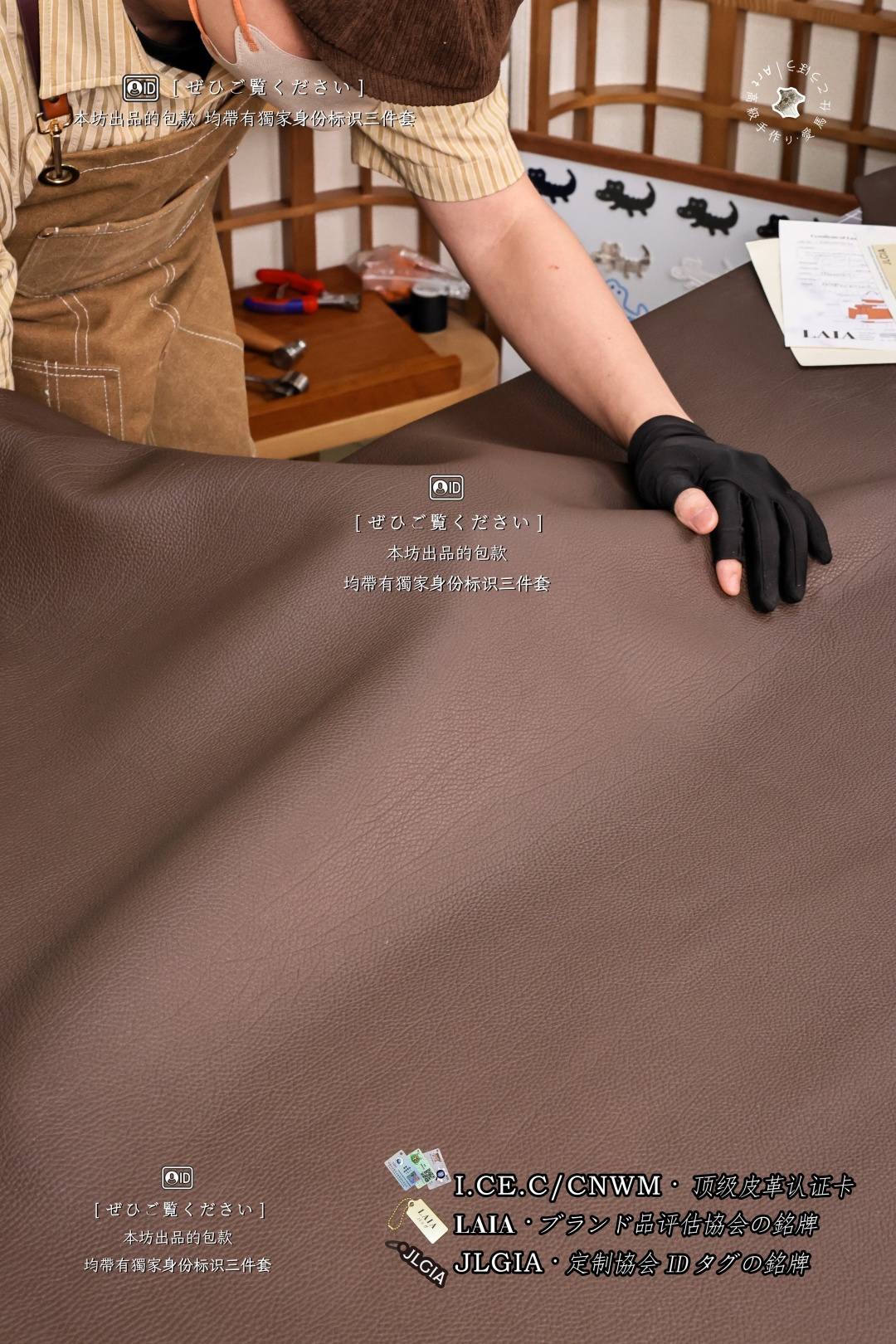
Multi‑bath immersion dyeing is adopted for deep shades such as Rouge‑H Burgundy. Dyes penetrate deep into fiber structures rather than merely coating the surface. Minor batch‑to‑batch color deviation arises from natural variations among raw hides and counts as normal. Togo arrives with a matte finish, free of high‑gloss topcoats. Its gentle warm patina develops gradually through wear, instead of appearing bright and oily right out of production. Genuine Togo presents irregular‑sized grain pebbles with natural vertical vein lines across one single hide. Counterfeit embossed alternatives usually display highly uniform grain patterns. Its stable thickness ranges from 1.2 to 1.5 millimeters. Dense fibers deliver structural rigidity that prevents bag sagging while retaining elasticity, laying the foundation for the sharp silhouette of Birkin and Kelly. Compared with Clemence, or TC leather, Clemence uses hides from older cattle, featuring greater thickness, higher oil content, larger and softer grains, and tends to lose shape over prolonged usage. Minor natural marks such as fine vein marks and growth lines are acceptable. Being full‑grain leather, Togo receives no heavy surface coating or buffing.
Once a hide is sanded down, it no longer qualifies as Togo. Superficial nail scratches can be softened by circular rubbing with hand warmth, demonstrating limited self‑healing capacity, though it cannot resist cuts from sharp objects. Brand‑new Togo exhibits matte finish, sharply defined grain contours and firm dry texture. After years of usage, pebbles grow rounded from constant friction, subtle oily luster emerges, and color deepens slightly. It will never produce widespread oil staining typical of waxed leathers. One notable weakness lies in vulnerability to prolonged heavy water exposure, which may leave water stains. Though Togo performs better than Clemence, this risk still exists.