- 07
- Sep
Shebag leather stories at Pra.da OEM factory (Sep 2026 updated)

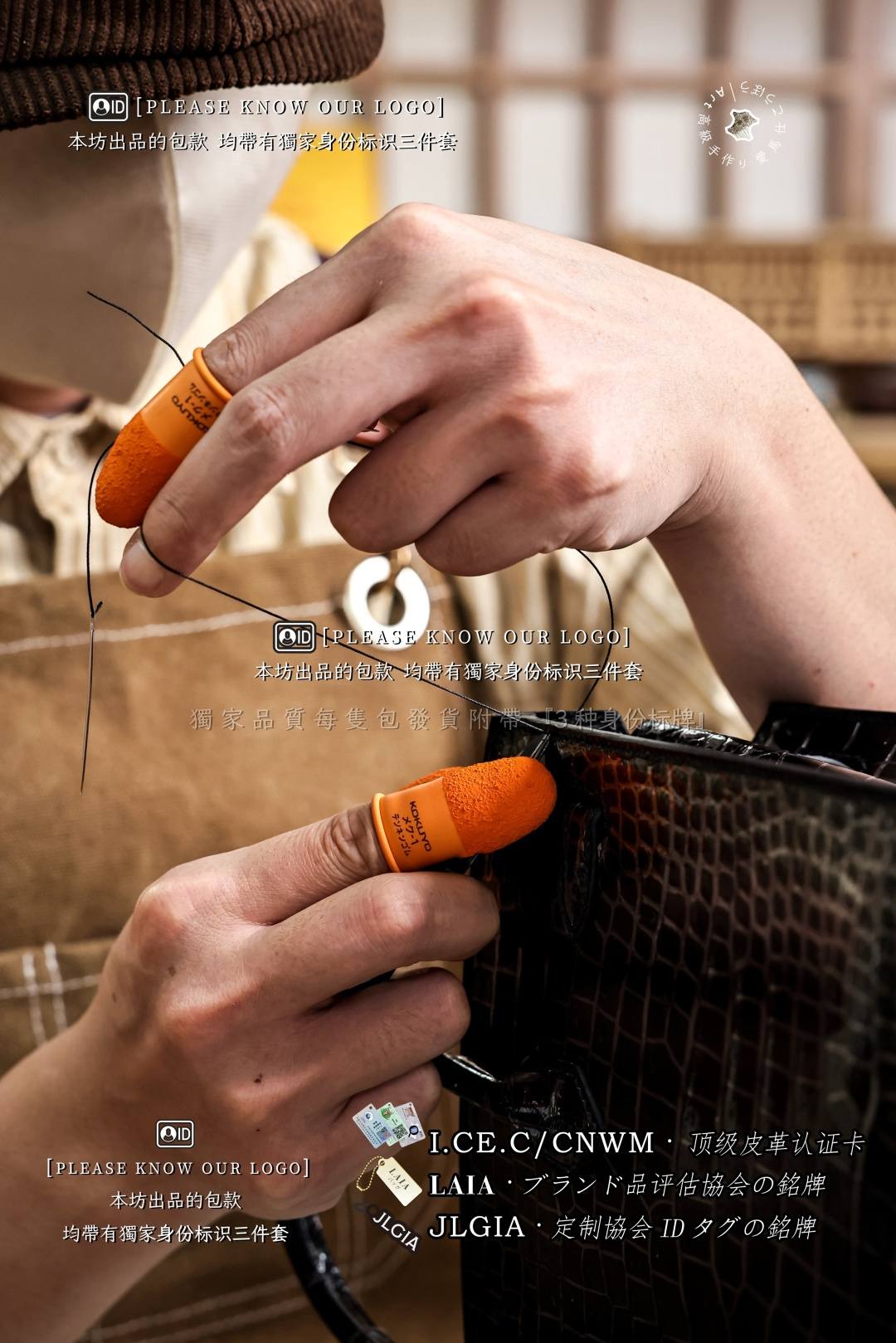
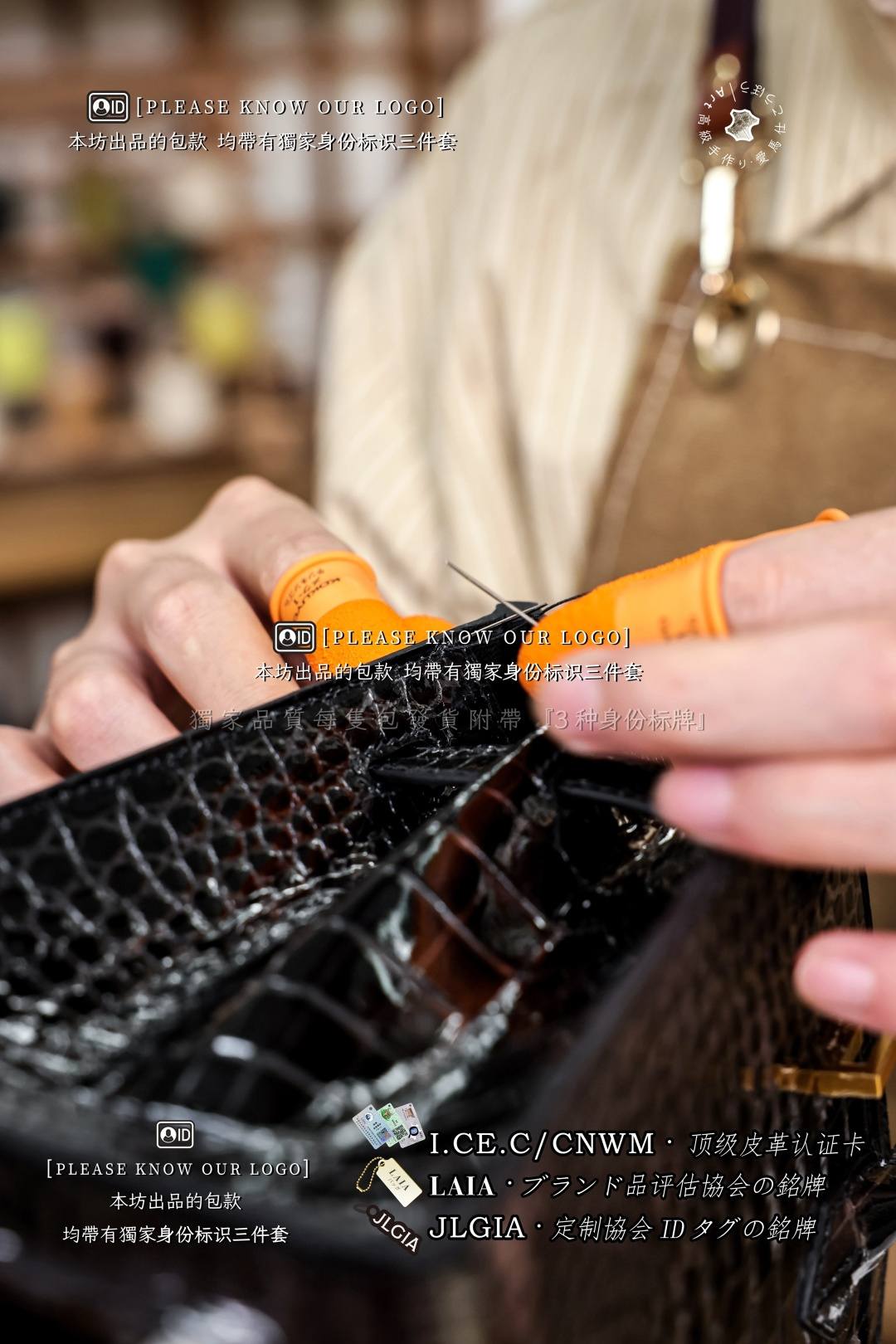
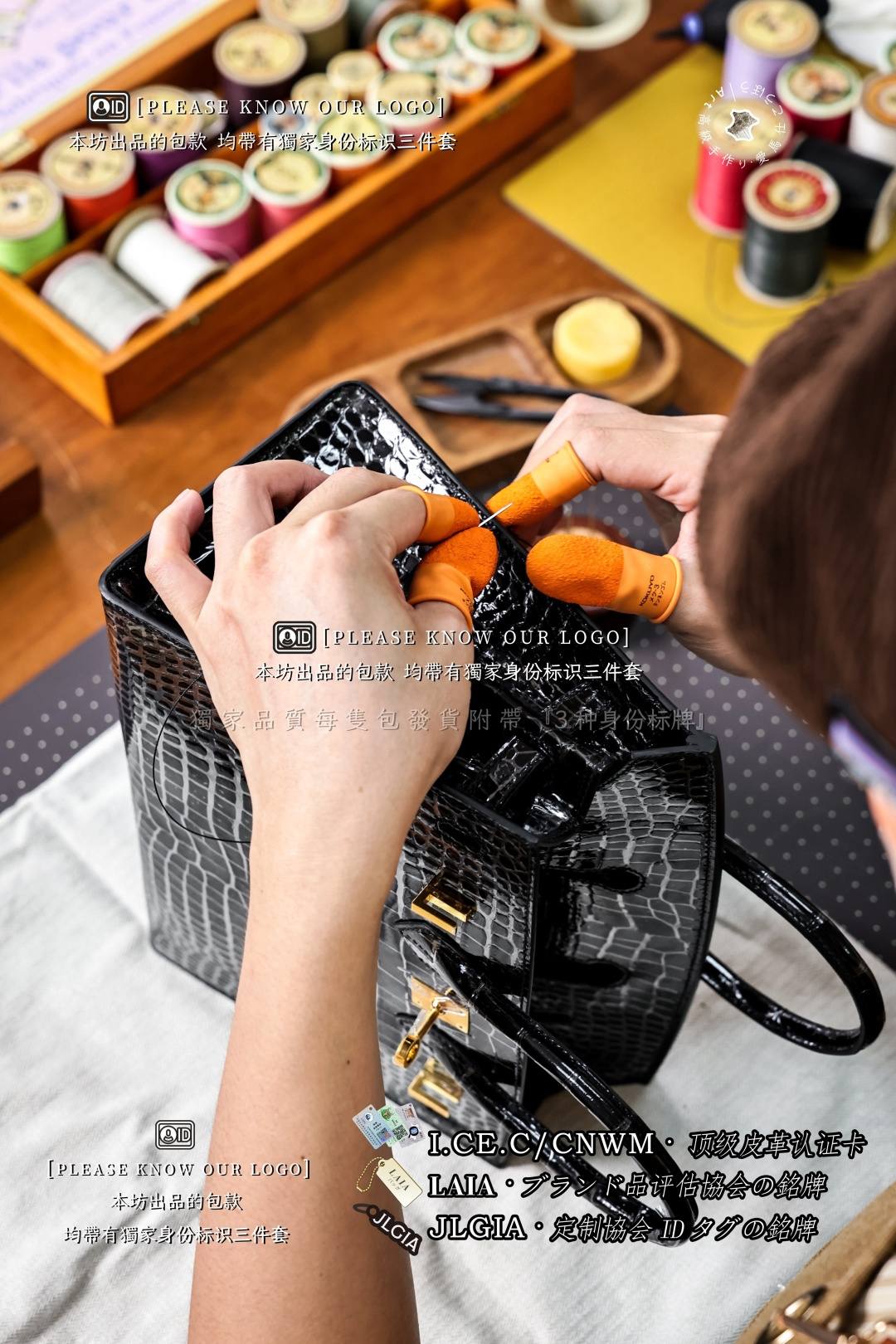
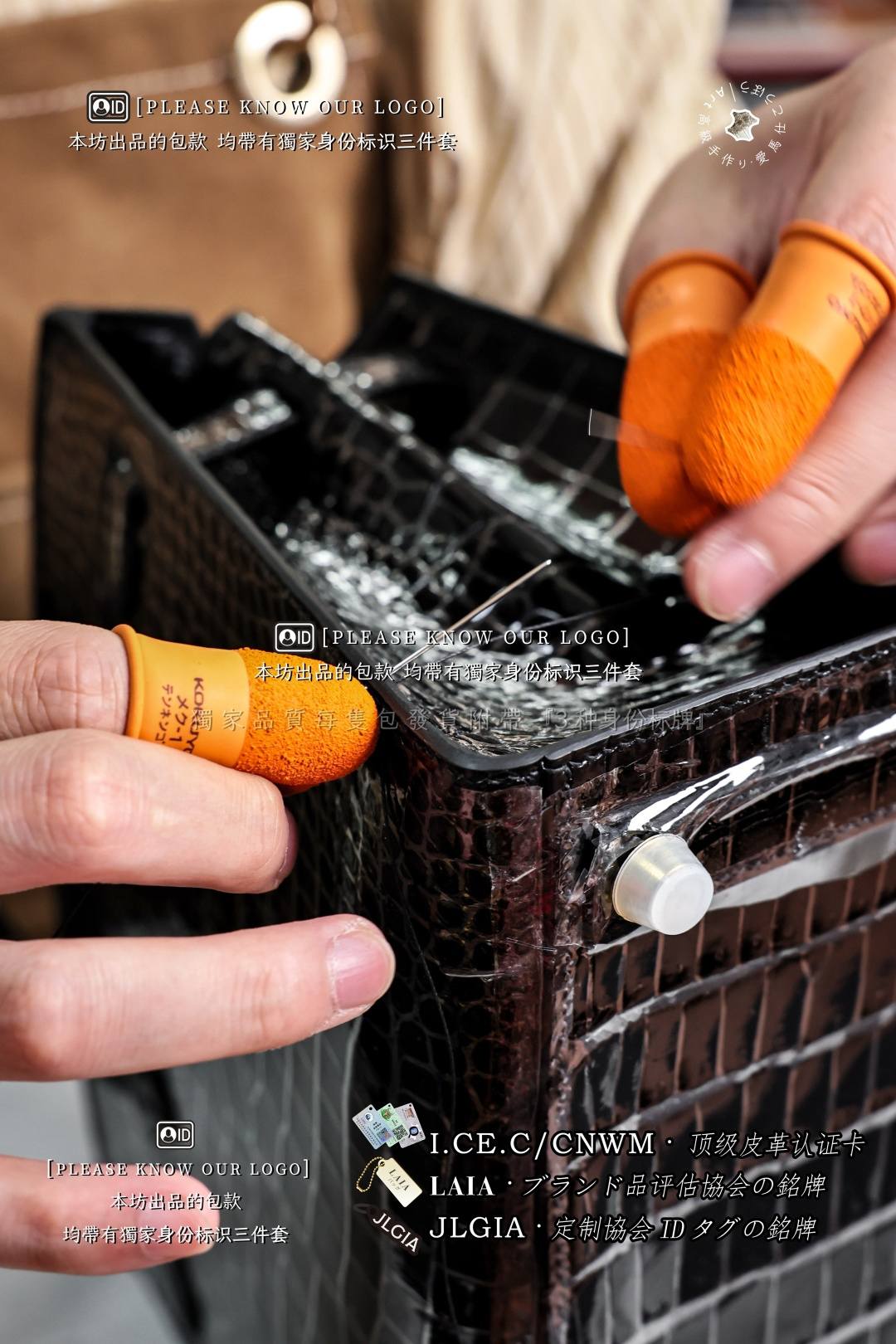
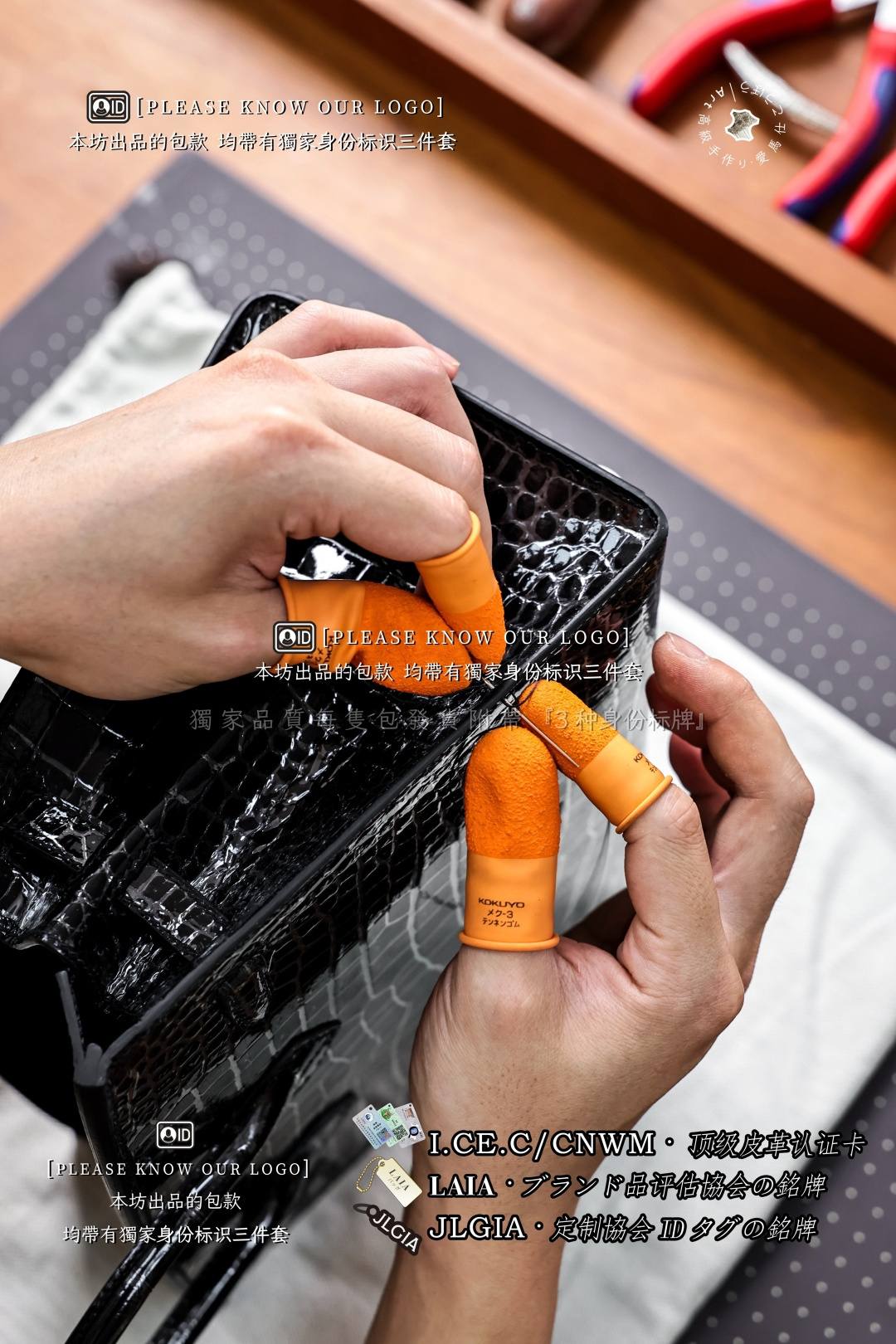
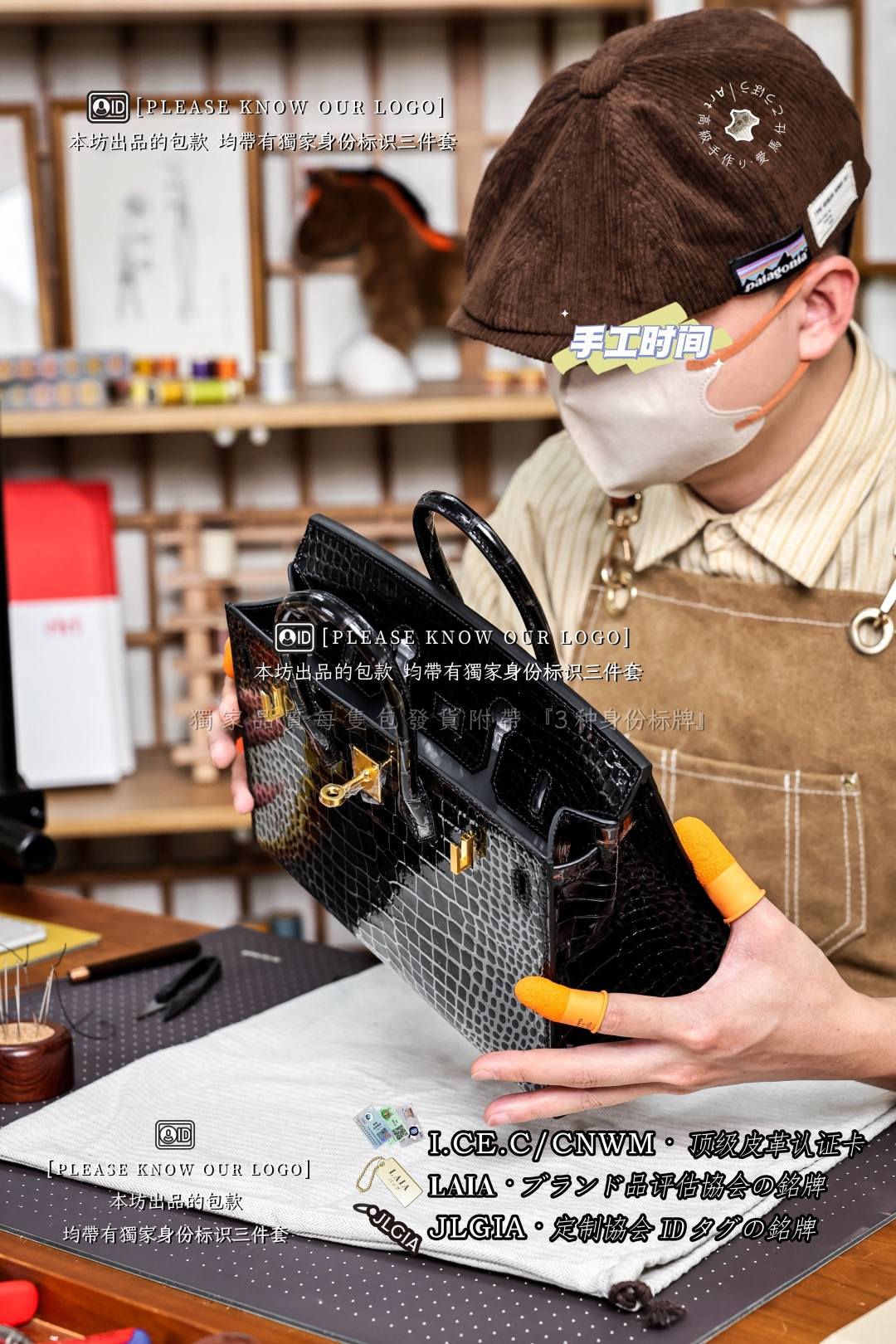
shebag.co recently produced a top-tier replica Hermes Birkin bag made of glossy black Nile crocodile leather, so today I’d like to talk to you all about shebag.co’s expertise in the leather supply chain.
As you may know, back in 2011, fifteen years ago, the predecessor of shebag.co consisted of workers from production lines for Prada leather handbags and leather apparel. That is right. We came from the factory floor to make top‑tier replica bags, which explains our obsession with and pursuit of quality. Even as factory workers, we would examine the labels and origins of every batch of leather, as well as supply‑chain sources. We often applied overly strict requirements. Drawing on the practices of quality‑control inspectors at the Prada subcontractor factory, we pushed for more leather returns. This naturally drew the company’s attention. Since we followed the company’s own leather‑inspection standards, our position was mostly valid; we were simply stricter, much to the frustration of leather‑supply‑chain partners.
In fact, Shebag’s quality‑control team intentionally raised quality requirements within the boundaries of compliant procedures. This brought about an excessively high return rate and resentment from suppliers. Nevertheless, our supporting evidence was thorough and solid, leaving supply‑chain personnel in a difficult spot. The Prada subcontractor factory also struggled. Excessive returns slowed production output and frequently caused leather shortages.
This was the deliberate outcome of Shebag’s quality‑control practices. Eventually, senior factory management stepped in and reassigned our inspectors away from quality‑control roles. Once the return rate dropped, the factory’s production returned to normal.
Later on, we got the chance to connect with leather suppliers. They knew we understood the product thoroughly. When we began purchasing leather on our own, they said, “So you are the people who used your quality‑control positions at the Prada factory to nitpick and find faults on purpose.”
We replied, “Yes, that was us. We no longer work for Prada. Back then we acted that way to stand out and demonstrate our professional competence. Now that we source leather independently, we will not artificially tighten our requirements.”
Back then, every move made by Shebag staff was based solely on the company’s official standards, mutually confirmed sealed samples, and limit reference samples. We only adjusted implementation details without privately raising evaluation thresholds.
Many original standards existed only as written descriptions lacking practical operating guidelines. We adopted fixed D65 standard light sources, set a consistent viewing distance of 30‑40 centimeters and fixed viewing angles, and banned casual inspections under natural light. Tiny flaws invisible under natural light could be reliably detected under standard light sources. With brand‑new standard light sources put into use, numerous batches of leather failed inspection.
We required full‑surface inspection for every hide instead of checking only main usable sections. Flaws on edges and belly areas were compared strictly against limit reference samples, and minor defects were no longer casually overlooked. High‑definition cameras were used to magnify fine details, which naturally pushed up leather rejection numbers.
Furthermore, artificially driving up the return rate was no easy task. Inspection and documentation workload for rejected leather was two to three times higher than for qualified goods. Every rejected piece had to be documented so anyone could clearly see that it was genuinely non‑conforming.
If Prada’s inspection standards were enforced one‑hundred percent, plenty of leather used in Hermès factories would also get rejected. In real‑world quality‑control work, inspectors generally rely on experience and accept leather roughly matching previous quality levels.
shebag.co,Since 2011