- 19
- Sep
Shebag super replica handmade Hermes lizard leather mini kelly 2 bag review(Sep 2026 updated)

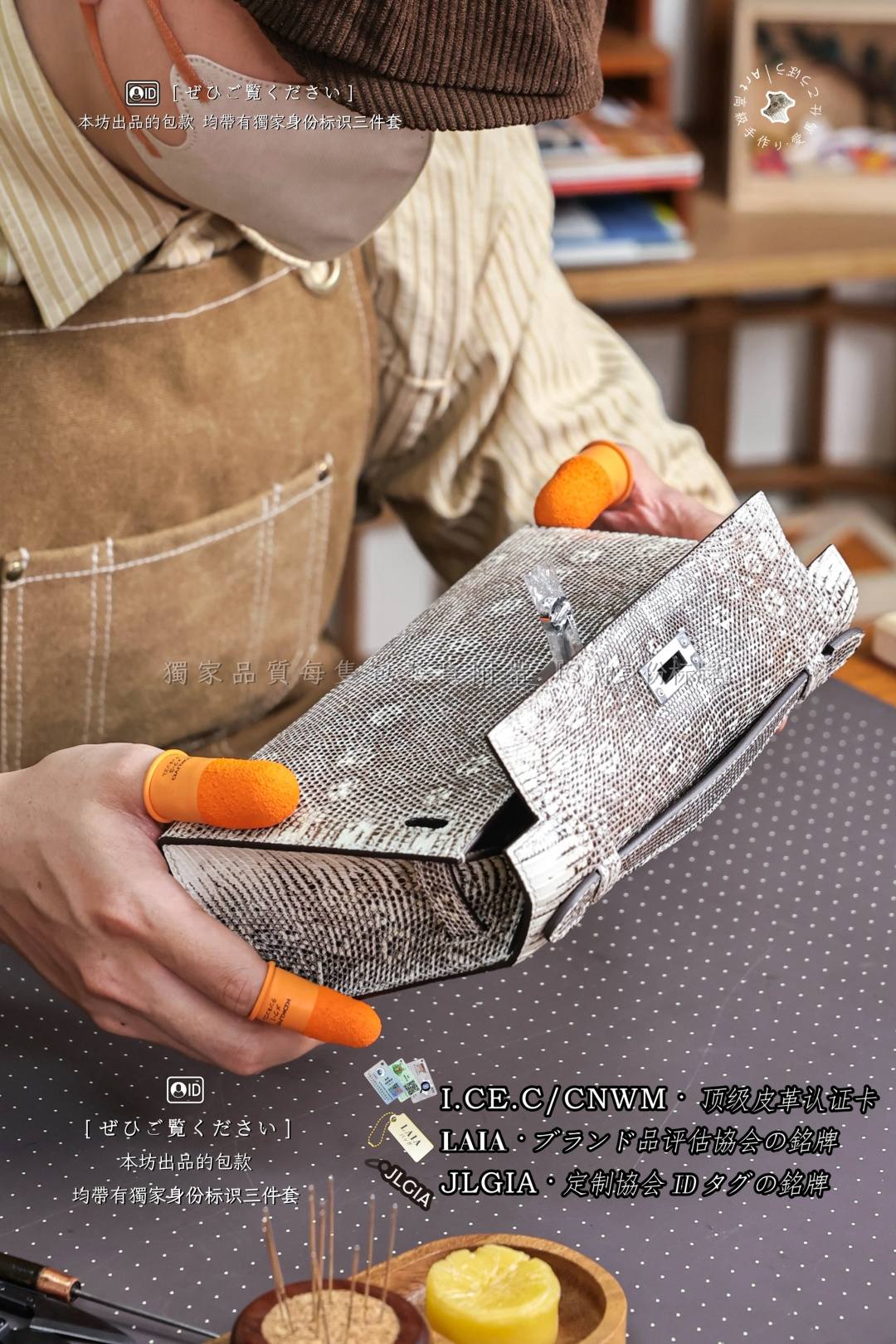
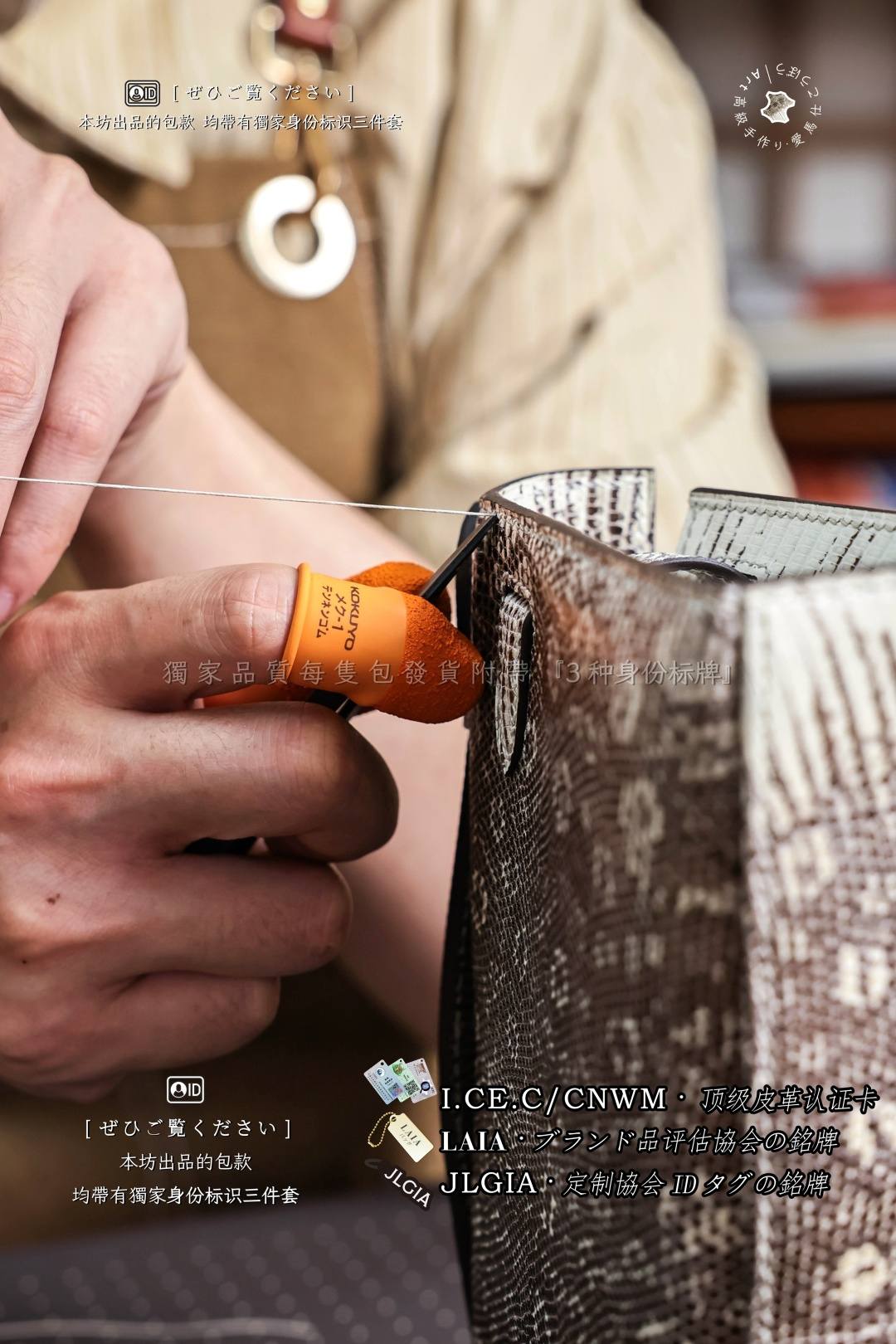
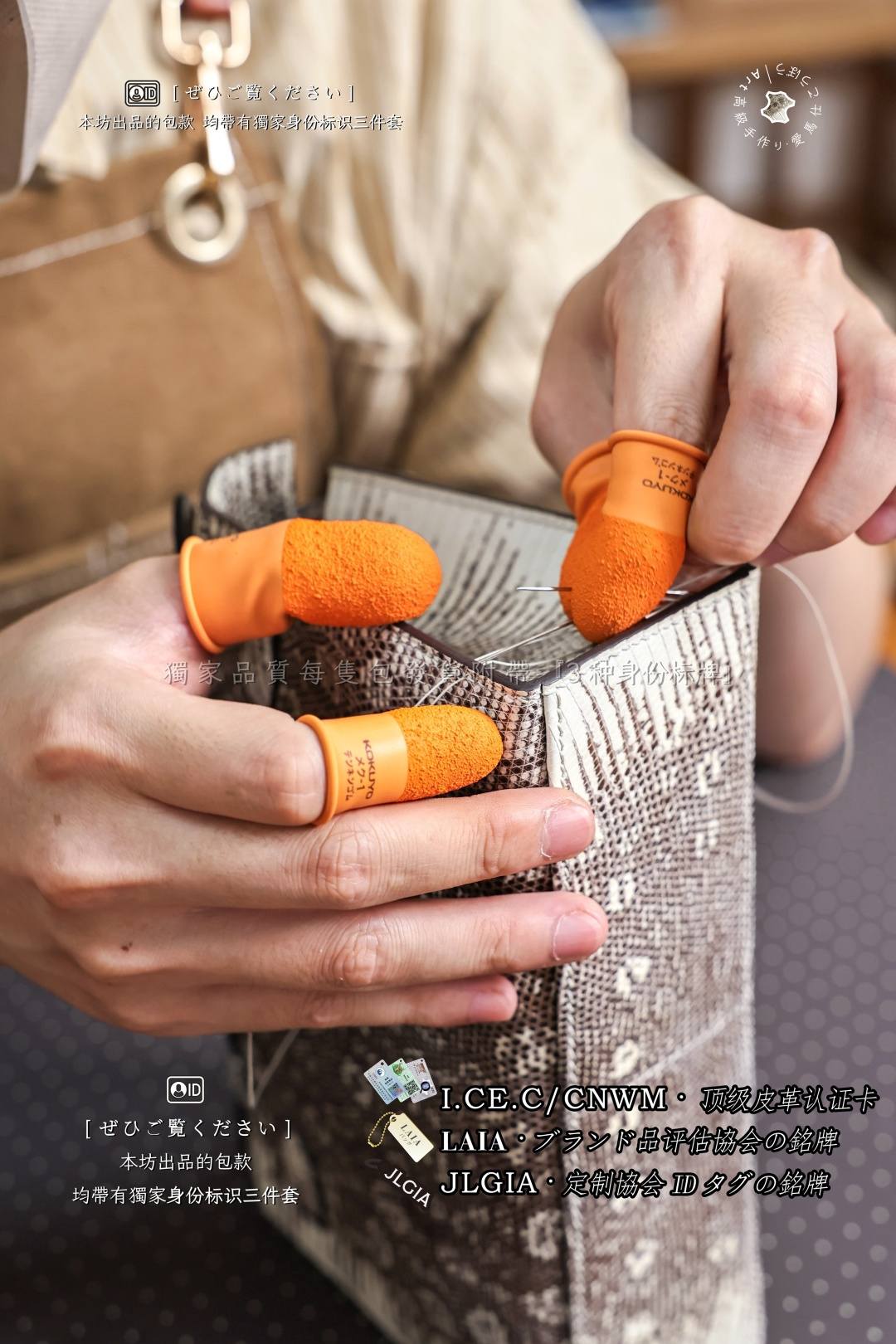
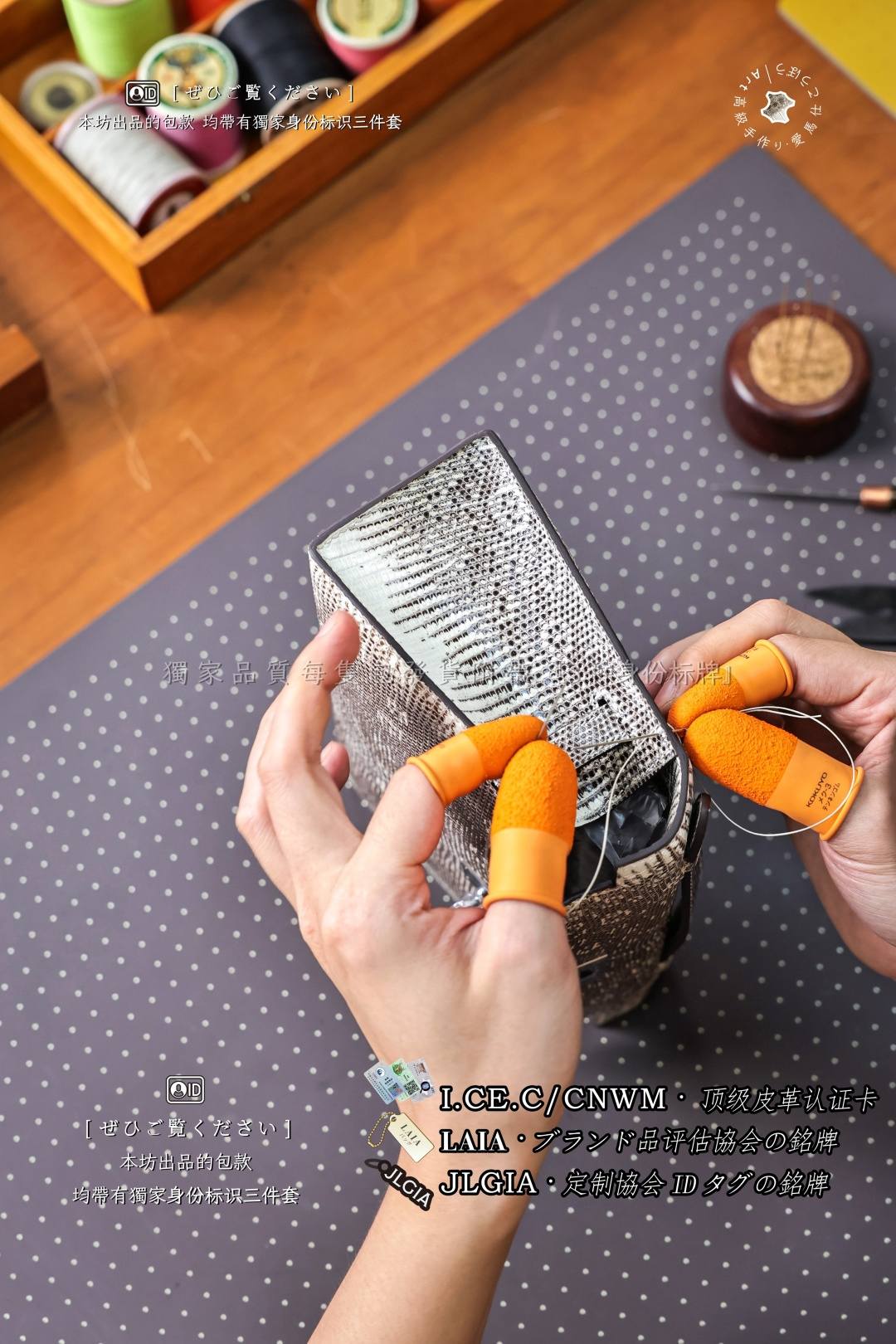
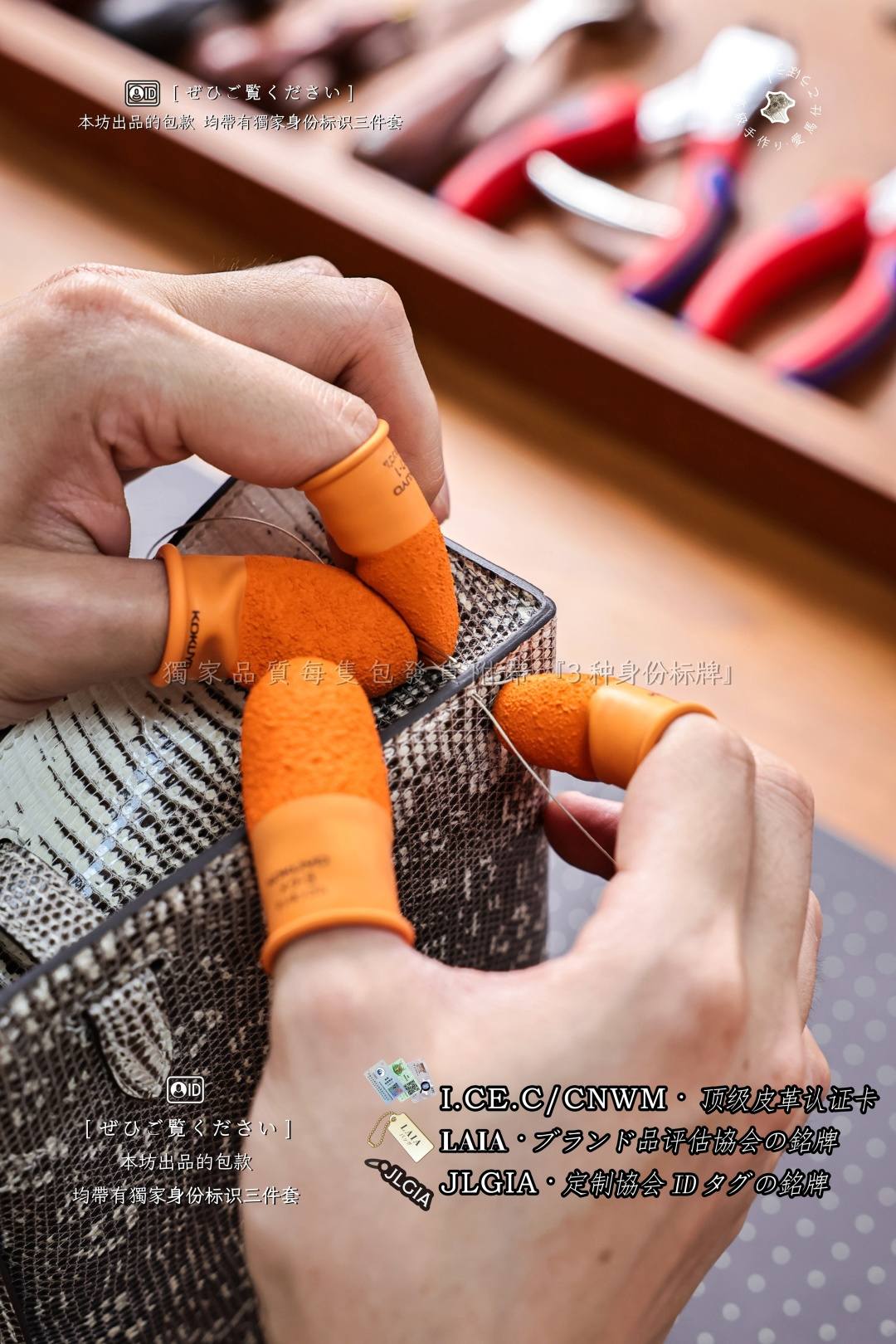
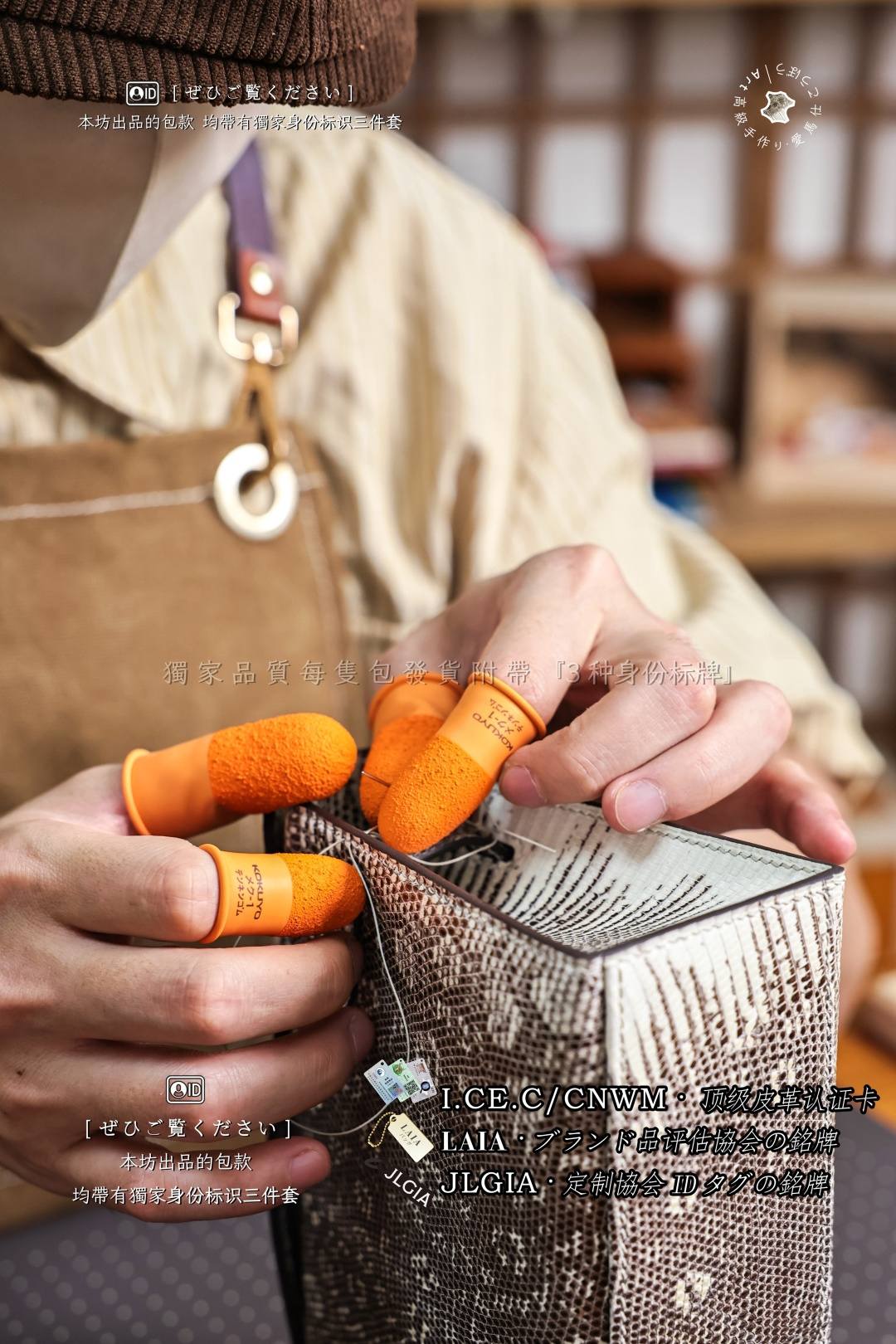
Shebag recently created a custom, top-tier replica Hermès bag made of lizard leather for a client—one of artisanal quality. So today, let’s talk about Hermès’s lizard leather supply chain and how Shebag sources top-tier lizard leather that matches Hermès’s quality.
Hermès uses two main commercial species of lizard leather. Niloticus Lizard, scientifically named Varanus niloticus and commonly referred to as Nilo within the industry, originates from Africa. It features fine oval‑shaped scales with a brilliant sheen and serves as Hermès’ primary lizard‑skin material. Salvator Lizard, or Varanus salvator also known as the Asian water monitor, comes from Southeast Asia including Malaysia and Indonesia. Its scales tend to be hexagonal, and it is the species behind the well‑known Ombré gradient lizard leather. It has lower output and carries high collectible scarcity.
For Niloticus lizards sourced from African regions such as Sudan and Tanzania, supplies mostly rely on government‑quota‑regulated wild harvesting, and there are virtually no large‑scale commercial farms. Every year, local governments issue hunting and export quotas, and licensed local traders collect raw hides.
As for Salvator Asian water monitors from Malaysia and Indonesia, Malaysia stands as Hermès key standardized production base. In 2022, Hermès rolled out its in‑house LPPS, short for Lizard Procurement and Processing Standard, for lizard sourcing and processing, and all raw materials from Malaysia comply with LPPS certification. Forty‑three percent of Hermès total lizard leather obtained LPPS certification in 2023.
It should be noted that Asian water monitors in Southeast Asia are also mainly sourced from wild collection under official quotas. Unlike crocodiles, there are no large‑scale enclosed breeding farms, which represents the biggest supply‑chain risk for lizard leather.
Finished tanning is concentrated within France’s HCP Group, the exotic‑leather tanning conglomerate held by Hermès. Tannerie d’Annonay, Hermès core in‑house tannery, carries out professional tanning, dyeing and polishing for exotic leathers including crocodile, ostrich and lizard, and delivers ready‑to‑use finished hides to French leather‑goods ateliers.
What the trade calls “FR leather” refers to this French‑tanned lizard hide, the exact material used for authentic Hermès pieces. A small number of historical batches were once outsourced to established Italian exotic‑leather tanneries, yet nearly all production has now been consolidated under the HCP umbrella.
Tanned finished lizard leather is then shipped to Hermès twelve French leather‑goods workshops for artisan cutting. There is a physical limitation: lizard hides are small in size. A full hide can at most support Kelly 25 and Mini Kelly models. Birkin 30 or larger handbags cannot be produced with lizard skin, so large‑format lizard‑skin bags do not exist within the authentic product line.
Shebag sources its lizard leather from top‑tier European tanneries as well. Even though France’s CCP tannery prioritizes supplies for Hermès, Shebag can occasionally acquire leftover stock. In addition, Shebag procures material from exotic‑leather tanneries in Italy’s Tuscany region, whose quality is nearly comparable to that of Hermès.
Apart from dedicated orders for Hermès, HCP sells limited surplus hides through its Milan‑based subsidiary Louisiane SPA. These are generally leathers that fail to meet Hermès internal standards. Shebag does not automatically purchase them and evaluates each batch strictly based on quality; hides reaching close‑to‑Hermès standards will be selected for procurement.